
Table of Contents
There’s something deeply calming about stepping into a room that breathes. A space where every object has purpose, every corner holds light, and nothing feels excessive or cold.
This is the promise of Japandi design—a philosophy that weaves Japanese minimalism with Scandinavian warmth into something entirely soulful. For those of us living in smaller homes, this aesthetic becomes even more essential. It teaches us that limitation isn’t compromise; it’s clarity.
In 2026, small Japandi living rooms are evolving beyond stark minimalism. They’re embracing richer textures, warmer tones, and a deeper connection to natural materials. The result is a living space that feels both spacious and intimate, modern yet timeless.
Let’s explore how to bring this tranquil beauty into your compact living room, with practical ideas that honor both your space and your budget.
What Is Japandi Style in Living Rooms?
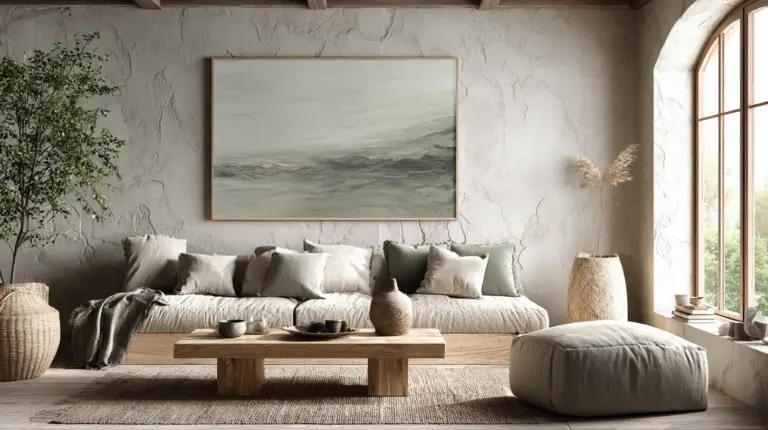
Japandi is the gentle marriage of two design philosophies that share a reverence for simplicity. Japanese wabi-sabi teaches us to find beauty in imperfection—the worn grain of wood, the asymmetry of handmade pottery. Scandinavian hygge invites warmth through soft textiles, ambient lighting, and natural materials.
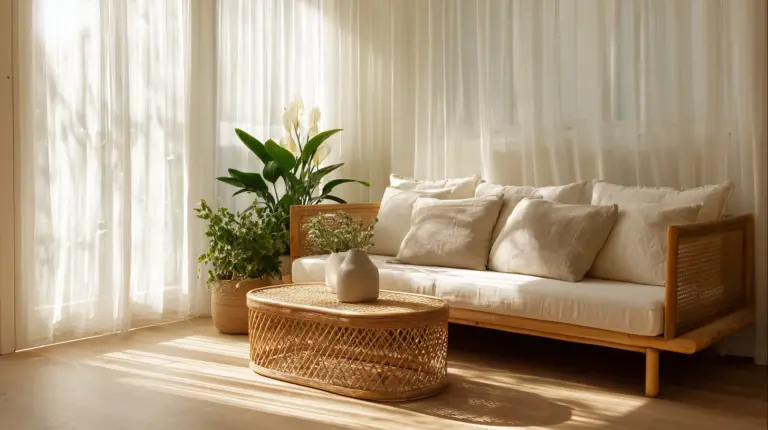
Together, they create living rooms that feel uncluttered yet deeply comforting. Think low-profile sofas in oatmeal linen, walls painted in soft greige, and a single sculptural vase holding dried grasses. Everything serves a purpose, yet nothing shouts for attention.
For small spaces, this philosophy becomes transformative. By eliminating visual noise and choosing multifunctional pieces, your living room gains breathing room—both physical and psychological.
Are Japandi Living Rooms Still Trending in 2026?
Absolutely, though the aesthetic has matured beautifully. Where 2024’s Japandi leaned cool and neutral, 2026 embraces warmer undertones and tactile richness.
The shift reflects our collective desire for comfort after years of minimalism that sometimes felt austere. We’re seeing more caramel leathers, honey-toned oak, and textiles in rust and terracotta. The bones remain minimal, but the soul has grown warmer.
This evolution makes Japandi even more accessible for Filipino homes, where our tropical climate and cultural warmth naturally align with cozier palettes. The style no longer fights our context—it embraces it.
How to Design a Small Japandi Living Room
Start With Intentional Space Planning
Small rooms demand ruthless editing. Begin by removing anything that doesn’t serve beauty or function—excess furniture, decorative clutter, busy patterns.
Measure your space carefully. In compact Silang or Metro Manila apartments, even 20 centimeters matter. Choose furniture that fits the scale of your room, not your aspirations.
Create zones through furniture placement rather than walls. A low bookshelf can define your seating area without blocking sightlines. This visual openness is crucial for making small spaces feel expansive.
Embrace Low-Profile Furniture for Visual Spaciousness
Height is your secret weapon in small living rooms. Low-profile sofas, floor cushions, and leggy side tables keep sightlines open and ceilings feeling higher.
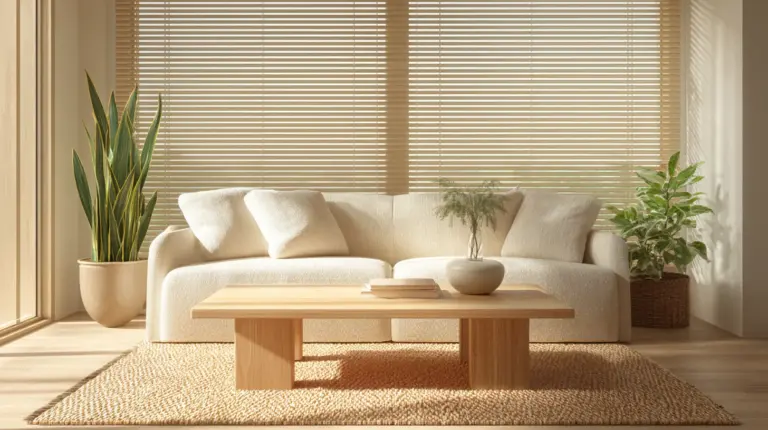
A platform sofa in natural linen sits just 40 centimeters off the floor, creating the illusion of more vertical space. Pair it with a slim-legged coffee table in light oak—something you can see through and beneath.
Avoid bulky recliners or oversized sectionals. Instead, invest in a quality two-seater with clean lines and a depth of no more than 85 centimeters. Your room will thank you with newfound breathing room.
Choose a Refined Neutral Palette
The Japandi color story for 2026:
- Base: Soft whites, warm grays (greige), and beige
- Accents: Rust, terracotta, sage green, and charcoal
- Wood tones: Honey oak, light ash, and natural rattan
These colors work together to create depth without chaos. Paint your walls in a warm greige—it softens harsh sunlight while making rooms feel larger than pure white.
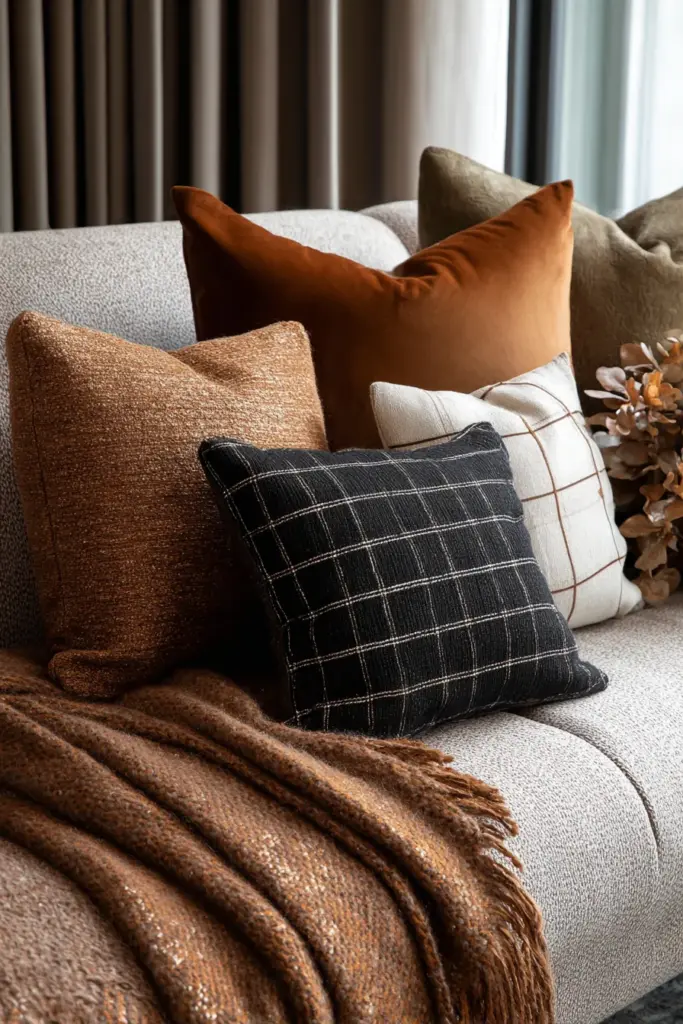
Introduce color through textiles and ceramics rather than paint. A rust-colored throw pillow, a sage green pottery vase, or a charcoal wool blanket adds warmth you can swap seasonally.
For Filipino homes in humid Calabarzon, these earthy tones also hide the inevitable dust better than stark whites, making maintenance more forgiving.
Layer Natural Materials and Textures
Texture is where small Japandi rooms come alive. Without it, minimalism feels cold; with it, restraint becomes richness.
Essential textures to layer:
- Linen for upholstery and curtains (breathable in tropical heat)
- Wool or cotton for throws and floor cushions
- Rattan or wicker for baskets and accent chairs
- Natural wood for furniture and shelving
- Stone or ceramic for decorative objects
The key is varying the tactile experience. A smooth linen sofa gains interest beside a chunky knit throw. A sleek ceramic vase contrasts beautifully against weathered wood shelving.
Don’t shy from local materials. Philippine narra wood, bamboo, and abaca fiber bring authentic warmth while supporting sustainable sourcing. These materials also breathe naturally in our climate, unlike synthetic alternatives.
Maximize Storage Without Visual Clutter
Hidden storage is non-negotiable in small Japandi spaces. Everything should have a home, yet nothing should announce itself as “storage.”
Built-in cabinetry along one wall creates clean lines while housing electronics, books, and everyday items. Choose designs with minimal hardware—push-to-open doors maintain the seamless aesthetic.
Multifunctional furniture works overtime in compact rooms. Ottoman storage boxes double as coffee tables. Bench seating with lift-up lids provides both perching spots and hidden space for throws and magazines.
Smart storage solutions under ₱15,000:
- IKEA Bestå wall-mounted cabinets (₱8,000-12,000)
- Local carpenter-built narra wood credenza (₱10,000-14,000)
- Rattan storage baskets from Divisoria (₱300-800 each)
For renters, peel-and-stick floating shelves and freestanding wardrobes in light wood maintain flexibility without drilling into walls.
Perfect Your Lighting Strategy
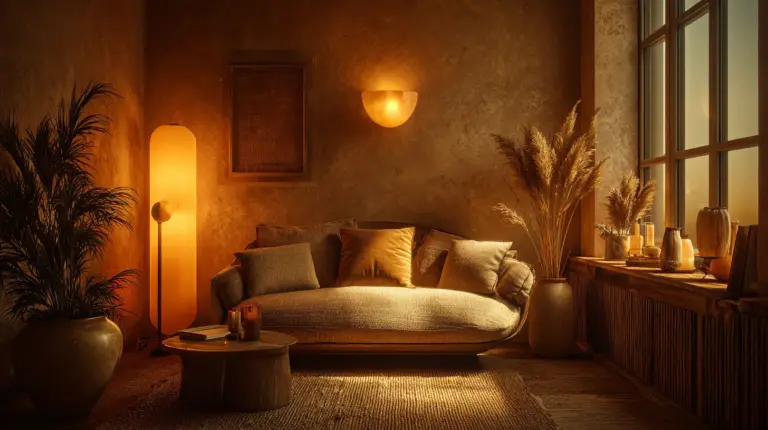
Lighting transforms small spaces from cramped to expansive. Japandi design favors layered, warm light over harsh overhead fixtures.
Three-layer lighting approach:
- Ambient light: Recessed ceiling lights or pendant lamps with warm (2700K-3000K) bulbs create overall illumination
- Task light: Arc floor lamps beside seating areas or slim table lamps for reading
- Accent light: Hidden LED strips under shelving or behind plants add depth and drama
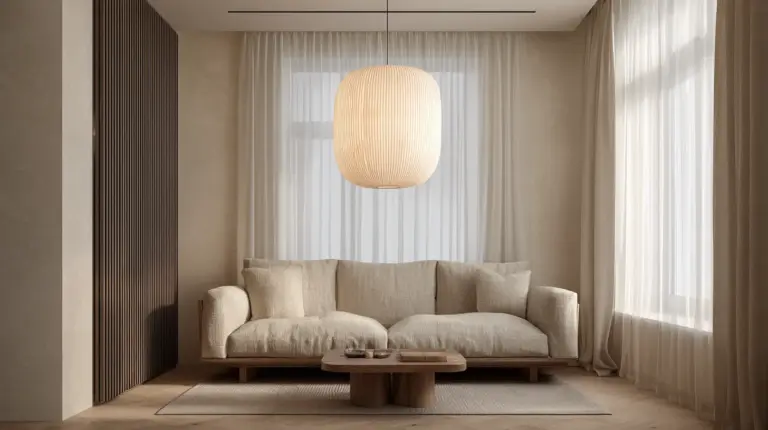
Natural light remains your most valuable asset. Keep window treatments minimal—sheer linen curtains in warm white filter harsh sun while maintaining privacy. Avoid heavy drapes that shrink your space visually.
For tech-forward touches, smart bulbs with voice control let you adjust brightness and warmth throughout the day, supporting both productivity and evening relaxation—all while maintaining clean, cord-free aesthetics.
Japandi Living Room Essentials for Small Spaces
The Foundation Pieces
Not everything deserves space in a compact living room. These essentials form the backbone of successful small Japandi design:
- Low-profile sofa in neutral linen or cotton (2-seater, max 170cm length)
- Lightweight coffee table in light wood or stone (round or oval to ease traffic flow)
- Slim shelving unit for books and curated objects (open or with sliding doors)
- Floor lamp with warm light and adjustable arm
- Natural fiber rug to define the seating zone (jute or sisal work beautifully)
Each piece should earn its place through beauty and utility. If something serves only decoration, question whether it truly sparks joy or simply fills space.
The Finishing Touches
Once your foundation is solid, layer in personality through carefully chosen accents:
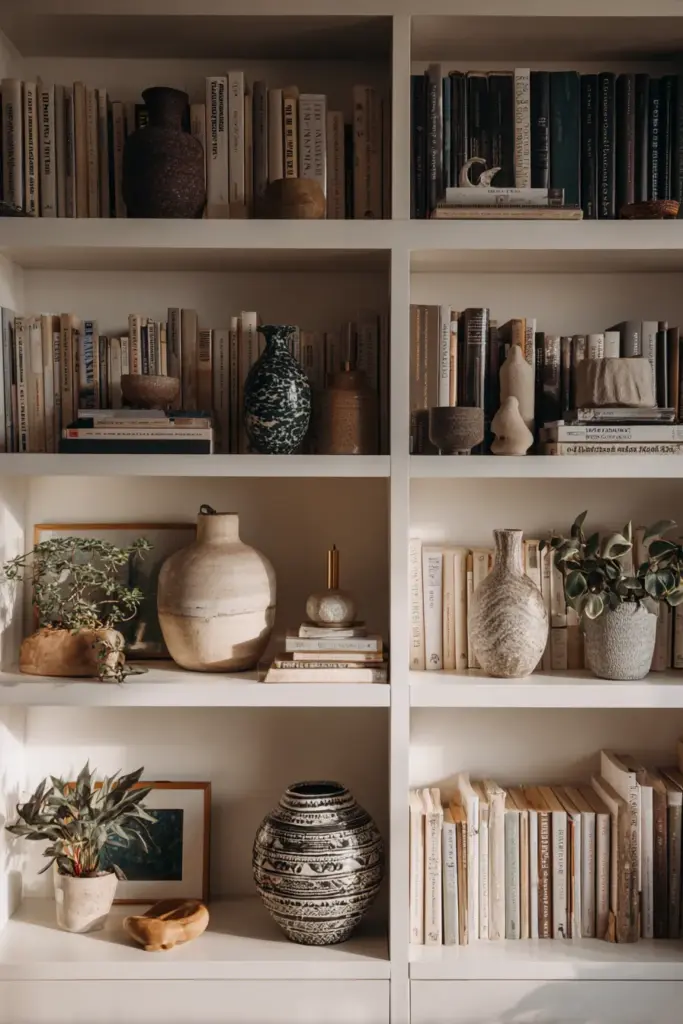
- Pottery in earthy glazes (handmade pieces show beautiful imperfection)
- Dried botanicals in simple vases (pampas grass, preserved eucalyptus)
- Linen cushions in varied textures (smooth, slub-weave, stonewashed)
- A single piece of wabi-sabi art (abstract landscapes, ceramic wall pieces)
- Greenery in minimal planters (more on this below)
Resist the urge to fill every surface. Negative space—the breathing room around objects—is as important as the objects themselves.
Budget-Friendly Japandi Makeover for Philippine Homes
Under ₱20,000 Complete Room Refresh
Creating a Japandi living room doesn’t require luxury budgets. Smart sourcing and DIY efforts can transform your space affordably.
| Item | Source | Approximate Cost |
|---|---|---|
| Two-seater sofa (neutral fabric) | IKEA Ektorp or local furniture shops | ₱8,000-12,000 |
| Coffee table (light wood) | Carpenter in Divisoria/Dapitan | ₱2,000-3,500 |
| Floor lamp | Wilcon Depot/Ace Hardware | ₱1,500-2,500 |
| Storage baskets (rattan) | Divisoria | ₱300-800 each |
| Linen curtains | Online (Shopee/Lazada) | ₱800-1,500 per panel |
| Throw pillows & blanket | Department stores/online | ₱1,500-3,000 total |
| Indoor plants & pots | Local nurseries | ₱500-1,200 total |
| Wall paint (greige/warm gray) | Boysen/Davies | ₱1,000-1,500 |
Total: ₱15,600-25,000 depending on choices
DIY Transformations for Renters
If you’re renting in Calabarzon or Metro Manila, these no-drill solutions maintain your deposit:
Peel-and-stick wood panels for accent walls (₱500-800 per panel) create warmth without permanent changes. Apply to one wall behind your sofa for instant architectural interest.
Command strips and floating shelves provide storage without drilling. Modern designs in light oak blend seamlessly with Japandi aesthetics.
Removable wallpaper in subtle linen textures (₱1,200-2,000 per roll) adds dimension to plain walls. Choose patterns with barely-there stripes or natural weaves.
Furniture risers in natural wood lift low-clearance pieces, improving airflow—essential in our humid climate—while creating storage space beneath.
These interventions achieve 20-30% more perceived spaciousness according to interior design metrics, proving that clever styling matters more than permanent renovations.
Bringing Nature Indoors: Tropical-Friendly Japandi Plants
Heat-Tolerant Greenery for Philippine Climate
Plants soften minimalist spaces and purify air, but tropical humidity demands specific care. Choose varieties that thrive in Calabarzon’s warm, moist conditions:
Best Japandi plants for small Filipino living rooms:
- Sansevieria (Snake Plant): Nearly indestructible, tolerates low light, requires water only every 2-3 weeks
- Monstera deliciosa (compact varieties): Tropical native, loves humidity, dramatic foliage in minimal space
- Pothos: Trailing or climbing, purifies air, forgiving of neglect
- ZZ Plant: Glossy leaves, extremely low-maintenance, tolerates irregular watering
- Rubber Plant (Ficus elastica): Bold statement piece, prefers bright indirect light
Care in Humid Environments
Philippine humidity benefits most plants but requires adjusted watering. During rainy season (June-November), reduce frequency by 30-40%. Check soil moisture with your finger before watering—soggy roots invite rot.
Place plants in breathable terracotta or ceramic pots rather than plastic, which traps moisture. Elevate pots on wooden risers to improve air circulation and prevent water stains on floors.
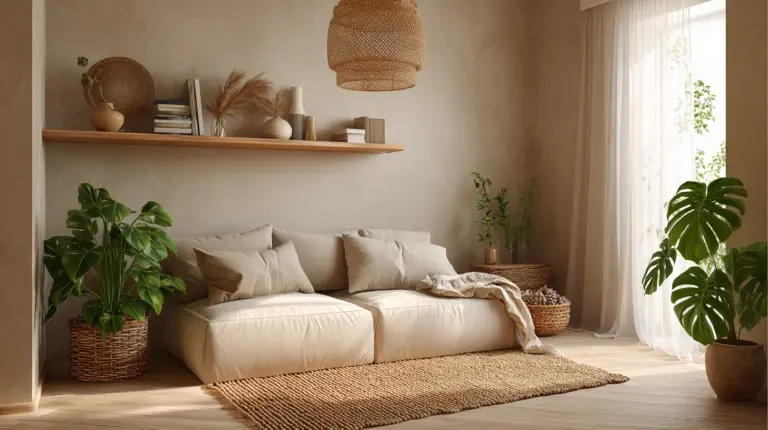
Group plants in odd numbers (3 or 5) at varying heights for visual interest. A tall Monstera beside low-profile Pothos and mid-height Sansevieria creates natural rhythm without overwhelming small spaces.
Smart Tech Integration for Modern Japandi Living
Hidden Technology That Serves Simplicity
Technology should enhance tranquility, not disrupt it. The 2026 Japandi aesthetic embraces smart devices that disappear into design.
Minimalist-friendly tech solutions:
- Voice-controlled smart bulbs (Philips Hue, Xiaomi) let you adjust lighting without visible switches or remotes
- Hidden LED strips behind shelving or under sofas create ambient glow that makes rooms feel larger at night
- Wireless charging stations integrated into side tables eliminate cord clutter
- Smart speakers in neutral fabric (Google Nest Audio in chalk) blend into color schemes
- Acoustic panels disguised as art reduce echo in small rooms with hard surfaces
Mount TVs on articulating arms that tuck into cabinets when not in use, or frame screens as artwork using Samsung Frame or similar technologies. The goal is technology that serves without announcing itself.
In humid tropical climates, also consider a whisper-quiet dehumidifier in neutral tones—it protects natural materials while maintaining the serene acoustic environment essential to Japandi spaces.
Sustainable Sourcing for Filipino Japandi Homes
Local Materials That Honor the Philosophy
Authentic Japandi design values sustainability and craftsmanship. Philippine sources offer beautiful materials that reduce environmental impact while supporting local artisans.
Where to find eco-conscious Japandi materials:
- Upcycled narra wood furniture: Check Manila Wood Recyclers or local carpenters who salvage antique pieces
- Natural rattan and bamboo: Cebu and Pampanga regions produce exceptional woven furniture and baskets
- Handwoven abaca textiles: Mindanao weavers create durable, breathable fabrics perfect for tropical Japandi
- Ceramic pottery: Vigan and Laguna artisans craft beautiful minimalist ceramics
- Reclaimed wood shelving: Architectural salvage yards in Quezon City and Mandaluyong
These materials breathe naturally in high humidity, age beautifully, and connect your home to local craft traditions. They also tend to last longer than mass-produced alternatives, reducing replacement costs.
Care tips for tropical climate:
- Oil wooden furniture quarterly with coconut or tung oil to prevent drying and cracking
- Air out textile cushions weekly during dry season to prevent mildew
- Keep rattan away from direct rainfall or excessive moisture
- Wipe ceramic pieces with dry cloth to prevent water spots in humid weather
Small Japandi Living Room Trends Checklist
Ready to transform your compact space? Use this guide to ensure you’ve covered the essentials:
Foundation:
- Decluttered and edited possessions to essentials only
- Walls painted in warm neutrals (greige, beige, soft white)
- Low-profile sofa scaled appropriately for room size
- Lightweight coffee table that allows visual flow
- Minimal window treatments in natural fabrics
Texture & Materials:
- At least 3 different natural textures layered (linen, wood, stone, etc.)
- Local sustainable materials incorporated where possible
- Natural fiber rug to define seating area
- Mix of smooth and rough surfaces for tactile interest
Storage & Function:
- Hidden storage solutions that maintain clean lines
- Multifunctional furniture pieces
- Everything has a designated home
- Built-in or wall-mounted cabinets to maximize floor space
Lighting:
- Three-layer lighting strategy implemented
- Warm-toned bulbs (2700K-3000K) throughout
- Natural light maximized with sheer curtains
- Ambient and task lighting balanced
Finishing Details:
- Plants chosen for tropical climate compatibility
- Curated objects displayed with negative space around them
- Wabi-sabi elements celebrating imperfection
- Color introduced through textiles and ceramics, not paint
- Technology hidden or integrated seamlessly
Climate Considerations:
- Materials chosen for humidity tolerance
- Proper air circulation around furniture and plants
- Maintenance plan for tropical conditions
Conclusion: Your Sanctuary Awaits
Creating a small Japandi living room isn’t about following rigid rules or achieving perfection. It’s about honoring what matters—light, texture, space to breathe, objects that bring quiet joy.
In compact Philippine homes, this philosophy becomes especially meaningful. We’re learning that smaller spaces can hold more beauty when we choose carefully. That limitation teaches us what we truly value.
As you begin your Japandi journey, move slowly. Add one piece at a time. Live with it. Notice how light falls differently, how your breathing deepens in the new calm. This is design as meditation, space as sanctuary.
Your living room is waiting to become the peaceful retreat you’ve been seeking. It doesn’t require a large budget or a large space—only intention, care, and the courage to embrace simplicity.
Welcome home to tranquility.
Frequently Asked Questions
What is the difference between minimalist and Japandi style?
While both embrace simplicity, minimalism can feel stark and cold. Japandi adds warmth through natural materials, layered textures, and imperfect handcrafted objects. Think of minimalism as the structure and Japandi as the soul—where Scandinavian coziness softens Japanese restraint into something deeply livable.
How much does a small Japandi living room cost in the Philippines?
A complete transformation ranges from ₱15,000-25,000 for budget-conscious makeovers using local sources and DIY elements. Mid-range renovations with quality furniture run ₱40,000-70,000. The key is sourcing smartly—local carpenters, Divisoria finds, and online deals can achieve the aesthetic at any price point.
What colors are trending for Japandi living rooms in 2026?
The palette has warmed significantly. Base neutrals remain—greige, beige, and soft whites—but 2026 embraces accent colors like rust, terracotta, sage green, and warm caramel. Wood tones have shifted from cool ash to honey oak. The overall effect is cozier and more inviting than previous years’ cooler interpretations.
Can Japandi style work in humid tropical climates?
Absolutely, and it actually thrives here. Natural materials like rattan, bamboo, and linen breathe beautifully in humidity. The minimalist approach reduces dust-catching clutter. Choose local sustainable materials that have evolved for our climate—narra wood, abaca textiles, native plants. Regular airing and proper spacing between furniture prevents moisture issues.
What size sofa works best for small Japandi living rooms?
Choose low-profile two-seaters no longer than 170-180cm for rooms under 20 square meters. The sofa should sit 40-45cm off the floor to maintain visual spaciousness. Opt for raised legs rather than skirted bases—this allows light to flow beneath, making the piece feel lighter. Neutral fabrics in linen or cotton work best for both aesthetic and tropical climate comfort.