
Table of Contents
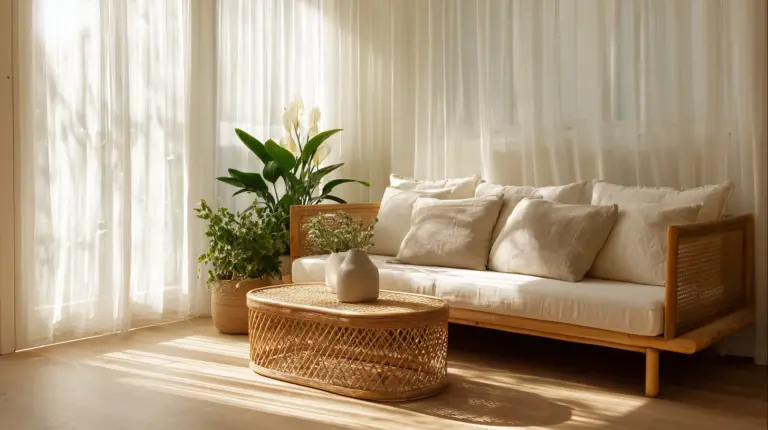
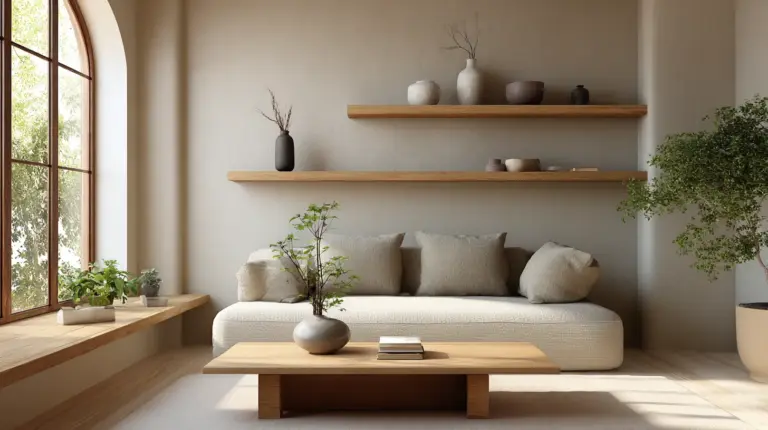
There’s something deeply calming about a room that breathes. A space where natural light pools on warm wood, where every object has purpose, and where sustainability meets soul. This is the heart of Japandi design — a gentle fusion of Japanese minimalism and Scandinavian coziness that transforms even the smallest living room into a sanctuary.
In compact homes, especially here in the Philippines where space is precious, creating a sustainable Japandi living room isn’t just about aesthetics. It’s about choosing materials that honor the earth, furniture that serves multiple lives, and a design philosophy that whispers less, but better.
Whether you’re in a cozy Silang apartment or a small urban condo, this guide will walk you through creating a living room that’s both beautiful and kind to the planet. From FSC-certified wood to upcycled treasures from Divisoria, we’ll explore how to build a space that feels intentional, warm, and entirely yours.
Let’s begin with breath and intention.
What Makes a Japandi Living Room Truly Sustainable?
Sustainability in Japandi design goes beyond buzzwords. It’s woven into every choice — the reclaimed teak coffee table, the organic linen cushions, the LED bulbs that cut your electricity bill by 30%.
True sustainable design means selecting pieces that last decades, not seasons. It means understanding certifications like FSC (Forest Stewardship Council) for wood and GOTS (Global Organic Textile Standard) for fabrics. These aren’t just labels — they’re promises that your furniture comes from responsibly managed forests and chemical-free textiles.
In the Philippines, where humidity and heat shape our daily lives, sustainable choices also mean durability. Natural materials like bamboo, rattan, and solid wood thrive in our tropical climate when properly treated, unlike synthetic furniture that warps and degrades.
The Environmental Impact of Thoughtful Design
When you choose a secondhand mid-century chair over a new fast-furniture piece, you’re preventing approximately 35 kg of CO2 emissions. When you opt for natural light over excessive artificial lighting, you’re reducing your energy consumption by 20-30% monthly.
These numbers matter. But what matters more is the shift in mindset — from consuming to curating, from buying to belonging.
Core Elements of Small Japandi Living Rooms
Natural Materials That Ground the Space
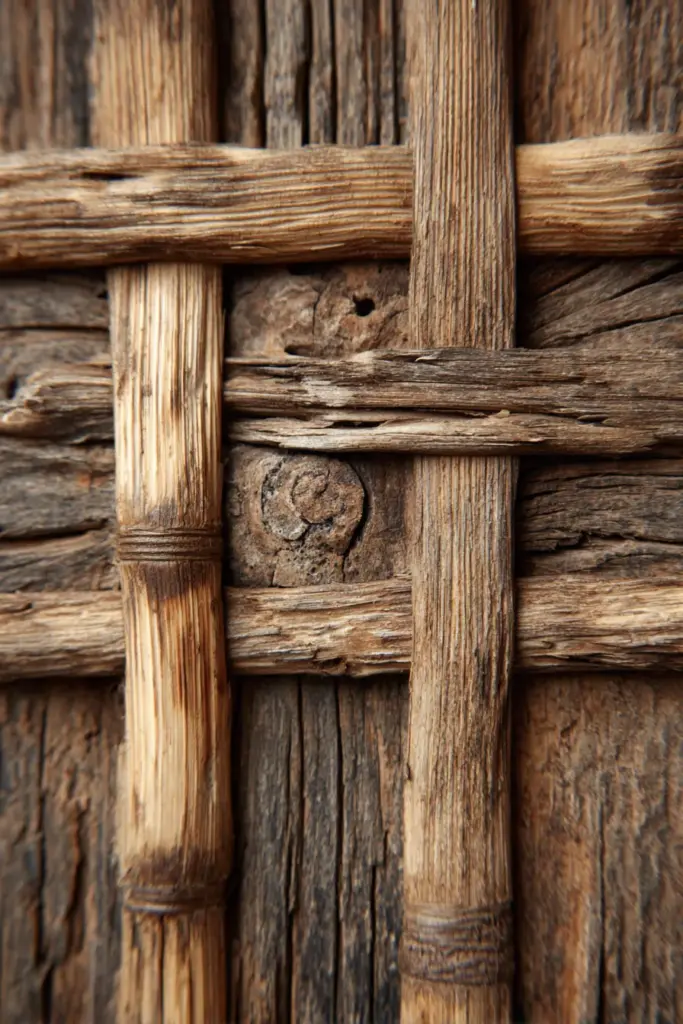
Wood is the heartbeat of Japandi design. Not glossy, over-processed planks, but wood with character — grain that tells stories, knots that remind us of imperfection’s beauty.
Look for sustainably sourced options: acacia wood from certified plantations, reclaimed wood from old bahay kubo structures, or bamboo (which regenerates in just 3-5 years compared to hardwood’s 20-30 years). In local markets like Dapitan Arcade or online through Shopee’s eco-sellers, you can find beautiful bamboo shelving units for under ₱5,000.
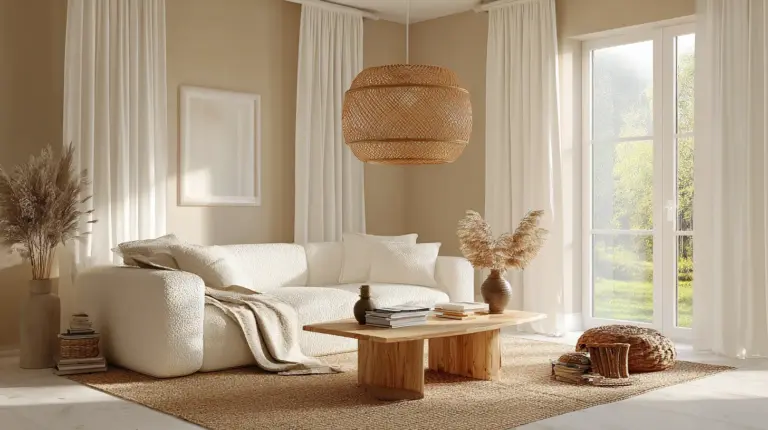
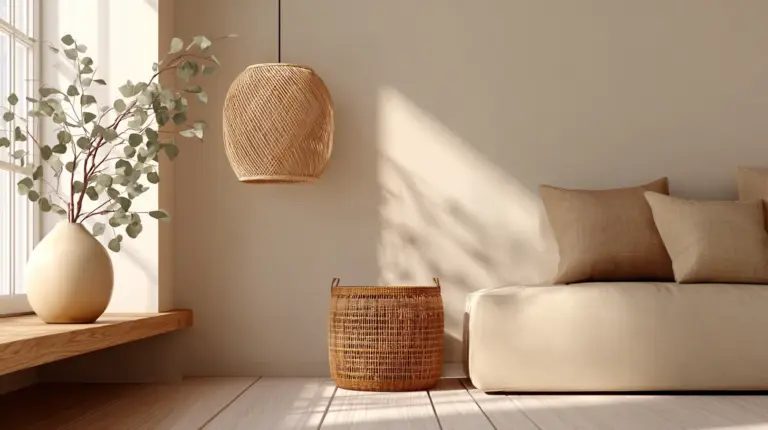
Linen and cotton fabrics in natural, undyed tones add softness without synthetic microplastics. A handwoven abaca rug grounds the room while supporting local artisans. Rattan accents — perhaps a magazine basket or pendant light shade — bring texture and breathability.
Low-Profile Furniture for Visual Spaciousness
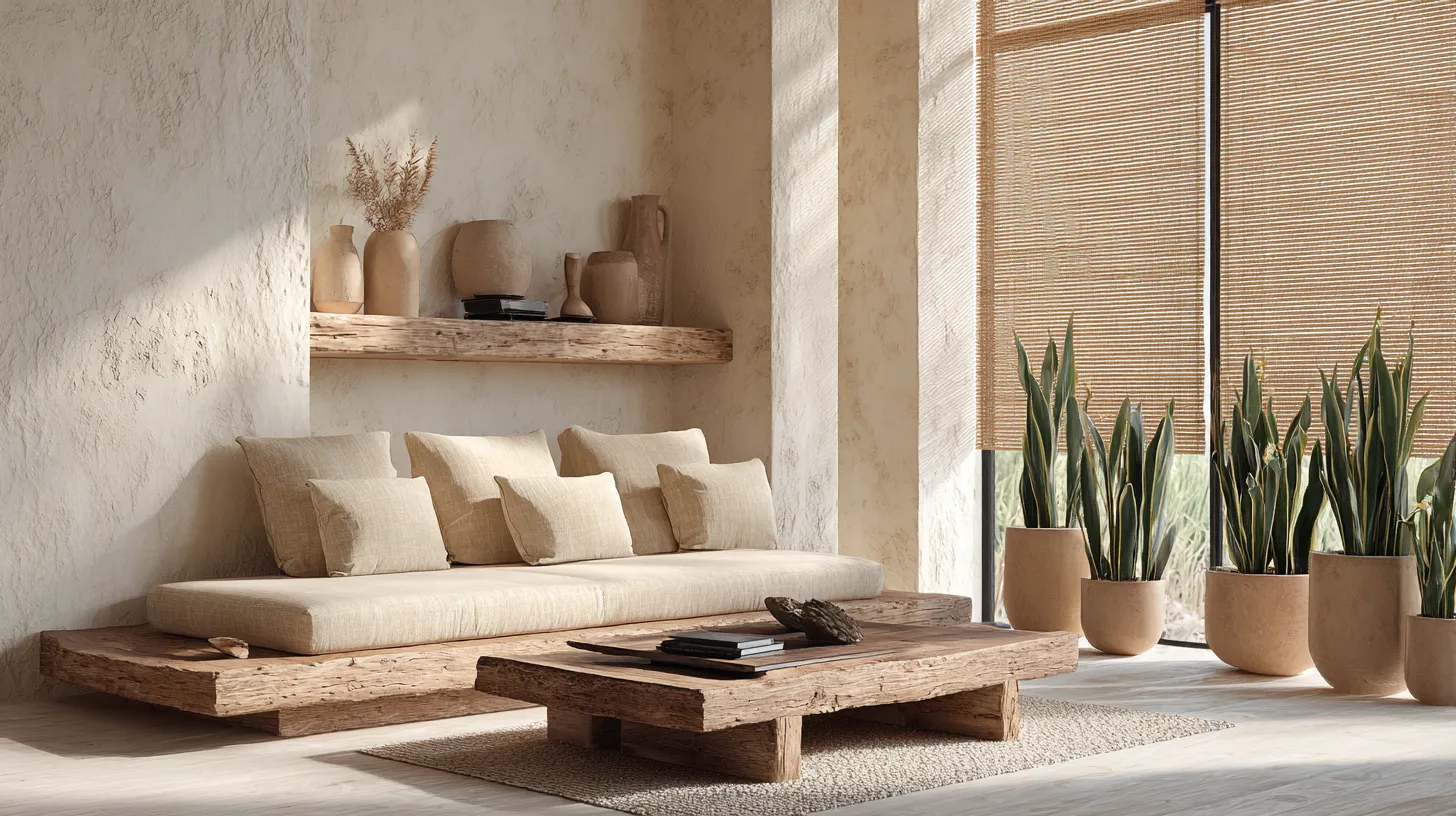
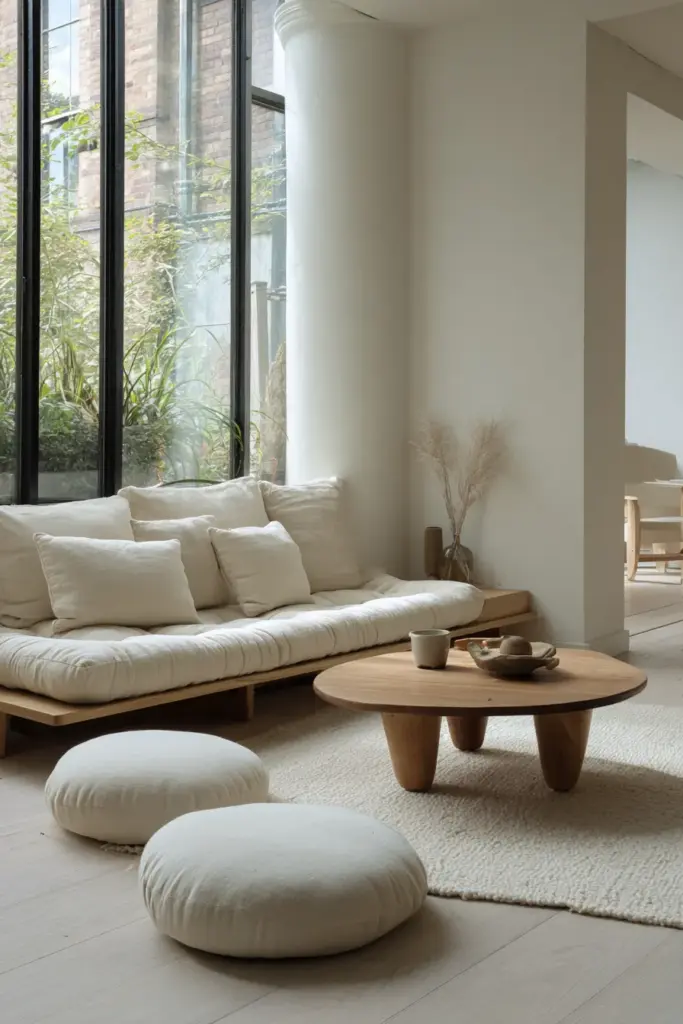
In small living rooms, furniture that sits low to the ground creates an illusion of higher ceilings and more breathing room. A platform sofa in oat-colored linen, a coffee table that barely rises above ankle height, floor cushions for extra seating — these choices make your space feel expansive.
Multifunctional pieces are your secret weapon. A storage ottoman serves as seating, footrest, and hidden compartment for blankets. A console table behind your sofa becomes a workspace, display shelf, and room divider in one elegant gesture.
The best part? Many Filipino furniture makers specialize in custom low-profile pieces using sustainably harvested wood. Supporting local craftsmanship means less shipping emissions and more money circulating in our communities.
The Neutral, Earthy Palette
Japandi living rooms breathe in shades of cream, taupe, soft gray, and warm beige. These aren’t boring neutrals — they’re the colors of raw silk, limestone, sand after rain, unglazed pottery.
When painting walls, choose low-VOC or zero-VOC paints. Traditional paints release volatile organic compounds that harm indoor air quality for months. Brands available in the Philippines now offer eco-friendly alternatives that protect your family’s health and the environment.
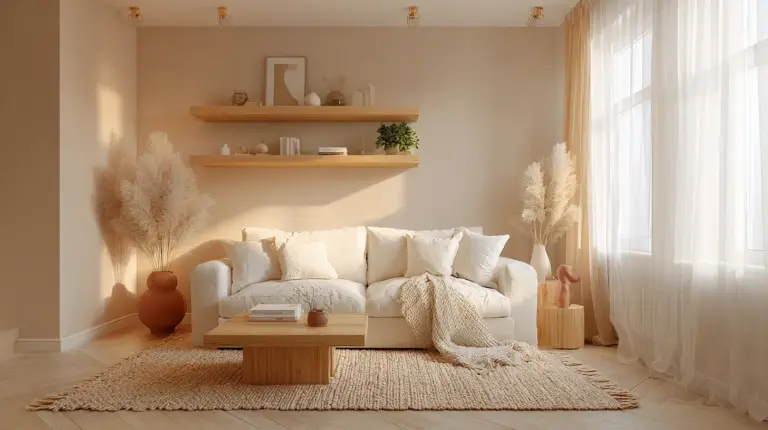
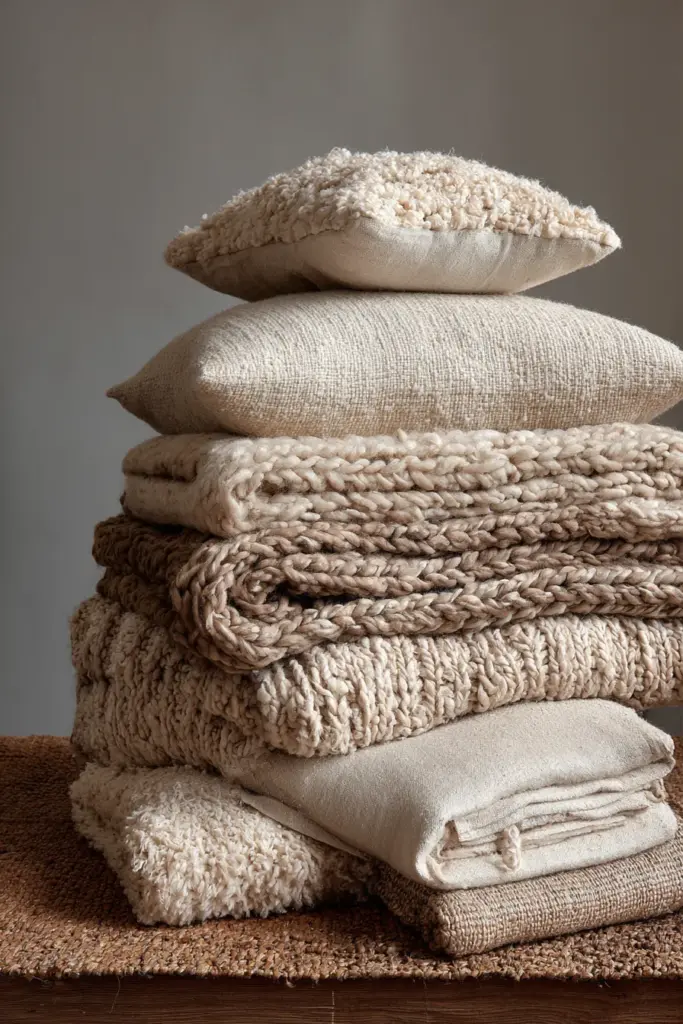
Add depth with natural textures: a chunky knit throw in undyed wool, a ceramic vase in matte clay, wooden picture frames that showcase the grain. These layers of neutral tones create a cocoon-like warmth without visual clutter.
Maximizing Small Spaces: Smart Layout Strategies
Zone Your Space Without Walls
In a small Japandi living room, every centimeter counts. Create distinct zones using furniture placement rather than physical barriers.
Position your sofa to define the seating area. Add a slim bookshelf perpendicular to the wall to suggest a reading nook. Use a low platform or different flooring material (like a jute rug) to delineate the lounge from the entryway.
This open-plan approach maintains airflow and light — crucial in tropical climates where stuffiness quickly becomes uncomfortable.
Vertical Storage Solutions
When floor space is limited, think upward. Floating shelves made from reclaimed wood showcase books, plants, and treasured objects without consuming precious square footage.
A DIY project: Visit your local palletworks supplier and transform a wooden pallet into a vertical shelf. Sand it smooth, treat it with natural oil (like coconut oil mixed with beeswax), and mount it securely. Total cost: approximately ₱800-1,200, including mounting hardware.
Wall-mounted cabinets with clean lines keep clutter hidden while maintaining the minimalist aesthetic. Choose pieces with FSC certification to ensure your storage solutions align with your sustainable values.
The Power of Negative Space
Japandi design honors ma — the Japanese concept of negative space. Empty space isn’t wasted space; it’s where the room breathes, where your mind finds rest.
Resist the urge to fill every corner. A single sculptural branch in a ceramic vase can be more impactful than a cluttered shelf. This restraint is both aesthetic and sustainable — you buy less, need less, waste less.
Sustainable Lighting for Warmth and Function
Maximizing Natural Light
In the Philippines, we’re blessed with abundant sunshine. Use it. Replace heavy curtains with bamboo blinds or sheer linen panels that filter light softly while maintaining privacy.
Position mirrors opposite windows to bounce natural light deeper into the room. A large round mirror with a wooden frame serves as both functional and decorative, doubling your daylight without electricity.
This simple shift can reduce your daytime lighting costs to nearly zero — translating to roughly ₱300-500 monthly savings on electricity bills.
Energy-Efficient Artificial Lighting
When evening falls, LED bulbs with warm white tones (2700-3000K) create the cozy ambiance Japandi spaces are known for. They use 75% less energy than incandescent bulbs and last up to 25 times longer.
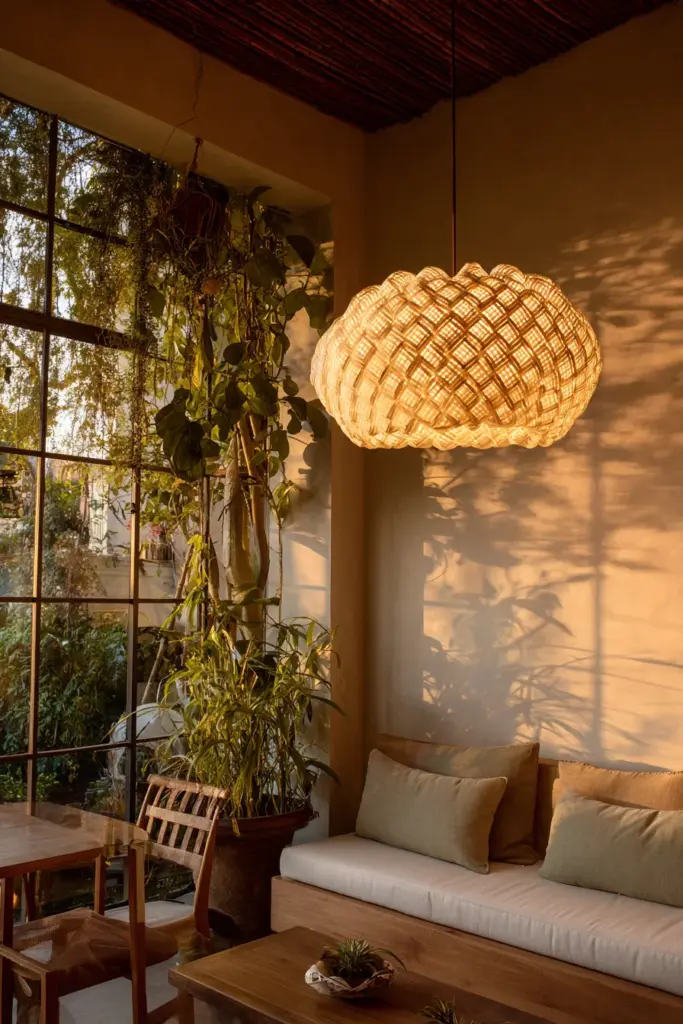
Layer your lighting: a statement pendant light made from woven rattan, a floor lamp with a linen shade for reading, perhaps fairy lights (LED, of course) in a glass jar for soft ambient glow.
Choose fixtures made from sustainable materials. Many Filipino artisans create stunning lampshades from repurposed materials — capiz shells, bamboo slats, upcycled fabric. These pieces tell stories while lighting your space.
Bringing Nature Indoors: Plants That Thrive
Best Plants for Small Japandi Living Rooms
Greenery is essential to Japandi design, but not all plants suit the Philippine climate or small spaces. Choose wisely.
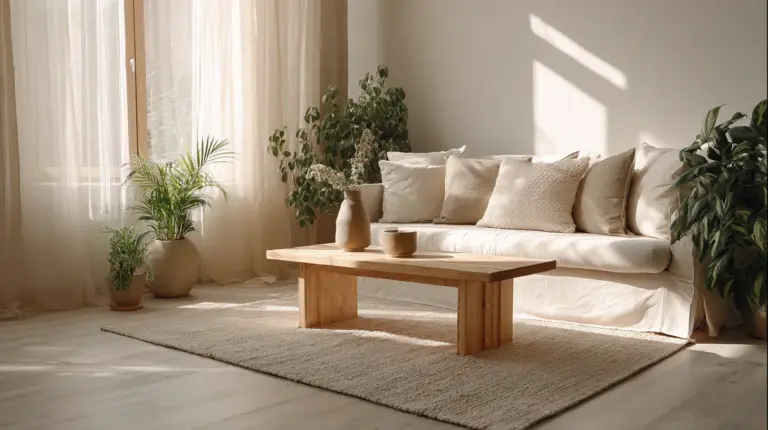
Snake plants (Sansevieria) are nearly indestructible, tolerate low light, and purify air by removing toxins. They thrive in our humidity and require watering only every 2-3 weeks.
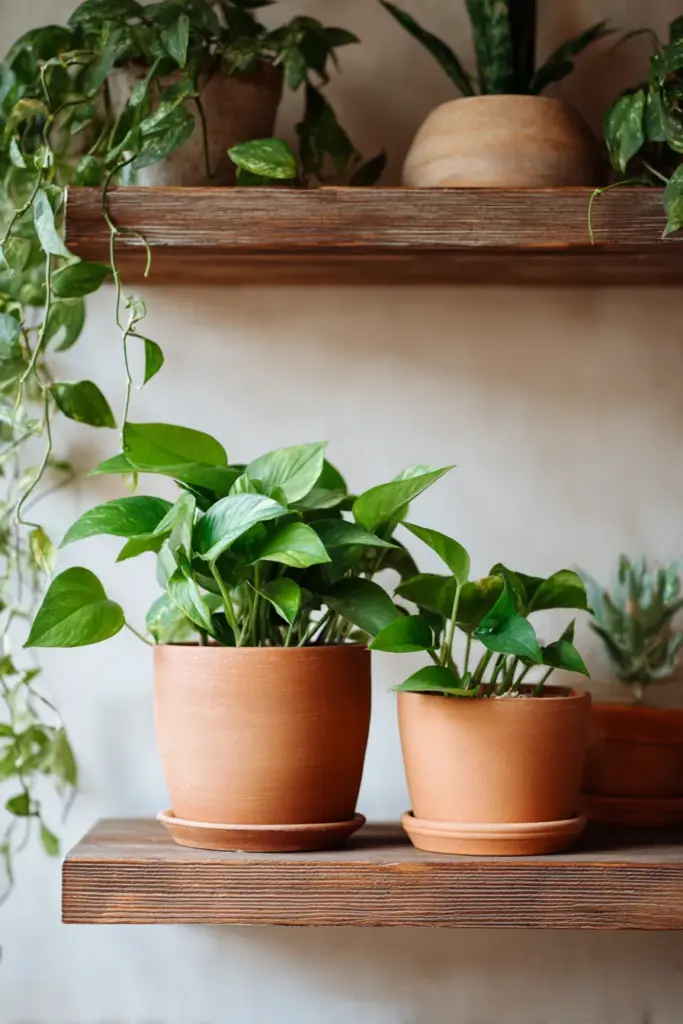
Pothos trails beautifully from floating shelves, grows in water or soil, and handles our tropical conditions with grace. Its cascading vines add movement without taking floor space.
ZZ plants have sculptural, glossy leaves that make a statement while tolerating neglect. Perfect for busy households.
Avoid high-maintenance tropicals like calatheas in air-conditioned rooms — the dry air stresses them. Instead, embrace the hardy beauties that flourish in real Filipino home conditions.
Sustainable Planters and Display
Terra cotta pots allow roots to breathe and naturally regulate moisture — important in our humid climate where root rot is a constant threat. They’re also completely biodegradable.
For a modern touch, upcycle glass jars, tin cans (sand the edges), or coconut shells into unique planters. A Divisoria trip yields ceramic pots for ₱50-150 each, far cheaper than boutique options.
Arrange plants at varying heights: floor-standing for drama, tabletop for intimacy, hanging for space efficiency. This creates visual interest without crowding your small living room.
Wabi-Sabi: Embracing Imperfection Sustainably
The Beauty of Worn and Weathered
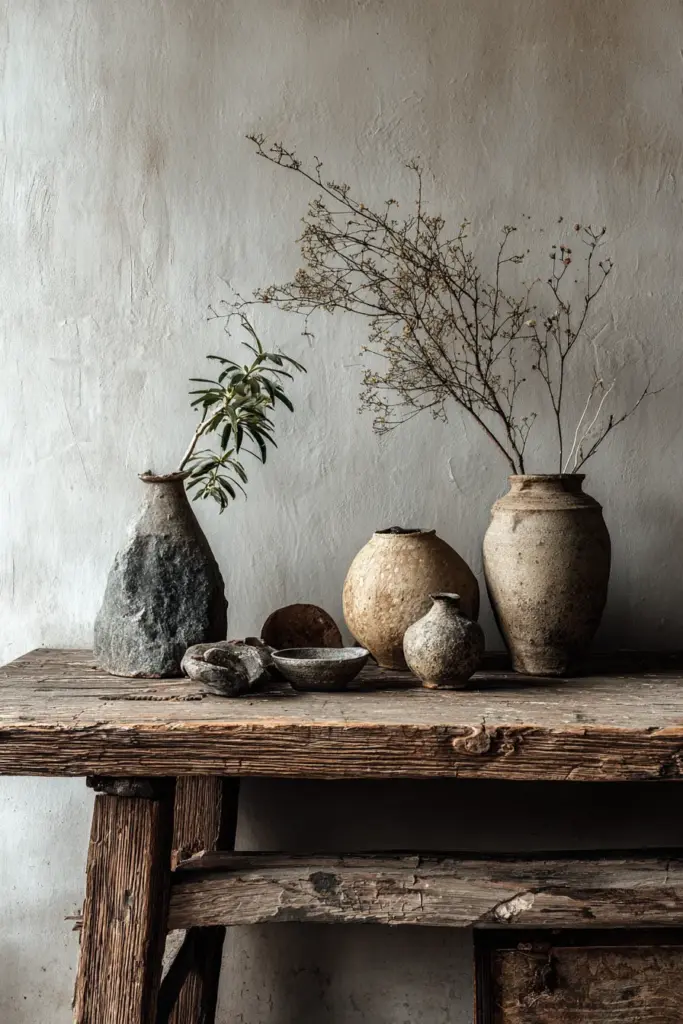
Wabi-sabi — the Japanese philosophy of finding beauty in imperfection — is inherently sustainable. It celebrates the cracked ceramic bowl, the weathered wooden bench, the hand-thrown vase with slight asymmetry.
This mindset frees you from the tyranny of perfection. That vintage chair with minor scratches? It’s not flawed; it’s full of character. The handmade cushion cover with uneven stitching? It’s evidence of human hands, not machines.
Shopping secondhand becomes treasure hunting. Scour Carousel, Facebook Marketplace, or weekend tiangges for mid-century furniture waiting for new life. A solid wood piece from the 1970s, refinished with natural oil, will outlast any particleboard item by decades.
Repairing Rather Than Replacing
When your ceramic vase cracks, try kintsugi-inspired repair — mending it with visible seams that honor its history. When your sofa cushion sags, restuff it with locally sourced kapok fiber instead of discarding the entire piece.
This practice isn’t just sustainable; it’s deeply meaningful. Every repair is an act of care, a decision that objects deserve longevity and respect.
Budget-Friendly Sustainable Shopping in the Philippines
Where to Find Eco-Friendly Materials Locally
Divisoria and Dapitan Arcade: Seek out sellers specializing in reclaimed wood offcuts, bamboo products, and natural fiber textiles. Negotiate kindly — building relationships often yields better prices and quality tips.
Online Marketplaces: Search Shopee and Lazada for keywords like “bamboo,” “rattan,” “FSC wood,” “organic cotton.” Filter by local sellers to reduce shipping emissions. Many small Filipino eco-brands offer beautiful pieces at competitive prices.
Local Artisan Markets: Weekend markets in Legazpi, Salcedo, and similar community spaces showcase craftspeople using traditional, sustainable methods. A handwoven basket here costs ₱500-800 — supporting livelihood while adding authenticity to your space.
DIY Projects to Save Money and Reduce Waste
Transform old wooden pallets into coffee tables (₱800 for materials), bookshelves, or plant stands. Sand, stain with natural oils, and seal with beeswax.
Sew cushion covers from old linen curtains or fabric remnants from Divisoria’s textile section (₱100-200 per meter). Simple envelope-style covers require minimal sewing skills.
Create wall art from pressed leaves, driftwood, or handmade paper. Frame them in thrifted frames given new life with sandpaper and natural wood stain.
These projects aren’t just cost-effective — they infuse your space with personality impossible to buy retail.
Cost Breakdown: Small Japandi Living Room
| Item | Sustainable Option | Approximate Cost (PHP) |
|---|---|---|
| Low-profile sofa | Secondhand solid wood frame, reupholstered | ₱8,000-15,000 |
| Coffee table | DIY reclaimed wood or bamboo | ₱1,500-3,000 |
| Neutral rug | Handwoven abaca, 4×6 ft | ₱2,500-5,000 |
| Floating shelves (set of 3) | Reclaimed wood planks | ₱800-1,500 |
| LED lighting | Bamboo pendant + LED bulbs | ₱1,200-2,500 |
| Plants + terra cotta pots | 3-5 plants with drainage pots | ₱800-1,500 |
| Organic cotton cushions | DIY or local artisan | ₱600-1,200 |
| Bamboo blinds | Made-to-measure local | ₱1,500-3,000 |
| Total | ₱16,900-32,700 |
Compare this to fast-furniture alternatives (₱30,000-50,000+) that degrade quickly, and the sustainable path becomes both economical and ethical.
Your Small-Space Japandi Sustainability Checklist
Before starting your transformation, audit your current space:
- Materials: Do I own furniture made from sustainable or salvageable materials?
- Lighting: Am I maximizing natural light? Are my bulbs LED?
- Layout: Is negative space honored, or is every corner crammed?
- Certifications: When buying new, do products have FSC, GOTS, or similar eco-labels?
- Local sourcing: Can I support Filipino artisans instead of imported goods?
- Multifunctionality: Does each piece serve multiple purposes?
- Repairability: Can items be mended rather than tossed when damaged?
- Climate fit: Do materials suit our tropical humidity and heat?
- Energy efficiency: Will my design reduce monthly electricity bills?
- Emotional connection: Do I truly love these pieces, or am I buying trends?
Use this checklist not as rigid rules but as gentle guidance toward more mindful choices.
Key Takeaways for Your Sustainable Japandi Journey
- Choose quality over quantity: One solid wood piece outlives ten particleboard items
- Embrace natural materials: Bamboo, rattan, linen, and FSC-certified wood form your foundation
- Shop local first: Reduce emissions while supporting Filipino craftsmanship
- Maximize natural light: Lower bills, lift mood, honor our tropical abundance
- Practice wabi-sabi: Imperfection is beauty; repair is an act of love
- DIY when possible: Upcycling saves money and creates one-of-a-kind pieces
- Think multifunctional: Every object should earn its place in small spaces
- Layer neutrals: Create depth through texture rather than color chaos
- Honor negative space: Empty corners let rooms (and minds) breathe
- Plan for climate: Choose materials that thrive in Philippine humidity
Conclusion: Designing a Space That Honors You and the Earth
Creating a small Japandi living room isn’t about following rules — it’s about crafting a space that feels like exhaling. A room where sustainability isn’t sacrificed for beauty, where budget constraints spark creativity rather than limitation.
In the gentle intersection of Japanese mindfulness and Scandinavian warmth, you’ll find a design philosophy that asks: What do I truly need? What brings me joy? What honors the world I want to pass forward?
Your small living room, filled with secondhand treasures, handmade textiles, and plants that clean the air you breathe, becomes more than decoration. It becomes a daily practice of intentionality. A quiet rebellion against excess. A sanctuary that proves beauty and sustainability aren’t just compatible — they’re inseparable.
Start with one corner. One plant, one refurbished chair, one bamboo blind filtering golden afternoon light. From there, your space will unfold naturally, authentically, sustainably.
Welcome home.
Frequently Asked Questions
What is the difference between Japandi and Scandinavian style?
Scandinavian design leans toward bright whites, playful pops of color, and hygge coziness. Japandi adds Japanese minimalism — deeper neutrals like charcoal and beige, wabi-sabi imperfection, and a more meditative, pared-down approach. Think of Scandinavian as cheerful warmth, Japandi as serene calm. Both celebrate natural materials and functionality, but Japandi embraces restraint and negative space more deliberately.
Does Japandi work in small living rooms?
Absolutely — Japandi was practically designed for small spaces. The low-profile furniture creates visual spaciousness, the neutral palette prevents overwhelm, and the minimalist philosophy naturally limits clutter. In compact Philippine apartments, Japandi’s multifunctional focus and emphasis on quality over quantity makes every piece work harder without crowding the room. It’s perfect for homes where square meters are precious.
How to create a Japandi living room on a budget in the Philippines?
Start with secondhand solid wood furniture from Carousel or weekend markets. DIY projects like pallet shelves or refinished vintage pieces cost a fraction of retail. Shop local artisan markets for handwoven textiles and bamboo accessories. Focus on a few quality items rather than filling the space. Natural light is free — maximize it with bamboo blinds instead of heavy curtains. Plants from local nurseries cost ₱100-300 each. Total transformation is possible for ₱15,000-25,000 when you prioritize smart sourcing over brand names.
What are the most sustainable materials for a Japandi living room?
Look for FSC-certified wood, which ensures responsible forestry. Bamboo regenerates quickly and thrives locally. Rattan, abaca, and other natural fibers are biodegradable and support Filipino weavers. Choose organic cotton or linen with GOTS certification for textiles. Reclaimed wood prevents new tree harvesting. Low-VOC paints protect air quality. Avoid particleboard and synthetic fabrics that off-gas chemicals. When shopping, ask about certifications and material origins — transparency signals genuine sustainability.
How do I maintain plants in a Japandi living room with Philippine humidity?
Choose humidity-loving, low-maintenance varieties like snake plants, pothos, or ZZ plants. Ensure terra cotta pots with drainage holes to prevent root rot in our moist climate. Water less frequently than guides suggest — our ambient humidity means soil stays damp longer. Place plants near windows for natural light but away from direct AC vents, which dry air drastically. Wipe leaves monthly to remove dust that blocks light absorption. Rotate plants weekly so all sides receive sun. With the right species, our tropical climate is an advantage, not a challenge.