
Table of Contents
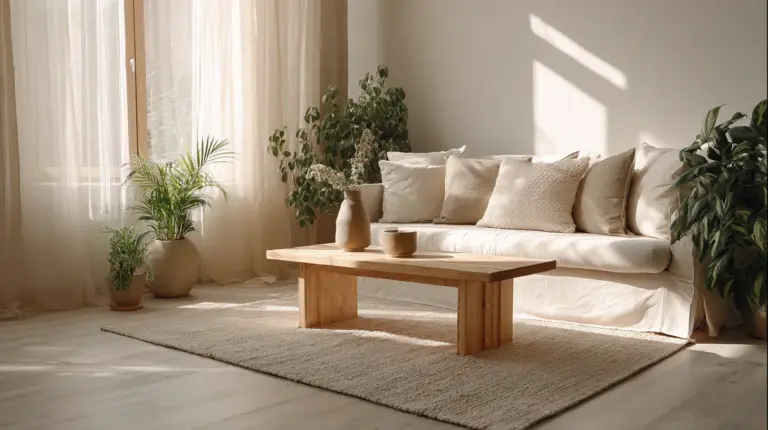
There’s something deeply calming about walking into a space that breathes. Where every object has intention, every corner holds light, and the air feels somehow lighter. That’s the quiet magic of Japandi design—a perfect marriage of Japanese minimalism and Scandinavian warmth that transforms even the smallest apartment into a sanctuary.
If you’re living in a compact urban space, you already know the challenge. Too much furniture and the room suffocates. Too little, and it feels cold, unfinished. Japandi offers a third way: intentional simplicity that doesn’t sacrifice comfort or beauty.
This isn’t about perfection. It’s about balance—between form and function, between emptiness and abundance, between the textures of wabi-sabi and the clean lines of Nordic design. And in small apartments, where every square meter matters, this philosophy becomes not just aesthetic but essential.
Let’s explore how to bring this serene, sophisticated style into your compact living room, even on a thoughtful budget.
What Is Japandi Style and Why Does It Work for Small Apartments?
Japandi is the harmonious blend of Japanese and Scandinavian design principles. It takes the functional minimalism and natural materials of Japan and softens them with Scandinavian hygge—that untranslatable warmth of cozy living.
The beauty of Japandi for small spaces lies in its core philosophy: less, but better. Every piece serves a purpose. Every color choice expands rather than crowds. Every texture invites touch without visual clutter.
In apartments where space is precious, Japandi’s emphasis on negative space becomes your greatest ally. The style celebrates breathing room, natural light, and the kind of restraint that makes a 500-square-foot condo feel twice its size.
Creating a Japandi Living Room in a Small Space
Start with the Foundation: Neutral Color Palettes
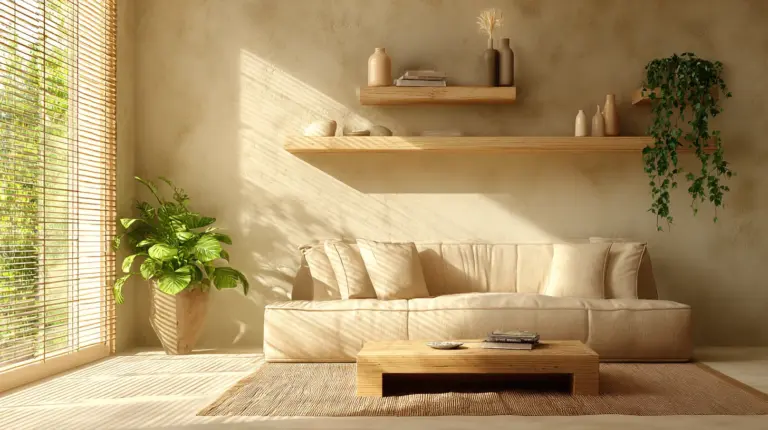
Your walls set the tone for everything else. In Japandi design, think warm neutrals—soft beiges, gentle grays, creamy whites, and muted earth tones that shift with the light throughout the day.
These aren’t sterile whites. They’re the color of morning linen, of limestone in afternoon sun, of unbleached cotton. Paint your walls in these hues and you’ll notice how they reflect natural light rather than absorb it, making your small living room feel airier immediately.
Add depth with accent walls in deeper tones—charcoal, warm taupe, or even a soft sage that nods to nature without overwhelming the senses.
Maximize Natural Light and Shadow Play
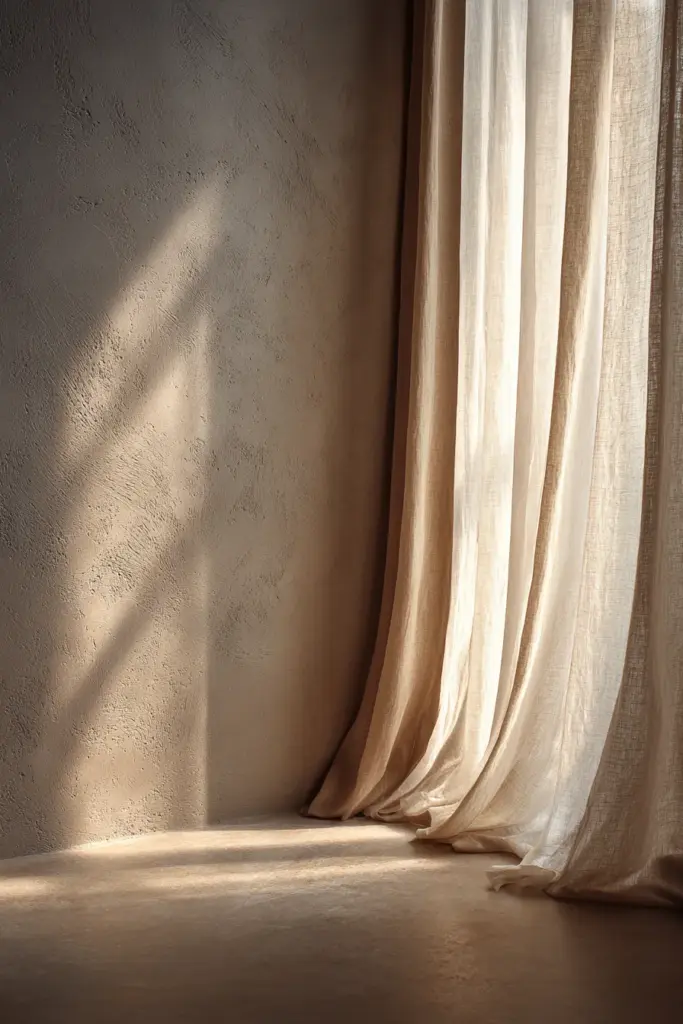
Light is the soul of Japandi interiors. In Japanese design philosophy, there’s beauty in the interplay of light and shadow—what they call in’ei. In small apartments, this becomes both practical and poetic.
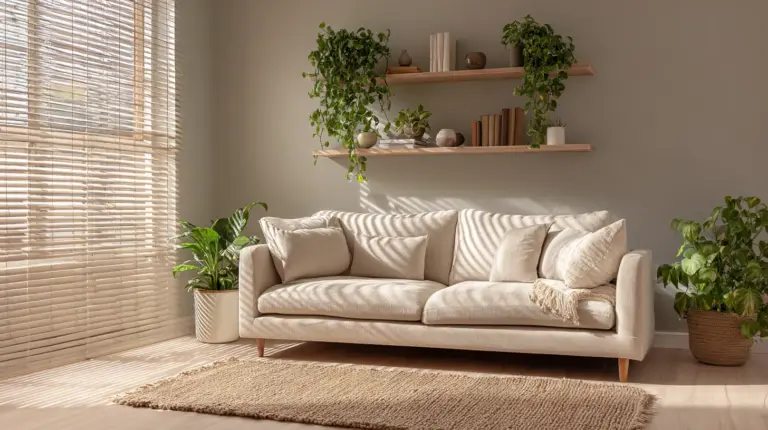
Remove heavy curtains and replace them with sheer linen panels or bamboo blinds. Let morning light filter through, creating soft patterns on your walls. If privacy is a concern, consider frosted window film or traditional shoji screens that diffuse light beautifully while maintaining intimacy.
Position mirrors strategically—across from windows, not just for vanity. A simple wooden-framed mirror reflects both light and the natural elements in your space, doubling your sense of openness.
Choose Low-Profile, Multifunctional Furniture
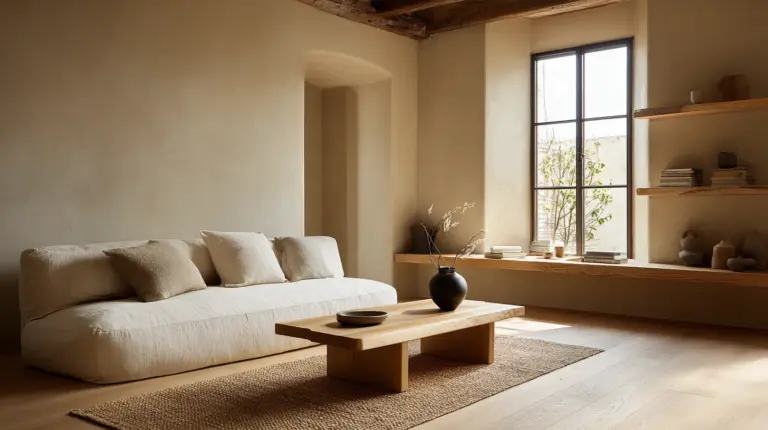
Japandi furniture sits close to the ground, which creates an optical illusion of higher ceilings. In a small apartment, this visual trick is worth its weight in design gold.
Look for pieces that serve multiple purposes. A low coffee table with built-in storage. A minimalist sofa bed in soft linen or cotton for guests. Floating shelves instead of bulky bookcases. Each item should earn its place through both beauty and utility.
For Philippine homes, consider locally sourced narra wood pieces—their warm honey tones embody Japandi’s natural aesthetic while supporting sustainable craftsmanship. A simple narra console or side table brings organic texture without the import price tag.
Embrace Natural Materials and Textures
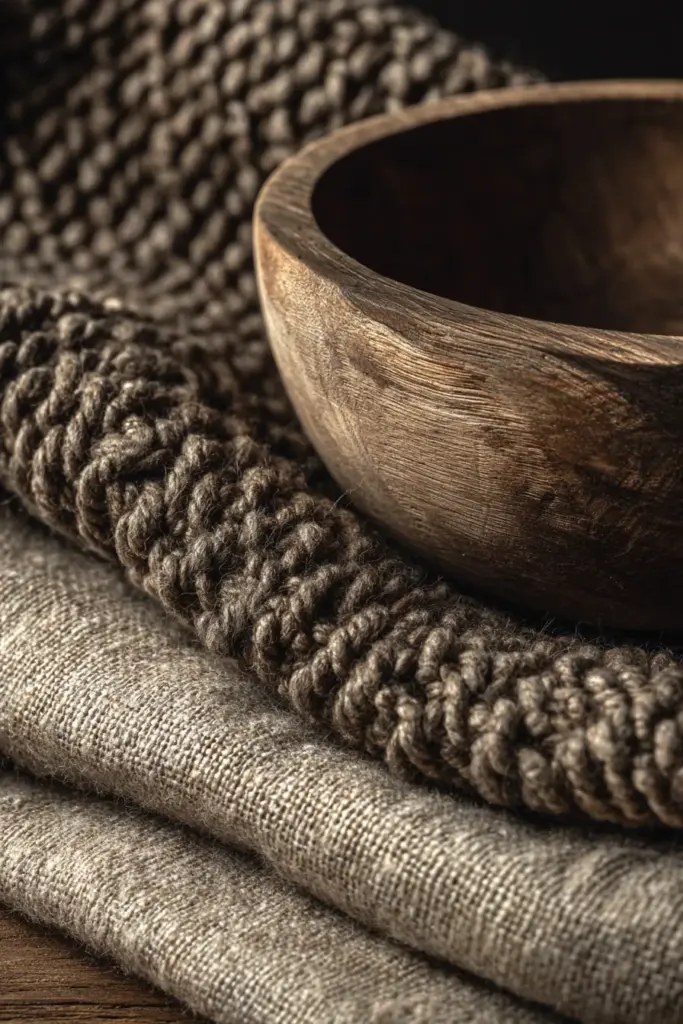
Japandi is a tactile experience. Run your hand along raw wood, weathered stone, handwoven textiles. These materials tell stories of time and craft that mass-produced items never can.
Layer textures thoughtfully: a chunky knit throw over a smooth linen sofa, an abaca rug beneath a sleek wooden coffee table, ceramic vases next to woven baskets. In humid Philippine climates, natural fibers like abaca, rattan, and bamboo breathe beautifully while adding authentic Japandi character at accessible prices.
Avoid plastic and synthetic materials. They interrupt the organic flow that makes Japandi feel so grounded and real.
Furniture That Works Best for Small Japandi Apartments
The Essential Pieces
Not every living room needs a three-piece suite. In fact, for small Japandi apartments, less furniture often means more living space. Here’s what actually matters:
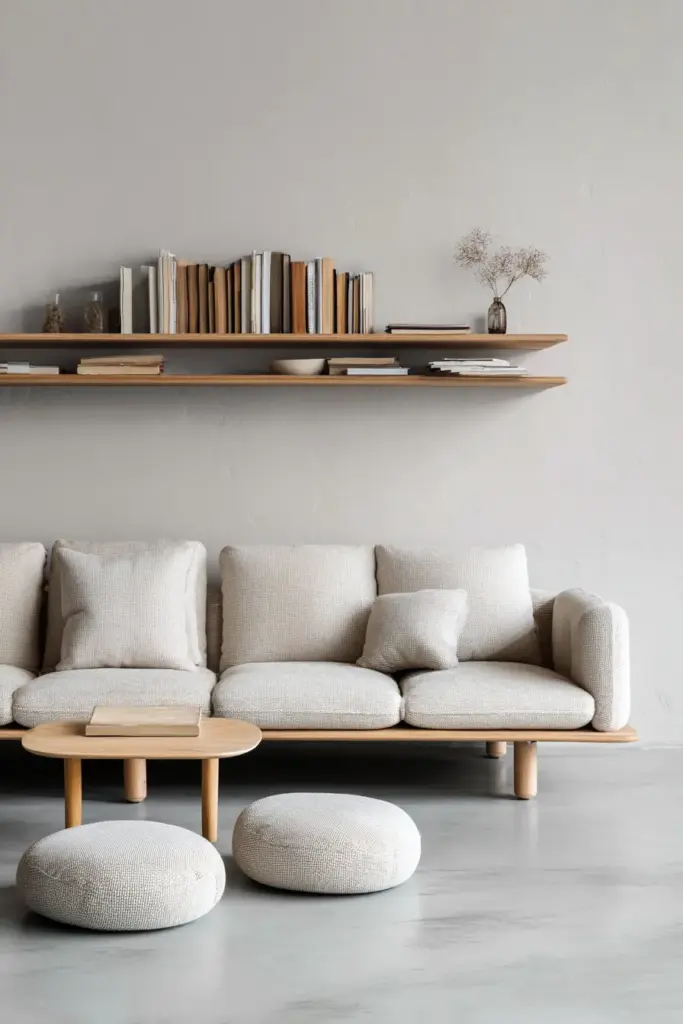
A low-profile sofa in natural fabric—linen, cotton, or textured weave in neutral tones. Look for clean lines and exposed wooden legs. If space is tight, consider a loveseat or even a well-styled daybed that doubles as seating.
Modular seating gives you flexibility. Floor cushions in soft gray or beige can be stacked when not in use. Ottoman poufs serve as both seating and side tables. This adaptability is crucial when your living room also hosts movie nights, work-from-home sessions, and everything in between.
A multifunctional coffee table becomes your room’s anchor. Choose one with hidden storage for remotes, magazines, and the everyday clutter that threatens Japandi’s serene aesthetic. Wood or light-colored bamboo works beautifully.
Smart Storage Solutions
Clutter is Japandi’s enemy, but in small apartments, stuff is inevitable. The secret is concealing it with intention.
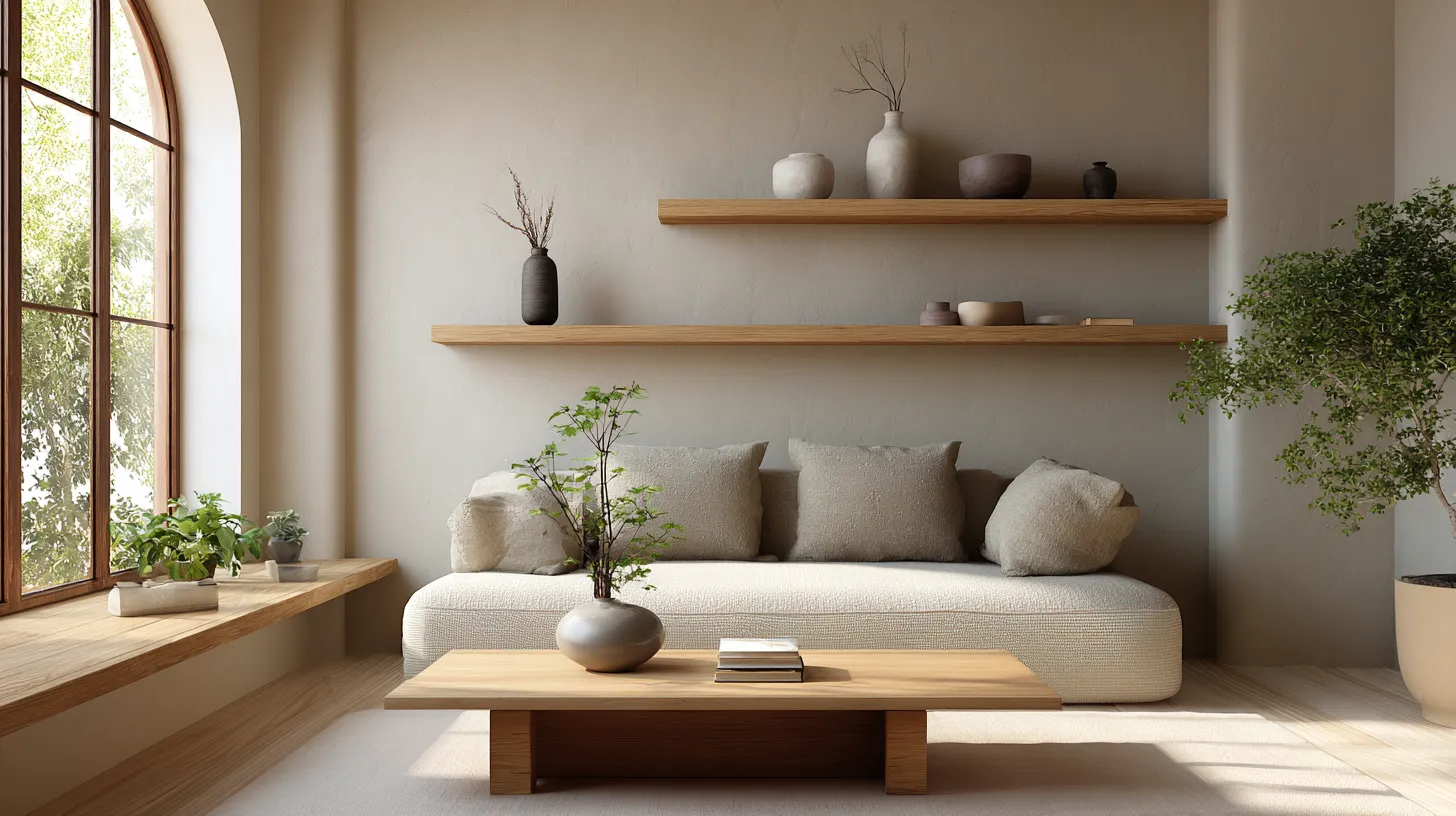
Floating shelves in light wood create storage without the visual weight of floor-standing units. Style them with minimal décor—a small ceramic vase, a single art book, a trailing pothos plant that softens hard edges.
Built-in solutions maximize every centimeter. Consider a custom floating TV console that hugs the wall, or recessed shelving that doesn’t protrude into your limited floor space. In the Philippines, local carpenters can create these pieces affordably using plywood with narra veneer.
Multipurpose furniture is non-negotiable. Storage ottomans, lift-top coffee tables, and sofas with under-seat drawers keep your space tidy while maintaining clean lines.
| Furniture Type | Japandi Feature | Small Space Benefit |
|---|---|---|
| Low-profile sofa | Sits close to ground | Creates illusion of height |
| Floating shelves | Wall-mounted | Saves floor space |
| Modular seating | Flexible arrangement | Adapts to different needs |
| Storage ottoman | Hidden compartment | Reduces visible clutter |
| Nesting tables | Stackable design | Expands when needed |
Japandi Color Schemes for Small Living Rooms
The Core Palette
Japandi color schemes are whisper-quiet but never boring. Your foundation includes warm whites, soft beiges, gentle grays, and muted earth tones that create a canvas of calm.
Think of colors you’d find in nature during golden hour—the pale sand of a morning beach, the gray of river stones, the cream of morning fog. These hues expand small spaces by reflecting light and creating visual continuity.
Adding Depth Without Overwhelm
Introduce deeper tones sparingly as accents. Charcoal cushions on a beige sofa. A terracotta pot holding a snake plant. A single wall in soft sage or warm taupe to anchor the room without closing it in.
Black appears in Japandi interiors, but in small apartments, use it strategically—in slender metal frames, thin table legs, or minimal light fixtures. It provides contrast without consuming space.
Natural Color Inspiration
Look to Philippine landscapes for your palette. The pale gray of cloud-covered Taal. The warm beige of Silang’s clay earth. The soft green of rice terraces at dawn. These locally inspired colors feel authentic to both Japandi principles and your environment.
Budget Japandi Décor Ideas for Small Apartments
Under PHP 50,000 Full Room Setup
Creating a Japandi living room doesn’t require a luxury budget. With thoughtful choices, you can transform a small apartment for under PHP 50,000—sometimes much less.
Invest wisely: Spend on a quality sofa or futon (PHP 15,000-25,000) that will last years. Buy locally crafted pieces when possible—a narra coffee table from a Laguna craftsman often costs less than imported particleboard and carries far more character.
Save strategically: Thrift stores and online marketplaces offer secondhand wooden furniture that fits Japandi’s wabi-sabi aesthetic perfectly. A weathered wood side table or vintage ceramic vase doesn’t just save money—it adds the imperfect beauty that makes Japandi feel lived-in and real.
DIY and Upcycling Projects
Japandi celebrates craftsmanship, which makes DIY projects particularly authentic. Sand and refinish old wooden crates into floating shelves. Transform bamboo poles into a minimalist room divider. Create floor cushions from natural linen fabric stuffed with sustainable fill.
Pallet furniture works beautifully in Japandi spaces when finished properly. A low pallet sofa frame sanded smooth, stained in natural wood tones, and topped with neutral cushions becomes a centerpiece for under PHP 3,000.
Renter-Friendly Hacks
If you can’t drill into walls, use tension rods for sheer curtains, command strips for lightweight floating shelves, and freestanding room dividers instead of built-ins.
Removable wallpaper in subtle textures—linen-look or soft concrete patterns—can transform a rental wall without losing your deposit. Peel-and-stick wood-look tiles bring natural warmth to floors without permanent installation.
Essential Elements for Your Small Japandi Living Room
Greenery and Natural Life
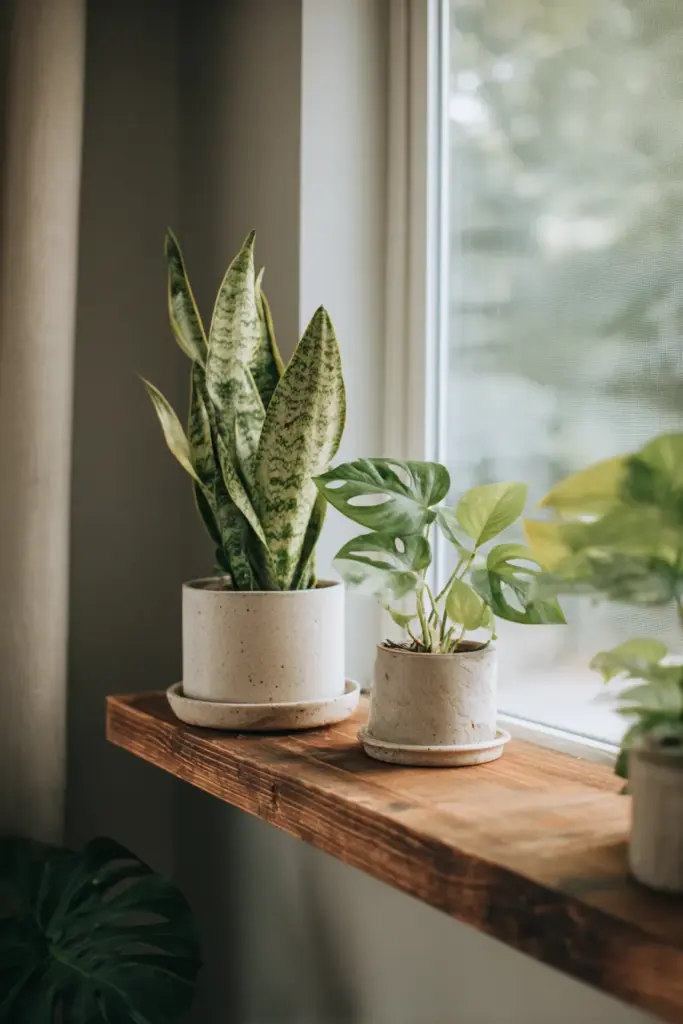
Plants aren’t optional in Japandi design—they’re essential. But in small spaces, choose wisely. Large floor plants like snake plants or small monstera add height without spreading wide. They also thrive in the Philippines’ humid climate with minimal fuss.
Trailing pothos on floating shelves softens hard edges and draws the eye upward, making ceilings feel higher. Small ceramic or concrete planters in neutral tones keep the focus on the green life they hold.
Group plants in odd numbers—one large floor plant, three small succulents on a shelf. This asymmetry feels more organic than rigid symmetry.
Lighting That Creates Atmosphere
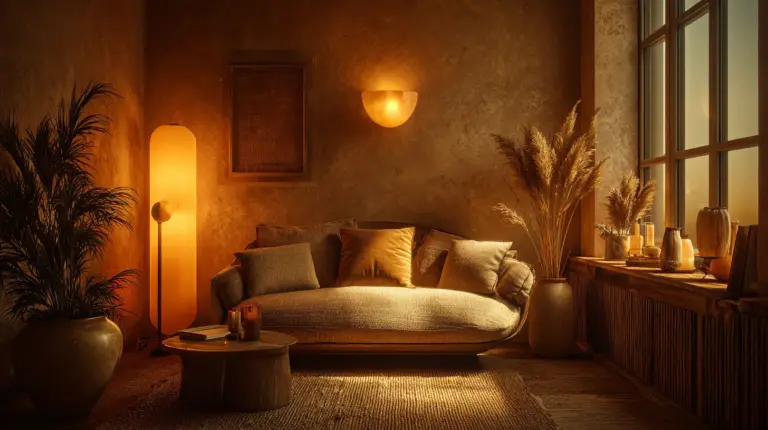
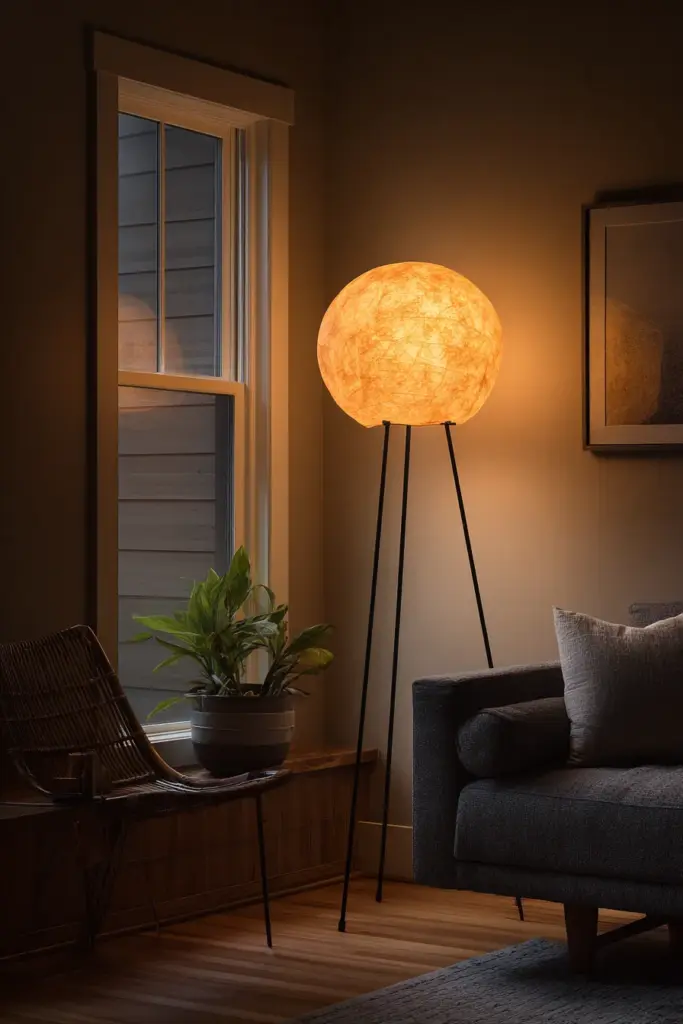
Overhead lighting is functional but cold. In Japandi interiors, layered lighting creates warmth and dimension. Start with ambient light from paper lanterns or rice paper shades that diffuse brightness softly.
Add task lighting with adjustable floor lamps in matte black or natural wood. Warm-toned LED bulbs (2700-3000K) mimic candlelight and make small spaces feel intimate rather than cramped.
Consider smart lighting that dims for evening relaxation. The psychology of adjustable lighting in tiny spaces is powerful—it lets one room feel different throughout the day without changing a single piece of furniture.
Textiles and Soft Touches
Japandi rooms feel warm because of their textiles. Layer a handwoven abaca rug under your coffee table. Drape a chunky knit throw over your sofa arm. Add linen cushions in varying textures—some smooth, some slubbed, all in your neutral palette.
Window treatments matter tremendously in small apartments. Sheer linen curtains filter harsh afternoon sun while maintaining privacy. In the Philippines’ tropical climate, they also allow air circulation while adding softness to hard window frames.
Quick Checklist: Small Japandi Living Room Essentials
- Neutral color palette: Warm whites, beiges, soft grays
- Low-profile furniture: Sofa, coffee table, minimal seating close to ground
- Natural materials: Wood (narra, bamboo), linen, cotton, abaca, rattan
- Multifunctional pieces: Storage ottomans, nesting tables, floating shelves
- Greenery: 2-3 low-maintenance plants in neutral planters
- Layered lighting: Paper shades, floor lamps, warm LEDs (2700-3000K)
- Minimal décor: One art piece, few ceramic vases, woven baskets
- Textiles: Linen curtains, knit throws, varied-texture cushions
- Negative space: Clear floors, breathing room between furniture
- Smart storage: Hidden compartments, wall-mounted solutions
The Heart of Japandi: Wabi-Sabi in Small Spaces
There’s a Japanese concept that sits at the heart of Japandi design: wabi-sabi, the art of finding beauty in imperfection and impermanence. In small apartments, this philosophy becomes a gift rather than a compromise.
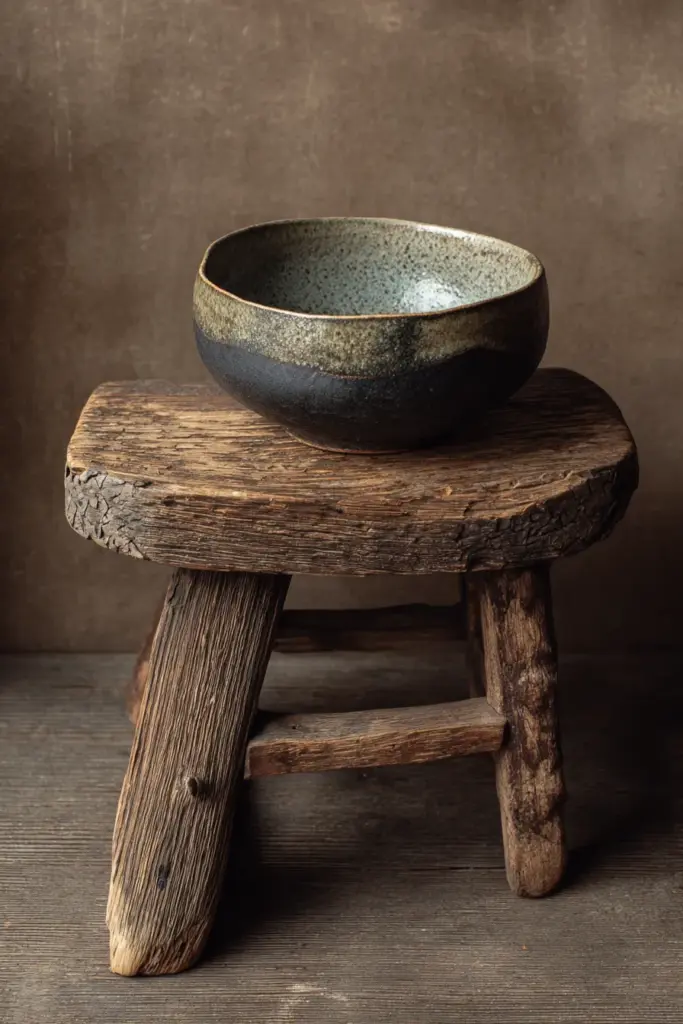
That vintage wooden stool with worn edges? It tells a story. The handmade ceramic bowl with an uneven glaze? It carries the mark of human hands. These imperfect pieces bring soul to minimalist spaces in ways that mass-produced perfection never could.
Embrace the patina on secondhand furniture. Celebrate the slight irregularity in handwoven textiles. Let natural materials age gracefully rather than fighting their evolution. This isn’t about neglect—it’s about honoring the passage of time and the beauty it creates.
2026 Trends: Smart Integration in Japandi Interiors
Modern Japandi is evolving to include technology, but only when it remains invisible. Hidden charging stations built into wooden side tables. Voice-controlled lighting disguised as traditional paper lanterns. Wireless speakers concealed in minimalist ceramic forms.
The key is integration without intrusion. Your smart home technology should enhance comfort without disrupting Japandi’s visual peace. Choose devices in neutral colors, hide cables with intention, and ensure screens can be completely concealed when not in use.
Conclusion
A small Japandi living room is more than a design choice—it’s a daily practice in intentional living. Every morning, you’ll wake to light filtering through linen curtains. Every evening, you’ll return to a space that doesn’t demand your energy but restores it.
This isn’t about trends or Instagram-perfect styling. It’s about creating a home that fits both your space and your soul. Where natural materials ground you. Where negative space lets you breathe. Where beauty and function exist as one.
Your small apartment holds more possibility than you imagine. It simply asks for intention, restraint, and the kind of quiet beauty that Japandi design knows so well. Start small—a plant, a throw, a shift in your color palette. Let each choice build on the last until your living room becomes exactly what you need: a sanctuary that’s unmistakably yours.
Frequently Asked Questions
What is Japandi style and why is it perfect for small apartments?
Japandi combines Japanese minimalism with Scandinavian warmth, emphasizing natural materials, neutral colors, and functional design. It’s ideal for small apartments because it prioritizes negative space and multifunctional furniture, making compact rooms feel larger and more breathable while maintaining comfort and warmth.
How much does it cost to create a Japandi living room in the Philippines?
A complete small Japandi living room can be created for PHP 30,000-50,000 by prioritizing local materials like narra wood and abaca, mixing new and secondhand pieces, and focusing investment on key furniture like a quality sofa. DIY projects and thrifted finds can reduce costs significantly while maintaining authentic style.
What furniture works best for small Japandi apartments?
Low-profile sofas or loveseats, floating shelves, multifunctional coffee tables with storage, modular floor cushions, and nesting tables work best. Choose pieces in natural materials with clean lines that sit close to the ground to create an illusion of height and maximize limited floor space.
Can I do Japandi style if I’m renting?
Absolutely. Focus on renter-friendly solutions like freestanding furniture, removable wallpaper, command-strip shelving, and portable room dividers. Invest in movable pieces like area rugs, plants, textiles, and lighting that transform a space without permanent modifications. These elements can move with you to your next home.
What plants work best for small Japandi living rooms in humid climates?
Snake plants, pothos, small monstera, and ZZ plants thrive in the Philippines’ humid climate with minimal care. They add organic height and texture without requiring extensive space. Display them in neutral ceramic or concrete planters, grouping in odd numbers for visual interest that feels natural rather than staged.