
Table of Contents
There’s something quietly magnetic about a Japandi living room done right. The light falls softly across pale oak. The air feels open, breathable. Every object earns its place.
But in small spaces, the line between serene and sterile—between minimal and empty—can blur easily. What works in a sprawling loft might suffocate a compact apartment. The Scandinavian-Japanese fusion demands precision, especially when square footage is limited.
If your Japandi living room feels off somehow—too cold, too cluttered, or oddly lifeless—you’re not alone. These seven mistakes are surprisingly common, and thankfully, fixable. Let’s walk through them together, gently, with solutions that honor both beauty and livability.
Mistake #1: Choosing Oversized Furniture That Overwhelms the Room
The Problem
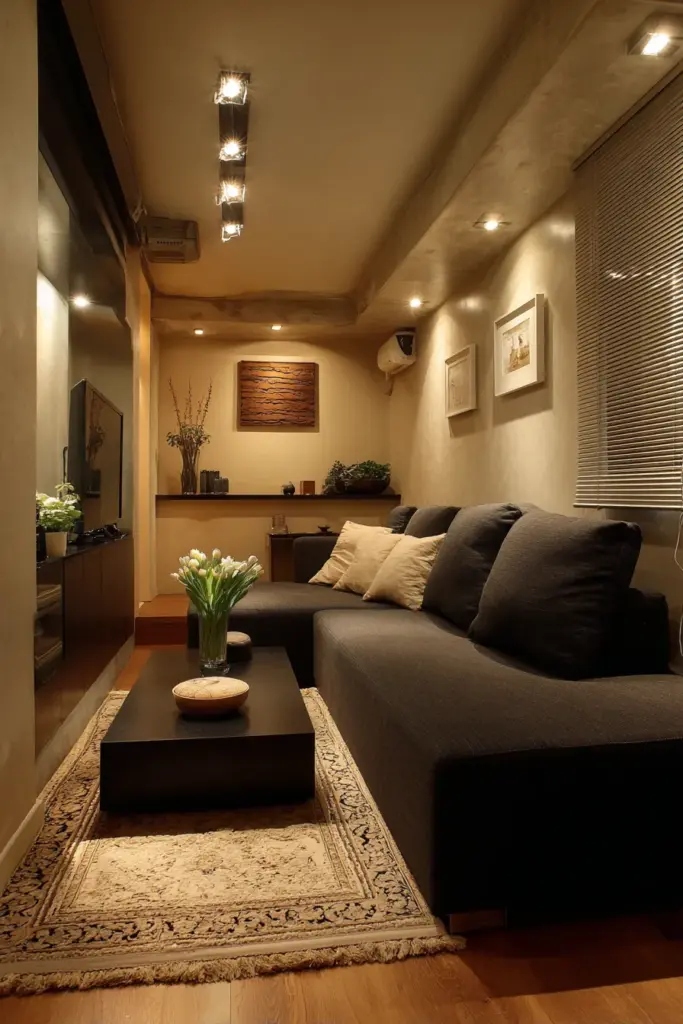
In small Japandi living rooms, proportion is everything. A bulky three-seater sofa or an oversized coffee table might look stunning in a showroom, but in a 120-square-foot space, it devours the room’s breathing space.
The wabi-sabi philosophy celebrates imperfection and restraint. When furniture dominates, the eye has nowhere to rest. The minimalist living room errors pile up: blocked pathways, visual weight, a sense of crowding that contradicts everything Japandi stands for.
The Fix
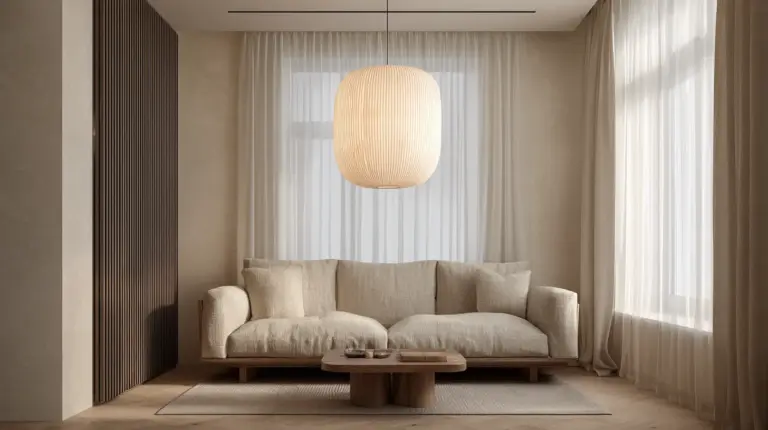
Scale down deliberately. Choose a compact two-seater sofa with low-profile arms and exposed wooden legs. This creates visual flow underneath, making the room feel airier.
Opt for multifunctional furniture like a slim console that doubles as a workspace, or nesting tables you can tuck away. In Manila’s tight apartments, where humidity and space both press in, flexibility matters.
Measure twice, place once. Leave at least 18 inches between furniture pieces for easy movement. In Japandi small apartment errors, cramped pathways are the first sign something’s wrong.
Mistake #2: Ignoring Natural Light and Lighting Psychology
Why Lighting Makes or Breaks Small Spaces
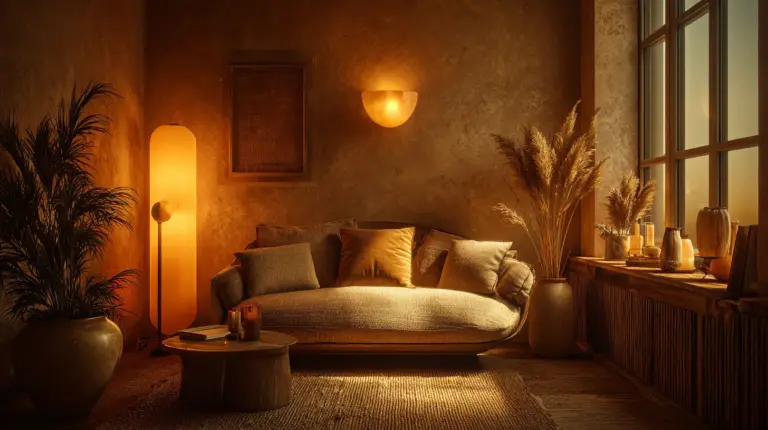
Wrong lighting can make a small Japandi living room feel like a cave—or a clinical waiting room. The delicate balance of warm and diffused light is what gives these spaces their signature glow.
Many homeowners install overhead lights that are too harsh, or skip floor lamps entirely. The result? Flat, lifeless corners and a lack of depth.
The Lighting Fix
Choose bulbs with 2700K color temperature—this warm white mimics the soft glow of natural light without the yellow tint. It’s the sweet spot for creating hygge-inspired warmth in compact spaces.
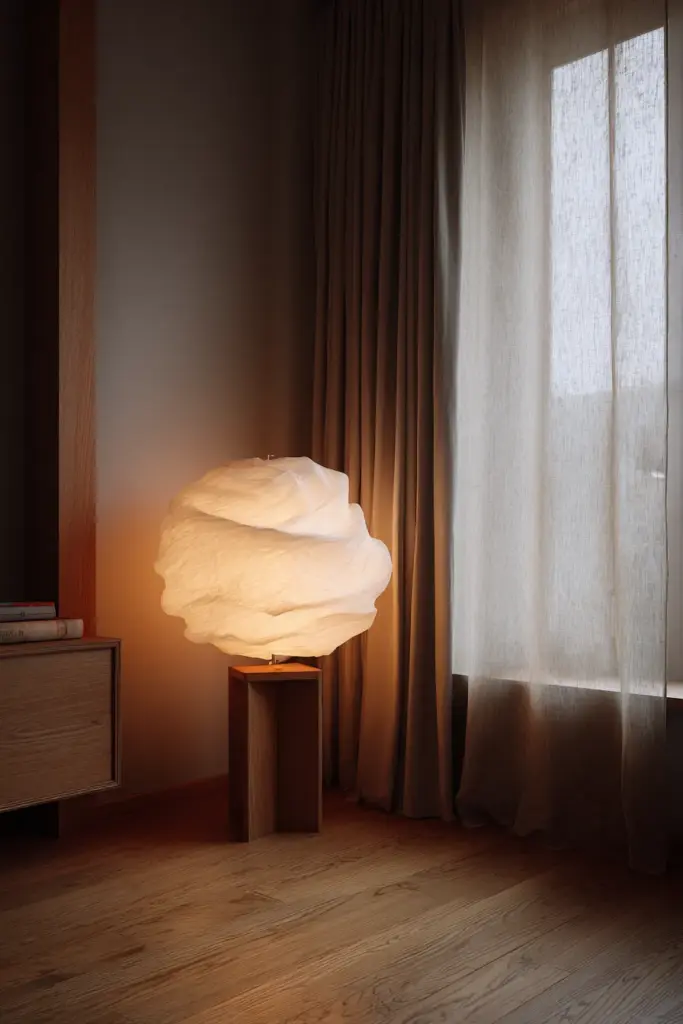
Layer your lighting. Combine ambient ceiling lights (preferably with a dimmer) with task lighting like a paper pendant over your reading nook, and accent lighting such as a wooden floor lamp in the corner. This creates dimension and the illusion of height.
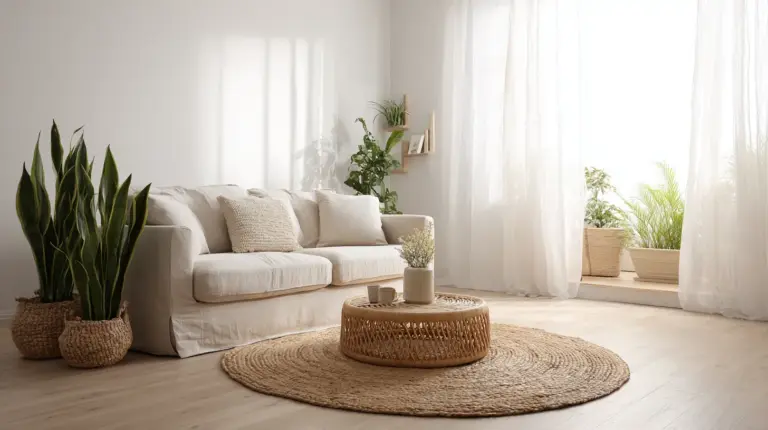
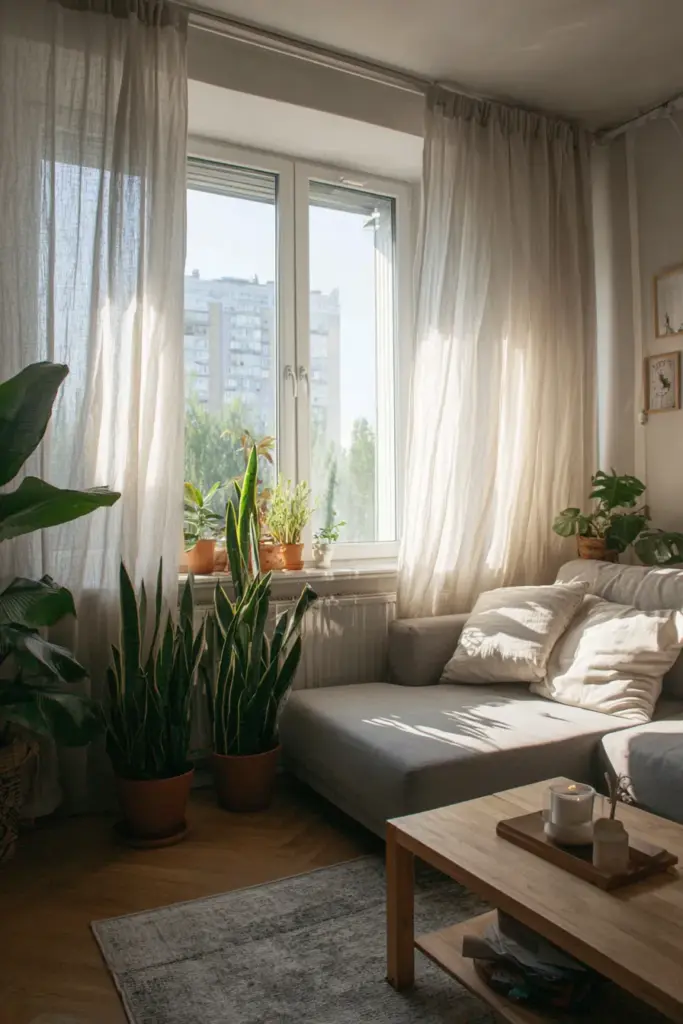
Embrace natural light fiercely. If you have windows, keep them unobstructed. Use sheer linen curtains instead of heavy drapes—they filter light beautifully while maintaining privacy and airflow. In humid Philippine climates, this also prevents that stuffy, enclosed feeling.
For more inspiration, explore our lighting ideas that work specifically for small spaces.
Mistake #3: Using the Wrong White (Or Too Much of It)
The White Balance Trap
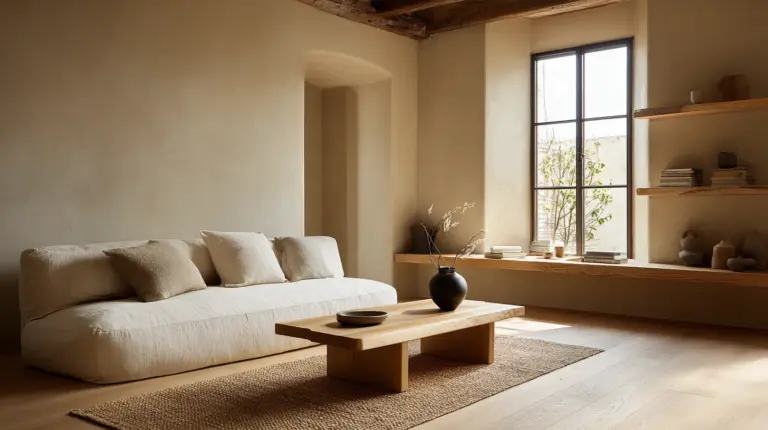
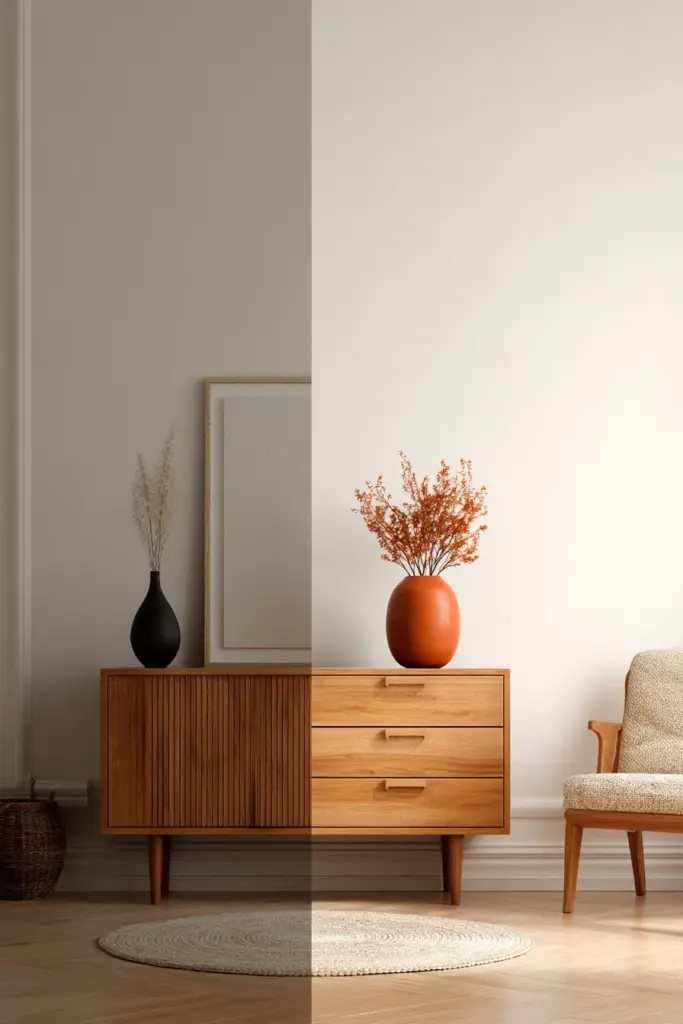
Not all whites are created equal in Japandi style. Stark, cool whites can make a small living room feel sterile and unwelcoming—more dentist’s office than peaceful sanctuary.
The Scandinavian-Japanese fusion thrives on warm neutrals: creams, off-whites, soft beiges. These create a cocoon-like atmosphere rather than a clinical one.
Color Palette Solutions
Choose warm whites with undertones—think ivory, bone, or linen white. Paint swatches should look slightly peachy or gray-green in natural light, not blue-toned.
Introduce earthy tones palette elements: terracotta accents, warm gray cushions, honey-toned wood. These ground the space and add subtle richness.
| Color Type | Best For Small Japandi Rooms | Avoid |
|---|---|---|
| Wall Paint | Warm white, greige, soft clay | Pure white, cool gray |
| Wood Tones | Light oak, ash, birch | Dark walnut (too heavy) |
| Accent Colors | Terracotta, sage, charcoal | Bright colors, black |
| Textiles | Cream, oatmeal, warm taupe | Stark white, icy gray |
Add depth through tone, not pattern. Instead of busy prints, layer different shades of the same neutral family. A cream throw over a beige sofa, for instance, adds visual interest without chaos.
Mistake #4: Skimping on Texture Layering and Natural Materials
Why Your Room Feels Flat
If your Japandi living room looks good in photos but feels emotionally cold in person, you’re likely missing texture. Minimalism doesn’t mean monotonous—it means intentional.
Smooth walls, smooth sofa, smooth table: this creates sensory boredom. The eye and hand both crave variation.
Texture Layering Japandi Essentials
Mix materials deliberately:
- Linen cushions against a cotton sofa
- A jute rug under a ceramic coffee table
- Woven rattan baskets next to matte terracotta planters
- Raw wood shelving against plaster walls
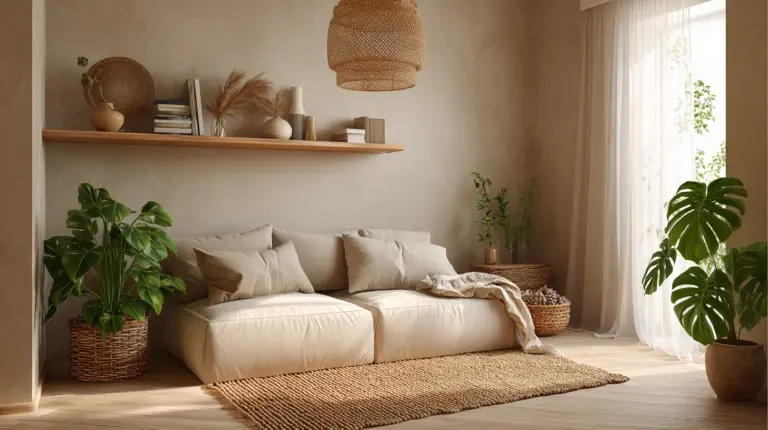
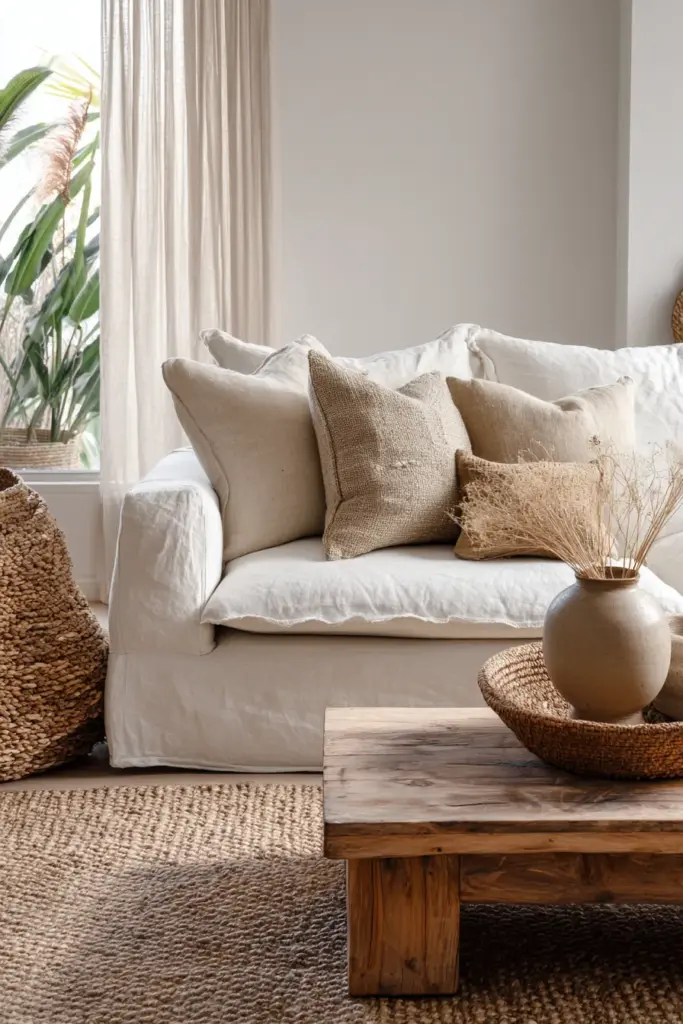
Embrace wabi-sabi imperfections. A hand-thrown clay vase with slight irregularities tells a story. A perfectly smooth ceramic one does not.
Consider the Philippine context: In humid Manila apartments, natural materials Japandi style means choosing breathable textiles (linen over velvet) and finishes that age gracefully despite the climate.
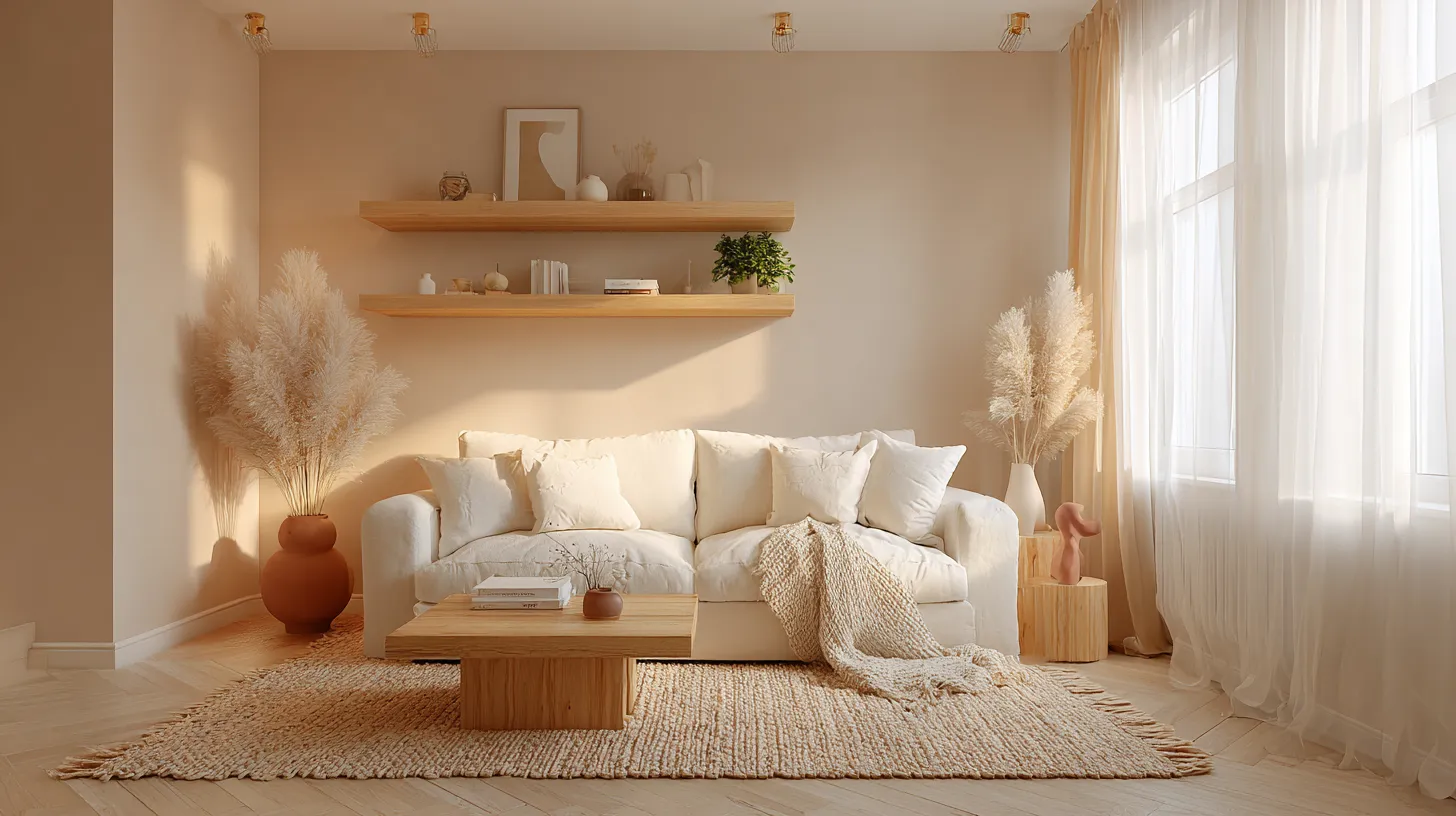
Bring in biophilic elements. Dried pampas grass in a tall vase, a driftwood sculpture, smooth river stones in a wooden bowl—these connect the indoors to nature without clutter.
For sustainable DIY ideas on sourcing local materials, check our guide to cozy furniture made from repurposed wood.
Mistake #5: Over-Minimizing Until the Space Feels Empty
The Bare Room Syndrome
There’s a persistent myth that Japandi means “as little as possible.” But functional simplicity isn’t about emptiness—it’s about purposefulness.
A room with one sofa, one plant, and nothing else isn’t serene. It’s sad. The wabi-sabi balance requires life, memory, warmth.
How to Add Warmth Without Clutter
The 3-5-7 Rule: In a small space, have 3-5 anchor pieces (sofa, coffee table, bookshelf, floor lamp, plant) and up to 7 smaller meaningful objects (ceramics, books, textiles).
Display with intention:
- Books: Stack 5-8 thoughtfully on the coffee table or a low shelf
- Plants: Group 2-3 low-maintenance varieties at different heights (snake plant, pothos, peace lily)
- Art: One larger piece or a small curated gallery wall—not bare walls
Add layers you can feel:
- A chunky knit throw draped over the sofa arm
- Two textured cushions (one linen, one bouclé)
- A handwoven basket for storage that doubles as décor
Family-proofing for real life: If you have pets or children, choose multifunctional rugs in warm grays or taupes that hide stains gracefully. Japandi should be livable, not a museum.
Mistake #6: Blocking Airflow and Natural Ventilation
The Forgotten Element
In tropical climates like the Philippines, airflow isn’t just comfort—it’s essential. Yet many small Japandi living room mistakes involve furniture placement that blocks vents, windows, or natural cross-breezes.
This kills the “zen flow” immediately. Stagnant air feels heavy, humid, oppressive—the opposite of the light, breathable quality Japandi embodies.
Ventilation Fixes
Map your airflow first. Before placing furniture, identify where fresh air enters and exits. Keep these pathways clear.
Use sheer curtains, not blackout drapes. Linen or cotton sheers filter light and allow air to circulate while maintaining privacy. This is crucial in humid Manila apartments where blocking windows creates stuffiness.
Float your furniture. Pull the sofa 6-12 inches away from the wall. This creates breathing room literally and visually, and allows air to circulate behind it.
Choose low-profile pieces. Furniture with exposed legs and open bases (not skirted sofas or solid-front cabinets) lets air flow underneath.
Add biophilic airflow enhancers: Plants like snake plants and peace lilies naturally improve air quality. Position them near windows where they get indirect light and contribute to the room’s freshness.
Mistake #7: Missing Storage Solutions (Leading to Hidden Clutter)
The Clutter Paradox
Japandi style fails often stem from one silent killer: insufficient storage. You can’t maintain minimalist serenity if everyday items have nowhere to go.
Without proper storage, clutter migrates to surfaces. Magazines pile on the coffee table. Remote controls scatter. The clean lines you worked for dissolve into visual noise.
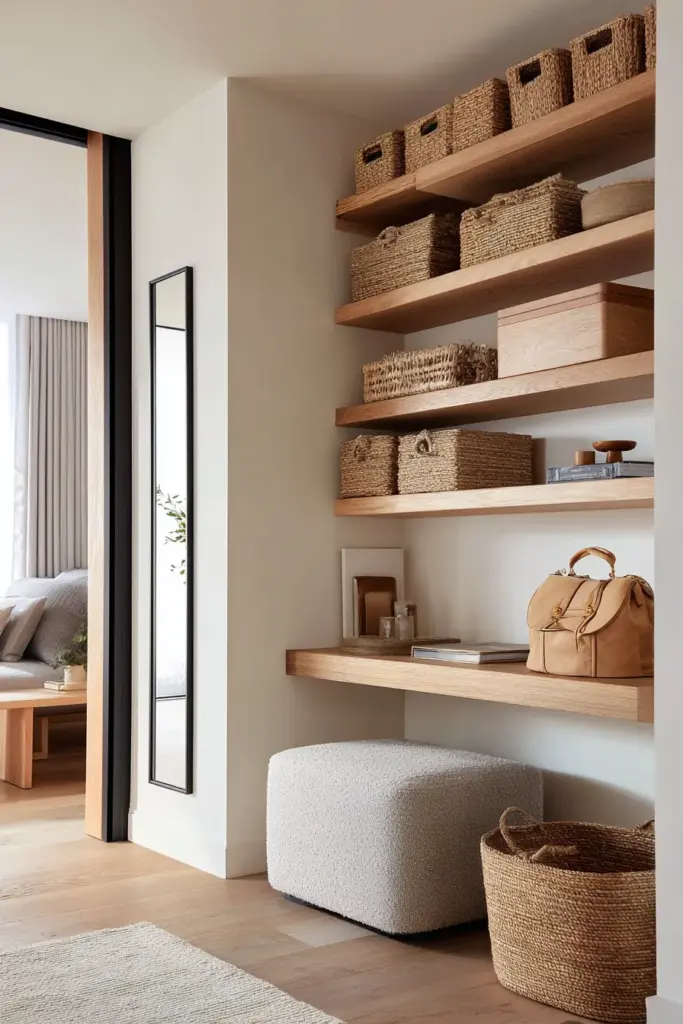
Storage Solutions for Small Spaces
Built-in and multifunctional options:
- Ottoman with hidden storage: Holds blankets, board games, or off-season items
- Floating shelves: Vertical storage that doesn’t eat floor space
- Console table with drawers: Slim profile behind the sofa for keys, mail, charging cables
- Woven baskets: Tuck under the coffee table or beside the sofa for throw blankets
The Manila DIY approach: Repurpose local wood or pallets into slim shelving units. Sand them smooth, apply a natural oil finish, and mount them at eye level. This adds warmth while solving storage in a sustainable, budget-friendly way.
Keep surfaces 70% clear. Coffee tables should hold 1-3 curated items maximum (a book, a candle, a small plant). Everything else needs a designated home.
| Storage Type | Best for Small Japandi | Dimensions to Target |
|---|---|---|
| Console Table | Behind sofa, entryway | 30-36″ wide, under 14″ deep |
| Ottoman | Beside sofa, as coffee table | 24-30″ square or round |
| Floating Shelf | Above sofa, beside TV | 24-48″ wide, 8-10″ deep |
| Baskets | Under furniture, in corners | 12-16″ diameter, natural fiber |
Quick-Fix Checklist: Small Japandi Living Room Audit
Before you rearrange another cushion, run through this simple checklist:
Furniture & Layout:
- All furniture pieces are proportional to room size (no oversized sofas)
- 18+ inches of walking space between furniture
- Furniture floats 6-12 inches from walls where possible
- Multifunctional pieces serve double duty
Light & Air:
- Warm white bulbs (2700K) in all fixtures
- Layered lighting (ambient + task + accent)
- Sheer curtains allow natural light and airflow
- Vents and windows remain unobstructed
Color & Texture:
- Warm neutrals dominate (cream, greige, natural wood)
- At least 3-4 different textures present (linen, wood, ceramic, jute)
- No stark cool whites on walls or major pieces
Warmth & Life:
- 2-3 living plants for biophilic connection
- Layered textiles (throws, cushions) in natural fibers
- 5-8 meaningful objects displayed (not bare surfaces)
- Storage keeps clutter invisible but accessible
Functionality:
- Every item has a designated storage spot
- Space feels livable for daily life (not just photogenic)
- Pet/family-friendly materials if applicable
- Climate-appropriate choices (breathable fabrics for humidity)
Finding Balance in Small Spaces
Creating a small Japandi living room isn’t about following rigid rules. It’s about listening—to the light as it moves across your floor, to the way air feels when it flows freely, to what your space actually needs versus what magazines tell you it should have.
Every mistake we’ve covered here is really just a misunderstanding of balance. Too much furniture, not enough texture. Too cold a white, not enough warmth. Too minimal, not enough soul.
The beauty of Japandi style is its forgiveness. This philosophy welcomes evolution, embraces imperfection, honors the process. Your small living room doesn’t need to be perfect tomorrow. It needs to feel like yours—a place where you can breathe deeply, move easily, and rest fully.
Start with one fix. Maybe it’s swapping that harsh overhead bulb for a warmer one. Or adding a chunky linen throw to your sofa. Small shifts create ripples. Before long, you’ll walk into your living room and feel it: that quiet rightness, that gentle welcome home.
FAQs: Small Japandi Living Room Mistakes
What are the most common Japandi living room mistakes in small spaces?
The top mistakes include choosing oversized furniture that overwhelms the room, using cold stark whites instead of warm neutrals, and over-minimizing until the space feels empty rather than serene. In compact apartments, proportion errors and inadequate storage also create clutter that contradicts the minimalist philosophy. Focus on scaling furniture appropriately, layering warm textures, and maintaining functional simplicity.
How do you avoid overcrowding a small Japandi living room?
Maintain at least 18 inches of walking space between furniture pieces, choose low-profile items with exposed legs to create visual flow, and embrace multifunctional furniture like ottomans with storage or nesting tables. Float larger pieces away from walls to allow air circulation, and keep surfaces 70% clear using hidden storage solutions. The key is intentional editing—every item should earn its place.
Why does my Japandi living room feel cold or sterile?
This usually stems from three issues: wrong white tones (cool instead of warm), lack of texture layering, or insufficient warmth-adding elements. Fix this by switching to warm white paint with beige or gray undertones, mixing natural materials like linen, jute, and raw wood, and adding life through plants, books, and handmade objects. Layer textiles in natural fibers and ensure lighting is warm (2700K bulbs) rather than harsh overhead-only fixtures.
What furniture mistakes ruin Japandi style in small rooms?
Oversized sofas that dominate the space, heavy dark wood pieces that visually weigh down the room, and furniture without storage capabilities are the biggest culprits. In small Japandi living rooms, choose compact two-seaters over three-seater sofas, light-toned woods like oak or ash over dark walnut, and pieces with exposed legs rather than solid bases. Ensure furniture is proportional to your actual square footage, not showroom aspirations.
How to fix wrong colors or textures in small Japandi setups?
Start by addressing the base palette: repaint cool whites with warm neutrals like ivory or greige. Replace any stark white textiles with cream, oatmeal, or warm taupe options in natural fibers. Introduce the earthy tones palette through terracotta, sage green, or charcoal accents. Layer different textures deliberately—pair smooth ceramics with rough jute, soft linen with raw wood. In humid climates like Manila, prioritize breathable materials that age gracefully and resist moisture damage.