
Table of Contents
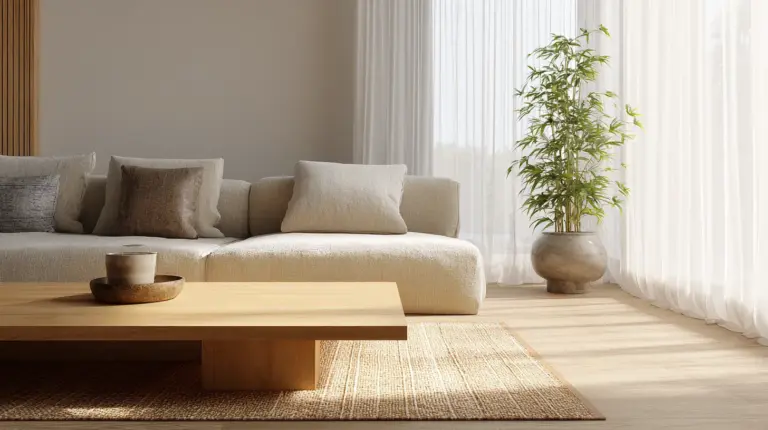
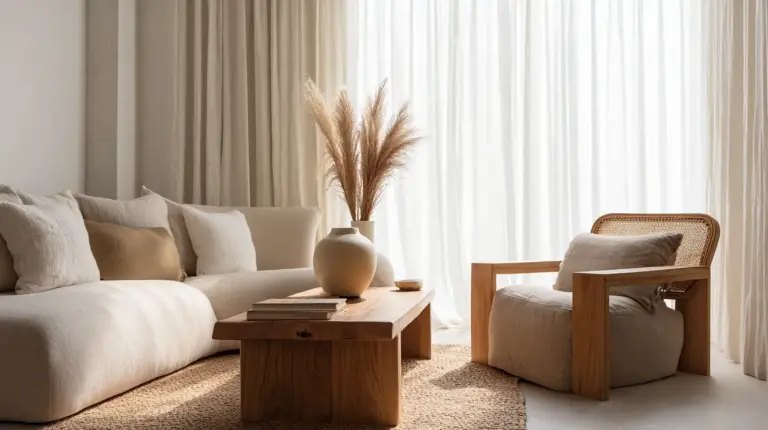
There’s something almost meditative about a small living room done right. The light falls softly on natural textures. The air feels open, not cramped. Every object earns its place.
Japandi design—the marriage of Japanese minimalism and Scandinavian warmth—was made for spaces like yours. It doesn’t demand square footage. It asks for intention.
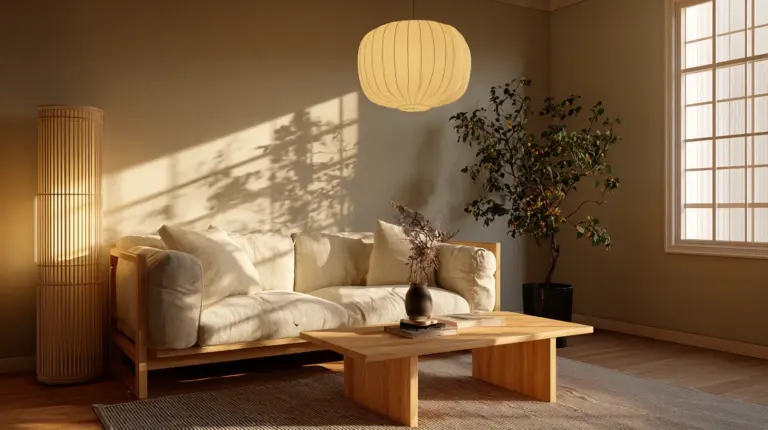
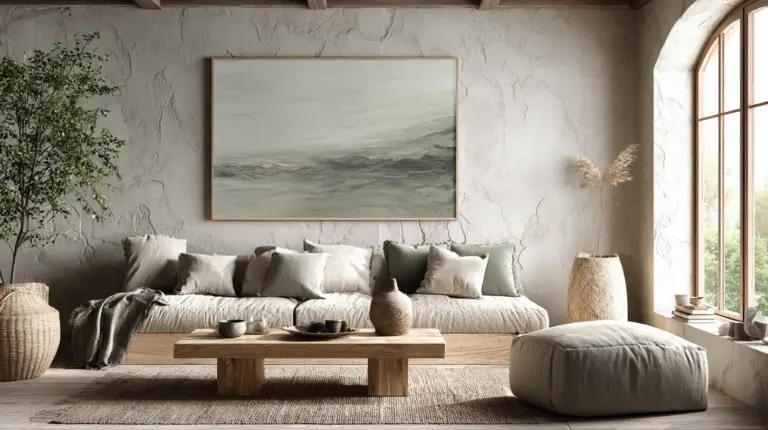
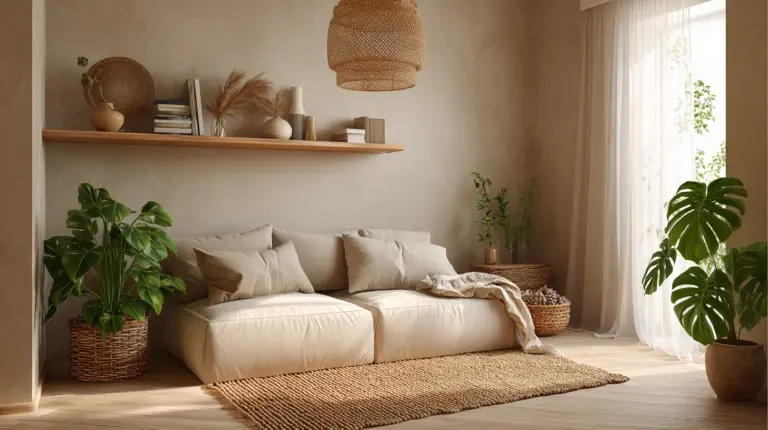
In this guide, we’ll walk through the accessories that bring Japandi’s calm elegance into compact living rooms. Think woven pendants that cast gentle shadows, ceramic vessels that hold single stems, low-profile furniture that breathes. These aren’t just décor choices—they’re invitations to slow down.
Whether you’re working with a 10m² studio or a cozy apartment corner, these ideas will help you create a space that feels expansive, grounded, and beautifully yours.
What Makes Japandi Accessories Different
Japandi accessories refuse to shout. They whisper.
Unlike maximalist styles that layer pattern upon pattern, Japandi embraces wabi-sabi—the beauty of imperfection and simplicity. A handthrown mug with an irregular rim. A linen cushion that softens with age. These pieces celebrate natural wear and honest materials.
The palette stays neutral: beige, soft gray, warm white, muted terracotta. But neutrality doesn’t mean boring. Texture does the heavy lifting—rough stone against smooth wood, nubby weave beside glazed ceramic.
Essential Japandi Accessories for Small Living Rooms
Natural Fiber Storage Baskets
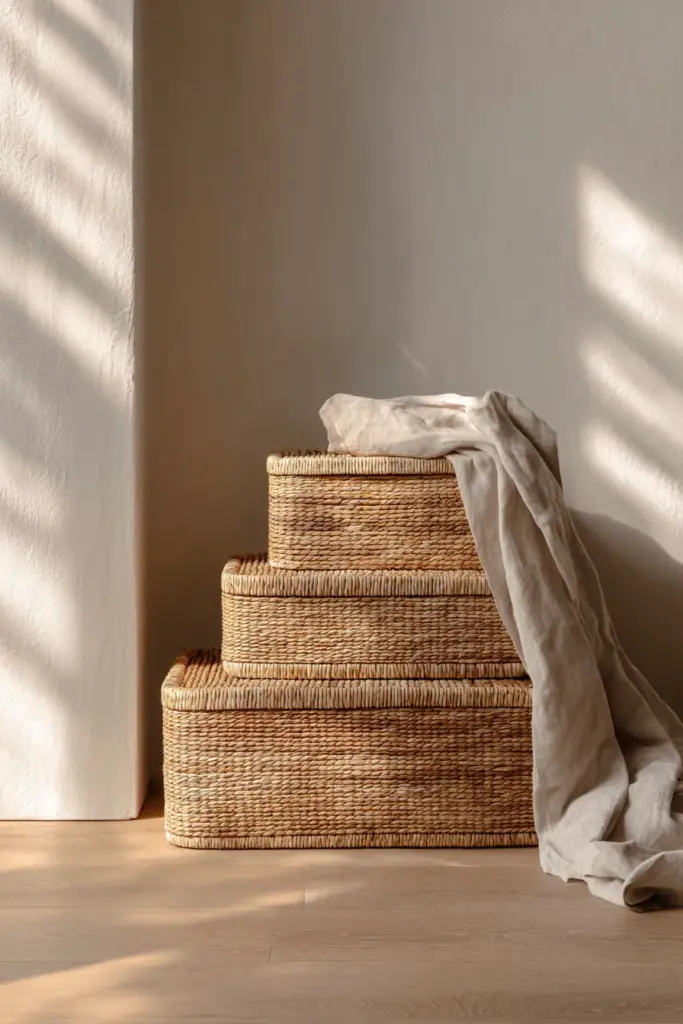
Rattan and bamboo baskets solve the small-space puzzle: storage that doubles as sculpture. Tuck magazines inside a wide-weave basket beside your sofa. Stack two smaller ones beneath a console table.
Look for abaca weave if you’re in the Philippines—it’s sustainably sourced and holds up beautifully in humid climates. The natural fibers add warmth without visual weight, keeping your room feeling airy.
Choose baskets with handles for flexibility. Move them from living room to bedroom as your needs shift.
Low-Profile Ceramic Vessels
A single ceramic vase can anchor an entire vignette. Choose pieces with matte finishes in cream, dove gray, or soft black.
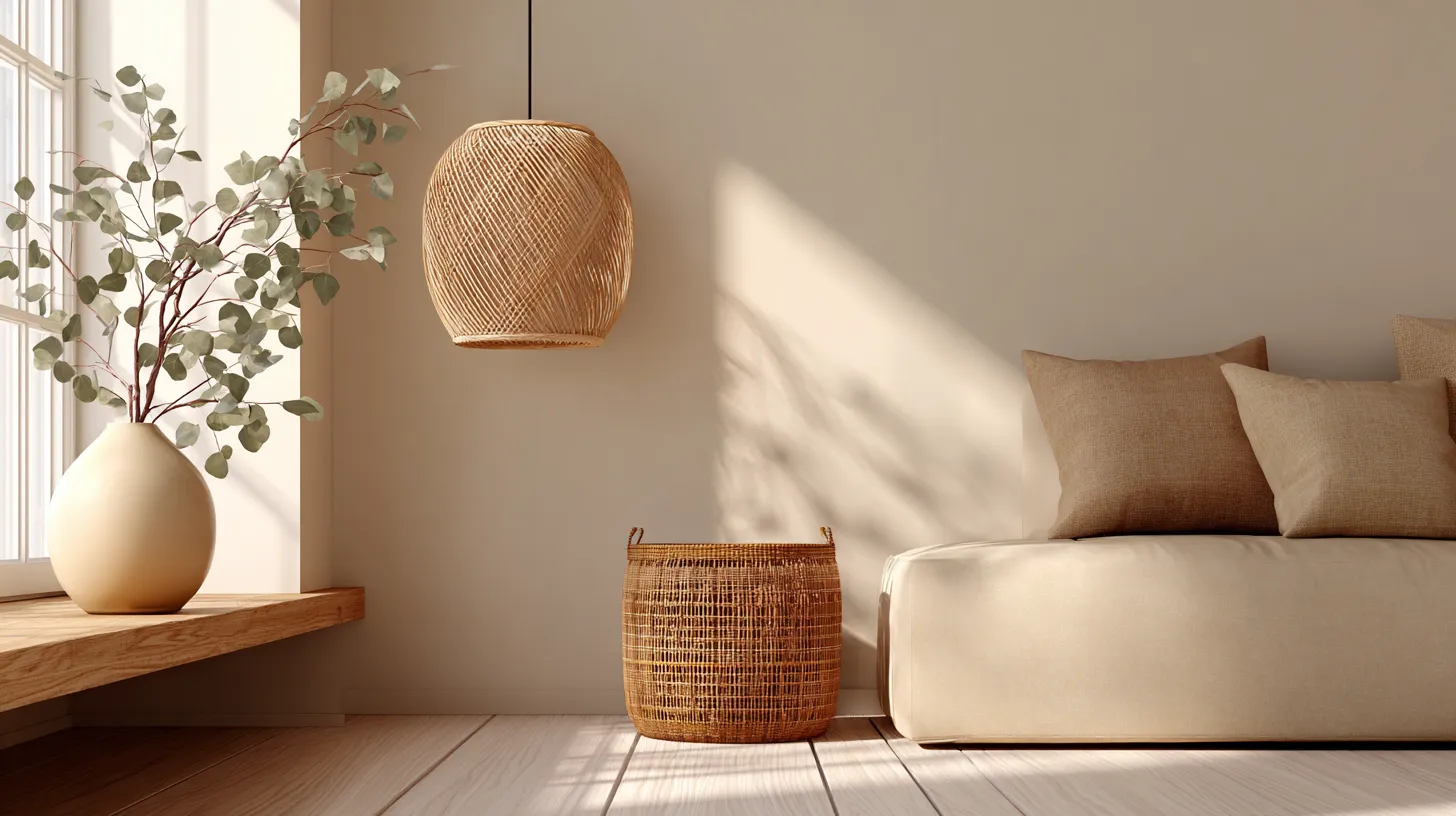
Place one on a floating shelf with a single branch—eucalyptus or monstera leaf. The simplicity draws the eye without cluttering sightlines. In small rooms, this restraint creates breathing room.
Artisanal ceramics are trending in 2026, especially pieces with subtle texture variations. Hunt for them at local markets or support Filipino potters crafting modern wabi-sabi forms.
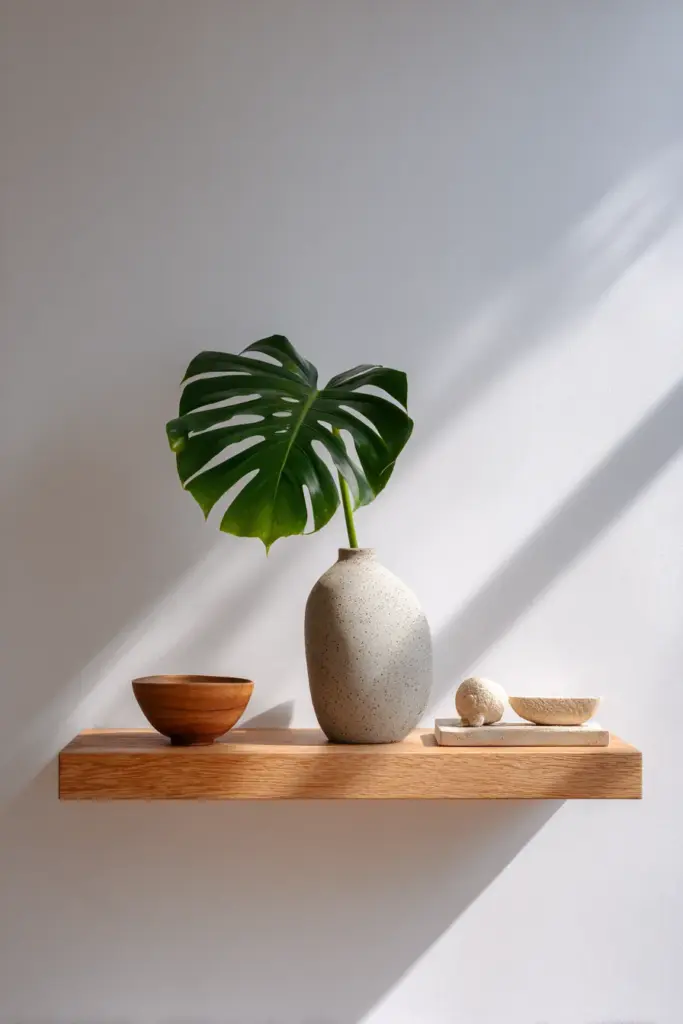
Woven Pendant Lights
Lighting transforms mood faster than any furniture swap. A woven pendant in rattan or bamboo filters light into gentle patterns across walls and ceilings.
Hang one above your seating area at about 30-40 inches from the ceiling. The organic material softens the glow, creating that biophilic calm Japandi is known for. Pair it with warm LED bulbs (2700K) for cozy, amber-toned evenings.
For renters, consider plug-in pendant kits—no electrician required, no damage to ceilings.
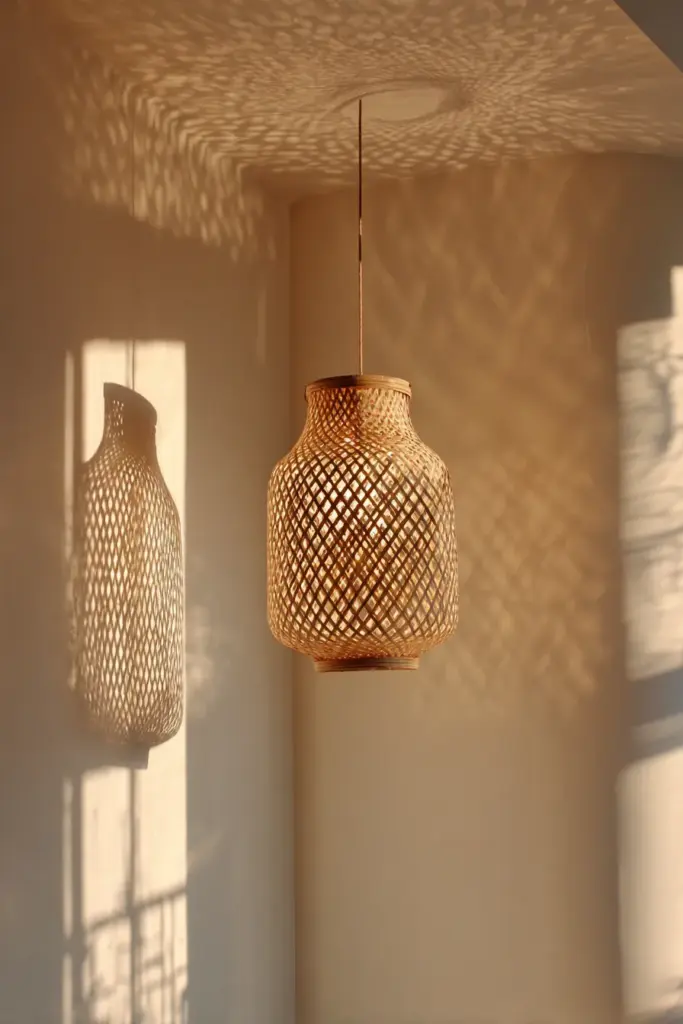
Linen Throw Pillows and Blankets
Linen feels like permission to relax. Its natural wrinkles and breathable weave bring texture that synthetic fabrics can’t match.
Layer 2-3 linen pillows on your sofa in varying shades—oatmeal, flax, charcoal. Drape a lightweight linen throw over one arm. The effect is effortless but considered, like you’ve lived in this space for years.
Textured linens are having a moment in 2026. Look for stonewashed or enzyme-treated versions that feel soft from day one.
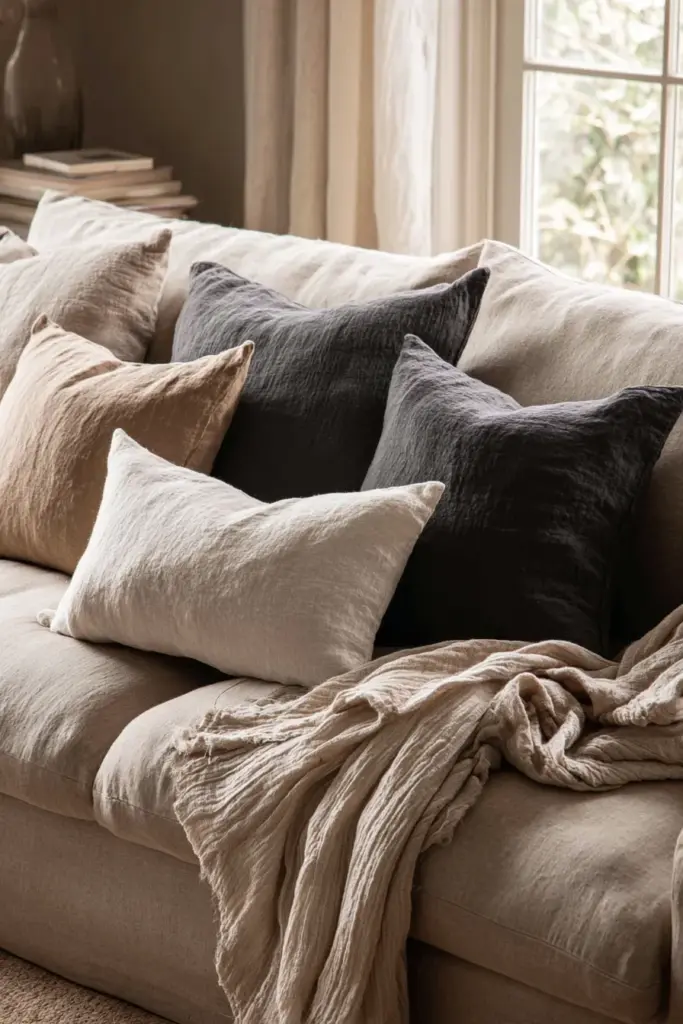
Floating Wooden Shelves
In tight quarters, floor space is precious. Floating shelves in light oak or walnut add display area without eating into your room.
Mount two or three at staggered heights. Style them sparsely: a small plant, a ceramic bowl, a favorite book lying flat. Negative space matters here—resist the urge to fill every inch.
For renters, no-drill hooks and damage-free mounting strips hold up to 7 pounds per strip. Just ensure walls can handle the weight and humidity.
Multifunctional Nesting Tables
Nesting tables are small-space gold. Use one as a side table, pull out the second when guests visit, tuck them back when you need floor space for yoga.
Choose designs in light wood with clean lines. Rounded edges soften the look and protect shins in tight navigation paths. A set shouldn’t cost more than $80-150 for quality pieces.
IKEA alternatives in bamboo or rubberwood offer the same aesthetic at friendlier price points—often 30% less than boutique brands.
Indoor Plants in Minimalist Planters
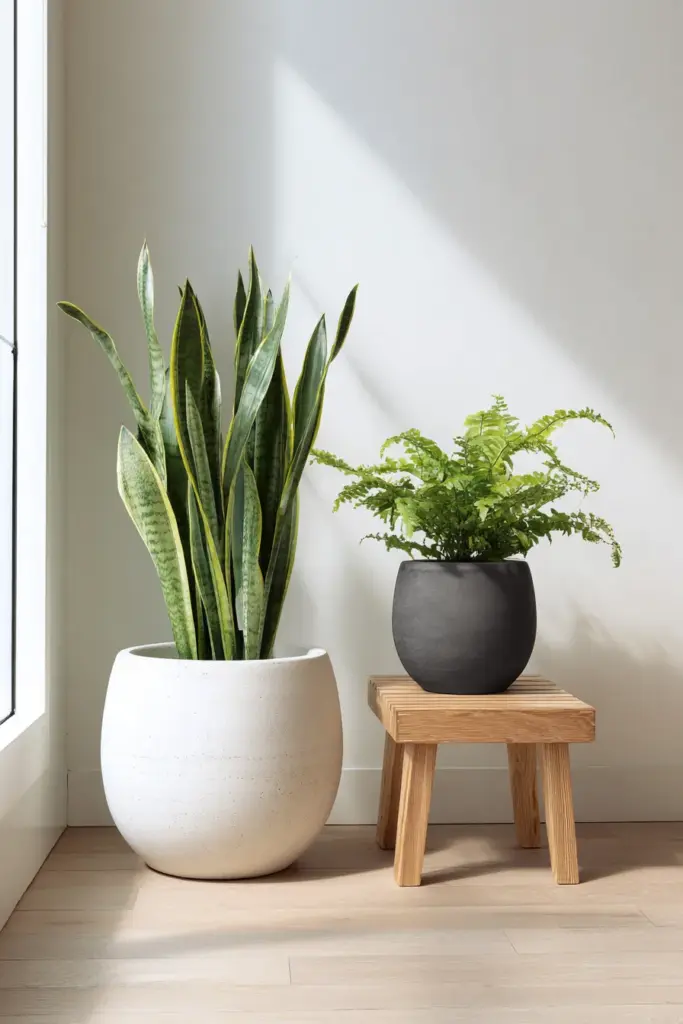
Greenery breathes life into Japandi spaces, but plant choice matters in small rooms. Opt for varieties with architectural shapes: sansevieria (snake plant), monstera, pothos, or bird’s nest fern.
Place them in simple ceramic or concrete planters—white, charcoal, or natural terracotta. Avoid busy patterns. The plant is the statement.
For low-light Manila apartments, sansevieria thrives with minimal care. Pair it with a grow light if your windows face north or are blocked by neighboring buildings.
Wooden Trays and Bowls
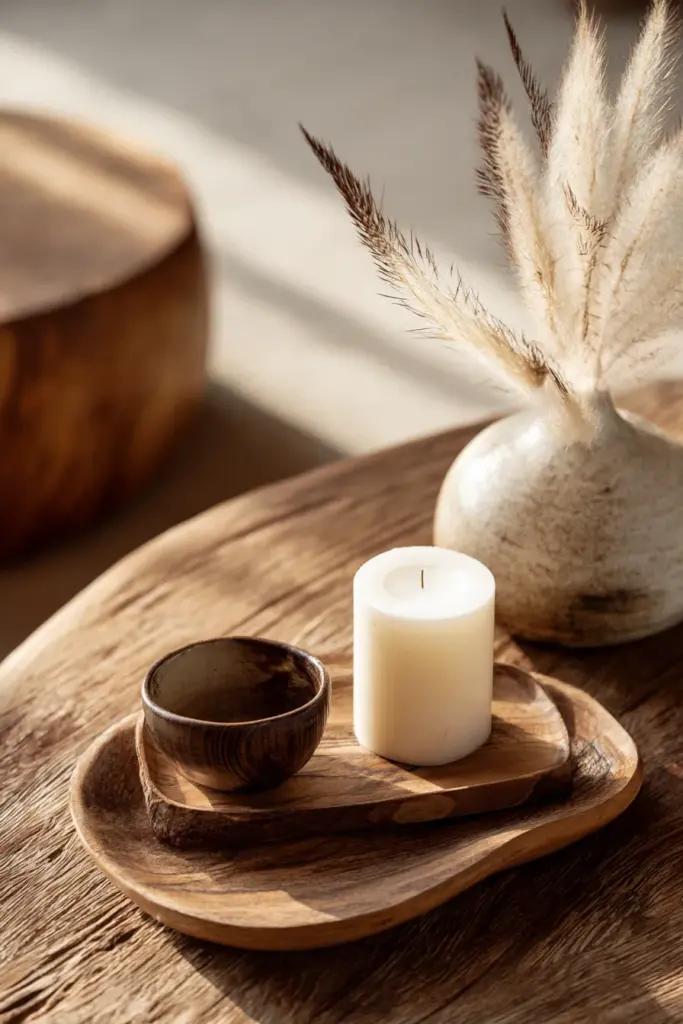
A wooden tray on your coffee table corrals remotes, candles, and coasters into one cohesive moment. It creates visual order without fuss.
Choose mango wood or acacia—both affordable and durable. A shallow bowl works beautifully on an entryway console for keys and loose change.
These pieces age gracefully. A few dings and darkened grain only add character, embodying wabi-sabi’s acceptance of impermanence.
Styling Japandi Accessories in Tiny Apartments
The Rule of Three
Group accessories in odd numbers—three candles, one vase, one small sculpture. This creates visual interest without overwhelming.
Vary heights within each grouping. A tall vase, medium candle, low ceramic dish. Your eye travels across the arrangement, creating depth.
Embrace Negative Space
Small rooms feel smaller when every surface is crowded. Leave sections of your coffee table, shelves, and walls completely bare.
Think of it as visual rest. Empty space lets the pieces you do display shine. It also makes cleaning infinitely easier.
Layer Textures, Not Colors
Stick to your neutral palette but mix materials. Linen pillow against leather sofa. Rattan basket on wool rug. Ceramic bowl on wood table.
The interplay of matte and gloss, rough and smooth, creates richness. You don’t need color chaos to achieve visual depth.
Rotate Accessories Seasonally
Keep a small box of backup accessories. Swap out a few pieces every few months—different cushions, new branches in your vase, seasonal greenery.
This keeps your space feeling fresh without requiring constant purchases. It’s sustainable and budget-friendly.
Budget-Friendly Japandi Accessories Under $100
| Item | Where to Find | Price Range |
|---|---|---|
| Rattan storage basket | IKEA, local markets | ₱800–₱1,500 |
| Ceramic vase (matte) | Abaca shops, Lazada | ₱400–₱1,200 |
| Linen cushion cover | H&M Home, Shopee | ₱300–₱800 |
| Woven pendant light | IKEA, online PH shops | ₱1,200–₱3,000 |
| Floating shelf (oak) | Wilcon, hardware stores | ₱600–₱1,500 |
| Snake plant + planter | Garden centers | ₱200–₱600 |
| Wooden serving tray | SM Home, department stores | ₱400–₱1,000 |
Upcycling for 30% Savings
Visit weekend markets for secondhand bamboo furniture. A quick sand and mineral oil treatment transforms tired pieces. You’ll save money and embrace sustainable sourcing—core to Japandi philosophy.
Thrift stores often carry ceramic bowls and wooden trays for ₱100–₱300. Choose pieces with simple shapes, even if the color isn’t perfect. You can paint ceramics with chalk paint for a modern matte finish.
Japandi Accessories for Renters (No-Damage Hacks)
Renting doesn’t mean sacrificing style. Here’s how to accessorize without losing your security deposit.
Command Hooks for Floating Shelves
3M Command strips now support up to 7 pounds per pair. Mount lightweight floating shelves for plants or small décor. Just follow package instructions carefully—clean walls with rubbing alcohol first for maximum hold.
Peel-and-Stick Wallpaper Accents
Add a single accent wall behind your sofa using removable wallpaper in subtle linen textures or natural grasscloth patterns. Apply it to one wall only—too much pattern breaks Japandi’s calm.
Freestanding Room Dividers
Use a folding shoji screen or bamboo room divider to create zones in a studio apartment. They’re portable, require no installation, and add authentic Japanese aesthetic.
Furniture Risers for Storage
Lift your sofa 2-3 inches with wooden furniture risers. Slide flat rattan baskets underneath for hidden storage. It maximizes every inch without permanent alterations.
Best Plants for Japandi Decor in Low-Light Manila Apartments
Not all homes get flooding sunlight. These plants thrive in indirect light and high humidity.
Sansevieria (Snake Plant): Nearly indestructible. Architectural leaves fit Japandi’s clean lines. Water every 2-3 weeks.
Pothos: Trailing vines soften shelves and cabinets. Tolerates low light and irregular watering. Propagate cuttings to fill more spaces for free.
ZZ Plant: Glossy leaves add subtle shine. Survives weeks of neglect. Perfect for busy households.
Bird’s Nest Fern: Loves humidity. Crinkled fronds add organic texture without fussiness.
Pair these with simple white or charcoal ceramic pots. Avoid ornate planters—let the plant’s natural form be the art.
Lighting Psychology: Warm LEDs for Biophilic Calm
Light color temperature shapes how a room feels. Japandi spaces favor 2700K warm white LEDs—the amber glow of late afternoon.
This warmth mimics natural light at golden hour, triggering relaxation responses. Cool white (5000K+) feels clinical and disrupts the cozy atmosphere you’re building.
Use layered lighting: a woven pendant overhead, a ceramic table lamp in the corner, perhaps LED strips behind floating shelves for subtle backlight. Dimmer switches let you adjust intensity as evening unfolds.
In humid climates like Manila, choose sealed bamboo fixtures or metal cages with rattan wrapping. They resist moisture better than pure paper lanterns.
2026 Japandi Trends to Watch
Design evolves, even in minimalist spaces. Here’s what’s emerging.
Textured Ceramics Over Smooth Gloss
Expect more tactile surfaces—sand-texture vases, crater-finish bowls. The imperfections feel human and handmade.
Artisanal Over Mass-Produced
Support local makers. Filipino ceramicists and weavers are creating stunning Japandi-compatible pieces. Their work carries soul that factory items lack.
Warmer Neutrals
The palette is shifting slightly warmer—think caramel, terracotta, warm grays over stark white. These tones feel more inviting in tropical climates.
Sustainability as Standard
Upcycled materials, locally sourced fibers, low-VOC finishes. Conscious consumption aligns perfectly with Japandi’s respect for materials and longevity.
Quick Japandi Accessory Checklist
- Storage: 2-3 rattan or bamboo baskets in varying sizes
- Textiles: Linen throw pillows (3), one linen blanket
- Lighting: Woven pendant or table lamp with warm LED bulbs
- Greenery: 2-3 low-maintenance plants in simple planters
- Display: 1-2 ceramic vases or bowls
- Furniture: Nesting tables or one floating shelf
- Extras: Wooden tray, candles, minimal wall art (optional)
- Total Budget: ₱5,000–₱8,000 for complete refresh
Conclusion
Your small living room doesn’t need to do more. It needs to breathe.
Japandi accessories teach us that beauty lives in restraint—in the grain of wood, the drape of linen, the shadow cast by a woven lamp. These aren’t just objects. They’re choices that say: I value calm. I honor simplicity. I trust that less can hold more.
Start with one piece. A basket. A plant. A cushion that feels right when you sink into your sofa at day’s end. Let your space unfold slowly, thoughtfully, like the design philosophy itself.
This is how you build a home that feels like an exhale.
FAQs
Are Japandi accessories expensive or budget-friendly?
Japandi can fit any budget. Quality pieces like rattan baskets, linen textiles, and ceramic vases range from ₱300–₱3,000. Upcycling secondhand items or choosing local Filipino materials (abaca, bamboo) cuts costs by 30% while staying true to the aesthetic. Invest in a few anchor pieces; fill in with affordable basics from IKEA or local markets.
What plants pair best with Japandi decor in low-light rooms?
Sansevieria (snake plant), pothos, ZZ plants, and bird’s nest ferns thrive in low light and high humidity—ideal for Manila apartments. Their clean, architectural forms complement Japandi’s minimalism. Pair them with matte ceramic or concrete planters in white, charcoal, or terracotta. Avoid ornate pots; simplicity lets the greenery shine.
Can renters add Japandi accessories without damaging walls?
Absolutely. Use 3M Command strips for floating shelves (up to 7 lbs), peel-and-stick wallpaper for accent walls, and freestanding bamboo screens for room division. Plug-in pendant lights require no ceiling work. Choose furniture risers to create under-sofa storage. These no-drill solutions preserve your deposit while achieving full Japandi style.
How do I style Japandi accessories in a tiny apartment?
Follow the rule of three: group items in odd numbers with varying heights. Embrace negative space—leave shelves and surfaces partially bare. Layer textures (linen, wood, ceramic) within a neutral palette instead of adding color. Rotate accessories seasonally to keep the space fresh. Multifunctional pieces like nesting tables maximize flexibility without clutter.
u003cstrongu003eWhat are affordable Japandi living room accessories for small spaces?u003c/strongu003e
Start with rattan baskets (₱800–₱1,500), linen cushion covers (₱300–₱800), a ceramic vase (₱400–₱1,200), and a snake plant (₱200–₱600). Add a wooden tray (₱400–₱1,000) and a woven pendant light (₱1,200–₱3,000). Total investment: ₱5,000–₱8,000 for a complete refresh. Shop local markets, IKEA, and online PH stores for best value.