
Table of Contents
by ERYLIN
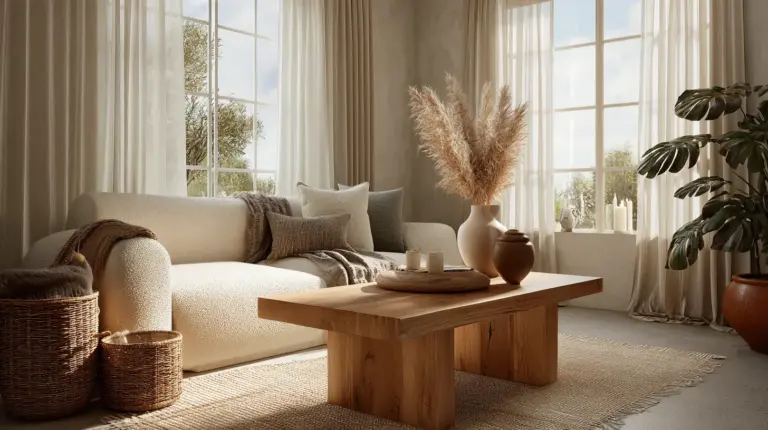
There is a kind of beauty that doesn’t announce itself. It settles quietly into the grain of weathered wood, in the soft light pooling across a linen cushion, in the gentle imperfection of a handmade ceramic bowl. This is the world of Japandi and Wabi-Sabi — and the good news is, it doesn’t have to cost a fortune to live inside it.
At ERYLIN, we believe that a soulful home is built with intention, not excess. Whether you’re starting from scratch or simply want to breathe new life into your space, a Japandi Wabi-Sabi budget approach is one of the most liberating creative decisions you can make.
You don’t need to fill every shelf or chase every trend. You need texture. You need quiet. You need a few beautiful, purposeful things that feel like you.
This guide will walk you through everything — from understanding the philosophy to sourcing materials locally in the Philippines — so you can build a calm, grounded home, one thoughtful piece at a time.
What Is Japandi Wabi-Sabi, and Why Does It Work So Well Together?
The Japandi Philosophy
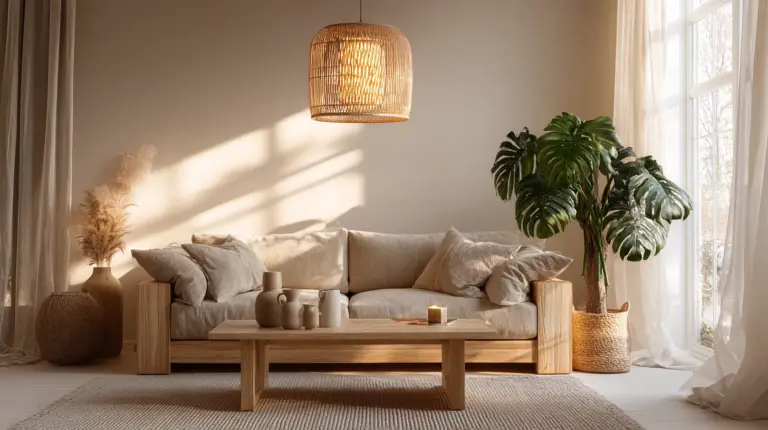
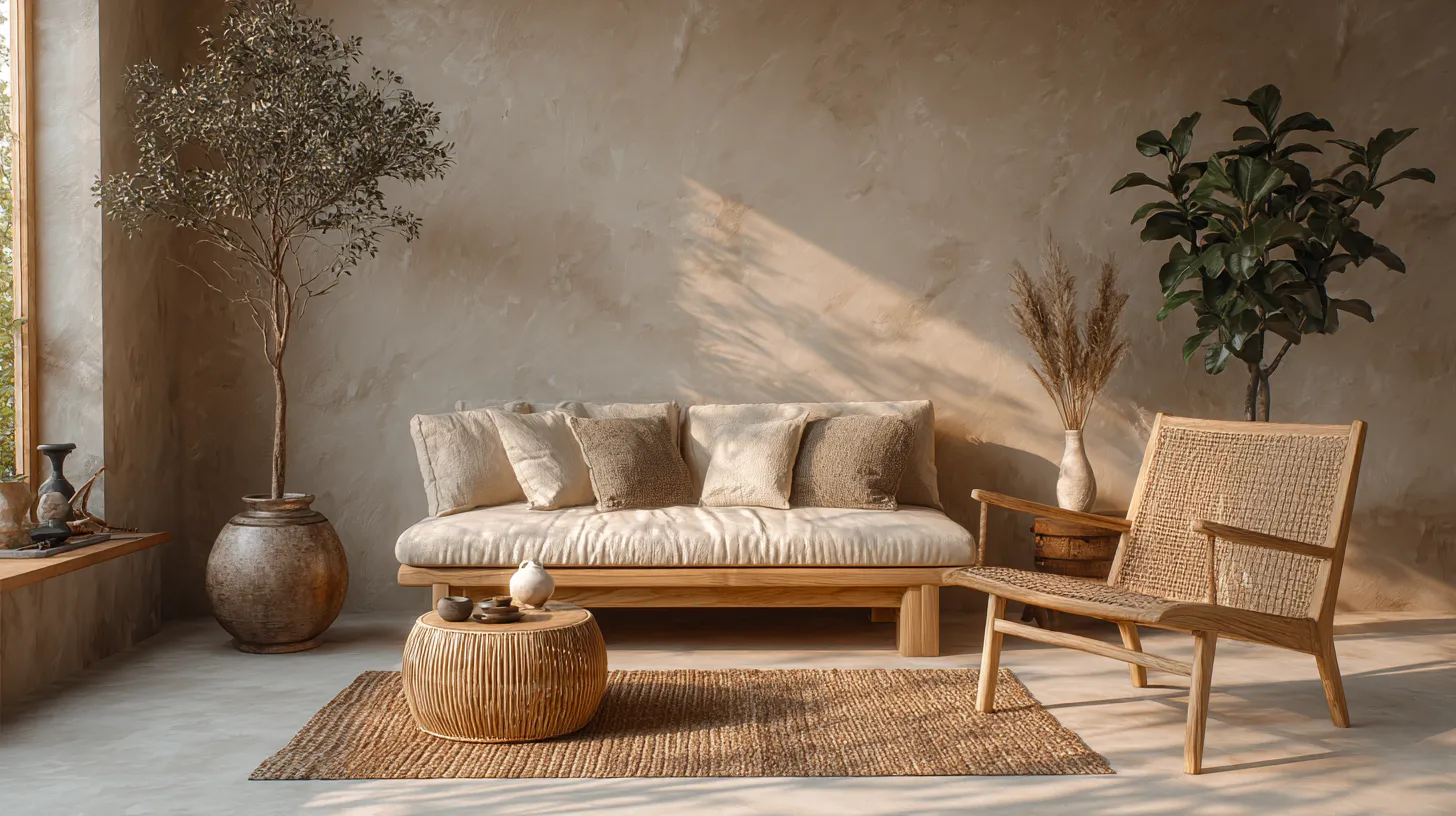
Japandi is a fusion of Japanese minimalism and Scandinavian hygge — two design traditions that, despite their geography, share a deep love for simplicity, natural materials, and functional beauty. Think clean lines softened by organic shapes. Neutral palettes warmed by wood and rattan. Spaces that breathe.
Scandinavian design gives Japandi its practicality and warmth. Japanese aesthetics give it its quietude and restraint. Together, they create interiors that feel both lived-in and elevated.
What Wabi-Sabi Adds
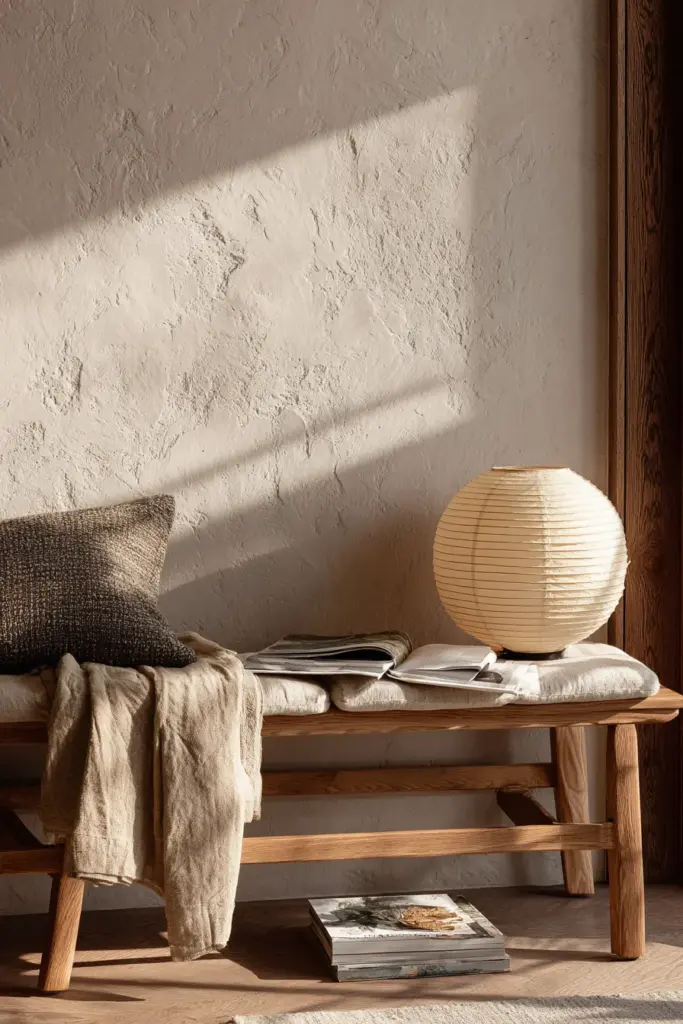
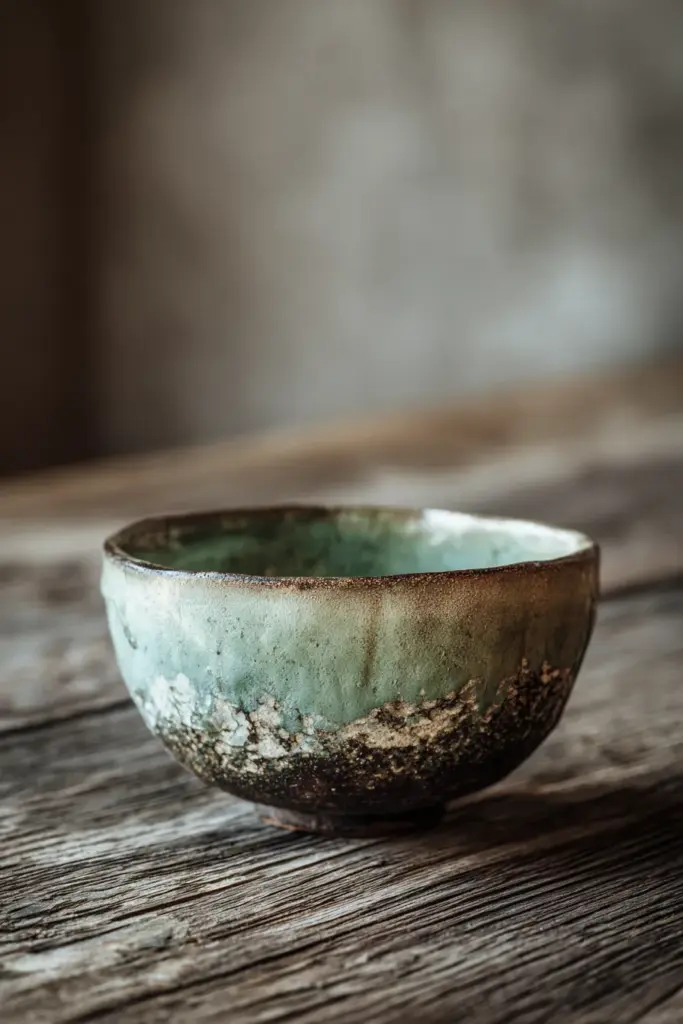
Wabi-Sabi is the Japanese philosophy of finding beauty in imperfection, impermanence, and incompleteness. A chipped clay mug. A hand-stitched pillow with an uneven seam. A bamboo shelf that shows its age. These aren’t flaws — they are the soul of the object.
When you layer Wabi-Sabi into Japandi, you get something extraordinary: a home that doesn’t try too hard. It is honest, gentle, and quietly alive.
What Is the Difference Between Japandi and Wabi-Sabi?
Japandi is a design style — it has structure, furniture silhouettes, a color palette, and spatial rules. Wabi-Sabi is a philosophy — it is a way of seeing and honoring the world. Japandi tells you what to choose. Wabi-Sabi tells you how to feel about it. Together, they are the perfect interior language.
Can Japandi or Wabi-Sabi Be Done on a Budget?
Absolutely — and honestly, budget Japandi might be more authentic than its expensive counterpart.
The entire ethos of Wabi-Sabi resists newness for newness’s sake. A secondhand wooden stool with a worn edge is more Wabi-Sabi than a pristine designer piece. A clay pot you found at a tiangge carries more soul than an imported ceramic bought for show.
The goal is never to spend more. The goal is to choose better.
Budget Japandi Wabi-Sabi Room Breakdown
Before you shop, anchor yourself with a budget plan. Here is a simple framework to get you started.
| Room | Key Pieces | Suggested Budget |
|---|---|---|
| Living Room | Sofa, shelf, floor lamp, throw, 2–3 plants | ₱8,000–₱20,000 |
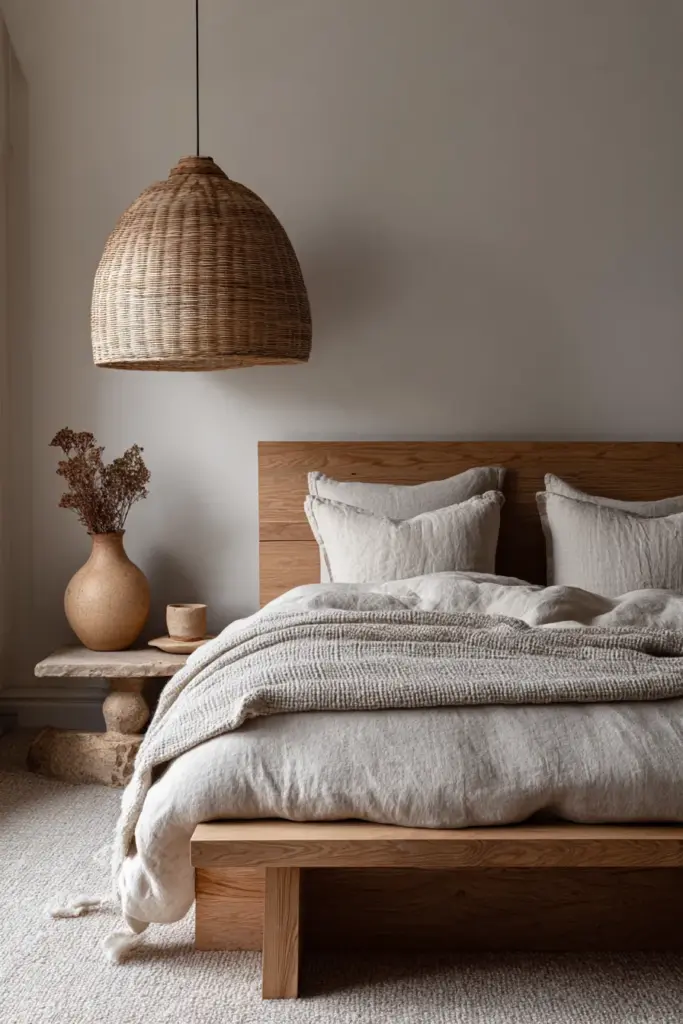
| Bedroom | Bed frame, linen bedding, bedside table, pendant light | ₱6,000–₱15,000 |
| Kitchen | Open shelving, earthen ceramics, woven tray | ₱2,000–₱6,000 |
| Bathroom | Bamboo accessories, cotton towels, small plant | ₱1,500–₱4,000 |
| Entryway | Woven basket, rattan hook, small stool | ₱1,000–₱3,000 |
These ranges reflect what is realistically available on Shopee PH, Lazada, Divisoria, and local furniture markets in areas like Silang, Cavite and surrounding Calabarzon towns.
Sourcing Japandi Wabi-Sabi Materials on a Budget in the Philippines
Local Markets and Online Platforms
You don’t need international shipping to build a Japandi home. The Philippines is rich in the very materials this aesthetic celebrates — rattan, bamboo, abaca, native wood, handthrown ceramics, and woven textiles.
Where to look:
- Divisoria and Quiapo — for rattan baskets, woven trays, and earthenware at wholesale prices
- Shopee PH and Lazada — search terms like “rattan shelf,” “bamboo organizer,” “linen pillowcase,” or “matte ceramic mug” for finds under ₱500
- Taobao via proxy agents — for minimal furniture pieces at low cost, especially low-profile bed frames and modular shelves
- Local furniture makers in Cavite and Laguna — custom narra or acacia pieces, often more affordable than branded alternatives
- Ukay-ukay and tiangge — for aged wood, mismatched ceramics, and preloved linen — the most Wabi-Sabi sourcing of all
What to Prioritize First
When budget is tight, invest in the bones of a space: flooring treatment, lighting, and one anchor piece of furniture. Everything else can come slowly, with patience — and patience, in Wabi-Sabi, is itself a virtue.
The Japandi Wabi-Sabi Color Palette on a Budget
Neutral and Earthy Tones
The budget Japandi palette costs almost nothing to achieve — because it lives in restraint. Think warm whites, soft beiges, dusty sage, terracotta, deep charcoal, and the natural tones of untreated wood.
A can of off-white or warm greige paint transforms a room entirely. Paired with natural-fiber textiles and wood accents, it becomes the quietest kind of luxury.
Paint picks to look for locally:
- Davies or Boysen in “Warm Sand,” “Natural Linen,” or “Chalk White”
- DIY lime-wash effect using white paint diluted with water for a matte, aged finish
Texture Over Color
In Japandi Wabi-Sabi, texture does the work that color usually takes. A chunky jute rug, a rough-woven linen curtain, a wood bowl with visible grain — these layered textures create depth and warmth without a single bold hue.
Run your hand along rough-hewn shelving. Feel the cool weight of a stone candle holder. These sensory moments are the heartbeat of a Wabi-Sabi home.
Natural Materials: The Foundation of Budget Japandi
Wood, Bamboo, and Rattan
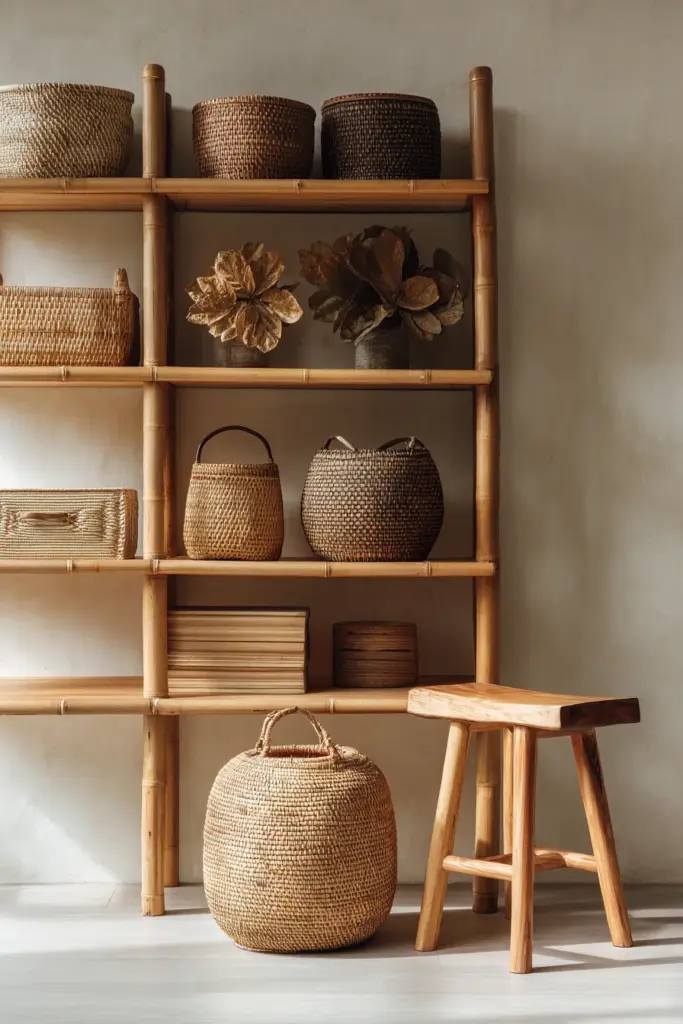
These are the holy trinity of Japandi Wabi-Sabi — and they are wonderfully affordable in the Philippines. A bamboo ladder shelf. A rattan fruit basket repurposed as a magazine holder. A reclaimed wood plank mounted as a floating shelf.
Look for raw, unfinished, or lightly oiled finishes over lacquered or painted wood. The natural grain, the knots, the variations in tone — these are the beauty marks that Wabi-Sabi celebrates.
Linen, Cotton, and Natural Fiber Textiles
Swap synthetic fabrics for natural ones wherever you can. A simple linen throw draped over a sofa. Cotton gauze curtains that let morning light filter through. A braided cotton rug that softens a bare tile floor.
These materials breathe. They age gracefully. And they photograph beautifully, which is a bonus if you love documenting your home.
Handmade and Imperfect Ceramics
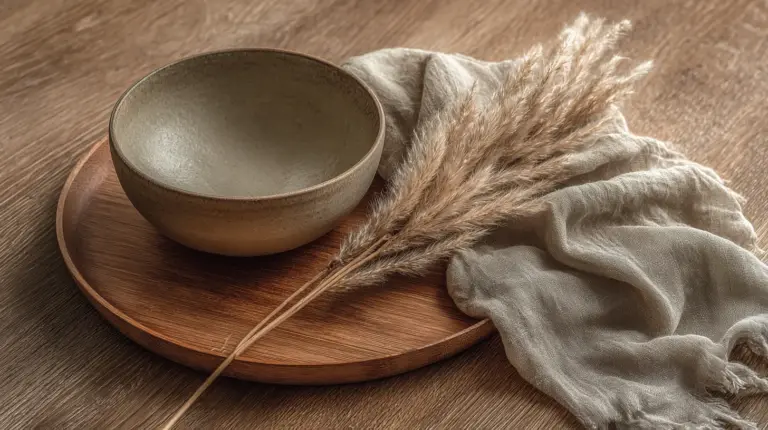
Nothing says Wabi-Sabi quite like a handthrown ceramic. The slight wobble of the rim, the variation in glaze, the fingerprint pressed into the clay before firing — these are deliberate marks of human touch.
Look for local potters on Instagram or Shopee PH, or simply choose matte, earth-toned mugs and bowls over mass-produced porcelain sets. A matte black or warm beige ceramic can be found for ₱150–₱500 and will anchor a shelf or table beautifully.
Lighting for a Japandi Wabi-Sabi Home
Layered Lighting on a Budget
Good lighting is the soul of a Japandi interior — and the right layered approach doesn’t require expensive fixtures.
Three layers to aim for:
- Ambient light — a warm-toned LED bulb (2700K–3000K color temperature) instead of cool white fluorescents
- Task light — a simple rattan or bamboo table lamp for reading nooks and bedside tables
- Accent light — a string of warm Edison bulbs, a candle lantern, or a paper shade pendant
Swap out one harsh overhead light for a floor lamp with a linen shade, and your room will feel entirely different by evening.
The Role of Candles and Natural Light
Candles are the original Wabi-Sabi light source. A beeswax or soy candle in a rough clay holder, placed on a low wooden tray with a dried eucalyptus sprig — this is a moment, not just a décor choice.
Maximizing natural light is equally important. Keep windows unobstructed. Choose sheer or open-weave curtains. Let the quality of daylight shift through your space like a living thing.
Plants and Biophilic Design: The Living Element
Low-Maintenance Plants for a Japandi Home
Living greenery connects a Japandi interior to the natural world — and it doesn’t have to cost much. A single potted monstera. A trailing pothos on a rattan shelf. A small succulent on a windowsill in a terracotta pot.
Best low-light plants for PH interiors:
- Monstera deliciosa — architectural, slow-growing, thrives indoors
- Pothos (money plant) — nearly indestructible, trails beautifully
- Snake plant (Sansevieria) — sculptural, tolerates low light and neglect
- Peace lily — soft white blooms, purifies air, loves humidity
- ZZ plant — glossy, minimal, rarely needs watering
Most of these are available at Cartimar, Maginhawa street plant shops, or via Shopee PH for under ₱200.
Propagation as a Wabi-Sabi Practice
Propagating your own plants — rooting cuttings in glass jars of water, watching roots unfurl over weeks — is deeply Wabi-Sabi. It is slow. It is imperfect. It requires patience and attention. And it costs almost nothing.
Place your propagation jars on a windowsill. Watch the light catch the water. This is what a soulful home looks like.
DIY Japandi Wabi-Sabi Ideas Under ₱2,000
IKEA-Inspired Hacks for Wabi-Sabi Tables
You don’t need to buy new furniture to transform a room. Some of the most compelling Japandi pieces are reimagined from existing ones.
Try these:
- Sand and oil a plain wooden table or stool with linseed or coconut oil for a raw, natural finish
- Wrap a glass vase with twine or dried grass for a wabi-sabi textural vessel
- Stack low wooden crates from Divisoria as a side table or open shelf
- Replace plastic drawer pulls with rattan or stone handles (available on Shopee PH for ₱50–₱200 each)
- Frame pressed leaves or dried botanicals in simple clip frames for wall art
Upcycling with Wabi-Sabi Intention
Before you throw anything away, ask: Can this become something quieter? A cracked ceramic bowl becomes a planter. A worn wooden cutting board becomes a decorative tray. A glass jar becomes a vase for dried pampas grass.
Wabi-Sabi doesn’t discard — it transforms.
Is Wabi-Sabi Practical for Families or Small Spaces?
Yes — and in many ways, it is designed for them.
Wabi-Sabi releases the pressure of perfection. Scratches on a wood table become part of its story. A handprint on a linen cushion is a memory, not a mess. This philosophy is deeply forgiving, which makes it ideal for family homes where life happens in full, beautiful chaos.
For small spaces like studio apartments or compact Philippine homes, Japandi’s minimalism is a gift. Less furniture, more breathing room. Multifunctional pieces — a low wooden bench that stores blankets, a rattan trunk that doubles as a coffee table. The philosophy asks you to keep only what you use and love.
Small space tips:
- Choose furniture with legs (visual breathing room under pieces)
- Use vertical shelving to draw the eye upward
- Keep the floor mostly clear
- One large plant instead of many small ones
- Mirrors with wood or rattan frames to expand light
Which Is More Timeless: Japandi, Wabi-Sabi, or Soft Minimalism?
All three resist trend cycles — but for different reasons.
Japandi’s timelessness comes from its functional beauty. Things that work beautifully never go out of style. Wabi-Sabi’s timelessness comes from impermanence itself — it accepts that things change, age, and fade, and finds the grace in that. Soft minimalism is the most trend-adjacent of the three, though it too prioritizes warmth over flash.
If you want a home that will still feel right in twenty years, Japandi Wabi-Sabi is your answer. It doesn’t chase newness. It deepens with time.
Your Japandi Wabi-Sabi Budget Checklist
Foundation
- Warm-toned LED bulbs (2700K–3000K) throughout the home
- A neutral paint color — warm white, beige, or greige
- At least one natural fiber textile — linen, cotton, or jute
Furniture
- One low-profile anchor piece — sofa, bed frame, or dining table in natural wood
- A rattan or bamboo shelf for open, editorial storage
- A woven basket or tray for intentional organization
Textiles and Softness
- Linen or cotton throw blanket
- Natural fiber rug — jute, sisal, or woven cotton
- Matte or textured cushion covers in earth tones
Details and Layers
- Two to three handmade or matte ceramic pieces
- One candle in a clay or stone holder
- One trailing or sculptural indoor plant
- Dried botanicals — pampas grass, eucalyptus, cotton stems
Lighting
- One warm-toned floor or table lamp
- Candles or a simple paper lantern for evening ambiance
DIY Touch
- One upcycled or repurposed piece with a visible story
Conclusion
A Japandi Wabi-Sabi home isn’t built in a weekend, and it certainly isn’t built by spending more. It is built slowly, with attention — a linen curtain hung in morning light, a ceramic bowl chosen for the weight of it in your hand, a plant placed where it will quietly thrive.
At ERYLIN, we believe beauty is not a price point. It is a practice. And this kind of practice — unhurried, sensory, soulful — is available to every home, at every budget.
Start with one corner. One candle. One breath of intention. The rest will follow.
Frequently Asked Questions
What is the difference between Japandi and Wabi-Sabi?
Japandi is a design style that blends Japanese minimalism with Scandinavian warmth — it has a clear aesthetic with furniture choices, color palettes, and spatial rules. Wabi-Sabi is a Japanese philosophy that finds beauty in imperfection and impermanence. Japandi tells you what to choose; Wabi-Sabi tells you how to feel about it. Together, they create interiors that are both beautiful and deeply human.
Can Japandi or Wabi-Sabi be done on a budget?
Absolutely. Both philosophies actually resist excess by nature — Wabi-Sabi celebrates the aged and imperfect, which often means secondhand and affordable. In the Philippines, local markets like Divisoria, Shopee PH, and community tiangges are excellent sources for rattan, bamboo, handmade ceramics, and linen textiles that fit a ₱5,000–₱20,000 room budget.
Is Wabi-Sabi practical for families or small spaces?
Yes — Wabi-Sabi is actually ideal for families because it releases the pressure of perfection. Scratches on wood, worn textiles, and lived-in imperfections are embraced, not hidden. For small spaces, Japandi minimalism is a natural fit: less furniture, multifunctional pieces, and open shelving make compact rooms feel spacious and calm.
How do I achieve Japandi style affordably with DIY ideas?
Focus on upcycling first — sand and oil an old wooden table, swap plastic handles for rattan ones, wrap glass jars in twine for organic vases. Shop secondhand for ceramics and textiles. Propagate your own plants from cuttings. Replace one overhead light with a warm floor lamp. These small shifts, done with intention, create the Japandi atmosphere without a renovation budget.
Which is more timeless: Japandi, Wabi-Sabi, or Soft Minimalism?
Japandi and Wabi-Sabi are the most timeless of the three, because they are philosophies rooted in nature and impermanence — they don’t chase trends, so they never go out of style. A home built on these principles deepens in character over years, becoming more beautiful as it ages alongside you.