
Table of Contents
By ERYLIN — Home Décor & Interior Styling
There is a particular kind of stillness in a Japandi home. The kind that makes you exhale the moment you walk through the door. Warm wood grain beneath your fingertips, the faint scent of hinoki or eucalyptus in the air, light that feels almost golden — not harsh, not glaring, but alive.
What most people don’t know is that this stillness can be designed. And in 2026, it can be designed with technology — quietly, invisibly, without breaking the aesthetic you’ve worked so hard to create.
This guide is for the thoughtful homemaker on a real budget. Whether you’re in Manila shopping on Lazada, or hunting for hidden gems on Shopee, we’ll show you how to bring smart, soulful technology into your Japandi home — beautifully, affordably, and with intention.
Because Japandi isn’t just a look. It’s a practice. And with the right tools, it becomes an everyday ritual you can actually live in.
What Is Japandi Style, and Why Does Technology Belong in It?
Japandi is the gentle marriage of Japanese wabi-sabi and Scandinavian hygge. It’s the philosophy that beauty lives in imperfection, in natural materials, in things that are made well and used gently.
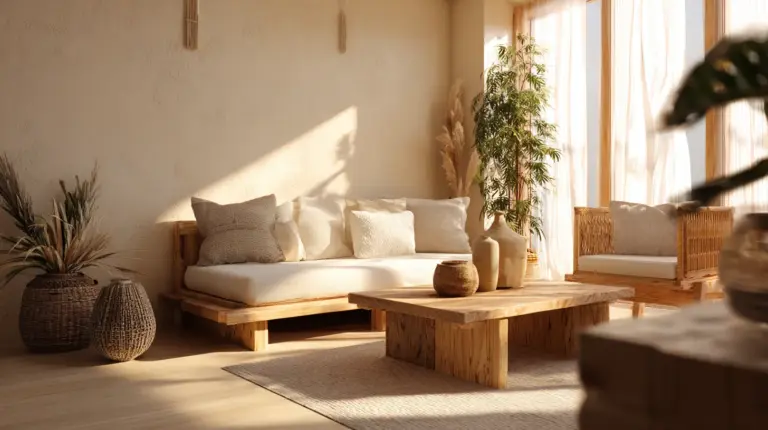
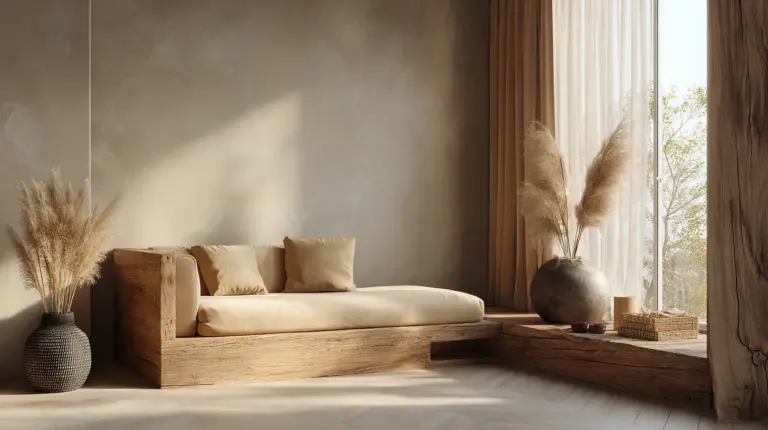
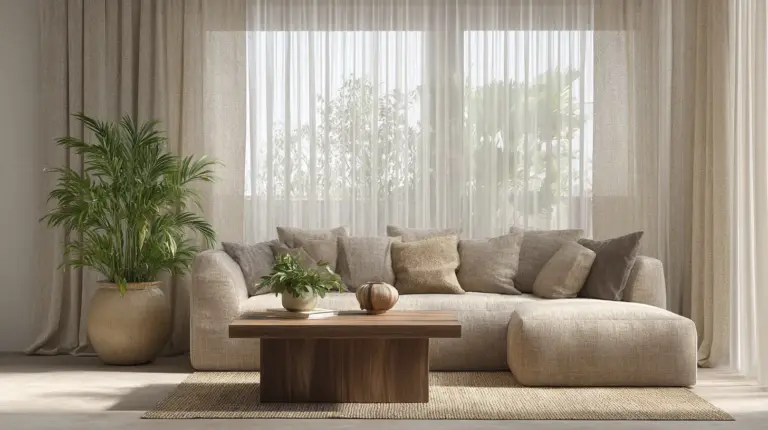
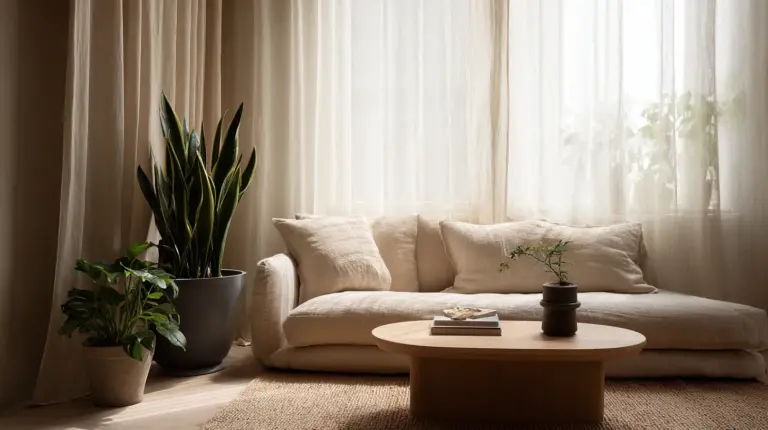
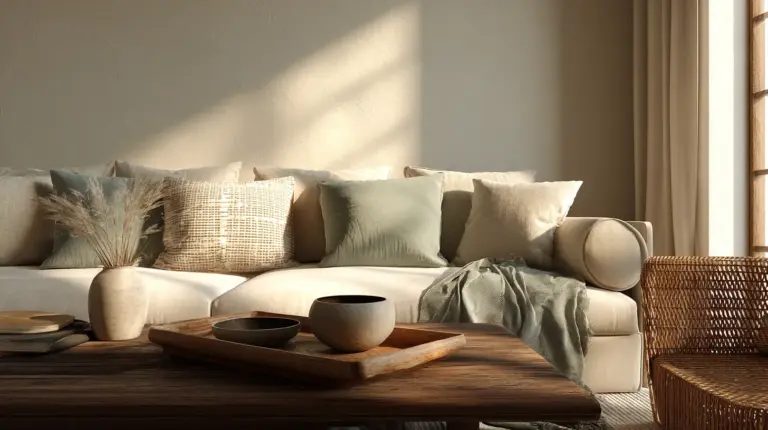
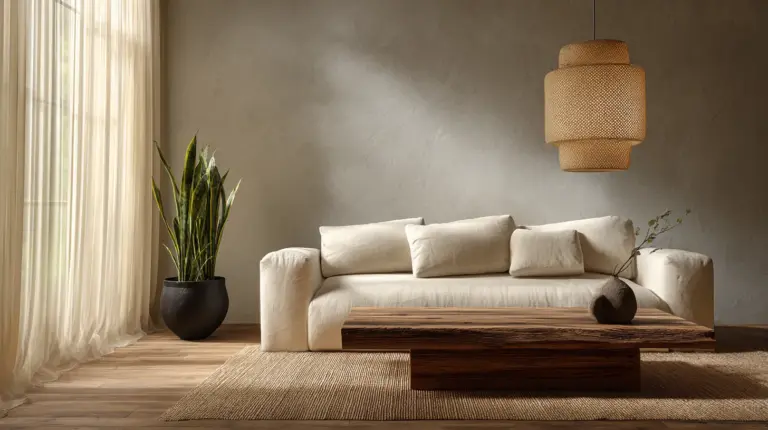
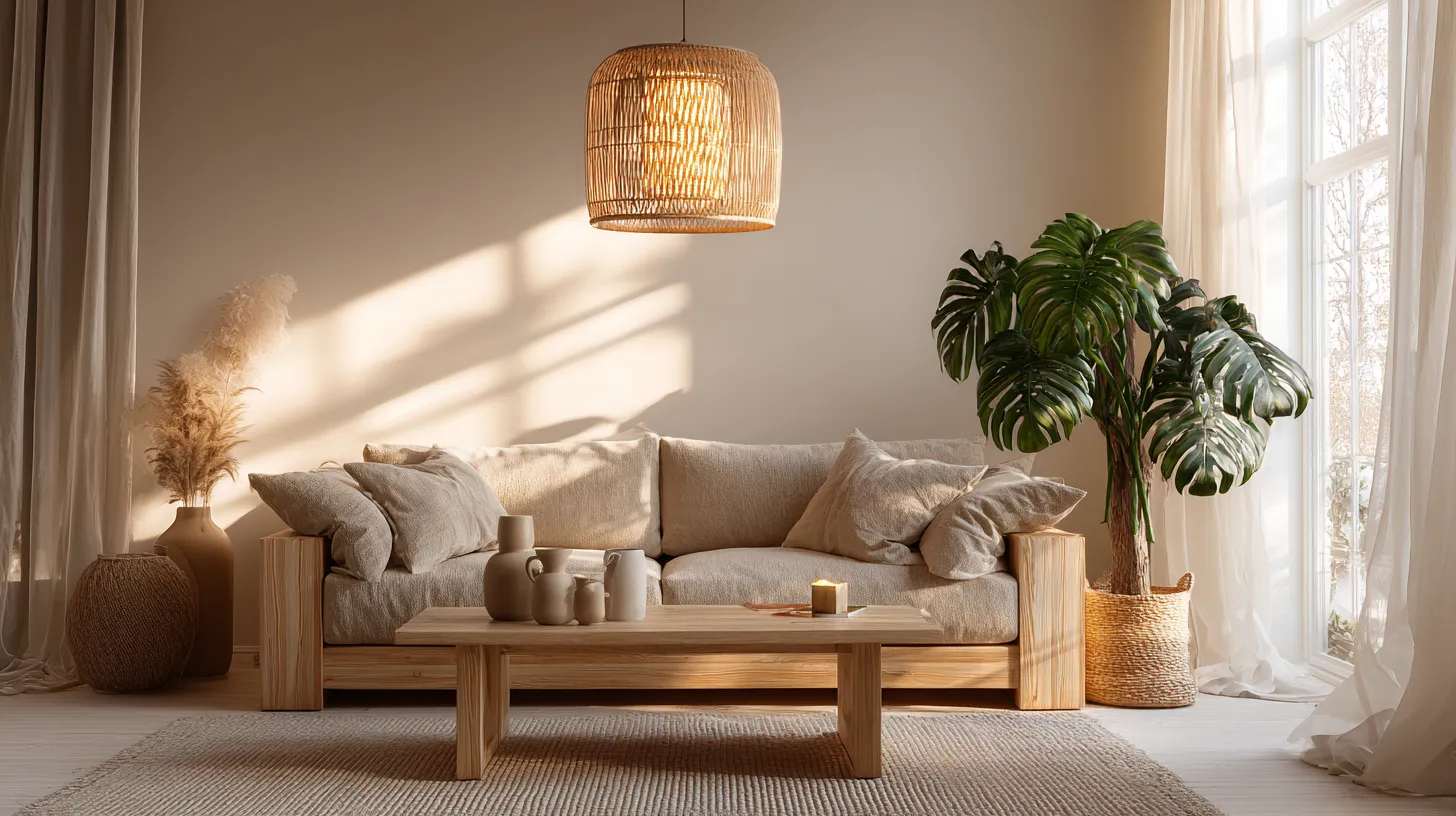
Think of pale ash wood, hand-thrown ceramic mugs, linen curtains that catch morning light. Think clean lines with warm edges. Neutral palettes — warm whites, soft beiges, deep mossy greens — punctuated by the presence of living plants.
Technology, at first glance, seems like the opposite of all this. Wires. Plastic. Cold, glowing screens.
But hidden technology? Integrated technology? That is something else entirely. A bamboo-clad smart speaker that hums softly from the corner. A wireless charger embedded in your oak side table. Warm ambient lighting that shifts with the hour. These aren’t disruptions to your Japandi space — they are refinements of it.
Is Japandi Design Expensive?
Japandi does not require an expensive home. It requires an intentional one.
The heart of Japandi is restraint — buying less, choosing better, making things last. That philosophy translates naturally into budget-conscious decorating. You don’t need a full renovation. You need a few considered pieces, a warm light source, and the willingness to let empty space breathe.
And when it comes to Japandi technology, the same rule applies. You don’t need the most expensive smart home system. You need the right one — quiet, useful, and visually invisible.
Top Budget Japandi Tech Picks for 2026
Smart Lighting That Feels Like Candlelight
Lighting is the single most transformative element in a Japandi interior. Get it right, and every other choice in the room begins to glow.
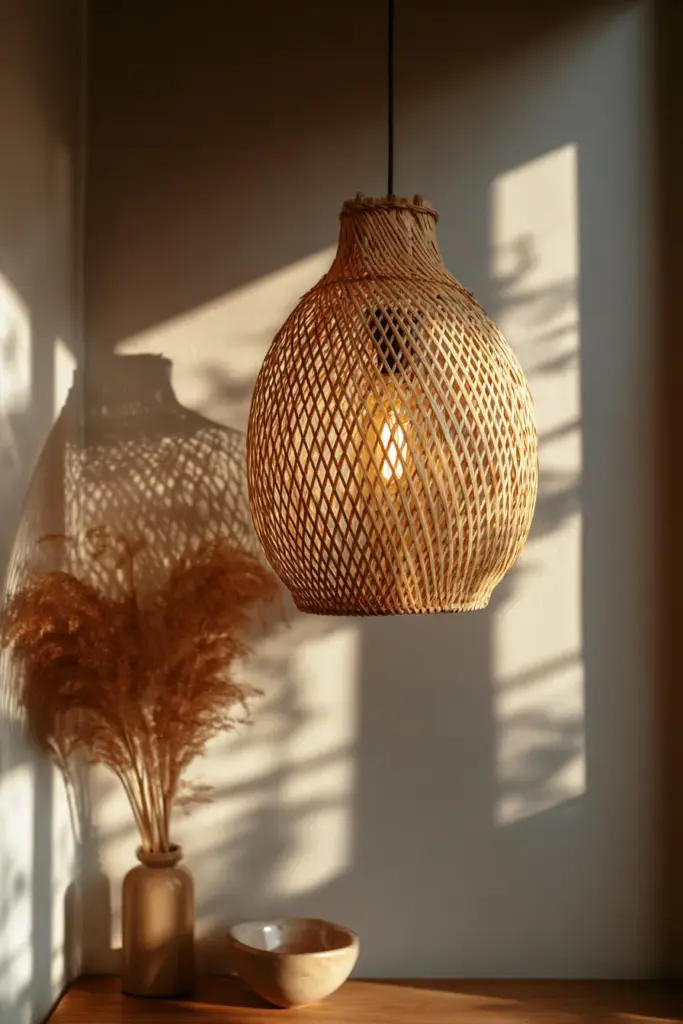
The goal is warm, dimmable light — think 2700K to 3000K color temperature, the color of late afternoon sun. Smart bulbs in this range, like affordable Tuya-compatible LED bulbs available on Shopee for around ₱300–₱500 each, let you set scenes with a tap. Dim everything to 30% after dinner and the room transforms completely.
For those who want more: Philips Hue offers bamboo-inspired pendant options, and their starter kits (available on Lazada) fall under ₱3,500 for a two-bulb setup with a bridge. Pair them with a simple wood or rattan pendant shade for under ₱800, and you have lighting that looks like it belongs in a design editorial.
Pro tip: Place your smart bulbs behind objects — on shelves, tucked behind plants — instead of directly overhead. This creates the layered, ambient light that makes Japandi interiors feel like sanctuary.
Budget Smart Lighting Comparison
| Product | Estimated PH Price | Best For |
|---|---|---|
| Tuya LED Smart Bulb (2-pack) | ₱300–₱500 | Everyday ambient lighting |
| Philips Hue White Ambiance Starter Kit | ₱3,000–₱3,500 | Precision dimming and scenes |
| Govee Rgbic Floor Lamp | ₱1,800–₱2,500 | Accent + mood lighting |
| Rattan Pendant Shade (non-smart) | ₱600–₱900 | Aesthetic housing for smart bulbs |
Hidden Wireless Chargers: Beauty in the Surface
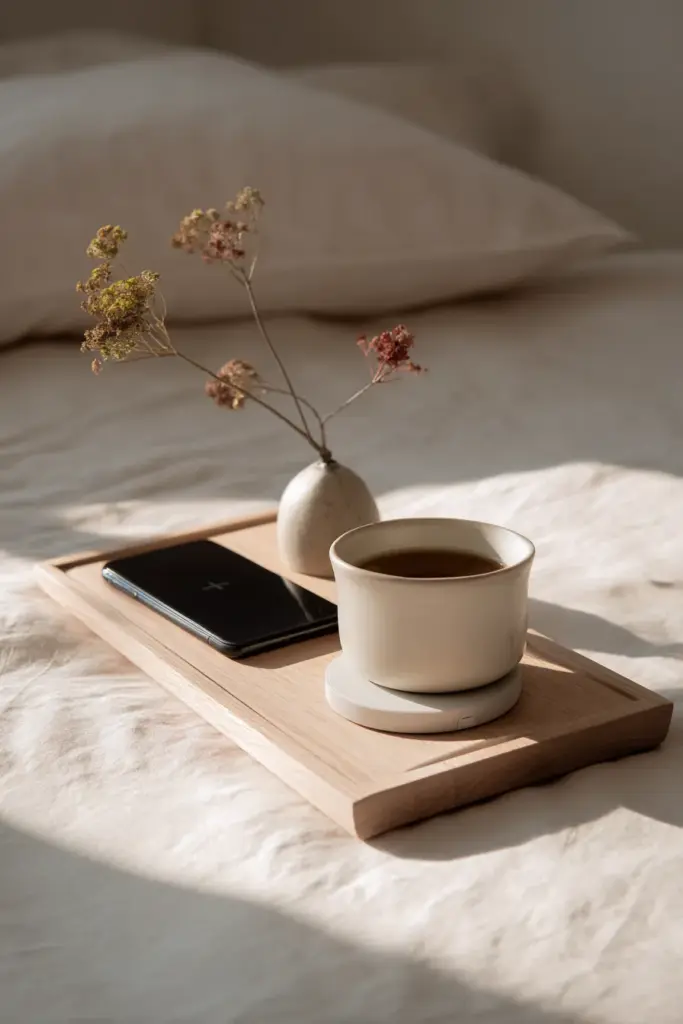
Nothing disrupts a Japandi tabletop like a charging cable snaking across it. The solution? Embedded wireless chargers — thin Qi charging pads that sit just beneath the surface of a wooden tray or nightstand, invisible until needed.
You can purchase standalone wireless charging pads for ₱400–₱800 on Shopee, then tuck them beneath a shallow wooden tray or inside a hollowed-out section of a beside table. The result is a surface that charges your phone like magic, with no wire in sight.
This is exactly the kind of quiet innovation that defines Japandi thinking: technology that disappears into the background, serving you without announcing itself.
Smart Plugs with a Minimalist Footprint
Standard smart plugs are bulky, black, and plastic — everything Japandi is not. But in 2026, slim smart plugs with wood-grain or white matte finishes are widely available, and they’re genuinely small.
A two-pack of Meross or TP-Link Tapo smart plugs runs about ₱700–₱1,200 on Lazada. These allow you to automate your floor lamp, your diffuser, your morning kettle — all on a schedule that fits your rhythm.
Plug in your ceramic diffuser and set it to turn on at 6:30 AM. By the time you rise, the room already smells like sandalwood and cedar. That is Japandi luxury on a ₱500 budget.
Rattan and Bamboo Smart Speakers
Sound belongs in a Japandi home — gently, like music through thin walls. The challenge is finding a speaker that doesn’t look like a tech gadget.
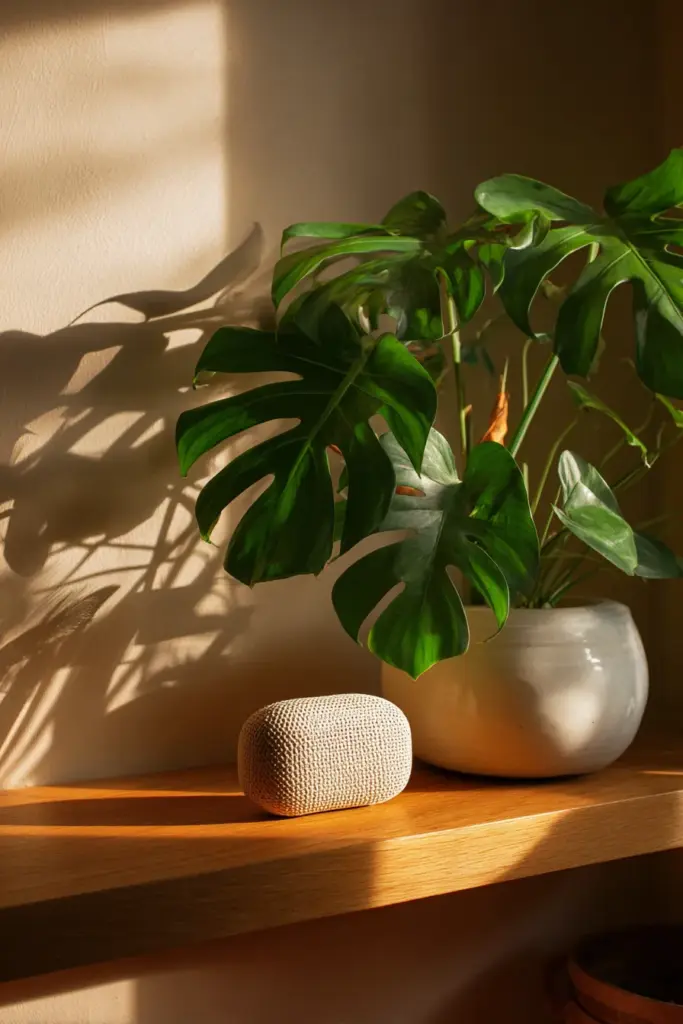
Rattan-wrapped Bluetooth speakers are now widely available, many for under ₱1,500 on Shopee. They carry sound with a warm, slightly muted quality that suits natural interiors beautifully. For those wanting voice control, small Google Nest Mini or Amazon Echo Dot units in white or charcoal blend into shelf arrangements when surrounded by ceramics and greenery.
Place your speaker on a lower shelf, behind a small plant or beside a ceramic bowl. Let the greenery soften its edges. The speaker disappears; the music remains.
Smart Speaker Comparison
| Speaker | Price Range (PH) | Best For |
|---|---|---|
| Rattan Bluetooth Speaker (generic) | ₱800–₱1,500 | Pure Japandi aesthetic |
| Google Nest Mini (Charcoal) | ₱1,800–₱2,200 | Voice control + smart home hub |
| Amazon Echo Dot (5th Gen) | ₱1,500–₱2,000 | Alexa ecosystem |
| Xiaomi Smart Speaker Compact | ₱1,200–₱1,600 | Budget-friendly voice assistant |
How to Integrate Technology in Japandi Interiors Without Ruining the Aesthetic
The number one fear with Japandi tech is clutter. Visible wires, blinking LEDs, cheap plastic surfaces — these are the enemies of the aesthetic you’re building.
Hide Wires Like a Designer
Cable management is one of the most underrated acts of interior design. Braided fabric cables in natural tones — linen, cream, cognac — replace standard black cords and actually enhance a Japandi space. Find them on Shopee for under ₱200.
Adhesive cable channels in white or natural wood tones run along baseboards invisibly. For TV setups, a wood TV mount with integrated cable management keeps your screen flush to the wall, wires tucked behind — a clean, intentional look for under ₱2,000.
Choose Tech with Natural Finishes
Whenever possible, choose smart devices with matte, wood-grain, or neutral finishes. Avoid chrome, glossy black, or anything with visible color-changing LED strips unless they can be completely hidden.
Look for: warm white smart plugs, wooden-cased charging pads, fabric-covered speakers, and pale grey or stone-colored device hubs. These don’t fight the room — they settle into it.
Control with Routines, Not Screens
The Japandi home is not controlled by constant phone-checking. It runs on routines. Set your smart home automations once — morning light at 6 AM, dimmed ambiance at 8 PM, diffuser off at midnight — and let the home take care of itself.
This is the quiet luxury of a smart Japandi home: it anticipates you. You arrive to soft light, warm scent, gentle sound. The technology is invisible. The experience is everything.
Biophilic Tech: Caring for Your Japandi Plants Smartly
A Japandi interior is never complete without plants. And plants, honestly, are the hardest thing to maintain. Busy mornings and irregular watering schedules can undo months of careful styling.
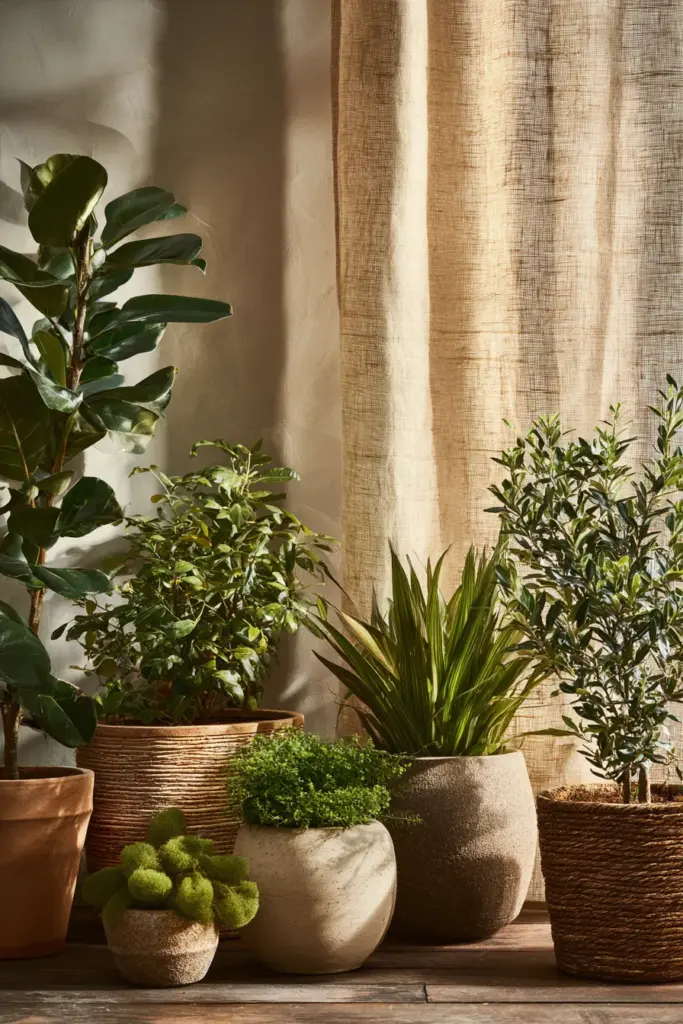
Smart plant sensors — small soil monitors that connect to your phone and alert you when your monstera needs water — are available for ₱400–₱800 on Lazada. Brands like Xiaomi and generic Aliexpress-sourced units work with simple apps and sit almost invisibly in the soil.
For those with larger collections, self-watering planters with built-in reservoir systems eliminate the guesswork entirely. Pair a smart sensor with a rattan-wrapped planter and your Japandi plant corner becomes genuinely self-sustaining.
This is biophilic design at its most practical — nature, supported quietly by technology.
Japandi Plant Tech Budget Breakdown
| Tool | PH Price | Purpose |
|---|---|---|
| Xiaomi Soil Moisture Sensor | ₱400–₱700 | Monitor plant hydration |
| Self-Watering Planter (small) | ₱500–₱900 | Reduce manual watering |
| Smart Plug for Grow Light | ₱300–₱500 | Automate supplemental lighting |
| Rattan Planter Cover | ₱400–₱700 | Aesthetic camouflage |
Low-Profile Robot Vacuums: The Invisible Housekeeper
Cleanliness is non-negotiable in a Japandi home. The aesthetic depends on it — every surface matters, every floor speaks.
A robot vacuum is perhaps the most practical smart home investment for anyone maintaining a Japandi space. Models like the Xiaomi Mi Robot Vacuum or Dreame D9 run between ₱4,000–₱8,000 on Lazada, are low-profile enough to disappear under furniture, and keep your floors in the quiet, immaculate state that Japandi demands.
Schedule it for mid-morning, when you’re out and the light is filtering through your linen curtains. Return to a floor that feels considered. That’s not laziness — that’s intention.
Complete Japandi Technology Budget: Room by Room
Living Room Tech (Budget: ₱5,000–₱10,000)
- Smart bulbs in rattan pendant shades — ₱1,500–₱2,500
- Rattan or fabric Bluetooth speaker — ₱1,000–₱2,000
- Smart plug for lamp automation — ₱500–₱700
- Wood TV wall mount with cable management — ₱1,500–₱2,500
- Wireless charging tray for coffee table — ₱500–₱800
Bedroom Tech (Budget: ₱2,000–₱5,000)
- Warm smart bulb for bedside lamp — ₱500–₱800
- Wireless charging pad tucked in wooden tray — ₱400–₱700
- Smart plug for diffuser automation — ₱350–₱500
- White noise or nature sound Bluetooth speaker — ₱800–₱1,500
Plant Corner Tech (Budget: ₱1,000–₱2,500)
- 2 soil moisture sensors — ₱800–₱1,400
- Smart plug for grow light — ₱350–₱500
- Self-watering planter — ₱500–₱900
Key Takeaways: Your Japandi Tech Checklist
- Choose warm-toned smart bulbs (2700K–3000K) and dim them generously in the evening
- Hide wireless chargers inside wooden trays or beneath natural surface materials
- Use slim, matte smart plugs to automate your lamp, diffuser, and morning routine
- Select speakers with rattan, fabric, or stone finishes — then camouflage them with plants
- Invest in a low-profile robot vacuum and schedule it while you’re away
- Add soil sensors to your plant collection and let your phone become your garden assistant
- Always manage cables with braided cords or adhesive channels in neutral tones
- Build automations that run your home on a rhythm — not on constant interaction
- Shop Lazada and Shopee for PH-specific pricing that keeps the whole setup under ₱10,000
- Let technology serve the space, not define it — the best smart home is one you barely notice
Conclusion
A Japandi home is not about perfection. It is about presence.
When your morning light eases on at the right temperature, when your diffuser exhales sandalwood before you’ve even opened your eyes, when the floor beneath your bare feet is clean and the room around you is still — that is the technology working. Quietly. Invisibly. The way good design always works.
You don’t need a large budget to create this. You need clarity about what matters, and the willingness to choose thoughtfully over quickly. Start with your lighting. Add a smart plug. Tuck a wireless charger into a wooden tray on your nightstand.
One small, considered change at a time — that is how a Japandi home comes to life.
From all of us at ERYLIN: may your home feel like the breath you’ve been waiting to take.
Frequently Asked Questions
What is Japandi style?
Japandi is a design philosophy that blends Japanese wabi-sabi — the beauty of imperfection and nature — with Scandinavian minimalism and hygge warmth. It emphasizes natural materials like wood, bamboo, and linen, neutral palettes, clean lines, and deeply intentional spaces that feel calm and lived-in.
How do I achieve Japandi on a budget?
Start with what you have. Swap harsh overhead lighting for warm, dimmable smart bulbs (available for ₱300–₱500 on Shopee). Add a rattan or ceramic decorative piece. Remove unnecessary objects from surfaces. Japandi is about subtraction, not addition — and that makes it one of the most budget-friendly aesthetics to pursue.
How can I integrate technology into a Japandi interior without ruining the look?
The key is invisibility. Choose tech with natural or matte finishes, hide cables with braided cord covers, embed wireless chargers beneath wooden trays, and tuck speakers behind plants. Automate everything with routines so you interact with your tech as little as possible — the goal is a home that takes care of itself, quietly.
What are the best budget smart gadgets for a Japandi home in the Philippines?
Top picks for under ₱1,000 each include: Tuya-compatible warm smart bulbs (₱300–₱500), slim smart plugs from TP-Link Tapo or Meross (₱350–₱600), Xiaomi soil moisture sensors for plants (₱400–₱700), and wireless Qi charging pads (₱400–₱800). All are available on Lazada and Shopee with fast local delivery.
Is Japandi design expensive to maintain?
Not at all. Because Japandi prioritizes quality over quantity and natural materials over trend-driven décor, pieces tend to last longer and require less frequent replacement. Smart technology adds to this by automating routine tasks — keeping your space cleaner and your routines more consistent — without adding visual clutter or ongoing cost.