
Table of Contents
There is something quietly powerful about a piece of furniture that has lived a life. A secondhand dresser with worn edges. An inherited dining table that carries decades of meals. A bulky IKEA wardrobe that never quite felt like you.
What if those pieces were already the foundation of something beautiful?
Japandi style — the soulful meeting of Japanese wabi-sabi and Scandinavian hygge — is not about buying new. It is about stripping away what does not serve you, honoring honest materials, and letting every piece breathe. That philosophy makes it perfectly suited for repurposing.
At ERYLIN, we believe the most meaningful interiors are built slowly, thoughtfully, and sustainably. This guide will show you exactly how to transform what you already own into calm, functional, Japandi-inspired spaces — without starting from scratch.
What Is Japandi Furniture, Really?
Japandi furniture sits at the intersection of two design cultures that share more than they differ. Both prize simplicity, craftsmanship, and a deep respect for natural materials. Both resist excess. Both find beauty in imperfection.
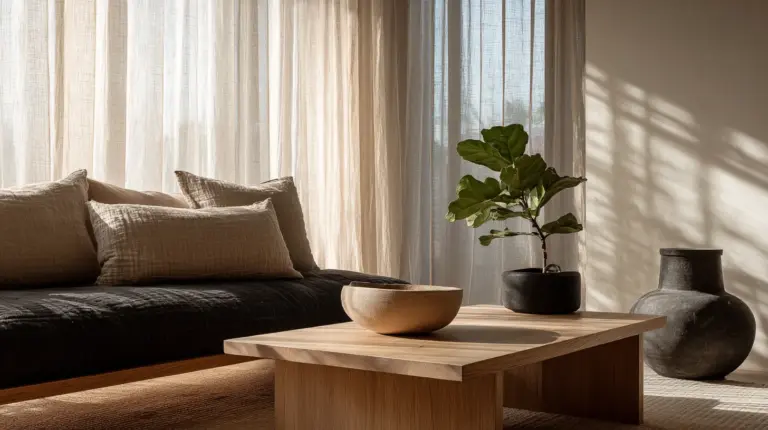
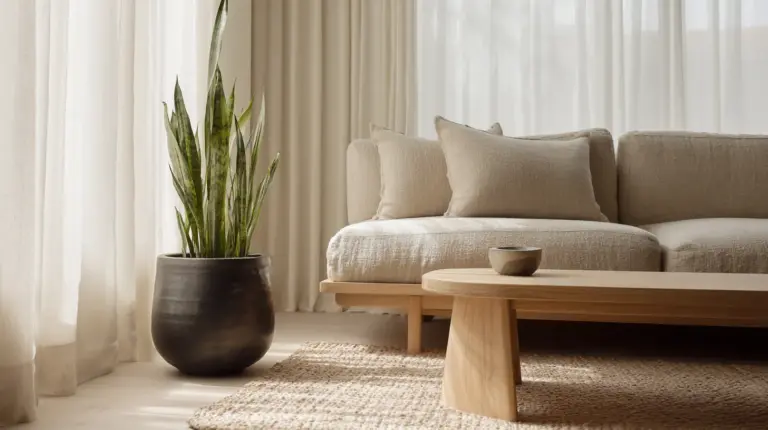
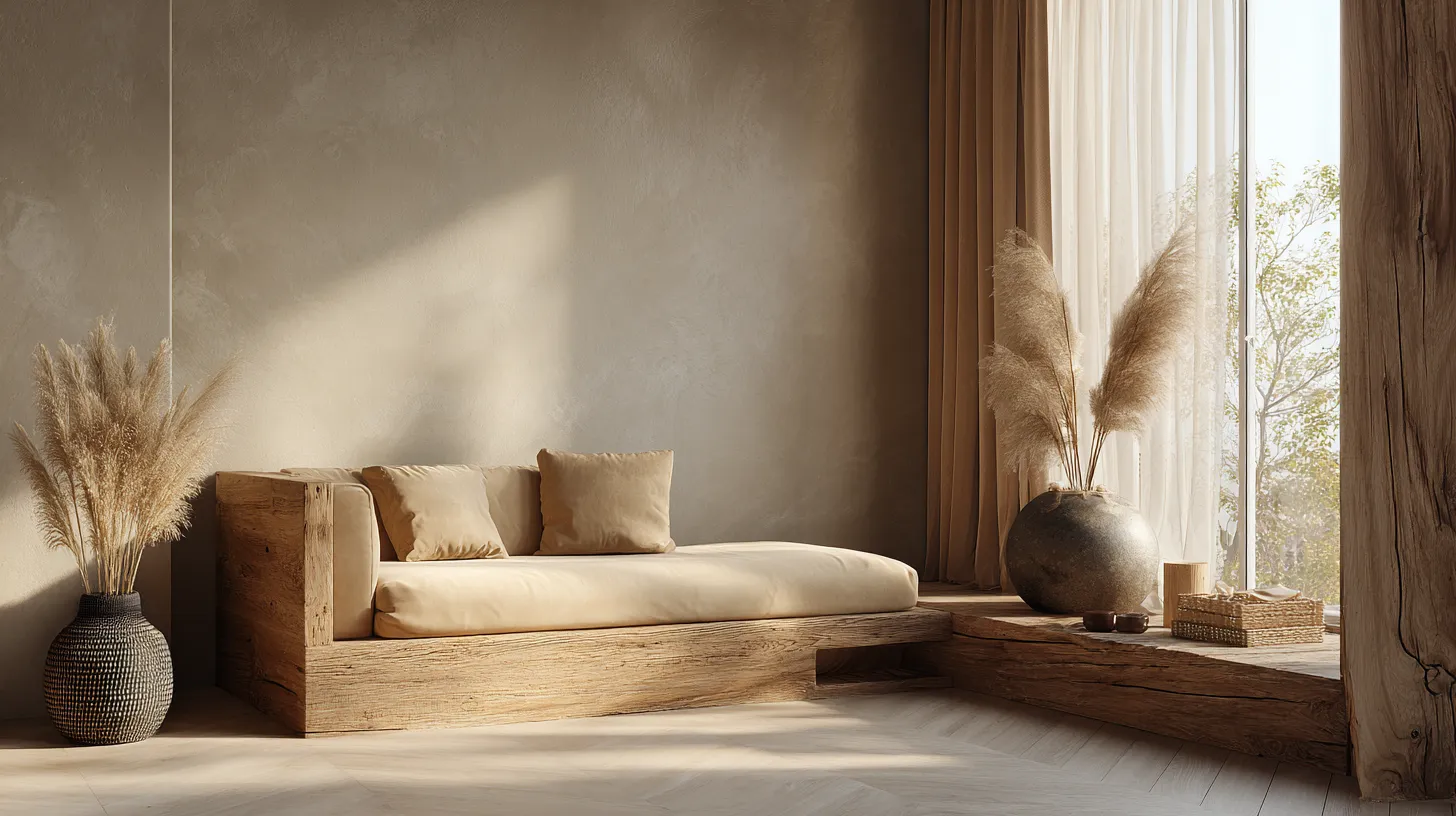
In practice, Japandi furniture means low-profile silhouettes, warm wood tones, clean lines, and a muted palette of warm whites, soft grays, clay, and charcoal. It feels intentional. Every piece earns its place.
The good news? Most furniture you already own has the bones for this aesthetic. What needs to change is often just the finish, the hardware, or the clutter around it.
Why Repurposing Is the Most Japandi Thing You Can Do
Buying less is a Japandi value, not a compromise. The Japanese concept of mottainai — a deep reverence for objects and grief over waste — runs through this style at its core.
Repurposing old furniture honors that philosophy completely. You reduce what goes to landfill. You invest time and care into something rather than discarding it. And the result carries a story that no flat-pack piece ever will.
There is also the budget reality. A solid Japandi-style sideboard from a design retailer can cost upwards of ₱40,000 or $700 USD. Transforming a thrifted one with the right finish? Often under ₱3,000 or $50 USD in materials.
How to Make Old Furniture Look Japandi: The Core Techniques
Refinishing Wood the Japandi Way
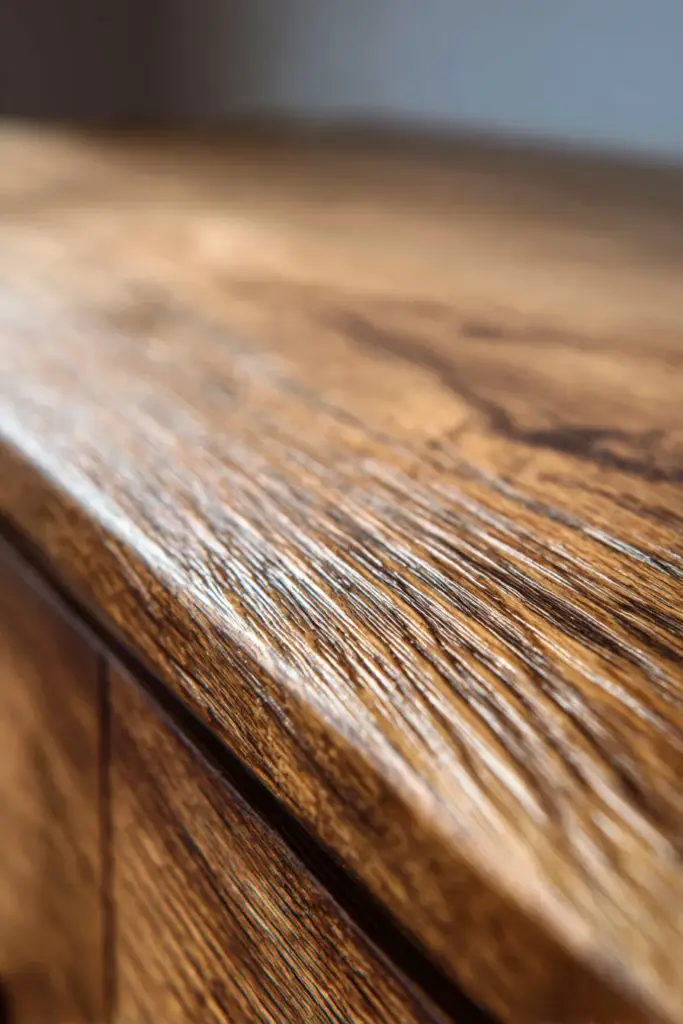
Wood is the heart of Japandi design. The goal is not perfection — it is warmth, grain, and a sense of age that feels deliberate.
Sanding is your first step. Strip back old varnish or paint to reveal the natural grain beneath. Use 80-grit to remove, then 120 and 220 to smooth. Oak, ash, and walnut are ideal Japandi woods, but pine and rubberwood respond beautifully too when treated well.
Wood stains in warm walnut, driftwood gray, or raw linen bring out that signature Japandi warmth. Avoid high-gloss varnishes entirely — they read as modern and cold. Instead, finish with a matte or satin water-based topcoat that lets the wood breathe visually.
Limewash or whitewash techniques work beautifully on lighter woods. A diluted white paint rubbed in and partially wiped away creates that sun-bleached, weathered quality that feels both Japanese and Nordic at once.
Painting Furniture for the Japandi Palette
Not every piece needs to stay wood-toned. Japandi color is quiet but never cold.
| Color Family | Japandi-Friendly Shades | Finish to Use |
|---|---|---|
| Warm White | Chalk, Linen, Rice Paper | Matte |
| Earth Tones | Clay, Putty, Warm Greige | Eggshell |
| Deep Neutrals | Charcoal, Slate, Ink | Matte or Flat |
| Natural Accents | Sage, Moss, Warm Terracotta | Matte |
Always use matte or eggshell paint — never gloss. Chalk paint requires no sanding or priming on most surfaces, making it ideal for quick furniture transformations. Apply two thin coats, allow to dry fully, and seal with a matte wax or water-based topcoat.
Replacing Hardware for an Instant Upgrade
Hardware is one of the fastest, most affordable ways to shift a piece into Japandi territory. Swap ornate brass pulls or shiny chrome handles for matte black, brushed brass, or raw ceramic knobs.
Wooden pulls — especially simple round or D-bar styles — are perfectly on-brand. Look for them at hardware stores or thrift shops. The change takes under an hour and shifts the entire energy of a dresser, cabinet, or sideboard.
Adding Cane, Reed, and Rattan Details
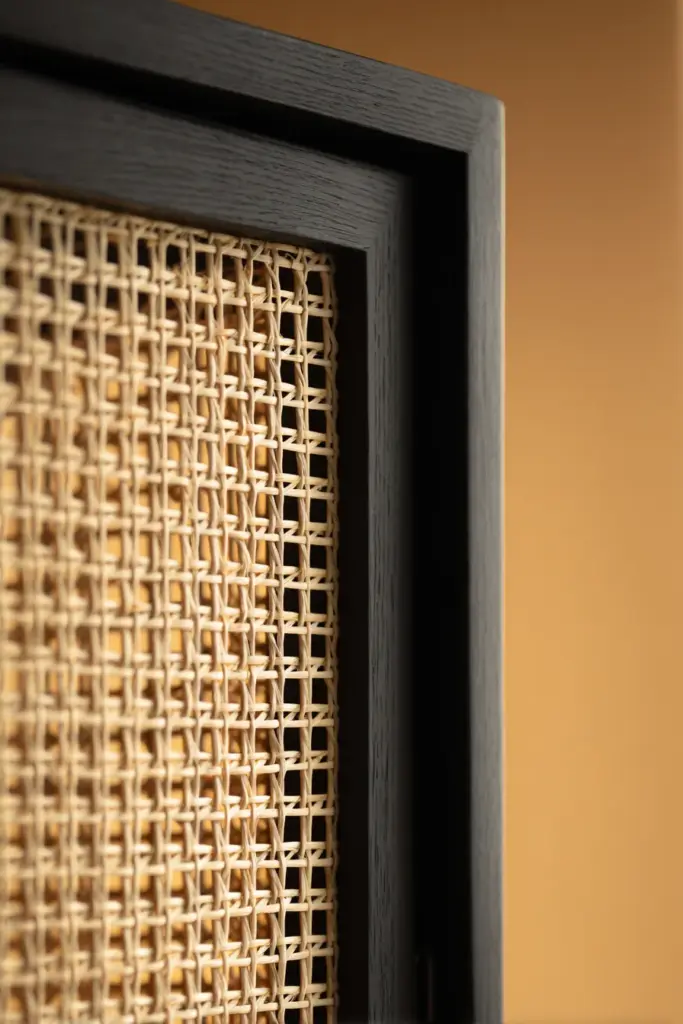
Cane webbing panels are one of the most popular Japandi repurposing techniques right now — and for good reason. They add texture, warmth, and that handcrafted quality that Japandi prizes deeply.
Remove existing drawer fronts or cabinet doors. Cut cane webbing panels to size, soak briefly in water to make them pliable, then stretch and staple or glue them into a simple wooden frame. Reattach and pair with wooden or ceramic hardware.
The result feels handmade and honest — exactly what this aesthetic calls for.
Room-by-Room Repurposing Guide
Living Room: Soften and Simplify
A bulky entertainment unit or overstuffed bookcase can become a calm Japandi focal point with a few interventions.
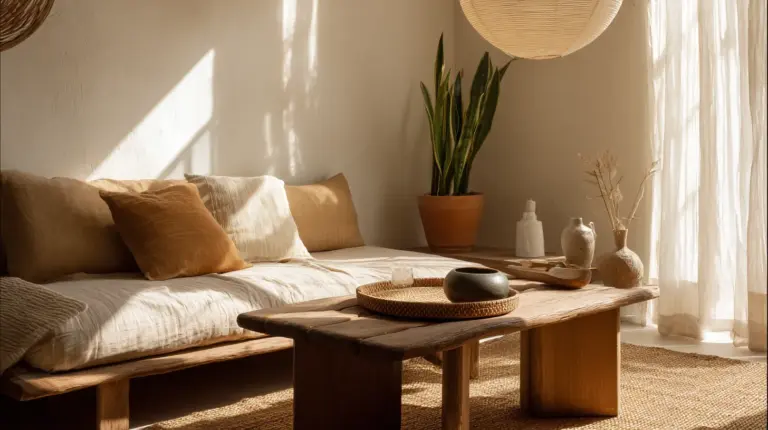
Paint it in warm linen or putty. Remove any glass doors and replace with open shelving. Edit the items on display ruthlessly — keep only what is beautiful or functional. Add a small woven basket or two for concealed storage, and place a single ceramic vase or a trailing plant for life.
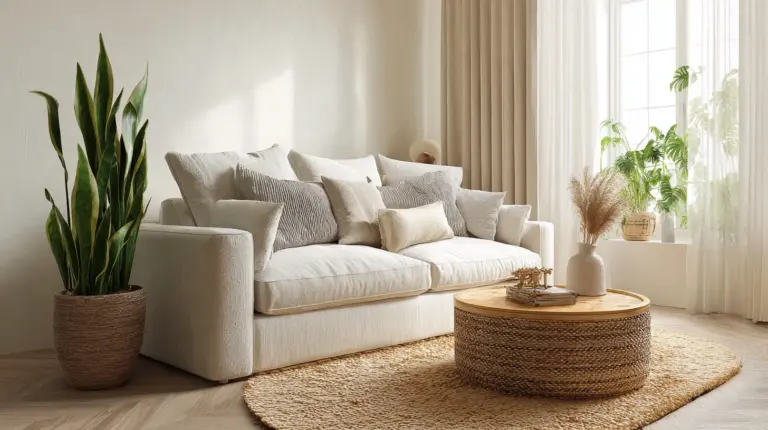
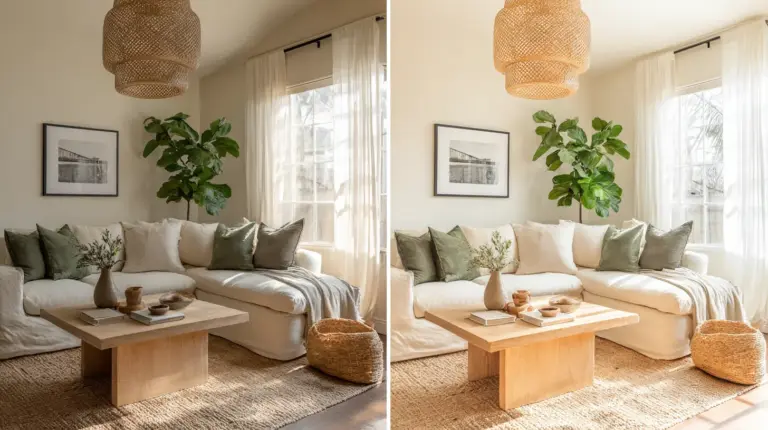
If your sofa is too low-contrast or patterned, a chunky natural linen or cotton throw in ivory or warm gray can do more than a reupholster. Add cushions in muted tones — no prints, no bright colors. Think texture over pattern.
Bedroom: Lower, Simpler, Warmer
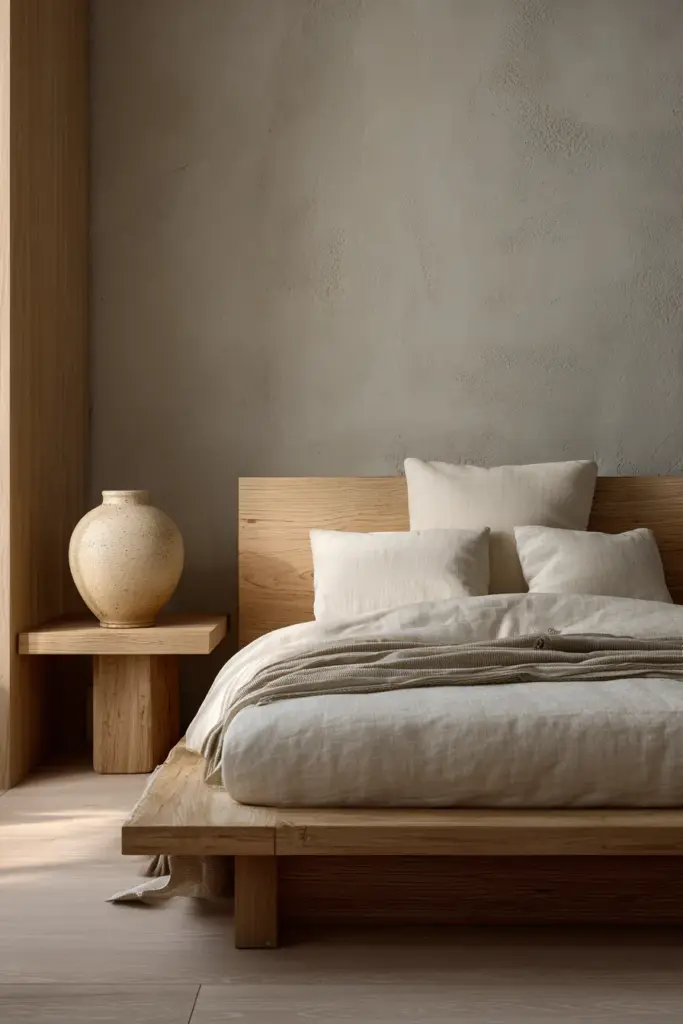
Japandi bedrooms feel close to the ground. If your bed frame is tall and bulky, consider removing the headboard entirely and replacing it with a simple panel of limewashed wood or a few horizontal wooden slats mounted directly to the wall.
Repaint a mismatched set of bedside tables in matching matte charcoal or warm white. Replace the lamps with washi paper pendant lights or simple ceramic base lamps with a natural linen shade. The light should feel warm, diffused, and low.
A secondhand low dresser sanded back to bare wood and finished in matte walnut stain can become the quiet anchor of a Japandi bedroom. Add a single tray with a candle and a small stone dish, and let the rest breathe.
Dining Area: Honest and Grounded
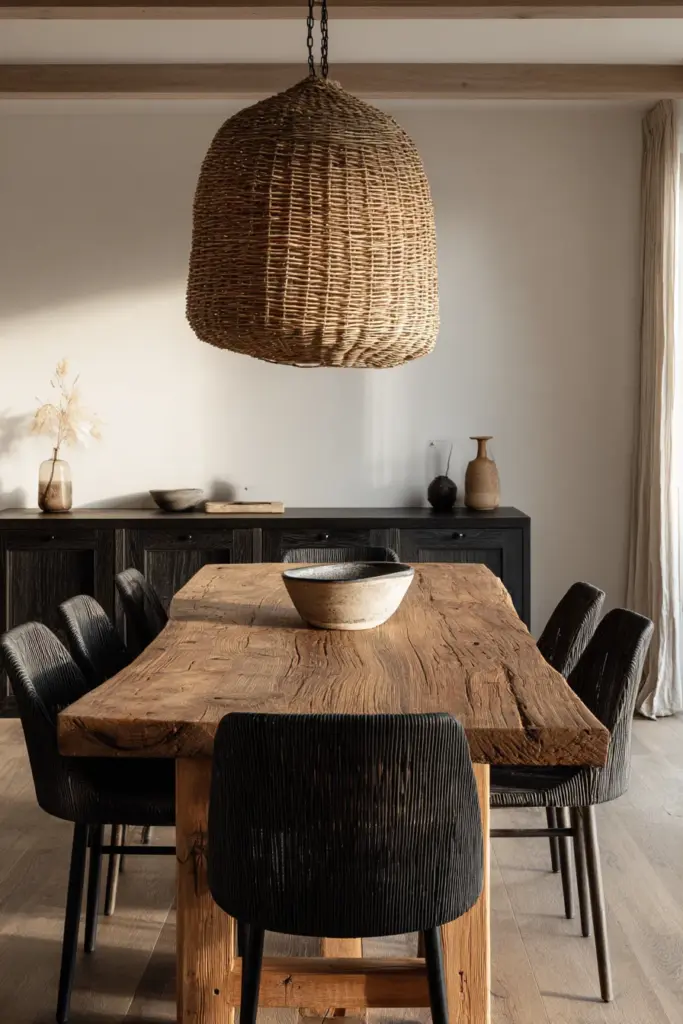
The Japandi dining table is unpretentious. If yours is buried under layers of varnish, sand it back and let the grain show. A raw oil finish — like Rubio Monocoat or a simple linseed oil — protects while keeping the wood looking entirely natural.
Mismatched chairs become cohesive when painted in a single matte tone. Try warm charcoal across four thrifted chairs of different shapes. The variation in form reads as collected and intentional, not mismatched.
Swap out a busy chandelier for a simple woven pendant or a cluster of bare Edison bulbs on a wooden beam. Light is critical in Japandi spaces — it should feel golden, gentle, and directional rather than overhead and flat.
Small Spaces: Functionality as Beauty
Japandi is made for small spaces because it demands that every piece earns its place. Concealed storage is essential — look for pieces with drawers rather than open shelves, or add baskets and boxes inside existing cabinets.
A repurposed wooden crate, sanded smooth and painted in warm linen, becomes a side table with hidden storage. A secondhand bench at the entryway, refinished and topped with a simple cushion in natural canvas, gives a place to sit and a shelf below for shoes.
The principle is always the same: does this piece do more than one thing? If not, reconsider whether it needs to be there.
Cost Comparison: Repurpose vs. Buy New
| Approach | Estimated Cost | Time Investment | Sustainability |
|---|---|---|---|
| Buy new Japandi piece | ₱15,000–₱80,000+ | 0 (delivery) | Low–Medium |
| Repurpose existing furniture | ₱500–₱3,500 | 2–8 hours | High |
| Thrift + repurpose | ₱1,000–₱5,000 | 3–10 hours | Very High |
The numbers speak clearly. Repurposing is not a compromise — it is the smarter, more sustainable, and often more personal choice.
Mistakes to Avoid
- Overpainting everything. Not every piece needs paint. Let natural wood breathe where possible and reserve paint for pieces that genuinely need it.
- Mixing too many wood tones. Japandi works best with one or two wood tones across a room. Pick a warm mid-tone and a light tone and stay consistent.
- Keeping too much. Repurposing is not just about transforming surfaces — it is about editing. Remove what does not serve the space.
- Using the wrong finish. Gloss paint and high-shine varnish will undermine every effort. Always choose matte or satin.
- Ignoring scale. A heavy, oversized piece of furniture will still feel heavy even in Japandi colors. Consider whether legs can be added to lift it or whether it belongs in a larger room.
Quick Checklist: Is Your Repurposed Piece Japandi Ready?
- Natural or matte-finished wood in a warm neutral tone
- Hardware replaced with matte black, brushed metal, wood, or ceramic
- Clean lines with no ornate carving or unnecessary detail
- Surface styling is minimal — one to three objects maximum
- No gloss, no pattern, no bright color
- The piece has a clear function and is not purely decorative
- It fits the scale of the room without overwhelming it
Conclusion
The most beautiful Japandi spaces are not the ones assembled from a shopping cart. They are the ones built over time, from pieces that carry meaning — a table inherited from a grandmother, a chair found on a Sunday market walk, a dresser that simply needed someone to believe in it again.
Repurposing furniture is not a second-best option. It is the fullest expression of what Japandi truly values: restraint, honesty, and a quiet respect for what already exists.
Start with one piece. Sand it back. Let it breathe. See what it wants to become.
At ERYLIN, we believe your most beautiful home is already around you — it just needs a little patience, and the right light.
Frequently Asked Questions
What is Japandi furniture?
Japandi furniture combines Japanese minimalism and Scandinavian warmth. It favors natural wood, clean lines, muted neutral tones, and pieces that are both functional and beautiful — with nothing unnecessary included.
How do I make existing furniture look Japandi?
Sand back heavy finishes to reveal natural wood grain, repaint in matte warm neutrals, swap hardware for matte black or wooden alternatives, and remove decorative clutter. The goal is simplicity and warmth, not perfection.
What paint colors work for Japandi style?
Stick to warm whites like linen or rice paper, earth tones like clay and putty, soft grays, and deep neutrals like charcoal or slate. Always use matte or eggshell finishes — gloss reads as too modern and cold.
Can I repurpose IKEA furniture into Japandi style?
Absolutely. IKEA’s clean silhouettes are a natural starting point. Sand and refinish surfaces in a warm wood stain, replace hardware with wooden or ceramic pulls, and add cane webbing panels to cabinet doors for instant Japandi character.
Is Japandi style still popular in 2026?
Yes — and growing. As more people move toward intentional, sustainable living, Japandi’s philosophy of less-but-better resonates more than ever. Its timeless palette and emphasis on natural materials mean it ages gracefully, unlike trend-driven aesthetics.