
Table of Contents
By ERYLIN — Your guide to soulful, intentional living
There is a kind of stillness you feel when you walk into a room that has been thoughtfully composed. The light is soft. The surfaces are clean. There is wood, and linen, and a single green leaf catching the afternoon sun. You exhale without knowing why.
That feeling has a name — Japandi. And the most beautiful secret about it? You do not need a renovation budget to bring it home.
Japandi is the gentle marriage of Japanese wabi-sabi — the art of finding beauty in imperfection — and Scandinavian hygge, that warm, cozy ease of living simply and well. Together, they create something rare: a design philosophy that is both deeply aesthetic and deeply practical.
This guide is for anyone who wants a calmer, more beautiful home but is working with a real-world budget. Whether you are in a studio apartment in Silang, Calabarzon, or a small house anywhere in the Philippines, these ideas will help you build your Japandi sanctuary — thoughtfully, affordably, and with soul.
What Is Japandi Style?
Japandi is not a trend. It is a feeling — one built from restraint, natural materials, and quiet intention.
It draws from the Japanese concept of ma (negative space), where emptiness is not lack but presence. It borrows Scandinavian functionality, where every object must earn its place. The result is a room that breathes — uncluttered, organic, deeply livable.
The Core Elements of Japandi
- Neutral, earthy palette — warm whites, soft beiges, muted terracotta, deep charcoal, and sage green
- Natural materials — light wood, bamboo, linen, cotton, jute, stone, and rattan
- Clean, low-profile furniture — simple silhouettes with organic curves and no excess ornamentation
- Wabi-sabi accents — the handmade ceramic mug, the imperfect knot in your woven throw, the slight grain in unfinished wood
- Biophilic touches — living plants, natural light, and the scent of earth and greenery
You are not decorating a room. You are curating an atmosphere.
Can Japandi Be Done on a Small Budget?
Absolutely — and in many ways, a limited budget encourages better Japandi design.
The philosophy itself resists excess. You are not filling a room; you are editing it. Every piece you choose should be intentional, beautiful in its simplicity, and built to last. That means fewer, better things — which is precisely what a thoughtful budget demands.
The key is knowing where to invest and where to be resourceful.
How to Create Japandi on a Budget: A Room-by-Room Guide
The Living Room
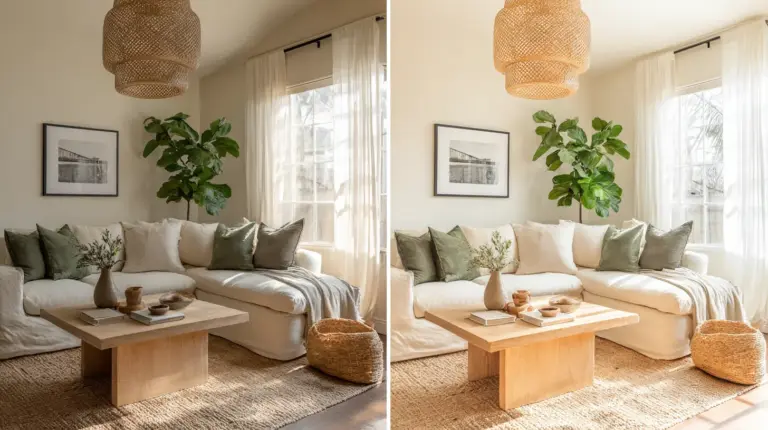
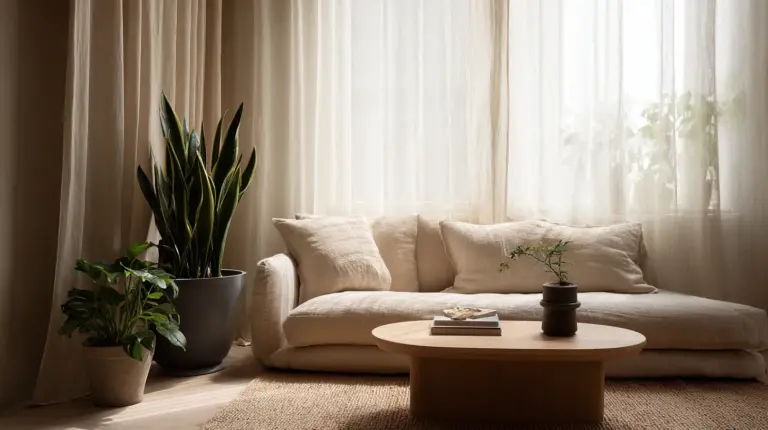
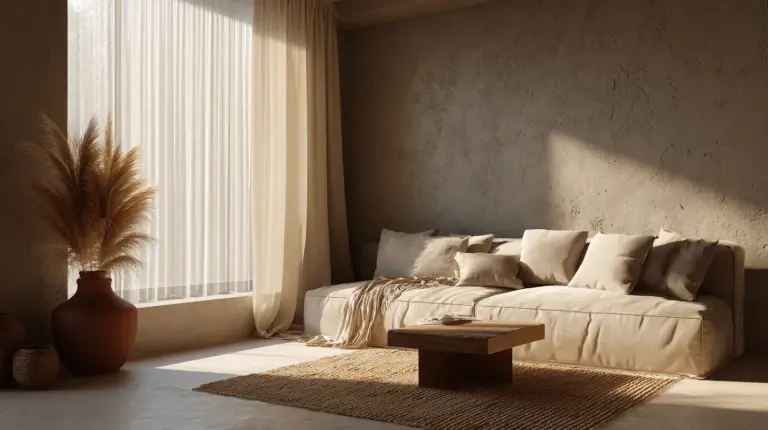
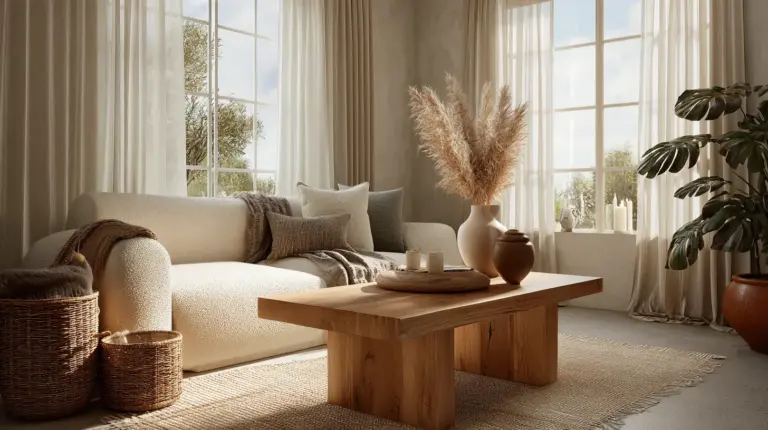
The living room is where Japandi breathes most naturally. Think low seating, layered textures, and light that moves slowly across the room like warm honey.
Furniture
Your sofa is the room’s anchor. Look for clean lines, solid wood legs, and neutral upholstery — think linen in oat, warm grey, or dusty sage. You do not need a designer label. IKEA’s KIVIK or ÄPPLARYD lines work beautifully as a Japandi base. On Lazada and Shopee, local sellers carry Japandi-adjacent sofas with solid wood frames starting around ₱8,000–₱15,000.
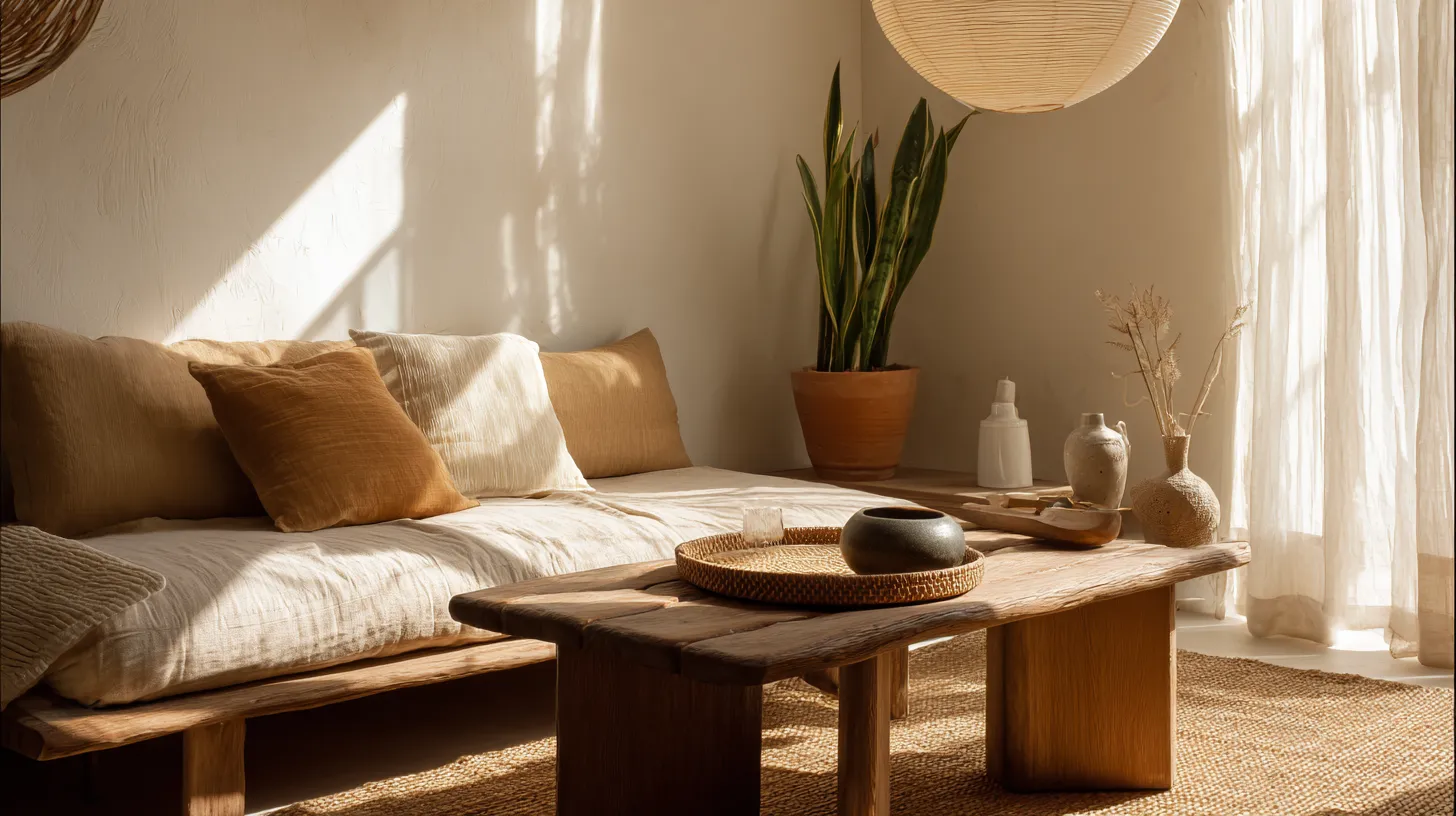
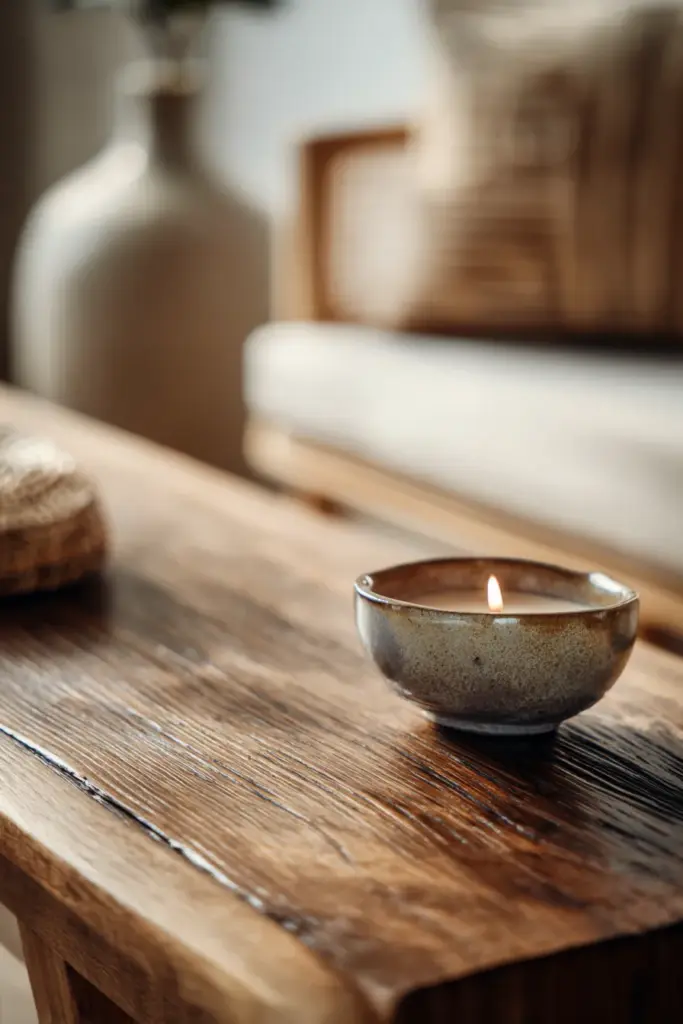
A low wooden coffee table — ideally in light oak or natural ash — centers the room with quiet authority. Pair it with a woven rattan tray holding a single candle and a small ceramic bowl.
Lighting
Lighting in a Japandi room should never be harsh. Layer your sources:
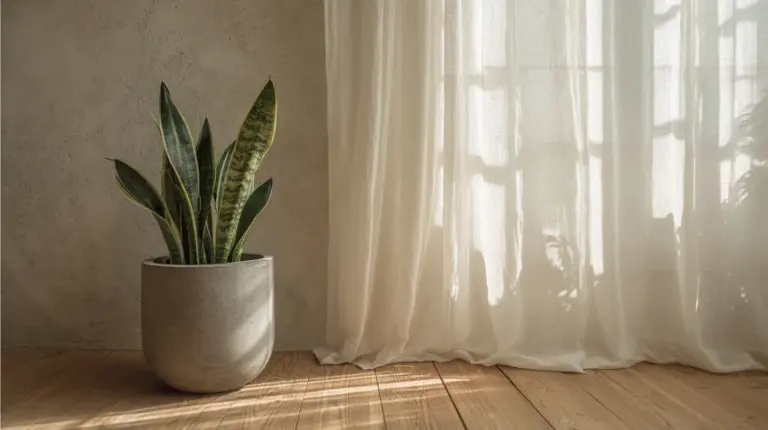
- Natural light first — sheer linen curtains filter afternoon sun into something almost liquid
- Warm LED strips — tucked behind shelving or under a floating TV unit for ambient glow (₱200–₱500 at hardware stores)
- Paper lanterns — the original hygge-zen light source; available at Divisoria for as little as ₱80 each
- A rattan or bamboo pendant lamp — SM Home and Wilcon carry affordable options; local Cebu craft markets are treasure troves
Avoid cool white bulbs. Always choose warm white (2700K–3000K) to keep the room feeling like golden hour.
The TV Area
Japandi TV stands are low-profile, often floating, and made from warm wood tones. Look for handleless designs with clean fronts. If budget is tight, a simple wooden crate unit or an upcycled sideboard sanded and stained in warm walnut works beautifully.
The Bedroom
A Japandi bedroom is a sanctuary of softness. The goal is to feel held — by texture, by warmth, by the quiet.
The Bed
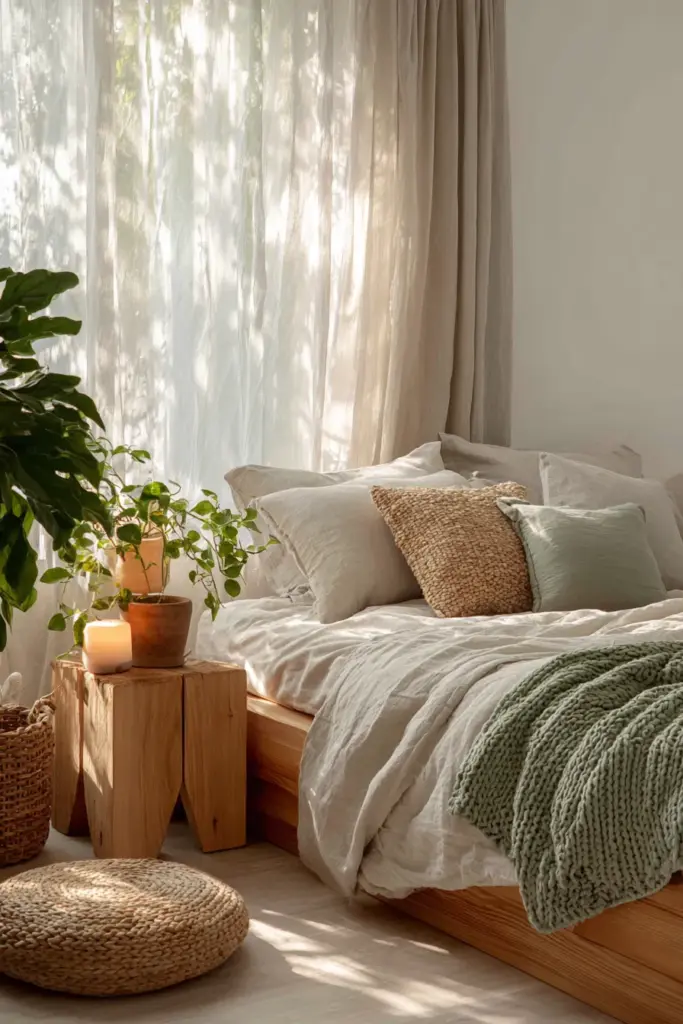
A platform bed with a low wooden frame sets the tone immediately. If you cannot replace your bed frame, elevate what you have: a quality linen duvet cover in warm white or muted sage transforms the entire room. Linen bedding breathes in warm Philippine weather and softens beautifully with every wash.
Layer your textiles:
- A knitted throw draped at the foot of the bed
- A woven cushion in natural jute or undyed cotton
- A linen pillowcase in a tone-on-tone neutral
The Nightstand
Simplicity is everything here. A small wooden stool, a stack of books, a single plant, and a warm lamp. That is your Japandi nightstand. You do not need a matching set.
The Kitchen and Dining Area
Japandi Kitchen on a Budget
You do not need new cabinets to achieve a Japandi kitchen. Laminate fronts in a matte finish — warm wood grain or flat white — can be fitted over existing doors for a fraction of replacement cost. This is a technique popularized by Japandi renovators across Southeast Asia.
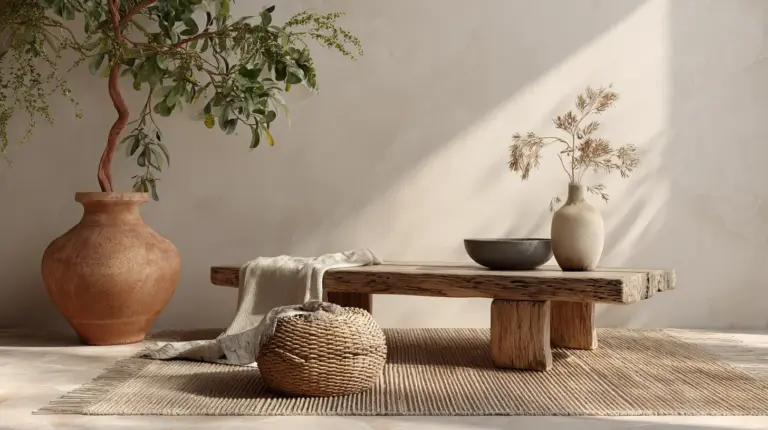
Clear your countertops completely. Display only what is beautiful and functional: a wooden cutting board, a ceramic pot with a bamboo spoon, a small plant in a terracotta pot.
The Dining Table
A solid wood dining table is worth saving for — it anchors every meal with warmth and intention. In the meantime, a secondhand table lightly sanded and refinished in natural oil is just as soulful. Pair with mismatched wooden chairs for a wabi-sabi touch that feels curated, not accidental.
Budget Japandi Cost Breakdown (Philippine Peso Estimate)
Here is a realistic, room-ready Japandi starter budget for a small living room in the Philippines:
| Item | Source | Estimated Cost |
|---|---|---|
| Neutral linen cushion covers (set of 2) | Shopee / Lazada | ₱300–₱600 |
| Woven rattan tray | Divisoria / SM Home | ₱150–₱400 |
| Paper lantern pendant light | Divisoria | ₱80–₱200 |
| Warm LED strip lighting | Hardware stores | ₱200–₱500 |
| Bamboo or rattan plant basket | Local market | ₱100–₱300 |
| Small ceramic pot or bowl | Surplus shop / Ukay | ₱50–₱200 |
| Sansevieria or ZZ plant | Plant shops / Lazada | ₱100–₱350 |
| Linen curtain panel (sheer) | Shopee | ₱400–₱800 |
| Wooden candle holder | SM Home / Shopee | ₱150–₱400 |
| Upcycled wooden side table (thrifted + sanded) | Ukay / Facebook Marketplace | ₱200–₱500 |
| Total Estimated Range | ₱1,730–₱4,250 |
A calm, beautiful Japandi corner — for under ₱5,000. This is the art of intentional living.
DIY Upcycling: Wabi-Sabi Style on a Shoestring
One of the most authentic expressions of Japandi is the made-by-hand quality of wabi-sabi. And nothing embodies that more than a thoughtfully upcycled piece.
How to Wabi-Sabi Style an Old Piece of Furniture
What you need: Sandpaper (120 and 220 grit), wood stain in warm walnut or natural oak, a soft cloth, and about an afternoon.
- Sand the surface lightly to remove old paint or finish
- Wipe clean with a damp cloth and let dry completely
- Apply a thin coat of wood stain with your cloth, moving with the grain
- Let dry, then apply a second coat if needed
- Finish with a natural beeswax polish for a soft, matte glow
That thrifted side table becomes a Japandi accent piece. That old IKEA unit becomes something that looks deliberately curated. This is the magic of wabi-sabi — imperfection elevated into beauty.
Where to Source Japandi Materials in the Philippines
Local Markets and Stores
- Divisoria (Manila) — bamboo baskets, paper lanterns, woven textiles, rattan trays at wholesale prices
- SM Home / SM Kultura — consistently carries natural materials, ceramic accents, and wooden décor
- Wilcon Depot — wood panels, laminates, and hardware for DIY projects
- Ukay-ukay and Facebook Marketplace — thrifted furniture perfect for upcycling
- Local plant shops and Lazada — indoor plants at accessible prices
Online Platforms
- Shopee and Lazada — search “Japandi furniture Philippines,” “rattan shelf Philippines,” or “linen cushion cover” for curated finds
- IKEA Philippines — clean-lined basics that pair beautifully with natural accents
Bringing Nature In: Plants for Your Japandi Space
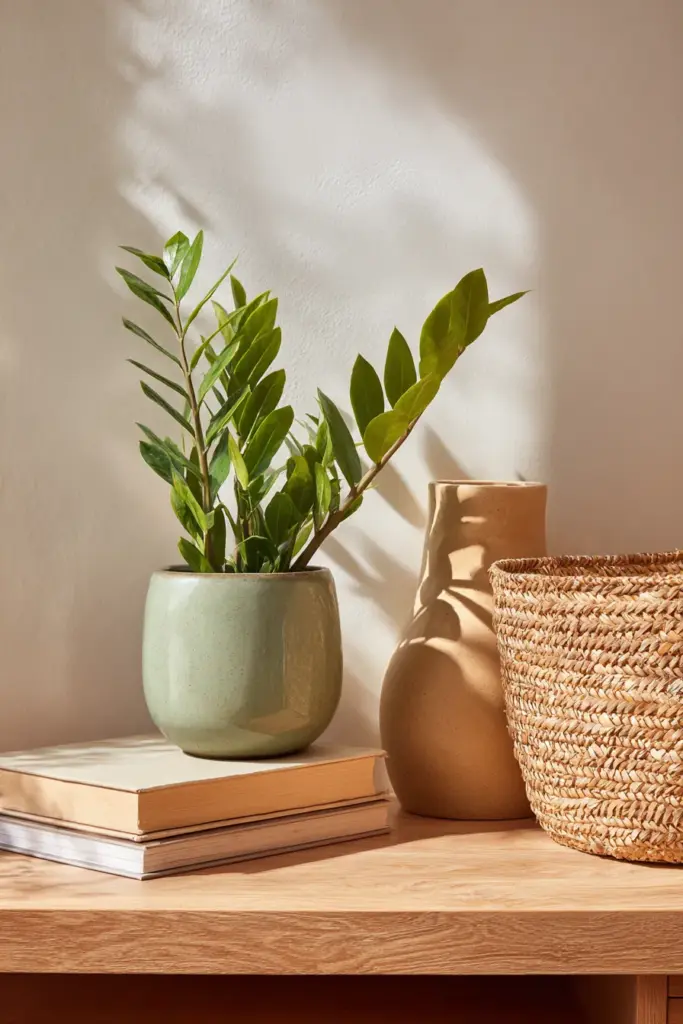
Biophilic design — the integration of living things into your home — is central to both Japanese and Scandinavian aesthetics. Plants are not decoration here; they are presence.
Best Low-Maintenance Plants for Japandi Interiors
| Plant | Light Need | Why It Works |
|---|---|---|
| Sansevieria (Snake Plant) | Low–medium | Architectural, sculptural, nearly indestructible |
| ZZ Plant | Low | Deep green gloss against neutral tones; thrives on neglect |
| Monstera deliciosa | Medium–bright indirect | Large leaves add drama and biophilic warmth |
| Pothos | Low–medium | Trailing vines for shelves; propagates freely in water |
| Peace Lily | Low | Soft white blooms; loves humid Philippine air |
Propagation tip: Pothos and monstera propagate easily in water. Place a cutting in a clear glass jar — it becomes a living art piece on your shelf.
Style your plants in terracotta pots, celadon ceramic vessels, or woven baskets. Avoid plastic. The material of the pot matters as much as the plant inside it.
Japandi Color and Material Quick Guide
| Element | Japandi Choice | Budget Tip |
|---|---|---|
| Wall color | Warm white, soft beige, muted sage | Use tester pots first; neutral whites are widely available |
| Floor | Light wood, bamboo mat, jute rug | Jute rugs from ₱500–₱1,500 on Shopee |
| Textiles | Linen, cotton, knit | Look for “stone wash linen” on Lazada |
| Furniture | Light oak, ash, bamboo, rattan | Thrift + sand + stain |
| Accents | Ceramics, stone, woven baskets | Divisoria and SM Home |
| Plants | Sculptural greenery in ceramic or terracotta | Propagate from friends’ plants |
Japandi Zen Living Room: Your Quick Checklist
Before you go, here is your at-a-glance guide to a budget Japandi space:
- Clear every surface — remove what does not belong
- Choose a neutral base palette of 2–3 tones maximum
- Add one piece of natural wood (table, shelf, stool)
- Layer soft textiles in linen, cotton, or knit
- Introduce one living plant in a ceramic or terracotta pot
- Replace cool white bulbs with warm white (2700K)
- Add one handmade or imperfect accent — a wabi-sabi ceramic, a hand-woven basket
- Light a candle — the scent and the flame complete the atmosphere
- Edit ruthlessly — Japandi is about what you remove, not what you add
Conclusion
Japandi is not about owning beautiful things. It is about noticing beautiful things — the grain of wood, the weight of a ceramic cup, the way afternoon light falls across a linen pillow.
You do not need a large budget to live with that kind of intention. You need patience, a willingness to look carefully, and the quiet courage to choose less.
Start with one corner. One candle. One plant. Let the calm spread from there.
This is what ERYLIN believes: that a beautiful home is not a luxury — it is a practice. And it begins today, wherever you are.
Frequently Asked Questions
What is Japandi style in simple terms?
Japandi is a design philosophy that blends Japanese minimalism and wabi-sabi (finding beauty in imperfection) with Scandinavian warmth and functionality. The result is a calm, uncluttered space that uses natural materials, neutral tones, and intentional simplicity to create a deeply livable home.
How do I start Japandi on a very tight budget?
Begin by removing rather than buying. Clear your surfaces, donate what you do not love, and rearrange what remains. Then add one or two intentional pieces: a woven tray, a plant in a terracotta pot, a warm-toned throw. Budget Japandi starts with editing, not shopping.
What are the best budget Japandi furniture pieces to start with?
A low wooden coffee table, a platform-style bed frame, and a neutral linen sofa are the three pieces that most define a Japandi living space. In the Philippines, look on Shopee, Lazada, or Facebook Marketplace for secondhand finds you can refinish. Solid wood frames with clean lines are your priority.
What colors define a Japandi Zen room?
Warm whites, soft beige, muted sage green, earthy terracotta, and deep charcoal. Avoid stark, cool whites. The palette should feel like morning light through sheer curtains — warm, quiet, and natural.
Where can I buy budget Japandi materials in the Philippines?
Divisoria in Manila is excellent for bamboo, rattan, paper lanterns, and woven baskets at wholesale prices. SM Home, Wilcon Depot, Shopee, and Lazada all carry Japandi-friendly pieces at accessible prices. For furniture, ukay-ukay and Facebook Marketplace are gold mines for pieces you can upcycle and refinish.