
Table of Contents
By ERYLIN — Your Guide to Calm, Intentional Living
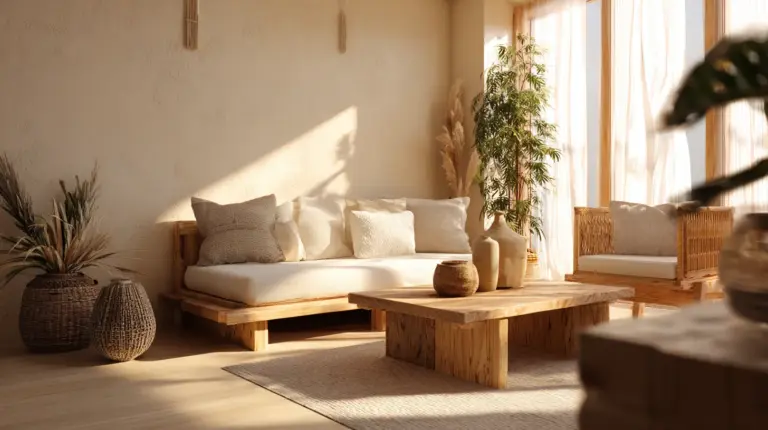
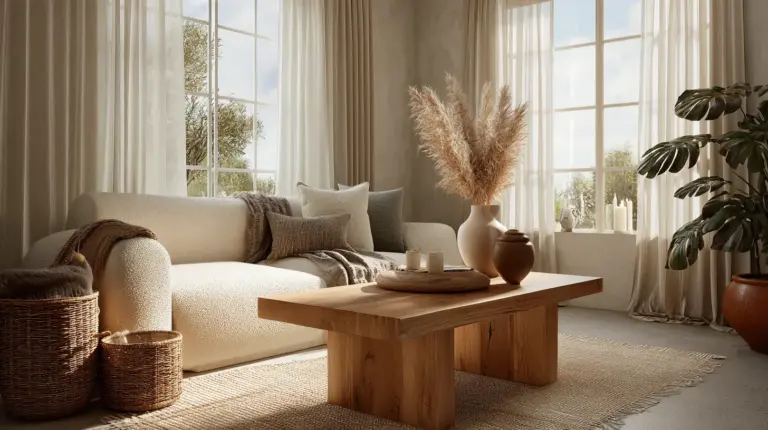
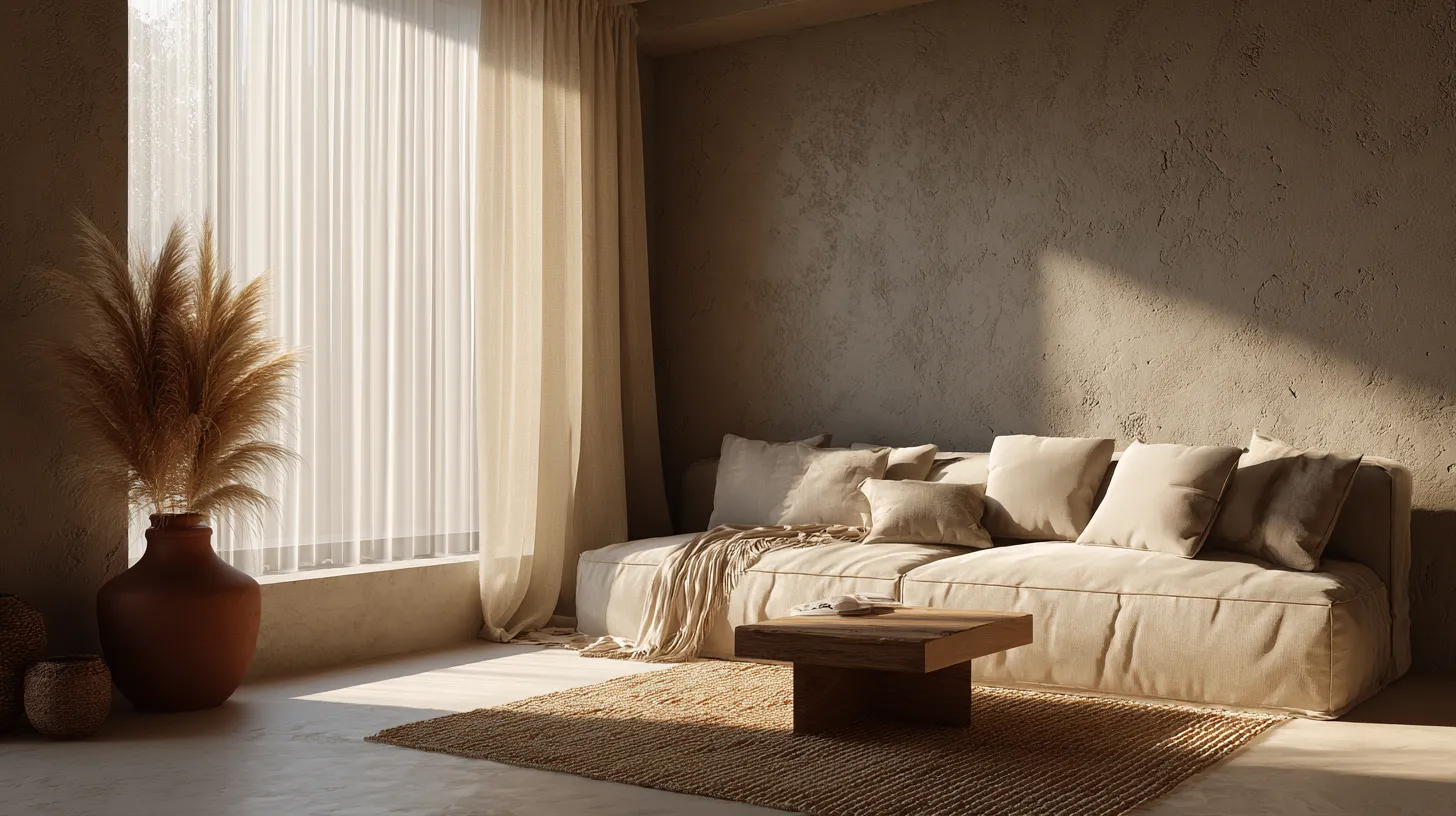
There is something quietly powerful about a room that breathes. No clutter. No chaos. Just warm wood, soft linen, and the gentle hum of things in their rightful place. That is the heart of Japandi — a design philosophy born from the marriage of Japanese wabi-sabi and Scandinavian hygge, where beauty lives in simplicity and function is never an afterthought.
But here is what nobody tells you: you do not need a renovation budget to get there. Japandi storage on a budget is not only possible — it is actually where the philosophy thrives. Because restraint, not expense, is its true language.
Whether you are working with a 22 sqm condo in Mandaluyong, a cozy HDB-style unit, or a studio apartment where the sofa does double duty as a guest bed, this guide will walk you through every practical, beautiful, and wallet-conscious step toward a clutter-free Japandi home.
Pull up a chair. Let the light in. Let’s begin.
What Is Japandi Storage — And Why Does It Look So Good?
Japandi storage is not just about putting things away. It is about how things disappear — and what remains when they do.
In a Japandi space, storage becomes part of the architecture. A low cabinet anchors the room. A rattan basket holds the extra throw blanket. Floating shelves carry three curated objects and nothing more. The room feels edited, intentional, and quietly alive.
The materials do most of the heavy lifting: light wood, raw linen, woven rattan, smooth bamboo, and matte-finish hardware. Nothing shouts. Everything belongs.
And the best part? These materials are accessible, affordable, and widely available — from IKEA Philippines to your local hardware store in Cubao or Divisoria.
How to Get Japandi Storage on a Budget
Start With a System, Not a Shopping List
Before you buy a single shelf, think in zones. Japandi storage budget planning works best when you approach the room as a whole system — not a collection of individual purchases.
Here is a simple framework to try:
- Display zone — one wall or shelf for curated, beautiful objects (ceramics, a small plant, one book)
- Hidden zone — drawers, baskets, closed cabinets for daily essentials
- Transition zone — a bench or ottoman near the door for bags, shoes, and things in motion
Once you know your zones, you shop with purpose. And purpose saves money.
The PH Budget Tier System
Not all Japandi storage budgets look the same. Here is a practical breakdown for the Philippine market:
| Tier | Budget Range | What You Can Get |
|---|---|---|
| Starter | ₱3,000–₱8,000 | Rattan baskets, floating shelves, secondhand low cabinets, linen storage bins |
| Mid-Range | ₱8,000–₱20,000 | IKEA BESTÅ or EKET units, solid wood shelving, modular storage sets |
| Splurge | ₱20,000+ | Custom-built Japandi TV units, floor-to-ceiling bookshelves, bespoke cabinetry |
Most readers will find the sweet spot in the Starter to Mid-Range tier — and honestly, that is where the most creativity lives.
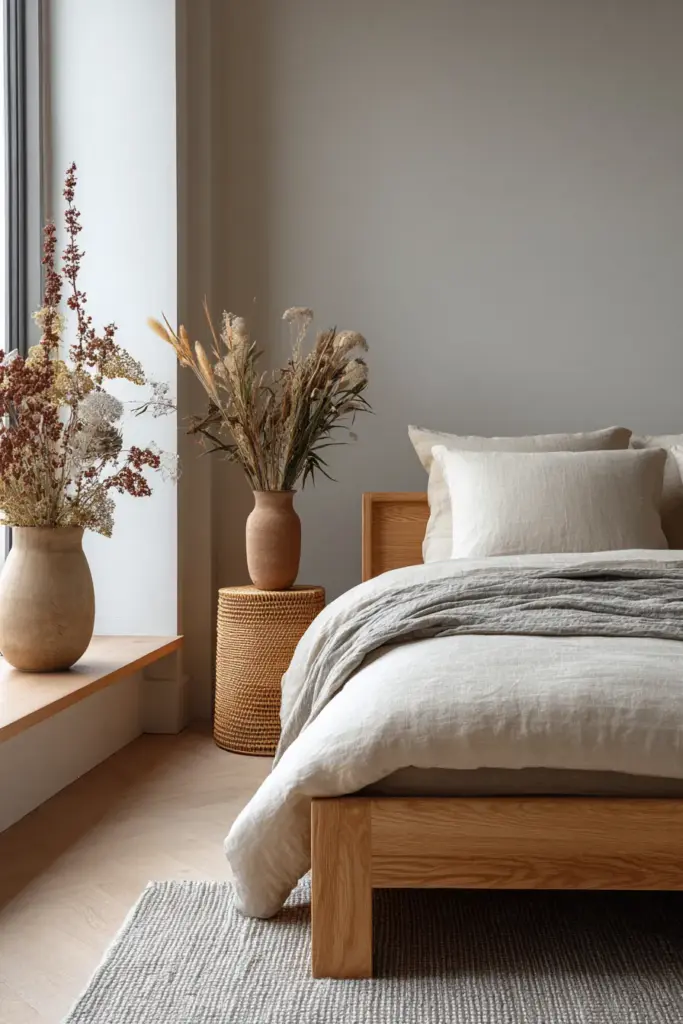
Best Budget Japandi Storage Pieces in 2025
IKEA vs. Local-Made: A Practical Comparison
IKEA Philippines carries some of the most adaptable Japandi-style storage pieces available. But local alternatives — plywood, lauan panels, rattan fronts from Divisoria or Shopee PH — can be just as beautiful at a fraction of the cost.
| Feature | IKEA (e.g., BESTÅ, EKET) | Local-Made / DIY |
|---|---|---|
| Price range | ₱3,500–₱18,000 | ₱1,500–₱10,000 |
| Material | Engineered wood, foil finish | Plywood, lauan, solid wood |
| Customization | Limited by size and color | Fully customizable |
| Assembly | DIY flatpack | Carpenter-built |
| Japandi look | With right hardware (matte black or brass pulls) | Naturally warm and organic |
| Availability | IKEA Pasay / IKEA online PH | Local hardware, Shopee, Lazada |
Pro tip: Buy an IKEA EKET cube (around ₱2,500) and swap the hardware for matte black drawer pulls from a Divisoria supplier. Instant Japandi, under ₱3,500 total.
Top Japandi Storage Picks by Budget
Under ₱5,000:
- Rattan storage baskets with linen lids (Shopee PH, ₱350–₱900 each)
- IKEA DRAGAN bamboo box set (₱699)
- Floating wooden shelves, 60cm — local hardware or IKEA LACK (₱799)
- Secondhand low credenzas from Facebook Marketplace (₱1,500–₱4,000)
₱5,000–₱15,000:
- IKEA EKET wall cabinet combination (₱5,000–₱10,000)
- IKEA BESTÅ base unit with doors (₱7,000–₱14,000)
- Local plywood media unit with rattan panel doors (₱6,000–₱12,000 via carpenter)
₱15,000+:
- Custom floor-to-ceiling Japandi shelving unit (₱18,000–₱35,000)
- Bespoke low TV cabinet in solid acacia or molave (₱20,000+)
Furniture That Doubles as Japandi Storage
The Multi-Functional Mindset
In small-space Japandi living, every piece of furniture earns its place by doing at least two things. A bench is also a shoe cabinet. A coffee table lifts to reveal blanket storage. A bedside table holds books and hides a charging station inside its drawer.
This multi-functional approach is how you get a clutter-free Japandi home without sacrificing comfort — or spending more than you need to.
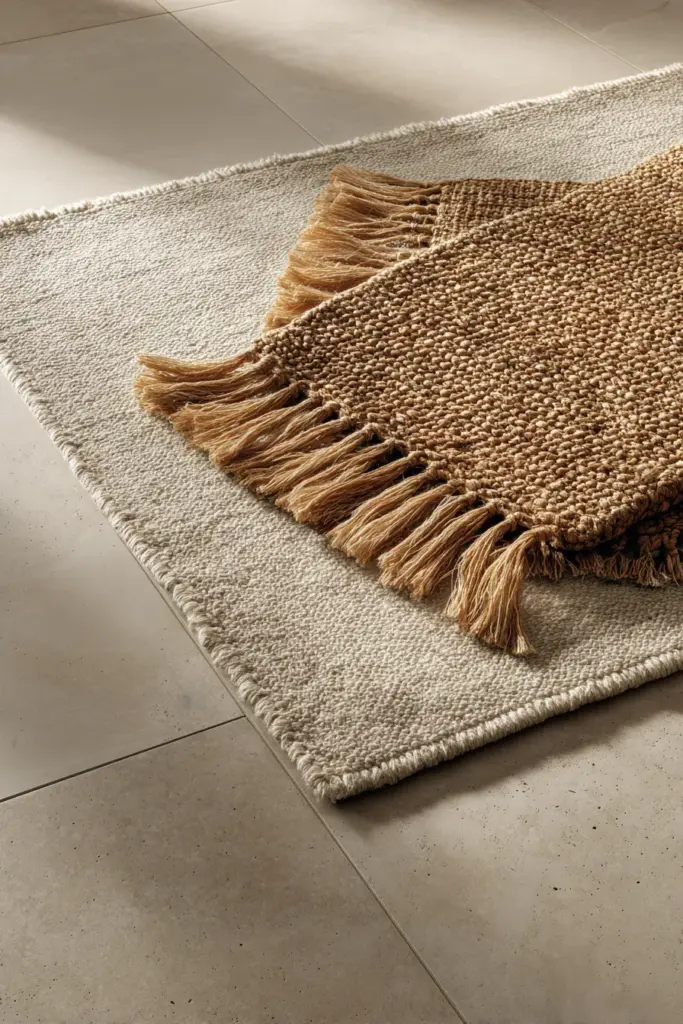
Best Storage-as-Furniture Picks
Ottomans with storage interior
Choose one in beige, stone, or warm grey linen. Store extra pillows, seasonal items, or your child’s toys. A simple woven-top ottoman sits beautifully in a Japandi living room and pulls triple duty: seat, table surface, and hidden chest.
Low TV cabinets (under 50cm height)
The hallmark of Japandi living rooms is the low line — everything close to the ground, open, calm. A low TV unit with sliding or push-to-open doors hides routers, game consoles, and cable clutter while keeping the eye level serene.
Slim entryway bench with shoe drawer
Ideal for Filipino condos with narrow corridors. A 30cm-deep bench with a pull-out shoe compartment beneath keeps the entrance clean without eating floor space.
Modular cube shelving (EKET or local equivalent)
Arrange four to six cubes in an asymmetrical layout — two open, two with doors. The open cubes hold plants and ceramics; the closed ones swallow everything else.
How to Make Small Living Room Storage Look Japandi
Vertical Space Is Your Best Friend
In a 20–30 sqm living room, the floor is premium real estate. Go up. Wall-mounted floating shelves at 150–180cm height draw the eye upward and free up the floor completely. Keep shelves shallow — 20–25cm deep — so the room still breathes.
Vertical storage ideas for small Japandi spaces:
- Three floating shelves in staggered heights on a single wall
- A slim, floor-to-ceiling bookshelf (30cm deep) in a hallway or corridor
- Wall-mounted cube units arranged in a vertical column beside the TV
- Pegboard panels in natural wood finish for a flexible kitchen or study nook
The Power of Hidden Storage
Japandi is not minimalist because it owns less. It is minimalist because it hides more — cleverly, beautifully, without effort.
Think: a sliding panel that covers open shelves. A curtain in natural linen hung from a ceiling track to conceal a closet. A woven rattan box that holds thirty things but shows only texture and warmth.
Hidden storage is the secret weapon of every truly clutter-free Japandi home.
Layout Thinking for 20–25 sqm Living Rooms
Here is a simple zoning layout that works for most condo living rooms:
[ENTRY] → [SOFA + RUG] → [STORAGE WALL] → [WINDOW / LIGHT]- Place your storage wall on the longest wall — ideally opposite the window so light fills the room, not the shelving.
- Keep the sofa at least 80cm from the storage wall — breathing room matters.
- Use the area under your sofa for flat storage bins (seasonal decor, extra linens).
What Materials Are Used in Japandi Storage?
The materials of Japandi storage are sensory before they are stylish. You want to feel the warmth of the wood, hear the soft scrape of a rattan lid, run your fingers along the cool smoothness of a linen basket.
Core Japandi storage materials:
- Light wood — oak, ash, pine, acacia (local PH: falcata, molave, lauan plywood)
- Rattan and woven cane — for basket fronts, drawer inserts, and open bins
- Linen and cotton — for storage bin liners, curtain panels, basket tops
- Bamboo — for divider trays, drawer organizers, small containers
- Matte black or brushed brass hardware — minimal pulls that anchor the palette
- Natural stone or ceramic — for small lidded jars on shelves
In the Philippines, rattan and bamboo are local treasures. A genuine rattan basket from a Laguna or Cebu weaver costs a fraction of what imported versions do — and carries that living, breathing quality that synthetic materials can never replicate.
DIY Japandi Storage Hacks Under ₱2,000
Five Budget Builds That Actually Work
1. Rattan-Front Cabinet Upgrade (₱400–₱800)
Buy a secondhand solid-door cabinet from Facebook Marketplace (₱500–₱1,500). Remove the door panels. Cut rattan webbing to size (₱150–₱300/meter at Divisoria or Shopee PH) and staple gun it to the back of the door frame. Reattach. Instant Japandi rattan cabinet.
2. Floating Pine Shelf Set (₱600–₱1,200)
Buy 2×6 pine boards from a local hardware (around ₱80–120/meter). Cut to 60–90cm lengths. Sand smooth. Stain with a warm walnut or natural oil finish. Mount with hidden L-brackets. Three shelves, staggered heights, one beautiful wall.
3. Linen Curtain Storage Closet (₱800–₱1,500)
Install a ceiling-mounted curtain rod (₱350–₱600). Hang a panel of unbleached linen or cotton muslin (₱200–₱500/meter at Divisoria). Behind it: a freestanding rack, open shelves, or even your laundry corner. Hidden. Calm. Done.
4. Bamboo Drawer Organizer Set (₱250–₱500)
Local bamboo trays from ukay-ukay home sections or Shopee PH cost almost nothing. Line your drawers with three or four sections. Instantly organized, naturally beautiful.
5. Lauan + Rattan TV Unit (₱5,000–₱9,000 via carpenter)
Bring a carpenter a sketch: a low platform, 40cm tall, the width of your TV wall. Two or three compartments with rattan webbing front panels. Paint or stain in natural white oak color. This is your bespoke Japandi media unit — for less than most IKEA sets.
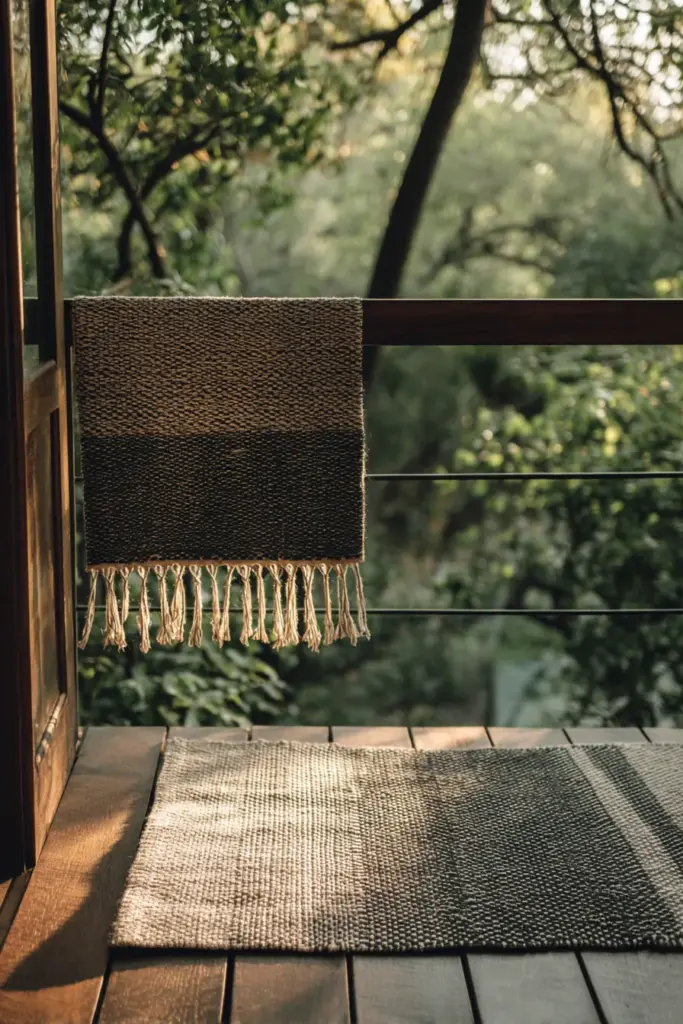
How to Keep Japandi Storage Clutter-Free
Zone-Based Organization That Actually Lasts
The secret to a clutter-free Japandi home is not just storage — it is system thinking. Every object has a home. Every shelf has a rule.
The Zone Approach:
- Display shelf: Maximum 3 items per shelf (one plant, one ceramic, one neutral-toned book)
- Open basket: One category only (throws, magazines, or kids’ toys — never mixed)
- Closed cabinet: Everything that must disappear (tech, chargers, medicines, documents)
- Ottoman or bench interior: Seasonal or occasional items only
The Japandi 6-Month Rule
If you have not touched it in six months, it does not belong in a Japandi home. Relocate it to another room, donate it, or let it go.
This is not about being cold or spartan. It is about honoring the objects that remain — giving them space to be seen and appreciated.
The Rule of Three on Shelves
When styling open shelves, limit yourself to three categories maximum per shelf:
- Something organic (plant, dried grass, stone)
- Something crafted (ceramic bowl, woven basket, small sculpture)
- Something personal (a single book, a family photo in a simple frame)
That is it. Resist the urge to add more. Negative space is not emptiness — it is breath.
Minimal-Looking Labels
Labels do not have to be clinical. Use kraft paper tags, small linen pouches with embroidered letters, or simple black ink on white ceramic clips. The system stays invisible; the order stays intact.
Japandi Storage for Every Living Situation
For Rental Units (No Drilling, No Paint)
You do not need to own your walls to have a Japandi space. Use:
- Adhesive floating shelf brackets (rated up to 5kg, available on Shopee PH)
- Freestanding shelving units that lean against the wall
- Curtain rods with tension mounts for linen panel storage covers
- Furniture on casters for flexibility — a rolling cart in natural wood finish serves as a mobile pantry or bedside table
For Couples vs. Singles
Singles often have one wardrobe, one media wall, one bookshelf — the room breathes easily. Couples need double the hidden storage: two sets of morning routines, two wardrobes, shared daily items. Invest in a full-wall BESTÅ or local equivalent — and assign one side to each person’s hidden storage while sharing the display shelf together.
For HDB-Style Corridors and Narrow Hallways
A hallway in a Philippine condo or HDB-style unit is often the most neglected storage opportunity. A slim console table (25–30cm deep) with a drawer holds keys, mail, and small items. Above it, two to three floating shelves in staggered sizes — one with a plant, one with a basket, one open. Vertical, calm, purposeful.
Quick Checklist: Your Japandi Storage Budget Starter Plan
- Map your three storage zones: display, hidden, transition
- Set your budget tier: Starter (₱3k–₱8k), Mid (₱8k–₱20k), or Splurge (₱20k+)
- Identify one wall for your primary storage wall
- Source at least two rattan or linen baskets for hidden everyday storage
- Choose your wood finish: light oak, natural pine, or warm walnut
- Apply the Rule of Three on all open shelves
- Schedule a 6-month declutter review on your calendar
- Swap generic hardware for matte black or brushed brass pulls
- Consider one DIY upgrade (rattan cabinet front, floating pine shelf, linen curtain closet)
- Let at least 30% of every shelf or surface remain empty
Conclusion
A Japandi home is not built in a weekend. It is grown — slowly, thoughtfully, with every basket chosen on a Saturday morning and every shelf arranged with quiet care.
The budget matters far less than the intention. A ₱400 rattan basket, placed with meaning, carries more beauty than a thousand-peso shelf crammed with things we no longer love.
Start small. One shelf. One zone. One rule of three.
Let your home breathe. ERYLIN is with you every step of the way.
Frequently Asked Questions
How do I get Japandi storage on a budget in the Philippines?
Start with your zones — display, hidden, and transition — before buying anything. Shop secondhand for low cabinets and credenzas, add rattan baskets from Shopee or Divisoria, and upgrade hardware to matte black pulls. A complete Starter-tier Japandi living room storage setup is achievable for ₱5,000–₱8,000.
What are the best budget Japandi storage pieces I can buy locally?
Rattan baskets (₱350–₱900), floating pine shelves from the hardware store (₱600–₱1,200 for a set), IKEA EKET cube units, and secondhand low cabinets from Facebook Marketplace are your best bets. Local carpenters can also build a simple lauan-and-rattan TV unit for under ₱10,000.
What furniture doubles as Japandi storage?
Ottomans with interior storage, low TV cabinets with push-to-open doors, slim entryway benches with shoe drawers, and modular cube shelving with a mix of open and closed compartments. Every Japandi piece should earn its space by doing at least two things.
How do I keep my Japandi storage clutter-free long-term?
Use zone-based organization (one category per basket, one function per shelf), apply the Japandi 6-month rule (if you haven’t used it in six months, let it go), and style open shelves with the Rule of Three — one organic element, one crafted piece, one personal item. Leave at least 30% of every surface empty.
Can I do Japandi storage without drilling or permanent changes in a rental?
Yes. Use adhesive floating shelf brackets, freestanding leaning shelves, tension-mount curtain rods for linen panel closets, and furniture on casters. The Japandi look is about materials and restraint — not permanent fixtures.