
Table of Contents
By ERYLIN — Your calm companion in thoughtful home styling.
There is something quietly magnetic about a Japandi home. It does not shout for your attention — it simply holds it. The warm grain of a wooden shelf, the hush of a neutral palette, the way afternoon light settles on a linen cushion: these are the small, deliberate pleasures that define this beloved style.
Japandi is the marriage of Japanese minimalism and Scandinavian hygge — a design philosophy where less is intentional, and simple means soulful. But here is what no one tells you plainly enough: you do not need a designer’s budget to live beautifully inside this aesthetic. You need a plan.
This guide is your floor-by-floor, room-by-room companion to building a Japandi layout that is honest, affordable, and deeply livable. We will talk traffic flow, zoning, furniture placement, and the materials that make the style feel real — all within reach.
Whether you are starting from scratch or refreshing a room you have outgrown, let this be the quiet reassurance you needed: a thoughtful layout costs less than you think.
What Is Japandi Style, and Why Does It Work in Small Budgets?
Japandi is built on a philosophy of restraint. Every piece earns its place. Every texture has a reason.
The style draws from Japan’s wabi-sabi — the beauty of imperfection and impermanence — and Scandinavia’s hygge — the warmth of cozy, functional living. Together, they create interiors that feel both serene and inhabited.
Why is this a budget-friendly aesthetic? Because the rules work in your favor:
- Fewer pieces, more intention. You are not filling a room. You are editing it.
- Natural materials over luxury finishes. Bamboo, rattan, solid pine, and unfinished wood carry the aesthetic beautifully — and affordably.
- A neutral palette requires no expensive wallpaper. Beige, taupe, warm grey, and off-white are the canvas.
- Multifunctional furniture is celebrated, not compromised. A storage bench is not a budget hack — it is the Japandi ideal.
This is a style that rewards thoughtful spending, not impulsive splurging.
The Foundation: Understanding Your Japandi Floor Plan
Before you shop a single item, understand your space as a layout — not a room full of furniture.
Think in Zones, Not in Rooms
Japandi layouts work best when a space is divided into quiet, purposeful zones: a seating zone, a reading nook, a storage zone, and if space allows, a plant or nature zone along a window wall.
The goal is open flow. Furniture should guide movement, not block it. Think of your floor plan as breathing — there should always be space to exhale.
The Low-Profile Principle
One of the most defining layout choices in Japandi is low-to-the-ground furniture. Low sofas, floor cushions, and platform beds visually expand a room and honor the Japanese design tradition of drawing the eye downward.
In a living room, a low sofa pushed gently against the wall — rather than centered and blocking — opens the middle of the room for light to travel across. This single layout move transforms a cramped space into one that feels curated and calm.
Traffic Flow as Design
Leave at least 90 cm of clearance between major furniture pieces. This is not just practical — it is intentional. In Japandi, the negative space is the design.
Japandi Living Room Layout on a Budget
The living room is where the Japandi aesthetic makes its strongest case. Here, layout decisions matter more than price tags.
Zone Your Seating Area First
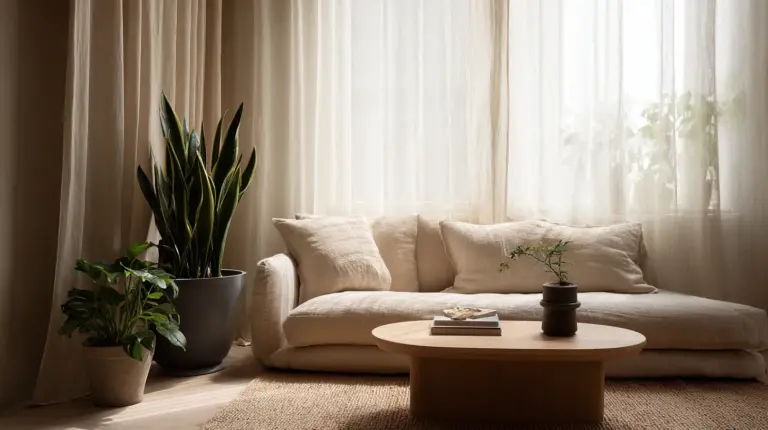
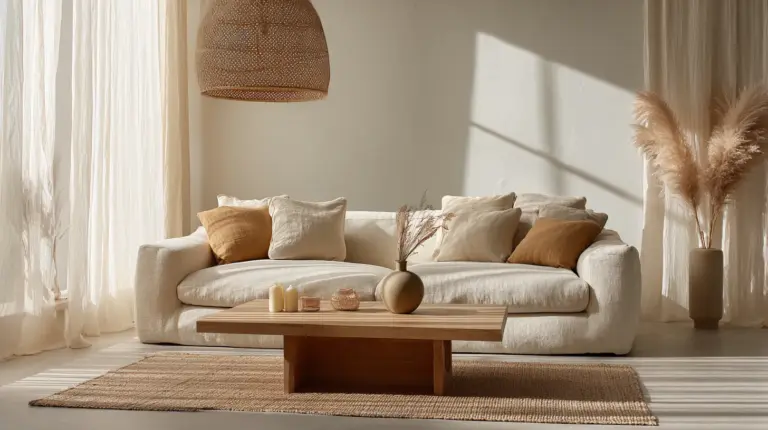
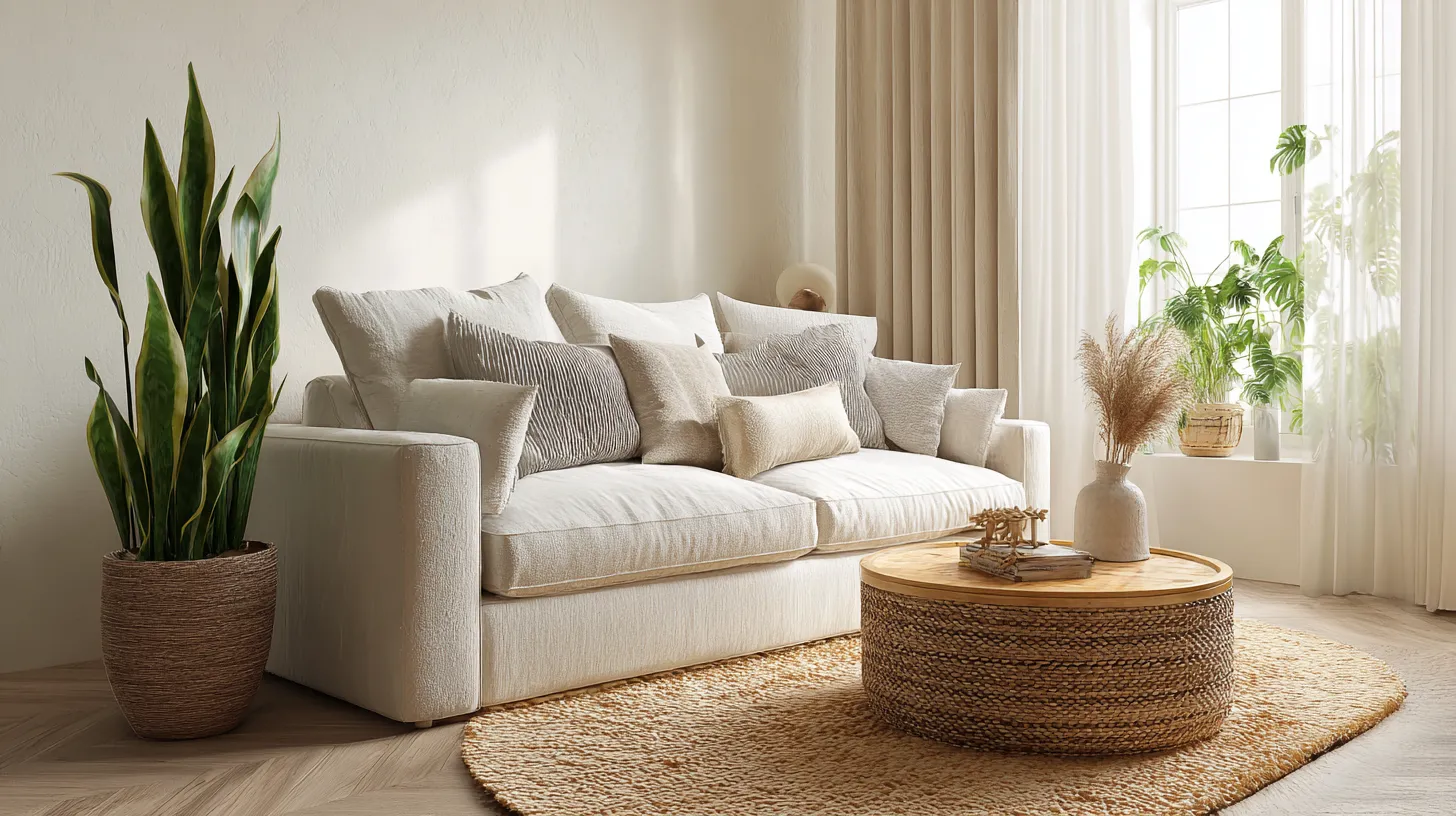
Anchor the room with a low-profile sofa in a warm neutral — linen, oatmeal, or warm grey. Place it along one wall, leaving the center floor open. Add a low wooden coffee table (bamboo or solid pine) at knee height, and flank the sofa with a floor lamp and a single houseplant.
This three-element cluster — sofa, table, light — is the heart of the room. Everything else is secondary.
Budget Breakdown: Japandi Living Room
| Element | Budget Option | Estimated Cost (PHP) |
|---|---|---|
| Low-profile sofa | IKEA EKTORP / Shopee linen sofa | ₱8,000 – ₱15,000 |
| Wooden coffee table | Bamboo or pine from Lazada/Divisoria | ₱1,500 – ₱4,000 |
| Rattan side chair | Shopee / local tiangge | ₱800 – ₱2,500 |
| Woven area rug | Divisoria mat or Shopee jute rug | ₱500 – ₱2,000 |
| Floor lamp (warm bulb) | Ace Hardware / IKEA | ₱600 – ₱1,800 |
| Sansevieria in corner | Local nursery / Shopee | ₱150 – ₱400 |
| Estimated Total | ₱11,550 – ₱25,700 |
Storage That Looks Intentional
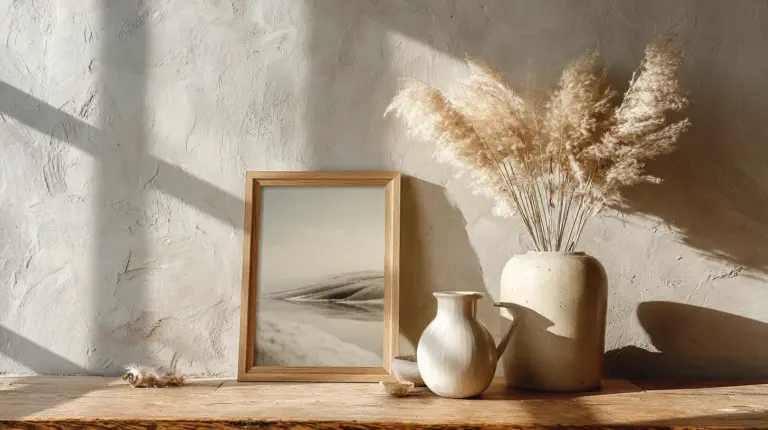
Japandi does not tolerate clutter — but it also does not pretend it does not exist. Choose open shelving in natural wood for a few carefully edited objects: a small ceramic bowl, one trailing pothos, a stack of two or three books turned spine-in for a tonal look.
A low wooden media console doubles as storage and keeps the eye low, reinforcing that calm, grounded feeling the style is known for.
Japandi Bedroom Layout on a Budget
The bedroom in a Japandi home is a sanctuary — not a showroom.
Platform Bed as the Layout Anchor
The platform bed is the signature bedroom piece of this aesthetic. It sits close to the floor, with clean lines and no ornamentation. You do not need an expensive model. A simple solid-wood bedframe from Shopee or a local furniture shop in Pampanga or Marikina can deliver the look for a fraction of designer pricing.
Keep the bed centered on the main wall. This single placement decision structures the rest of the room with effortless balance.
Nightstands and Negative Space
Choose one matching pair of simple wooden nightstands — or forgo them entirely and use a low wooden stool on each side. Leave the space under and around the bed visually open. The floor should breathe.
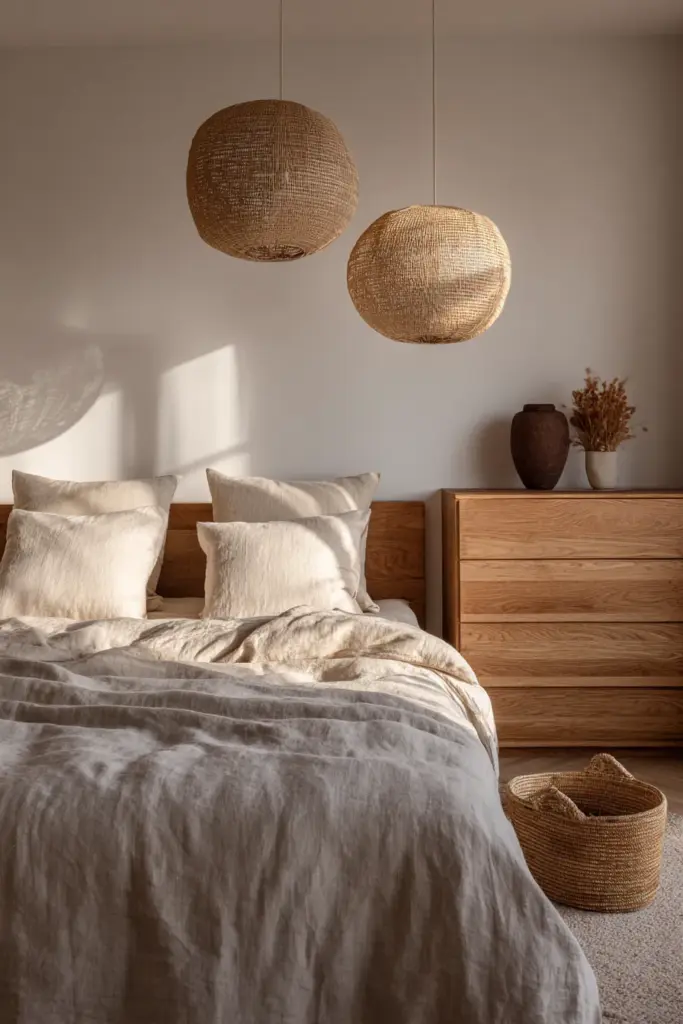
A small woven basket at the foot of the bed, a single hanging pendant lamp on each side (warm filament bulb), and one low dresser with clean drawer pulls — that is the full palette of a Japandi bedroom.
Budget Breakdown: Japandi Bedroom
| Element | Budget Option | Estimated Cost (PHP) |
|---|---|---|
| Platform bedframe (Queen) | Shopee / local woodshop | ₱5,000 – ₱12,000 |
| Linen bedding set | Shopee / Lazada | ₱1,200 – ₱3,500 |
| Low wooden dresser | Surplus shops / IKEA RAST | ₱2,000 – ₱5,000 |
| Hanging pendant lamps (x2) | Ace Hardware / Shopee | ₱600 – ₱1,500 |
| Woven basket | Divisoria / Shopee | ₱200 – ₱500 |
| Estimated Total | ₱9,000 – ₱22,500 |
Japandi Kitchen and Dining Layout on a Budget
The Japandi kitchen is honest and unfussy. It values function as a form of beauty.
The Dining Zone: Low and Warm
A round or rectangular wooden dining table with low, simple wooden chairs or bench seating defines the dining zone. Round tables work especially well in smaller Philippine homes and condos — they encourage conversation and eliminate the hierarchy of a “head” seat.
Pair the table with a jute or rattan pendant lamp overhead — warm light is non-negotiable in this style. A single low centerpiece (a ceramic bowl, a smooth river stone, or a small succulent) is all the table needs.
Open Shelving Over Upper Cabinets
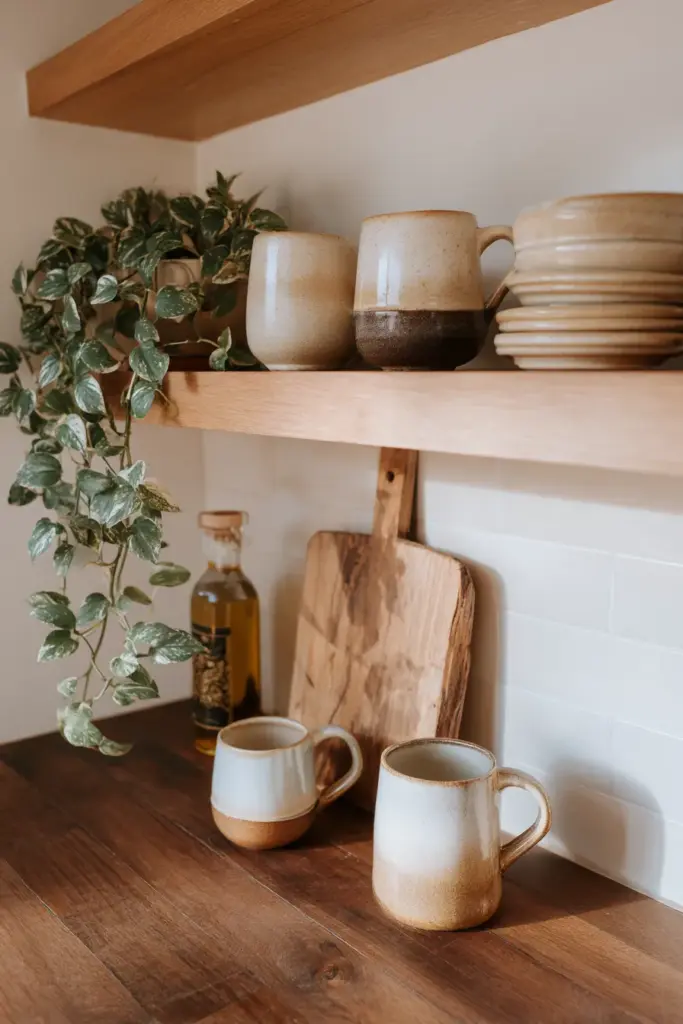
In the kitchen, swap one row of upper cabinets for open shelving in natural pine or bamboo. Display only what you use: your three most-used mugs, a small olive oil bottle, your favorite cutting board turned upright like art.
This is the wabi-sabi spirit made edible — usefulness displayed with grace.
Biophilic Zoning: Integrating Plants Into Your Budget Layout
Plants are not decoration in a Japandi home. They are structural elements — living anchors that define zones and soften corners.
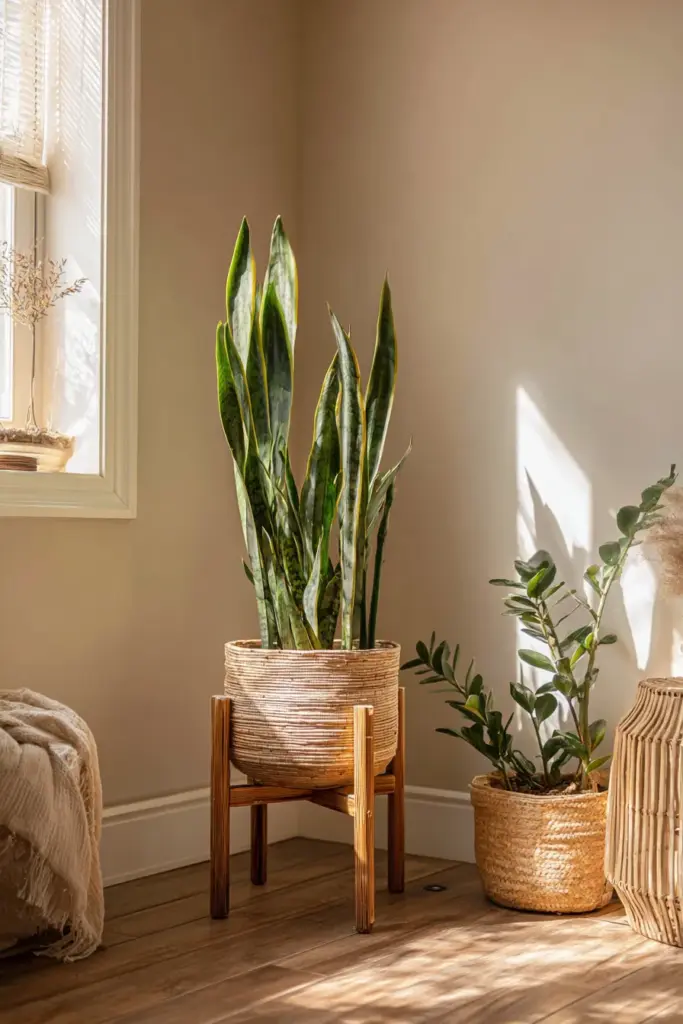
Budget-Friendly PH Plants for Japandi Layouts
The Philippines is a gardener’s paradise. You do not need imported statement plants.
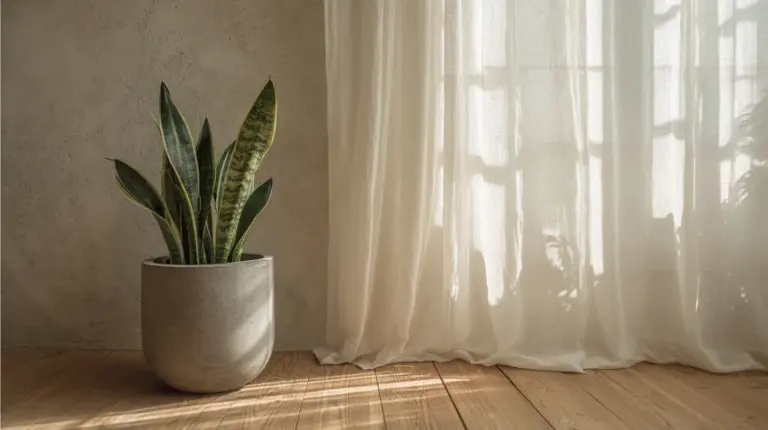
- Sansevieria (Snake Plant): Place one in a dim corner to bring vertical interest. Available at most Shopee plant sellers for ₱150–₱350.
- Pothos (Devil’s Ivy): Trail one from an open shelf for that effortless cascading texture. ₱80–₱200 at local nurseries.
- ZZ Plant: Low-light, low-maintenance, beautifully sculptural. Found in Shopee and Lazada for ₱200–₱500.
- Bamboo Palm: A larger statement piece for open corners, perfect for living room zones. ₱500–₱1,200 from garden centers.
Where to Zone Your Plants
Place plants at zone transitions — between the seating area and reading nook, between the dining table and the entryway. They act as soft, natural room dividers without blocking light or flow.
A low wooden plant stand from Divisoria (₱150–₱300) elevates a simple pot into a composed vignette.
DIY Layout Hacks for Japandi on a Budget
You do not need to buy everything new. In fact, the wabi-sabi philosophy actively prefers pieces with history.
Upcycle a Low Coffee Table
Find an old wooden pallet or reclaimed board at a lumber yard in Divisoria or Quiapo. Sand it smooth, apply a light natural wood stain, add four short hairpin legs (available on Shopee for ₱300–₱600), and you have a custom Japandi coffee table for under ₱1,000.
Paint Your Walls Yourself
The Japandi palette asks for very little: warm white, greige, or a soft sage. A single accent wall in clay or warm taupe behind the bed or sofa transforms the entire room. Paint from Davies or Boysen in these tones runs ₱700–₱1,200 per gallon — enough to change a room’s entire feeling.
Use Free Digital Layout Tools
Before you move a single piece of furniture, plan your layout digitally. Free tools like RoomSketcher, Planner 5D, and IKEA’s planning app let you test furniture placement without lifting a finger. This prevents costly mistakes and helps you see your floor plan the way a designer would.
Japandi Layout Checklist
Keep this list close as you build your space:
- Layout first, furniture second — map your zones before you shop
- Use low-profile furniture to expand visual space and honor the aesthetic
- Leave 90 cm clearance between major pieces for open flow
- Anchor every room with one quality natural-material piece (wood, rattan, bamboo)
- Choose warm neutral tones — beige, taupe, warm grey, off-white
- Place plants at zone transitions as living dividers
- Use warm-temperature bulbs (2700K–3000K) in every fixture
- Keep open shelving edited — display only what is beautiful or useful
- Repurpose and upcycle — wabi-sabi rewards imperfection and history
- Plan digitally first using free tools before buying or moving anything
Conclusion
A Japandi home is not built in a weekend. It is assembled slowly, with care — one honest piece at a time.
What makes this style so quietly radical is that it asks you to stop accumulating and start curating. To see your space not as something to fill, but as something to shape. And in that shaping, to find a kind of everyday peace that no luxury price tag can manufacture.
You do not need much. You need the right things, placed with intention.
That is the ERYLIN way — and it has always been within your reach.
Frequently Asked Questions
What exactly is Japandi style?
Japandi is a design aesthetic that blends Japanese minimalism — rooted in the philosophy of wabi-sabi and natural simplicity — with Scandinavian hygge, which emphasizes warmth, coziness, and functional living. The result is a style that feels both serene and deeply livable, built on natural materials, neutral palettes, and purposeful furniture choices.
How can I achieve a Japandi layout on a tight budget?
Start with your layout, not your shopping list. Map your zones, prioritize one or two quality natural-material anchor pieces, and fill the rest with affordable finds from Shopee, Lazada, Divisoria, or local surplus stores. Upcycling old wood into low furniture and painting walls in warm neutrals are the highest-impact, lowest-cost moves you can make.
What furniture works best for a Japandi layout?
Low-profile sofas, platform beds, solid wooden dining tables, open wooden shelving, and multifunctional storage benches are the cornerstones of Japandi furniture. Look for clean lines, natural materials (wood, bamboo, rattan), and neutral or earth-toned upholstery. Avoid ornate details or shiny finishes.
Can Japandi really be done on a small budget in the Philippines?
Absolutely. The Philippines offers incredible access to natural materials — rattan, bamboo, and solid wood — through local markets like Divisoria and online platforms like Shopee and Lazada. Affordable houseplants from local nurseries serve as both décor and zone dividers. Many beautiful Japandi rooms have been built for under ₱25,000 total.
How do I plan a Japandi floor plan layout without a designer?
Use free digital tools like RoomSketcher, Planner 5D, or IKEA’s online room planner to map your space before moving any furniture. Focus on creating open flow, defined zones, and 90 cm of clearance between major pieces. Let the layout breathe — in Japandi, the empty space is as intentional as the pieces themselves.