
Table of Contents
By ERYLIN — Your Home, Elevated
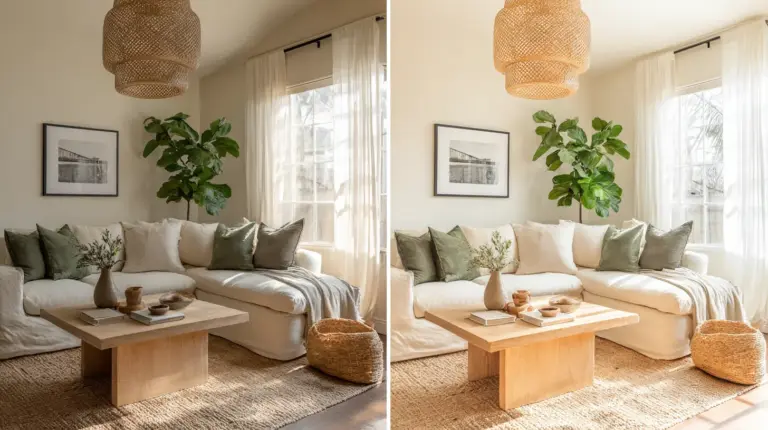
There is something quietly magnetic about a Japandi room. It does not shout for attention. It breathes — slowly, warmly — through the soft weight of a linen throw folded over a wooden chair, through the rough-spun texture of a rattan basket sitting in afternoon light. It asks you to slow down and stay a while.
Japandi is the design philosophy born from the union of Japanese wabi-sabi — the beauty of imperfection — and Scandinavian hygge — the art of cozy living. Together, they create spaces that feel both intentional and effortless. And at the heart of that feeling? Textiles.
The good news is that you do not need to spend a fortune to get there. The soul of Japandi lives not in price tags but in texture, material honesty, and thoughtful layering. A single piece of undyed linen can transform a plain sofa into something you want to curl into on a rainy afternoon.
This guide is your companion for building a Japandi textile palette on a real budget — with specific materials, sourcing tips (including local Philippine finds), DIY ideas, and a care philosophy that honors the wabi-sabi spirit of aging beautifully.
What Fabrics Are Used in Japandi Design?
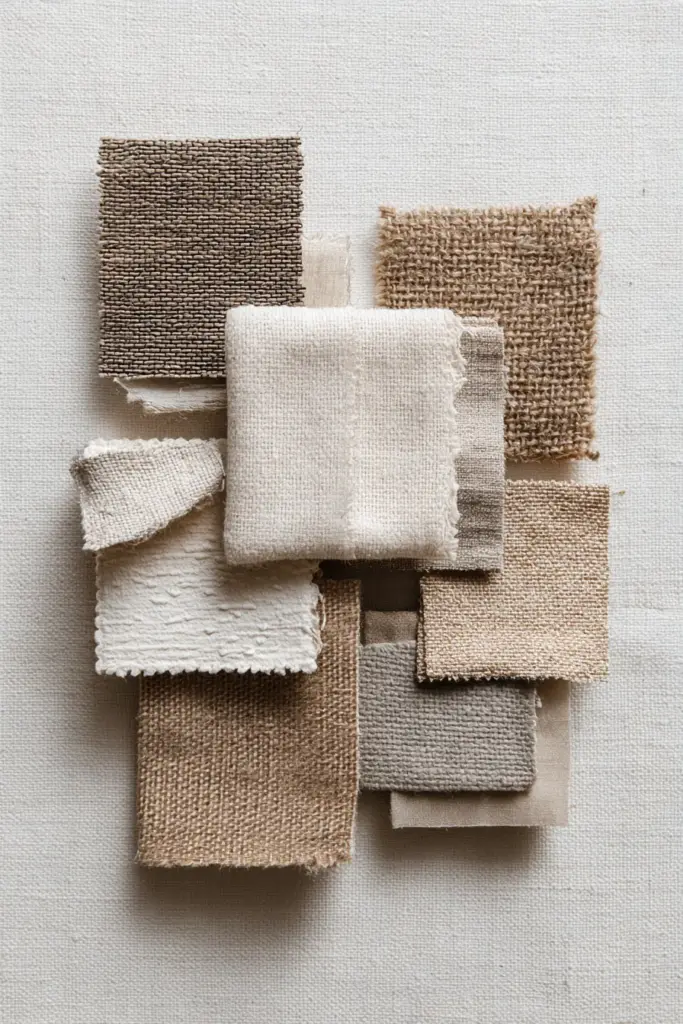
The foundation of any Japandi textile palette starts with nature. These are not synthetic, overly processed fabrics — they are materials that feel as though they grew from the earth, because many of them did.
Linen
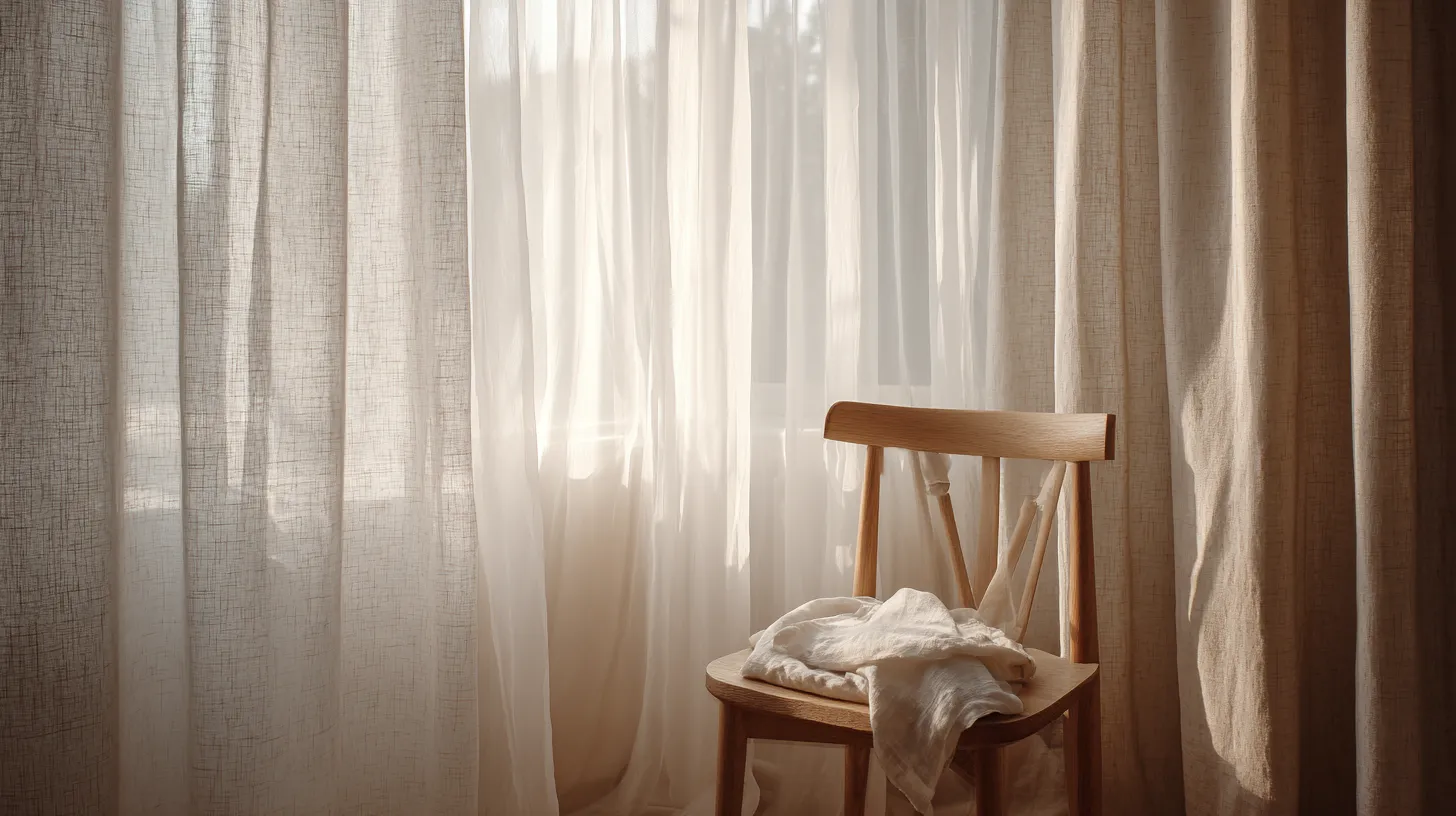
Linen is the cornerstone. Its slightly rough, breathable weave captures light differently at every hour of the day. It softens beautifully with washing, developing that lived-in quality that wabi-sabi celebrates. Look for undyed, natural, or stone-washed linen in oatmeal, ecru, or pale grey tones.
Budget tip: Divisoria in Manila often carries raw linen fabric by the yard at a fraction of branded prices. Lazada also carries affordable linen blends well-suited to throws and curtain panels.
Organic Cotton
Cotton in its most natural form — unbleached, loosely woven — belongs in every Japandi home. It works as pillow covers, table runners, and lightweight layering blankets. It is soft against skin, gentle to wash, and timeless in neutral tones.
Bamboo Blends
Bamboo fabric has a silky drape and a naturally cooling quality — a practical gift for Philippine homes navigating humid warmth. Look for bamboo-cotton blends for bedding or floor cushion covers. They age gracefully and align perfectly with Japandi’s sustainability ethos.
Wool and Ramie
Chunky wool throws add visual weight and tactile depth in cooler months or air-conditioned rooms. Ramie — a lesser-known natural bast fiber similar to linen — has a natural sheen and textural crispness that reads beautifully in Japandi interiors. It is often found in ukay-ukay (secondhand stores) woven into vintage pieces worth repurposing.
Kasuri (Japanese Ikat)
For a nod to the Japanese side of Japandi, kasuri is a hand-dyed ikat-style textile with soft, irregular patterns in indigo, grey, or earthy tones. Small kasuri-inspired cushion covers or table runners bring quiet visual interest without breaking the minimalist rule. Etsy carries artisan pieces; look for “Japanese ikat fabric” or “kasuri cloth” for affordable yardage.
How to Achieve Japandi on a Budget
The Japandi approach to budgeting mirrors its design philosophy: intentional, unhurried, and rooted in quality over quantity.
Start With a Neutral Base
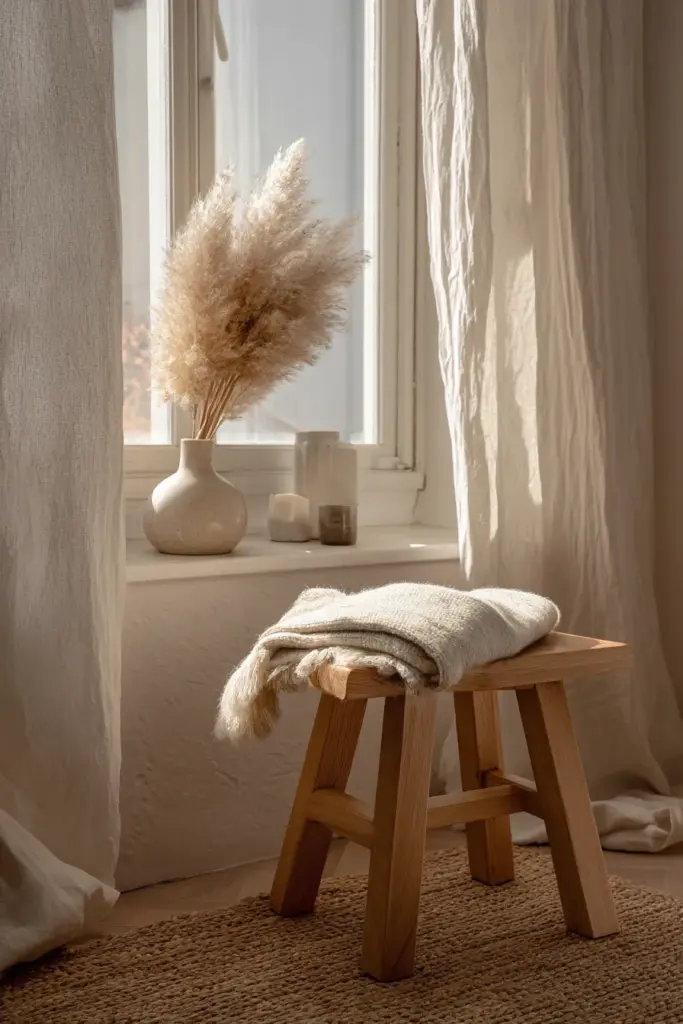
Before buying anything, commit to your palette. Japandi textiles live in a range of warm neutrals — beige, oatmeal, warm white, taupe, sage green, and charcoal. When everything shares this quiet harmony, even budget pieces look considered and cohesive.
A single linen throw in natural ecru draped over a sofa does more for a room than six mismatched pillows.
Layer Thoughtfully
Japandi layering is not about volume — it is about contrast in texture. Pair a smooth bamboo pillow cover with a rough-woven jute cushion. Layer a fine cotton blanket beneath a chunkier knit throw. Let materials speak to each other in whispers, not shouts.
Shop Secondhand First
Thrifting is deeply aligned with wabi-sabi. A slightly worn linen cushion from an ukay-ukay stall, washed and re-covered, becomes something personal and unique. Look for natural fiber pieces — you can always over-dye them in tea or walnut to achieve warm neutral tones.
Philippine thrift markets to explore:
- Ukay-ukay stalls in Cubao, Pasay, and Divisoria
- Weekend tiangge markets in Cavite and Laguna (near Silang)
- Facebook Marketplace and Carousell PH for pre-loved linen and throws
Budget Japandi Textiles: A Material Cost Guide
Use this table as a reference for sourcing textiles within budget across common categories.
| Textile Type | Best Use | Estimated Budget (PHP) | Where to Source |
|---|---|---|---|
| Natural linen yardage | Curtains, throw covers | ₱80–₱200/yard | Divisoria, Lazada PH |
| Unbleached cotton fabric | Pillow covers, table runners | ₱60–₱150/yard | Shopee PH, local fabric stores |
| Bamboo-cotton blend | Bedding, cushion covers | ₱150–₱400/piece | Lazada, Shopee |
| Jute/abaca rug or mat | Floor layering | ₱300–₱1,200 | Handumanan, local weave markets |
| Thrifted linen throws | Sofa or bed layering | ₱50–₱300 | Ukay-ukay, Carousell PH |
| Ramie or piña blends | Accent textiles | ₱120–₱350/yard | Divisoria, specialty fabric shops |
| Kasuri-inspired prints | Cushion covers, runners | ₱200–₱800/piece | Etsy, Lazada |
DIY Japandi Textiles: Simple Projects That Transform a Room
Upcycle Old Sheets Into Japandi Throws
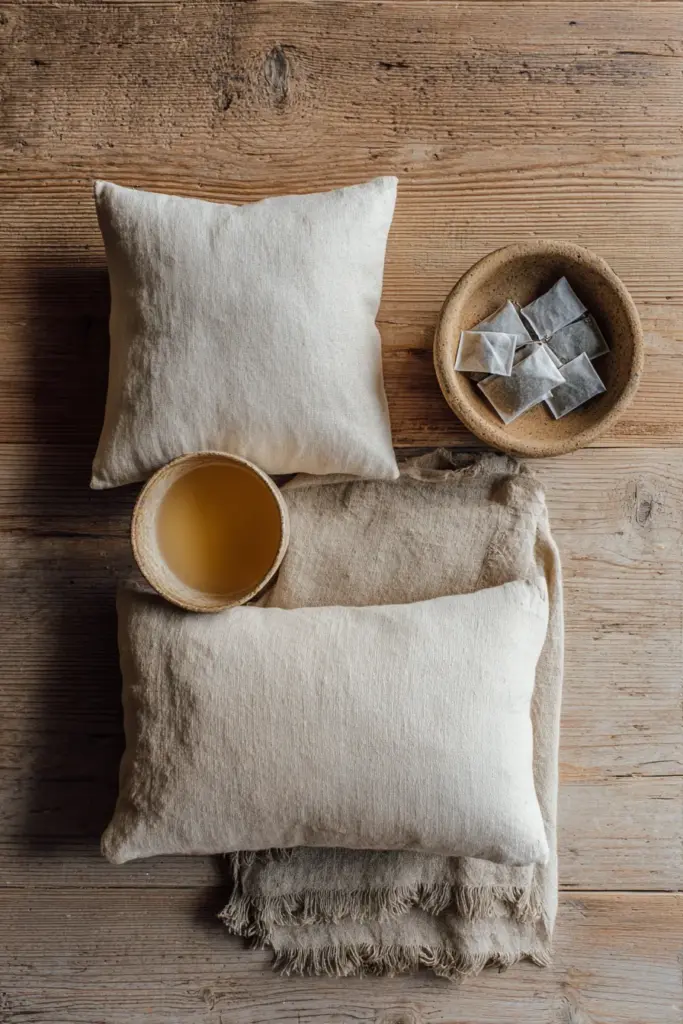
Take a plain, light-colored cotton bedsheet and wash it with a handful of used black tea bags. The result: a warm, gently aged oatmeal or light sand tone that looks intentionally natural. Cut the sheet into generous 130x180cm rectangles, fold the edges under, and press with a warm iron. No sewing required for a loose, draped throw.
Sew Simple Linen Pillow Covers
If you own or can borrow a sewing machine, linen pillow covers are one of the most rewarding beginner projects. Cut two rectangles of raw linen slightly larger than your pillow insert. Sew three sides, press the seams open, fold and topstitch the opening edge, and insert your pillow. Total cost per cover: under ₱200.
DIY Noren Panel Curtains
Noren — the split Japanese fabric panels — add deep character to doorways or windows. Use natural linen or cotton fabric cut into two long vertical panels, hemmed at top and bottom, and hung from a simple wooden dowel rod. Leave a gap between them for that characteristic Japandi softness. Choose undyed or tea-dyed fabric for the most authentic look.
Tea-Dye Neutral Fabrics
If you find white or pale fabric that feels too stark, tea-dyeing is your gentlest solution. Brew a strong pot of black tea, submerge the fabric while damp, let it sit for 30–60 minutes, then rinse in cool water and dry flat. The result is a warm, antique-linen tone that belongs in any Japandi room.
What Materials Work Best for Budget Japandi?
The best Japandi materials share a few quiet qualities: they are natural, they are honest about what they are, and they improve with age.
Natural Fibers Always Win
Linen, cotton, jute, bamboo, wool, ramie — these are your allies. They age gracefully, wash beautifully, and feel genuine beneath your hands. Synthetic fabrics may mimic the look, but they lack the tactile warmth that makes a Japandi room feel lived in rather than staged.
Texture Over Pattern
Japandi does not do busy patterns. What it does do brilliantly is texture. A tightly woven jute rug beside a loosely knit cotton throw creates richness without color or complexity. Think of your textiles as a conversation in whispers — varied, layered, harmonious.
Sustainable Choices for Wabi-Sabi Aging
Choose fabrics that soften over time rather than deteriorate. Pre-washed linen, stone-washed cotton, and hand-loomed ramie all develop character with use. That gentle fading, that softening of weave — that is not wear. That is wabi-sabi in action.
Caring for Your Japandi Textiles
Wash Gently, Always
Machine wash natural fibers on a cool or gentle cycle with a mild, fragrance-free detergent. Avoid fabric softeners — they coat natural fibers and reduce their breathability over time. Cold water preserves both color and weave integrity.
Dry Flat or Line Dry
Never tumble-dry linen or loosely woven textiles at high heat. Lay flat to dry or drape over a drying rack. The slight natural wrinkle linen develops is part of its beauty — no ironing necessary unless you prefer a crisper look.
Store Mindfully
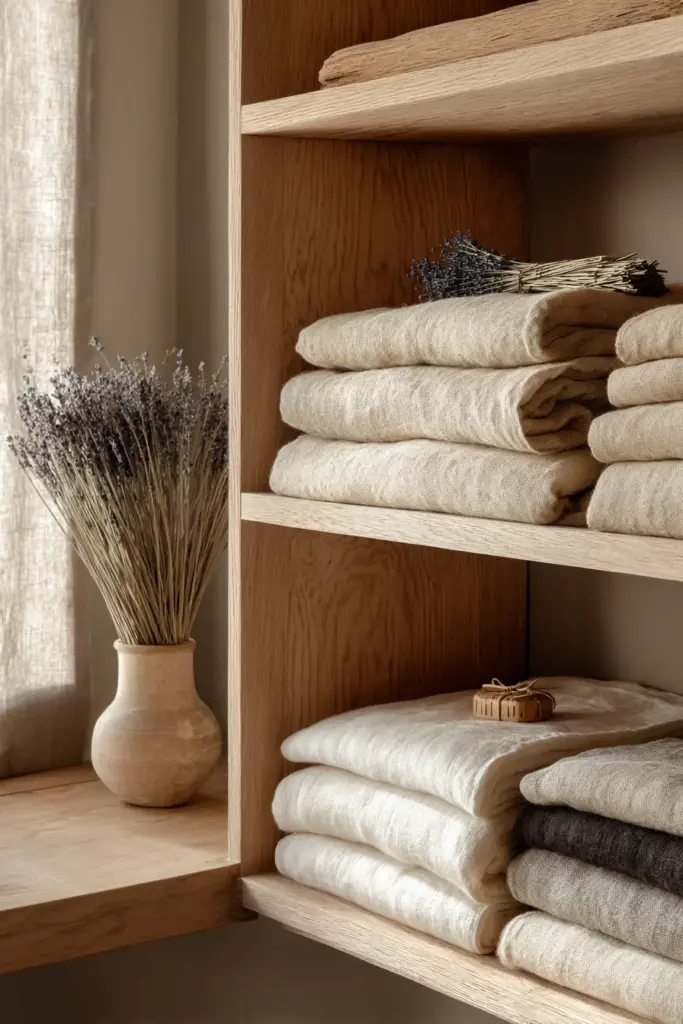
Fold and store in breathable cotton bags or open shelving. Avoid plastic bins that trap moisture. In humid Philippine climates, adding a sachet of dried lavender or cedar helps deter moisture and moths while adding a gentle, natural scent to your linens.
Can Japandi Style Be Done on a Small Budget?
Absolutely — and arguably, a small budget sharpens the Japandi eye.
When you cannot buy everything, you buy only what truly belongs. You look for pieces with real material integrity. You wait for the right secondhand find. You make something with your hands. All of this is profoundly Japandi.
The ERYLIN approach to budget Japandi textiles:
- Choose one quality anchor textile — a linen throw or natural cotton rug — and build around it
- Source secondhand before buying new; thrift markets and Carousell PH are goldmines
- DIY at least one piece per room — it adds a layer of soulfulness no store can provide
- Stick to your neutral palette religiously; cohesion creates luxury
- Care for your textiles so they age beautifully rather than wearing out
Japandi Textile Checklist: Key Takeaways
- Primary fabrics: Linen, organic cotton, bamboo-cotton blend, jute, ramie, and wool
- Color palette: Oatmeal, ecru, warm white, taupe, sage, soft charcoal
- Layering principle: Texture contrast over color contrast
- Budget strategies: Ukay-ukay, Divisoria yardage, Lazada bamboo blends, DIY projects
- DIY essentials: Tea-dyed throws, linen pillow covers, noren curtain panels
- Care rules: Cool wash, line dry, no fabric softener, breathable storage
- Wabi-sabi philosophy: Embrace aging — softening, fading, and worn edges are features, not flaws
A Closing Thought
A Japandi home is not a showroom. It is a sanctuary built slowly, piece by piece, with intention and a quiet kind of love. The most beautiful textile in any room is the one that was chosen carefully, used daily, and has begun to show it.
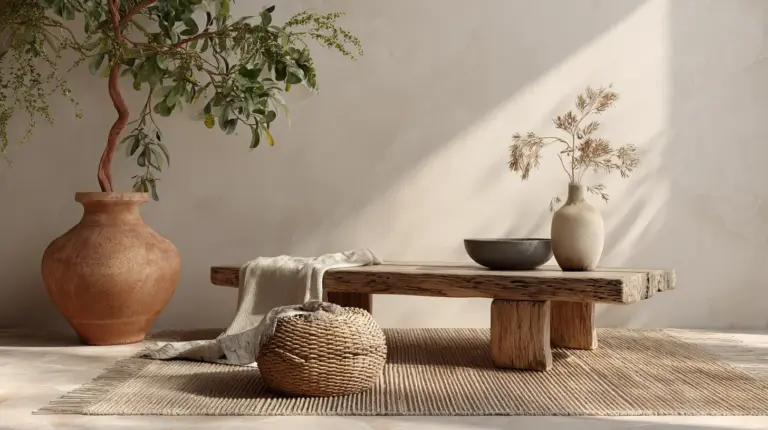
You do not need a large budget to create that feeling. You need curiosity, patience, and an eye for the honest beauty in natural things. Start with one throw. One linen pillow. One small jute mat under a wooden stool. And let the room grow from there, at its own unhurried pace.
At ERYLIN, we believe that the most beautiful homes are not the most expensive ones — they are the most intentional ones. May yours be both.
Frequently Asked Questions
Q: What are the best fabrics for Japandi design on a budget?
Linen and unbleached cotton are the most accessible and authentic choices for budget Japandi. Both are widely available in the Philippines through Divisoria fabric stalls and online via Shopee or Lazada, often at under ₱150 per yard. They age beautifully, layer well, and feel genuinely natural in the hand.
Q: Where can I buy affordable Japandi textiles in the Philippines?
Start with Divisoria for raw fabric yardage, Lazada and Shopee for bamboo-blend pillows and throws, and ukay-ukay markets for thrifted linen pieces. Weekend tiangge markets in Cavite and Laguna also carry locally woven pieces at very reasonable prices. For kasuri-inspired or artisan textiles, Etsy is worth exploring for small accent pieces.
Q: Can I DIY Japandi textiles without sewing experience?
Yes — many Japandi textile projects require no sewing at all. Tea-dyeing plain cotton sheets into warm natural tones, draping fabric over a wooden dowel as a noren panel, or folding and pressing a large linen rectangle as a throw are all zero-sew options. If you want to sew, linen pillow covers are an excellent beginner project.
Q: How do I care for natural Japandi textiles to make them last?
Wash in cool water on a gentle cycle with mild detergent. Skip fabric softener — it dulls natural fibers over time. Line dry or lay flat to preserve the weave. Store in breathable cotton bags rather than plastic. In humid climates like the Philippines, cedar or dried lavender sachets help protect stored linens.
Q: What is the wabi-sabi approach to textile aging?
Wabi-sabi embraces impermanence and imperfection as beauty. In textiles, this means welcoming the gentle fading of linen, the softening of cotton with repeated washing, and the slight irregularities in hand-loomed fabrics. Rather than replacing textiles when they show use, care for them so they develop character over time. This philosophy is both sustainable and deeply beautiful.