
Table of Contents
The light in your living room should feel like a quiet exhale. Soft, layered, intentional. It should settle over your space the way early morning light filters through shoji screens — gentle, grounding, alive.
But here’s the truth: most Japandi living rooms get the lighting wrong. Not because the furniture isn’t beautiful or the palette isn’t perfect. But because the light itself — the most transformative element in any room — is misunderstood.
Japandi design is a marriage of Japanese minimalism and Scandinavian warmth. It thrives on balance: light and shadow, function and serenity, simplicity and soul. When your lighting fails, the entire philosophy crumbles. The room feels cold. Harsh. Disconnected.
In this guide, we’ll walk through the most common Japandi living room lighting mistakes — and how to correct them with grace, warmth, and a little design wisdom.
The Problem with Cool, Harsh Lighting
Why Cold LEDs Ruin the Mood
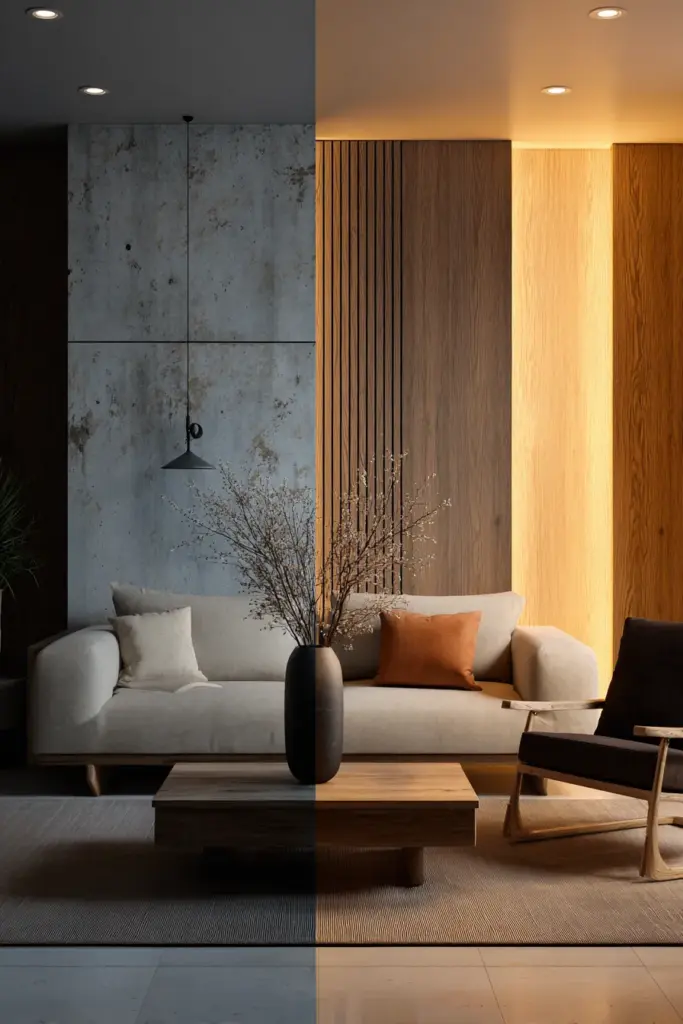
If your living room feels more like a clinic than a sanctuary, your bulbs are likely the culprit. Cool-toned LEDs — those crisp, blue-white bulbs hovering above 4000K — are the antithesis of Japandi design.
Japandi spaces crave warmth. They ask for light that mimics candlelight, sunset, the soft glow of natural wood under morning sun. Cool lighting drains color from natural materials like oak, bamboo, and linen. It flattens texture and kills the very mood you’re trying to create.
The Fix: Warm-Toned LEDs Between 2700K and 3000K
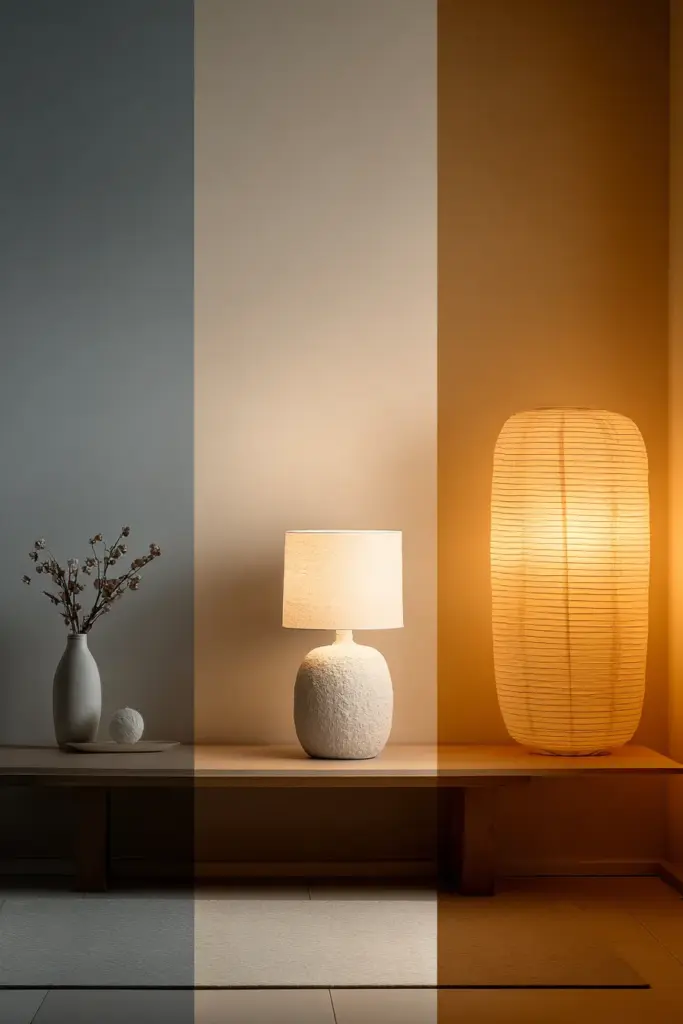
Switch to warm white bulbs in the 2700K to 3000K range. This is the color temperature of firelight, of Edison bulbs, of everything cozy and human. It enhances the honey tones in wood, softens the whites, and wraps your space in a kind of visual comfort.
Look for dimmable LED options so you can adjust the mood throughout the day. Morning might call for brighter warmth; evening, a whisper of amber glow.
Relying Only on Overhead Lighting
The Flatness of a Single Source
One ceiling fixture. One switch. One mood. This is the fastest way to flatten a Japandi living room into something lifeless.
Overhead lighting alone creates harsh shadows under furniture and eliminates depth. It’s practical, yes — but it’s also uninspired. Japandi design celebrates layers, both in texture and in light.
The Fix: Embrace Layered Lighting
Think of lighting like a conversation between three voices: ambient, task, and accent. Ambient light provides overall illumination (your ceiling fixture or recessed lights). Task lighting serves function (a reading lamp beside the sofa). Accent lighting adds drama and focus (a spotlight on a bonsai, a soft glow behind a low cabinet).
Start with dimmable overhead lights. Add a sculptural floor lamp in one corner — something with a bamboo or walnut base. Place a paper lantern near your seating area. Let light come from different heights and angles, creating a rhythm that feels organic and alive.
Ignoring the Beauty of Indirect Lighting
Why Direct Light Feels Aggressive
Direct lighting — where the bulb itself is visible and pointed straight at you — can feel confrontational in a Japandi space. It’s glaring. It lacks subtlety. It ignores the Japanese principle of ma, or negative space, which values what is not said as much as what is.
Japandi design honors shadow as much as light. The two should dance together, not compete.
The Fix: Use Diffused and Indirect Light Sources
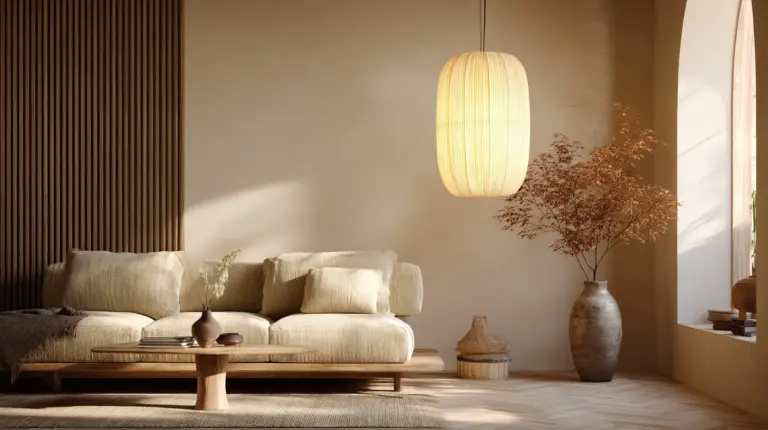
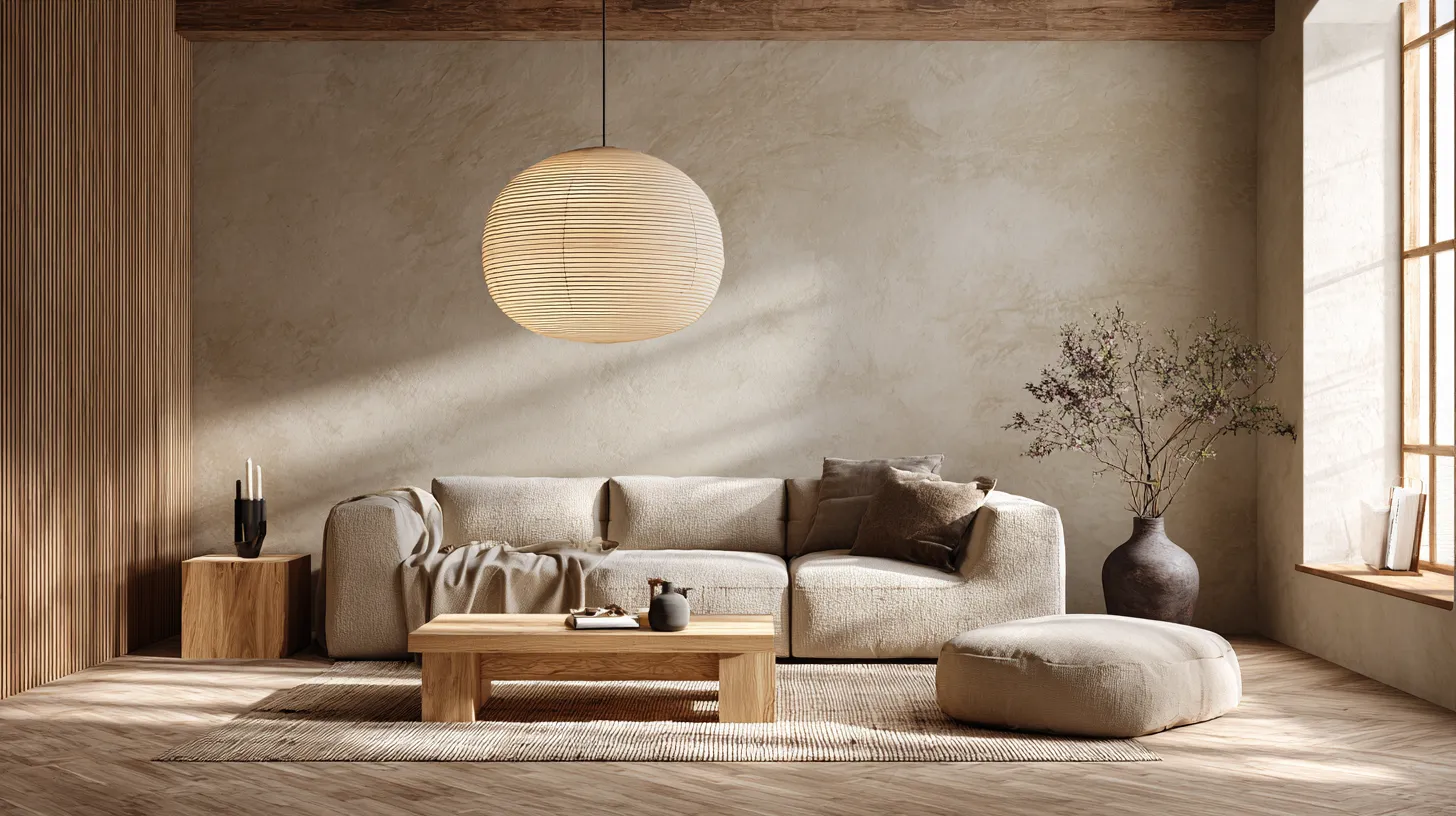
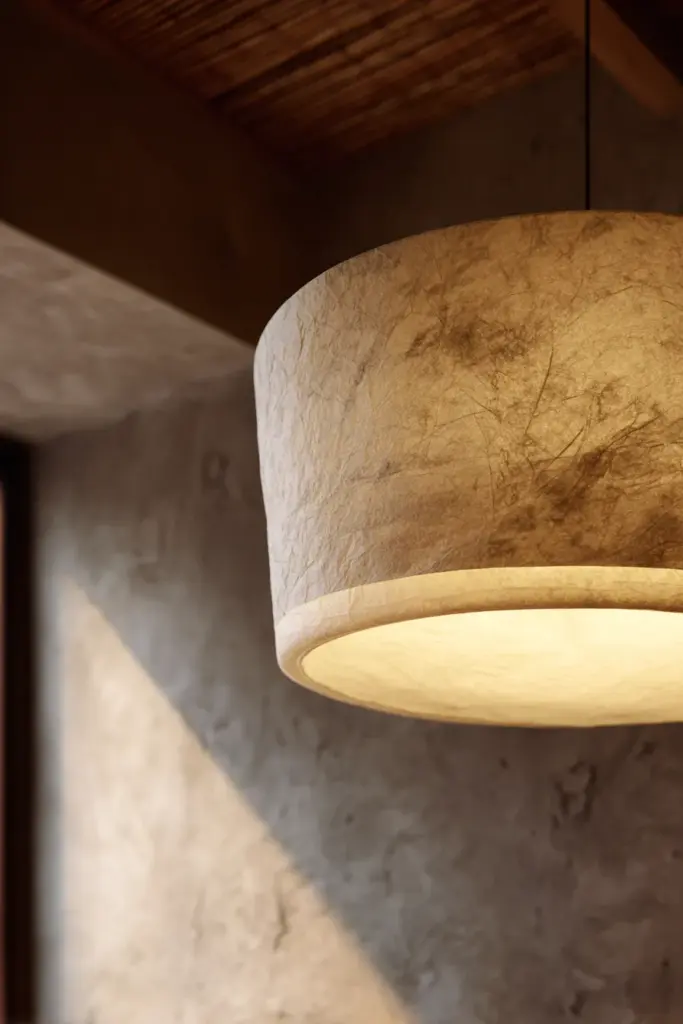
Look for fixtures that hide the bulb and soften the glow. Rice paper pendants, washi lamps, and frosted glass shades are perfect. They diffuse light into a gentle wash that feels calm and intentional.
Wall sconces that cast light upward or downward — rather than outward — add dimension without harshness. Under-cabinet LEDs or backlit shelving create ambient pools of light that feel almost architectural.
Think of light as texture. You want it to graze surfaces, not blast them.
Overusing Pendant Lights
When Minimalism Becomes Clutter
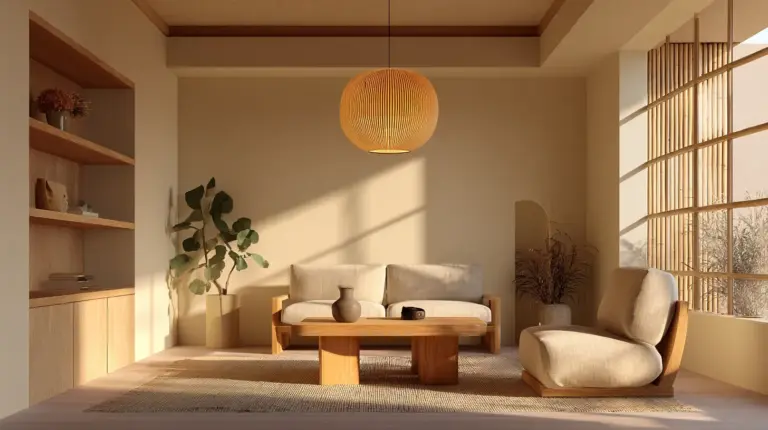
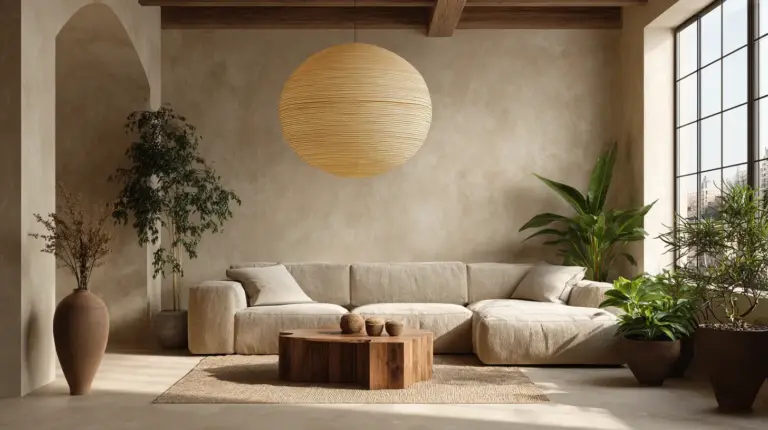
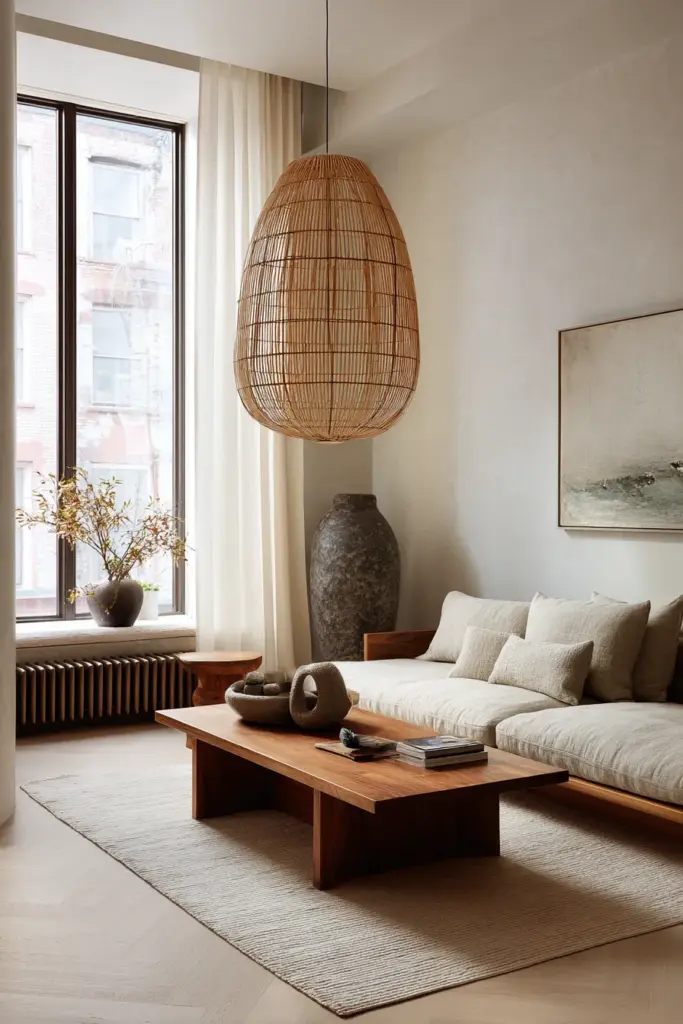
Pendant lights are gorgeous. A single statement pendant above a low coffee table can anchor a Japandi living room beautifully. But three pendants? Five? You’ve crossed into visual clutter, and clutter is the enemy of this style.
Japandi thrives on restraint. Every object should earn its place. Too many pendants create competing focal points and overwhelm the sense of calm.
The Fix: Use Pendants Sparingly as Accents
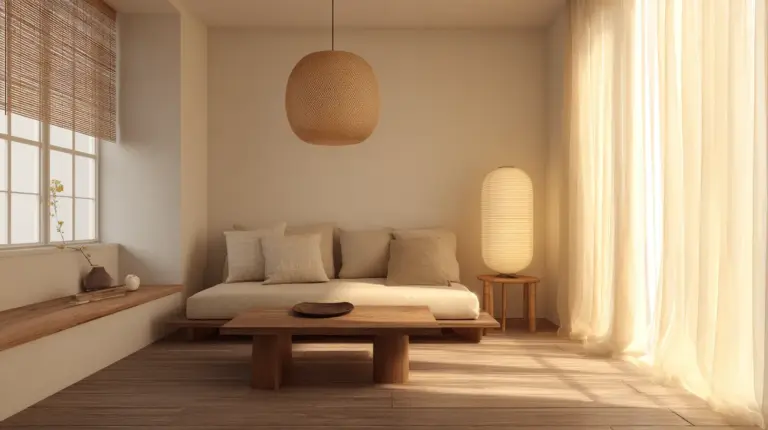
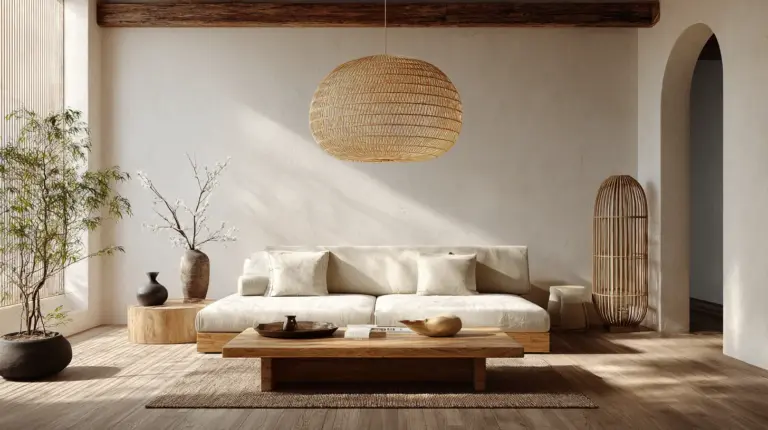
Choose one, maybe two, pendant lights for the entire living room. Let them serve as sculptural focal points — handcrafted, natural, beautiful. Bamboo shades, paper lanterns, or sleek ceramic fixtures work best.
For additional lighting, turn to floor lamps, wall sconces, or table lamps. These offer function without adding visual weight to the ceiling plane.
Neglecting Dimmers and Light Control
The Rigidity of Fixed Brightness
A light that only operates at 100% brightness is a missed opportunity. Japandi living is about adaptability — spaces that shift with your mood, the time of day, the season.
Without dimmers, you’re locked into a single atmosphere. Your living room can’t transition from energized morning coffee to soft evening reading to intimate candlelit conversation.
The Fix: Install Dimmers and Smart Controls
Dimmable switches are simple upgrades that transform your lighting flexibility. But if you want to go further, consider smart bulbs like Philips Hue in warm tones.
With app-controlled zoning, you can adjust each light source independently. Create scenes: “Morning Bright” at 80%, “Evening Calm” at 40%, “Meditation Mode” at 20%. This kind of control aligns perfectly with Japandi minimalism — fewer fixtures, more intentionality.
Using the Wrong Materials
When Fixtures Fight Your Aesthetic
Glossy chrome. Plastic shades. Industrial steel. These materials scream at Japandi design rather than harmonize with it. The wrong fixture can throw off the entire balance of your living room, no matter how perfect your sofa or rug.
Japandi design celebrates natural materials — wood, bamboo, stone, linen, ceramic, washi paper. Your lighting should echo this philosophy.
The Fix: Choose Natural, Sustainable Fixtures
Look for pendant lights made from bamboo or rattan. Floor lamps with walnut or oak bases. Ceramic table lamps with matte finishes. Paper lanterns that glow like moons.
Not only do these materials feel aligned with the aesthetic, they’re often more sustainable. Choose FSC-certified wood, LED bulbs for longevity, and fixtures from brands that prioritize eco-friendly production. This honors both Japandi’s respect for nature and modern eco-consciousness.
Forgetting About Shadow and Contrast
The Loss of Depth
Japandi design isn’t about flooding every corner with light. It’s about balance — light and shadow working together to create depth, mystery, intrigue.
When you over-light a room, you lose that contrast. Everything becomes flat and obvious. There’s no room for the eye to rest, no pockets of quietude.
The Fix: Embrace Shadows Intentionally
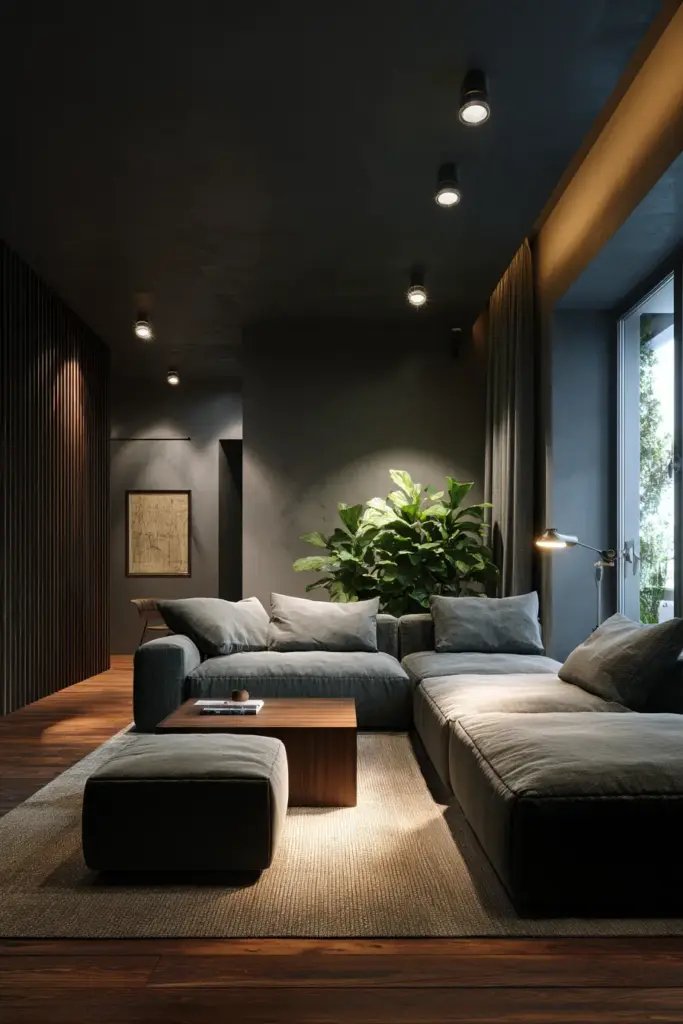
Let some corners remain softer. Use accent lighting to highlight specific areas — a reading nook, a textured wall, a piece of art — and allow other areas to fade into gentle dimness.
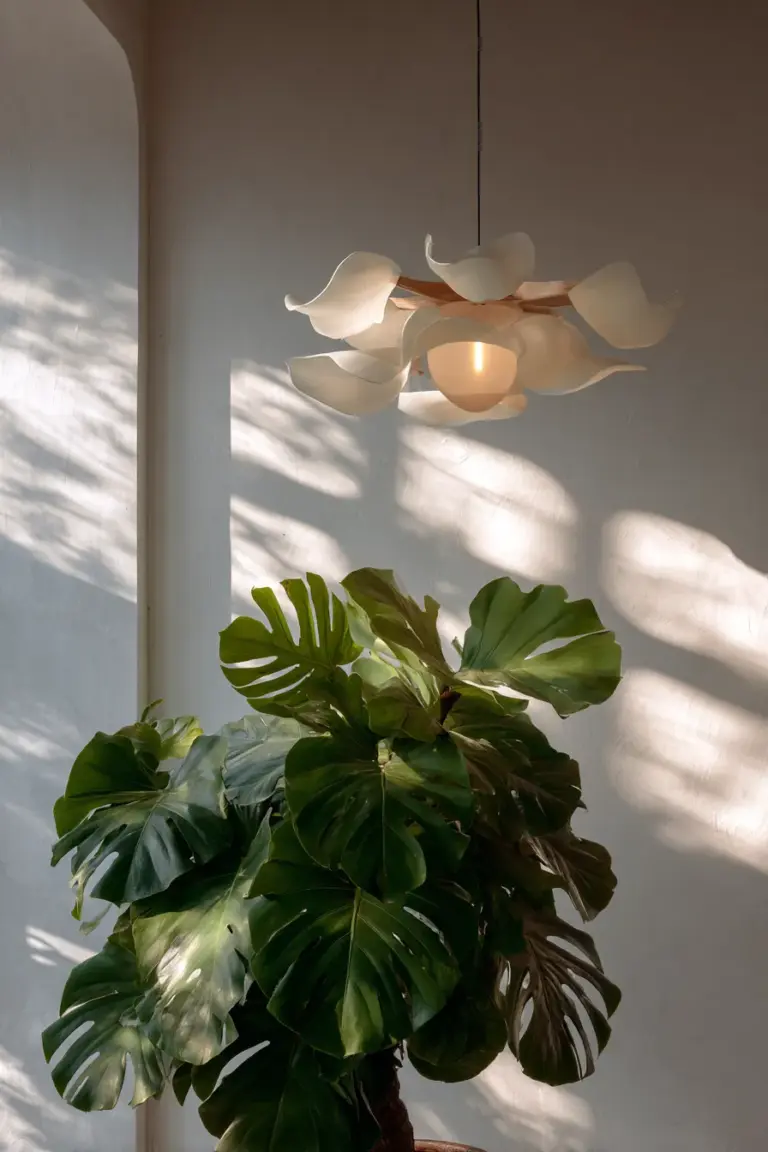
Uplighting behind a low console or plant creates dramatic shadows on the wall. A floor lamp in the corner casts a warm pool without illuminating the entire room. This interplay of light and dark is where Japandi magic happens.
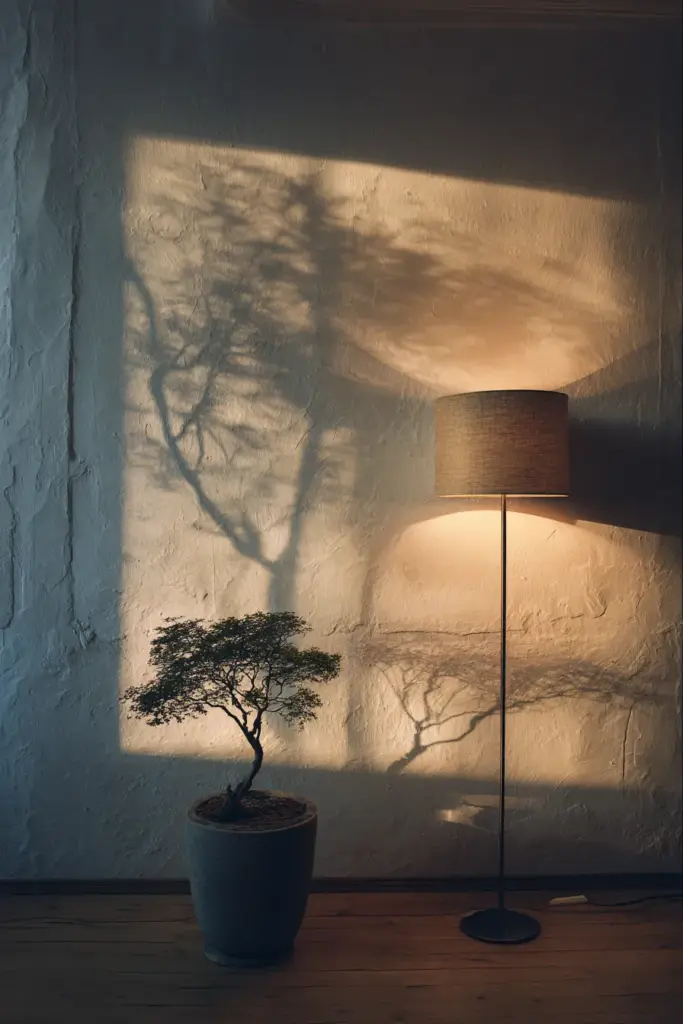
Ignoring Plant and Light Synergy
Dark Corners and Struggling Greenery
Japandi living rooms almost always include plants — fiddle leaf figs, bonsai, snake plants, monstera. But if your lighting doesn’t support them, they wilt. And a dying plant in a Japandi space is more than sad; it’s off-brand.
Many designers forget that plants need specific light to thrive, especially in apartments or rooms with limited natural light.
The Fix: Add Grow Lights Without Harsh Glare
Integrate full-spectrum LED grow lights into your design. Look for fixtures that emit warm light suitable for both human ambiance and plant health.
Small clip-on grow lights hidden behind planters or sleek floor lamps with built-in plant bulbs work beautifully. You get the benefit of lush greenery without sacrificing the soft, warm lighting your living room needs.
Budget and DIY Lighting Mistakes
Overspending or Under-Investing
Japandi doesn’t demand a luxury budget, but it does demand thoughtfulness. Cheap plastic fixtures feel out of place. But you also don’t need to spend thousands on designer pendants.
The mistake is either ignoring budget-friendly options that do work — or buying low-quality pieces that undermine your aesthetic.
The Fix: Smart DIY and Local Solutions
IKEA offers surprisingly good Japandi-friendly fixtures. The HOLMÖ paper lamp, RANARP floor lamp, and SINNERLIG pendant are all affordable and on-brand. Pair them with warm LED bulbs and you’re set.
For those in Manila or similar cities, explore local markets like Divisoria for bamboo shades and rattan fixtures. Upcycle with rice paper shades over existing pendants. DIY doesn’t mean cheap — it means intentional.
Key Takeaways: Lighting Your Japandi Living Room Right
- Choose warm-toned LEDs (2700K–3000K) to enhance natural materials and create cozy ambiance
- Layer your lighting with ambient, task, and accent sources for depth and flexibility
- Use indirect, diffused light through rice paper, frosted glass, or washi fixtures
- Limit pendant lights to one or two sculptural pieces; avoid visual clutter
- Install dimmers or smart controls for adaptable mood lighting throughout the day
- Select natural materials like bamboo, wood, linen, and ceramic for fixtures
- Honor shadow and contrast — not every corner needs to be brightly lit
- Support plants with grow lights that blend into your warm lighting scheme
- Invest wisely with budget-friendly options like IKEA hacks or local finds
Conclusion: Light as the Soul of Japandi Design
Lighting isn’t just functional. It’s the quiet heartbeat of your living room. It shapes how you feel when you wake, how you unwind at night, how guests experience your space.
In Japandi design, light is poetry. It whispers rather than shouts. It honors shadow as much as glow. It transforms wood into warmth, white walls into canvases of calm.
If your living room doesn’t feel right yet, start with the light. Switch a bulb. Add a layer. Dim the overhead and light a corner instead. You’ll be amazed at how quickly the room — and your mood — shifts.
Because at the end of the day, Japandi design is about living beautifully, simply, and intentionally. And it all begins with light.
FAQs
What color temperature is best for Japandi living room lighting?
Stick to warm white LEDs between 2700K and 3000K. This range mimics natural firelight and candlelight, enhancing the warmth of wood and natural textiles without the harshness of cool-toned bulbs.
Why should I avoid relying only on overhead lighting in Japandi design?
Overhead lighting alone creates flat, harsh shadows and lacks depth. Japandi thrives on layered lighting — combining ambient, task, and accent sources to create a balanced, serene atmosphere.
How can I fix lighting mistakes in a small Japandi apartment?
Focus on vertical layers: a dimmable overhead light, one or two floor lamps, and wall sconces. Use mirrors to reflect light and choose multi-functional fixtures. Avoid clutter by limiting pendants to one statement piece.
Are smart bulbs compatible with Japandi minimalism?
Absolutely. Smart bulbs like Philips Hue in warm tones let you control brightness and mood without adding extra fixtures. App-controlled zoning aligns perfectly with Japandi’s philosophy of simplicity and intentionality.
What materials should I avoid in Japandi lighting fixtures?
Avoid glossy chrome, industrial metals, and plastic. Instead, choose natural materials like bamboo, rattan, wood, ceramic, linen, and washi paper. These materials honor both Japanese and Scandinavian design traditions while supporting sustainability.