
Table of Contents
There’s something deeply stirring about natural stone. The way light plays across veined marble. The cool weight of it beneath your palm. The subtle grain that tells the story of millennia compressed into beauty.
Natural stone and marble accents aren’t just design choices—they’re invitations to slow down and savor the textures around us. In a world of mass-produced sameness, these materials ground our spaces in authenticity, each piece as unique as the earth that formed it.
Whether you’re drawn to the quiet drama of Carrara marble or the warm embrace of travertine, incorporating natural stone into your home is an act of honoring both craft and nature. Let’s explore how these timeless materials can transform your space into something truly extraordinary.
Why Natural Stone Remains a Timeless Choice
Natural stone speaks a language older than words. Its appeal transcends fleeting trends because it connects us to something elemental and true. While synthetic materials come and go, marble, granite, and limestone have graced human spaces for thousands of years—and they’re not going anywhere.
The enduring charm lies in imperfection. No two slabs share the same veining, the same color depth, or the same story written in stone. This inherent uniqueness means your marble countertop or stone accent wall becomes genuinely one-of-a-kind, impossible to replicate.
Durability meets beauty in ways synthetic alternatives simply cannot match. Natural stone ages gracefully, developing character rather than showing wear. A well-maintained marble surface can last generations, becoming an heirloom that carries memories forward.
The Psychology of Stone in Your Space
The presence of natural materials profoundly affects our emotional landscape. Studies in environmental psychology reveal that incorporating elements from nature—particularly stone—reduces stress and creates a sense of grounded calm.
Marble’s cool surface and smooth texture trigger sensory responses that synthetic materials cannot evoke. Running your hand across polished stone creates a moment of mindfulness, a tactile connection to the earth itself. The visual weight of stone brings substance to a room, anchoring lighter elements and creating balance.
Different stones carry different moods. Warm-toned travertine evokes Mediterranean afternoons and ancient architecture. Crisp white marble channels minimalist serenity. Dramatic veined stone like Calacatta creates visual poetry, drawing the eye and stirring conversation.
Types of Natural Stone: Understanding Your Options
Marble: The Crown Jewel
Marble stands as the most coveted natural stone for interior accents, and for good reason. Formed from crystallized limestone under intense heat and pressure, marble offers unparalleled elegance and luxury.
Carrara marble features soft gray veining on a white background—classic, sophisticated, and endlessly versatile. It’s the workhorse of marble accents, beautiful enough for statement pieces yet subtle enough for broader applications.
Calacatta marble takes drama up several notches with bold, pronounced veining in gold or gray. This is marble as art, best used strategically where it can command attention—a kitchen island, a fireplace surround, an accent wall behind your bed.
Statuario marble whispers luxury with its bright white background and distinctive veining. Historically reserved for sculpture, it brings sculptural quality to any space it inhabits.

Beyond Marble: Other Natural Stones Worth Exploring
Granite offers incredible durability paired with speckled beauty. Its resistance to heat and scratching makes it practical for high-traffic areas, while its range of colors—from midnight black to warm coral—provides design flexibility.
Travertine carries rustic warmth in its porous surface and earthy tones. The natural pitting and texture tell stories of ancient springs and mineral deposits, bringing organic character to floors, walls, and countertops.
Limestone provides understated elegance with soft, neutral tones. Its matte finish creates a calm backdrop, perfect for spaces seeking serenity over statement.
Slate introduces dramatic texture and rich, deep colors. From charcoal to burgundy, slate brings a grounding presence ideal for flooring or exterior applications that need weather resistance.
Creative Applications for Marble Accents Throughout Your Home
Kitchen Spaces: Where Function Meets Beauty
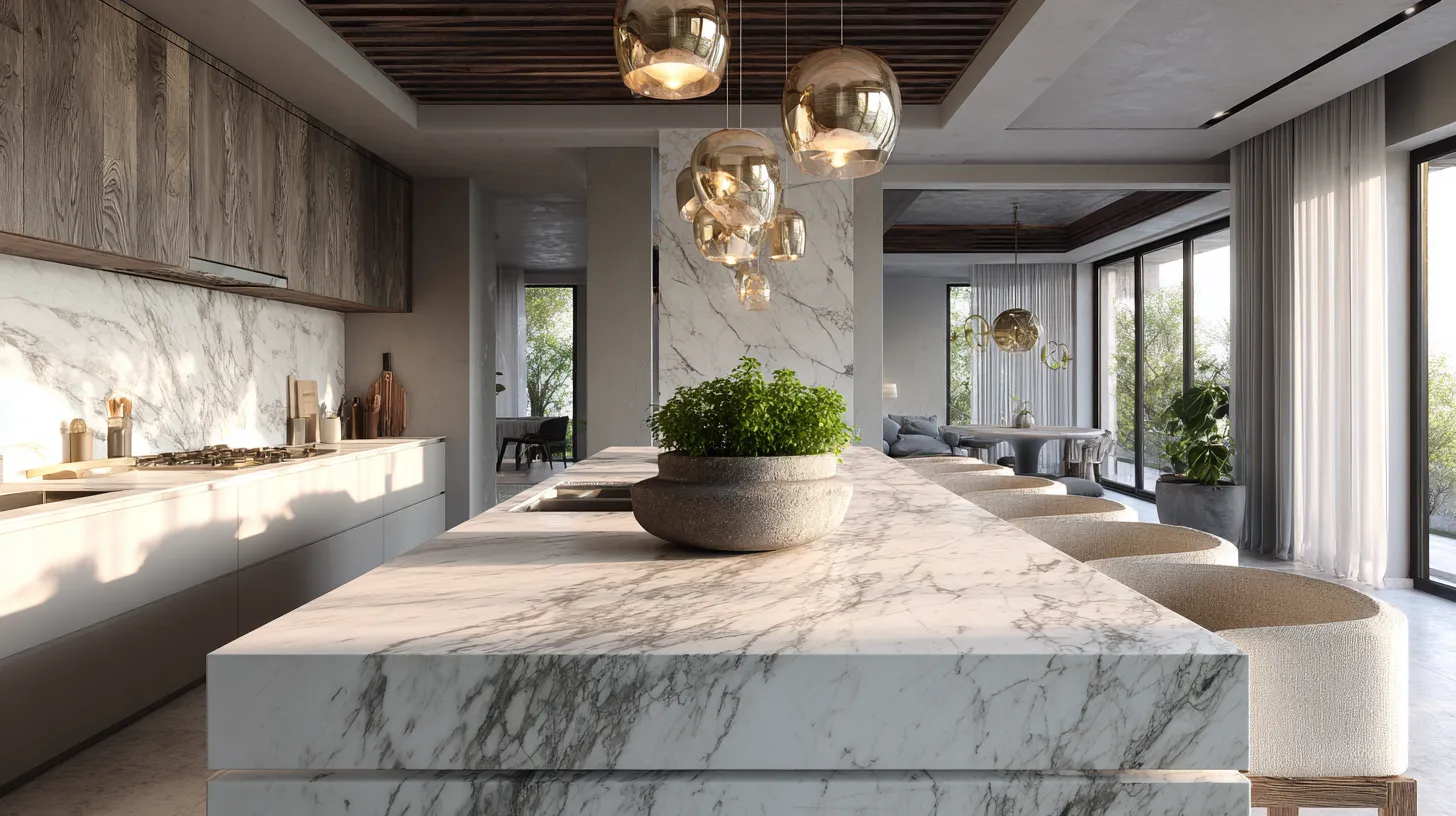
The kitchen offers countless opportunities for natural stone integration. A marble countertop becomes both workspace and work of art, though it requires mindful maintenance given marble’s sensitivity to acidic foods.
Consider a more strategic approach: marble for the island, granite for prep areas. This gives you the visual impact where guests gather while maintaining practicality where you actually cook.
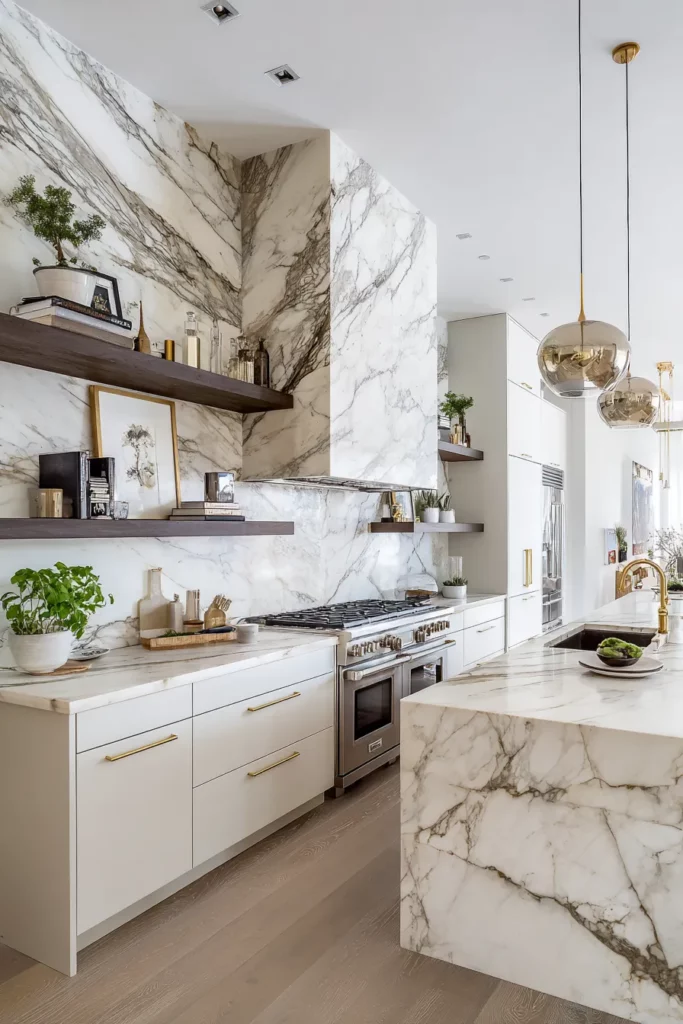
Marble backsplashes create stunning focal points, especially when the slab runs full-height with dramatic veining on display. The interplay between polished stone and pendant lighting creates depth and dimension that flat tile cannot achieve.
Don’t overlook smaller touches. A marble cutting board displayed on open shelving. Stone trivets near the stove. A marble pastry slab that lives on your counter—these accents introduce luxury in manageable, budget-friendly ways.
Bathroom Sanctuaries: Spa-Like Serenity
Bathrooms and natural stone share a natural affinity. The materials’ water-resistant qualities (when properly sealed) combine with their inherent luxury to create personal retreats.
Marble vanity tops elevate the daily ritual of getting ready. Pair with undermount sinks to showcase the stone’s full surface, letting veining flow uninterrupted.
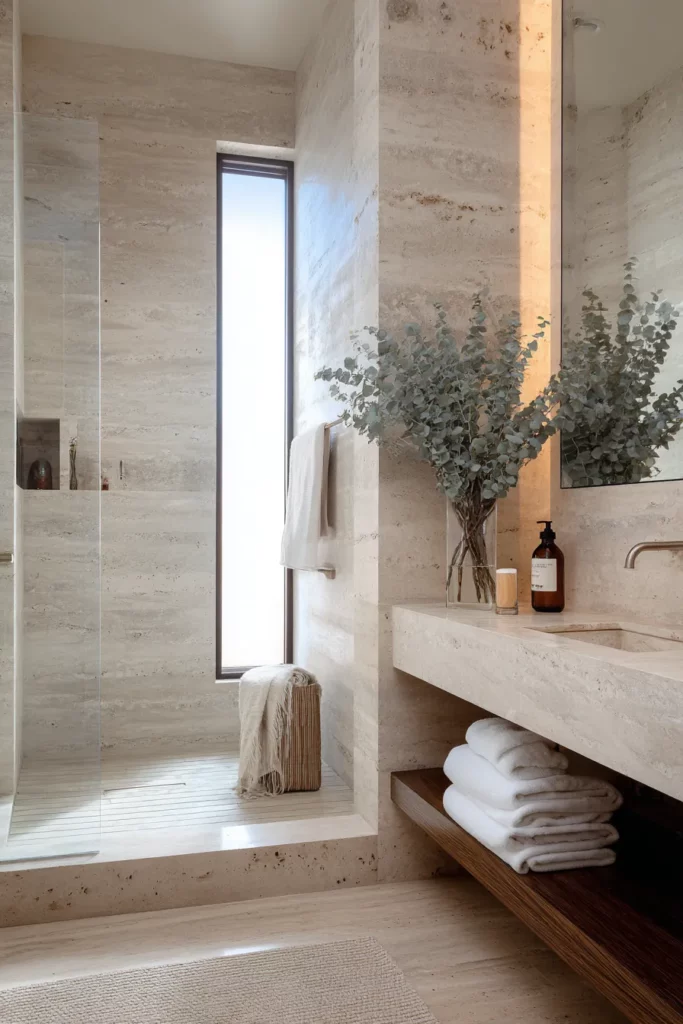
Floor-to-ceiling stone in the shower transforms bathing into ceremony. Large-format slabs minimize grout lines, creating a seamless, sculptural effect. The cool stone beneath bare feet, the steam rising around polished surfaces—this is sensory indulgence.
Consider unexpected applications: a limestone window sill for bath products, a marble tray for organizing cosmetics, travertine behind floating shelves. These subtle touches build a cohesive stone story throughout the space.
Living Areas: Statement Without Overwhelm
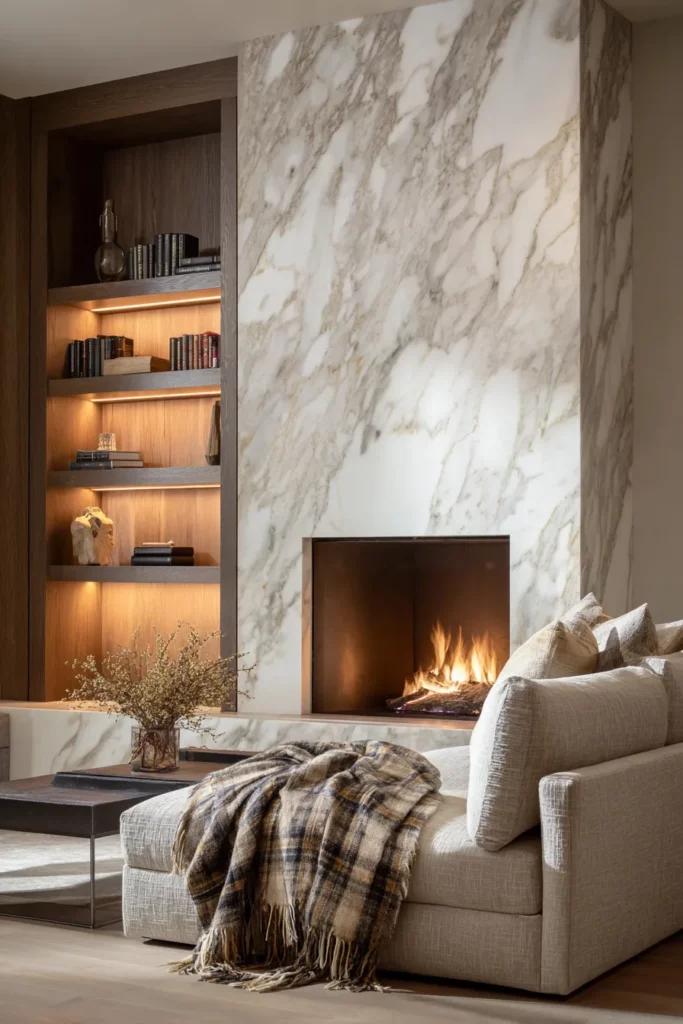
A marble fireplace surround anchors your living room with architectural gravitas. Whether you choose simple, clean-lined slabs or ornate carved details, stone brings permanence and weight that grounds the entire room.
Marble coffee tables and side tables introduce elegance without overwhelming the space. The stone’s natural coolness contrasts beautifully with soft textiles—linen sofas, wool throws, velvet pillows—creating textural dialogue.
Stone accent walls make powerful statements. Book-matched marble, where two slabs are mirrored to create symmetrical veining, produces dramatic visual impact perfect for behind a console table or as a focal wall in an entry.
Small Spaces: Maximizing Impact
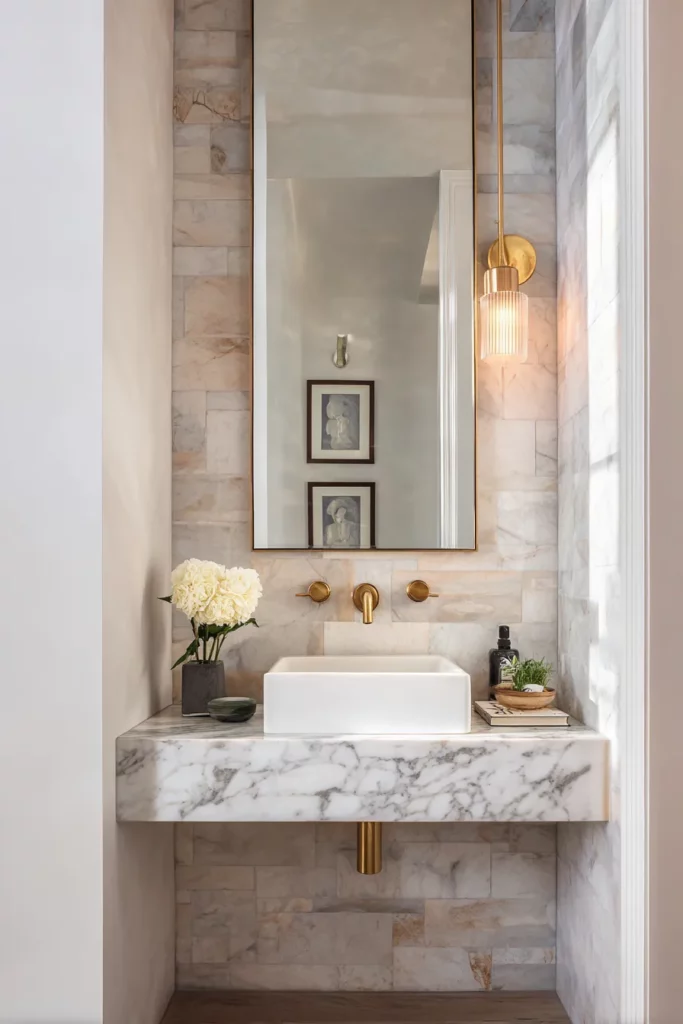
Natural stone need not overwhelm compact rooms. Strategic placement creates outsized impact. A slim marble console in a narrow entryway. Stone shelving in a powder room. A granite window sill that doubles as display space.
Light-colored stones—white Carrara, pale travertine, cream limestone—visually expand small spaces while adding luxury. Their reflective surfaces bounce light, making rooms feel airier and more open.
Vertical applications draw the eye upward, creating height perception. A floor-to-ceiling stone accent behind a floating vanity or a marble backsplash that extends to the ceiling transforms proportion.
Natural Stone vs. Synthetic Materials: An Honest Comparison
| Feature | Natural Stone | Synthetic Alternatives |
|---|---|---|
| Uniqueness | Every piece one-of-a-kind | Uniform, repeating patterns |
| Durability | Lasts generations with care | 10-20 year lifespan typically |
| Maintenance | Requires sealing, careful cleaning | Generally lower maintenance |
| Environmental Impact | Natural material, quarrying impact | Chemical manufacturing process |
| Heat Resistance | Excellent (granite, marble) | Varies, often moderate |
| Value Retention | Increases home value significantly | Minimal impact on resale |
| Initial Cost | Higher investment | More budget-friendly |
The truth is nuanced. Synthetic materials like quartz offer practical benefits—consistent appearance, lower maintenance, competitive pricing. But they lack the soul that natural stone brings.
Natural stone connects us to geological time. When you choose marble, you’re incorporating material formed over millions of years. That depth of story, that authenticity, cannot be manufactured.
For high-impact areas where guests linger—kitchen islands, entryway floors, powder room vanities—natural stone justifies its premium. For behind-the-scenes spaces, synthetics offer pragmatic solutions. There’s wisdom in mixing both.
Sustainable Sourcing: The Environmental Story
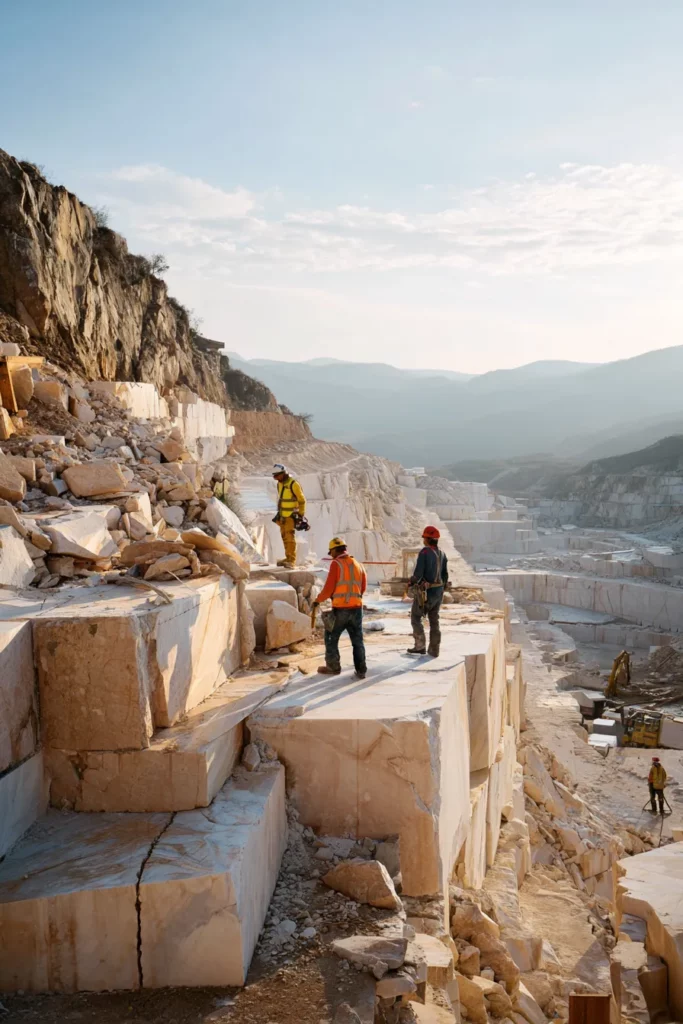
Modern natural stone sourcing looks dramatically different than it did decades ago. Leading suppliers now prioritize eco-friendly quarrying practices that minimize environmental disruption and support local communities.
Look for suppliers certified by organizations tracking sustainable practices. Questions to ask: Where was the stone quarried? What restoration efforts follow extraction? How far does the material travel?
Local stone reduces transportation emissions while supporting regional economies. Many areas have indigenous stone varieties that connect your home to its geographical context—a beautiful layer of meaning.
Natural stone’s longevity makes it inherently sustainable. Unlike materials requiring replacement every decade or two, properly maintained stone lasts lifetimes, reducing long-term resource consumption and waste.
Reclaimed stone offers another sustainable avenue. Salvaged marble from demolished buildings, antique stone architectural elements—these pieces carry history while giving new life to existing materials.
Maintenance Essentials: Protecting Your Investment
Natural stone demands respect, but maintenance need not be onerous. Understanding your stone’s specific needs ensures it remains beautiful for generations.
Sealing: Your First Line of Defense
Most natural stones require periodic sealing to protect against stains and moisture penetration. Marble and limestone need sealing annually; granite less frequently. The simple water test reveals when resealing is needed: if water beads on the surface, you’re protected. If it darkens the stone, time to reseal.
Use pH-neutral cleaners specifically formulated for natural stone. Acidic cleaners—even vinegar and lemon-based solutions—etch marble and limestone, creating dull spots that require professional restoration.
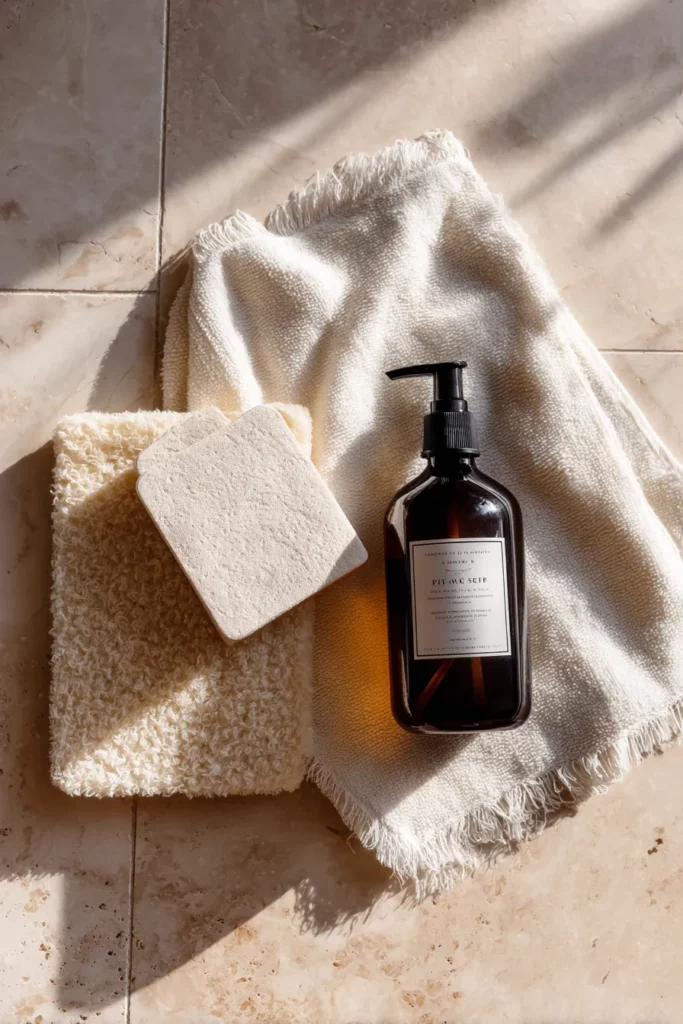
Daily Care and Cleaning
Wipe spills immediately, especially acidic liquids like wine, citrus, and tomato sauce. Use coasters under glasses. Place trivets beneath hot pots (though stone handles heat well, sudden temperature changes can cause issues).
Microfiber cloths and warm water handle most cleaning needs. For deeper cleaning, stone-safe soap solutions work beautifully. Avoid abrasive scrubbers that scratch polished surfaces.
Climate Considerations
In humid climates, ensure proper ventilation to prevent moisture buildup that can lead to staining or mold growth in porous stones. In dry climates, the natural humidity regulation stone provides becomes an asset.
Temperature fluctuations affect stone minimally, but outdoor applications in freeze-thaw climates benefit from freeze-resistant varieties like granite or dense limestone.
Integrating Stone with Smart Home Technology
The marriage of ancient material and modern technology creates fascinating possibilities. Heated stone floors combine marble or slate’s thermal mass with radiant heating systems, creating luxurious warmth underfoot.
Smart lighting design transforms stone surfaces throughout the day. Programmable LEDs can highlight stone’s veining patterns, creating different moods from morning calm to evening drama.
Consider wireless charging stations integrated into marble surfaces—technology hidden within natural beauty. Stone’s durability protects embedded tech while providing an elegant surface.
Voice-activated systems can control lighting that showcases stone features. “Alexa, highlight the marble wall” could trigger spotlights emphasizing your statement stone installation.
Market Trends: What’s Emerging in Stone Design
Minimalist applications with maximum impact dominate current design thinking. Instead of stone everywhere, designers select specific moments for natural materials to shine—a single dramatic slab, a carefully chosen accent.
Bespoke stone selection has surged. Clients visit stone yards, selecting their specific slab, choosing which section to use where. This personalization transforms material selection into an intimate design journey.
Digital fabrication technology enables unprecedented customization. Water jet cutting creates intricate inlays, patterns, and shapes impossible with traditional stone cutting. This merges artisanal material with precision engineering.
Textured finishes—leathered, honed, brushed—provide alternatives to high-polish surfaces. These finishes hide fingerprints and water spots while offering sophisticated, tactile variation.
Book-matched and quarter-matched installations create symmetrical, architectural statements. This approach, once reserved for luxury projects, becomes more accessible as technology improves stone cutting precision.
Design Quick Reference: Making Stone Work
Key Considerations for Successful Stone Integration:
- Start with your lighting plan—stone reveals its true character under proper illumination
- Mix finishes within the same stone type for depth (polished counters, honed backsplash)
- Balance cool stone with warm wood tones and soft textiles
- Consider the room’s moisture levels when selecting stone types
- Factor installation costs—stone requires skilled labor beyond material expense
- Test samples in your actual space under your lighting before committing
- Think long-term: neutral stones offer more resale appeal than highly specific colors
- Plan for proper structural support—natural stone is heavy and may require reinforcement
- Build a relationship with a reputable stone supplier who can guide selections
- Don’t forget edges—profile choices dramatically affect the overall aesthetic
The ERYLIN Approach: Stone as Storytelling
At ERYLIN, we believe natural stone isn’t decoration—it’s narration. Each piece tells a geological story, connects to human history, and becomes part of your family’s unfolding tale.
When we guide clients through stone selection, we ask: What feeling do you want to wake up to? How should this space make you feel at day’s end? Stone’s permanence demands intentionality.
We encourage touching samples, learning their textures, imagining light across their surfaces at different times of day. This tactile, thoughtful process ensures your stone choice resonates not just visually but emotionally.
The most successful stone installations feel inevitable, as if they always belonged. This requires understanding not just design principles but how you actually live—where you linger, what you touch, how light moves through your days.
Your Stone Journey Begins
Incorporating natural stone and marble accents into your home isn’t about following trends or achieving magazine-perfect rooms. It’s about surrounding yourself with materials that ground you, that age beautifully alongside you, that carry meaning beyond the surface.
Start small if the investment feels daunting. A marble tray for your entryway. A limestone plant stand. A granite trivet that becomes a daily touchpoint. Let these pieces speak to you. Notice how they make you feel.
Then, when you’re ready, expand. That kitchen island. The bathroom vanity. The statement wall you’ve been envisioning. Natural stone rewards patience and intentionality with beauty that deepens over time.
Your home deserves materials as authentic and enduring as the life you’re building within its walls. Natural stone offers exactly that—connection, beauty, and timeless grace.
Frequently Asked Questions
How can I use marble accents effectively without overwhelming my space?
Focus on strategic moments rather than broad application. A marble-topped side table, a stone tray on your coffee table, or a single accent wall creates impact without domination. Balance stone’s visual weight with lighter elements—soft textiles, warm woods, and plenty of negative space. In smaller rooms, opt for light-colored stones like white Carrara or pale travertine, which expand rather than close in space.
What’s the most important maintenance step for natural stone countertops?
Sealing is your foundation, but daily care matters more than occasional deep cleaning. Wipe spills immediately, especially acidic liquids that can etch marble and limestone. Use pH-neutral cleaners and soft cloths. The simple discipline of quick cleanup prevents most stone issues—prevention beats restoration every time.
How does natural stone compare to quartz in terms of long-term value?
Natural stone typically adds more resale value and lasts indefinitely with proper care. Quartz offers lower maintenance and consistent appearance but lacks stone’s unique character and heritage appeal. For high-visibility areas that impact home value—kitchen islands, primary bathroom vanities—natural stone provides superior return on investment despite higher initial costs.
What are the latest trends in natural stone for modern interiors?
Minimalist applications with dramatic impact dominate—think single statement slabs rather than stone throughout. Book-matched marble installations create architectural moments. Textured finishes like leathered and honed surfaces provide sophisticated alternatives to high polish. Bespoke slab selection and digital fabrication enabling custom patterns represent the cutting edge of stone design.
Can natural stone work in small spaces without making them feel cramped?
Absolutely. Light-colored stones visually expand spaces through their reflective qualities. Vertical applications—floor-to-ceiling backsplashes, tall narrow accent walls—draw eyes upward, creating height perception. Slim profiles and strategic placement (a marble console, stone shelving) add luxury without bulk. The key is balancing stone’s presence with ample breathing room and thoughtful lighting.