
Table of Contents
By ERYLIN — Home Décor & Interior Styling
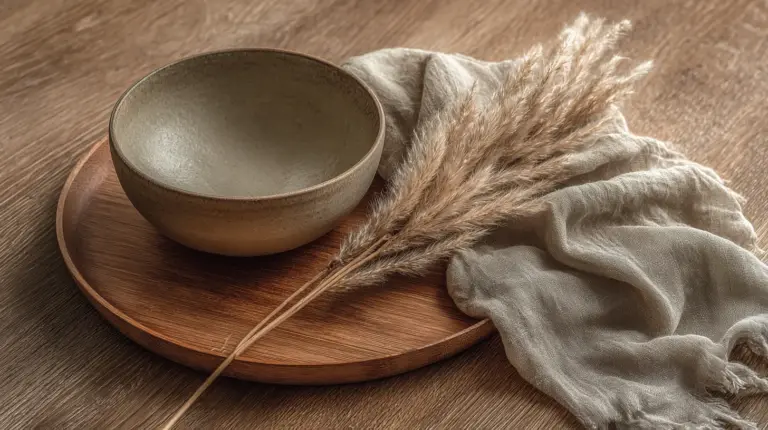
There is something quietly revolutionary about walking into a thrift store and seeing it differently. Not as a jumble of forgotten things, but as a room waiting to happen — a shelf of ceramic vases, a wooden tray worn soft at the edges, a basket that smells faintly of pine.
That is the magic of Thrift Store Japandi. It is a design philosophy built on restraint, warmth, and the beauty of imperfect, pre-loved things. It blends the Japanese art of wabi-sabi — finding beauty in imperfection — with the Scandinavian spirit of hygge, that cozy, candle-lit feeling of being exactly where you belong.
And the best part? You do not need a design budget to live beautifully. You need curiosity, a slow Saturday morning, and the willingness to see potential in a ₱250 wooden bowl.
At ERYLIN, we believe a home should feel like an exhale. This guide will walk you through everything — from what to look for in the thrift aisle, to how to style it, flip it, and make it yours.
What Is Japandi, and Why Does It Thrive in Thrift Stores?
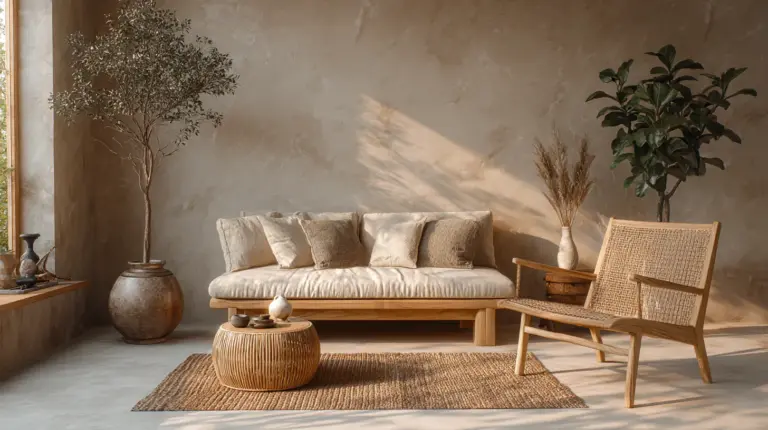
Japandi is the quiet child of two of the world’s most beloved design philosophies. On one side, Japanese minimalism: intentional spaces, natural materials, and a deep respect for negative space. On the other, Scandinavian warmth: soft textures, functional beauty, and the idea that your home should comfort you.
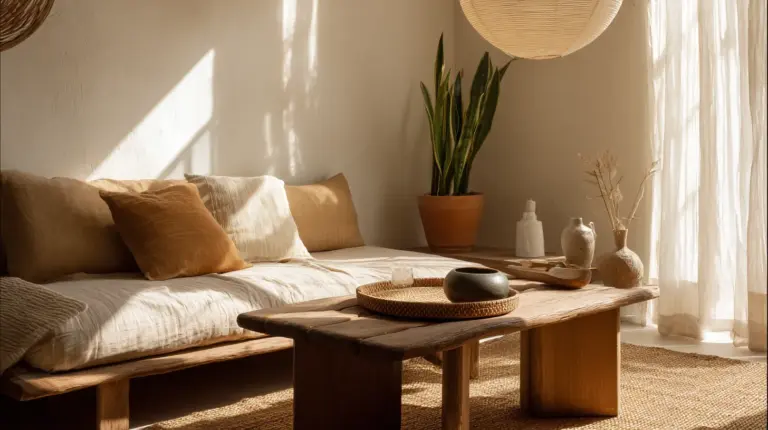
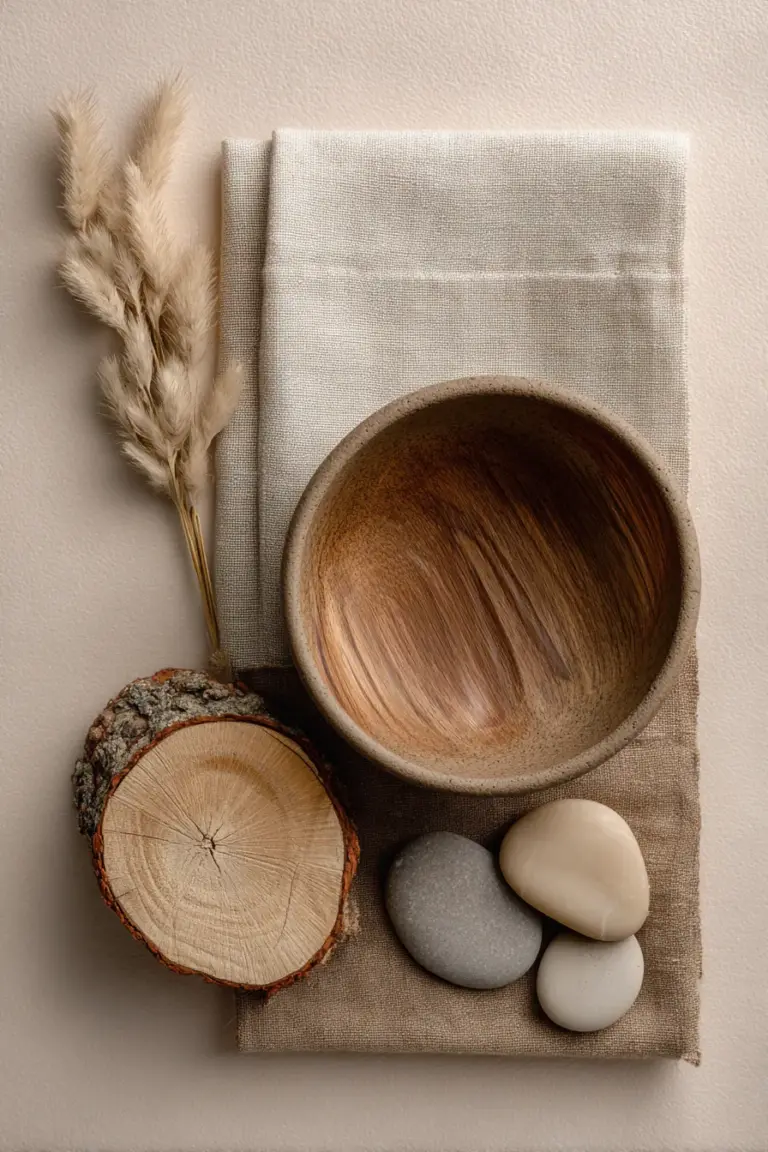
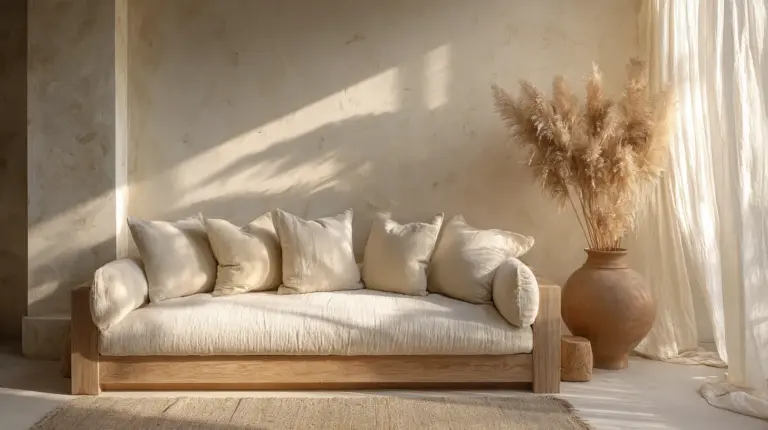
Together, Japandi becomes something effortless. Think linen curtains diffusing afternoon light. A single ceramic vase on a raw wood shelf. A woven basket tucked into a corner, holding a trailing pothos.
What makes thrift stores the perfect hunting ground for this aesthetic is precisely their nature. Used items carry texture and history. A slightly chipped bowl. A wooden tray with soft grain lines. These are not flaws — in the wabi-sabi tradition, they are what make an object beautiful.
The Japandi Thrift Palette: What Colors to Look For
Stick to the Neutral Family
Before you walk into any ukay-ukay or surplus store, anchor yourself in the Japandi color story: beige, warm grey, off-white, charcoal, taupe, and muted sage. These are your non-negotiables.
When you spot a rattan basket in deep brown, a ceramic mug in warm cream, or a linen tablecloth in dusty oat — that is your piece. The moment something feels loud or overly saturated, gently set it down and walk on.
Materials Over Patterns
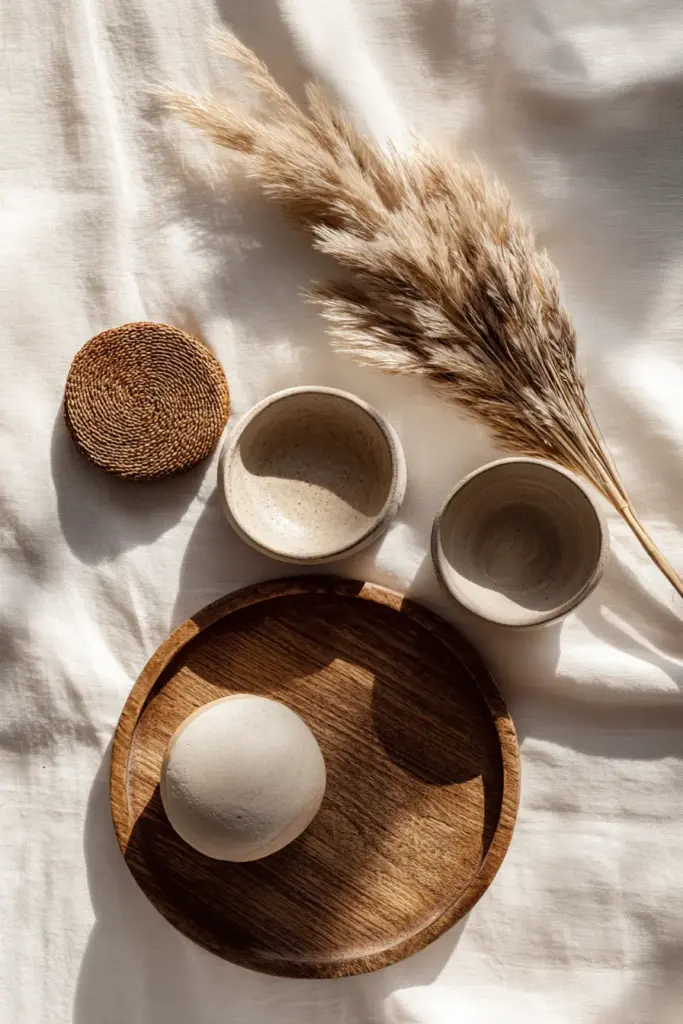
Japandi does not live in print. It lives in texture. Run your hand along a wooden surface and feel if it has warmth. Hold a ceramic piece and notice its weight. Look for:
- Bamboo and rattan — baskets, trays, small furniture
- Raw or stained wood — bowls, chopping boards, small stools
- Unglazed or matte ceramics — vases, mugs, small pots
- Natural textiles — linen, cotton, jute, wool
What to Look For: Your Thrift Store Japandi Checklist
| Item | What to Look For | Japandi Use | Typical PH Price |
|---|---|---|---|
| Ceramic vase | Matte finish, neutral tone | Bedside styling, shelf décor | ₱50–₱200 |
| Wooden tray | Unfinished or light stain | Organizing surfaces, coffee table | ₱100–₱350 |
| Woven basket | Natural material, no prints | Storage, plant holder | ₱80–₱250 |
| Linen or cotton throw | Off-white or grey | Draped on sofa or bench | ₱150–₱400 |
| Wooden stool or side table | Simple silhouette | Plant stand, bedside table | ₱200–₱800 |
| Stone or concrete bowl | Heavy, matte finish | Bathroom tray, entryway organizer | ₱50–₱200 |
| Pendant lamp shade | Woven, paper, or ceramic | Overhead lighting layer | ₱150–₱500 |
Room-by-Room Thrift Japandi Guide
Living Room
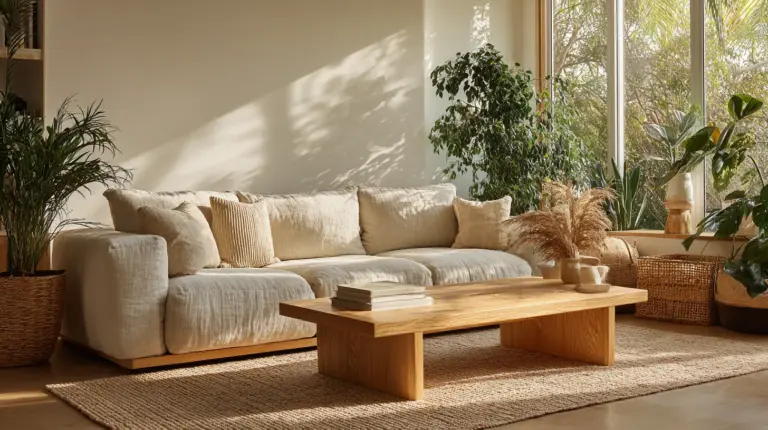
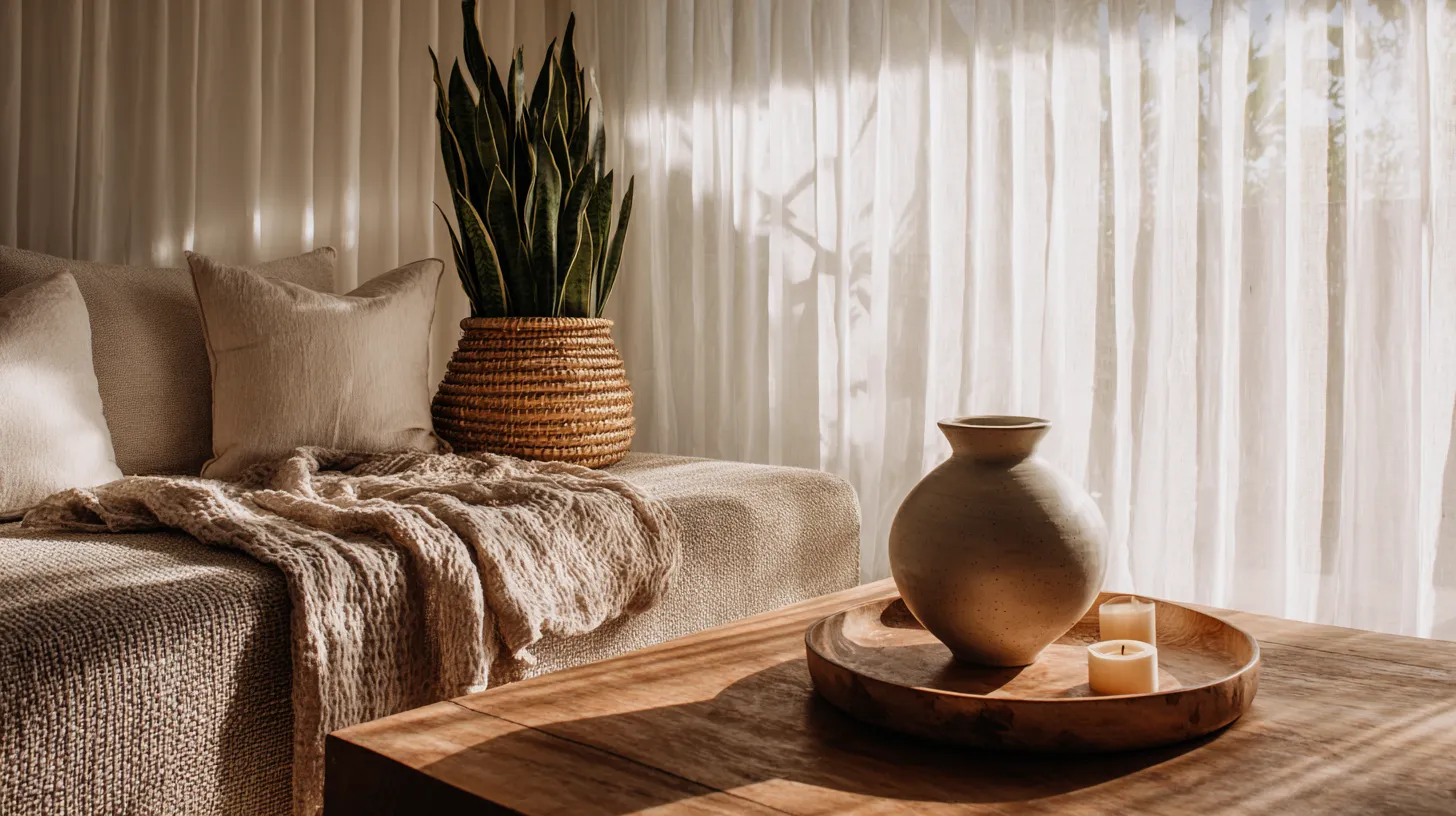
The living room is your canvas. Start with the largest surface — the sofa — and drape a neutral linen throw across one armrest. The imperfect fold is intentional. Then build from there.
Look for a low wooden coffee table or a simple crate turned upside down. Style it with three objects: a ceramic bowl, one small plant (snake plant or a trailing pothos), and a single candle in a matte holder.
For lighting, layer rather than flood. A thrifted woven pendant lamp overhead, a simple floor lamp in the corner — this creates the soft, golden glow that defines Japandi evenings. For more cozy furniture and lighting ideas, explore the full ERYLIN Japandi series.
Things to Look For in Thrift Stores for the Living Room
- Low-profile wooden shelving
- Rattan or wicker side tables
- Ceramic bookends or decorative objects
- Neutral throw pillows (remove loud pillow cases, keep the insert)
- Wooden picture frames in light or natural finishes
Bedroom
A Japandi bedroom whispers. It does not announce.
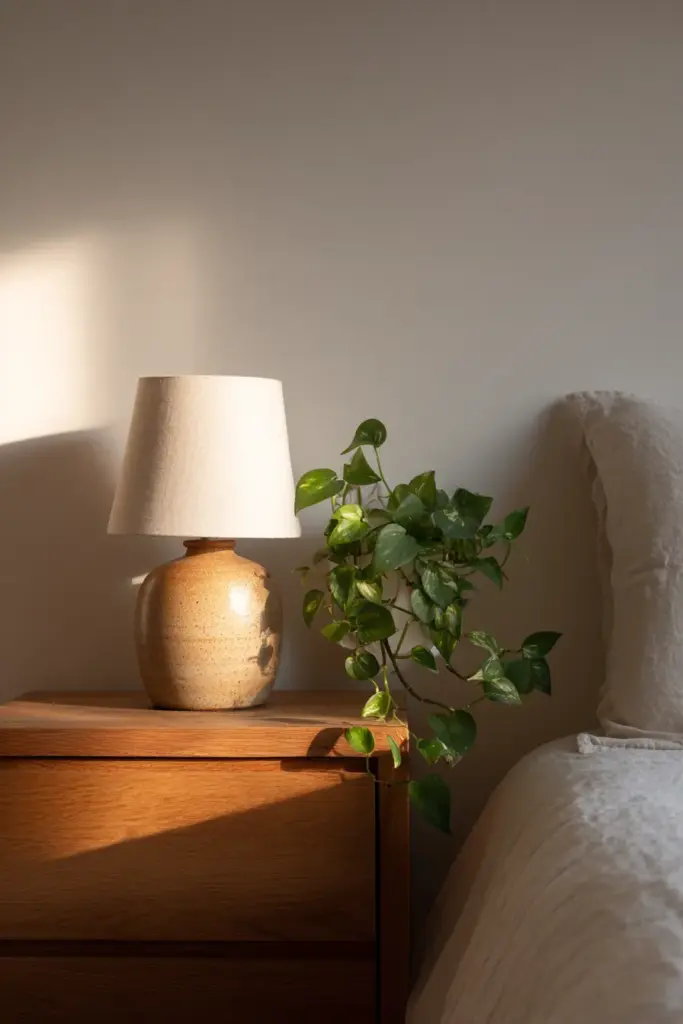
Thrift a wooden bedside table — the simpler the silhouette, the better. Style it with a ceramic lamp base (buy a replacement shade in linen), a small plant, and nothing else. Resist the urge to fill the surface.
Look for linen or cotton bedding in off-white or warm grey. If you find a duvet cover that is slightly worn, that softness is exactly right. Wabi-sabi does not fear use — it honors it.
Bedroom Thrift Finds to Look For
- Low wooden bed frame or platform base
- Simple wooden dresser with clean lines
- Ceramic or stone lamp base
- Woven wall hanging in natural fiber
- Linen or muslin curtains
Kitchen and Dining
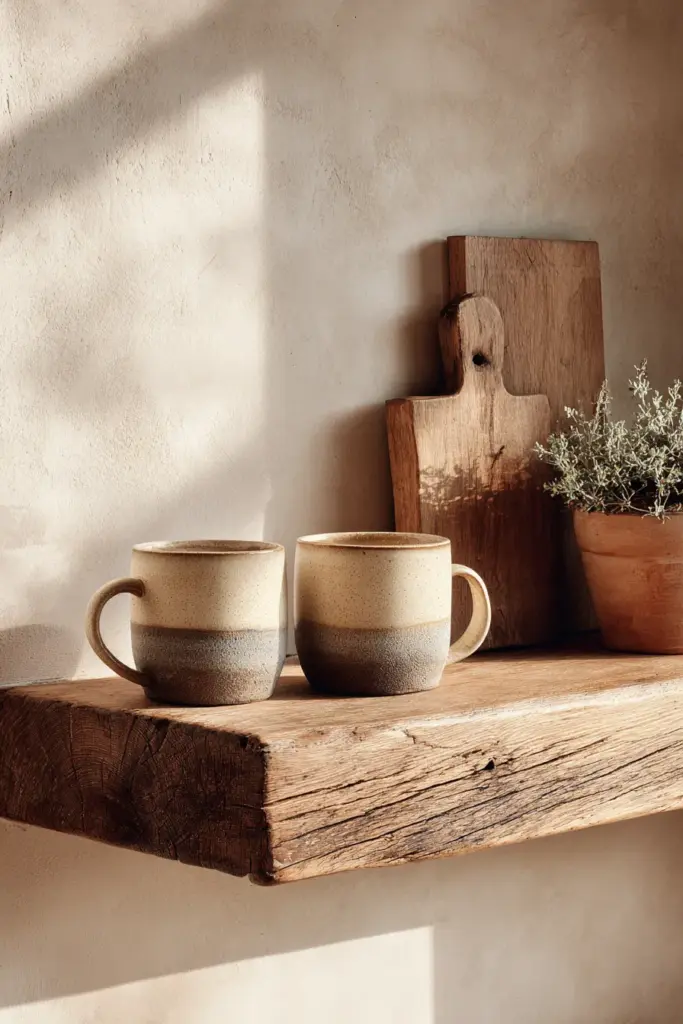
The Japandi kitchen is functional and beautiful in equal measure. Think open shelving styled with restraint: a row of matching matte ceramic mugs, a single wooden cutting board leaned against the wall, a small clay pot with herbs on the sill.
Thrift stores are goldmines for Japanese-style dishware — especially Japan surplus shops across the Philippines, which often carry ceramic bowls, lacquered trays, and porcelain tea sets at a fraction of retail price.
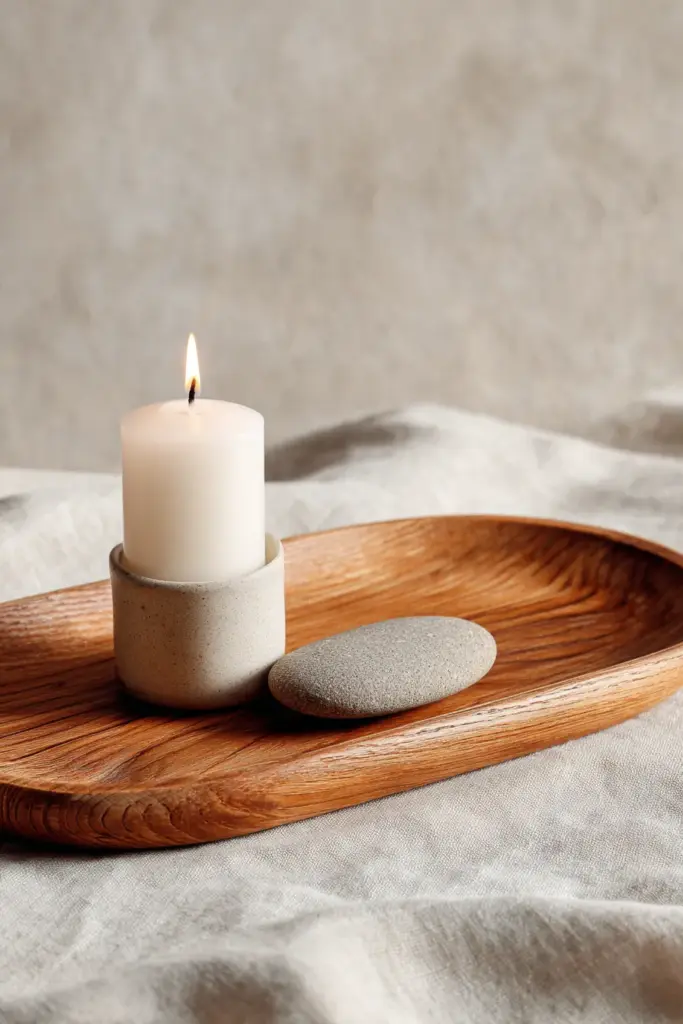
For the dining table, a wooden tray styled as a centerpiece — with a candle, a small plant, and a single stone object — does more work than a floral arrangement ever could.
Bathroom
Even the bathroom deserves intention. A small wooden stool beside the tub. A woven basket for towels. A ceramic dish holding a bar of natural soap.
Look for bamboo organizers and stone or concrete trays in the thrift aisle. These small objects transform a utilitarian space into something that feels like a slow Sunday morning.
How to Flip Thrift Finds into Japandi Pieces
The ₱500 Transformation: A Step-by-Step Approach
The best Japandi flips require very little — mostly patience, sandpaper, and a can of matte paint.
Step 1 — Sand and clean the piece. A wooden tray found for ₱250 at the ukay-ukay may have old varnish or paint. Sand it lightly with 220-grit sandpaper until the surface is smooth and open-grained.
Step 2 — Choose your finish. For a raw, natural look, apply tung oil or linseed oil and let it soak in. For a painted Japandi piece, choose flat or matte paint in warm white, sage, or charcoal. No gloss. Ever.
Step 3 — Style with restraint. Place the flipped piece in context — do not overfill it. A wooden tray styled with one candle and one ceramic object is complete.
| Before | After | Cost |
|---|---|---|
| Dark varnished wooden tray | Sanded, oiled natural wood tray | ₱250 tray + ₱80 oil = ₱330 |
| Plastic-coated basket | Stripped, rewrapped in jute | ₱150 basket + ₱60 jute = ₱210 |
| Glossy ceramic vase | Painted in matte clay-tone paint | ₱100 vase + ₱50 paint = ₱150 |
| Metal picture frame | Spray-painted matte black or white | ₱80 frame + ₱90 spray = ₱170 |
Where to Thrift Japandi in the Philippines
Ukay-Ukay and Japan Surplus Shops
For those based in Calabarzon — Silang, Tagaytay, Sta. Rosa, or Dasmariñas — the thrift landscape is rich. Local ukay-ukay stores often carry wooden furniture, woven baskets, and ceramic pieces from Japanese surplus imports.
Japan surplus shops, found in many town centers and commercial strips, are particularly aligned with the Japandi aesthetic. You will find lacquered trays, ceramic rice bowls, stoneware mugs, and bamboo accessories that feel designed for this style.
Divisoria and Quiapo
For rattan and natural material finds in volume, Divisoria in Manila remains unmatched. Whole baskets, woven trays, bamboo shelving, and rattan furniture pieces arrive here regularly and at remarkable prices.
Quiapo’s fabric row is your source for linen and cotton yardage — perfect for making your own curtains, pillow covers, or table runners in natural, undyed tones.
Online: Carousell and Facebook Marketplace
For furniture flips and larger pieces, Carousell Philippines and Facebook Marketplace are active with second-hand wooden shelving, benches, stools, and bed frames at negotiable prices. Search “wooden furniture second hand,” “vintage shelf,” or “Japan surplus furniture” for the best results.
Biophilic Japandi: Plants as Living Décor
No Japandi space feels complete without green. Plants are not accessories in this aesthetic — they are essential to the philosophy of bringing nature indoors.
For Philippine homes, especially in the humid warmth of Calabarzon, the following thrive beautifully and suit the Japandi palette:
- Snake plant (Sansevieria) — architectural, low-maintenance, perfect for corners
- Pothos (Money plant) — trailing, forgiving, and deeply lush on open shelves
- Peace lily — soft white blooms against dark glossy leaves
- Bamboo palm — for larger, more open living spaces
- String of pearls — cascading from a thrifted ceramic pot on a high shelf
Propagate your own plants to keep costs near zero. A single snake plant from a friend’s garden, placed in a thrifted stoneware pot with pebble drainage, is as Japandi as it gets.
Sustainability and the Japandi Philosophy
Choosing second-hand is not just budget-friendly — it is a quiet act of environmental care. Every thrifted piece diverts an object from a landfill and extends its life in your home.
Studies from the Ellen MacArthur Foundation estimate that extending the life of clothing and household items by just nine months reduces its environmental footprint by 20–30%. Imagine what an entire thrifted room does.
In the Japandi tradition, consumption is intentional. You do not buy more — you buy better, and you buy less. The thrift store becomes not a last resort but a first stop.
Japandi Thrift: Key Takeaways
- Start with a neutral palette — beige, warm grey, off-white, charcoal
- Prioritize natural materials — wood, rattan, bamboo, linen, ceramic
- Look for simple silhouettes — no ornate carvings, loud patterns, or glossy finishes
- Flip with minimal intervention — sand, oil, or matte-paint your finds
- Style with restraint — three objects on a surface, not seven
- Layer your lighting — pendant + floor lamp + candle for warmth
- Add one plant per room — snake plant, pothos, or peace lily
- Shop local — ukay-ukay, Japan surplus, Divisoria for rattan
- Go slow — a Japandi home is built over months, not weekends
A Soft Closing: The Room That Knows You
The most beautiful Japandi homes are not styled — they are settled into. The wooden tray on your coffee table was ₱250 on a slow Saturday. The linen throw came from a basket of forgotten things. The ceramic vase holds a single dried stem that you found on a walk.
None of it is perfect. All of it is yours.
That is what ERYLIN believes design should feel like — not a showroom moment, but a Sunday morning. Something warm, something quiet, something that feels like home the moment you walk through the door.
Take your time. Thrift slowly. Style gently. And let your home grow with you.
Frequently Asked Questions
What thrift store items make the best Japandi décor?
The best thrift finds for Japandi are ceramic vases in matte or unglazed finishes, wooden trays and bowls, rattan and woven baskets, linen or cotton textiles in neutral tones, and simple wooden stools or side tables. Look for natural materials, simple silhouettes, and a neutral color palette. In Philippine thrift stores, Japan surplus shops are particularly rich in ceramics and lacquerware that translate beautifully into the Japandi aesthetic.
Where can I find Japandi thrift stores in the Philippines?
Ukay-ukay stores across Calabarzon — particularly in Silang, Dasmariñas, and Sta. Rosa — often carry wooden and woven pieces suited to Japandi styling. Japan surplus shops in Laguna and Cavite stock ceramics, lacquered trays, and bamboo accessories. For rattan and natural materials in volume, Divisoria in Manila is unmatched. Online, Carousell Philippines and Facebook Marketplace are excellent for second-hand furniture.
How do I style thrift finds in a Japandi living room?
Start with a neutral base — a linen throw on your sofa, a natural fiber rug. Add a low wooden coffee table and style it with three items: one ceramic object, one small plant, and one candle. Layer your lighting with a woven pendant lamp and a corner floor lamp. Keep surfaces intentionally sparse — negative space is not emptiness in Japandi; it is breathing room.
Can I thrift Japandi furniture on a budget in the Philippines?
Absolutely. Look for wooden stools, low shelving, rattan chairs, and platform-style bed frames in ukay-ukay and surplus stores. A plain wooden piece bought for ₱300–₱800 can be sanded and oiled into a beautiful Japandi accent piece. Facebook Marketplace regularly lists second-hand wooden furniture at negotiable prices. The key is choosing simple forms over ornate ones — the less decorative the silhouette, the more Japandi it becomes.
What are the best Japanese thrift stores for Japandi pieces online?
For online sourcing, Japan’s 2nd Street (available through proxy services) and Mercari Japan carry an enormous range of ceramic tableware, wooden trays, lacquered pieces, and textile items that align perfectly with Japandi design. Locally, Carousell Philippines and Lazada’s pre-loved sections are growing in quality. Search for u0022stoneware,u0022 u0022wooden tray,u0022 u0022Japan surplus ceramics,u0022 or u0022natural fiber basketu0022 to filter for the right finds.