
Table of Contents
There’s something deeply calming about the glow of a paper lantern. It doesn’t demand attention—it whispers. The light filters softly through washi paper, casting gentle shadows that seem to breathe with the room.
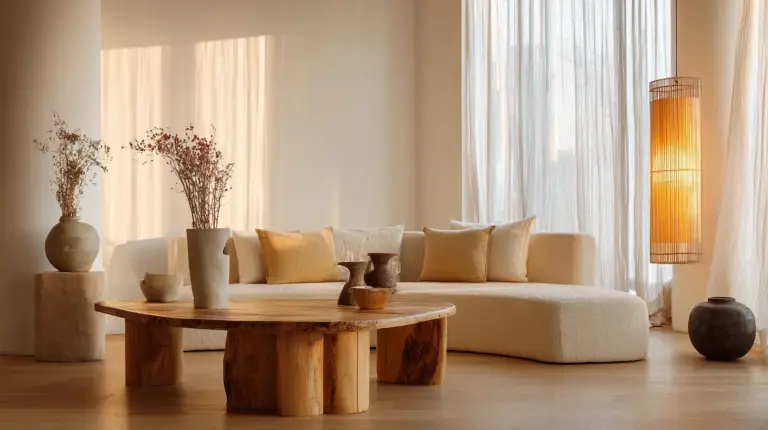
In Japandi living rooms, where minimalism meets warmth, paper lanterns are more than fixtures. They’re sculptural elements that honor both Japanese wabi-sabi and Scandinavian hygge. They bring softness to clean lines, texture to neutral palettes, and a handcrafted soul to modern spaces.
Whether you’re drawn to the organic glow of a floor lamp or the floating magic of clustered pendants, these lanterns transform light into an experience. Let’s explore how to choose, place, and care for paper lanterns that elevate your living room into a sanctuary of quiet beauty.
Why Paper Lanterns Belong in Japandi Living Rooms
Japandi design thrives on balance—the marriage of Japanese simplicity and Scandinavian functionality. Paper lanterns embody this philosophy perfectly. Their natural materials echo the wood, linen, and stone that define Japandi interiors, while their diffused light creates the warm ambiance both cultures cherish.
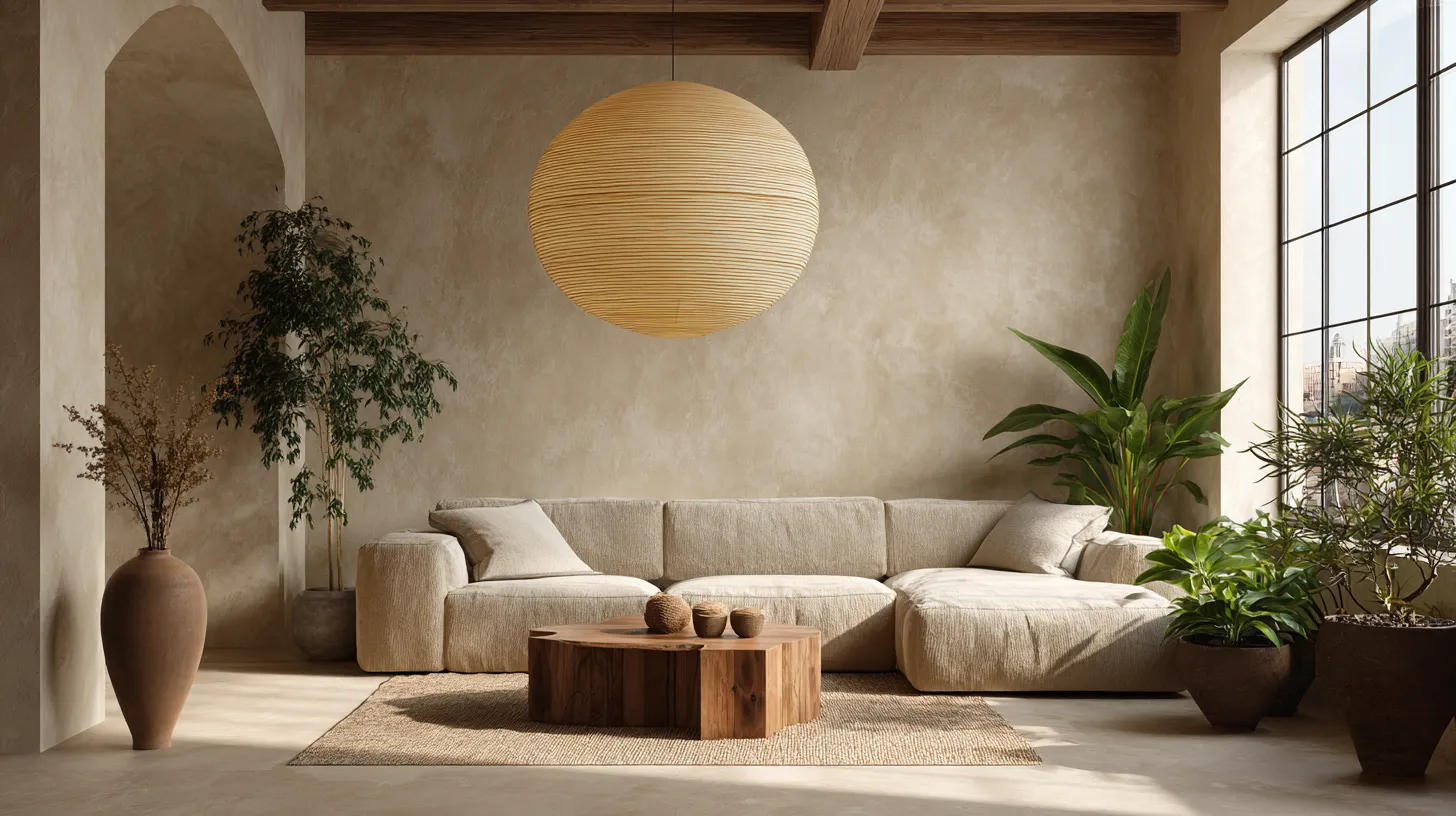
Unlike harsh overhead lighting, paper lanterns offer layered illumination. They fill corners with a serene glow, highlight textured walls, and create visual interest without clutter. The organic shapes—spheres, cylinders, cocoons—add sculptural dimension while maintaining the clean aesthetic Japandi demands.
These lanterns also carry cultural depth. Traditional Japanese akari (light) designs by artisans like Isamu Noguchi celebrate the beauty of imperfection. Scandinavian sensibility adds practicality: energy-efficient bulbs, adjustable heights, and durable construction that honors both form and function.
Choosing the Right Paper Lanterns for Your Space
Understanding Washi Paper and Natural Materials
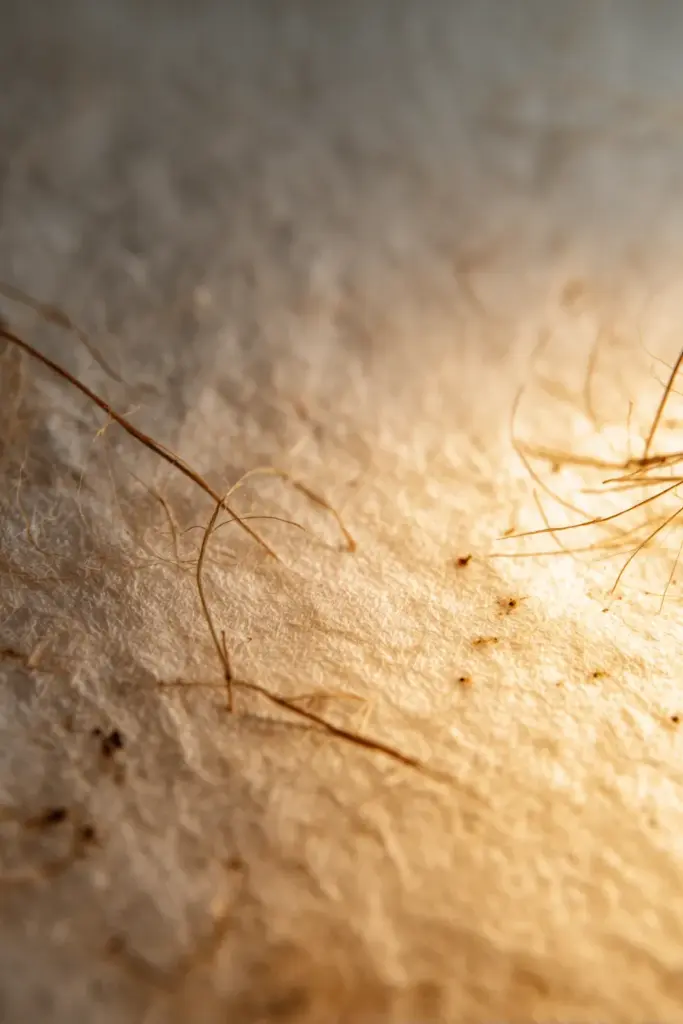
The magic begins with the material. Authentic washi paper—made from mulberry, bamboo, or rice fibers—creates a luminous quality that synthetic alternatives can’t match. Light passes through these fibers with an almost ethereal softness, warming the air itself.
Look for lanterns with bamboo or wood frames. These natural accents ground the design in Japandi’s earthy palette. The bamboo’s organic lines create beautiful shadow play when lit, adding depth and movement to static spaces.
Quality matters here. Well-crafted washi lanterns develop character over time—a gentle patina that speaks to the wabi-sabi appreciation of natural aging. Avoid plastic-coated papers that trap heat and lose their breathable quality.
Size and Scale Guide for Different Room Dimensions
Proportion transforms good design into harmonious design. A 10×12 foot living room finds balance with 12-18 inch diameter lanterns. Larger spaces—15×20 feet—can embrace statement pieces ranging from 24-36 inches without overwhelming the minimalist aesthetic.
Consider your ceiling height too. Standard 8-9 foot ceilings pair beautifully with medium pendants hung 7-8 feet above the floor. Higher ceilings invite dramatic floor lamps reaching 5-6 feet, anchoring empty corners with sculptural presence.
For clustered arrangements, vary sizes asymmetrically. Mix a 16-inch sphere with 10-inch and 14-inch companions at staggered heights. This creates visual rhythm while maintaining the organic irregularity that Japandi celebrates.
| Room Size | Recommended Lantern Diameter | Ideal Hanging Height | Best Placement |
|---|---|---|---|
| 10×12 ft | 12-18 inches | 7-8 ft above floor | Over side tables, reading nooks |
| 12×15 ft | 18-24 inches | 7.5-8.5 ft above floor | Centered over seating area |
| 15×20 ft | 24-36 inches | 8-9 ft above floor | Statement pieces, corner floor lamps |
Light Temperature and Bulb Selection
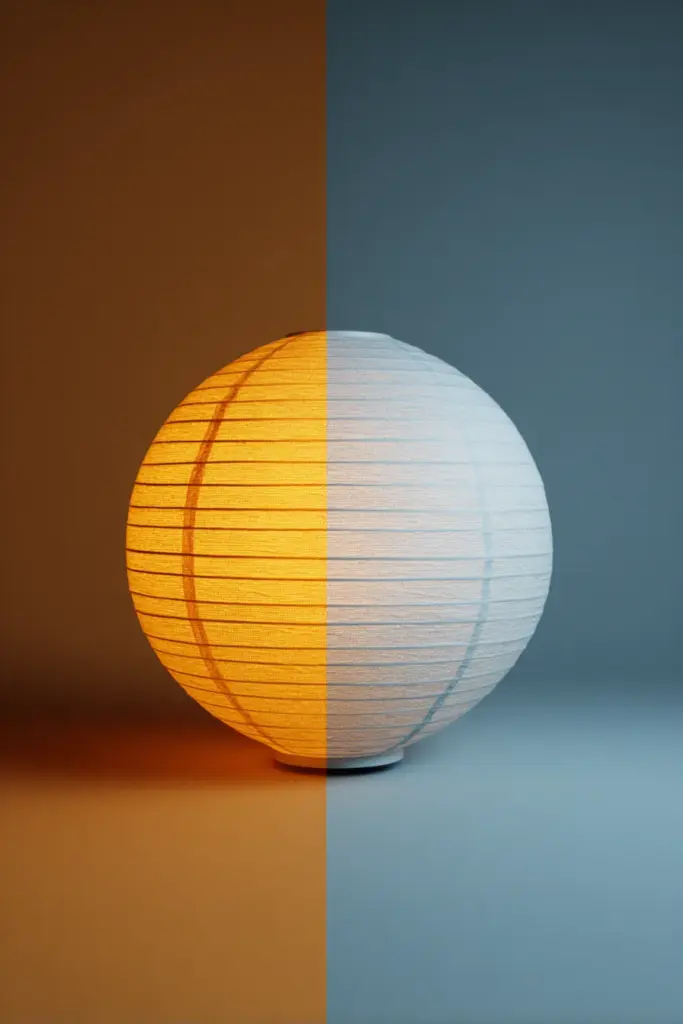
Warmth is everything in Japandi lighting. Choose LED bulbs at 2700K—a warm white that mimics candlelight without the yellow cast. This temperature enhances natural wood tones and creates the cozy glow that invites you to sink into linen cushions.
Never exceed 40W equivalent LEDs in paper lanterns. Higher wattages generate excessive heat that degrades washi paper and poses fire risks. Modern LEDs give you plenty of brightness at lower wattages—typically 6-8W provides 600-800 lumens, perfect for ambient lighting.
Smart bulbs open new possibilities. Philips Hue or similar systems let you adjust intensity throughout the day, supporting your circadian rhythms. Dim them to 30% for evening relaxation, brighten to 80% for morning energy—all while protecting the delicate paper housing.
How to Hang and Arrange Paper Lanterns
Single Statement Pieces vs. Clustered Arrangements
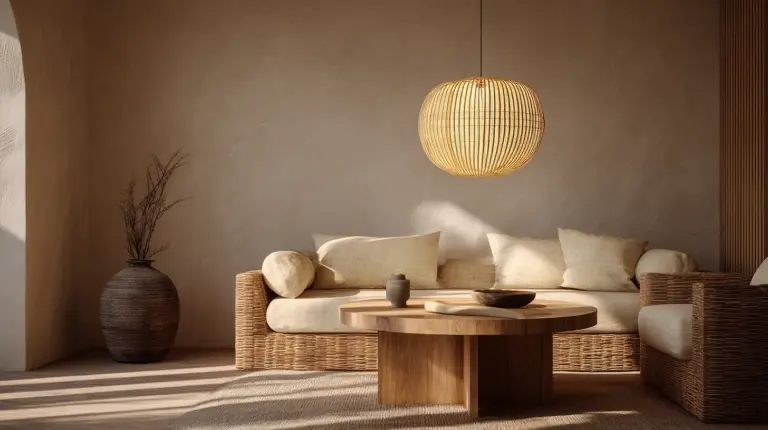
A solitary paper lantern commands attention through simplicity. Place a large orb above your sofa or in a reading corner where its shadow patterns become art. The singular focus aligns with Japandi’s “less is more” philosophy while providing functional task lighting.
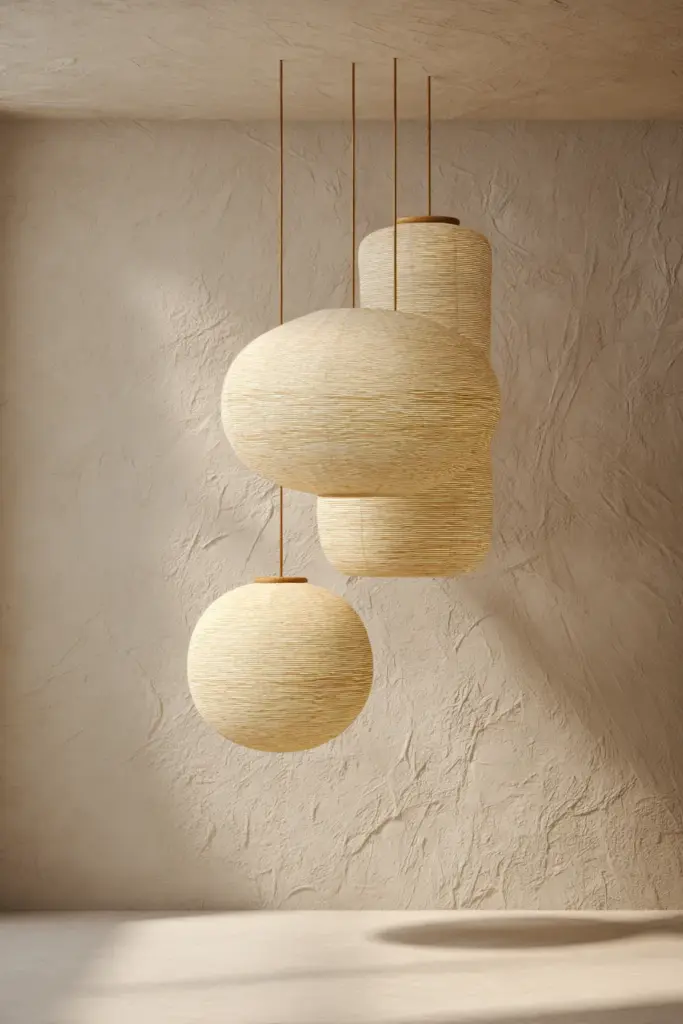
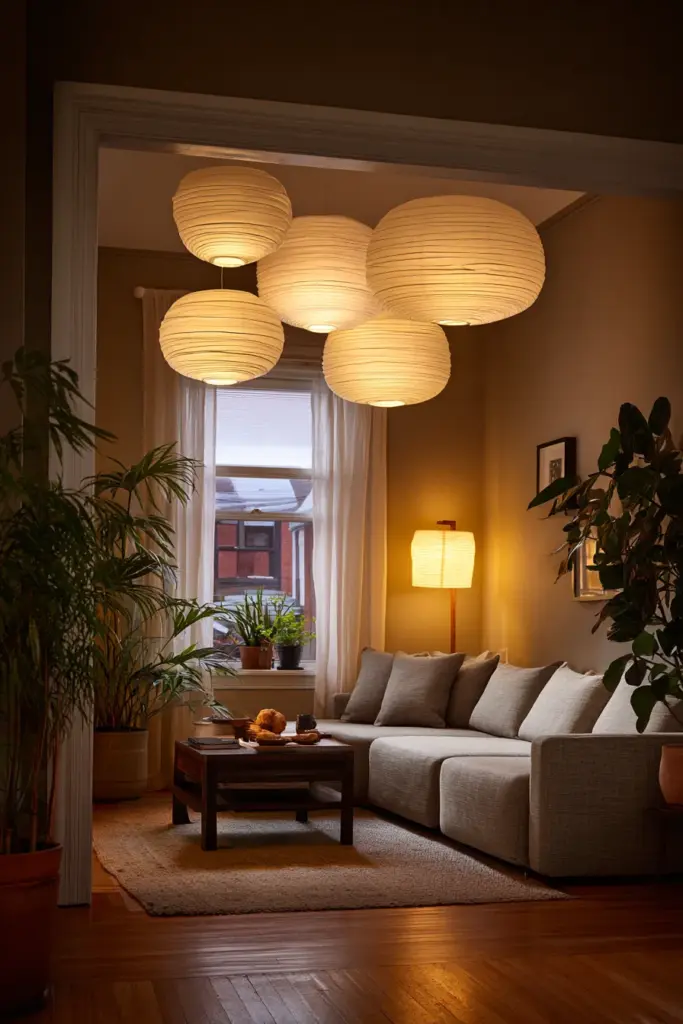
Clusters tell a different story—one of organic abundance. Group three to five lanterns at varying heights near windows or above dining extensions in open-concept spaces. This layered approach creates dimension without visual chaos, especially when you choose complementary shapes like spheres paired with elongated cylinders.
Asymmetry guides your arrangement. Avoid perfectly centered or evenly spaced clusters. Instead, offset them slightly, mimicking how branches grow in nature—balanced yet unpredictable, harmonious yet free.
Feng Shui and Intentional Placement
Eastern wisdom adds another layer to your lighting design. In feng shui, paper lanterns activate positive chi when placed in specific zones. The southeast corner governs abundance—illuminate it softly to invite prosperity. Northern walls benefit from gentle light to support career energy.
Avoid hanging lanterns directly over seating where they might create oppressive energy. Instead, position them slightly forward or to the side, allowing light to fall gracefully onto faces without looming overhead. This subtle shift changes how a room feels—open rather than crowded, elevated rather than pressed.
Consider sightlines from doorways. Your lantern should be the first vertical element noticed, drawing eyes upward and making ceilings feel higher. This technique particularly benefits smaller living rooms where every spatial trick matters.
Renter-Friendly Installation Methods
You don’t need ceiling hooks to create magic. Command strips rated for 5 pounds support lightweight paper lanterns beautifully. Apply them to ceiling corners or high wall sections, running cord along edges with adhesive clips that remove cleanly.
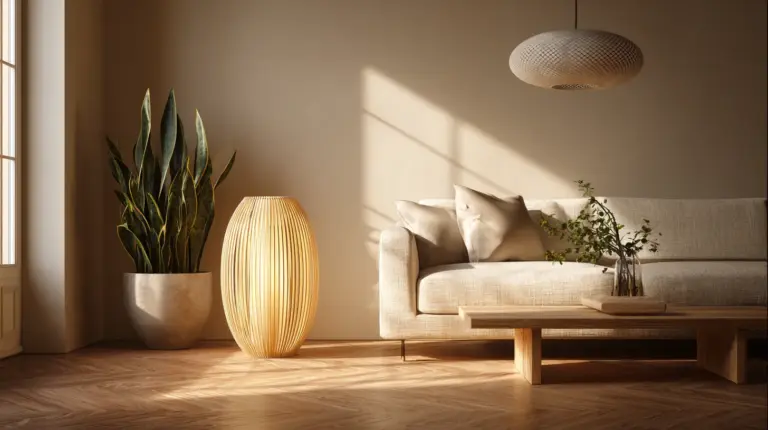
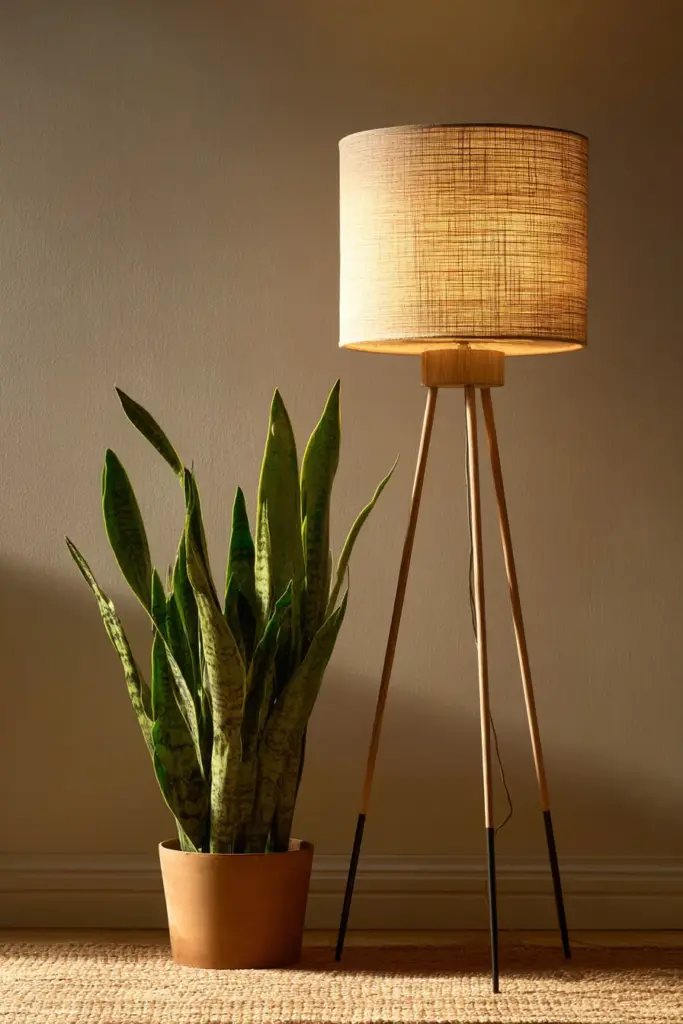
Floor lamps offer instant impact with zero installation. Look for tripod bases in natural oak or walnut that echo your Japandi furniture. The verticality adds drama while remaining completely movable—perfect for renters or anyone who loves rearranging.
For true pendant lanterns, tension rods between walls create surprising support in narrow spaces. Install them near doorways or between built-ins, hanging lanterns at staggered heights for a custom installation that leaves walls untouched.
Styling Paper Lanterns in Your Japandi Living Room
Pairing with Natural Textures and Biophilic Elements
Paper lanterns glow brightest when surrounded by life. Position them near indoor plants like snake plants, pothos, or fiddle leaf figs. The light filters through leaves, creating dancing shadows that bring static spaces alive.
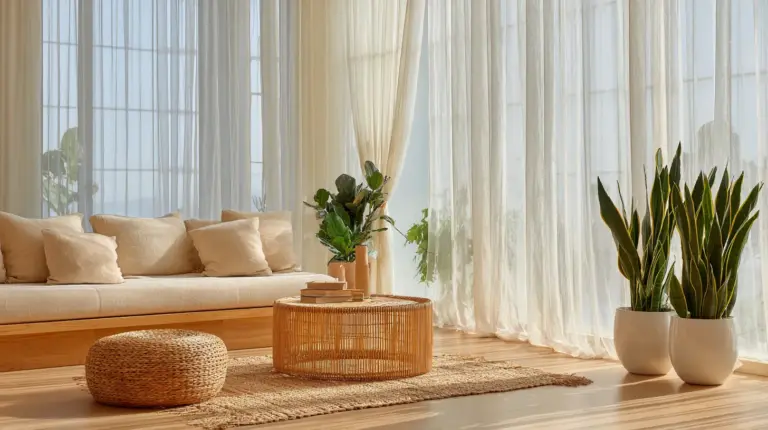
Layer textures intentionally—rough linen sofas, smooth ceramic vases, woven jute rugs. The paper lantern’s soft translucency becomes another texture in this sensory conversation. It’s the breath between solid elements, the pause that makes other materials sing.
Bamboo shades on windows create cohesion with bamboo-framed lanterns. When afternoon sun filters through both simultaneously, the room fills with layered light that feels almost golden—warm, protected, utterly peaceful.
Color Coordination and Warm Tones
Japandi palettes lean neutral—whites, beiges, greys, with occasional sage or terracotta accents. Paper lanterns in natural cream or warm white harmonize effortlessly. They neither compete nor disappear; they simply belong.
For subtle variation, consider lanterns in soft grey or black bamboo frames. These add graphic definition without disrupting the color story. They ground lighter spaces and create elegant contrast against white walls.
Avoid colored paper unless it’s deeply intentional. A rust-toned lantern might echo terracotta pots or ochre cushions, but saturated colors feel foreign to Japandi’s restrained sophistication. When in doubt, return to nature’s palette—the colors of stone, wood, paper, and light itself.
Creating Zones with Layered Lighting
No single light source should illuminate your entire living room. Instead, create islands of light—a paper floor lamp by the reading chair, pendant clusters above the coffee table, perhaps a small table lamp on a console. This layering invites you to different activities and moods.
Paper lanterns excel as ambient lighting, the foundation of your layered scheme. Add task lighting with focused reading lamps where needed. Use dimmers on all sources to adjust the relationship between lights as daylight fades.
Shadow play becomes your secret tool. Watch how lantern light falls on textured walls or carved wood furniture. Position lanterns to emphasize these moments rather than eliminate shadows entirely. Japandi design embraces the interplay of light and dark—it’s where visual interest lives.
Safety and Maintenance in Humid Climates
Fire-Resistant Treatments and Bulb Wattage Limits
Safety shouldn’t compete with beauty—it enables it. Look for paper lanterns treated with fire-retardant coatings, especially if purchasing from artisan sources. These treatments don’t diminish the paper’s translucency but do add crucial protection.
The 40W LED maximum isn’t arbitrary. Paper lanterns lack heat dissipation systems that metal fixtures provide. Higher wattages create hotspots that weaken paper fibers and increase fire risk. Modern LEDs make this limit easy—you’ll get ample light without danger.
Never place paper lanterns near open flames, heating vents, or direct sun exposure. UV rays degrade washi paper rapidly, and heat sources create obvious fire hazards. Choose locations with good air circulation that keep the lantern cool and the paper supple.
Cleaning and Care for Washi Paper
Dust settles gently on paper, but removal requires even gentler hands. Use a microfiber cloth barely dampened—never wet—to wipe in single strokes. Avoid circular motions that stress the paper’s woven structure.
For delicate lanterns, a soft makeup brush works wonders. Brush dust away from seams toward open areas where it can fall freely. This takes patience but preserves your lantern’s integrity for years.
In the Philippines’ humid climate, moisture becomes your concern. Place small silica gel packets inside lanterns to absorb ambient humidity. Replace them every two months or when they lose their blue color indicator. This simple step prevents paper warping and extends your lantern’s life significantly.
Philippine Climate Considerations
Silang’s elevation brings moderate humidity, but rainy seasons still challenge paper materials. During monsoon months, run dehumidifiers in living spaces to maintain 50-60% relative humidity. This range prevents both mold growth and excessive drying that makes paper brittle.
Avoid placing lanterns in unconditioned rooms or covered patios where moisture fluctuates dramatically. The constant expansion and contraction weakens paper fibers and bamboo frames. Indoor spaces with climate control provide the stable environment washi paper needs.
If you notice slight paper discoloration, it’s often natural aging rather than damage. Wabi-sabi aesthetics celebrate this patina. However, dark spots or fuzzy growth indicate mold—replace the lantern immediately as mold spores affect air quality.
Budget-Friendly Sourcing and DIY Options
Affordable Philippines Suppliers and E-Commerce
Beautiful design doesn’t require luxury budgets. Shopee Philippines offers washi paper lantern kits starting at PHP 500-800. These DIY sets include pre-cut paper and frames—perfect for personalizing size and shape to your exact space.
Lazada features ready-made Japandi lanterns ranging PHP 1,200-3,500 for quality pieces. Search terms like “washi paper lamp” or “Japanese lantern ceiling” surface better results than generic “paper lantern.” Filter by seller ratings above 4.5 stars for reliability.
Local Silang shops sometimes carry imported lanterns, though selection varies. Check home décor stores in Tagaytay for artisan pieces that support regional craftspeople. Prices typically range PHP 2,000-5,000 but include the story of local making.
| Source | Price Range (PHP) | Pros | Best For |
|---|---|---|---|
| Shopee DIY Kits | 500-800 | Customizable, very affordable | Crafty beginners, renters |
| Lazada Ready-Made | 1,200-3,500 | Quick delivery, variety | Time-pressed buyers, gift-givers |
| Etsy Artisans | 2,000-6,000 | Unique designs, quality materials | Statement pieces, collectors |
| Local Tagaytay Shops | 2,000-5,000 | Support local, see before buying | Community supporters |
Upcycling Thrift Store Finds
Old paper lanterns hide in thrift stores, waiting for reinvention. That faded sphere with torn paper? Remove the damaged material completely, replace it with new washi sheets from craft stores (PHP 200-400 per pack), and transform it into a custom piece.
Wire frame lanterns adapt easily. Wrap bamboo strips around existing metal frames for organic texture. Secure with jute twine at intervals, creating geometric patterns that cast stunning shadows when lit.
Even damaged bamboo shades become lantern material. Cut shade slats into strips, reassemble them into cylindrical forms, and line the interior with translucent paper. This creates a double-layered effect—solid bamboo alternating with filtered light—that feels distinctly Japandi.
DIY Creation Process
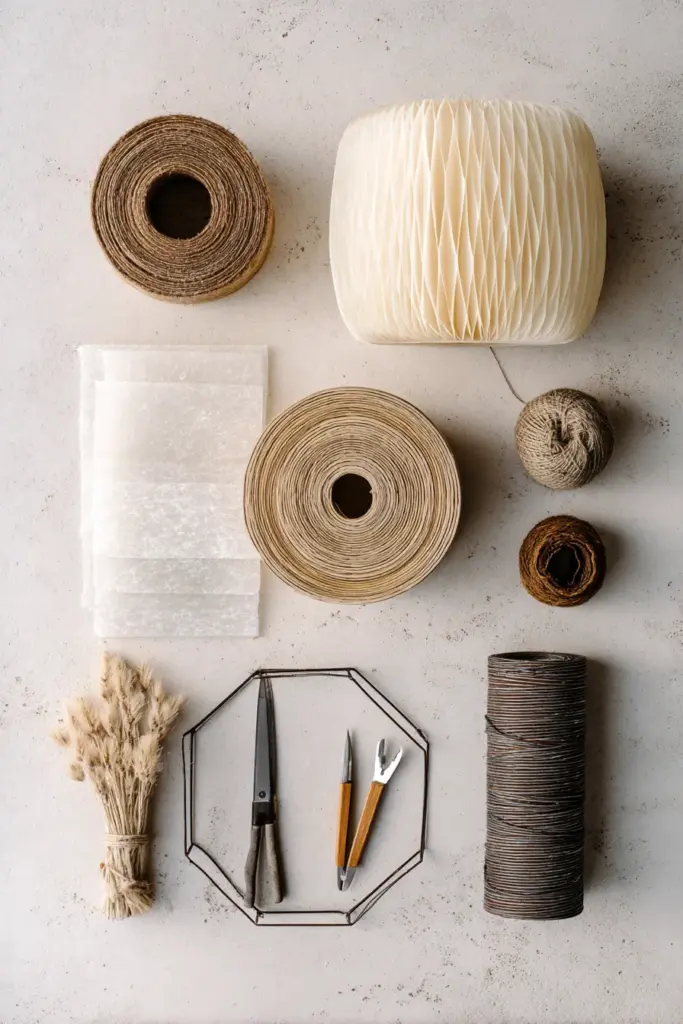
Creating your own paper lantern connects you to centuries of craft tradition. Start with a wire frame—balloon-shaped hoops or cylinder forms from craft suppliers. Wrap them with washi paper strips, overlapping edges and securing with rice glue for authentic adhesion.
The process becomes meditative. Each strip placed is a small decision about pattern and light. Will you create vertical bands or spiral the paper organically? Both work; both tell different stories about regularity and flow.
For modern twists, incorporate cutout patterns before assembling. Delicate leaf shapes or geometric motifs let pinpoints of direct light through, creating star-like effects on surrounding surfaces. This marries traditional craft with contemporary design sensibility.
Smart Integration and Modern Functionality
Smart Bulbs and App-Controlled Dimming
Technology and tradition merge gracefully in Japandi spaces. Install Philips Hue or similar smart LEDs in your paper lanterns for lighting that adapts to your rhythms. Morning brightness that gradually increases helps you wake naturally. Evening dimming to 20-30% signals your body toward rest.
Voice control adds unexpected convenience. “Alexa, set living room to evening mode” dims lanterns, adjusts color temperature slightly warmer, and creates the cocoon you need after long days. It’s modern magic that respects minimalist aesthetics—no visible tech, just responsive ambiance.
Program scenes for different activities. Reading mode brightens lanterns to 70% with cooler 3000K light. Movie mode reduces them to 10%, eliminating glare while maintaining gentle background glow. These presets make your space work harder without adding physical clutter.
Energy Savings and Sustainability
LED paper lanterns consume 80-90% less energy than traditional incandescent bulbs once popular in these fixtures. A 6W LED running five hours daily costs roughly PHP 8 per month at current electricity rates—barely noticeable yet providing hundreds of hours of beautiful light.
Calculate your carbon footprint reduction too. Switching five lanterns from old 60W bulbs to 8W LEDs saves approximately 1,000 kWh annually. That translates to roughly 700 kg less CO₂ emissions—equivalent to planting 35 trees per year.
Washi paper itself embodies sustainability when sourced responsibly. It’s biodegradable, made from renewable fast-growing plants, and produced through low-impact traditional methods. At end of life, quality washi paper can be composted or recycled, unlike plastic alternatives.
Integration with Philippine Indoor Plants
Biophilic design principles—connecting indoor spaces with nature—find perfect expression when paper lanterns illuminate greenery. Position floor lamps beside large planters so light backlights leaves, revealing their intricate vein structures.
Snake plants thrive in the indirect light paper lanterns provide. Their vertical lines echo the lantern’s form while improving air quality—a practical benefit wrapped in aesthetic appeal. Place them in clusters near windows where lantern light extends useful brightness into evening hours.
Hanging pothos from the same ceiling points as lanterns creates vertical gardens of light and life. The vines eventually drape around the lantern bases, creating organic frames that soften the fixtures even further. Water drip is manageable with proper drainage—just avoid direct drips onto paper surfaces.
Essential Checklist for Paper Lantern Success
Before purchasing or hanging your paper lanterns, ensure you’ve considered these crucial elements:
- Material verification: Confirm authentic washi, mulberry, or rice paper construction
- Frame quality: Check bamboo or wood frame stability and joinery
- Size appropriateness: Measure ceiling height and room dimensions before selecting diameter
- Bulb compatibility: Purchase 2700K LED bulbs under 40W equivalent
- Installation hardware: Gather Command hooks, tension rods, or approved ceiling hooks for your situation
- Safety features: Verify fire-retardant treatment or plan adequate clearance from heat sources
- Climate protection: Acquire silica gel packets for humidity control
- Cleaning supplies: Keep microfiber cloths and soft brushes ready
- Dimmer compatibility: If using smart bulbs, ensure your switches or apps support dimming
- Backup plan: Have extra bulbs on hand—paper lanterns are challenging to access once hung
Conclusion: Light That Feels Like Home
The first evening you sit beneath your new paper lanterns, something shifts. The room you’ve known becomes somehow softer, more welcoming. Light doesn’t just illuminate—it embraces.
This is the gift of thoughtful lighting in Japandi design. Paper lanterns honor both the Japanese concept of ma (negative space) and Scandinavian hygge (cozy contentment). They create rooms that feel designed yet lived-in, minimal yet warm, intentional yet effortless.
Your living room becomes a place where light itself tells stories—of craft and care, of balance between tradition and modernity, of days ending gently and mornings beginning with grace. That’s not just good design. That’s home.
Frequently Asked Questions
Are paper lanterns safe for living rooms?
Yes, when used correctly. Choose lanterns with fire-retardant treatment and never exceed 40W equivalent LED bulbs, which produce minimal heat. Keep them away from direct sunlight, heating vents, and open flames. Ensure adequate clearance from curtains and furniture—at least 12 inches in all directions. In Philippine homes, run dehumidifiers during rainy season to prevent moisture buildup that could compromise paper integrity. Quality washi paper lanterns from reputable suppliers include safety certifications. Always turn off lanterns when leaving home or sleeping to maximize safety, though modern LED technology makes them significantly safer than traditional incandescent options.
What are the best paper lanterns for Japandi living rooms?
Authentic washi paper lanterns with bamboo or natural wood frames best embody Japandi aesthetics. Look for spherical or cylindrical shapes in 12-24 inch diameters for standard rooms, larger for spacious areas. Brands offering traditional Japanese akari designs or Scandinavian-inspired minimalist versions work beautifully. Prioritize natural cream, white, or soft grey colors that harmonize with neutral palettes. The paper should have visible fiber texture rather than plastic-smooth surfaces. Frames should show wood grain and organic imperfections celebrating wabi-sabi principles. In the Philippines, artisan lanterns from Etsy often provide better quality than mass-market options despite higher costs—expect PHP 2,000-6,000 for statement pieces.
How do you hang paper lanterns in a Japandi living room?
Hang single statement lanterns 7-8 feet above the floor, centered over seating areas or offset slightly to one side for visual interest. For clusters, vary heights asymmetrically—perhaps 7, 7.5, and 8.5 feet—spacing them 12-18 inches apart horizontally. Use ceiling hooks for permanent installations or Command strips rated 5 pounds for renter-friendly options. Floor lamps require no installation but should be placed in corners or beside seating to anchor space. Consider sightlines from doorways so lanterns become focal points drawing eyes upward. In feng shui terms, avoid hanging directly over where people sit; instead, position them slightly forward to avoid oppressive energy while still providing ambient light.
Where can I buy affordable Japandi paper lanterns in the Philippines?
Shopee Philippines offers DIY washi lantern kits starting at PHP 500-800, perfect for budget-conscious buyers willing to assemble. Lazada features ready-made options ranging PHP 1,200-3,500 with quick delivery throughout the country. Etsy connects you with international artisans creating unique pieces for PHP 2,000-6,000, though shipping adds cost. Local Tagaytay home décor stores sometimes carry imported lanterns supporting regional businesses at PHP 2,000-5,000. For premium statement pieces, specialized online retailers ship authentic Japanese lanterns, though prices exceed PHP 5,000. Thrift stores occasionally offer damaged lanterns perfect for upcycling projects—replace the paper (craft stores sell washi sheets for PHP 200-400) while reusing frames.
How do I maintain paper lanterns in humid Philippine climate?
Place silica gel packets inside lanterns, replacing them every two months to absorb moisture. Maintain indoor humidity at 50-60% using dehumidifiers during rainy season—monsoon levels cause paper warping and potential mold. Dust gently with barely-damp microfiber cloths using single strokes, never circular rubbing that weakens fibers. For detailed cleaning, use soft makeup brushes to lift dust toward open areas. Avoid placing lanterns in unconditioned spaces where temperature and humidity fluctuate dramatically. If you notice dark spots or fuzzy growth indicating mold, replace the lantern immediately as remediation isn’t safe. Natural yellowing or slight patina is normal aging that wabi-sabi aesthetics celebrate rather than problems requiring fixing.