
Table of Contents
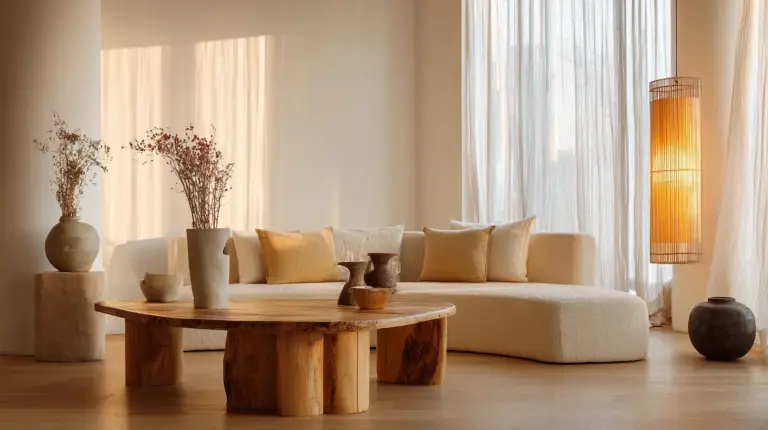
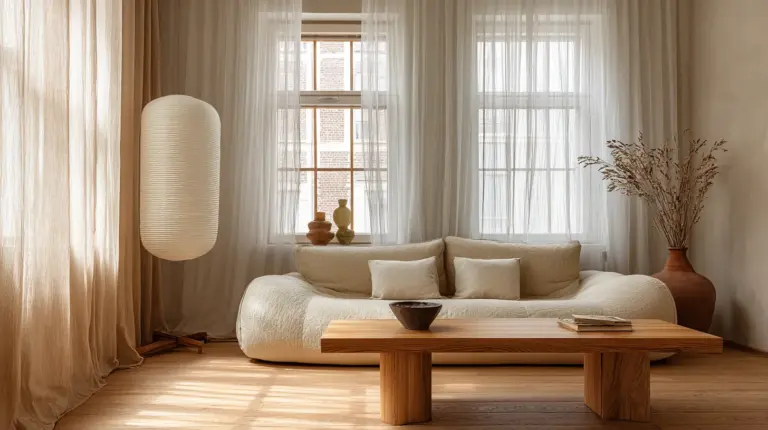
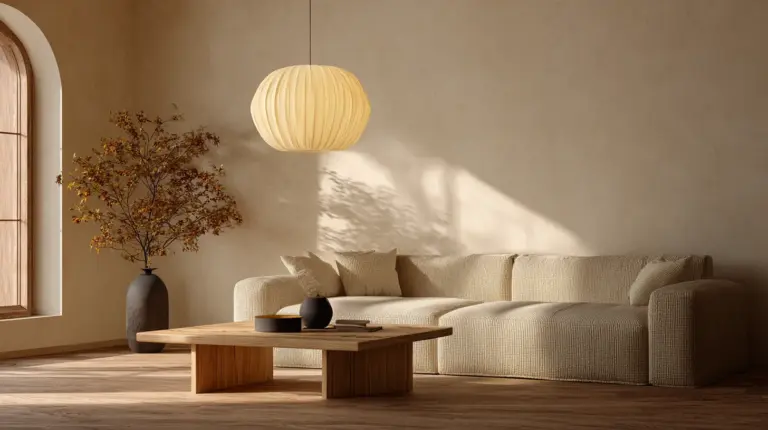
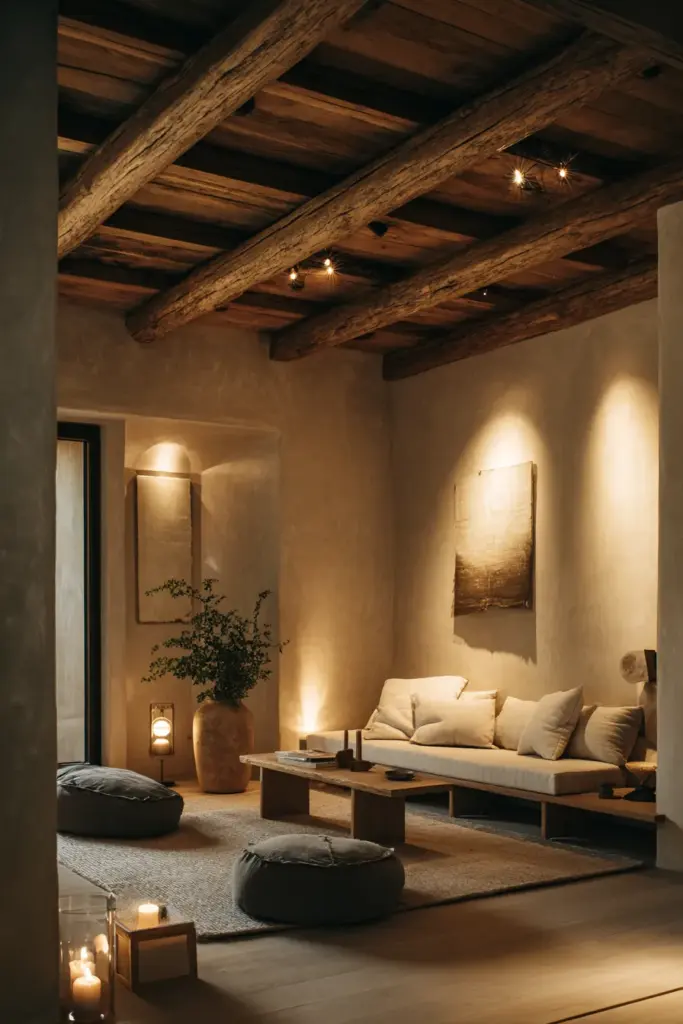
There’s a quiet magic that happens when you turn down the lights in a well-designed room. The walls soften. Shadows dance gently across natural wood. The space transforms from functional to sanctuary.
In Japandi living rooms—where Scandinavian simplicity meets Japanese wabi-sabi—lighting dimmers aren’t just switches. They’re mood architects. They’re the breath between brightness and calm, allowing you to shape atmosphere as fluidly as the day unfolds.
This is where control meets serenity. Where technology hides behind natural materials. Where every adjustment of light becomes an intentional act of comfort.
Let’s explore how dimmer switches elevate Japandi interiors from beautiful to truly lived-in.
Understanding Japandi Lighting Philosophy
Japandi design celebrates the marriage of two lighting traditions: Scandinavian hygge and Japanese ma (negative space). Both cultures understand that light isn’t merely functional—it’s emotional.
The Scandinavian influence brings warmth through golden-hour glow, especially vital during long northern winters. The Japanese contribution adds intentionality, using light to define space and create contemplative pockets of shadow.
Dimmers bridge these philosophies perfectly. They offer the flexibility to shift from bright, productive mornings to cozy, candlelit evenings without changing a single fixture.
Why Dimmers Are Essential in Japandi Living Rooms
Creating Layered Lighting Schemes
Japandi interiors thrive on layered lighting—ambient, task, and accent sources working in harmony. Dimmers give each layer its voice.
Your ambient pendant might glow at 15% during movie nights, creating soft background warmth. Meanwhile, a reading lamp beside your linen sofa sits at 60% for focused tasks. Accent lighting on a ceramic display stays at 30% to highlight texture without overwhelming.
This orchestration is impossible with simple on-off switches. Dimmers transform static lighting into dynamic scenes that respond to your needs throughout the day.
Honoring Natural Materials
Japandi spaces showcase wood grain, woven fibers, and organic textures. Harsh overhead lighting flattens these details into uniformity.
Dimmed light reveals them. At lower intensities, you notice the grain in your oak coffee table. The shadows between rattan weaves become visible. Your stone accent wall shows depth and character.
It’s like adjusting exposure on a photograph—the right amount of light brings dimension to life.
Supporting Circadian Rhythm
Warm, dimmable lighting at 2700K to 3000K mimics natural daylight transitions. Bright light energizes mornings; dimmed warmth signals evening rest.
This isn’t just aesthetic—it’s biological. Your body responds to these cues, making your living room not just beautiful but restorative.
Pair this with smart dimmers that adjust automatically, and your space becomes a wellness tool wrapped in Japandi simplicity.
Types of Dimmers Perfect for Japandi Aesthetics
Traditional Rotary and Slide Dimmers
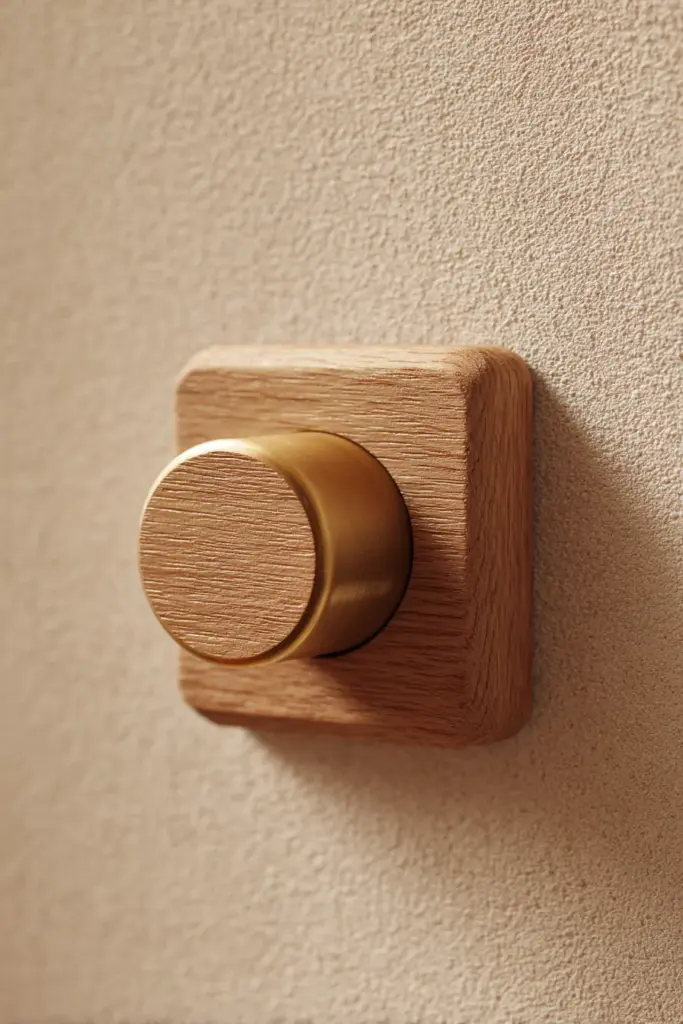
For purists who value tactile interaction, traditional dimmers offer satisfying physical control. Choose models in natural finishes—brushed brass, matte black, or even wood-clad faceplates.
These work beautifully with LED-compatible technology, crucial since most Japandi fixtures use energy-efficient bulbs. Look for specifications mentioning “LED dimmer” or “CFL compatible” to avoid flickering.
Installation is straightforward for standard single-pole switches, making them ideal for DIY enthusiasts in the Philippines seeking affordable upgrades.
Smart WiFi Dimmers in Minimalist Finishes
Smart dimmers like Lutron Caseta or Shelly Dimmer 2 offer voice control through Alexa or Google Assistant while maintaining clean lines. The key is choosing models that hide technology behind simplicity.
Opt for bamboo or oak enclosures when available. Frameless designs with hidden LEDs maintain the minimalist ethos while providing functionality.
The wiring stays concealed—a crucial detail in Japandi’s clutter-free philosophy. Many smart options also track energy usage, aligning with sustainable living values.
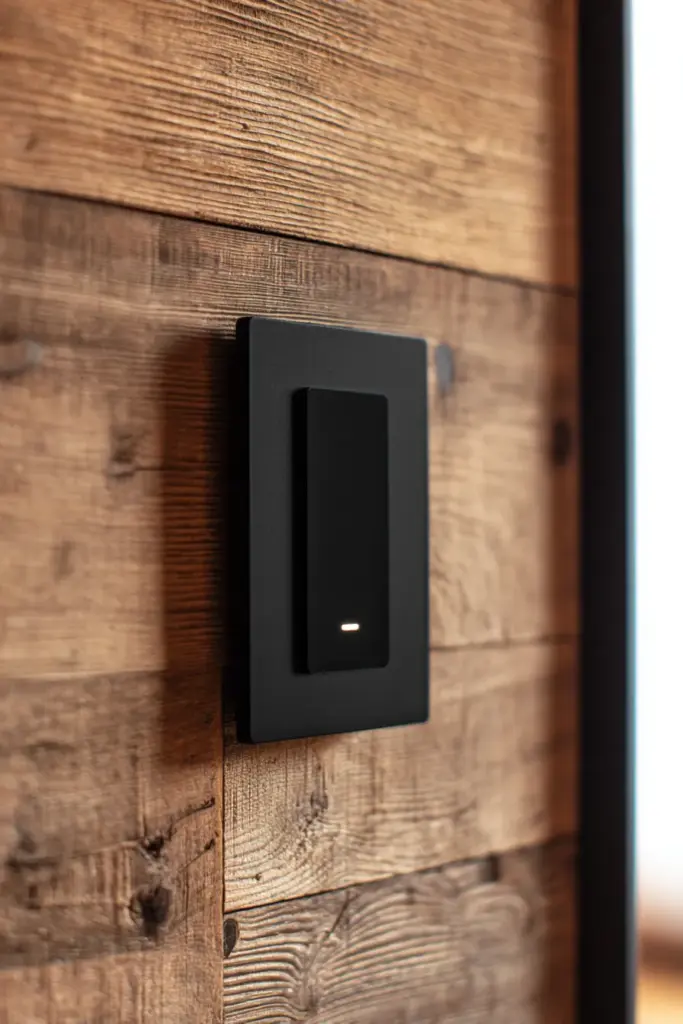
Touch-Sensitive Panel Dimmers
Glass-paneled touch dimmers bring contemporary elegance without compromising Japandi principles. Their smooth surfaces echo the simplicity of shoji screens.
Choose warm-toned backlighting rather than blue LEDs. Some models offer customizable glow colors—stick to amber or warm white to maintain atmospheric cohesion.
These work particularly well in open-plan living rooms where the dimmer becomes a design element rather than hiding in shadow.
Best Dimmable Fixtures for Japandi Living Rooms
Pendant Lights in Natural Materials
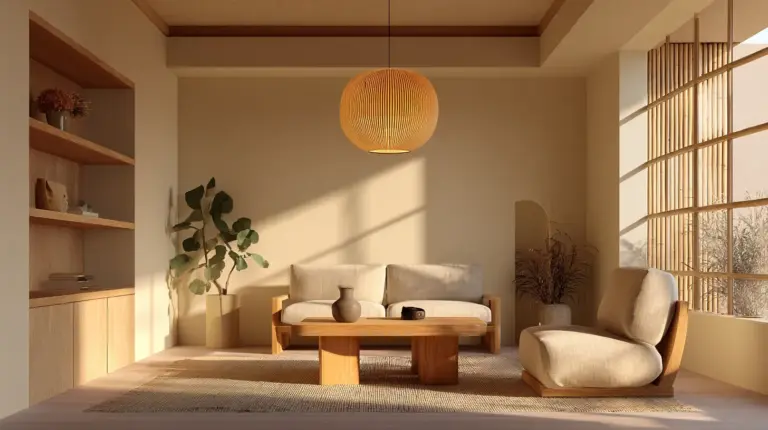
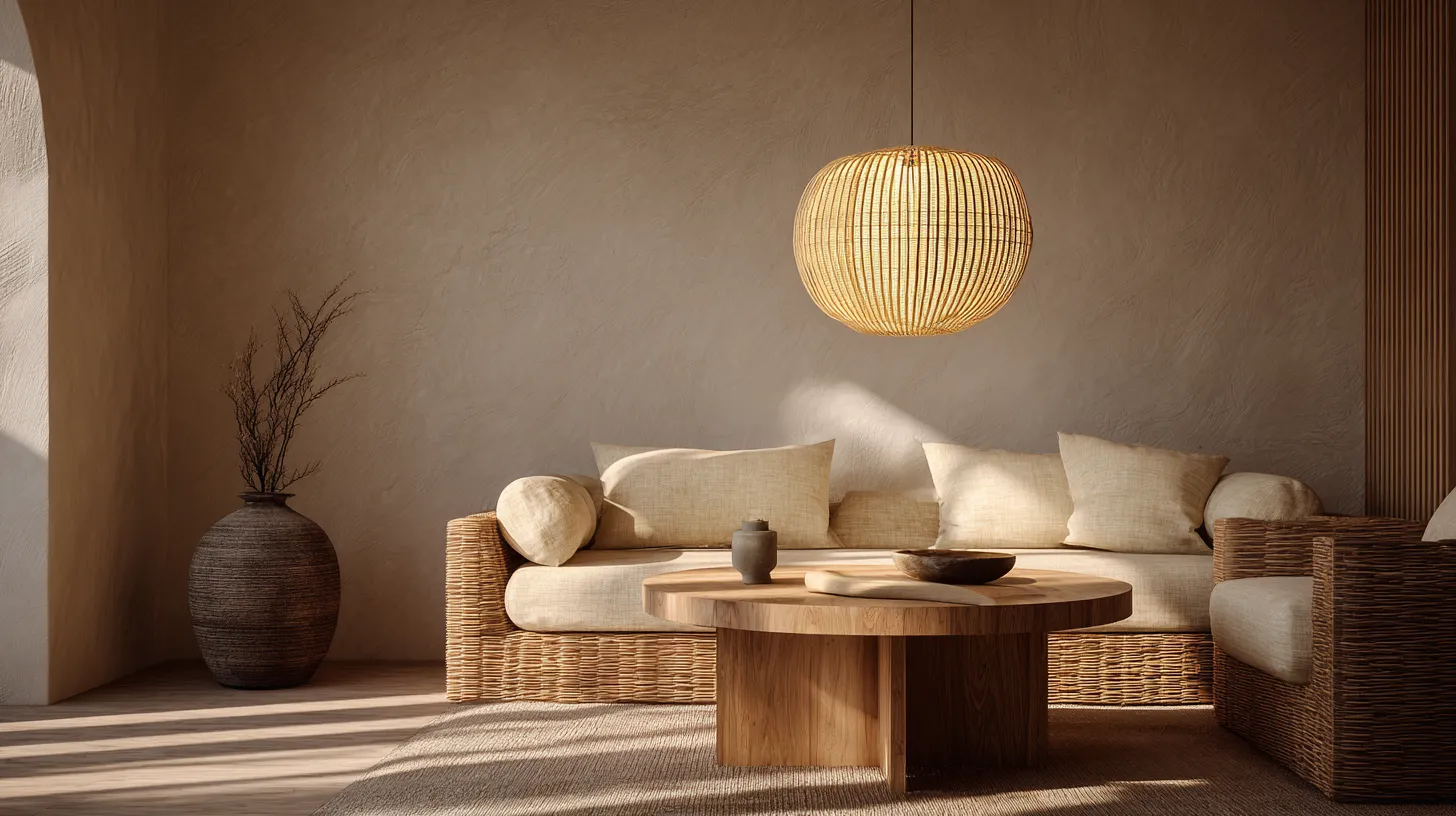
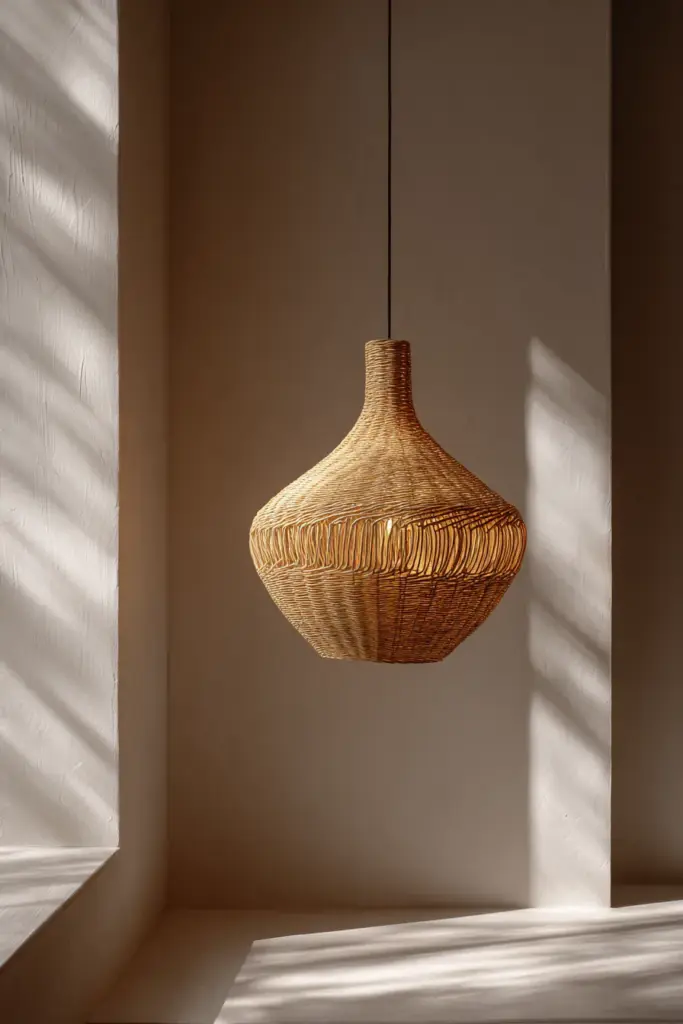
Woven rattan pendants or wooden slat fixtures become centerpieces when paired with dimmers. At full brightness, they illuminate. Dimmed to 20%, they transform into sculptural glows.
Look for fixtures with warm white bulbs rated 2700K. The slight yellow cast enhances wood tones and creates that coveted hygge atmosphere.
Hang them at varying heights over seating areas—the asymmetry feels intentionally imperfect, very wabi-sabi.
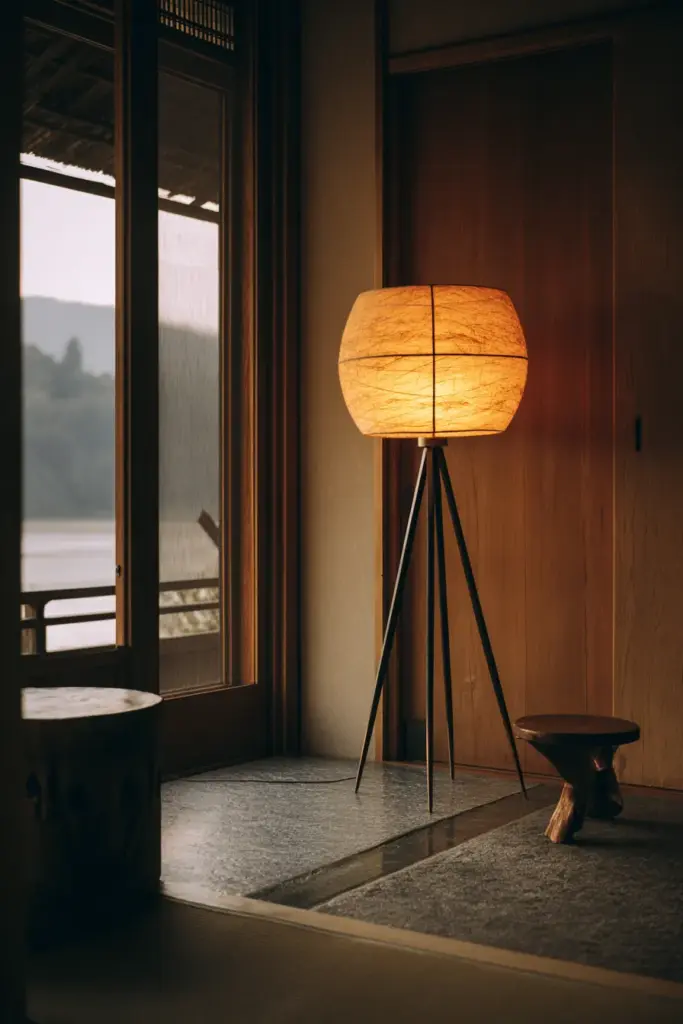
Floor Lamps with Fabric or Paper Shades
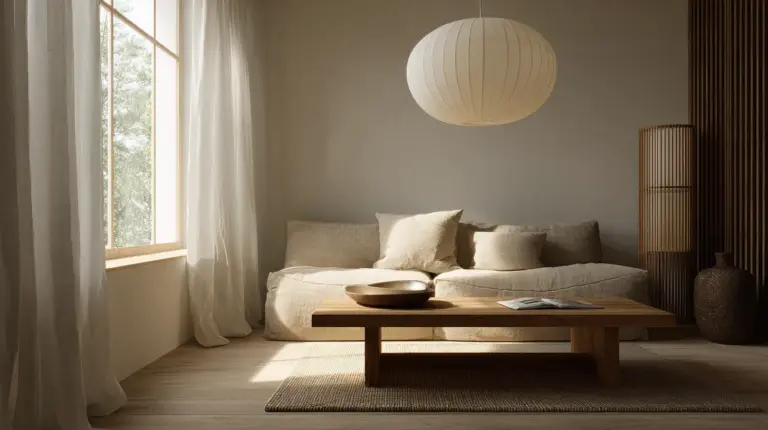
Japanese-inspired paper floor lamps (think modernized andon) diffuse light beautifully when dimmed. The glow becomes softer, more intimate, like filtered moonlight through shoji.
Pair these with inline cord dimmers if your main switches aren’t adjustable. This adds flexibility without rewiring your entire room—perfect for renters or budget-conscious decorators.
Bamboo tripod bases or walnut stands anchor these lamps in natural materiality while maintaining clean, minimal silhouettes.
Recessed and Track Lighting
For ambient layers, dimmable recessed lights provide invisible infrastructure. Install them on separate circuits so you can dim overhead lighting independently from feature fixtures.
This creates zones: dim the perimeter to 10% while task lighting stays brighter. Your living room gains depth and visual interest without adding physical fixtures.
Choose warm-temperature LEDs and avoid cool whites—they clash with Japandi’s earthy palette.
Smart Dimming Systems for Modern Japandi Homes
Philips Hue Integration
Philips Hue systems offer color temperature shifting throughout the day—2200K amber evenings transitioning to 2700K daylight. This mimics natural light cycles without manual adjustment.
Select bulbs in vintage Edison or globe shapes with exposed filaments. They honor Japandi’s material honesty while hiding smart technology inside.
The energy savings are tangible: approximately 30% less consumption compared to incandescent bulbs, with 25,000-hour lifespans reducing replacement waste.
Budget-Friendly DIY Solutions
IKEA Tradfri dimmers offer WiFi control under $50 when paired with compatible bulbs. Customize them further with rattan or bamboo covers—an easy afternoon project using natural fiber adhesive sheets.
This approach embodies Japandi’s resourcefulness: high function, low cost, maximum aesthetic impact. Installation requires only basic wiring knowledge, making it accessible for Philippine homeowners wanting affordable smart upgrades.
Tradfri integrates with Alexa and Google Home, providing voice control without premium pricing.
Humidity-Resistant Options for Philippine Climates
In humid regions like Silang, Calabarzon, standard dimmers can corrode or malfunction. Seek models with IP44 ratings or moisture-resistant housings.
Combine dimmers with ceiling fans for multifunctional living rooms—control both light intensity and air circulation from one elegant panel. This dual purpose maximizes space efficiency while maintaining clean design lines.
Stainless steel or sealed glass faceplates withstand tropical humidity better than basic plastic models.
Creating Dimmed Lighting Zones in Your Japandi Living Room
Ambient Zone: 10-20% Dimming
Your main pendant or chandelier sits here during relaxation hours. This low glow provides enough light to navigate safely while setting a contemplative mood.
Think of it as the lighting equivalent of a whisper—present but undemanding. It allows conversation, meditation, or simply existing in quiet comfort.
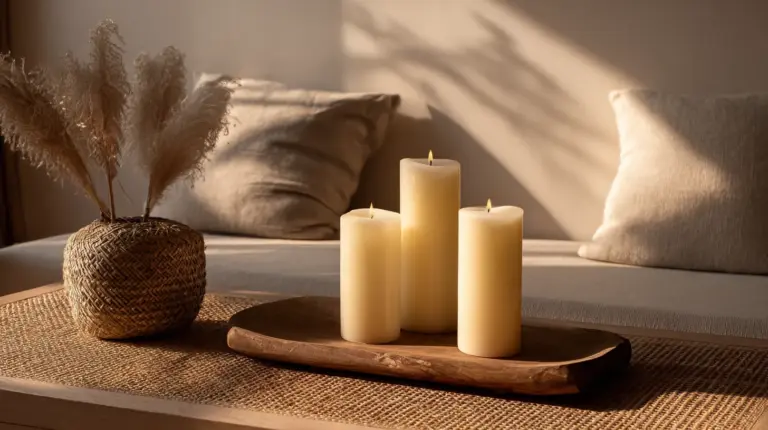
Pair this with candles or a fireplace for layered warmth that engages multiple senses.
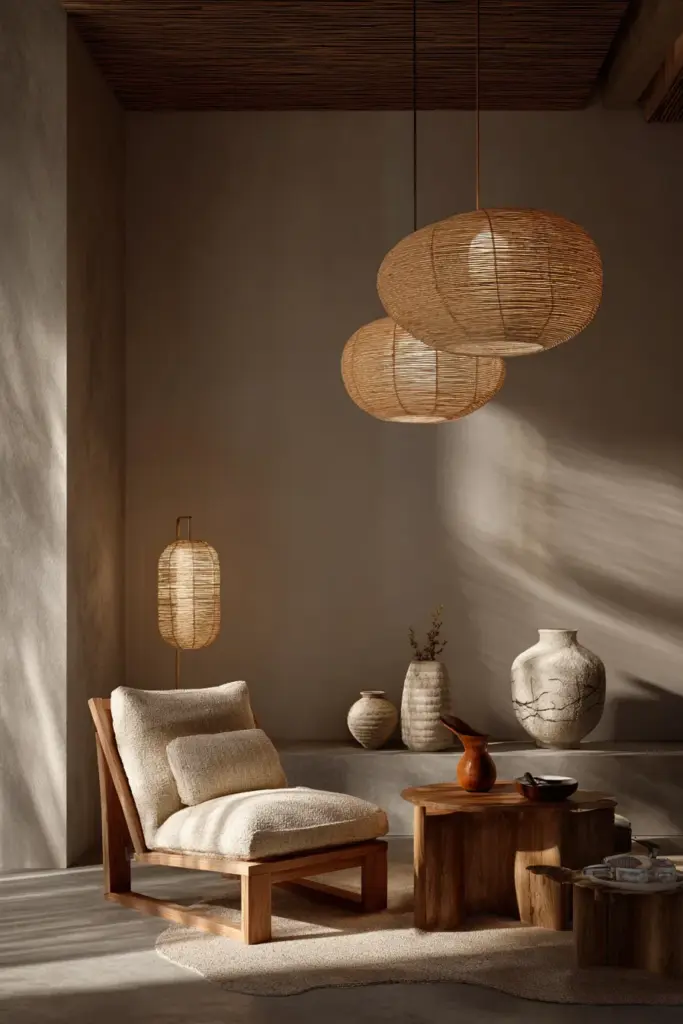
Task Zone: 50-70% Brightness
Reading nooks, workspaces, or crafting corners need more intensity. Position adjustable floor or table lamps here with dedicated dimmer controls.
At 60%, you have clear visibility without harshness. The light supports activity while maintaining the room’s overall softness.
Choose lamps with linen or cotton shades that diffuse light gently rather than directing it sharply.
Accent Zone: 20-40% Highlighting
Use dimmed spotlights or picture lights to emphasize artwork, ceramic collections, or textured wall panels. This creates visual interest without competing with ambient layers.
The key is subtlety—accent lighting should whisper “look here” rather than shout. Dimmers let you find that perfect balance where highlights enhance without dominating.
Adjust seasonally: brighter in summer when natural light supplements, dimmer in winter for cozier evenings.
Installation Tips and Practical Considerations
Choosing Compatible Bulbs
Not all LEDs dim smoothly. Check for “dimmable” specifications on packaging and match them to your dimmer’s wattage rating.
Warm temperatures (2700K-3000K) are non-negotiable for Japandi aesthetics. Avoid “daylight” or “cool white” bulbs above 4000K—they create clinical atmospheres that contradict the style’s warmth.
Consider bulb shape too: globe and Edison styles with visible filaments add vintage charm that complements natural wood and woven textures.
Wiring for Single vs. Multi-Way Control
Single-pole dimmers control one fixture from one location—straightforward and budget-friendly. Multi-way (3-way or 4-way) setups let you adjust the same lights from multiple switches.
For open-plan living rooms, multi-way control is invaluable. Dim lights from your sofa or the entrance without crossing the room.
If rewiring feels overwhelming, wireless smart dimmers eliminate the need for complex circuits while providing multi-point control via smartphone.
Safety and Professional Installation
Philippine electrical codes require grounded circuits for dimmer switches. If your home has older two-wire systems, consult a licensed electrician before installation.
Overloading dimmers causes overheating—always total your fixture wattages and choose dimmers rated 20% higher than your calculated load. This buffer ensures longevity and safety.
For smart systems involving WiFi modules, ensure stable router proximity to avoid connectivity drops that frustrate daily use.
Styling Dimmer Switches as Design Elements
Natural Finish Faceplates
Swap standard plastic covers for wood veneer or stone composite plates. Oak, walnut, or bamboo faceplates blend seamlessly with Japandi furniture.
These tactile upgrades cost $15-30 per switch but transform functional elements into intentional design moments. Your hand registers the warmth of wood each time you adjust light—a small, grounding ritual.
Match wood tones to your flooring or furniture for visual cohesion, or choose contrasting tones for subtle interest.
Minimalist No-Frame Designs
Frameless dimmers sit flush with walls, nearly disappearing when not in use. They honor the Japandi principle of “less but better”—maximum function with minimal visual footprint.
Choose matte finishes over glossy. Soft blacks, warm grays, or cream tones recede into walls painted in neutral palettes.
Some models offer customizable LED glow colors—select warm amber that complements candlelight rather than bright blue that feels technological.
Integrated Control Panels
For tech-forward Japandi homes, consider centralized dimming panels that control multiple zones from one sleek interface. These work beautifully when mounted on natural wood accent walls.
Pair them with scene presets: “Morning” (70% brightness), “Evening” (30%), “Movie” (10%). One touch creates the entire atmosphere, embodying effortless simplicity.
Ensure the panel’s design language matches your aesthetic—clean lines, natural materials, intuitive iconography over complex displays.
Energy Efficiency and Sustainability
LED Longevity with Dimming
Dimmed LEDs last significantly longer than those run at full brightness. Lower power draw means less heat generation and extended lifespans—often exceeding 30,000 hours when primarily used at 50% or below.
This aligns with Japandi’s sustainable ethos: fewer replacements mean less waste, lower costs, and reduced environmental impact over time.
Calculate your savings: a quality LED bulb costs ₱300-500 but lasts 15+ years with smart dimming versus 1-2 years for cheap alternatives.
Reduced Energy Consumption
Dimming to 50% doesn’t just halve brightness—it reduces energy use by approximately 40%. Dim to 25%, and consumption drops nearly 60%.
Over a year in a typical Philippine living room with 400W total lighting running four hours nightly, dimming saves roughly 300-400 kWh annually. That’s ₱1,500-2,000 in reduced electricity bills while creating better ambiance.
Track usage through smart dimmer apps to visualize these savings and adjust habits accordingly.
Choosing Sustainable Materials
Seek dimmers and fixtures from manufacturers using recycled metals, FSC-certified woods, or biodegradable packaging. Brands like Lutron and Legrand increasingly offer eco-conscious options.
Second-hand or vintage dimmers can be retrofitted with modern LED-compatible modules—a creative approach that reduces new manufacturing while honoring wabi-sabi’s appreciation for aged objects.
Support local artisans who craft custom wood faceplates from reclaimed Philippine hardwoods like narra or acacia.
Key Takeaways: Japandi Living Room Lighting Dimmers
- Layered control: Dim ambient, task, and accent zones independently for flexible atmosphere
- Warm temperatures: Stick to 2700K-3000K bulbs for hygge-inspired glow
- Natural materials: Choose wood, bamboo, or stone dimmer finishes
- Smart integration: WiFi dimmers with voice control maintain minimalist aesthetics
- Climate consideration: Use humidity-resistant models in tropical Philippine environments
- Energy savings: Dimming reduces consumption by 40-60% while extending bulb life
- Zoned lighting: Set ambient at 10-20%, tasks at 50-70%, accents at 20-40%
- Budget options: IKEA Tradfri with DIY rattan covers offers affordable smart dimming
- Safety first: Match dimmer ratings to total fixture wattage plus 20% buffer
- Sustainable choices: LED longevity and eco-conscious materials honor Japandi values
Conclusion: Light as Living Poetry
The beauty of Japandi living rooms lies not in perfection, but in the poetry of intentional imperfection. Dimmers give you authorship over that poetry—the ability to write each evening in different tones of warmth and shadow.
When you dim your lights at dusk, you’re not just saving energy. You’re creating a threshold between day and night, productivity and rest, doing and being. You’re honoring the Japanese concept of ma—the meaningful space between things—while embracing Scandinavian hygge’s invitation to cozy contentment.
This is design as daily ritual. Technology serving slowness. Modern convenience wrapped in timeless materiality.
Your Japandi living room, with its thoughtfully dimmed lighting, becomes more than a space. It becomes a feeling—one you can adjust with a simple turn or tap, shaping sanctuary exactly as your soul requires.
Frequently Asked Questions
What type of lighting is used in Japandi style living rooms?
Japandi lighting emphasizes layered schemes combining ambient overhead fixtures, task lamps for reading or work, and accent lights highlighting natural textures. Dimmers are essential for adjusting each layer independently, allowing transitions from bright 2700K warmth for daytime activities to softly dimmed evening ambiance that supports relaxation and circadian rhythms.
How can dimmers enhance Japandi living room ambiance?
Dimmers provide precise control over light intensity and mood, letting you shift from energizing brightness to contemplative softness throughout the day. They reveal the depth in natural materials like wood grain and woven fibers by creating gentle shadows and highlights. This flexibility supports both Scandinavian hygge coziness and Japanese wabi-sabi appreciation for imperfect, changing beauty.
What are the best dimmable fixtures for Japandi decor?
Natural-material pendants in rattan, bamboo, or wooden slats pair beautifully with dimmers, as do paper-shaded floor lamps and linen table lamps. Smart LED bulbs in vintage Edison or globe shapes maintain aesthetic honesty while offering WiFi control. Recessed lighting provides invisible infrastructure for ambient layers, while track lights add adjustable accent options—all requiring warm 2700K-3000K color temperatures.
Are smart dimmers compatible with Japandi aesthetics?
Absolutely. Modern smart dimmers like Lutron Caseta, Shelly Dimmer 2, or Philips Hue integrate seamlessly when chosen in minimalist finishes—bamboo enclosures, frameless glass panels, or matte neutrals. They hide technology behind simplicity while offering voice control and automated schedules. The key is selecting models that prioritize clean lines and natural materials over flashy displays or bright indicator lights.
Do I need special bulbs for dimmer switches in Japandi living rooms?
Yes, always choose LED bulbs specifically labeled u0022dimmableu0022 to avoid flickering or buzzing. For Japandi aesthetics, select warm color temperatures between 2700K-3000K that enhance natural wood tones and create cozy atmospheres. Match bulb wattage to your dimmer’s rating, and consider exposed-filament styles in Edison or globe shapes that honor material honesty while providing beautiful dimmed glow.