
Table of Contents
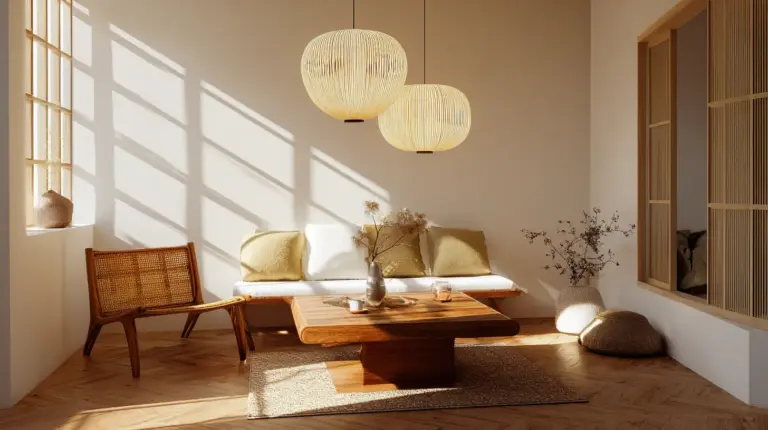
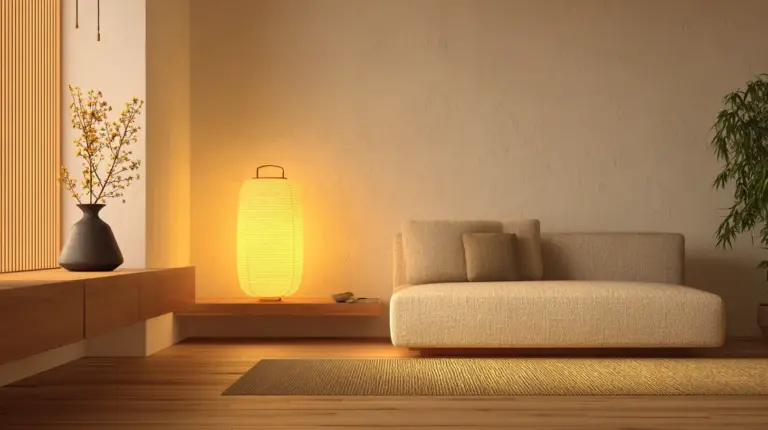
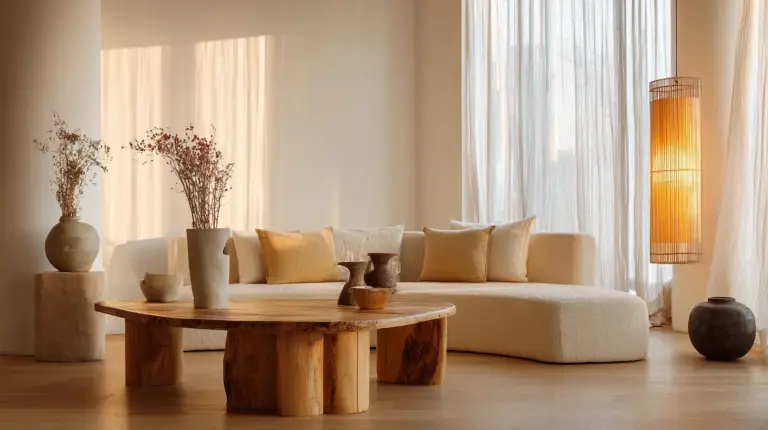
There’s something quietly transformative about candlelight in a Japandi living room. It doesn’t demand attention—it invites it, softly, like the first golden hour of morning filtering through linen curtains. The flicker becomes part of the room’s breath, casting shadows that dance across natural wood and woven textures.
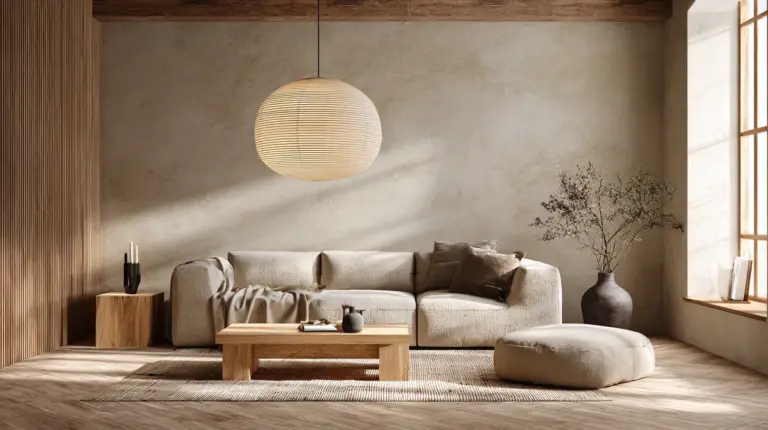
Japandi design marries the minimalist precision of Japanese aesthetics with the cozy, lived-in warmth of Scandinavian hygge. Candles are not just accessories here; they’re essential mood-makers. They bridge function and feeling, turning a carefully curated space into a sanctuary that welcomes you home.
In this guide, we’ll explore how to choose, style, and enjoy candles that honor the soul of Japandi living. From the right scents to safety tips, from handmade soy options to flame-free alternatives, consider this your warm invitation into a more intentional, beautiful everyday.
What Makes Candles Essential in Japandi Living Rooms?
Japandi interiors thrive on balance—light and shadow, warmth and restraint, simplicity and depth. Candles embody this duality perfectly. They offer soft, organic light that contrasts beautifully with the clean lines and neutral palettes typical of this style.
Unlike overhead lighting, candles create intimacy. They lower the visual temperature of a room, making spaces feel grounded and human. In a design philosophy rooted in wabi-sabi (embracing imperfection) and hygge (cultivating coziness), the gentle glow of a candle flame becomes a meditation in itself.
Candles also engage the senses beyond sight. The right scent can evoke calm, clarity, or connection to nature—values deeply embedded in both Japanese and Scandinavian traditions. They’re small rituals that elevate the ordinary into something sacred.
Choosing the Right Candle Scents for Japandi Spaces
Woody and Earthy Notes
Scents like sandalwood, cedar, and hinoki bring the forest indoors. These woody fragrances ground a space, complementing natural materials like teak furniture, bamboo accents, and stone vessels. Hinoki, a Japanese cypress, is especially revered for its clean, meditative aroma—ideal for quiet evenings.
Pair these scents with minimalist wooden candle holders or ceramic trays. The warmth of the fragrance mirrors the warmth of the materials, creating a sensory echo that feels deeply cohesive.
Fresh Citrus and Herbal Touches
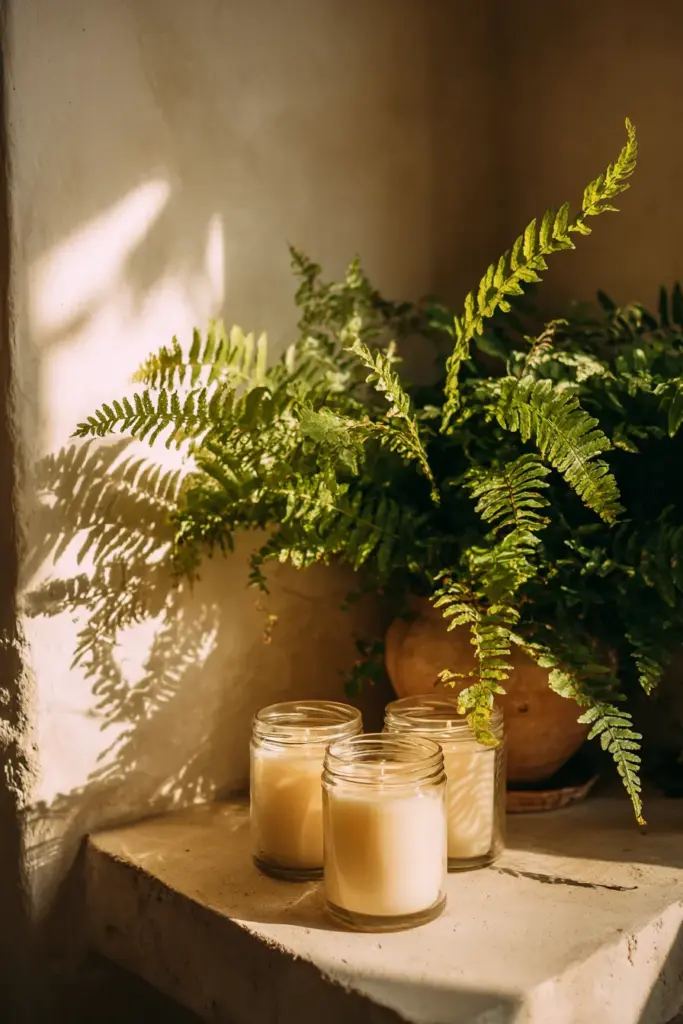
Yuzu, bergamot, and Japanese citrus offer brightness without being overwhelming. These scents energize a room gently, like opening a window to let in spring air. Fern moss and green tea scents lean herbal and soft, perfect for maintaining clarity in a minimalist setting.
Use citrus-scented candles in living rooms that feature light beige, cream, or soft gray palettes. The freshness complements cooler tones and keeps the space feeling airy and alive.
Incense-Inspired Aromas
Palo santo, white sage, and subtle incense blends bring a spiritual dimension to Japandi interiors. These scents carry ritual and intention, transforming your living room into a space for reflection. They’re especially beautiful during evening wind-downs or weekend mornings spent in stillness.
Burn these candles in low-profile holders made from natural stone or unglazed clay. The earthy vessel enhances the grounding quality of the scent.
Scent Psychology and Color Pairing
Consider matching scents to your room’s color story. Warm beige and cream walls pair well with yuzu or cedarwood. Cool grays and whites harmonize with eucalyptus or fern moss. This intentional layering deepens the sensory experience and makes your space feel more thoughtfully curated.
Japandi Candle Scent Comparison Table
| Scent Type | Best For | Burn Time (Soy) | Mood | Price Range (PH) |
|---|---|---|---|---|
| Hinoki Cypress | Meditation, calm | 50–60 hours | Grounding, zen | ₱800–₱1,200 |
| Sandalwood | Evening relaxation | 45–55 hours | Warm, earthy | ₱600–₱1,000 |
| Yuzu Citrus | Daytime freshness | 40–50 hours | Uplifting, clean | ₱500–₱900 |
| Fern Moss | Natural balance | 50–60 hours | Soft, herbal | ₱700–₱1,100 |
| Palo Santo | Ritual, reflection | 40–50 hours | Spiritual, woody | ₱650–₱1,000 |
Why Soy Candles Are the Best Choice for Japandi Aesthetics
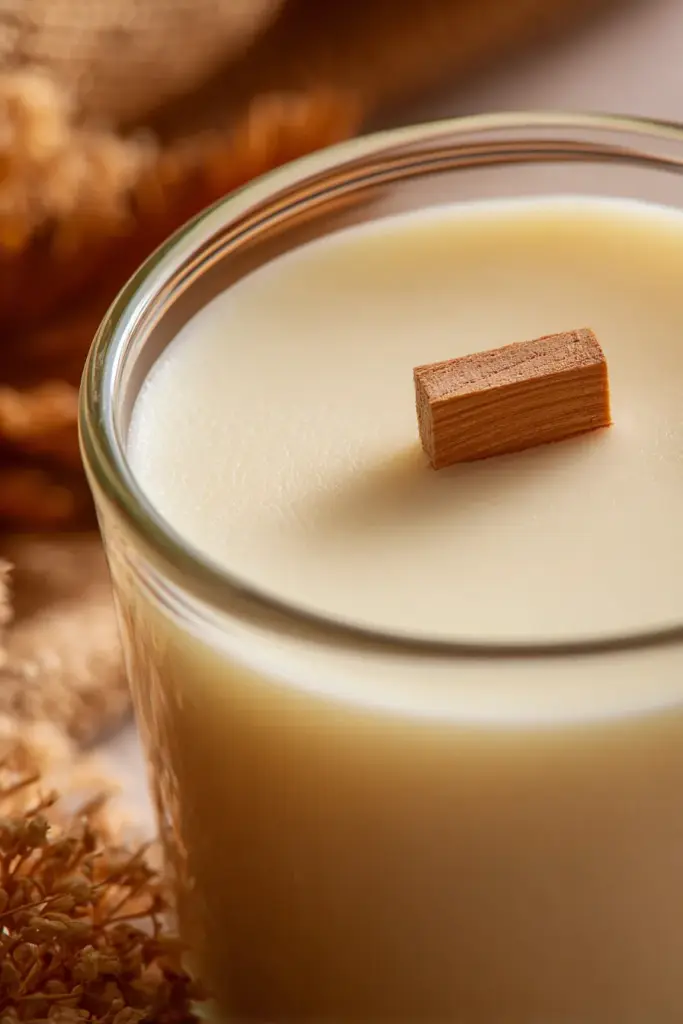
Soy wax candles align perfectly with Japandi’s emphasis on natural, sustainable materials. Unlike paraffin (petroleum-based), soy burns cleaner, releasing fewer toxins into your carefully curated air. This matters in minimalist spaces where you’re more attuned to every sensory element.
Soy candles also burn longer—typically 40 to 60 hours for a standard size—making them a practical investment. The wax has a creamy, matte finish that looks beautiful in simple glass jars or ceramic vessels, adding to the organic aesthetic without visual competition.
Handmade soy options from local artisans or ethical brands like those found on Etsy bring an additional layer of intentionality. You’re supporting small makers, embracing imperfection, and choosing quality over mass production—all core Japandi values.
How to Style Candles in Your Japandi Living Room
The Rule of Odd Numbers
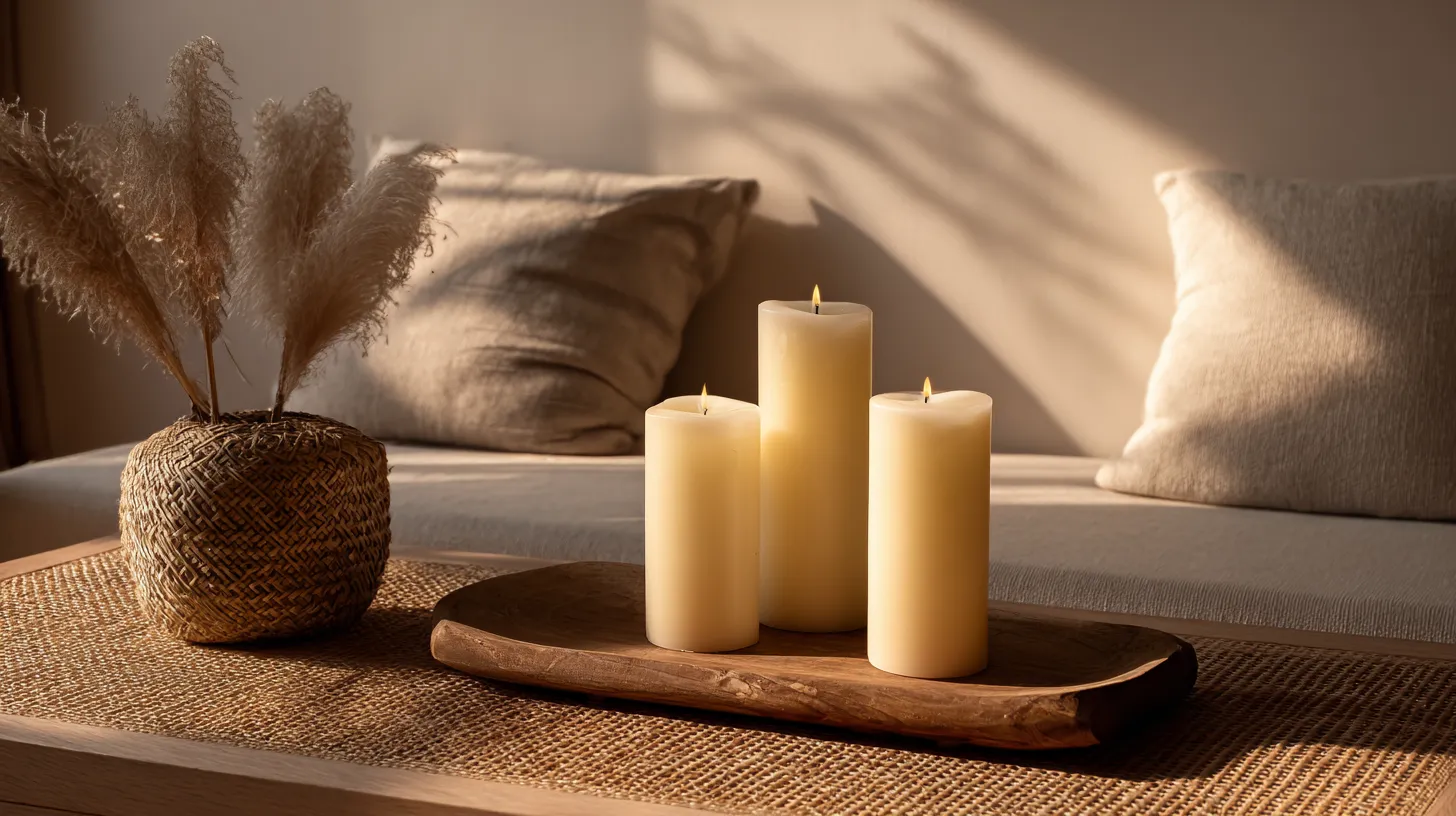
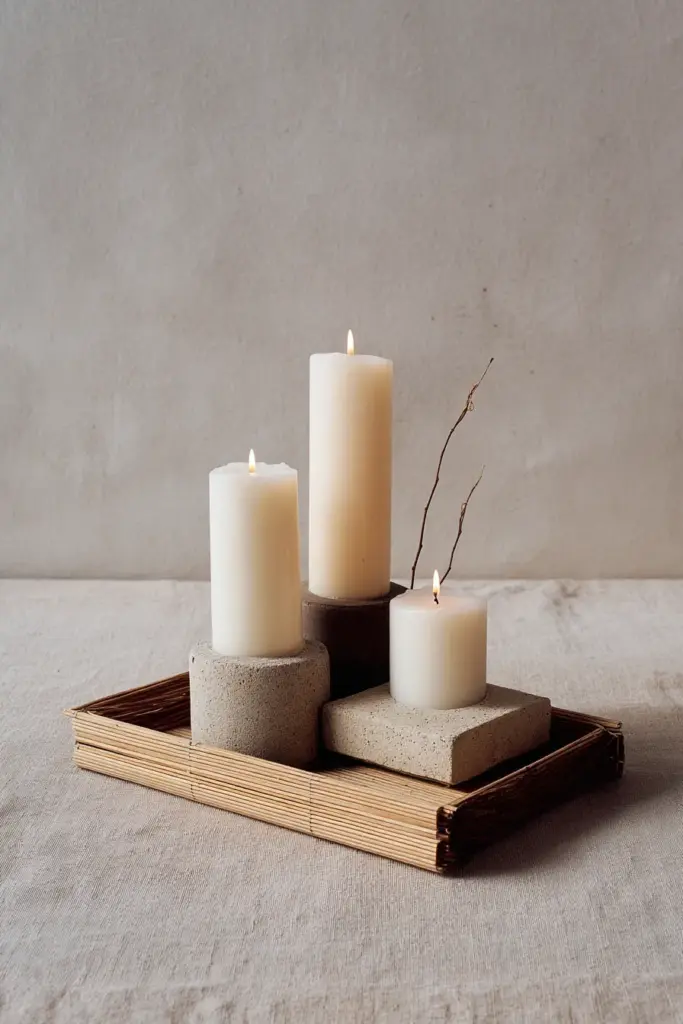
Arrange candles in groups of three or five for visual interest that still feels balanced. Place them on a low wooden tray, a linen runner, or directly on a minimalist coffee table. The asymmetry honors wabi-sabi while maintaining overall harmony.
Vary the heights slightly—mix pillar candles with votives or tea lights. This creates depth without clutter, allowing each piece to breathe within the composition.
Natural Material Pairings
Use candle holders made from unfinished wood, bamboo, ceramic, or concrete. These materials echo the Japandi palette and ground the flame in earthiness. Avoid overly decorative holders; simplicity keeps the focus on light and scent.
A smooth stone vessel or a handmade clay dish becomes part of the art. Let the material speak for itself, just as you would with furniture and textiles in the room.
Placement for Ambiance and Safety
Position candles away from low wooden furniture, hanging plants, or anything flammable. Japandi spaces often feature natural fibers like jute rugs and cotton throws—beautiful, but vulnerable to stray sparks. Keep candles on stable, heat-resistant surfaces.
Place them where the light can reflect—near a mirror, on a side table adjacent to a window, or on a floating shelf. The glow multiplies subtly, enhancing warmth without overwhelming the senses.
Biophilic Pairings: Candles and Greenery
Cluster candles with potted ferns, snake plants, or bonsai. The greenery purifies air while the candle adds warmth—a functional and aesthetic pairing. This layering of natural elements is quintessentially Japandi, blending Japanese reverence for nature with Scandinavian coziness.
Choose planters in neutral tones—matte white, charcoal, or terracotta—to maintain visual cohesion. The combination of living plant and living flame creates a dynamic, breathing tableau.
DIY Japandi Candle Holders and Displays
Upcycled Wooden Platforms
Repurpose small wooden cutting boards or reclaimed wood slabs as candle trays. Sand them lightly for smoothness, leaving natural grain and imperfections visible. This celebrates wabi-sabi and adds personal touch to your space.
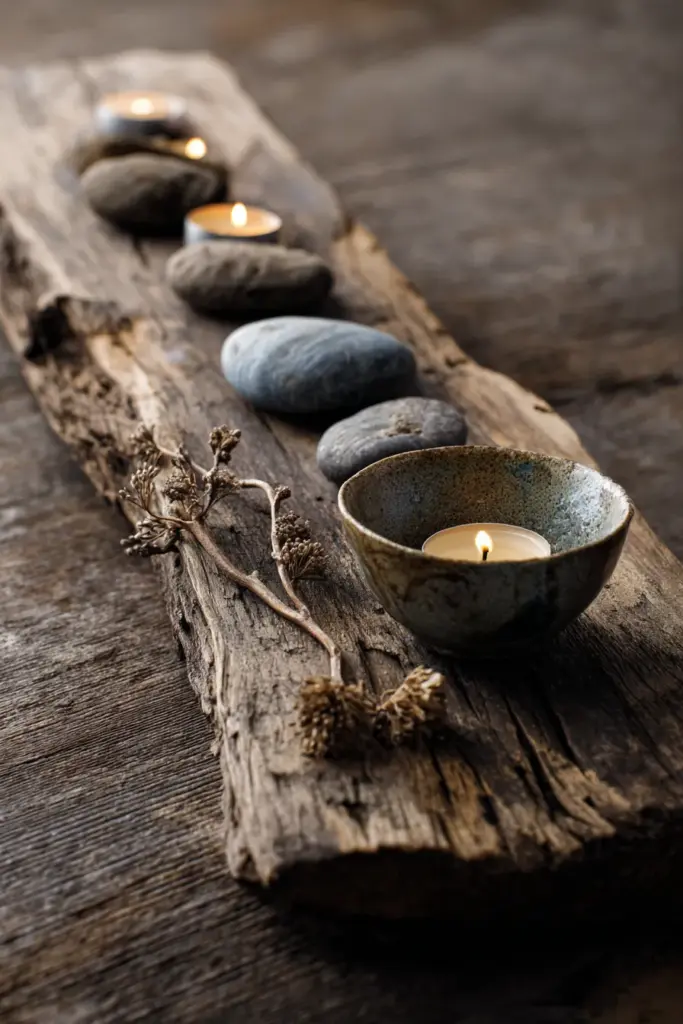
Group three candles of varying heights on the platform, surrounded by smooth river stones or a single dried branch. The simplicity becomes a focal point.
Ceramic Vessels from Local Artisans
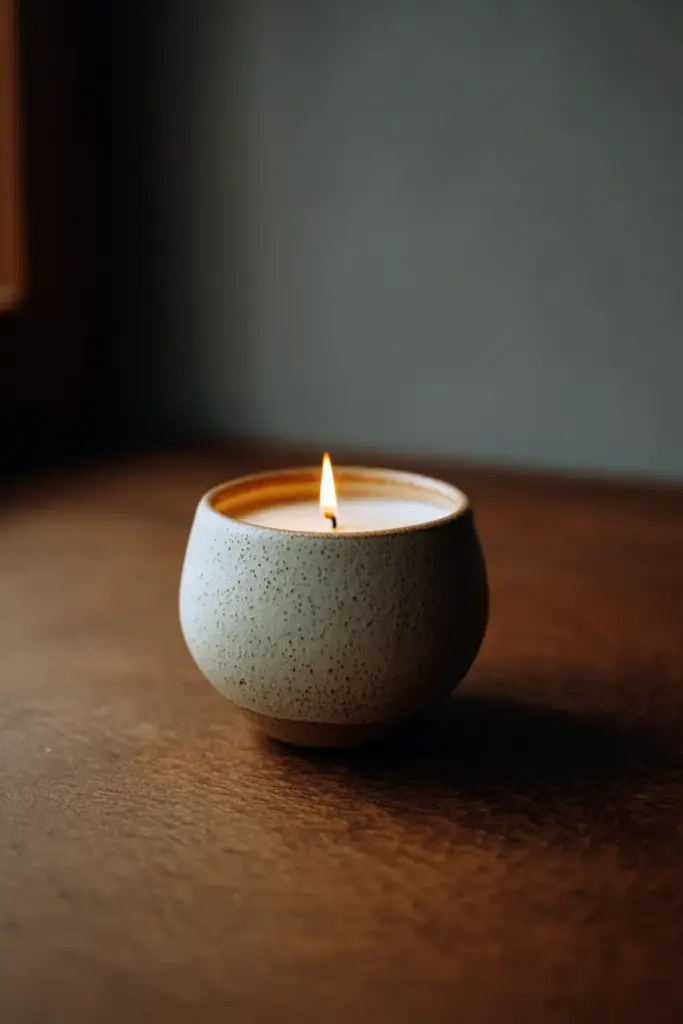
Source handmade ceramic bowls or plates from Manila-based potters. Fill them with sand or small pebbles, then nestle tea lights inside. The vessel becomes both holder and art object, supporting local craft while honoring Japandi’s handmade ethos.
Look for pieces with organic glazes—soft whites, warm grays, or earthy browns that complement your neutral palette.
Minimalist Concrete Holders
Concrete candle holders offer industrial softness—a material contrast that adds edge without disrupting calm. DIY versions can be made with simple molds and quick-set concrete, creating custom sizes for your space.
The raw, matte finish pairs beautifully with soy candles in glass jars, creating textural conversation between smooth wax and rough stone.
Flameless Alternatives: LED Candles for Modern Japandi Living
Why Choose Flameless Options?
LED candles offer the visual warmth of real flames without safety concerns—ideal for homes with children, pets, or high foot traffic. They’re also perfect for renters who may have open-flame restrictions. Modern designs now include realistic flicker technology that mimics natural candlelight beautifully.
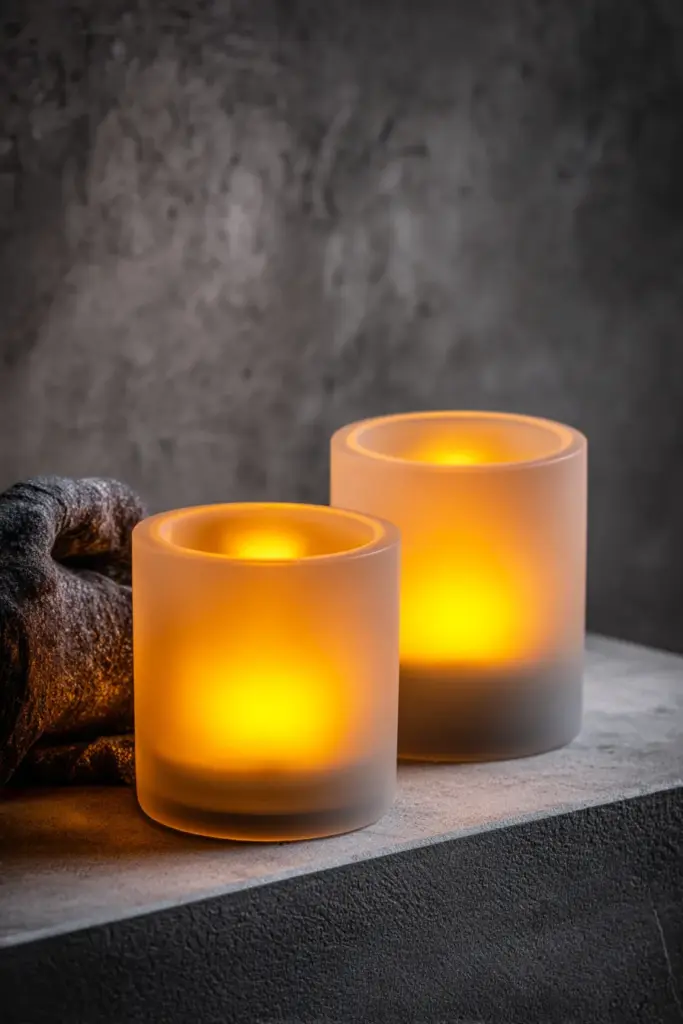
Choose LED candles with warm amber tones rather than cool white. This preserves the cozy atmosphere essential to Japandi interiors.
Styling Flameless Candles
Treat LED candles exactly as you would traditional ones—arrange in odd numbers, use natural holders, and place thoughtfully throughout the room. Battery-operated options hidden inside frosted glass or ceramic vessels are nearly indistinguishable from real candles.
Look for timer functions that allow candles to “light” automatically at sunset. This adds ritual without effort, welcoming you home with gentle glow every evening.
Sustainability and Longevity
LED candles eliminate soot, smoke, and wax waste. While batteries require replacement, rechargeable options reduce environmental impact. This aligns with Japandi’s mindful consumption values—choosing quality pieces that last rather than disposable décor.
Candle Safety in Minimalist Interiors
Mindful Placement
Never leave candles unattended, especially near sheer curtains, paper lanterns, or dried botanicals often featured in Japandi design. Keep them at least 12 inches from anything flammable and away from drafts that could cause uneven burning.
Use candle snuffers rather than blowing out flames—this reduces smoke and protects your air quality in an enclosed, minimalist space.
Proper Burn Practices
Trim wicks to ¼ inch before each use to prevent sooting and ensure even burning. Let soy candles burn long enough for the entire top layer to melt (usually 2–3 hours) to avoid tunneling, which wastes wax and shortens burn time.
Always burn candles on heat-resistant surfaces like ceramic plates or wooden trays designed for this purpose. Never place directly on polished wood furniture without protection.
Ventilation and Air Quality
While soy candles burn cleaner than paraffin, any flame consumes oxygen. In smaller living rooms, crack a window slightly during extended burning sessions. This maintains air quality without disrupting the cozy atmosphere.
Pair candle burning with air-purifying plants like pothos or peace lilies to naturally filter air while enjoying candlelight.
Seasonal Candle Styling for Year-Round Japandi Ambiance
Spring and Summer
Choose lighter scents—yuzu, green tea, or fern moss—that complement warmer weather. Display candles alongside fresh florals in simple glass vases or ceramic vessels. Keep arrangements minimal, allowing each element space to shine.
Opt for unscented candles during very warm months to avoid overwhelming already humid air. Focus on the visual warmth of flame rather than added fragrance.
Autumn and Winter
Transition to deeper, woodier scents like sandalwood, hinoki, or palo santo. Layer candles with chunky knit throws, wool pillows, and warmer textiles. The sensory combination of soft scent, cozy texture, and flickering light creates irresistible hygge.
Increase the number of candles in your displays—clusters of five or seven feel appropriate for longer, darker evenings. This abundance still respects minimalist principles if each piece is intentionally chosen and placed.
Budget-Friendly Japandi Candle Options in the Philippines
Local Artisan Markets
Explore Manila-based makers on platforms like Etsy Philippines or Instagram shops specializing in handmade soy candles. Many offer Japandi-friendly scents at under ₱1,000, supporting local craft while staying within budget.
Look for simple packaging and minimalist branding—these often indicate makers who understand the aesthetic you’re cultivating.
DIY Candle Making
Purchase soy wax flakes, cotton wicks, and essential oils to create custom candles tailored to your exact scent preferences. This approach costs less per candle and allows you to reuse beautiful vintage jars or thrifted vessels as containers.
Choose oils like cedarwood, bergamot, or eucalyptus—widely available and affordably priced in local natural stores or online shops.
Sustainable Refill Programs
Some Philippine candle makers offer refill services where you return empty containers for discounted refills. This reduces waste, saves money, and honors Japandi’s sustainability principles beautifully.
Quick Checklist: Japandi Living Room Candle Essentials
- Scents: Woody (sandalwood, hinoki), citrus (yuzu), herbal (fern moss), incense (palo santo)
- Materials: Soy wax for clean burning and sustainability
- Holders: Natural wood, ceramic, concrete, bamboo—nothing overly decorative
- Arrangement: Odd numbers (3, 5) on trays or low tables
- Safety: 12+ inches from flammables, trimmed wicks, never unattended
- Alternatives: LED flameless candles for pet-safe, worry-free ambiance
- Pairings: Combine with greenery, neutral textiles, natural light
- Budget: Explore local artisans, DIY options, or refill programs under ₱1,000
Conclusion: The Quiet Luxury of Candlelight
A Japandi living room asks you to slow down. To notice the grain in the wood, the weight of linen in your hand, the way afternoon light pools on the floor. Candles extend this invitation into evening, into ritual, into the softest parts of yourself that crave warmth and stillness.
Choosing the right candles—scents that ground you, materials that honor nature, displays that balance beauty and simplicity—becomes an act of care. For your space, yes, but also for the life you’re living within it. That’s the soul of Japandi design: not perfection, but presence. Not excess, but enough.
Light a candle tonight. Let it flicker against the gathering dark. Let it remind you that home is not just where you live, but how you choose to dwell there.
Frequently Asked Questions
What scents suit Japandi living rooms best?
Woody notes like sandalwood and hinoki create grounding calm, while citrus scents like yuzu add fresh brightness. Herbal options such as fern moss or green tea maintain clarity without overwhelming minimalist spaces. Choose scents that evoke nature and tranquility.
Are soy candles better for Japandi interiors?
Yes, soy candles burn cleaner than paraffin, releasing fewer toxins—essential in spaces where you’re attuned to every sensory detail. They also last longer (40–60 hours) and have a natural matte finish that complements organic Japandi aesthetics beautifully.
How do I style candles without creating clutter?
Arrange in odd numbers (three or five) on wooden trays or minimalist surfaces. Use simple holders in natural materials like ceramic or unfinished wood. Keep spacing generous and let each piece breathe—less is more in Japandi design.
What are safe flameless alternatives for Japandi homes?
LED candles with realistic flicker technology offer warmth without fire risk, perfect for pet owners or renters. Choose warm amber tones and hide battery packs inside frosted glass or ceramic vessels for an authentic look that maintains safety.
Where can I find affordable Japandi candles in the Philippines?
Explore local artisan markets on Etsy Philippines or Instagram shops offering handmade soy candles under ₱1,000. DIY candle-making with soy wax and essential oils is also budget-friendly, or look for sustainable refill programs from Philippine makers.