
Table of Contents
By ERYLIN — Your Guide to Soulful, Considered Living
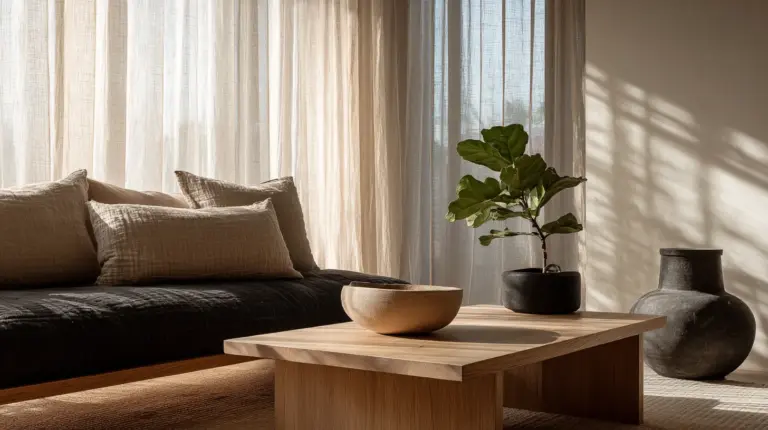
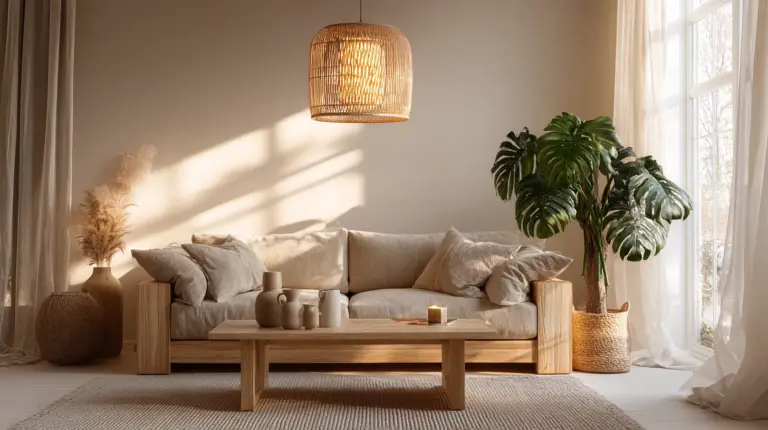
There is something almost sacred about the way light falls in a well-designed room. It grazes the grain of a wooden pendant. It softens the edges of a linen shade. It turns an ordinary evening into something worth savoring.
Japandi lighting captures exactly that feeling — the effortless warmth of Scandinavian hygge fused with the intentional stillness of Japanese wabi-sabi. Together, they create interiors that breathe. Spaces that feel both curated and deeply lived-in.
The beautiful truth? You don’t need a designer’s budget to bring this kind of light into your home. With the right knowledge — and a little patience at the thrift store or on Shopee — you can layer soft, meaningful light throughout every corner of your space.
This guide is your calm, practical companion to achieving Japandi lighting on a budget. We’ll walk through everything: fixture types, color temperatures, local sourcing tips, DIY hacks, and room-by-room ideas that inspire without overwhelming.
What Is Japandi Lighting? A Philosophy Before a Product
Before you browse a single lamp, understand what Japandi lighting is trying to do.
Japandi design marries two very different but deeply compatible cultures. Japanese interiors lean into minimalism, imperfection, and the beauty of nature. Scandinavian design favors warmth, functionality, and coziness. In lighting, these values translate into one guiding principle: light should feel like it belongs.
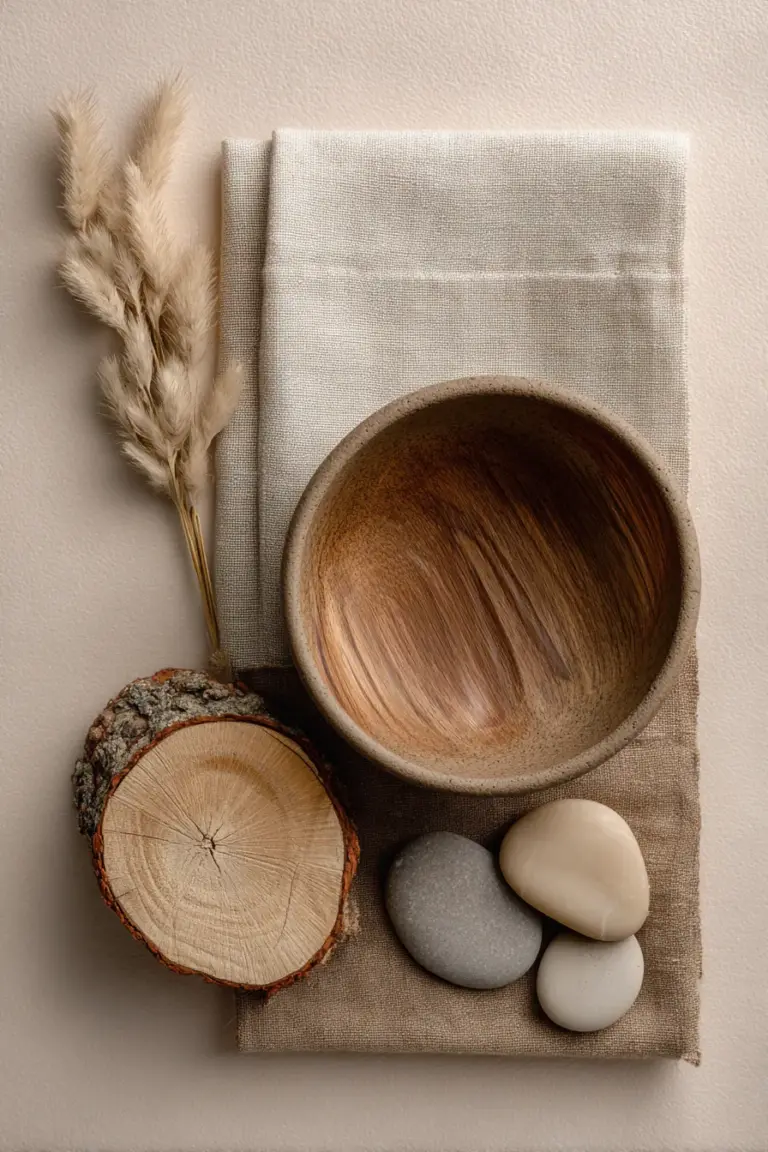
That means no harsh overhead glare. No cold blue-white tones that make a room feel clinical. Japandi lighting is soft, diffused, and layered. It works with the room’s natural textures — raw wood, aged rattan, washed linen — rather than competing with them.
Think of it as light that sighs, rather than shouts.
What Color Temperature Works Best for Japandi Lighting?
Color temperature is perhaps the single most important factor in creating an authentic Japandi atmosphere.
The 2700K–3000K Sweet Spot
Japandi spaces thrive on warm white light, measured between 2700K and 3000K on the Kelvin scale. This range mimics the golden hour — that tender late-afternoon light that makes everything feel softer, warmer, and more inviting.
Avoid anything above 4000K. Cool daylight tones dissolve the cozy intimacy that Japandi design is built around. They wash out the warmth of natural wood and turn linen into gray cotton.
A Quick Color Temperature Guide
| Kelvin Range | Tone | Japandi Fit |
|---|---|---|
| 2200K–2700K | Amber/Candlelight | ✅ Ideal for bedrooms and dining |
| 2700K–3000K | Warm White | ✅ Perfect for living rooms and reading nooks |
| 3500K–4000K | Neutral White | ⚠️ Use sparingly in task areas only |
| 4000K–6500K | Cool Daylight | ❌ Avoid — disrupts Japandi warmth |
Always choose dimmable LED bulbs in the 2700K–3000K range. Dimmer switches cost very little and give you complete control over a room’s mood throughout the day.
The Three Layers of Japandi Lighting
Japandi lighting isn’t about one beautiful fixture. It’s about layering — creating depth, softness, and intentionality through multiple light sources working in harmony.
Layer 1: Ambient Lighting — The Foundation
Ambient light is your room’s general illumination. In a Japandi space, it should never be the only light source — and it should never come from a single harsh overhead bulb.
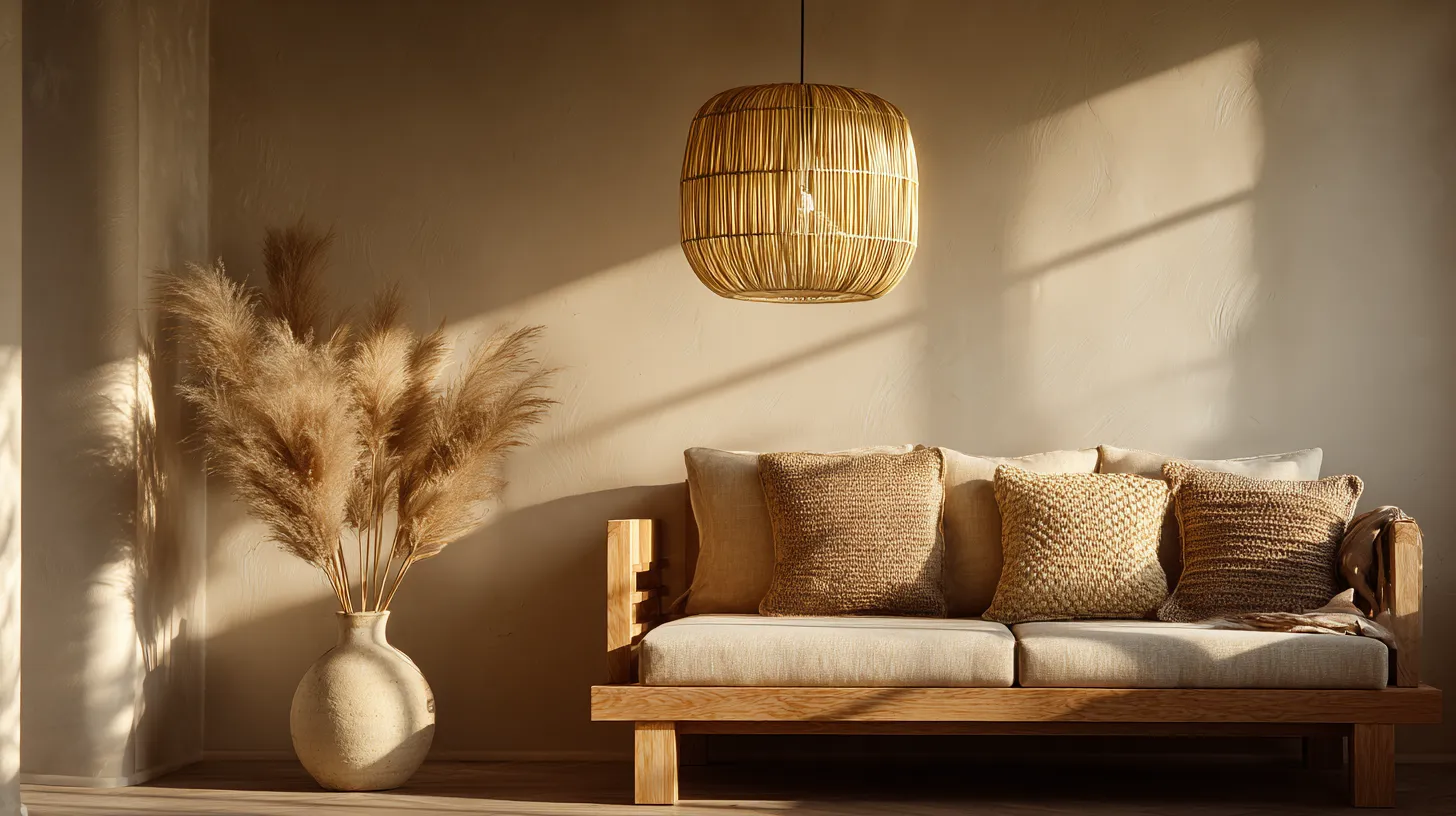
Consider a wooden dome pendant or a washi paper globe hung low over a dining table. These create a pool of warm light that draws people in without flooding the whole room. A rice paper lantern from your local Divisoria or sourced on Lazada for under ₱500 works beautifully as a diffuser — the paper scatters light gently, eliminating hard shadows.
Layer 2: Task Lighting — Functional Beauty
Task lighting serves a purpose: reading, cooking, working. But in Japandi design, it should never feel industrial.
A wooden tripod floor lamp beside an armchair is both practical and gorgeous. A slim bamboo desk lamp with a linen shade softens a home office without distracting from the work. Look for fixtures with warm-toned bulbs and adjustable necks — function and form, always together.
Layer 3: Accent Lighting — The Soul of the Room
This is where Japandi lighting becomes art. Accent lights draw attention to texture, shadow, and quiet beauty.
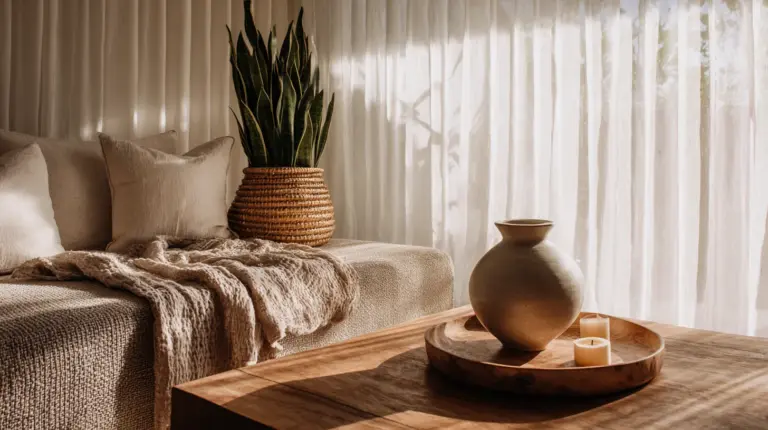
A small washi paper candle holder glowing on a shelf. An LED strip tucked behind a low wooden TV console, casting a warm halo against the wall. A ceramic table lamp with a rough, handmade texture. These are the layers that make a room feel like yours.
How to Get Japandi Lighting on a Budget
You don’t need to spend a fortune. You need to shop with intention.
Budget Tier Breakdown
| Budget Range | What You Can Find |
|---|---|
| Under ₱500 | Paper lanterns, candle holders, basic bamboo pendant frames |
| ₱500–₱1,500 | Rattan pendants, linen table lamps, wooden tripod bases |
| ₱1,500–₱3,000 | Quality dimmable floor lamps, washi globe pendants, natural fiber shades |
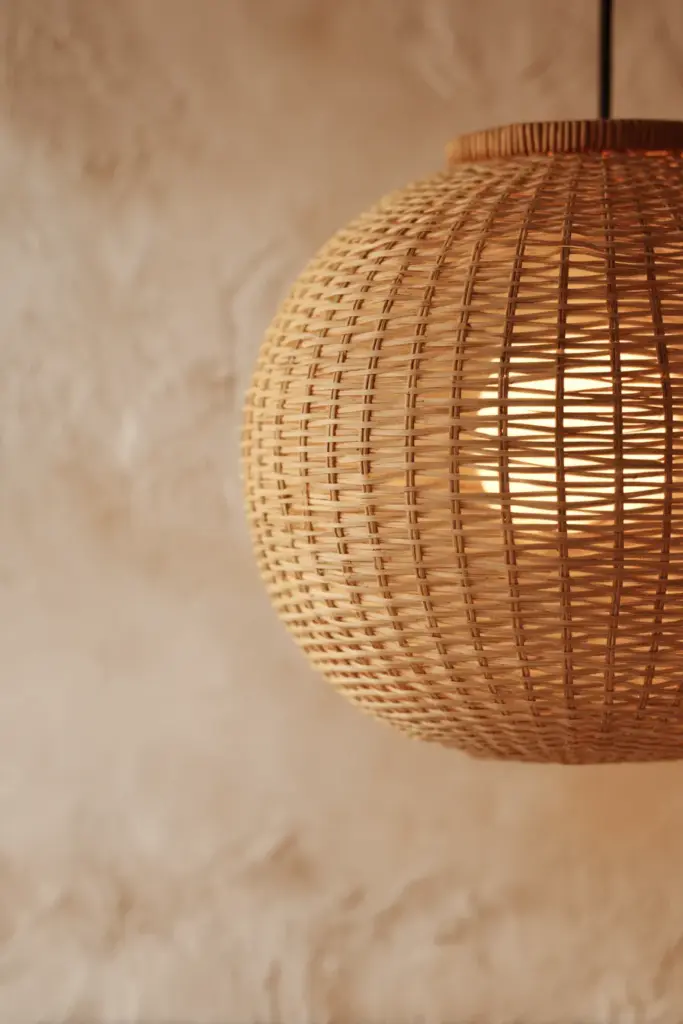
| ₱3,000–₱6,000 | Investment pendants in solid wood or hand-woven rattan |
Where to Shop in the Philippines
Shopee and Lazada are treasure troves for Japandi-inspired lighting at accessible prices. Search terms like “rattan pendant lamp,” “bamboo ceiling light,” or “linen shade table lamp” will surface dozens of affordable options. Filter by ratings above 4.5 stars and read reviews carefully.
Divisoria and Quiapo are gold mines for paper lanterns, basic bamboo fixtures, and replacement shades. Bring your own style vision and an open eye — many pieces just need the right bulb to come alive.
Ukay-ukay and thrift stores in Silang, Cavite and nearby towns often carry wooden lamp bases, ceramic table lamps, and rattan shades that fit the Japandi aesthetic perfectly. Budget ₱100–₱400 per piece and enjoy the hunt.
IKEA alternatives abound on Shopee — search “IKEA dupe pendant lamp” or “Noguchi lamp dupe” for styles that mirror high-end Japandi fixtures at a fraction of the cost.
Japandi Lighting Ideas by Room
Living Room Lighting
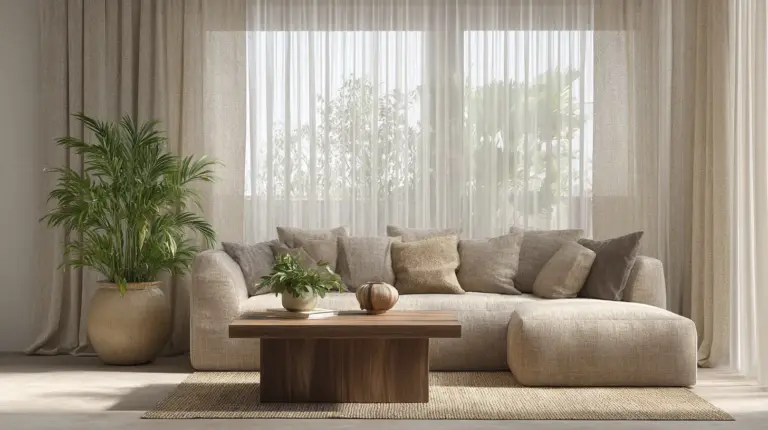
The living room is your home’s heart, and it deserves layered, considered light.
What Works
- A wooden slat pendant or rattan dome light as a central fixture
- A floor lamp with a linen shade beside the sofa for reading
- Warm LED strip lights behind the TV console or along a low shelf
- Small ceramic or stone table lamps on side tables
Aim for 300–500 lumens per square meter in a Japandi living room. This creates enough light to be functional without washing out the room’s warmth and texture.
Bedroom Lighting
The bedroom calls for restraint. Less is more. The goal is sleep-readiness — a gradual dimming toward rest.
What Works
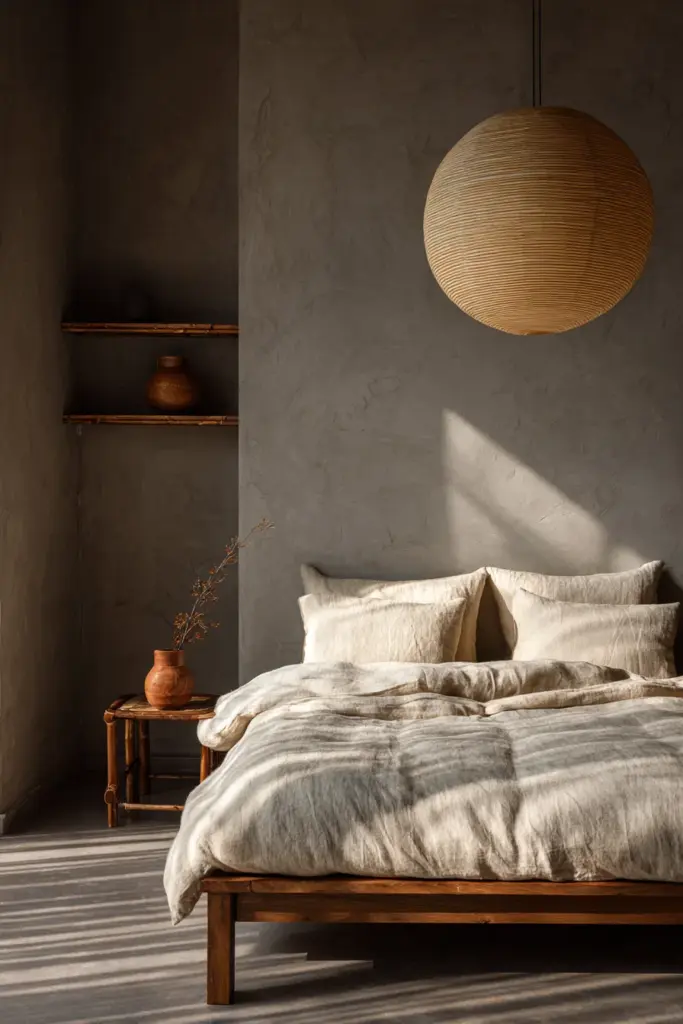
- A washi paper globe pendant hung low on each side of the bed instead of standard bedside lamps
- Warm candle holders in ceramic or clay on the nightstand
- A bamboo wall sconce with a dimmable 2700K bulb
- Under-bed LED tape in amber for a soft, grounding glow
Avoid overhead lighting entirely in the bedroom if possible. Let the layers do the work.
Dining Area Lighting
The dining table is where meals become memories, and the lighting should honor that.
What Works
- A pendant cluster of two or three rattan or paper globes hung at varying heights
- Dimmable capability is non-negotiable — bright for morning coffee, low and golden for evening dinners
- A candle or flameless LED candle as a centerpiece anchors the table beautifully
Hang pendants 60–80 cm above the table surface for the most flattering light distribution.
Home Office Lighting
Japandi doesn’t abandon function for beauty — it insists on both.
What Works
- A bamboo or wood desk lamp with an adjustable arm
- Natural light as a priority — position your desk near a window and supplement with a warm task lamp
- A small accent lamp on a nearby shelf to reduce the contrast between your screen and the surrounding darkness
DIY Japandi Lighting Hacks (Under ₱500)
Sometimes the most beautiful things are also the most made-by-hand. These simple projects bring authentic Japandi warmth to any corner of your home.
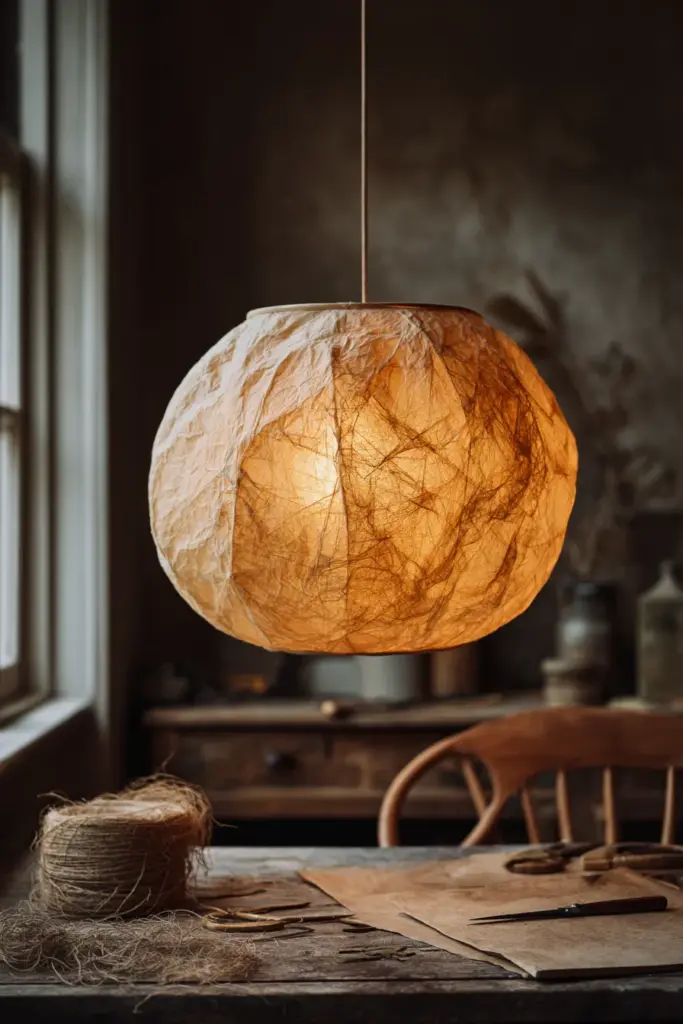
Bamboo and Rice Paper Shade
Purchase a plain bamboo ring frame from Divisoria (₱80–₱150) and wrap it with sheets of rice paper or washi paper using craft glue. Thread a basic pendant cord and socket through the center. The result is a soft, handmade lantern that diffuses light beautifully — for under ₱200 total.
Upcycled Bottle Lamp
A clean ceramic or dark glass bottle, a bottle lamp kit from Shopee (₱150–₱300), and a small linen shade create a stunning bedside lamp. Sand the bottle lightly for a matte, wabi-sabi finish.
LED Strip Under Shelving
A warm 2700K LED strip from Shopee (₱200–₱400 per meter) installed under floating wooden shelves creates the kind of glowing, ambient accent light that defines Japandi interiors. It highlights the texture of the wood from below and casts a gentle halo into the room.
Biophilic Japandi: Lighting with Plants
Japandi design has always honored nature, and your lighting can deepen that connection.
Place a warm LED grow light (look for full-spectrum options on Shopee, ₱400–₱1,200) beside or above your monstera, pothos, or peace lily. The soft, purposeful light keeps your plants thriving while adding a living, breathing layer of warmth to your space.
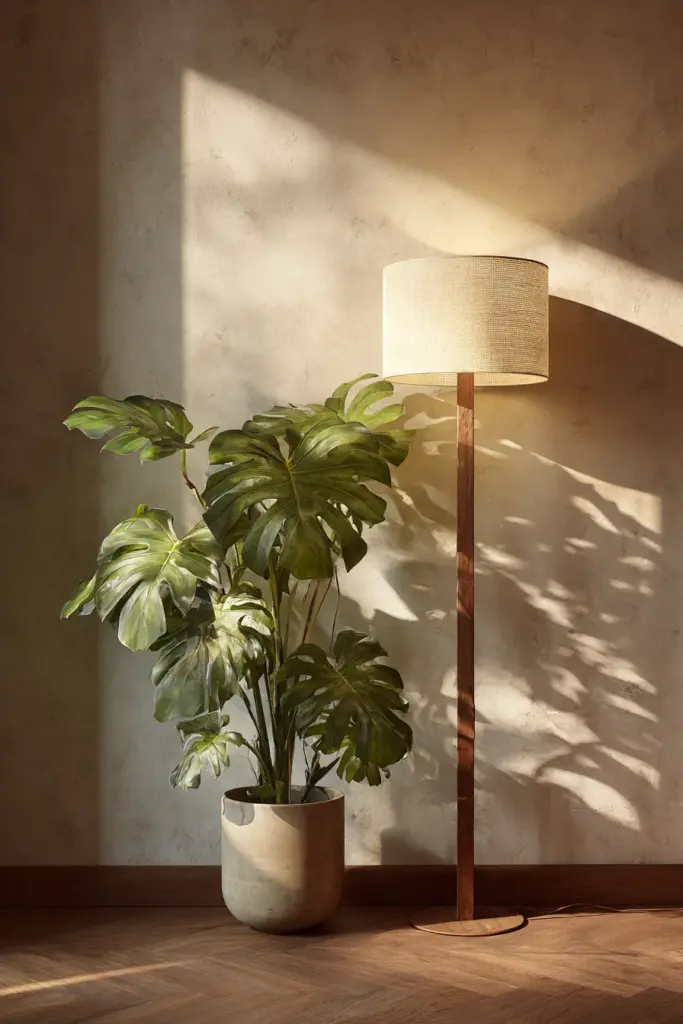
A floor lamp positioned beside a large leafy plant creates gorgeous shadow play on the wall behind it — one of the most beautiful, free design tricks in the Japandi playbook.
2026 Japandi Lighting Trends to Watch
The world of Japandi design is quietly evolving. Here’s what’s emerging this year.
- Solar-powered lanterns: Outdoor Japandi spaces are embracing solar-charged rattan and bamboo lanterns — beautiful by day, glowing warmly by night, with zero electricity cost.
- Handmade ceramic pendants: Rough, imperfect ceramic shades that celebrate the beauty of the handmade are replacing mass-produced globes.
- Integrated plant lighting: Fixtures that double as plant hangers or terrariums bring the biophilic and the luminous together in one beautiful object.
- Wabi-sabi repair aesthetics: Cracked or mended lamp bases celebrated rather than hidden — true to the Japanese art of kintsugi.
Your Japandi Lighting Checklist
Before you shop, style, or switch on, run through this list:
- Bulbs selected in 2700K–3000K range
- At least three light sources planned per room (ambient, task, accent)
- Dimmer switches installed or compatible bulbs sourced
- Natural materials prioritized: wood, rattan, bamboo, linen, washi paper
- Overhead glare eliminated or softened with a diffusing shade
- Lumens appropriate for the room size (300–500 lm/sqm for living areas)
- At least one accent light that highlights a texture, plant, or meaningful object
- Budget mapped across tiers — not everything needs to be expensive
A Closing Thought
Good lighting is not about brightness. It’s about presence.
When you walk into a room and feel yourself exhale — when the light feels like it was placed there just for you, in this exact moment — that is Japandi lighting done right. It doesn’t announce itself. It simply makes everything else more beautiful.
Start small. One warm bulb, one wooden shade, one quiet corner brought to life. Layer slowly, with intention. And let your home become the kind of place where every evening feels like enough.
ERYLIN is here whenever you’re ready for the next step.
Frequently Asked Questions
What is Japandi lighting?
Japandi lighting is the design philosophy of combining Japanese minimalism with Scandinavian warmth in the way a space is illuminated. It favors soft, warm-toned light diffused through natural materials — wood, bamboo, rattan, washi paper, and linen — rather than harsh overhead fixtures. The goal is a layered, intentional glow that feels calm and grounding.
What color temperature is best for Japandi lighting?
The ideal range is 2700K to 3000K — warm white tones that mimic candlelight or the golden hour. Anything cooler (above 3500K) disrupts the cozy, organic atmosphere that Japandi design depends on. Always pair warm bulbs with dimmable fixtures for maximum flexibility.
How do I get Japandi lighting on a budget in the Philippines?
Start with Shopee or Lazada for rattan pendants, bamboo shades, and linen table lamps at ₱500–₱1,500. Check ukay-ukay shops and Divisoria for thrifted wooden bases and paper lanterns under ₱300. DIY options like bamboo ring shades with rice paper cost under ₱200 and look stunning. Prioritize one quality piece per room and layer with affordable accents.
What fixtures work best for a Japandi style living room?
The most versatile Japandi-aligned fixtures include wooden dome pendants, rattan globe lights, linen floor lamps, washi paper lanterns, and simple ceramic table lamps. Avoid crystal chandeliers, polished chrome, and anything with visible cool-toned LED panels — these conflict with the natural, grounded aesthetic.
Do I need a dimmer switch for Japandi lighting?
Yes — strongly recommended. Dimmable lighting is central to the Japandi philosophy of adaptability and mood. A single pendant that shifts from bright morning light to a soft evening glow transforms how a room feels throughout the day. Most standard dimmer switches cost ₱200–₱500 and are compatible with dimmable LED bulbs in the 2700K–3000K range.