
Table of Contents
There’s something almost sacred about the way light filters through rice paper. It doesn’t just illuminate a room—it transforms it. Soft edges replace harsh glare. Shadows become companions rather than corners to fear. In the marriage of Japanese wabi-sabi and Scandinavian hygge, rice paper lighting becomes the quiet heartbeat of a Japandi living room.
You’ve likely felt it before: that calm exhale when you step into a space lit just right. Not too bright. Not too dim. Just enough to see the grain of wood on your coffee table, the weave of your favorite throw blanket, the silhouette of a fiddle leaf fig reaching toward the ceiling.
This is what Japandi living room rice paper lighting offers. It’s ambient, layered, and deeply intentional. It honors natural materials while creating warmth that feels both minimal and profoundly cozy.
Let me walk you through how to bring this luminous tranquility into your own home—from choosing the right lamps to styling them with the textures and tones that make Japandi design so irresistible.
What Is Japandi Lighting Style?
Japandi lighting is the fusion of two beloved design philosophies. Japanese aesthetics bring wabi-sabi—the beauty of imperfection, natural materials like bamboo and washi paper, and a reverence for soft, diffused light. Scandinavian design contributes minimalism, functionality, and that beloved hygge warmth we all crave during long evenings.
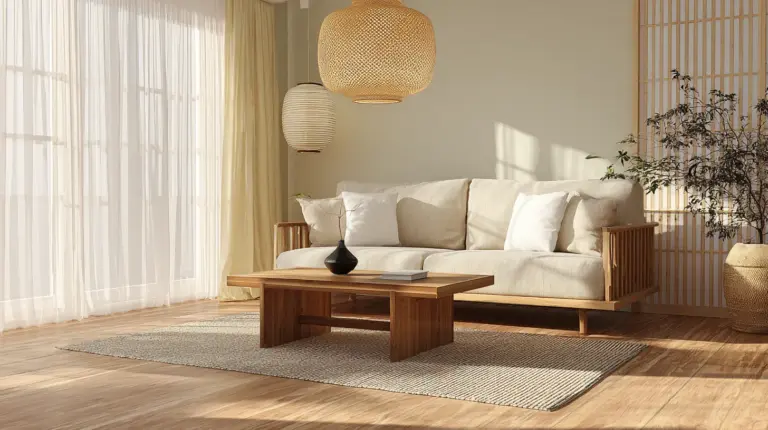
When these two worlds meet, rice paper becomes the hero. It diffuses harsh LED bulbs into a gentle, ambient glow that feels like candlelight without the flicker. Think floor lamps with handcrafted shades standing next to low-slung sofas, or pendant lights casting warm pools over earth-toned rugs.
The result? Lighting that doesn’t demand attention but invites you to linger, to settle in, to be.
Why Rice Paper Lighting Transforms Japandi Living Rooms
The Science Behind the Soft Glow
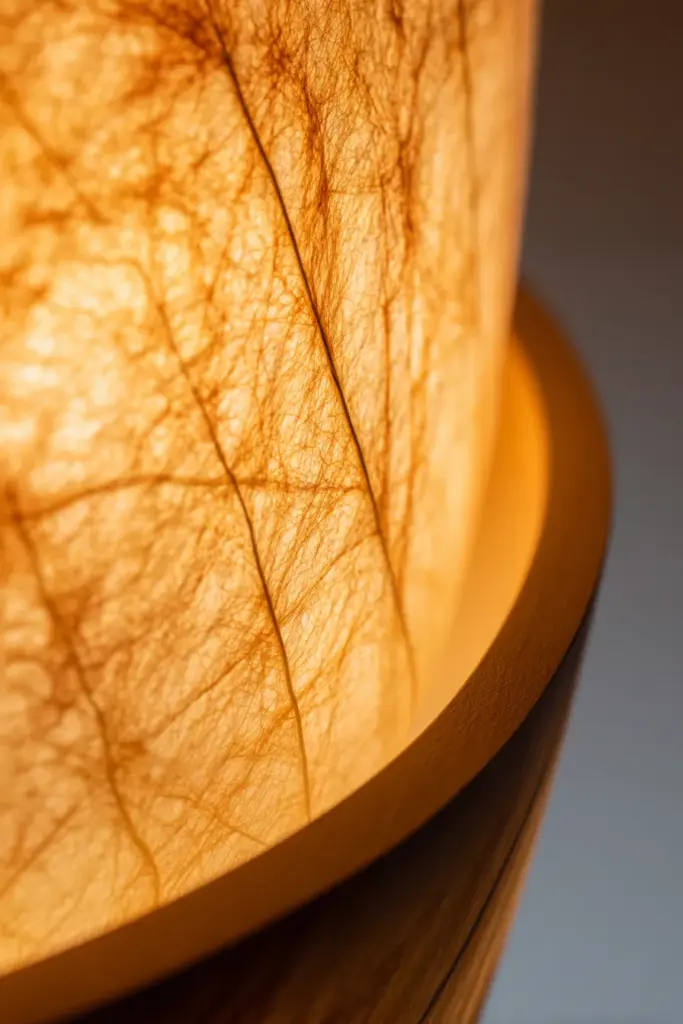
Rice paper—whether it’s traditional washi or mulberry-based alternatives—has a unique translucency. Light passes through, but the fibers scatter it into something softer, warmer. When paired with 2700K warm LED bulbs, the effect reduces stress and creates a calming atmosphere backed by color psychology studies.
You’re not just turning on a lamp. You’re curating an experience.
Layered Ambient Lighting Done Right
Japandi design thrives on layering. A single overhead fixture won’t cut it. Instead, think of lighting as a conversation between sources: a rice paper floor lamp near your reading nook, a small table lamp on a console, perhaps a geometric paper lantern suspended above. Each light source plays its part, creating depth and dimension.
This layered approach avoids the flatness of uniform lighting. Shadows become intentional. Textures—like the weave of a linen cushion or the grain of teak furniture—come alive.
Choosing the Perfect Rice Paper Lamps for Your Space
Floor Lamps: The Japandi Staple
Floor lamps are the workhorses of Japandi living room lighting. Look for designs with bamboo or ash wood frames paired with cylindrical or spherical rice paper shades. The Akari lamp style—made famous by Isamu Noguchi—remains iconic for good reason: it’s sculptural yet humble, modern yet timeless.
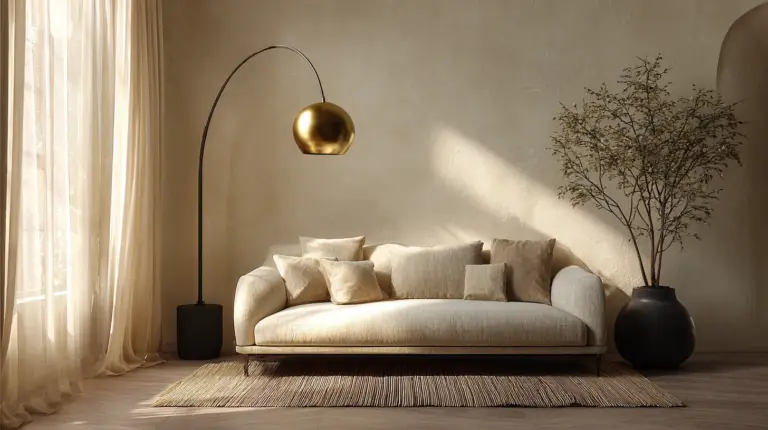
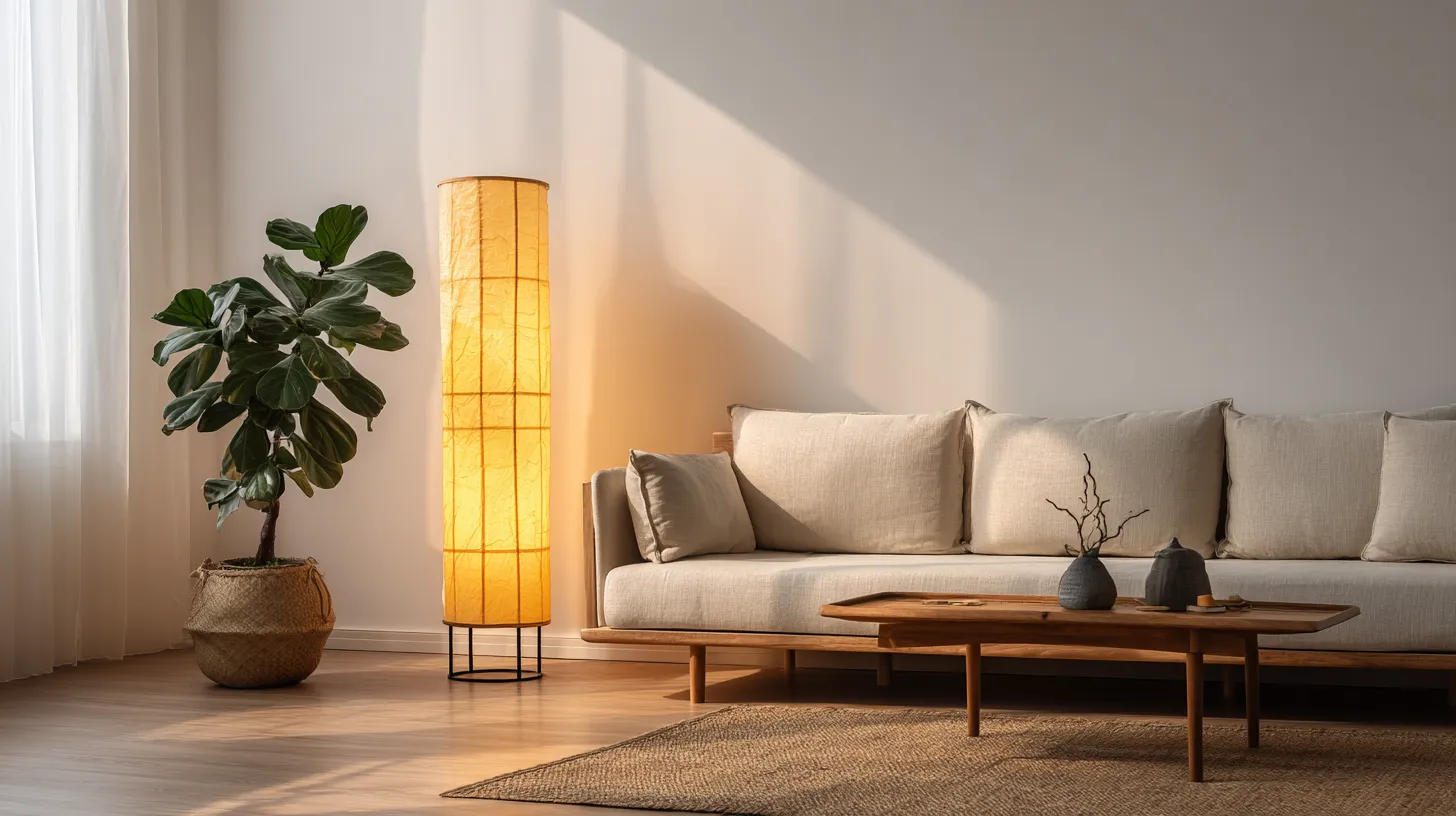
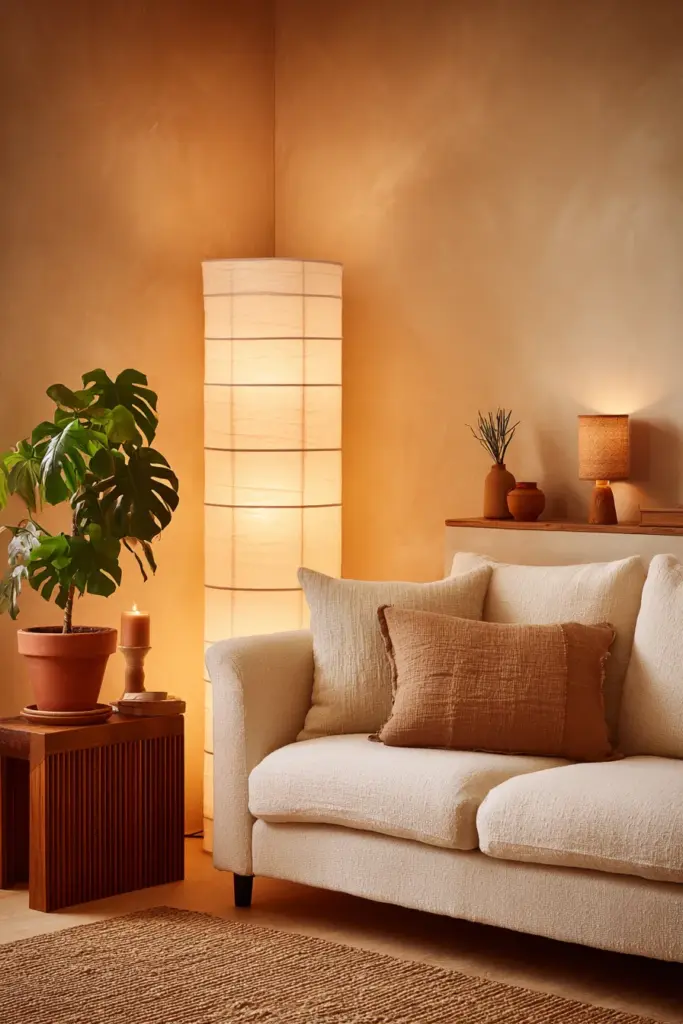
Position your floor lamp near low seating. In Japandi design, furniture sits closer to the ground, echoing Japanese tatami traditions. A tall rice paper floor lamp beside a low sofa creates balance and illuminates without overwhelming.
Budget tip: While original Akari lamps can run $150-300, you’ll find beautiful dupes on Etsy, H&M Home, or even Shopee PH starting around $30-50. Look for sturdy bamboo frames and authentic washi or mulberry paper for the best glow.
Pendant and Ceiling Fixtures
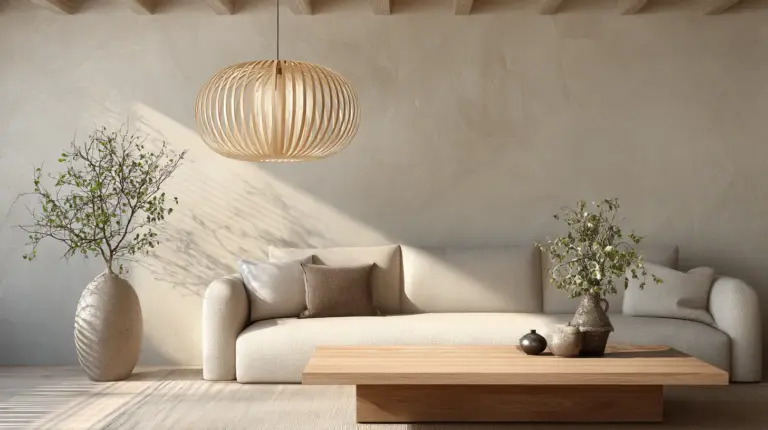
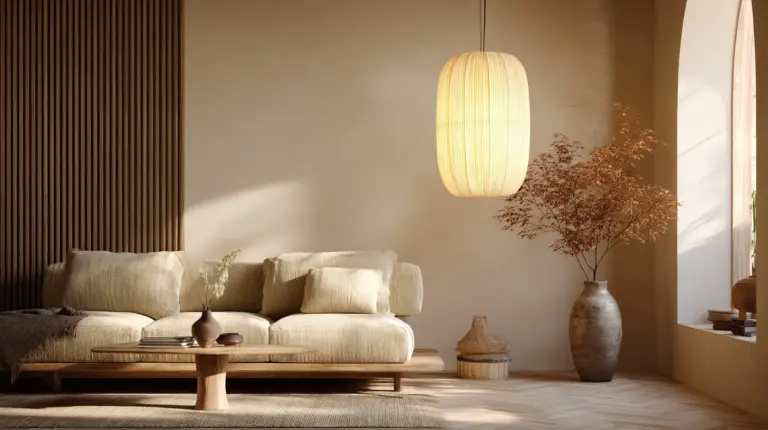
For living rooms with higher ceilings, rice paper pendants add drama without heaviness. Choose geometric shapes—hexagons, cylinders, or cloud-like forms—to anchor the room. Hang them low over a coffee table or in a corner reading zone.
The key is proportion. A large pendant (18-24 inches in diameter) works in spacious rooms, while smaller clusters suit compact Manila apartments. Always use dimmable LED bulbs to adjust the mood from bright afternoon light to evening intimacy.
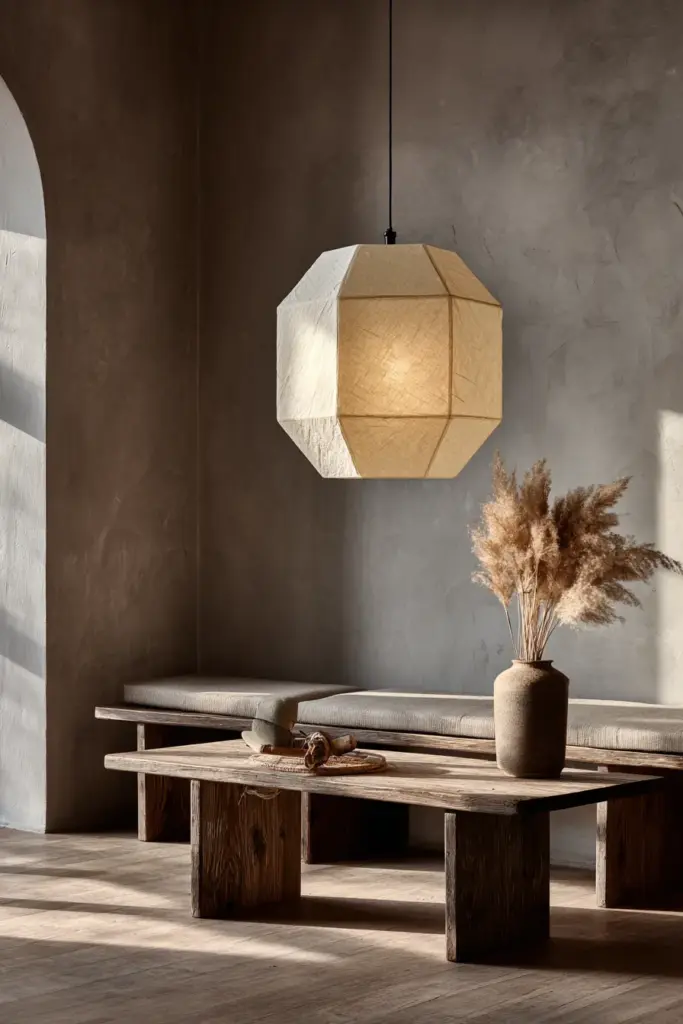
Table Lamps for Accent Lighting
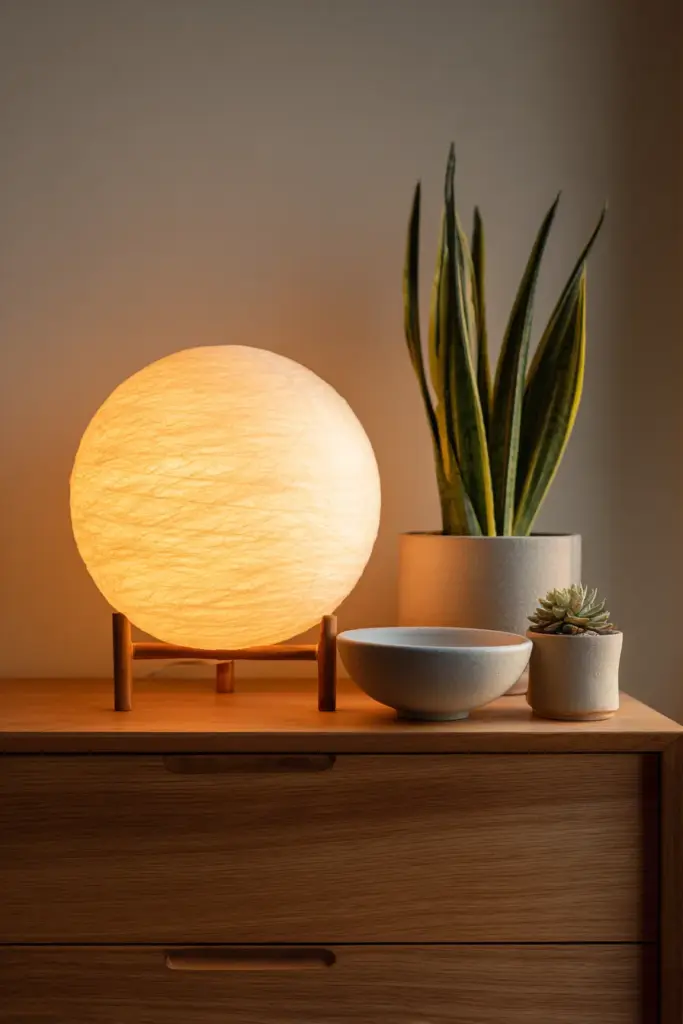
Small rice paper table lamps are your secret weapon for layered lighting. Place one on a side table beside your favorite chair, or use two flanking a console to frame artwork. These accent lights add warmth without competing for attention.
Pair them with neutral bases—ceramic in matte beige, natural wood, or even minimalist metal. The rice paper shade should remain the star.
How to Style Rice Paper Lamps in Your Living Room
Pairing with Earth Tones and Natural Textures
Japandi design lives in a palette of beige, warm grays, soft whites, and muted greens. Your rice paper lighting should harmonize, not contrast. When the shade glows warm, it enhances these earth tones, making creams feel cozier and grays less cold.
Surround your lamps with natural textures: a jute rug underfoot, linen curtains catching afternoon light, terracotta planters housing monstera or pothos. The rice paper becomes part of this textural conversation—one more layer of organic beauty.
Low-Height Furniture and Spatial Balance
Japandi interiors embrace low-profile furniture. A modular sofa just 18 inches off the ground, a coffee table with legs you can see beneath—these choices create openness. Your rice paper floor lamp should complement this by standing tall (60-72 inches) to draw the eye upward without breaking the flow.
Avoid cluttering the lamp’s vicinity. Let it breathe. A single lamp beside a sofa, with perhaps a small fiddle leaf fig or snake plant nearby, creates a vignette that feels curated but effortless.
Plant Pairings for Wabi-Sabi Balance
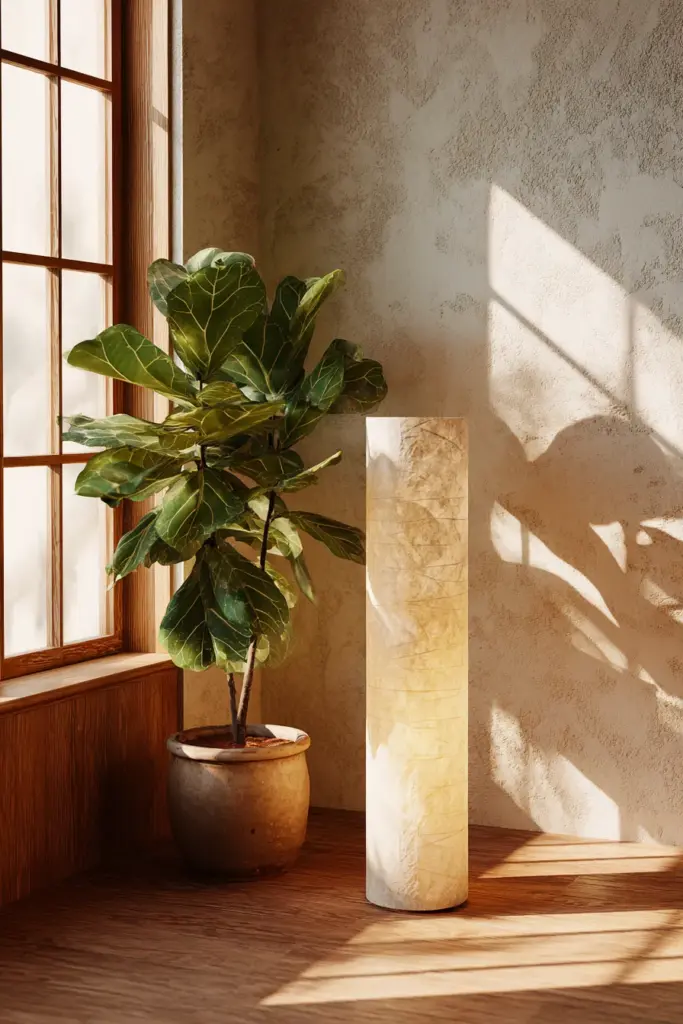
Plants and rice paper lighting share a kinship. Both are organic, imperfect, alive. Place a large fiddle leaf fig or rubber plant near your floor lamp. As light filters through the rice paper, it also illuminates the plant’s leaves, creating layered shadows on the wall.
For smaller spaces, opt for low-maintenance plants like snake plants or pothos on nearby shelves. The greenery adds life without overwhelming your minimalist aesthetic.
Practical Considerations for Rice Paper Lighting
Safety First: Fire Retardancy and Bulb Choices
Rice paper is delicate, and safety matters. Always choose lamps treated with fire-retardant solutions, especially if you have pets or young children. Check product descriptions or reach out to sellers if this isn’t clear.
Bulb wattage is critical. Never exceed 40 watts in a rice paper lamp. Higher wattage generates heat that can yellow or damage the paper over time. Opt instead for 7-12 watt warm LED bulbs (equivalent to 40-60 watt incandescent) at 2700K for that perfect cozy glow.
Pet-Proofing and Durability
If you have cats or dogs, position floor lamps in corners or behind furniture where they’re less likely to be knocked over. Some higher-end lamps come with weighted bases or wider footprints for stability.
For households with playful pets, consider wall-mounted or suspended rice paper fixtures instead. They offer the same soft glow without the risk of toppling.
Maintenance and Longevity
Rice paper is forgiving, but it’s not indestructible. Dust gently with a soft cloth or feather duster every few weeks. Avoid water or harsh cleaners—they’ll stain or weaken the fibers.
If your shade yellows over time (usually from excessive heat or sunlight), it may be time to replace it. Many lamps allow you to swap shades without replacing the entire fixture, making sustainability easier.
Smart Integrations for Modern Japandi Spaces
Dimmable and Color-Temperature Control
Layered Japandi lighting schemes shine brightest (pun intended) when you have control. Invest in dimmable LED bulbs compatible with smart systems like Philips Hue or LIFX. This lets you adjust brightness and even color temperature throughout the day.
Morning? Bright, cooler light (3000K) energizes. Evening? Dial down to 2700K or lower for amber warmth that signals relaxation. Your rice paper shades will render these shifts beautifully, creating entirely different moods in the same room.
Voice and App Controls
Pair your smart bulbs with voice assistants (Google, Alexa) or dedicated apps. Imagine saying “dim living room to 30%” as you settle in for a movie, or scheduling your lamps to gradually brighten at sunrise.
This tech integration doesn’t compromise Japandi’s minimalist ethos—it enhances it. Fewer switches on the wall, more seamless control, and a home that responds to your rhythms.
DIY Rice Paper Lamp Ideas for Japandi Enthusiasts
Creating Your Own Washi Paper Shade
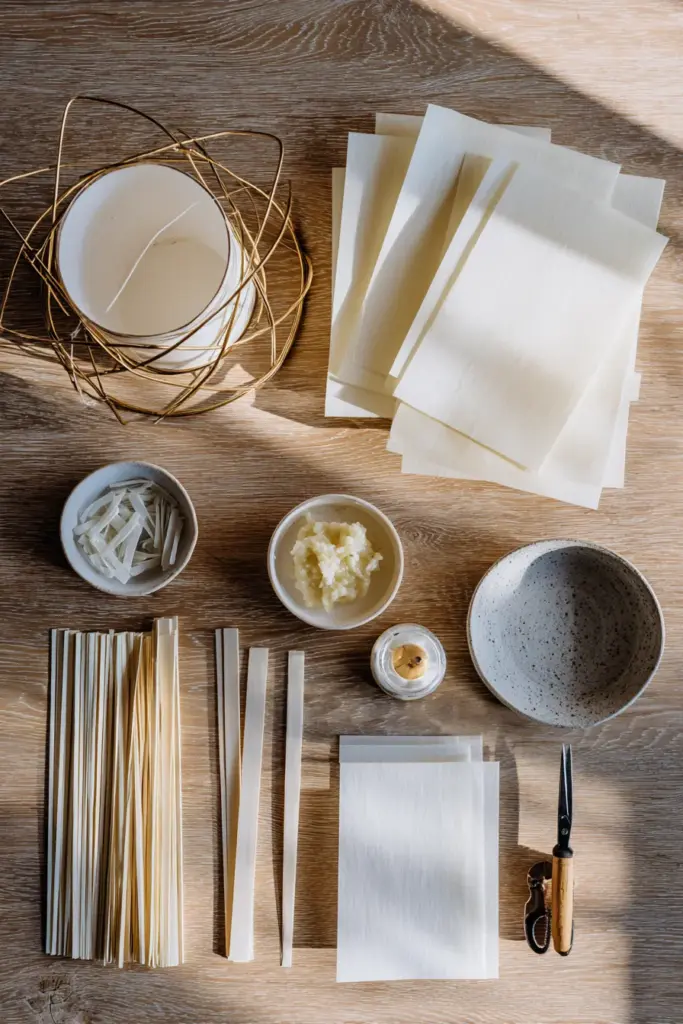
If you’re hands-on, crafting a rice paper lamp can be deeply rewarding. You’ll need a wire frame (purchase from craft stores or online), authentic washi or mulberry paper, rice paste or PVA glue, and an LED bulb kit.
Stretch the paper over the frame, securing it in small sections to avoid wrinkles. Let it dry completely before adding your bulb. The result? A one-of-a-kind piece that carries your creative energy.
Cost breakdown: DIY setups typically range $20-50 depending on materials, compared to $150+ for designer Akari dupes. Plus, you can customize size, shape, and even add subtle patterns to the paper.
Upcycling Existing Lamps
Already own a lamp with a dated shade? Consider swapping it for rice paper. Many lamp bases—especially simple ceramic or wooden ones—work beautifully with new washi shades. Search online for replacement shades in the size you need, or make your own following tutorials on YouTube or Pinterest.
This approach is sustainable, budget-friendly, and keeps perfectly good lamp bases out of landfills.
Where to Source Affordable Japandi Rice Paper Lamps
Online Marketplaces and Local Finds
International options:
- Etsy: Handmade artisan lamps, often customizable
- H&M Home: Budget-friendly Akari-inspired designs
- West Elm: Mid-range options with Japandi aesthetics
Manila-specific sourcing:
- Shopee PH and Lazada: Affordable rice paper lamps starting at ₱500-2000
- Local furniture stores: Check brands like Blims or Our Home for minimalist lighting sections
- Antique and vintage shops: Sometimes carry authentic Japanese paper lanterns
Look for keywords like “washi paper lamp,” “Akari-style lighting,” or “bamboo rice paper floor lamp” to filter results effectively.
Investing in Quality vs. Budget Picks
If you’re furnishing a small apartment or testing the Japandi style, budget picks ($30-80) work beautifully. Focus on sturdy frames and decent paper quality. These lamps may not last a decade, but they’ll give you years of soft glow.
For heirloom-quality lighting, invest in authentic Akari lamps or pieces from Scandinavian/Japanese artisans ($150-500+). The craftsmanship, paper quality, and design longevity justify the cost if Japandi is your forever aesthetic.
Japandi Rice Paper Lighting Setup Ideas
Small Apartment Configurations
Manila living room (12-15 sqm):
- 1 rice paper floor lamp (60-65 inches) near sofa
- 1 small table lamp on console or side table
- Optional: 1 small pendant over reading nook if ceiling height allows
This trio creates layered lighting without crowding your space. Keep cords tidy with cable organizers to maintain minimalist lines.
Open-Concept Living Spaces
For larger or open-plan rooms, scale up:
- 2-3 floor lamps in different zones (seating area, reading corner, near dining transition)
- 1-2 pendant fixtures over key areas (coffee table, accent chair)
- Accent table lamps for depth
Use consistent rice paper tones (natural white, warm beige) so the space feels cohesive, not chaotic.
The Mood-Boosting Benefits of Warm Rice Paper Light
Color Psychology and Calm
Studies confirm warm lighting (2700-3000K) reduces cortisol and promotes relaxation. When filtered through rice paper, this effect intensifies. The diffused glow eliminates harsh shadows and blue-light harshness, making your living room a true sanctuary.
After long workdays in fluorescent-lit offices or screen-heavy environments, returning home to rice paper lighting feels like shedding armor. Your nervous system downshifts. Your shoulders drop. You’re home.
Supporting Circadian Rhythms
Bright, cool light in the morning helps wake you up. Warm, dim light in the evening signals your body it’s time to unwind. With dimmable rice paper lamps, you can support these natural rhythms without installing complicated systems.
Gradually dim your lamps as night approaches. By bedtime, you’ll feel naturally sleepy—no melatonin supplements required.
Beyond Lighting: Completing Your Japandi Living Room
Furniture and Layout Essentials
- Low-profile sofa in neutral linen or bouclé
- Wooden coffee table with visible grain (teak, oak, or ash)
- Modular shelving in light wood or matte black metal
- Minimal accessories: ceramic vases, a single art print, woven baskets
Let your rice paper lamps anchor these elements. The soft glow unifies disparate pieces into a cohesive, calming whole.
Textiles and Final Touches
Layer in:
- Jute or wool rugs in cream or gray
- Linen or cotton throw pillows in muted tones
- Lightweight curtains that filter natural light during the day
- A chunky knit throw draped over the sofa arm
These textures, combined with rice paper lighting, create a space that feels both visually interesting and deeply restful.
Key Takeaways: Your Japandi Rice Paper Lighting Checklist
- Choose warm LED bulbs (2700K, under 40W) to protect rice paper and create cozy ambiance
- Layer your lighting: Combine floor lamps, table lamps, and pendants for depth
- Pair with earth tones like beige, warm gray, and muted greens for cohesion
- Position lamps near low furniture to honor Japandi’s low-profile aesthetic
- Invest in fire-retardant lamps and stable bases if you have pets or children
- Consider smart bulbs for dimmable, customizable lighting throughout the day
- Add plants nearby (fiddle leaf fig, snake plant) for wabi-sabi balance
- DIY options start at $20-50; quality artisan lamps range $150-300+
- Source locally via Shopee PH, Lazada, or Manila furniture stores for budget finds
- Maintain gently: Dust with soft cloth, avoid water, replace yellowed shades as needed
Bringing It All Together
Creating a Japandi living room with rice paper lighting isn’t about following rigid rules. It’s about tuning into what feels right: the weight of silence, the warmth of wood, the way light can make you feel held rather than exposed.
Start small. Maybe it’s one floor lamp beside your reading chair. Notice how it changes the room as evening falls. Add a table lamp, then perhaps a pendant. Let each addition feel intentional, considered, yours.
Because in the end, Japandi design is about creating spaces that reflect your truest self—quiet, grounded, beautifully imperfect. And rice paper lighting? It’s the gentle glow that makes it all visible.
Frequently Asked Questions
What is the best wattage for rice paper lamps?
Stick to 7-12 watt warm LED bulbs (2700K), which are equivalent to 40-60 watt incandescent bulbs. Never exceed 40 watts to prevent heat damage and yellowing of the delicate rice paper shade.
Can I use rice paper lighting in humid climates like Manila?
Yes, but choose lamps with treated, moisture-resistant washi or mulberry paper if possible. Avoid placing lamps in bathrooms or near open windows during rainy season. Regular dusting helps prevent moisture buildup in the fibers.
How do I clean rice paper lamp shades?
Use a soft, dry cloth or feather duster to gently remove dust. Never use water, cleaning sprays, or harsh chemicals, as these will stain or weaken the paper. For stubborn marks, very lightly dab with a barely damp cloth and let air dry completely.
Are rice paper lamps safe around pets and children?
When positioned carefully, yes. Choose lamps with weighted or wide bases to prevent tipping. Keep cords tidy and out of reach. Opt for fire-retardant treated shades and always use low-wattage bulbs. For very active households, consider wall-mounted or pendant fixtures instead.
Where can I find affordable Japandi rice paper lamps in the Philippines?
Shopee PH and Lazada offer rice paper lamps starting around ₱500-2000. Local furniture stores like Blims or Our Home sometimes carry minimalist lighting options. For handmade or artisan pieces, check Etsy or Instagram shops specializing in Japandi décor—many ship to Manila.