
Table of Contents
The living room has always been the heart of the home — the place where light pools in the afternoon, where conversations linger over coffee, where comfort wraps around you like a soft throw. As we move into 2025, this essential space is evolving in beautiful, intentional ways that honor both our need for sanctuary and our responsibility to the planet.
This year’s trends aren’t about chasing fleeting aesthetics. They’re about creating rooms that breathe with us, that adapt to our lives, and that feel as good as they look. From earthy textures that ground us to smart technology that simplifies our days, the living room is becoming a more thoughtful, personalized retreat.
Whether you’re dreaming of a complete redesign or simply refreshing a corner with new energy, these trends offer a roadmap. They blend the warmth of nature with modern innovation, the comfort of maximalism with the clarity of purpose.
Let’s explore what 2025 has in store for the rooms where we live our most authentic lives.
Sustainable Living Room Design: Beauty with Purpose
Eco-friendly materials are no longer an afterthought — they’re the foundation. In 2025, sustainable living room design means choosing pieces that honor the earth without compromising on style. Reclaimed wood coffee tables carry stories in their grain. Bamboo side tables bring lightness and strength. Recycled metals add industrial elegance to lighting fixtures and shelving.
The shift toward sustainability also influences how we source and maintain our furniture. Look for pieces crafted by local artisans, vintage treasures that already have a life lived, or certified sustainable brands. These choices reduce environmental impact while adding character that mass-produced items simply can’t match.
Maintenance matters when you invest in natural materials. Reclaimed wood benefits from regular oiling to prevent drying. Bamboo thrives with gentle cleaning and avoiding excess moisture. Recycled metal pieces maintain their luster with simple dusting and occasional polish. These small acts of care extend the life of your furnishings and deepen your connection to them.
The Psychology of Sustainable Choices
There’s something deeply calming about knowing your living room does no harm. Studies show that eco-conscious design choices reduce anxiety and increase overall wellbeing. When you sink into a sofa made from organic cotton, or run your hand along a table crafted from salvaged oak, you’re not just enjoying comfort — you’re experiencing alignment between values and environment.
Biophilic Design: Bringing Nature Indoors
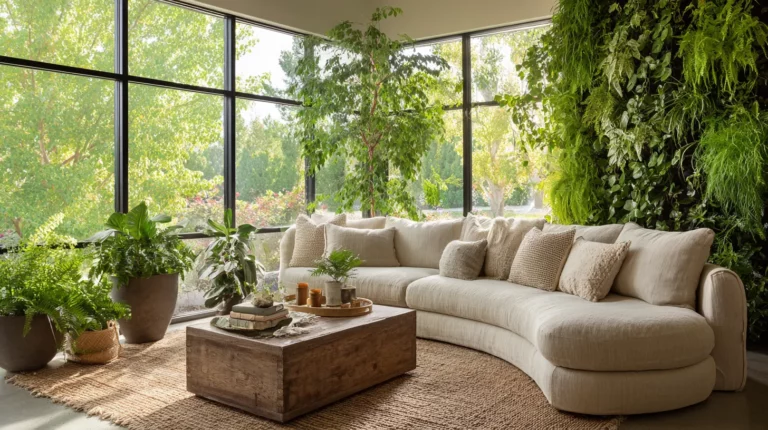
Biophilic design transforms living rooms into breathing sanctuaries. This approach goes beyond placing a fiddle leaf fig in the corner. It’s about weaving nature into every decision — from materials to color palettes to the quality of light that fills your space.
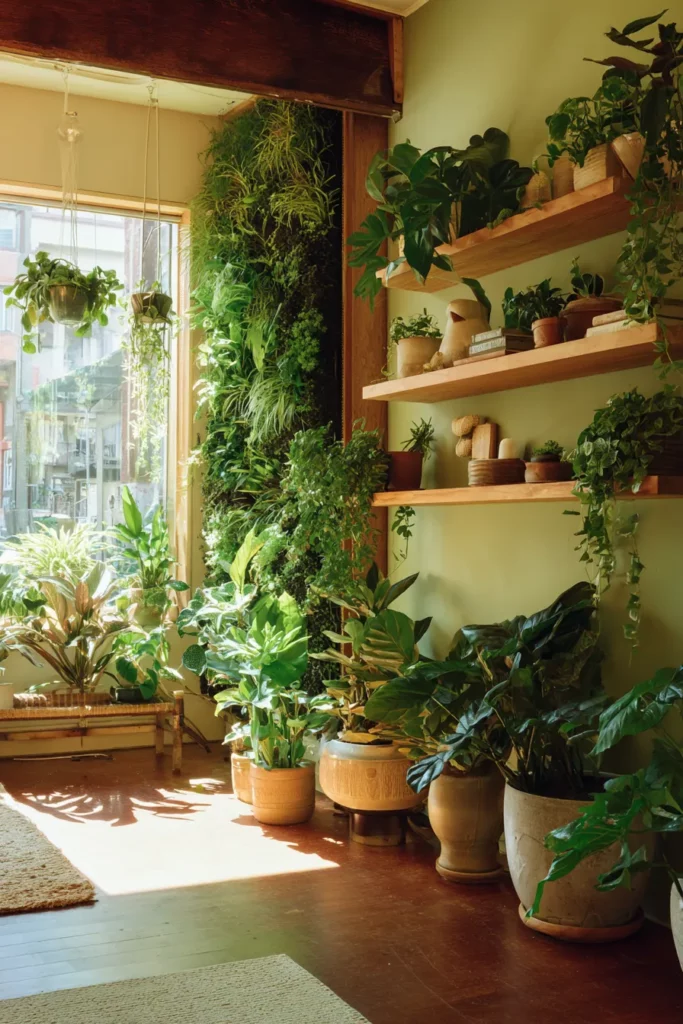
Start with plants and organic materials as living architecture. A vertical garden wall becomes a focal point that purifies air and softens sound. Trailing pothos cascades from floating shelves. Clusters of succulents in ceramic pots create miniature landscapes on side tables. These aren’t decorations — they’re companions that grow with you.
Natural light deserves intentional attention. Sheer linen curtains filter sunlight into a golden glow that shifts through the day. Position mirrors strategically to bounce light into darker corners. Consider how windows frame outdoor views, turning trees and sky into living artwork that changes with the seasons.
Textures That Connect Us to Earth
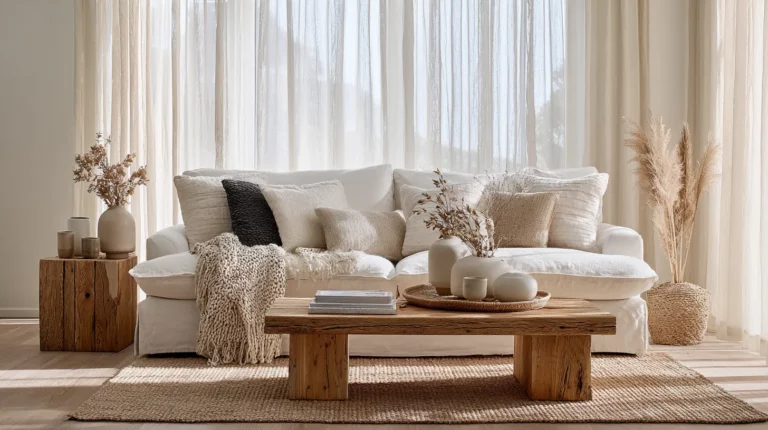
Earthy tones ground biophilic spaces. Think warm terracotta, sage green, sandy beige, and soft clay. These colors don’t compete with nature — they echo it. Pair them with textures that engage the senses: rough jute rugs underfoot, smooth river stones in decorative bowls, nubby linen upholstery that invites touch.
Layer in wood tones at varying depths — light oak, medium walnut, dark mahogany. This variation mimics the forest floor and creates visual richness without busy patterns. Stone accents in side tables or fireplace surrounds add cool contrast to warm textiles.
Comfortable Living Room Furniture: The New Luxury
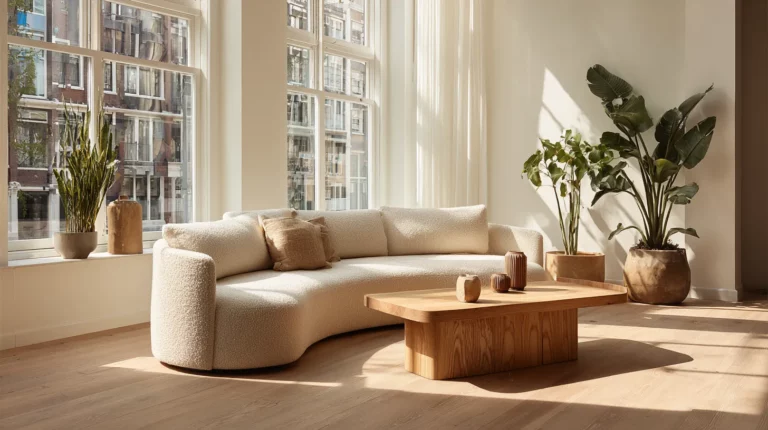
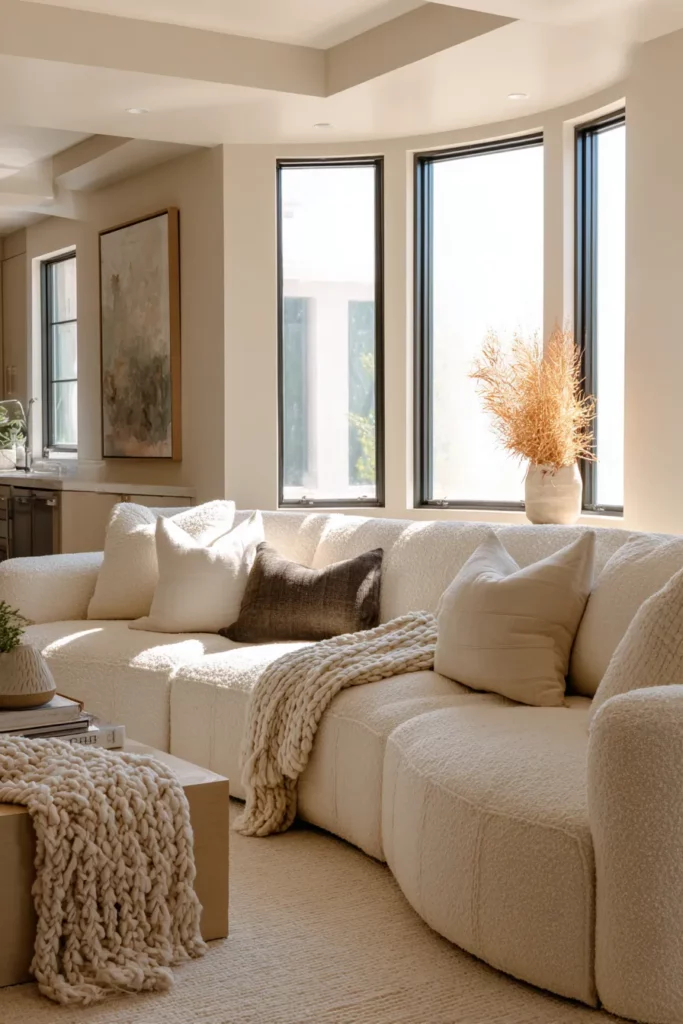
Comfort has become the ultimate luxury, and 2025 furniture reflects this priority. Cozy and plush furniture isn’t about sacrificing style for softness — it’s about finding pieces that excel at both. Deep-seated sofas with feather-filled cushions invite hours of lounging. Oversized armchairs wrapped in boucle or velvet become cocoons of contentment.
Look for furniture with substance. Curved silhouettes soften sharp angles and feel more embracing. Low-profile pieces create intimate conversation zones. Modular sectionals adapt to different needs — movie nights, reading marathons, or hosting friends.
Multifunctional Furniture for Modern Living
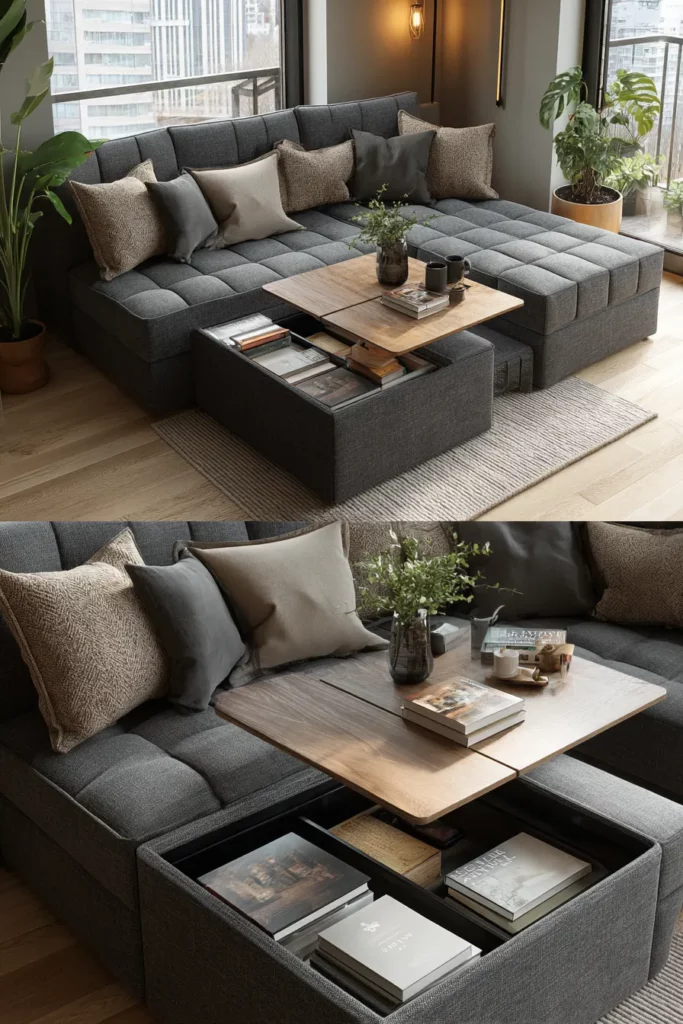
As urban spaces become more compact, multifunctional living room furniture solves the puzzle of small-space living without compromise. Ottomans with hidden storage swallow blankets and books. Coffee tables that lift to dining height transform living rooms into workspace or dining areas. Sofa beds have evolved far beyond stiff pullouts into sophisticated sleepers with proper mattresses.
Consider nesting tables that tuck away when not needed, or console tables that extend for entertaining. These pieces honor the reality that living rooms now serve multiple purposes throughout the day — and they do it with grace.
Maximalism: More Is More (When Done Right)
After years of minimalist restraint, maximalism bursts onto the scene with joyful confidence. But 2025’s version is intentional, not chaotic. It’s about curating collections that tell your story, layering colors and patterns that somehow harmonize, creating spaces rich with personality.
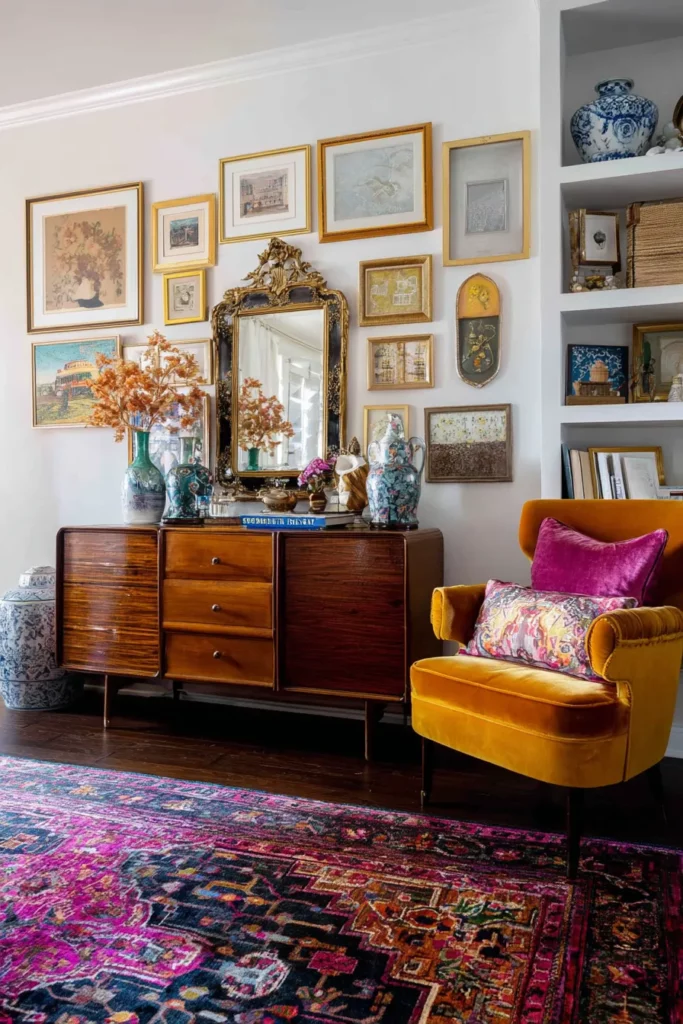
Start with a strong foundation in neutral walls or flooring, then build layers. A Persian rug anchors the room. Throw pillows in complementary patterns — florals, geometrics, stripes — create conversation. Gallery walls mix art styles and frame shapes for dynamic visual interest.
Vintage and retro styles find new life in maximalist spaces. A mid-century credenza stores media equipment while displaying treasured objects. Art deco mirrors reflect light and add geometric glamour. Mixing eras creates depth and prevents the “showroom” feeling that comes from buying everything at once.
The Art of Curated Chaos
Successful maximalism requires editing. Choose a unifying element — perhaps a color palette of jewel tones, or a theme like global textiles, or a material like brass accents. This thread of consistency allows you to layer abundantly without overwhelming the eye. Display collections with breathing room. Not every surface needs to be filled — leave space for the eye to rest.
Textured Walls: Dimension That Speaks
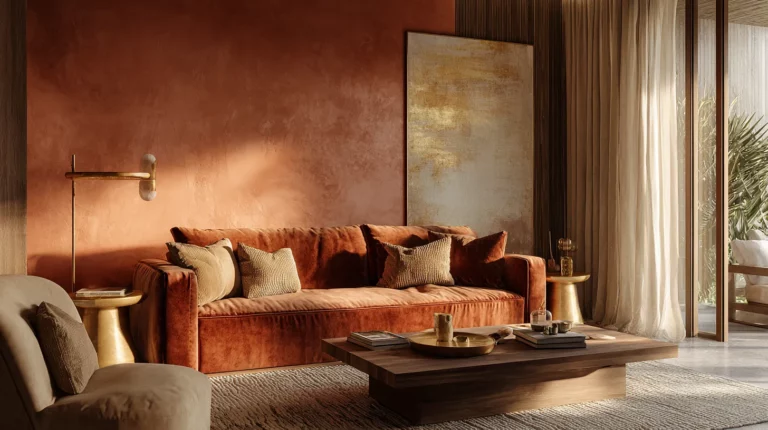
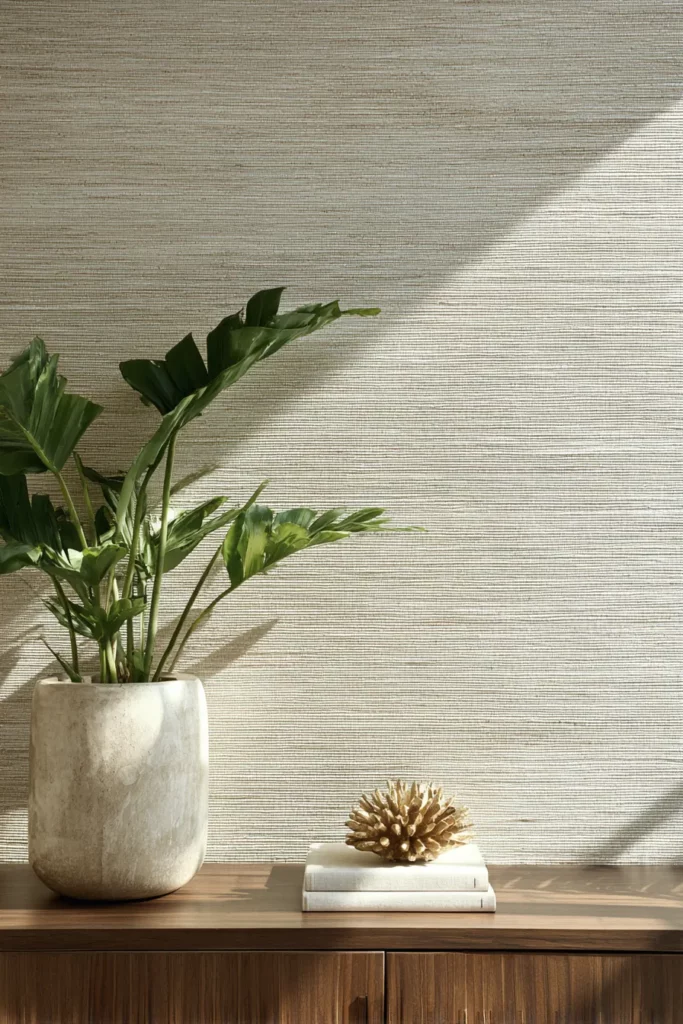
Textured walls add depth that paint alone cannot achieve. In 2025, walls become tactile experiences. Limewash finishes create subtle variations that shift with changing light. Venetian plaster adds Old World elegance with a modern sensibility. Grasscloth wallpaper introduces organic texture and sound-dampening qualities.
Consider partial applications for dramatic effect. A textured accent wall behind the sofa becomes a focal point. Wainscoting or board-and-batten adds architectural interest to builder-grade spaces. Even painted walls benefit from techniques like color washing or sponging for gentle dimension.
For renters or commitment-phobes, removable wallpaper now offers textured options that install and remove cleanly. Look for raised patterns, fabric-backed designs, or even faux finish effects that mimic plaster or concrete.
Smart Technology Integration: Invisible Innovation
The best technology integration in 2025 living rooms is nearly invisible. Smart home devices work quietly in the background, enhancing comfort without dominating the aesthetic. Voice-activated lighting systems adjust color temperature throughout the day — cool and bright in morning, warm and dim by evening — supporting your natural circadian rhythms.
AI-powered lighting learns your preferences and adjusts automatically. Motion sensors illuminate pathways at night without fumbling for switches. Smart thermostats maintain perfect temperature zones. These innovations increase comfort while reducing energy consumption.
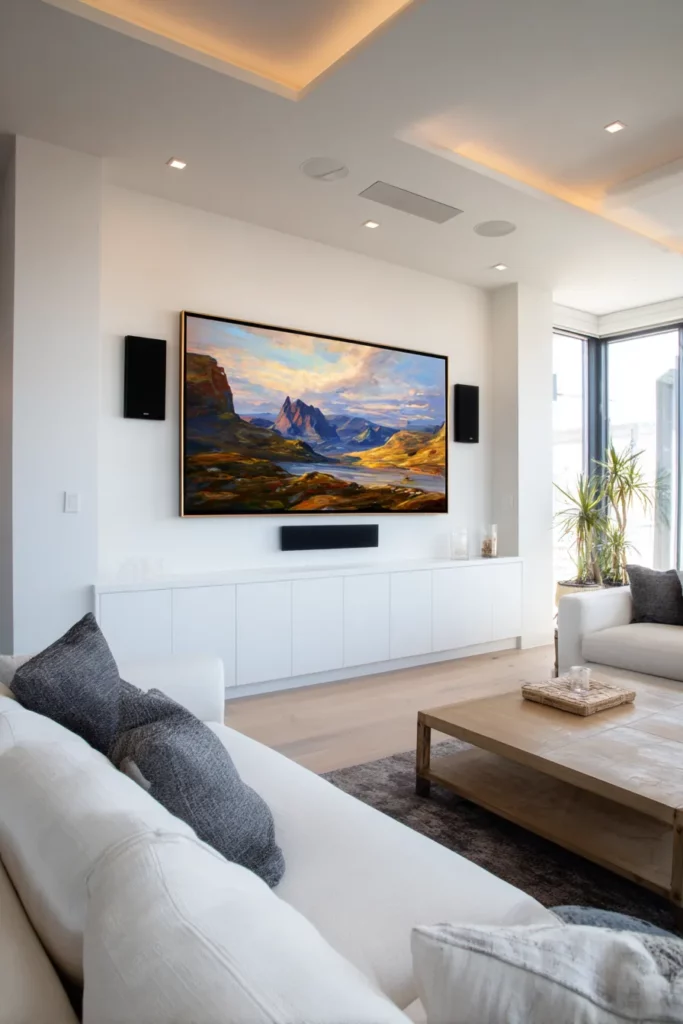
Hide technology thoughtfully. Cord management systems keep cables out of sight. Soundbars disguised as shelving deliver immersive audio without bulk. Motorized window treatments respond to voice commands or scheduled timers. The goal is seamless functionality that never interrupts your design vision.
Entertainment Systems That Disappear
Large screens no longer need to dominate walls. Frame TVs display artwork when not in use. Projector systems hide in ceiling coffers until movie night. Wireless speakers blend into décor as sculptural objects. This approach respects that living rooms are for living first, watching second.
Color Palettes: The Emotional Foundation
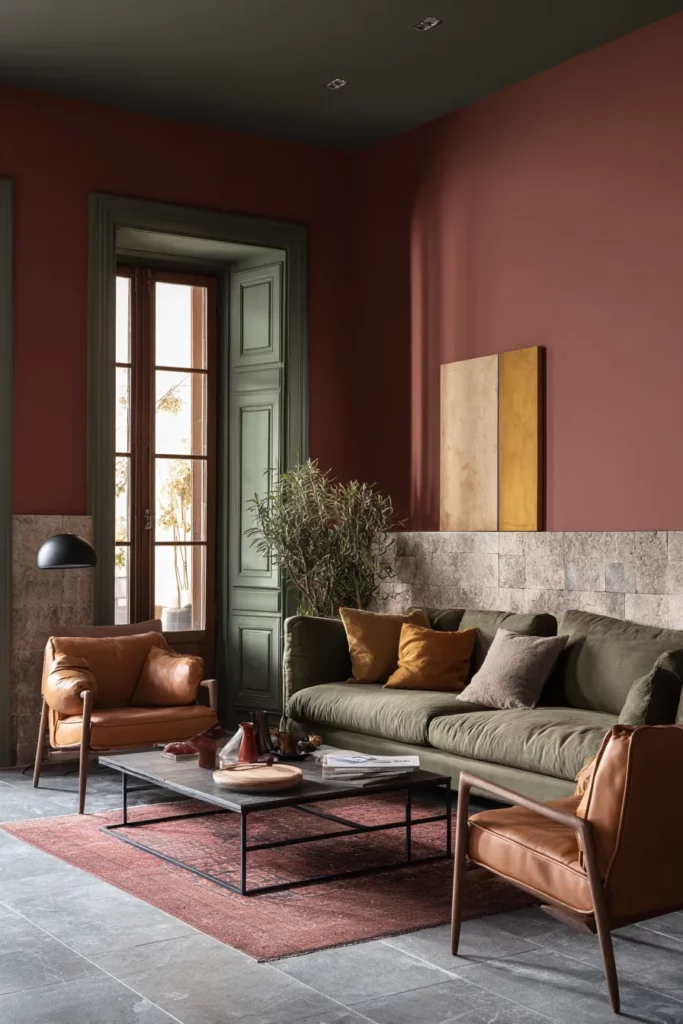
What colors are trending for living rooms in 2025? The answer is nuanced. Earthy, grounded tones lead the way — warm terracotta, olive green, camel, and clay. These colors create cocooning environments that feel both sophisticated and comforting.
But 2025 also embraces unexpected pops of color. Deep burgundy as an accent. Saffron yellow in throw pillows. Dusty rose in upholstery. These hues add personality without overwhelming. The key is choosing colors that resonate with you emotionally rather than following trends blindly.
Consider the psychological impact. Blues calm and focus. Greens refresh and restore. Warm neutrals comfort and ground. Layer colors in varying saturations — a sage wall, emerald pillows, mint artwork — to create depth within a single color family.
Global Fusion Styles: Design Without Borders
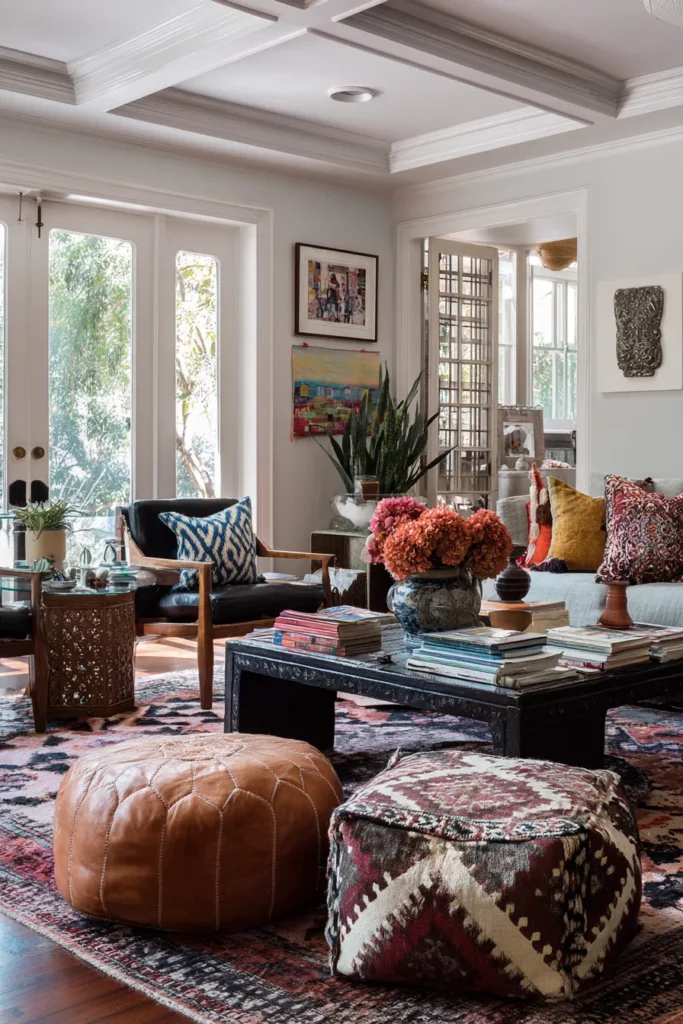
Culturally diverse design influences enrich living rooms in 2025. Moroccan poufs add seating with bohemian flair. Japanese shoji screens create flexible room divisions. Scandinavian hygge principles inform cozy lighting and textile choices. Indian block-printed fabrics introduce pattern and story.
This global approach isn’t about appropriation — it’s about thoughtful appreciation and integration. Choose pieces directly from artisan cooperatives when possible. Learn the cultural significance of patterns or materials. Mix influences deliberately, creating fusion spaces that celebrate craftsmanship from around the world.
The result is living rooms with depth and character that transcend any single aesthetic. A Danish chair beside an Indonesian coffee table, unified by natural materials and careful proportions. This eclectic personalization makes spaces uniquely yours.
What to Avoid: Trends Fading in 2025
As we embrace new directions, some trends lose momentum. All-white minimalism feels cold and impractical for real living. Overly industrial spaces with exposed everything lack the warmth we now crave. Fast furniture designed to be replaced rather than cherished conflicts with sustainability values.
Matching furniture sets — sofa, loveseat, chair all identical — look staged rather than collected. Gray-on-gray schemes feel dated after years of dominance. Overly trendy patterns risk feeling tired quickly; choose timeless designs you’ll love in five years.
That said, if you love something, keep it. Personal style trumps trend forecasts. The best living rooms reflect the people who live in them, not magazine spreads.
Practical Implementation: Where to Start
Creating your 2025 living room doesn’t require starting from scratch. Begin with one element that excites you:
- Swap textiles for instant transformation. New throw pillows in earthy tones, a chunky knit blanket, or layered rugs refresh the space affordably.
- Add plants strategically. Start with easy-care varieties like pothos, snake plants, or ZZ plants. Group odd numbers for visual appeal.
- Upgrade lighting for dramatic impact. Replace harsh overhead fixtures with layered options — floor lamps, table lamps, and wall sconces create ambiance.
- Introduce texture through one statement piece. A boucle accent chair, jute rug, or textured throw adds dimension.
- Incorporate vintage by shopping secondhand stores or estate sales. One unique piece tells more story than ten new ones.
Budget-conscious? Focus on high-impact changes like paint color, rearranging existing furniture for better flow, or DIY projects like creating a gallery wall from thrifted frames.
Living Room Trends 2025: Quick Reference Guide
| Trend | Key Elements | Why It Works |
|---|---|---|
| Sustainable Design | Reclaimed wood, bamboo, recycled materials | Eco-conscious, unique character |
| Biophilic Design | Plants, natural light, organic materials | Improves wellbeing, connects to nature |
| Comfort-First Furniture | Plush seating, soft textiles, curves | Supports relaxation, invites use |
| Maximalism | Layered patterns, collections, color | Personal expression, visual richness |
| Textured Walls | Limewash, grasscloth, dimensional finishes | Adds depth, sophisticated interest |
| Smart Technology | AI lighting, hidden devices, automation | Convenience meets aesthetics |
| Global Fusion | Mixed cultural influences, artisan pieces | Unique character, supports craftspeople |
| Multifunctional Pieces | Storage ottomans, extendable tables | Maximizes space, adapts to needs |
Key Takeaways: Your 2025 Living Room
- Prioritize sustainable materials that age beautifully and reduce environmental impact
- Embrace nature-inspired elements through plants, natural light, and organic textures
- Choose comfort without compromising style — your living room should invite living
- Layer textures and patterns thoughtfully for depth and personality
- Integrate technology invisibly to enhance comfort without visual clutter
- Select multifunctional furniture that adapts to changing needs throughout the day
- Incorporate global influences for spaces rich with story and craftsmanship
- Focus on earthy color palettes that ground and soothe
- Avoid matching sets in favor of curated, collected looks
- Remember that the best trend is designing for your lifestyle and values
Creating Your Perfect Living Room
The most beautiful living rooms in 2025 aren’t about perfection. They’re about presence. They’re rooms that hold space for quiet mornings with coffee and books, for laughter-filled evenings with friends, for solo dance parties and long phone calls and Sunday afternoon naps in pools of sunshine.
These trends offer a framework, but you are the artist. Choose what resonates with your soul. Layer in pieces that carry meaning. Create corners that feel like home in its truest sense — welcoming, authentic, alive.
Your living room is waiting to become the sanctuary you deserve. Start where you are, with what you have, and build something beautiful.
Frequently Asked Questions
What are the biggest living room trends for 2025?
The top trends include sustainable design with eco-friendly materials, biophilic elements that bring nature indoors, maximalist layering with vintage pieces, comfortable plush furniture, and smart technology integration. Textured walls and earthy color palettes also dominate, creating spaces that feel both grounded and elevated.
How do you decorate a living room in 2025?
Start with a foundation of sustainable furniture and natural materials. Layer in plants and organic textures like jute, linen, and wood. Add personality through curated collections and global fusion pieces. Incorporate smart lighting that adjusts throughout the day. Choose multifunctional furniture if space is limited, and embrace earthy tones with intentional pops of color.
What materials are best for sustainable living room design?
Reclaimed wood offers character with environmental benefits. Bamboo provides strength and rapid renewability. Recycled metals add industrial elegance sustainably. Look for organic cotton, linen, and wool in textiles. Cork, rattan, and jute bring natural texture. Always verify certifications and source from transparent manufacturers or local artisans.
What furniture styles will be popular in 2025 living rooms?
Curved, organic silhouettes dominate, moving away from sharp angles. Low-profile pieces create intimate spaces. Vintage and retro styles from mid-century and art deco periods remain strong. Multifunctional furniture that serves multiple purposes gains prominence. Plush, oversized seating in rich fabrics like boucle and velvet provides both comfort and visual impact.
How to incorporate technology into living room design in 2025?
Focus on invisible integration. Use smart lighting systems that adjust color temperature automatically. Hide screens with frame TVs or projector systems. Employ voice-activated controls for window treatments and entertainment. Invest in cord management solutions. Choose wireless speakers disguised as décor objects. The goal is functionality that enhances without dominating the aesthetic.