
Table of Contents
There’s something sacred about the way morning light spills across a wooden floor. It doesn’t just illuminate a room—it breathes life into it, warming textures and casting gentle shadows that shift with the hours. Natural light has the power to transform your living room from simply functional to profoundly beautiful, creating a space that feels both grounded and ethereal.
But harnessing that light isn’t always intuitive. Many of us live with rooms that feel dim despite having windows, or spaces where sunlight enters but never quite fills the corners. The good news? With thoughtful design choices and a few strategic adjustments, you can invite more of that golden glow into your everyday life.
This guide will walk you through practical, sensory-rich ways to maximize natural light in your living room. From reflective surfaces that bounce brightness to furniture placement that opens up sightlines, we’ll explore how to create a space that glows from within—no renovation required.
Understanding Natural Light: The Foundation of Bright Spaces
Before we dive into design strategies, it’s helpful to understand the three types of natural light that shape your living room throughout the day.
Direct sunlight streams through windows unobstructed, creating bright pools of warmth and defined shadows. It’s dramatic and energizing, perfect for reading nooks and plant corners. Diffused light filters through sheer curtains, frosted glass, or cloud cover, softening edges and creating an even, gentle glow that’s easier on the eyes. Reflected light bounces off surfaces—mirrors, glossy finishes, light-colored walls—amplifying brightness without additional windows.
Most beautifully lit living rooms utilize all three types strategically. Direct sunlight might pour in through south-facing windows during midday, while mirrors positioned opposite catch and redirect that glow into shadowed corners. Sheer linen curtains diffuse afternoon rays, preventing harsh glare while maintaining brightness.
Understanding these distinctions helps you make smarter choices about where to place mirrors, which paint colors to choose, and how to layer your window treatments.
Light-Colored Walls and Ceilings: The Canvas for Brightness
Your wall color is perhaps the single most impactful decision when maximizing natural light. Light-colored walls act as giant reflectors, bouncing sunlight throughout the room and making spaces feel significantly larger and airier.
Soft whites, warm creams, pale grays, and gentle beiges create the perfect backdrop for natural light to dance across. These shades don’t absorb light—they amplify it, creating that coveted sun-drenched atmosphere even in rooms with limited windows. Consider warm whites like Swiss Coffee or Cloud White for north-facing rooms that need extra coziness, or cooler tones like Simply White for south-facing spaces that receive abundant direct sunlight.
Don’t stop at the walls. Painting your ceiling a shade lighter than your walls—or opting for a crisp white—lifts the space visually and reflects overhead light downward. The ceiling is your room’s fifth wall, and treating it as part of your lighting strategy creates a more cohesive, brighter environment.
Glossy or satin finishes reflect more light than flat paints, though they’re more forgiving in satin if you’re concerned about wall imperfections showing.
Mirrors and Reflective Surfaces: Nature’s Light Multipliers
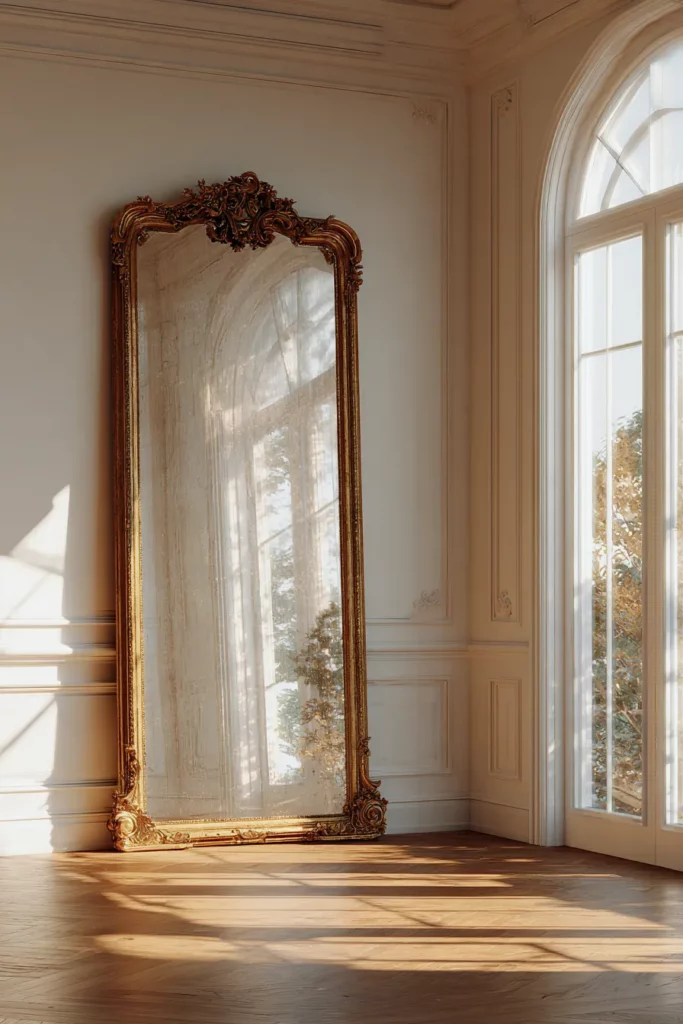
If windows are the entry points for natural light, mirrors are its amplifiers. Strategically placed mirrors can quite literally double the perceived brightness in a room by reflecting sunlight into darker corners and creating visual depth.
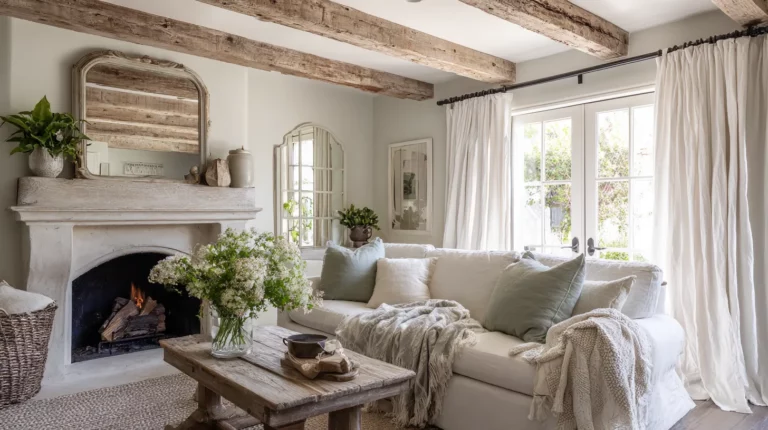
Position a large mirror directly across from your primary window to capture and redirect the maximum amount of light. Leaning a full-length mirror against a wall opposite your light source creates an almost magical effect—the room feels twice its actual size, with light seeming to pour in from multiple directions. For smaller spaces, a gallery wall of various-sized mirrors achieves similar results while adding artistic interest.
But mirrors aren’t your only reflective ally. Glass coffee tables, metallic light fixtures, glossy ceramic vases, and even lacquered furniture finishes contribute to the overall brightness. These surfaces catch glints of sunlight and bounce them around the room, creating a luminous, layered effect that feels natural rather than overly staged.
Consider mirrored cabinet fronts, chrome hardware, or a vintage brass bar cart as functional pieces that also serve as light enhancers.
Window Treatments That Welcome Light
Your window treatments should enhance, not block, the natural light you’re working to maximize. The key is finding the balance between privacy, light control, and that breezy, open feeling that makes a living room truly inviting.
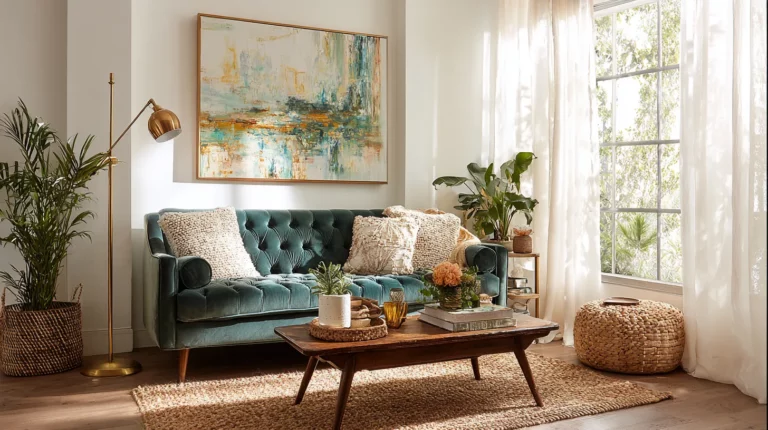
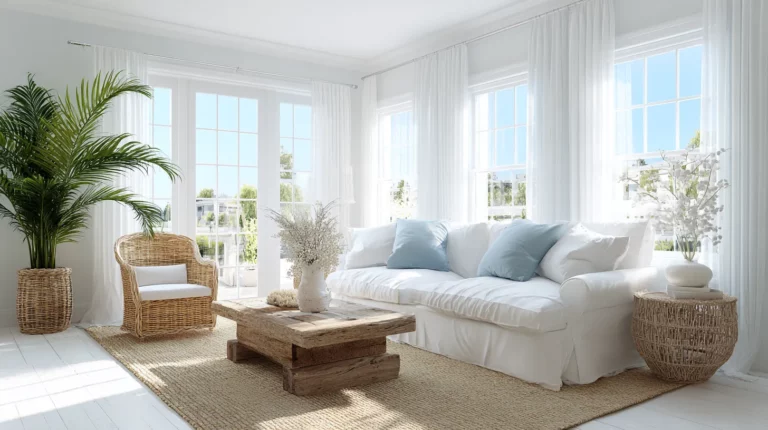
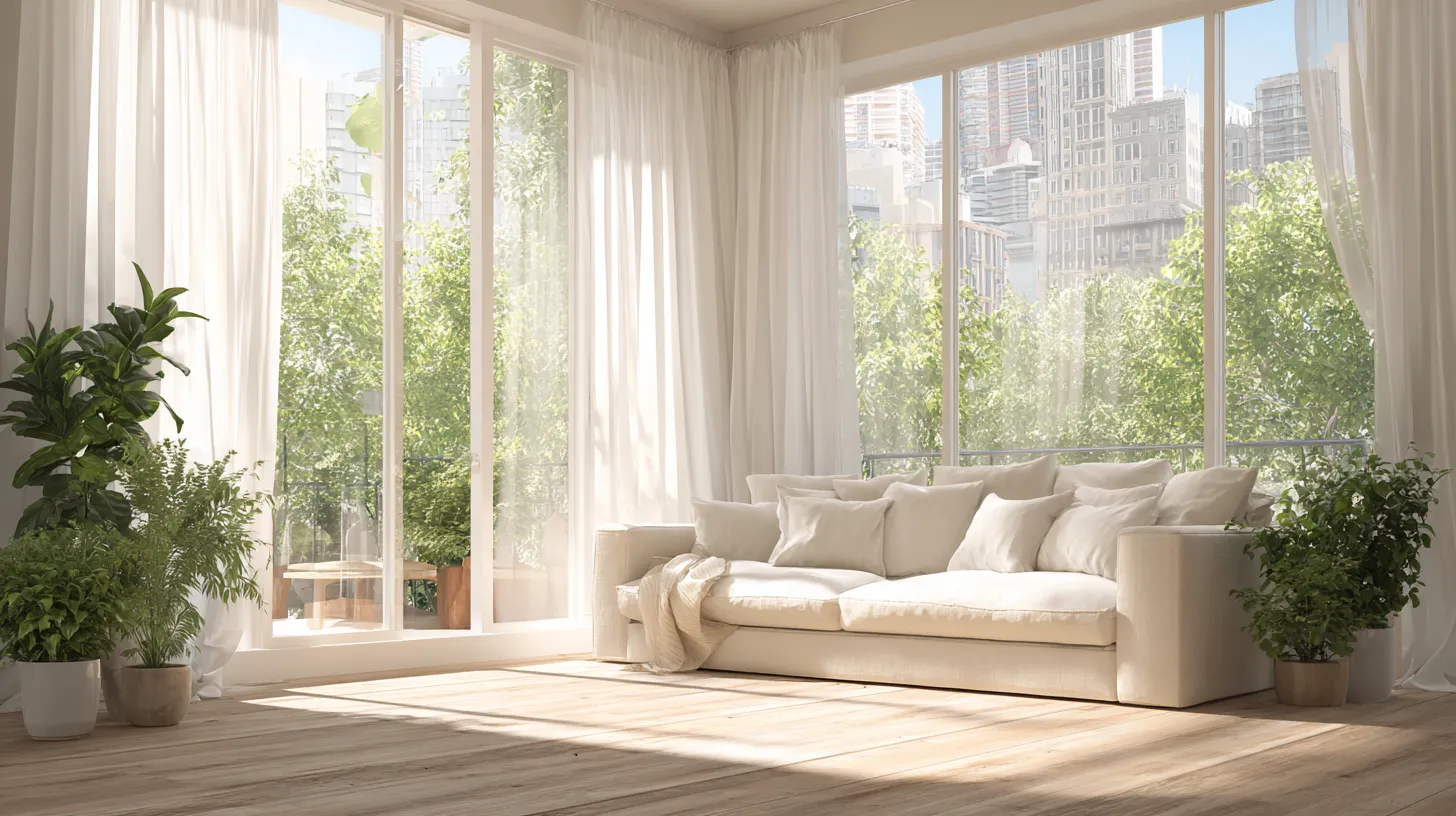
Sheer curtains made from linen, cotton voile, or lightweight silk diffuse harsh direct sunlight while maintaining brightness and privacy during the day. They soften glare without darkening the room, creating that gentle, filtered glow that feels perpetually peaceful. Choose floor-to-ceiling sheers and mount them slightly above the window frame to create the illusion of taller windows and more generous light.
Layer sheers with light-colored drapes that can be pulled back during the day and closed for evening privacy. Opt for curtain rods that extend well beyond the window frame—this allows you to push curtains completely to the sides, exposing the entire window and maximizing light entry.
Skip heavy, dark window treatments in naturally dim rooms. If you need blackout capabilities for movie nights or afternoon naps, consider cellular shades that roll up completely when not in use, or install curtains on rings that glide smoothly to the far edges of your wall.

Smart Window Treatment Solutions
For tech-forward homes, automated window treatments that adjust based on sun position optimize natural light throughout the day. Motorized sheer shades can lower during peak afternoon sun to prevent glare while maintaining brightness, then rise automatically to capture golden hour glow.
Solar tubes or light pipes—reflective tunnels that channel sunlight from your roof into interior spaces—work beautifully for windowless areas or rooms with limited exterior walls. These architectural additions bring natural light to the darkest corners without requiring traditional windows.
Open Floor Plans and Glass Features
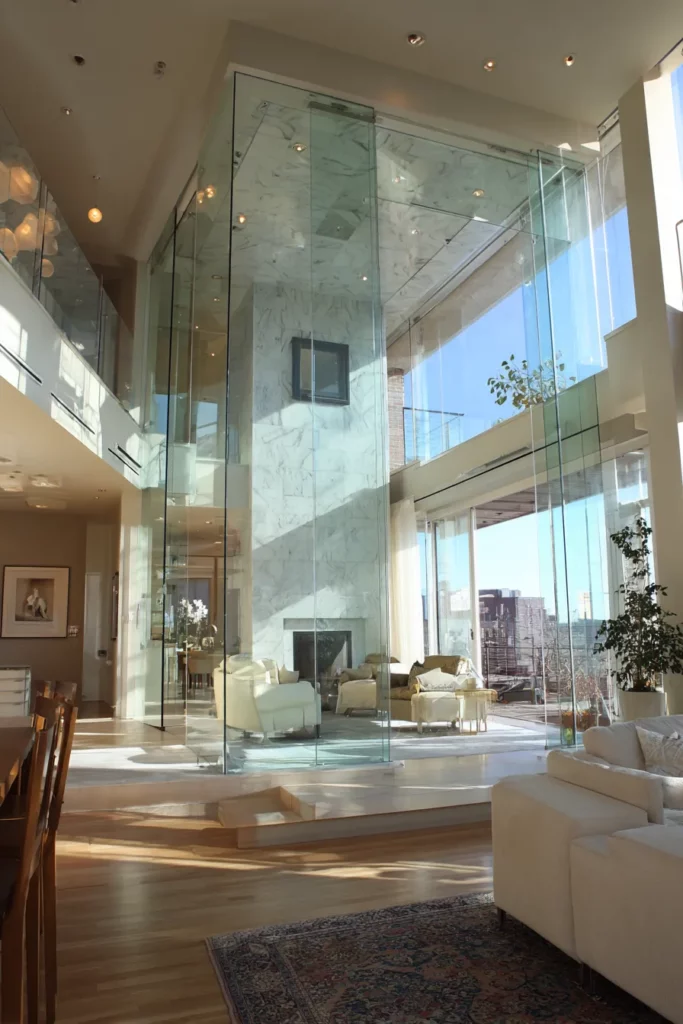
Removing visual barriers between rooms allows natural light to flow freely throughout your home, creating bright spaces that feel connected and expansive. If you have a living room adjacent to a sunnier dining area or kitchen, consider opening up sightlines to borrow light from those spaces.
Glass partitions, French doors with large panes, or even removing a non-load-bearing wall can transform the way light moves through your home. Glass maintains boundaries and privacy when needed while allowing light to pass through unobstructed—the best of both worlds.
Interior windows between rooms are another elegant solution. A transom window above a doorway or a glass panel beside a hallway entry brings borrowed light from adjacent spaces without sacrificing wall space for furniture. These architectural details add character while serving a functional purpose.
If structural changes aren’t possible, simply keeping doorways between rooms open during the day encourages light flow and creates a more cohesive, airy feeling throughout your home.
Furniture Placement for Maximum Light Flow
The way you arrange furniture significantly impacts how light moves through and fills your living room. Blocking windows with large pieces creates shadows and interrupts natural light patterns, while strategic placement encourages brightness to reach every corner.
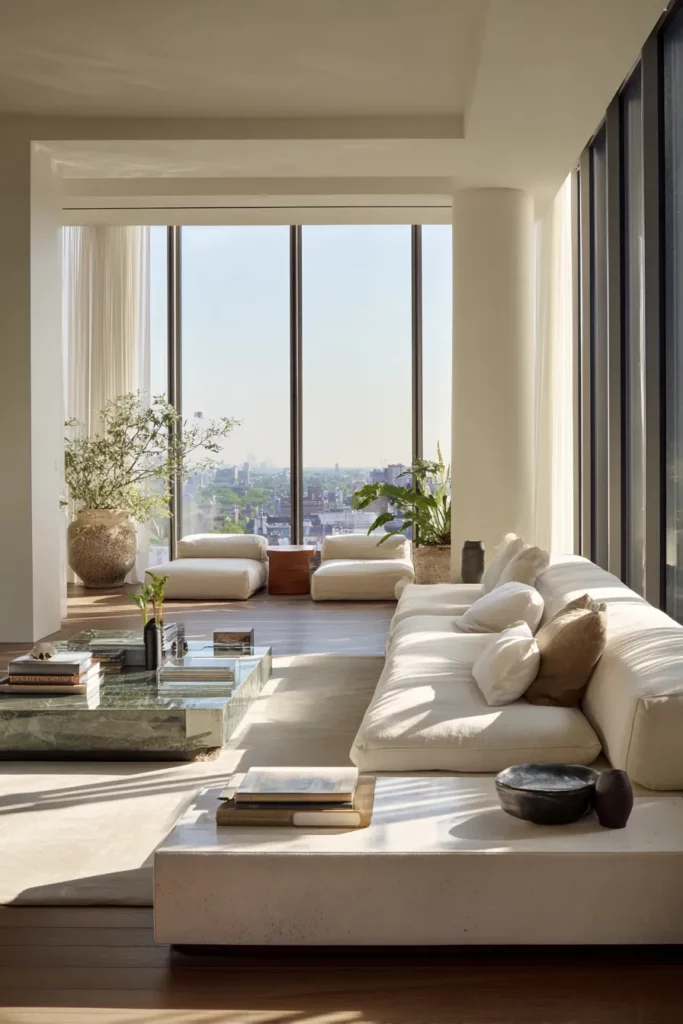
Keep your sofa and larger furniture pieces away from windows whenever possible. Position seating perpendicular to windows rather than directly in front of them—this creates conversational groupings while maintaining clear pathways for light. Low-profile furniture allows light to travel over and around pieces rather than being absorbed by tall, heavy forms.
Choose furniture with legs rather than pieces that sit directly on the floor. The visible floor space beneath creates an airier feeling and allows light to reflect off flooring materials. Glass or acrylic furniture—coffee tables, side tables, even transparent accent chairs—maintains function without visual weight, keeping your space feeling open and light-filled.
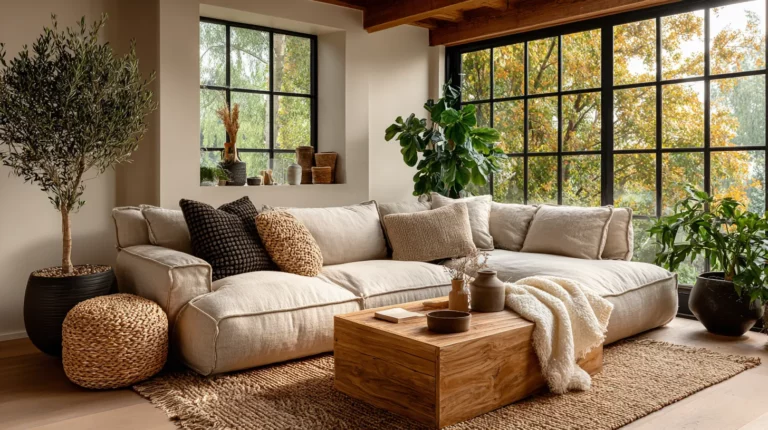
Consider furniture materials carefully. Light-colored upholstery in natural fabrics like linen, cotton, or light wool reflects rather than absorbs light. Blonde woods, white-washed finishes, and natural rattan maintain the bright, organic aesthetic while contributing to overall room brightness.
Flooring and Textures That Enhance Natural Light
Your flooring acts as another reflective surface, bouncing light upward and throughout the room. Light-colored floors—pale oak, whitewashed pine, light gray tile, or cream carpeting—significantly brighten spaces by reflecting sunlight back toward the ceiling and walls.
Glossy or semi-gloss floor finishes amplify this effect, though they require more maintenance than matte surfaces. For a balance between reflection and practicality, consider satin-finish hardwoods or polished concrete that catch light without showing every footprint.
Layered textures add depth without sacrificing brightness. A pale jute rug grounds your seating area while maintaining that natural, light-enhancing quality. Sheepskin throws, linen pillows, and woven baskets in cream and natural tones add warmth and tactile interest while keeping the overall palette light and airy.
Avoid heavy, dark textiles that absorb rather than reflect light. When you do incorporate darker accent colors, do so strategically through small accessories that add contrast without overwhelming your bright foundation.
The Psychology of Light Hues: Warm vs. Cool Natural Light
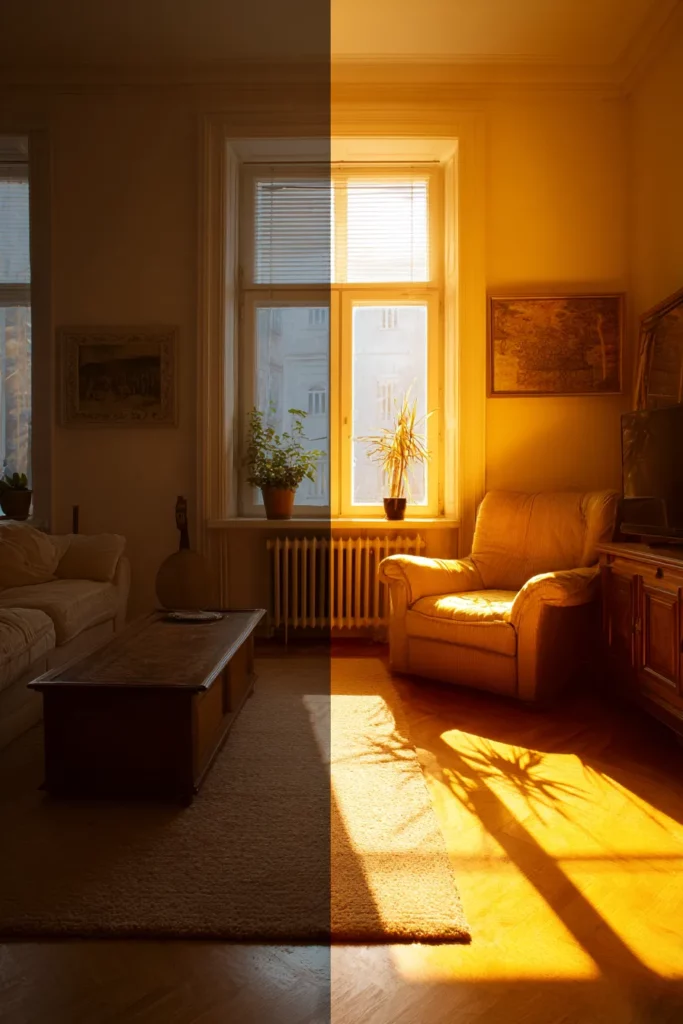
Natural light isn’t neutral—it carries temperature and mood that shift throughout the day and across seasons. Understanding these variations helps you design a living room that feels balanced and emotionally resonant year-round.
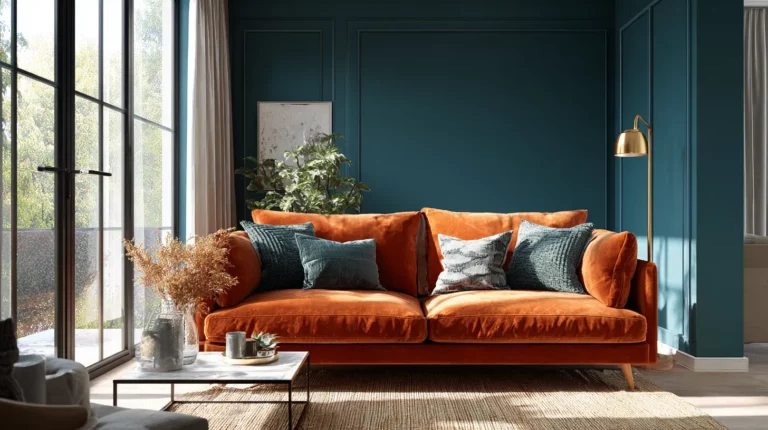
Warm natural light—the golden glow of morning and evening sun—creates feelings of coziness, contentment, and intimacy. It enhances reds, oranges, and yellows in your décor while softening blues and grays. South and west-facing rooms receive more warm light, particularly in afternoon and evening hours.
Cool natural light—the bluish tone of north-facing windows or overcast days—feels crisp, clean, and energizing. It enhances blues, greens, and purples while making warm colors appear more muted. While some find cool light less inviting, it creates a calm, focused atmosphere perfect for reading or creative work.
Balance your room’s predominant light temperature through décor choices. If your living room receives cool northern light, warm it up with honey-toned woods, terracotta accents, and warm white paint. For rooms flooded with warm southern light, cooler grays and blues create refreshing contrast without fighting the natural warmth.
Seasonal and Geographic Lighting Considerations
Natural light shifts dramatically with seasons and geography, and designing for these variations creates a living room that feels comfortable year-round. Winter sun sits lower in the sky, casting longer shadows and entering deeper into south-facing rooms, while summer sun stays high, creating brighter but more limited direct light.
In northern climates with shorter winter days, maximize every photon with ultra-reflective surfaces and minimal window obstructions. Layer in warm artificial lighting that mimics natural light’s quality, creating seamless transitions as daylight fades. Southern homes might need more attention to sun control—using sheers, strategic landscaping, or exterior awnings to prevent overwhelming brightness and heat during summer months.
East-facing rooms glow with energizing morning light but dim considerably by afternoon. Enhance available brightness with mirrors and light colors, and embrace the room’s natural rhythm—morning coffee and breakfast in the light-filled space, evening activities elsewhere. West-facing rooms do the opposite, coming alive with afternoon and evening sun that can be intense and warm-toned.
Understanding your home’s specific light patterns allows you to work with, rather than against, natural rhythms.
Biophilic Design: Bringing Nature’s Light Indoors
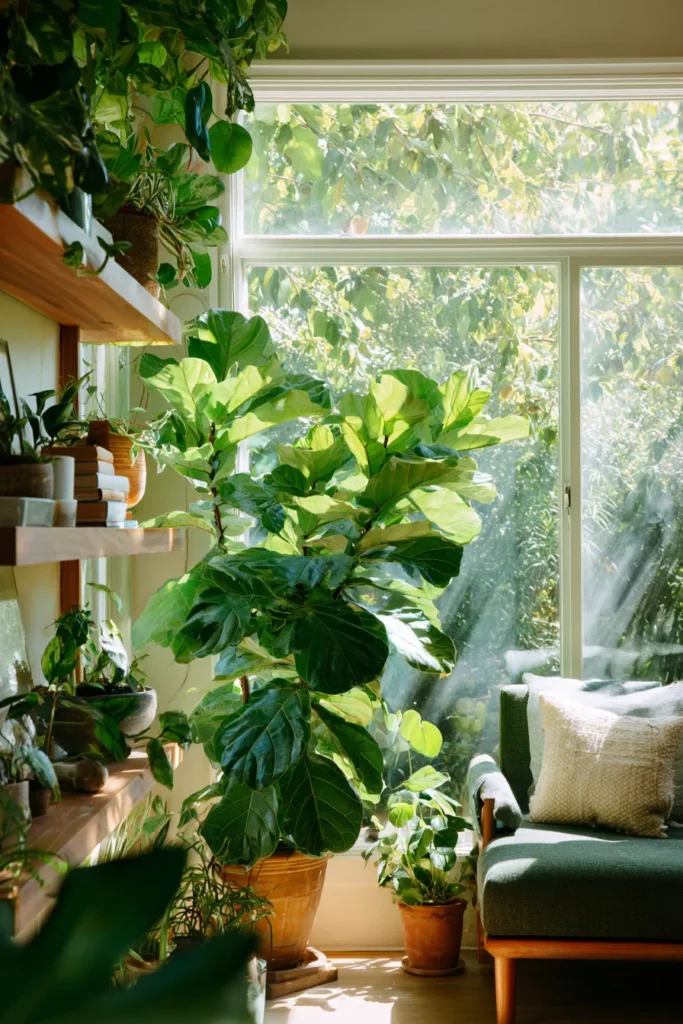
Plants don’t just thrive in natural light—they enhance it, creating a living connection between your interior space and the outdoor world. The interplay of sunlight through leaves creates dappled shadows and organic movement that feels inherently calming and beautiful.
For bright living rooms, consider light-loving plants like fiddle leaf figs, bird of paradise, or trailing pothos that cascade from high shelves, drawing the eye upward and emphasizing ceiling height. Their vibrant green foliage reflects light subtly while adding life and oxygen to your space.
Low natural light living rooms can still host greenery. Snake plants, ZZ plants, pothos, and peace lilies tolerate shadier conditions while maintaining that essential connection to nature. Group plants at varying heights near windows to create a lush, layered look that maximizes their exposure while creating visual interest.
Natural materials throughout your space—raw wood, stone, woven fibers, ceramic—echo the organic quality of sunlight and create harmony between light and texture. These elements ground your design in nature while maintaining the bright, airy feeling you’re cultivating.
Advanced Lighting Integration: Smart Home Solutions
Modern technology offers sophisticated ways to supplement and extend natural light, creating seamless transitions between daylight and evening illumination. Smart home lighting systems can adjust automatically based on available natural light, maintaining consistent brightness levels throughout the day without manual intervention.
Tunable LED fixtures that shift color temperature throughout the day—cooler and energizing in morning, warmer and relaxing in evening—mimic natural light’s circadian rhythm. This supports your body’s natural clock while keeping your living room feeling vibrant and well-lit regardless of actual sun exposure.
Light sensors placed near windows can trigger supplemental lighting as cloud cover increases or sunset approaches, ensuring your space never feels dim or gloomy. These systems work particularly well in transitional seasons when daylight varies significantly day to day.
For rooms with limited windows, solar tubes or sun tunnels bring natural light from your roof through reflective channels, delivering genuine sunlight to otherwise dark spaces. While more involved than decorative changes, these architectural additions transform windowless or interior rooms into naturally bright spaces.
Natural Light Maximization Checklist
Here’s your quick-reference guide for transforming your living room into a naturally bright sanctuary:
- Paint walls in light, reflective colors (warm whites, soft creams, pale grays)
- Position large mirrors opposite windows to double light entry
- Choose sheer or light-filtering window treatments that maintain privacy without blocking brightness
- Keep windows unobstructed by furniture and heavy décor
- Select light-colored, reflective flooring materials
- Incorporate glass, metallic, and glossy surfaces strategically throughout the room
- Arrange furniture to allow light flow, keeping large pieces away from windows
- Add plants near windows to create biophilic connection and movement
- Layer lighting with smart systems that adapt to natural light levels
- Use low-profile furniture with legs to maintain visual openness
- Consider architectural additions like solar tubes for persistent dark areas
- Choose furniture materials and fabrics in light, natural tones
- Extend curtain rods beyond window frames to maximize light when drapes are open
Conclusion: Living in the Light
Creating a naturally bright living room isn’t about dramatic renovations or expensive interventions—it’s about understanding how light moves, reflects, and transforms space. It’s the thoughtful choice of a pale linen sofa that glows in afternoon sun. The mirror positioned just so, catching morning rays and scattering them across the room. The simple act of pulling curtains wide to welcome the day.
When you design with natural light as your primary material, something shifts. Your living room becomes more than a collection of furniture—it becomes a living, breathing space that changes with the hours and seasons. You’ll notice the way winter light creates long, dramatic shadows. How spring mornings arrive earlier, flooding your space with possibility. The golden warmth of summer evenings that makes everything feel soft and forgiving.
This is the gift of designing with light: a home that feels perpetually alive, constantly renewed by the simple, profound presence of the sun.
Frequently Asked Questions
How can I brighten a living room with natural light if I have small windows?
Maximize what light you have through strategic use of mirrors positioned opposite or adjacent to windows, light-colored walls that reflect rather than absorb brightness, and minimal window treatments. Consider adding a solar tube to supplement natural light from above, and keep furniture low-profile so light can travel freely across the room.
What colors work best to reflect natural light in a living space?
Warm whites, soft creams, pale grays, and light beiges reflect the most natural light while creating inviting spaces. For cooler rooms, choose warmer tones like Swiss Coffee or Alabaster. For rooms with abundant warm light, cooler shades like Pale Oak or Gray Owl provide balance. Always test paint samples in your specific lighting conditions—natural light varies significantly by room orientation.
How do mirrors help increase natural light, and where should I place them?
Mirrors reflect and redirect natural light, effectively doubling its presence in a room. Position large mirrors directly across from windows to capture maximum light, or place them adjacent to windows at angles that bounce light into darker corners. Avoid placing mirrors where they’ll reflect clutter or unappealing views—focus on capturing and redirecting beautiful natural light and pleasing sightlines.
Can I make a windowless room feel brighter without actual windows?
Yes, through several strategies: install a solar tube or light pipe that channels roof sunlight into the space, use the lightest possible paint colors on all surfaces, incorporate abundant mirrors and reflective surfaces, and borrow light from adjacent rooms through glass doors or interior windows. Layer warm-toned artificial lighting that mimics natural light quality for a convincing effect.
What are design tricks to maximize natural light without renovation?
Focus on removable solutions: paint walls light colors, hang sheer curtains, position mirrors strategically, choose light-colored and reflective furniture and décor, remove or relocate furniture blocking windows, replace heavy textiles with lighter alternatives, incorporate metallic and glass accessories, and keep windows clean. These changes dramatically impact brightness without structural modifications.