
Table of Contents
There’s something deeply satisfying about walking into a room that feels just right. The light catches the grain of a wooden table. A curved sofa beckons you to sink in after a long day. Every piece seems to breathe with purpose, comfort, and an effortless kind of beauty.
As we move through 2025, furniture design is experiencing a beautiful convergence—where sustainability meets style, where vintage charm dances with modern innovation, and where every choice you make can tell a story about who you are. The trends aren’t just about what looks good in a catalog. They’re about creating spaces that nurture your daily life.
This year’s furniture styles honor both the planet and your personal sanctuary. From the organic curves that soften our modern lives to the reclaimed wood that carries history in its grain, these trends invite warmth, authenticity, and intention into every corner of your home.
Let’s explore the furniture styles that are shaping our spaces in 2025—and discover how you can bring them into yours.
The Rise of Curved and Biomorphic Furniture
Sharp angles are softening. The hard edges of yesterday are giving way to furniture that flows like water, curves like petals, and embraces you with organic shapes that feel almost alive.
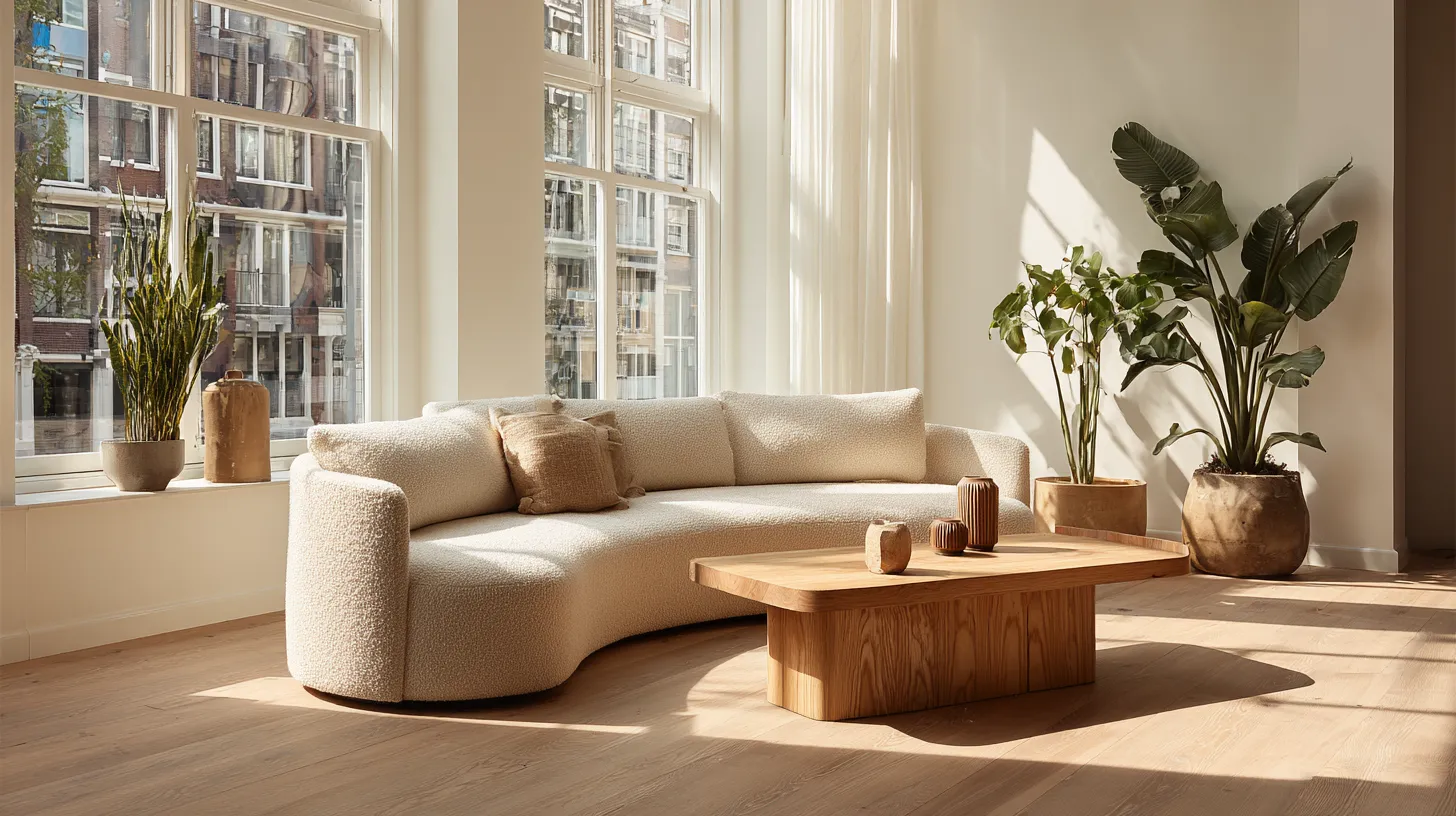
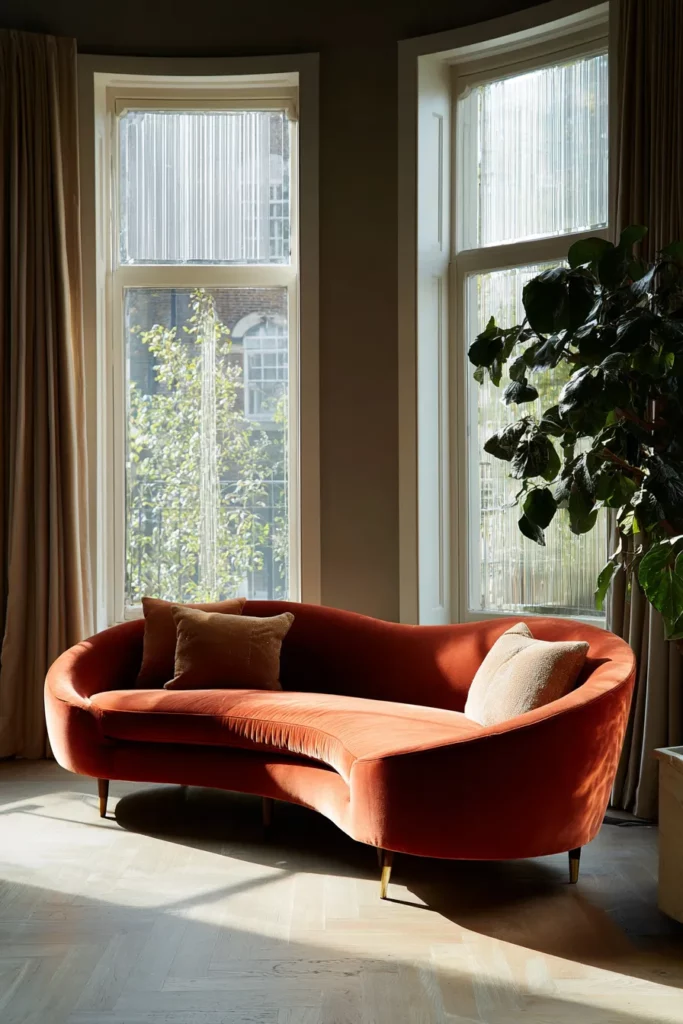
Curved furniture has emerged as one of 2025’s most distinctive trends. Think rounded sofas with generous armrests, circular dining tables that encourage conversation, and chairs that cradle your body with gentle, sweeping lines. These pieces don’t just occupy space—they transform it into something warmer, more welcoming.
Why Curves Matter
Biomorphic design—furniture inspired by nature’s own shapes—creates visual harmony in our homes. A curved sectional softens a rectangular room. An oval coffee table becomes a sculptural centerpiece. These organic forms reduce visual tension and create flow between spaces.
The beauty lies in both aesthetics and comfort. Curved seating naturally supports your body better than rigid, straight-backed pieces. The absence of sharp corners makes rooms feel safer, more open, especially in homes with children or smaller floor plans.
Materials to look for:
- Boucle upholstery in warm neutrals
- Velvet in jewel tones that catch the light
- Natural oak frames with rounded edges
- Sculptural molded plywood
Mid-Century Modern: The Timeless Return
Some styles never truly leave—they just wait for us to remember why we loved them. Mid-century modern furniture continues its reign in 2025, offering clean lines, functional beauty, and that perfect balance between form and purpose.
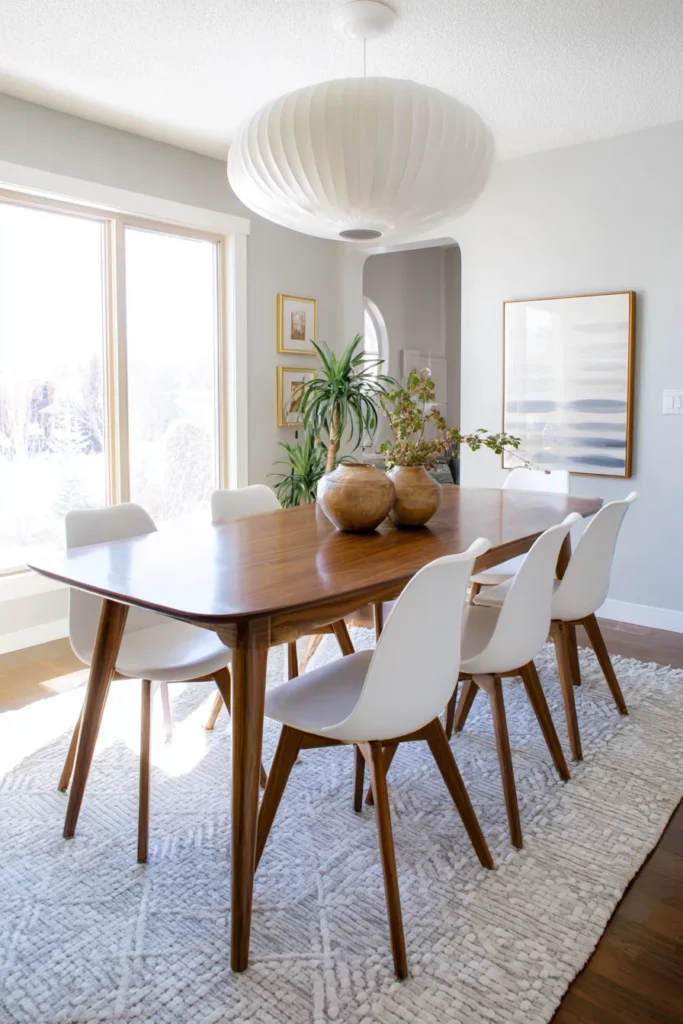
This isn’t about recreating a 1960s time capsule. Today’s mid-century modern pieces blend classic silhouettes with contemporary needs. Tapered legs still elevate credenzas off the floor, creating visual lightness. Walnut and teak still bring warmth. But now these pieces integrate seamlessly with modern technology and sustainable materials.
Making Mid-Century Work Today
The magic of mid-century modern lies in its restraint. Each piece earns its place through both beauty and function. A streamlined sideboard provides storage without visual weight. A molded chair becomes sculpture and seating at once.
Look for pieces with iconic elements: angled legs, low profiles, geometric patterns, and rich wood tones. Pair them with textured textiles and live plants to prevent the look from feeling too austere. The goal is approachable elegance—sophisticated but never cold.
Key characteristics:
- Clean, simple lines without ornamentation
- Wood furniture in walnut, teak, or oak
- Organic and geometric forms combined
- Low-profile seating with exposed frames
- Functionality as a design principle
Scandinavian Minimalism with Soul
Scandinavian furniture styles continue to evolve beyond the stark white spaces of years past. In 2025, Scandinavian design embraces warmth—think hygge transformed into furniture form, where minimalism meets genuine comfort.
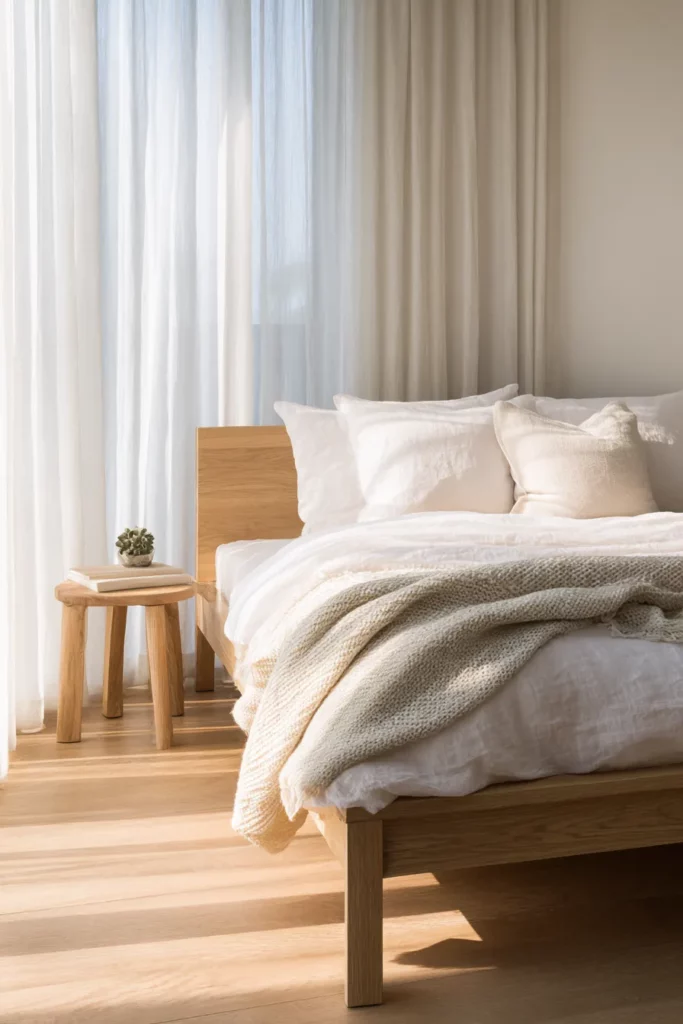
The foundation remains: light wood furniture, clean silhouettes, and a devotion to quality over quantity. But now layers of texture, earthy color palettes, and handcrafted details add depth and personality. It’s minimalism that invites you in rather than keeping you at arm’s length.
Creating Scandinavian Warmth
Start with natural wood furniture in lighter tones—ash, birch, light oak. These pieces reflect light beautifully and create an airy foundation. Add soft textiles: wool throws, linen cushions, sheepskin accents. Each layer should feel intentional but never overdone.
Scandinavian furniture excels at multifunctional design. Benches that offer storage. Tables that extend for gatherings then contract for daily life. This practical elegance makes it perfect for small spaces where every piece must work harder without sacrificing beauty.
Essential elements:
- Light wood species with visible grain
- Neutral color palettes with warm undertones
- Simple, functional forms
- Natural textiles and materials
- Ample negative space
- Focus on craftsmanship and quality
Sustainable and Eco-Friendly Furniture: Design with Purpose
Perhaps no trend matters more than this one. Sustainable furniture isn’t just trending—it’s becoming the standard as we collectively choose to honor the planet in every purchase we make.
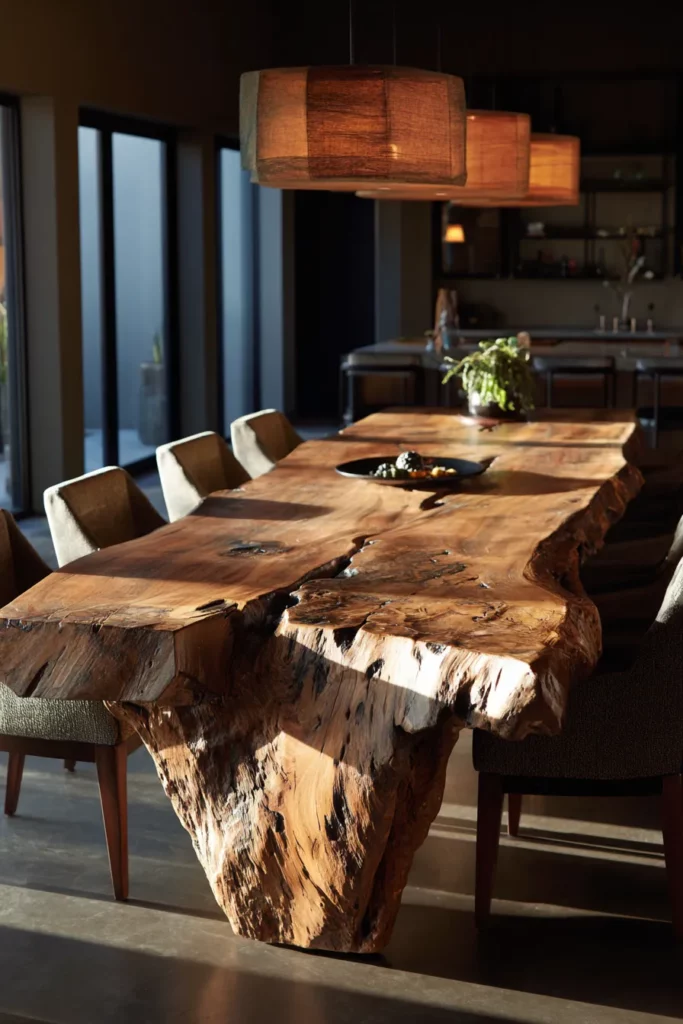
In 2025, eco-friendly materials and ethical production methods are woven into the finest furniture designs. Reclaimed wood tells stories through weathered grain and original patina. Recycled metals become sculptural bases. Organic fabrics, free from harmful chemicals, wrap cushions in softness you can feel good about.
The Beauty of Sustainable Choices
Sustainable furniture often carries more character than mass-produced alternatives. That dining table made from reclaimed barn wood? It bears the marks of its previous life—nail holes, natural cracks, sun-faded sections that make it utterly unique. Upcycled furniture transforms forgotten pieces into renewed treasures.
Look for certifications like FSC (Forest Stewardship Council) for wood, Global Organic Textile Standard for fabrics, and transparency about manufacturing processes. Many contemporary furniture makers now offer modular designs that adapt as your needs change, extending the life of each piece indefinitely.
Sustainable materials trending:
- Reclaimed and salvaged wood
- Bamboo (fast-growing and renewable)
- Recycled metal and plastic
- Organic cotton, linen, and wool
- Cork and rattan
- Low-VOC finishes and natural oils
DIY and Upcycling: Your Creative Voice
The upcycling movement invites you to become part of your furniture’s story. Refinishing a vintage dresser in a bold new color. Reupholstering thrifted chairs in modern fabric. These projects blend sustainability with personalization, creating pieces that reflect your unique aesthetic while keeping furniture out of landfills.
Even simple transformations matter. New hardware can modernize dated cabinets. A fresh coat of paint revives tired pieces. Each upcycled item carries both environmental and emotional value—something you’ll never find in a showroom.
Vintage and Retro Revival: History Reimagined
The past is calling, and we’re answering with enthusiasm. Vintage and retro furniture styles are experiencing a major moment in 2025, as we seek pieces with character, craftsmanship, and stories that new furniture simply can’t replicate.
This isn’t nostalgia for its own sake. Vintage pieces offer quality construction often superior to modern equivalents, unique designs no longer in production, and that intangible sense of soul that comes from furniture that has lived. Plus, choosing vintage is inherently sustainable—giving existing pieces new life rather than demanding new resources.
Mixing Vintage with Modern
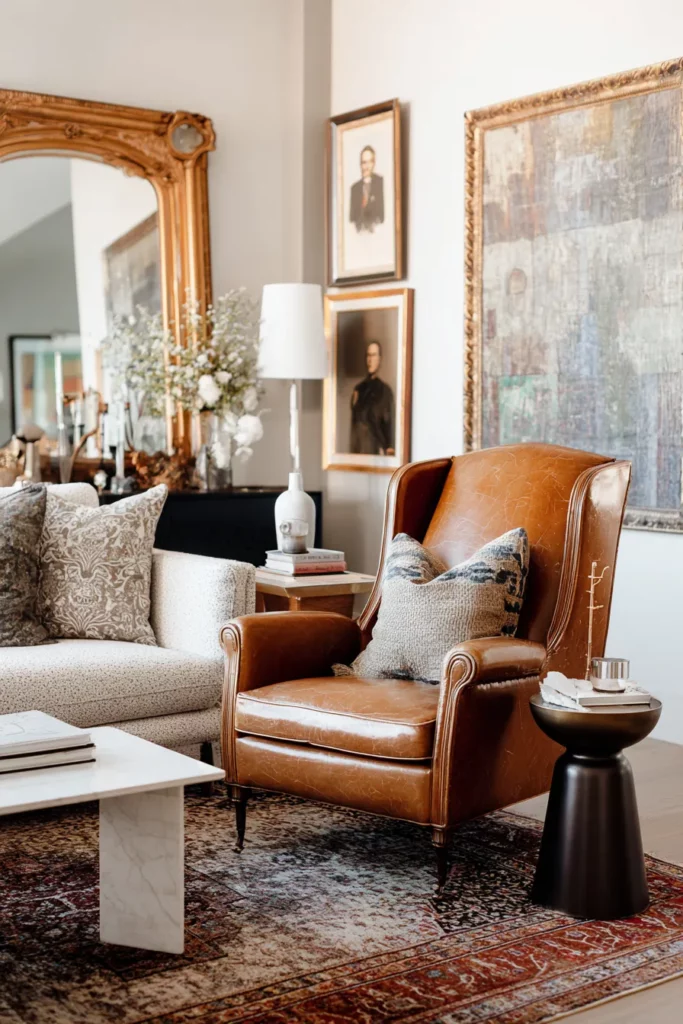
The art lies in the blend. A sleek contemporary sofa grounds a space, while vintage side tables add unexpected personality. Mid-century credenzas store modern electronics. Art deco mirrors reflect today’s light with yesterday’s glamour.
Start with one statement vintage piece—perhaps a striking armchair or unique cabinet—and build around it with contemporary basics. This approach feels curated rather than theme-park, collected over time rather than bought all at once.
Popular vintage styles:
- Art Deco: geometric patterns, luxe materials, bold glamour
- Mid-Century: we discussed this separately, but vintage examples are treasured
- Industrial: raw materials, factory-inspired pieces
- Victorian: ornate details, rich upholstery (use sparingly)
- Retro 70s: earthy tones, rounded shapes, casual comfort
Multipurpose and Modular Furniture: Smart Living
Our homes work harder than ever. They’re offices, gyms, classrooms, entertainment centers, and sanctuaries—often all at once. Multipurpose furniture responds to this reality with intelligent design that adapts without compromising style.
Modular furniture systems let you reconfigure pieces as your life changes. Sectional sofas separate and reunite. Storage units stack, expand, or stand alone. Dining tables transform into work desks. This flexibility is especially vital for small spaces and urban living.
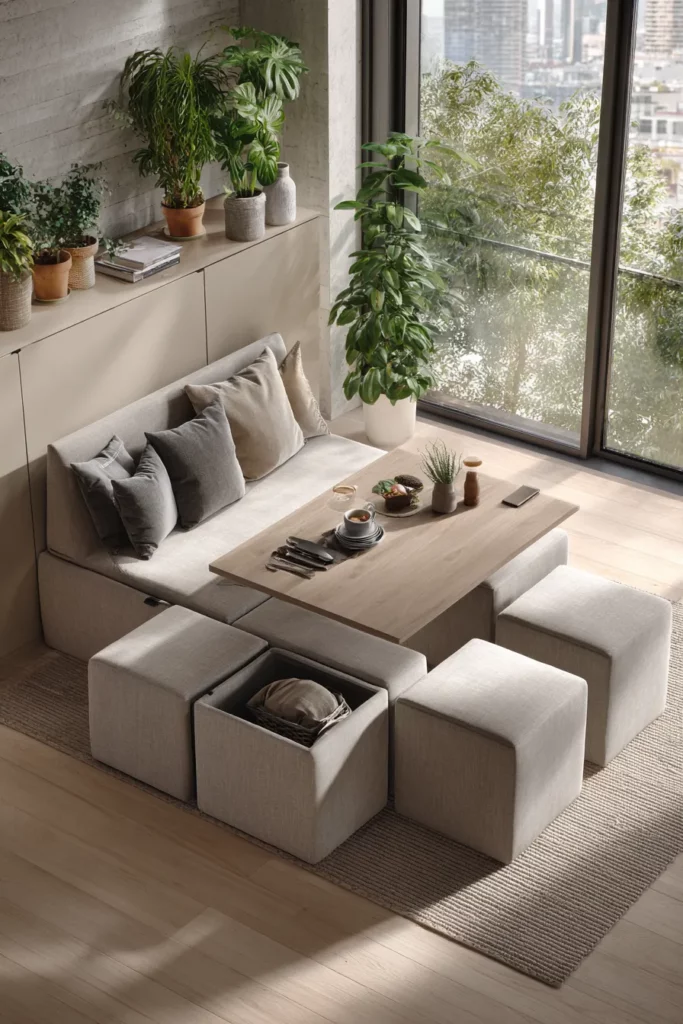
Functional Beauty
The best multifunctional pieces hide their versatility behind beautiful design. An ottoman that opens to reveal storage. A coffee table that lifts to dining height. A daybed that welcomes overnight guests without screaming “I’m a spare bed.”
Look for quality mechanisms—smooth hinges, sturdy supports, thoughtful engineering. Multipurpose furniture should feel effortless to use, not like solving a puzzle every time you need to transform it.
Must-have multipurpose pieces:
- Expandable dining tables
- Storage ottomans and benches
- Convertible sofa beds
- Nesting tables
- Wall-mounted fold-down desks
- Modular shelving systems
Industrial Furniture: Raw Beauty Refined
Industrial furniture designs bring factory aesthetics into our homes, celebrating raw materials and honest construction. But 2025’s industrial style has evolved—it’s warmer now, more livable, blending metal and wood with softer textures.
Exposed metal frames, reclaimed factory carts turned coffee tables, pipe shelving, and distressed finishes create visual interest through materiality and history. These pieces tell stories of makers, workers, and craftsmanship.
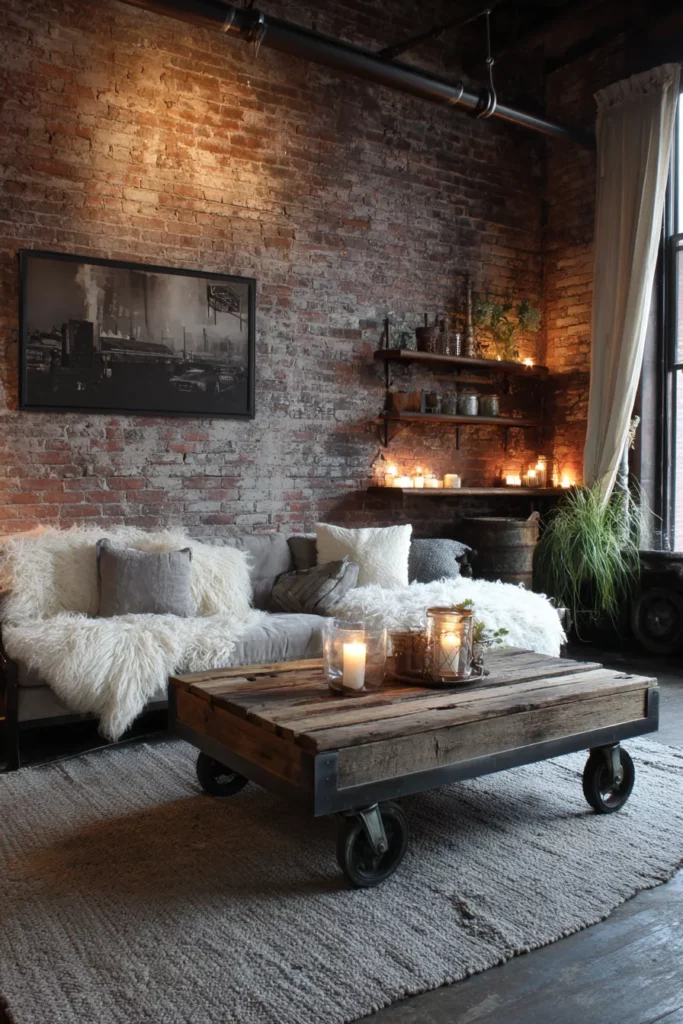
Softening Industrial Edge
Pure industrial can feel cold. The key is balance. Pair a metal dining table with upholstered chairs. Add warm lighting and plants. Layer in textiles—a soft rug underfoot, linen curtains, velvet cushions. Let the industrial pieces provide structure while other elements bring comfort.
The beauty of industrial furniture lies in its honesty. Nothing is hidden. Welds show. Wood grain varies. Hardware is visible and functional. This authenticity appeals to our desire for genuine, unpretentious design.
Industrial elements:
- Metal frames (iron, steel, brass)
- Reclaimed wood tops and surfaces
- Exposed hardware and fasteners
- Matte black finishes
- Factory-inspired forms
- Open shelving and visible structure
Contemporary Minimalist Furniture: Less, But Better
Contemporary minimalist furniture pursues a simple philosophy: every piece should be essential, beautiful, and thoughtfully made. This isn’t about deprivation—it’s about clarity, intentionality, and creating space for what truly matters.
In 2025, minimalism has grown warmer and more personal. Clean lines remain, but textures add depth. Neutral palettes still dominate, but they’re richer now—warm grays, soft taupes, creamy whites that glow in natural light.
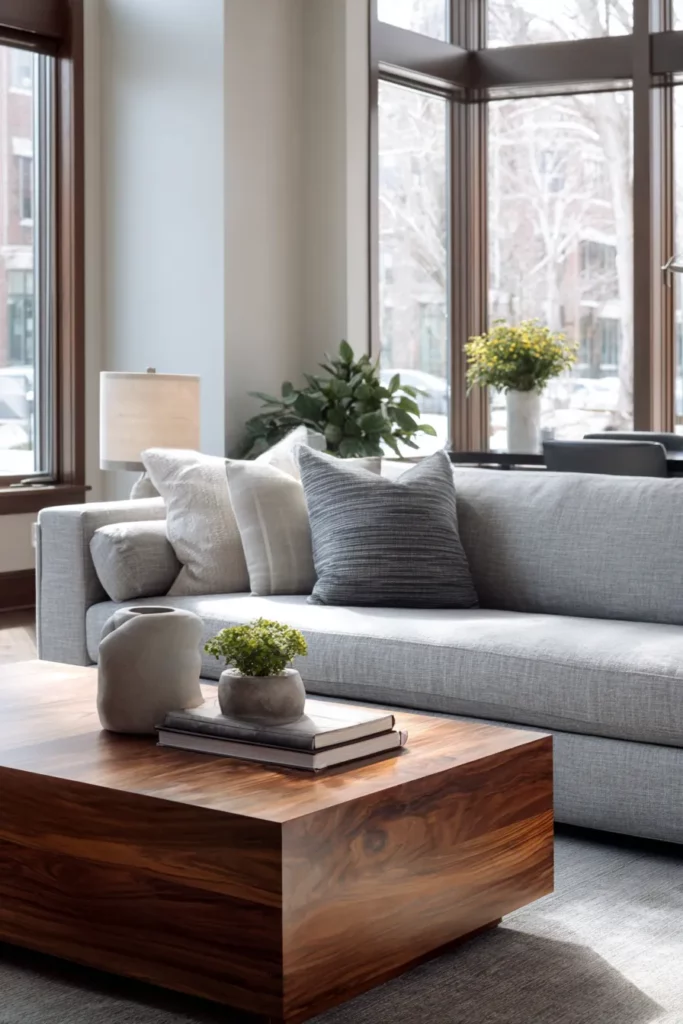
Building a Minimalist Space
Start by choosing furniture with purpose. Each piece should either provide function, bring beauty, or ideally both. A streamlined sofa in quality fabric. A simple dining table that showcases beautiful wood. Floating shelves that disappear while displaying treasured objects.
Minimalism demands quality over quantity. Invest in fewer, better pieces that will age gracefully. Look for timeless designs that transcend trends, superior construction that lasts decades, and materials that develop character over time.
Minimalist principles:
- Restrained color palettes
- Unadorned forms with perfect proportions
- High-quality, natural materials
- Negative space as a design element
- Furniture that doesn’t demand attention
- Every piece carefully chosen
Biophilic Design: Bringing Nature Home
We’re hardwired to connect with nature. Biophilic design acknowledges this fundamental need by incorporating natural elements, materials, and forms into our furniture and spaces.
In 2025, biophilic furniture goes beyond houseplants and wooden tables. It’s about furniture that mimics organic shapes, uses materials in their most natural state, and creates visual and physical connections to the outdoor world.
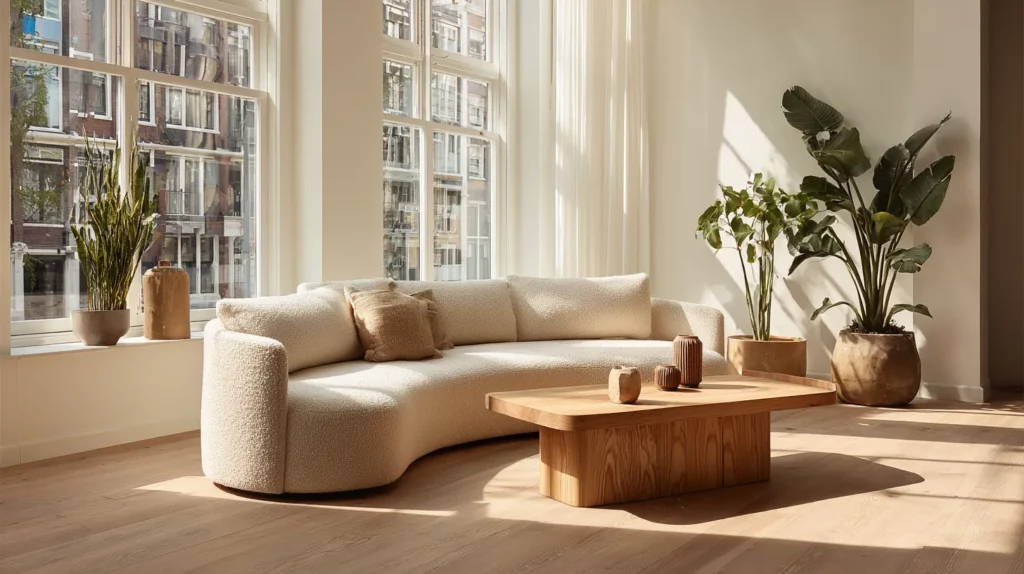
Natural Materials and Forms
Rattan and cane are experiencing a revival, bringing texture and warmth to chairs, headboards, and cabinet doors. Live-edge tables preserve the natural contours of tree trunks. Stone surfaces—marble, granite, terrazzo—ground spaces with geological weight and beauty.
Colors drawn from nature—forest greens, ocean blues, earthy terracotta, sandy neutrals—create calm, restorative environments. These hues work beautifully with natural wood furniture and organic textiles.
Biophilic furniture features:
- Natural wood with visible grain and character
- Organic, flowing shapes
- Rattan, cane, and woven materials
- Stone and natural composites
- Nature-inspired colors
- Textures that invite touch
Furniture Color Trends 2025
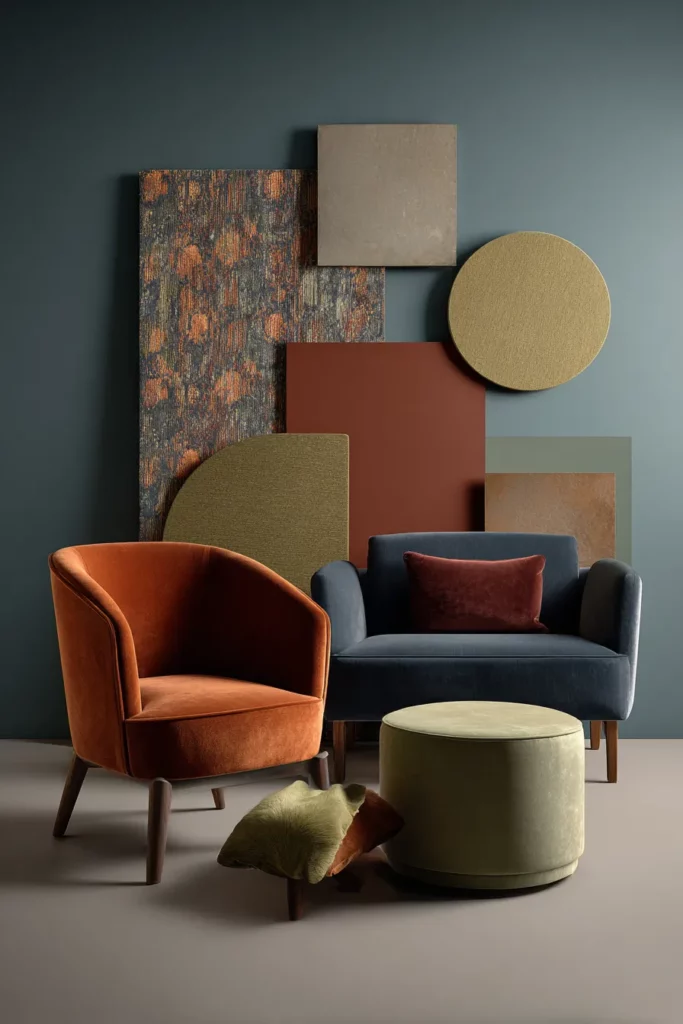
Color transforms furniture from functional objects into emotional anchors. This year’s palette draws heavily from the natural world—grounding, warm, alive.
Earthy tones lead the way: terracotta, clay, rust, and warm browns bring comforting, organic energy. These colors pair beautifully with natural wood furniture and create cozy, enveloping spaces.
Deep blues—navy, midnight, teal—add sophistication and depth without the heaviness of black. Blue furniture pieces create focal points while maintaining tranquility.
Burgundy and wine tones inject richness and drama. A burgundy velvet chair becomes a jewel in neutral spaces. These shades feel luxurious yet approachable.
Sage green continues its reign, bridging natural and contemporary aesthetics. It’s calming without being cold, fresh without being stark.
Warm neutrals—cream, beige, taupe—form the foundation. These aren’t boring basics—they’re sophisticated backdrops that let textures shine.
| Color Category | Specific Shades | Best For | Pairs With |
|---|---|---|---|
| Earthy Tones | Terracotta, rust, clay, warm brown | Upholstered seating, accent chairs | Natural wood, cream, sage |
| Deep Blues | Navy, midnight, teal | Statement sofas, dining chairs | Brass metals, warm wood |
| Rich Jewels | Burgundy, wine, emerald | Accent pieces, velvet upholstery | Gray, beige, black |
| Greens | Sage, olive, forest | Any furniture type | Wood tones, neutrals |
| Warm Neutrals | Cream, beige, taupe, warm gray | Foundational pieces | Everything |
Customization and Personalization: Your Signature Style
The most exciting development in furniture trends isn’t a specific style—it’s the growing ability to customize pieces to reflect your exact vision. From selecting fabrics and finishes to modifying dimensions and configurations, personalization puts you in the designer’s chair.
Many contemporary furniture makers offer customization programs. Choose your sofa’s depth, arm style, and leg finish. Select upholstery from dozens of options. Adjust table dimensions to fit your space perfectly.
This trend recognizes that your home should reflect your unique story, not a catalog’s vision. Custom furniture ensures perfect fit—both physically and emotionally.
Technology-Integrated Smart Furniture
Quietly, furniture is getting smarter. In 2025, technology integration is becoming seamless, invisible, and genuinely useful rather than gimmicky.
Charging surfaces built into side tables and nightstands. LED lighting integrated into shelving and headboards. Desks with cable management systems that hide cords completely. Adjustable furniture that remembers your preferred settings via app.
The best smart furniture doesn’t announce its technology. It simply works better, making daily life smoother without disrupting aesthetic harmony.
Smart features to consider:
- Wireless charging surfaces
- Built-in USB and power outlets
- App-controlled adjustable bases
- Integrated LED lighting
- Voice-activated functions
- Temperature-regulating materials

Regional and Cultural Influences
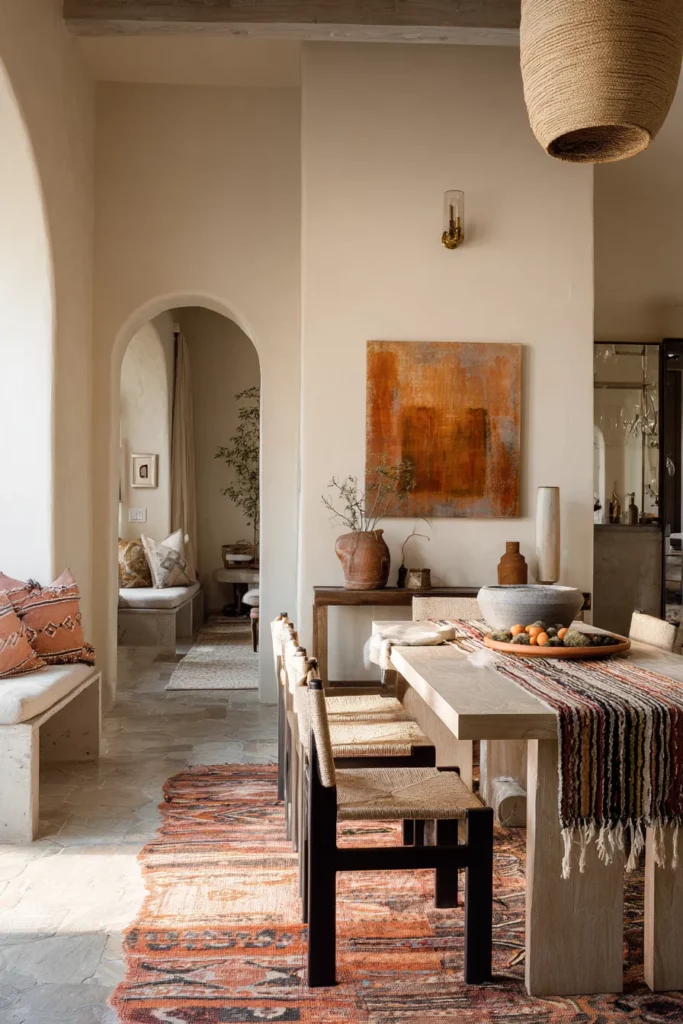
Global connectivity is enriching furniture design with diverse cultural perspectives. Japanese minimalism influences clean-lined furniture. Moroccan patterns appear in textiles and inlays. Scandinavian hygge shapes our desire for comfort. Mediterranean warmth infuses color choices.
This cross-pollination creates richer, more interesting interiors. A Danish dining table might sit beneath a Moroccan pendant, surrounded by chairs inspired by Japanese design. The fusion feels natural when united by common threads—quality, craftsmanship, respect for materials.
Creating Your Perfect Furniture Mix: Practical Tips
Building a cohesive space with trending furniture requires intention, not a shopping spree. Here’s how to approach it:
Start with your lifestyle. Do you entertain frequently? Prioritize seating and dining furniture. Work from home? Invest in a quality desk and ergonomic chair. Have children? Choose durable, cleanable fabrics and avoid delicate finishes.
Choose one dominant style as your foundation—perhaps Scandinavian minimalism or mid-century modern. Then layer in pieces from complementary trends. A Scandinavian space might welcome vintage accessories and curved seating. A mid-century base could incorporate industrial lighting and sustainable materials.
Invest in key pieces. Your sofa, dining table, and bed frame should be high-quality investments that anchor your space. Fill in with more affordable accent pieces, vintage finds, and items you can switch out as trends evolve.
Consider scale and proportion. Measure carefully. Large furniture overwhelms small spaces. Too-small pieces get lost in expansive rooms. Use painter’s tape on the floor to visualize furniture dimensions before buying.
Prioritize comfort alongside style. Always test seating. Read reviews about mattress quality. Consider how you actually live—not just how rooms look in magazines.
Furniture Care and Longevity: Protecting Your Investment
Sustainable furniture choices mean nothing if pieces don’t last. Proper care extends furniture life significantly, honoring both your investment and environmental values.
For wood furniture: Dust regularly with soft cloths. Use coasters to prevent water rings. Apply appropriate oils or waxes annually to nourish the wood. Keep pieces away from direct heat sources and prolonged sun exposure.
For upholstered pieces: Vacuum weekly with upholstery attachments. Address spills immediately with appropriate cleaners for your fabric type. Rotate cushions regularly for even wear. Professional cleaning every 1-2 years maintains freshness.
For metal furniture: Wipe with damp cloths; dry immediately to prevent rust. Touch up scratches in finishes promptly. Use protective pads on floors to prevent damage to both furniture and flooring.
Quality furniture, properly maintained, becomes better with age—developing patina, softness, and character that new pieces lack.
Key Takeaways: Your Furniture Style Checklist
- Curved and biomorphic furniture softens spaces and increases comfort
- Mid-century modern offers timeless style with functional design
- Scandinavian minimalism creates calm, livable spaces with natural materials
- Sustainable choices—reclaimed wood, eco-friendly fabrics, upcycled pieces—honor the planet
- Vintage furniture adds character, quality, and environmental responsibility
- Multipurpose and modular pieces maximize functionality in any space
- Industrial elements provide honest, raw beauty when balanced with softness
- Contemporary minimalism celebrates intentional, quality-focused design
- Biophilic design connects us to nature through materials and forms
- Earth-toned color palettes ground spaces in warmth and calm
- Customization ensures furniture fits your space and style perfectly
- Smart technology integration enhances function without sacrificing aesthetics
- Proper care extends furniture life and honors sustainable values
Conclusion
Your home tells your story through every piece you choose. As you consider these trending furniture styles, remember that the best spaces aren’t about rigid adherence to one aesthetic or chasing every trend that emerges.
The most beautiful rooms blend periods, styles, and sources—united by your personal vision and the life you want to live within those walls. A vintage chair can sit perfectly beside a modern sofa. Sustainable materials belong in every style. Comfort never goes out of fashion.
Let 2025’s furniture trends inspire rather than dictate. Choose pieces that make you pause and smile when you see them. Invest in quality that will age gracefully beside you. Honor the planet in your choices. Create spaces that nurture your daily rituals—the morning coffee at a beautiful table, the evening sink into a perfectly curved sofa, the quiet moment in a chair that cradles you just right.
Your home is waiting. Fill it with furniture that tells your story, serves your life, and brings you joy every single day.
At ERYLIN, we believe your space should breathe with beauty and purpose. May these trends guide you toward furniture that transforms your house into a home you truly love.
Frequently Asked Questions
What are the most important furniture trends for 2025?
The dominant trends include curved and biomorphic shapes, sustainable and eco-friendly materials, mid-century modern revival, and multipurpose furniture for flexible living. Comfort, natural materials, and environmental consciousness unite most trending styles this year.
How can I incorporate sustainable furniture without sacrificing style?
Sustainable furniture has never been more beautiful. Look for pieces made from reclaimed wood, organic textiles, and recycled materials from quality makers. Vintage and upcycled furniture offers both sustainability and unique character. Many contemporary designers now prioritize eco-friendly practices while maintaining cutting-edge aesthetics.
What’s the best way to mix vintage and modern furniture?
Start with a contemporary foundation—a modern sofa and neutral walls—then layer in vintage accent pieces like side tables, chairs, or lighting. Ensure pieces share common elements: similar wood tones, complementary colors, or consistent scale. The key is balance rather than matching everything perfectly.
Which furniture style works best for small spaces?
Scandinavian minimalism and multipurpose furniture excel in smaller homes. Choose pieces with clean lines, light colors, and multiple functions—storage ottomans, expandable tables, and modular shelving. Avoid heavy, dark pieces that visually shrink rooms. Opt for furniture that feels airy and functional.
Are curved furniture pieces just a passing trend?
While curved furniture is particularly popular right now, organic shapes have endured throughout design history because they’re inherently comfortable and visually pleasing. Quality curved pieces in classic fabrics and timeless silhouettes will remain stylish for years, making them worthwhile investments rather than fleeting trends.