
Table of Contents
There’s a quiet tension in the world of design — a pull between empty and full, silence and song. You’ve felt it walking into a room bathed in white light, or one draped in velvet and pattern. Both can take your breath away.
The choice between minimalism and maximalism isn’t about right or wrong. It’s about what speaks to you — what makes you feel grounded, inspired, alive in your own space.
At ERYLIN, we believe your home should tell your story. Whether that story whispers or shouts, unfolds in soft neutrals or bold jewel tones, matters less than how authentically it reflects who you are. Let’s explore these two design philosophies together, not as opposites, but as different languages of beauty.
Understanding Minimalism: The Art of Breathing Room
Minimalism asks a simple question: what if less gave you more? More peace, more clarity, more space to think and dream. It’s the design philosophy that strips away excess to reveal what truly matters.
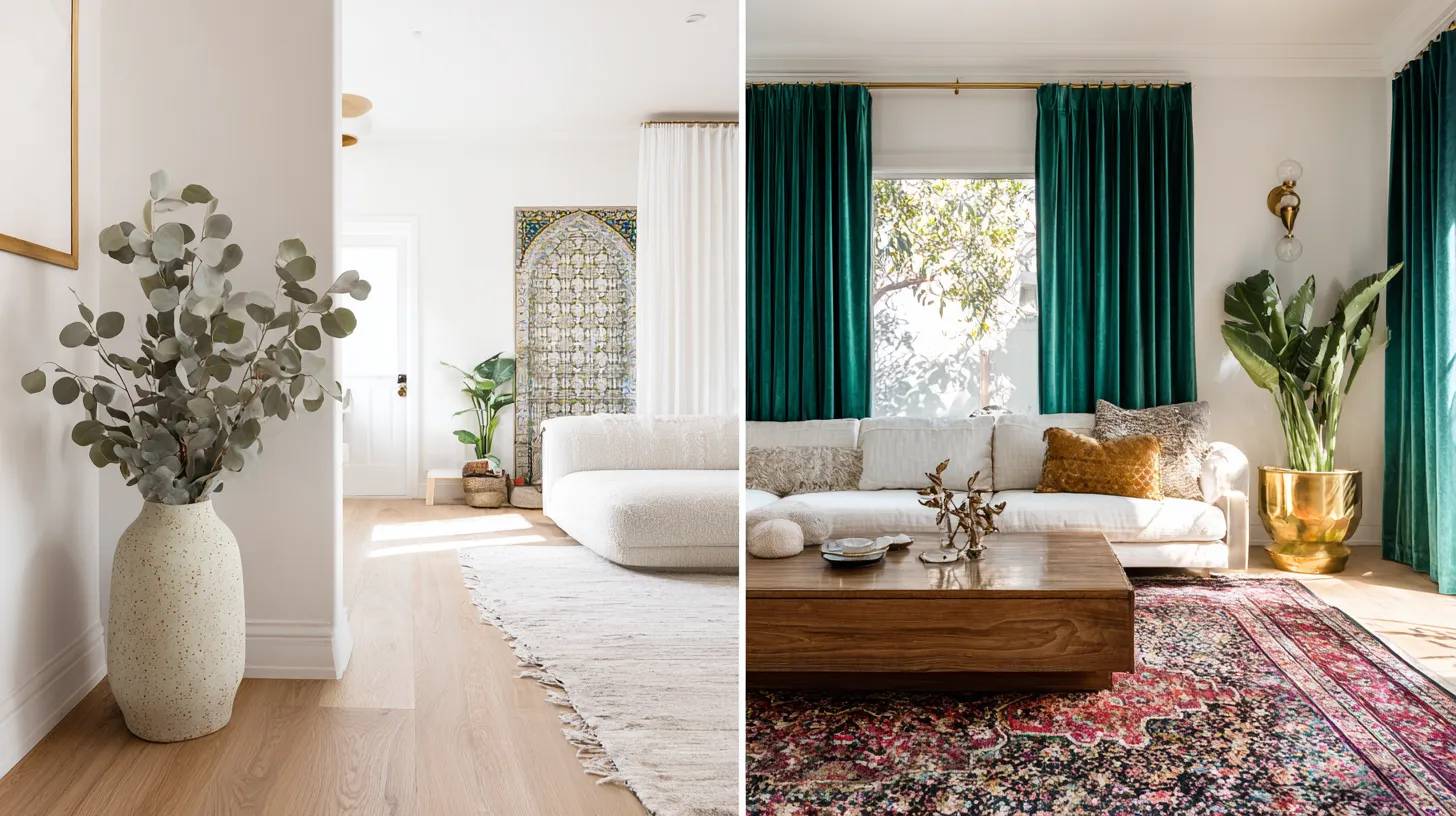
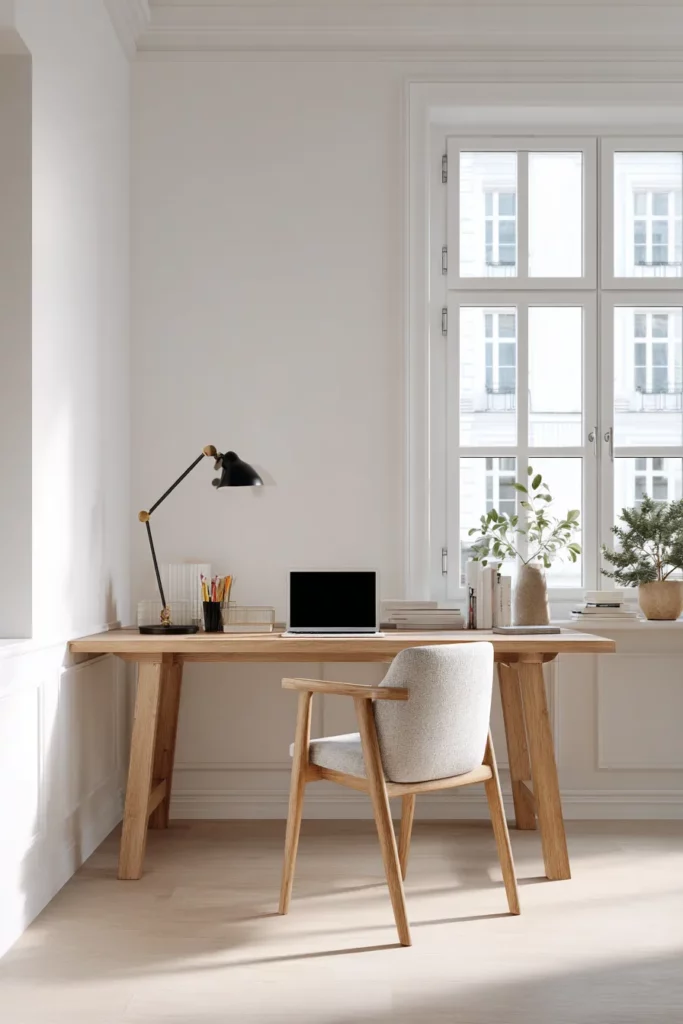
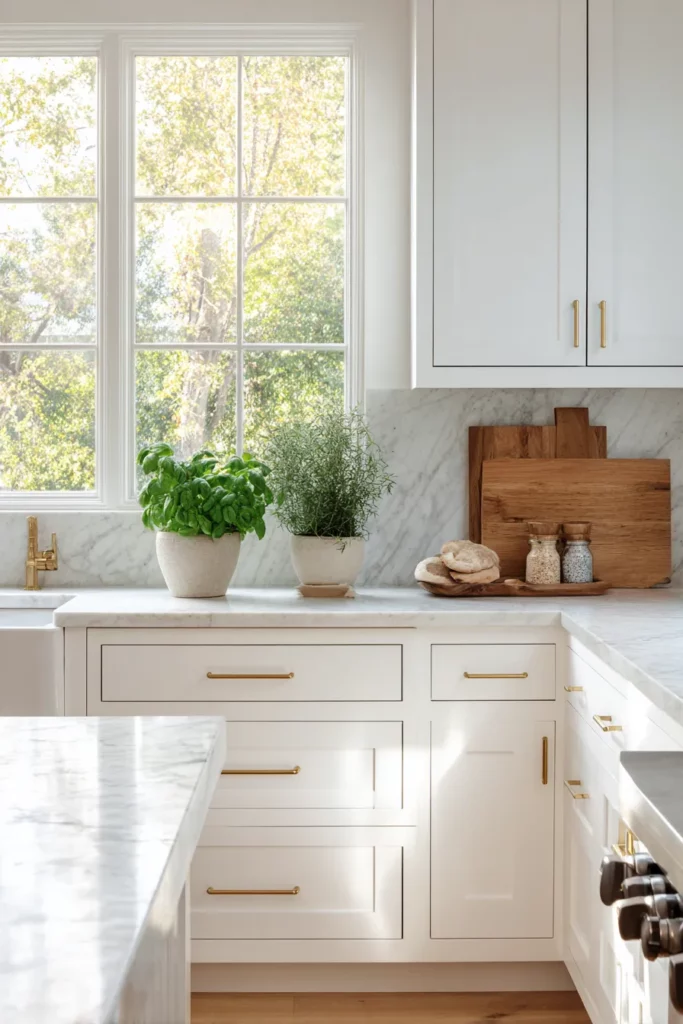
Picture a room where morning light pools on blonde oak floors. A single ceramic vase holds three stems of eucalyptus. The air feels clean, almost sacred. This is minimalism — intentional, edited, purposeful.
The minimalist aesthetic emerged from Japanese design principles and modernist movements, valuing simplicity, functionality, and negative space. Every object earns its place. Every surface breathes. The philosophy extends beyond visual appeal into how we experience our environments — reducing cognitive load, lowering stress, inviting calm.
The Sensory Experience of Minimalist Spaces
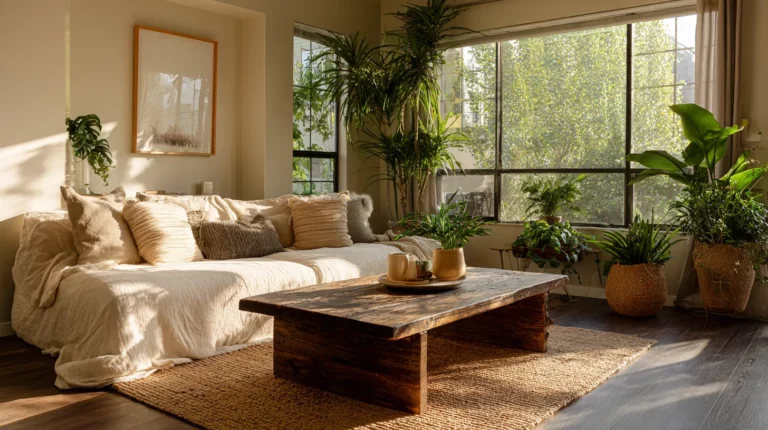
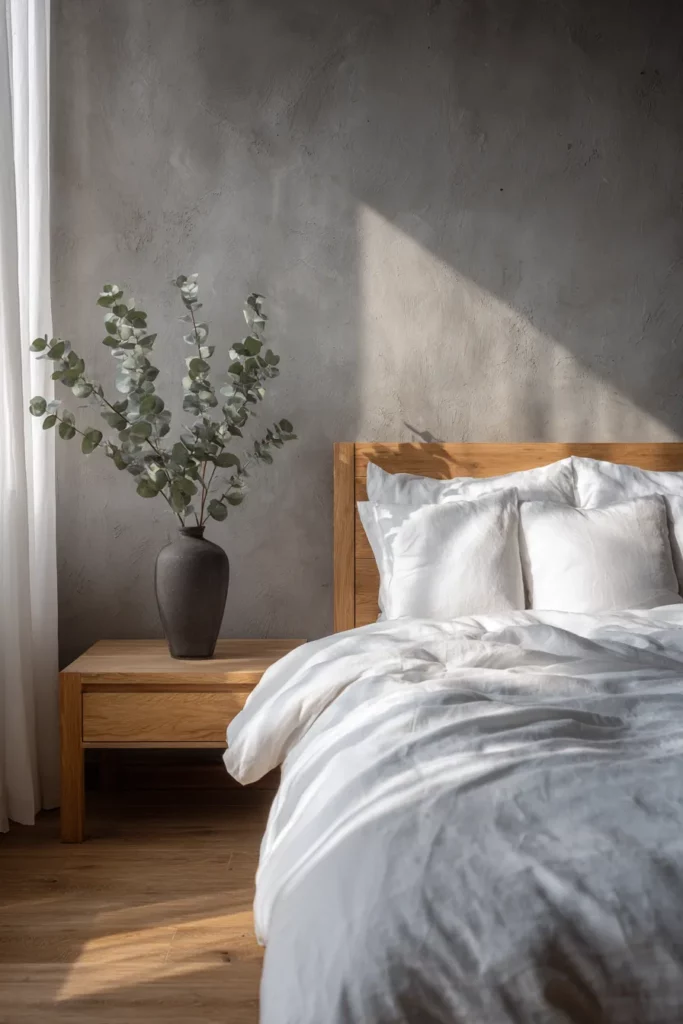
Minimalist interiors engage your senses differently than busier spaces. Without visual clutter competing for attention, you notice subtler details: the grain in a wood table, shadows shifting across linen curtains, the temperature of concrete against your bare feet.
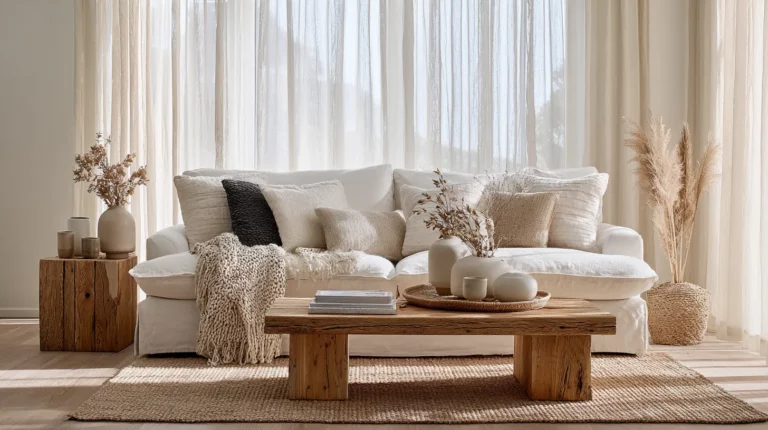
Color palettes stay quiet — whites, grays, warm beiges, soft sage. Materials speak through texture rather than pattern: smooth plaster walls, matte ceramics, raw linen, untreated wood. Lighting becomes sculptural, often the only decorative element needed.
There’s a meditative quality to minimalist design. It asks you to slow down, to appreciate craftsmanship and quality over quantity. A single handwoven throw draped over a simple sofa becomes a focal point, every thread visible.
Minimalism in Brand Identity and User Experience
Beyond interiors, minimalist design philosophy dominates modern web design trends and branding. Think Apple’s clean interfaces, Muji’s quiet packaging, Everlane’s transparent layouts. These brands understand that simple design builds trust and clarity.
In digital spaces, minimalist approaches improve user navigation and performance. Clean interfaces with ample white space guide users effortlessly toward desired actions. Load times stay fast. User engagement increases when cognitive effort decreases. For e-commerce, this translates directly to conversion rates — fewer distractions mean clearer paths to purchase.
The minimalist design philosophy also aligns with growing sustainability concerns. Buying less but better, valuing longevity over trends, choosing timeless pieces — these principles resonate with environmentally conscious consumers seeking to reduce their footprint.
Embracing Maximalism: The Poetry of Abundance
Maximalism is minimalism’s exuberant sibling — layered, collected, unafraid of “too much.” It says yes to pattern, color, texture, and personality. It’s the design equivalent of a full-throated laugh.
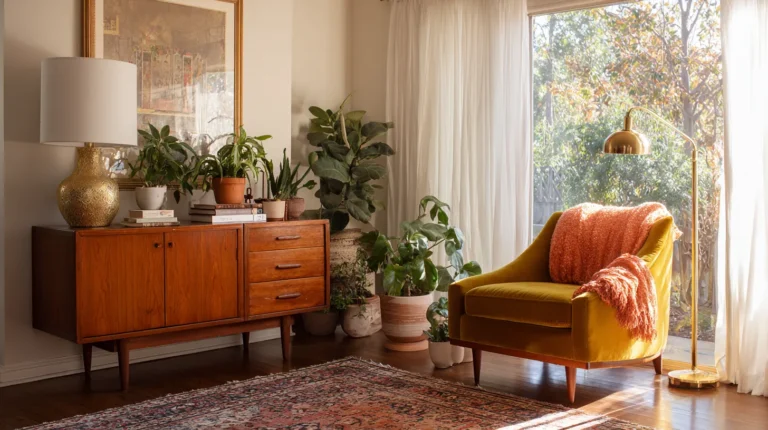
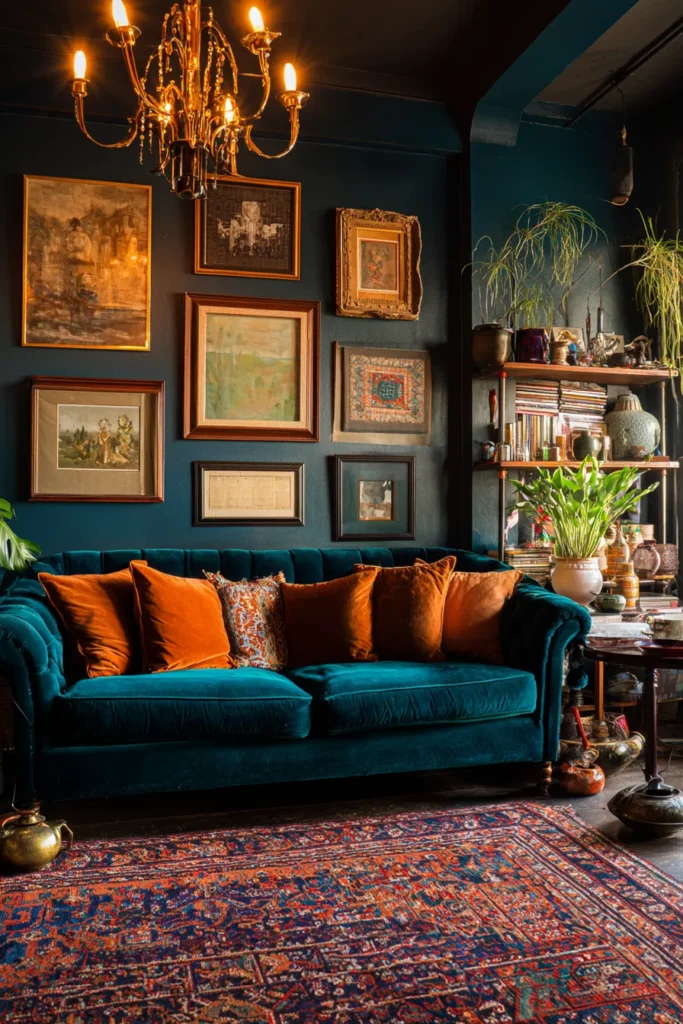
Imagine stepping into a room where every wall tells a story. Emerald velvet curtains frame windows lined with plants. Moroccan tiles meet Persian rugs. Brass fixtures catch light from a vintage chandelier. The space feels alive, curated, deeply personal.
Maximalist design celebrates abundance and individual expression. It draws from global influences, mixes eras and styles, treats rules as suggestions. While minimalism edits, maximalism curates — and there’s artistry in knowing what to layer and how.
The Emotional Resonance of Maximalist Environments
Maximalist spaces stimulate and energize. They invite exploration, telling stories through collected objects, family heirlooms, travel souvenirs, beloved books. Each corner reveals something new — a conversation starter, a memory, a moment of beauty.
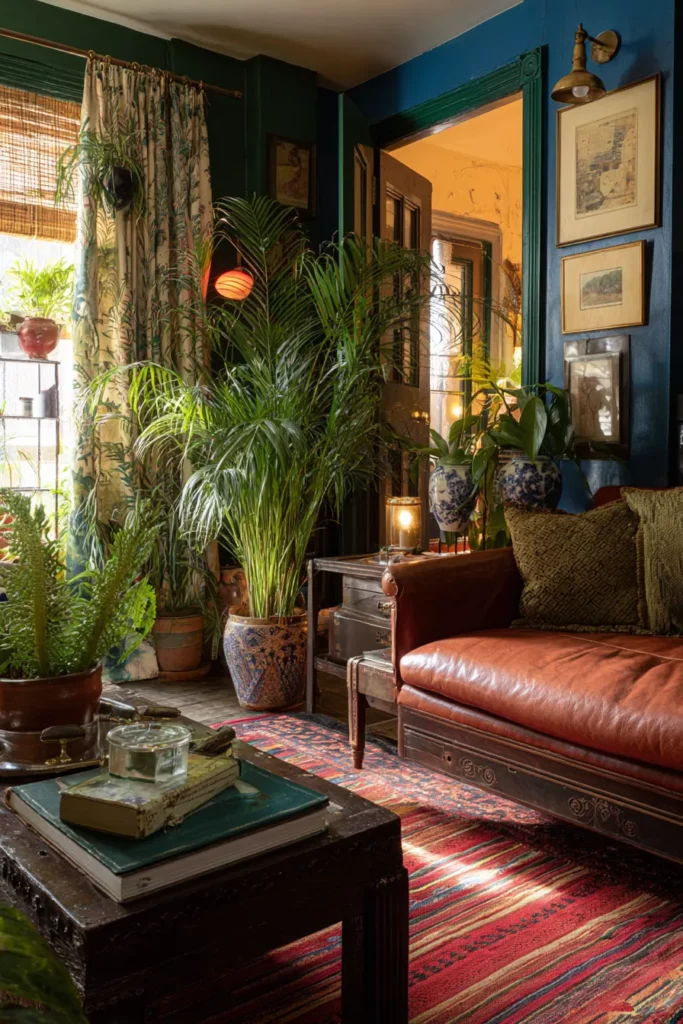
Bold colors dominate: deep teals, burnt oranges, rich purples, forest greens. Patterns overlap confidently — florals with stripes, geometric with organic. Textures layer too: silk cushions on leather chairs, macramé against wood paneling, marble beside brass.
This approach reflects confidence and creativity. It speaks to collectors, travelers, readers, artists — anyone whose life naturally gathers beautiful things. Rather than stressing over perfect curation, maximalism embraces the joy of living fully among objects you love.
Maximalism in Digital and Brand Storytelling
In brand storytelling and creative content, maximalist approaches can captivate and differentiate. Fashion brands like Gucci, interiors companies like Anthropologie, beauty brands like Pat McGrath Labs use rich visual elements, bold graphics, and layered imagery to create immersive experiences.
For user experience in digital design, maximalism requires careful balance. When executed well — think Versace’s website or Liberty London’s aesthetic — bold design becomes memorable and engaging. The key lies in organized chaos: visual hierarchy must remain clear despite abundance.
Maximalist UI/UX design challenges users differently than minimalism. It creates emotional connections through sensory richness, telling brand stories through layered details. However, it risks overwhelming users if navigation isn’t intuitive or if performance suffers from heavy visual assets.
The Psychological Impact: How Design Shapes Feeling
Design isn’t just visual — it’s emotional, psychological, even physiological. The spaces we inhabit literally change how we think, feel, and behave. Understanding these effects helps us choose styles that support our wellbeing.
Minimalist environments tend to reduce anxiety and promote focus. Studies show that visual clutter competes for neural attention, increasing cortisol levels. Clean spaces allow our nervous systems to settle, creating conditions for creativity, rest, and productivity. This explains minimalism’s appeal in high-stress modern life.
However, stark minimalism can feel cold or sterile for some personalities. Without personal objects, spaces may lack emotional warmth. The challenge becomes balancing simplicity with humanity — incorporating just enough personality to feel lived-in without tipping into clutter.
Maximalist spaces, conversely, can boost mood and stimulate creativity through visual interest and personal connection. Surrounding yourself with beloved objects reinforces identity and memories. For creative professionals, writers, and artists, richly layered environments often support imaginative thinking.
The risk comes when abundance becomes chaos. True maximalism requires curation; simply accumulating objects creates clutter, which triggers the same stress responses as any disorganization. The line between artful maximalism and overwhelming mess requires constant attention.
The Middle Path: Hybrid Approaches and Colorful Minimalism
What if you don’t fit neatly into either camp? Most people don’t. The most livable spaces often blend both philosophies, taking minimalism’s clarity and maximalism’s warmth.
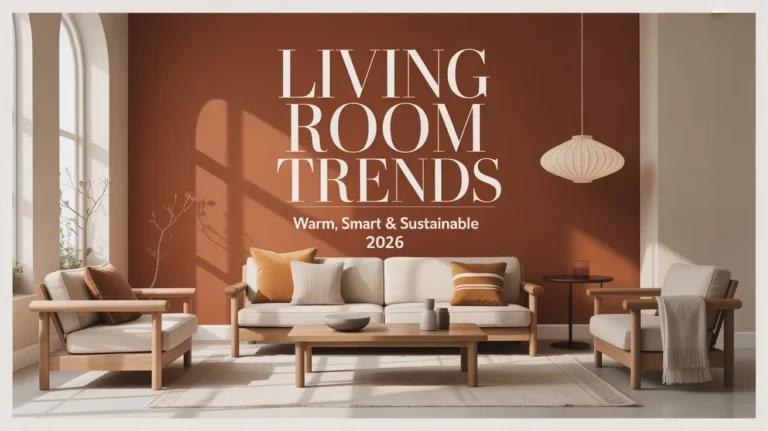
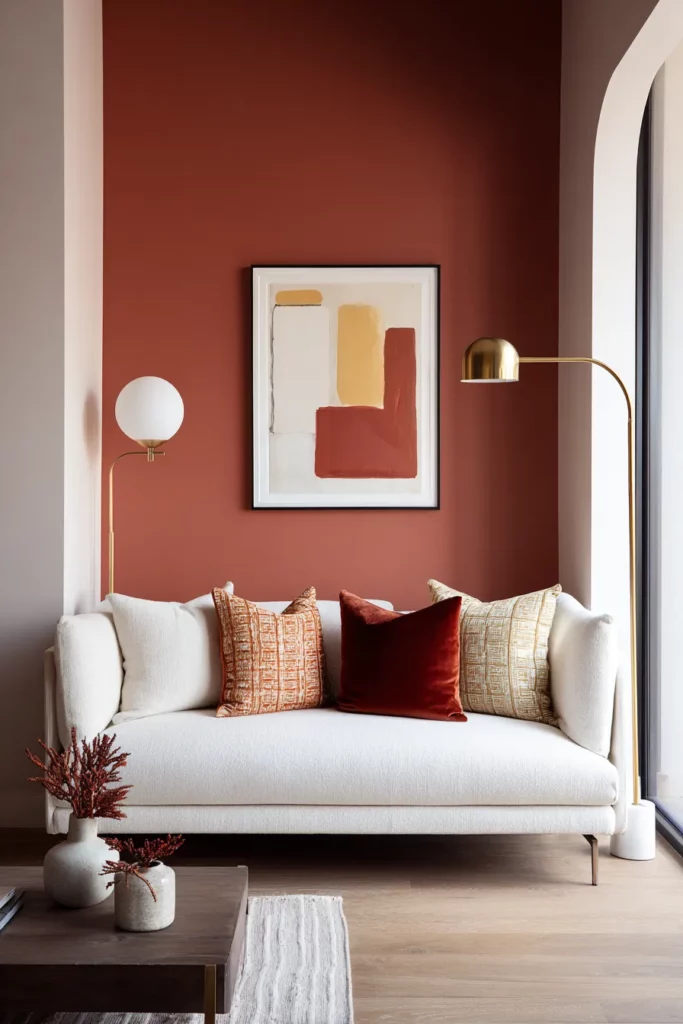
Colorful minimalism represents this evolution beautifully. Imagine a room with clean lines and minimal furniture, but walls painted deep terracotta. Or a simple space punctuated by one dramatic gallery wall. This approach maintains breathing room while introducing personality through strategic color, art, or statement pieces.
Essentialism offers another hybrid path — keep only what adds value or joy, but don’t fear abundance in what matters. Perhaps your book collection sprawls gloriously while other surfaces stay clear. Maybe you display twenty beloved ceramics but own only one sofa. Choose your maximalism intentionally.
This balanced approach acknowledges that different rooms serve different purposes. Your bedroom might embrace minimalist calm for better sleep, while your living room layers textures and collections for warmth. Your workspace could stay streamlined for focus, while your creative studio celebrates organized chaos.
Cultural and Economic Influences on Design Trends
Design preferences don’t exist in a vacuum — they reflect broader cultural moments and economic realities. Understanding these contexts helps us make choices that resonate with current values.
Minimalism surged during economic uncertainty and digital overwhelm. As information overload increased and housing costs rose, simplicity became aspirational. Marie Kondo and tiny house movements responded to anxieties about consumerism and clutter. Minimalist design aesthetics promised control in chaotic times.
Maximalism’s recent resurgence reflects pandemic-era home appreciation and desire for comfort. After years of restraint, people craved color, texture, and personality. Spending more time at home made emotional connection to space paramount. Maximalism’s embrace of individuality also aligns with increased focus on authentic self-expression over conformity.
Globally, design preferences vary culturally. Scandinavian minimalism reflects different values than Japanese minimalism, which differs from California minimalism. Similarly, maximalist traditions vary — from Indian textiles to Victorian excess to Memphis design. Understanding these nuances prevents appropriation while appreciating global design wisdom.
Sustainability Considerations: The Environmental Lens
As climate consciousness grows, both design philosophies face scrutiny through environmental lenses. Neither is inherently more sustainable — execution matters more than aesthetic.
Minimalist design can support sustainability through intentional consumption, valuing quality over quantity, and reducing waste. Buying fewer, better-made pieces that last decades aligns with circular economy principles. However, minimalism becomes problematic when it drives constant “editing” that discards perfectly good items to maintain an aesthetic, or when cheap fast-fashion minimalism prioritizes look over longevity.
Maximalist approaches can celebrate sustainability through vintage collecting, upcycling, and treasuring existing possessions rather than buying new. Layering inherited pieces with secondhand finds embodies circular economy ideals. However, maximalism risks encouraging overconsumption when abundance becomes the goal itself rather than thoughtful curation.
The most sustainable approach regardless of style: buy less, choose quality, embrace secondhand, repair and maintain, and design for longevity rather than trends. Whether your space feels minimal or maximal matters less than whether your consumption aligns with your values.
Choosing Your Path: Practical Decision-Making Framework
So how do you choose? Start by examining your authentic responses, not aspirational images. Walk through your current space. What makes you feel calm? What brings joy? What feels exhausting?
Questions to Guide Your Style Choice
For Your Personality:
- Do you feel energized or overwhelmed by visual stimulation?
- Does editing possessions feel freeing or stressful?
- Do you collect meaningful objects or prefer open surfaces?
- Does visual simplicity calm you or feel cold?
For Your Lifestyle:
- How much time can you dedicate to maintenance and cleaning?
- Do you entertain frequently or prefer intimate gatherings?
- Does your work require focus spaces or inspiration-rich environments?
- Do children, pets, or hobbies require practical considerations?
For Your Brand (if applicable):
- What emotions should your brand identity evoke?
- Does your audience value clarity and speed or rich storytelling?
- What do competitors in your space embrace?
- How do user engagement patterns inform your design needs?
Industry-Specific Considerations
Different industries often favor different approaches for good reason. E-commerce design frequently leans minimal for smooth user navigation and fast checkout experiences. Creative agencies might embrace maximalism to showcase bold thinking. Healthcare typically chooses calm minimalism. Hospitality might blend both — minimal public spaces with maximalist personality rooms.
Consider performance metrics too. Minimal designs typically load faster, improving SEO and mobile experience. Maximalist sites require optimization to maintain speed despite heavy visual content. Accessibility also varies — high-contrast minimalism often performs better for users with visual impairments, while maximalist patterns might challenge those with sensory processing differences.
The Future: Emerging Technologies and Design Evolution
Design philosophy continues evolving with technology. Augmented reality (AR) and virtual reality (VR) may transform how we experience both minimalism and maximalism, allowing temporary maximalist overlays in minimal spaces or vice versa.
Digital design increasingly blurs boundaries between physical and virtual. You might maintain minimalist physical spaces while expressing maximalist personality through AR layers visible through devices. Or showcase maximalist decor in virtual showrooms while shipping minimal products.
Artificial intelligence personalizes design experiences too, potentially allowing interfaces that adapt to individual preferences — appearing minimal for some users, maximal for others, based on behavior patterns and stated preferences. This technological personalization could make the either-or question obsolete.
Key Takeaways: Design Wisdom for Your Journey
- Minimalism prioritizes simplicity, functionality, and breathing room — ideal for focus, calm, and intentional living
- Maximalism celebrates personality, layering, and abundance — perfect for creative expression and emotional warmth
- Psychological effects differ: minimalism reduces stress through visual clarity; maximalism stimulates through sensory richness
- Hybrid approaches like colorful minimalism or essentialism offer middle paths respecting both philosophies
- Sustainability depends on consumption habits and values, not aesthetic category
- Cultural and economic contexts shape design trends, but personal authenticity matters most
- Different spaces can embrace different approaches based on purpose and needs
- Brand identity should align with audience values and functional requirements
- Technology continues evolving how we experience and blend design philosophies
- Your choice should reflect authentic responses, not aspirational images or trends
Finding Home in Your Truth
Here’s what we believe at ERYLIN: your space should feel like coming home to yourself. Not to a magazine spread or trending aesthetic, but to the truest version of your life.
Maybe that’s a minimal sanctuary where every object is chosen with devotion. Maybe it’s a collected space layered with stories from everywhere you’ve been. Maybe it changes room to room, season to season, year to year as you grow.
The magic isn’t in the label — minimalist or maximalist — but in the honesty. Does your space hold you the way you need to be held? Does it reflect the life you’re actually living, not performing? Does it give you room to breathe and permission to be fully human?
Design at its best doesn’t constrain or define you. It supports, reflects, and evolves with you. Start there. Trust yourself. The rest is just beautiful details.
Frequently Asked Questions
What are the key differences between minimalism and maximalism?
Minimalism emphasizes simplicity, limited color palettes, negative space, and functionality with few carefully chosen elements. Maximalism embraces abundance, bold colors, layered patterns, collected objects, and rich visual storytelling. The core difference lies in approach: minimalism removes until only essentials remain, while maximalism curates and layers what brings joy and meaning.
Can minimalist and maximalist styles work together in one space?
Absolutely. Many successful interiors blend both philosophies through strategic choices — maintaining minimalist structure with maximalist accents, or creating minimalist rooms alongside maximalist ones. Colorful minimalism represents this hybrid beautifully: clean lines and open space with bold color statements or curated collections. The key is intentionality rather than arbitrary mixing.
How do I decide which style suits my personality and home?
Consider your honest responses to visual stimulation, collecting habits, and maintenance preferences. If visual clutter drains you and editing feels freeing, lean minimal. If collected objects bring joy and sparse spaces feel cold, embrace maximalism. Test small changes before committing: try clearing surfaces for a week, or adding layered textiles. Your gut response reveals your truth.
What is the psychological impact of minimalism versus maximalism?
Minimalist environments typically reduce anxiety, improve focus, and promote calm by decreasing visual noise and cognitive load. Maximalist spaces often boost creativity, strengthen emotional connections through personal objects, and stimulate through sensory richness. Neither is universally better — effectiveness depends on individual nervous system responses and what activities occur in the space.
Is one style more sustainable than the other?
Neither style is inherently more sustainable—consumption habits matter more than aesthetics. Minimalism can support sustainability through intentional purchasing and prioritizing quality over quantity, but it can also lead to wasteful “editing” cycles. Maximalism can celebrate vintage collecting and making use of existing possessions, yet it also risks encouraging overconsumption. True sustainability comes from buying less, choosing quality, embracing second-hand pieces, and designing for longevity—regardless of visual style.