
Table of Contents
There’s a quiet revolution happening in our homes. It smells like fresh linen dried in the sun, feels like smooth reclaimed oak beneath your fingertips, and looks like morning light filtering through organic cotton curtains. This is sustainable living room design—not austere or sacrificial, but alive with warmth and intention.
The modern living room is no longer just a place to gather. It’s becoming a statement of values, a canvas where eco-conscious materials meet elevated style. And the best part? Choosing sustainability doesn’t mean compromising on beauty.
In 2025, sustainable interior design has matured beyond hemp cushions and awkward compromises. Today’s eco-friendly living room blends biophilic design with smart home technology, vintage character with modular furniture, and artisanal craftsmanship with certified sustainable materials. It’s design that feels good—for you, and for the planet.
Let’s explore how to create a living room that breathes with natural beauty while treading lightly on the earth.
What Makes a Living Room Truly Sustainable?
Sustainability in living room design goes deeper than a single eco-friendly purchase. It’s a holistic approach that considers materials, manufacturing, longevity, and lifecycle impact.
A truly sustainable living room prioritizes FSC-certified wood furniture that traces back to responsibly managed forests. It embraces GREENGUARD certified pieces that meet strict chemical emissions standards, protecting your indoor air quality. These certifications aren’t just badges—they’re promises that what you bring into your home won’t harm the environment or your family’s health.
But sustainability also lives in the choices that extend a piece’s life. It’s choosing modular furniture that adapts as your needs change, investing in quality over quantity, and selecting natural materials like bamboo, cork, and hemp that regenerate quickly and biodegrade gracefully.
The Certification Landscape
Understanding eco-labels helps you make informed choices. FSC certification ensures wood comes from forests managed for environmental, social, and economic sustainability. GREENGUARD Gold certification means furniture meets the most rigorous chemical emissions standards, crucial for creating healthier indoor environments.
OEKO-TEX certification guarantees textiles are free from harmful substances, while B Corp certification identifies companies meeting high standards of social and environmental performance. These aren’t marketing buzzwords—they’re third-party verified commitments to doing better.
Look for low VOC materials in paints, finishes, and adhesives. Volatile organic compounds off-gas over time, affecting air quality and health. Choosing low-VOC or zero-VOC options creates a living room that doesn’t just look clean—it is clean.
Sustainable Furniture: The Foundation of Conscious Design
Reclaimed and Recycled Materials
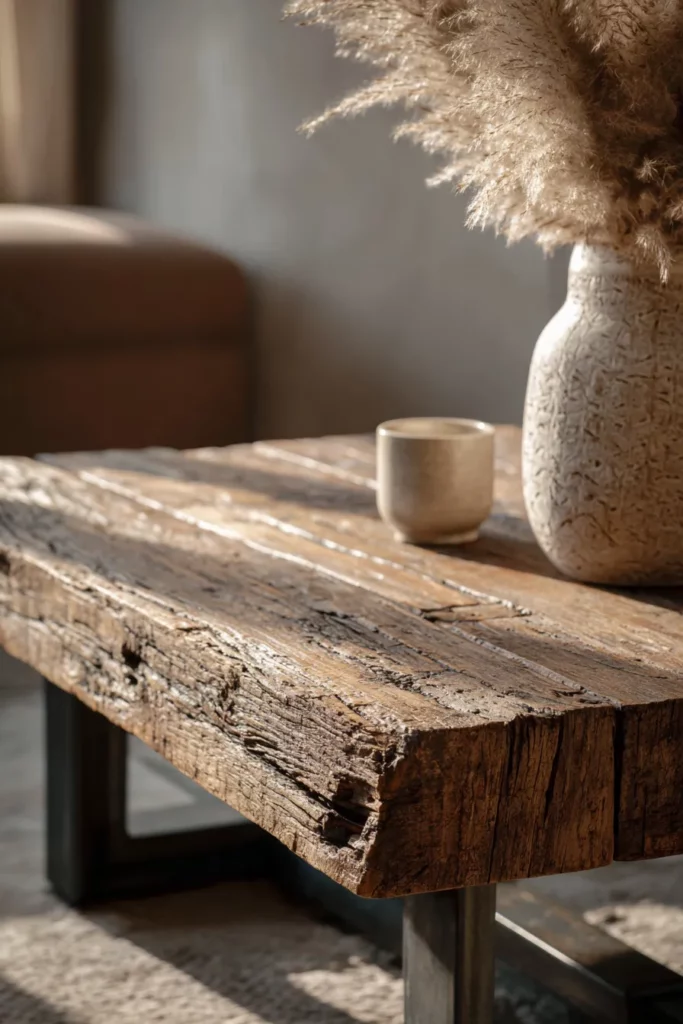
There’s poetry in reclaimed wood furniture. Each knot and grain pattern tells a story—of barns that once sheltered harvests, of factories that hummed with industry, of trees that grew for decades before becoming part of your home.
Reclaimed wood brings instant character and authenticity. A coffee table crafted from salvaged oak beams adds warmth that new wood simply can’t match. It’s sustainability you can see and touch, with the bonus of diverting material from landfills.
Upcycled furniture takes this further, transforming industrial remnants into statement pieces. Metal shelving made from reclaimed pipes, sofas upholstered in repurposed textiles, side tables crafted from salvaged doors—each piece carries history while reducing demand for virgin materials.
Modular and Multi-Functional Design
The most sustainable furniture is the kind you keep. Modular furniture systems adapt as your life changes, eliminating the need to buy new pieces when your needs shift.
Consider a modular sofa that reconfigures from a compact loveseat to a sprawling sectional. Or shelving systems that grow room by room, moving seamlessly from living room to home office to nursery. This flexibility extends product lifespan dramatically, reducing waste and long-term cost.
Multi-functional pieces work twice as hard. Storage ottomans that double as seating, nesting tables that expand for gatherings, sofas with built-in charging stations—these designs honor both space and resources.
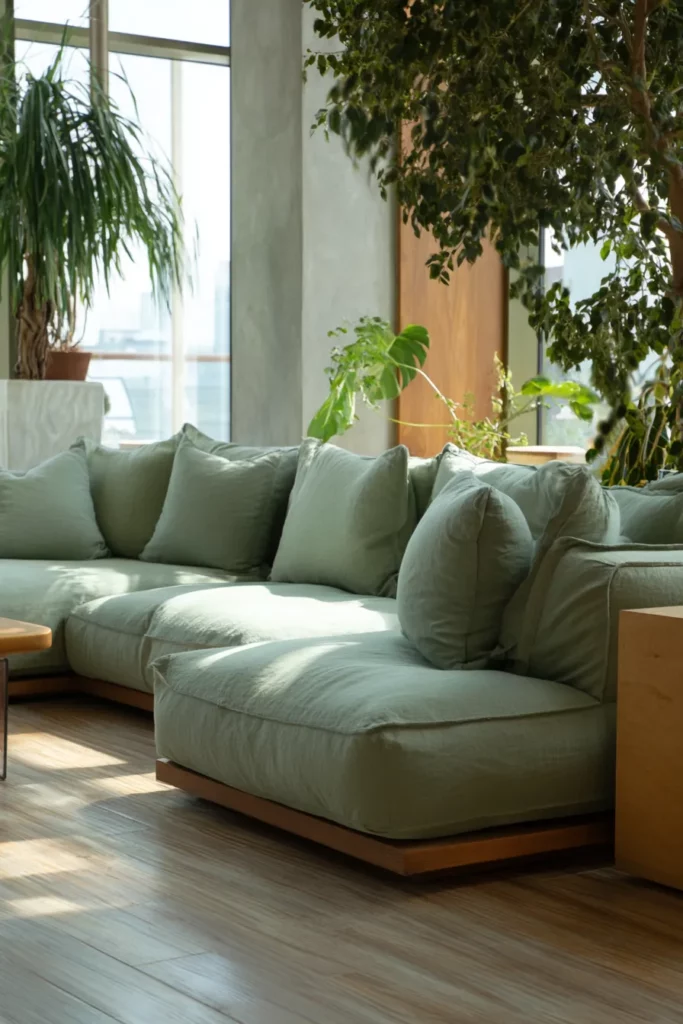
Sustainable Furniture Brands to Know
Supporting brands committed to green manufacturing processes amplifies your impact. Companies using renewable energy in production, implementing water-saving fixtures, and practicing transparent sourcing set industry standards others follow.
Research brands that offer lifecycle cost transparency, showing how investing more upfront pays off through durability and reduced replacement needs. Many sustainable furniture brands also participate in furniture repair and resale platforms, supporting circular economy practices that keep items in use longer.
Natural Materials That Transform Spaces
The Rise of Bamboo, Cork, and Hemp
Bamboo brings structural strength and rapid renewability—some species grow three feet per day. Use it for flooring that withstands heavy foot traffic, blinds that filter light beautifully, or accent furniture with clean, modern lines.
Cork offers warmth underfoot and acoustic softness overhead. Cork flooring provides natural insulation and cushioning, while cork wall tiles add texture and sound absorption. As a harvested bark that regenerates without harming trees, cork exemplifies renewable design.
Hemp textiles deliver durability without pesticides or excessive water use. Hemp curtains drape elegantly while blocking light, and hemp-blend upholstery withstands years of use while softening beautifully over time.

Earthy Tones and Natural Textures
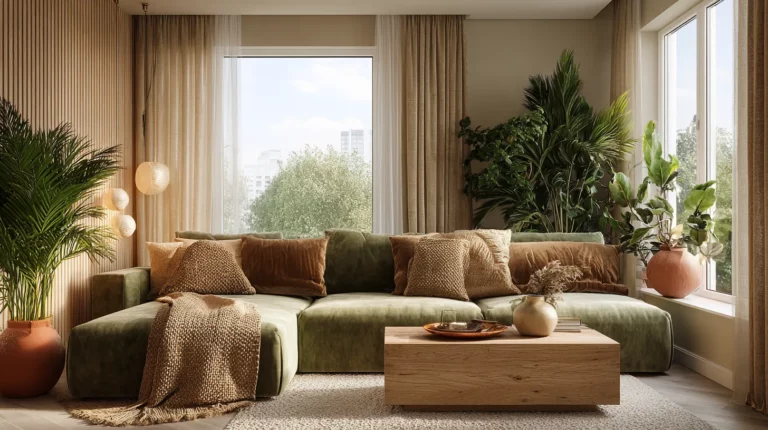
Sustainable materials often arrive in nature’s own color palette—and it’s breathtaking. Warm terracotta, soft sage, deep clay, weathered driftwood gray. These earthy tones create living rooms that feel grounded and serene.
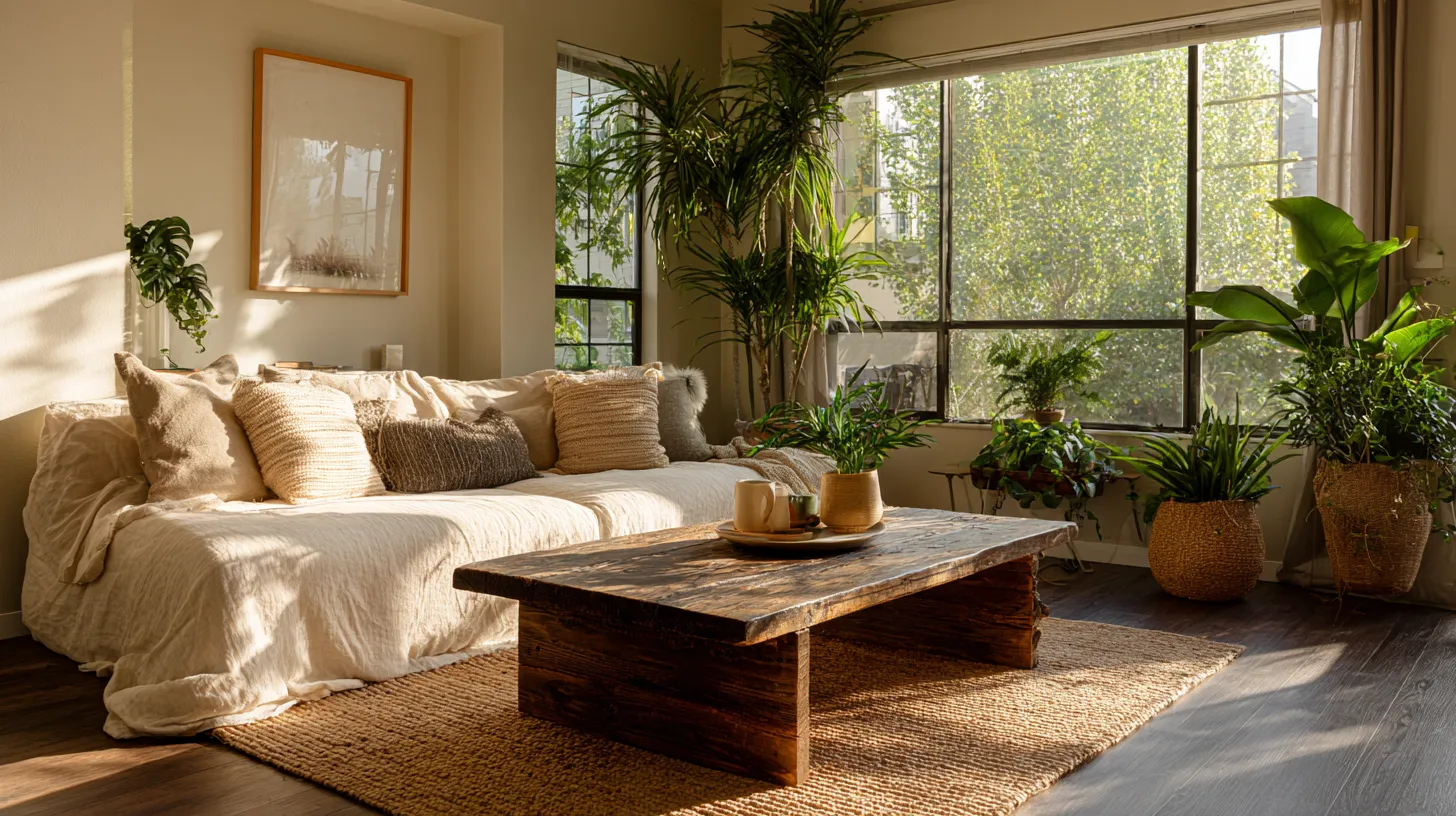
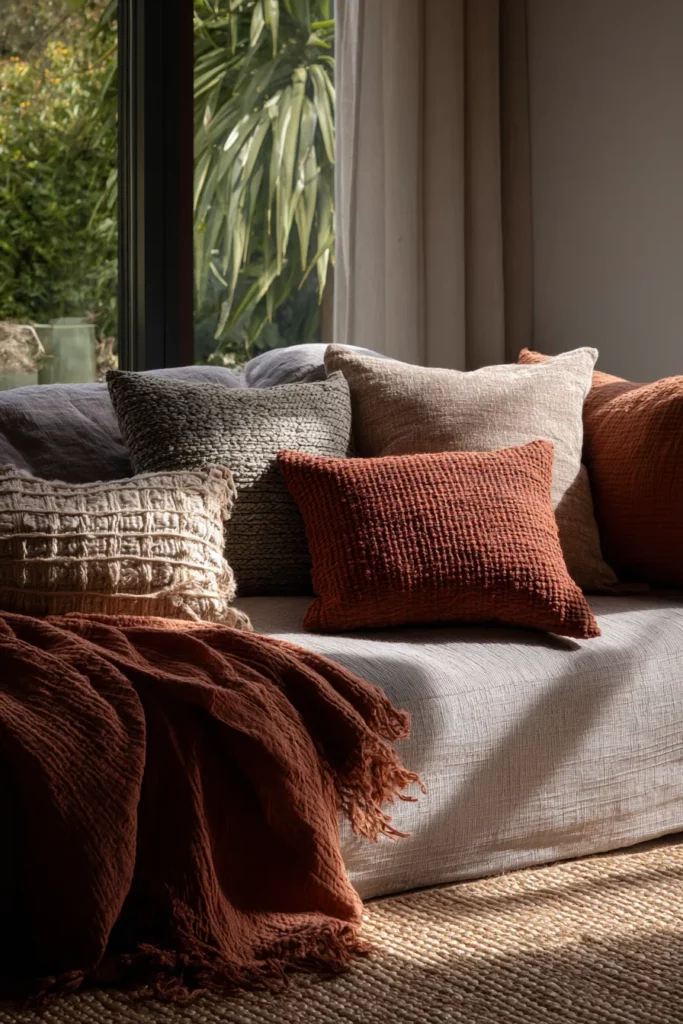
Layer textures for depth: a jute rug beneath a linen sofa, wool throw pillows against organic cotton cushions, a ceramic vase on a reclaimed wood console. Each material brings its own tactile quality, creating spaces that invite touch and presence.
Natural materials also age gracefully. Unlike synthetic alternatives that show wear as degradation, natural fibers and woods develop patina—character marks that enhance beauty over time.
Biophilic Design: Bringing Nature Indoors
Biophilic design isn’t decoration—it’s connection. It’s the human need for nature made tangible through interior design, and research shows it reduces stress, improves cognitive function, and enhances wellbeing.
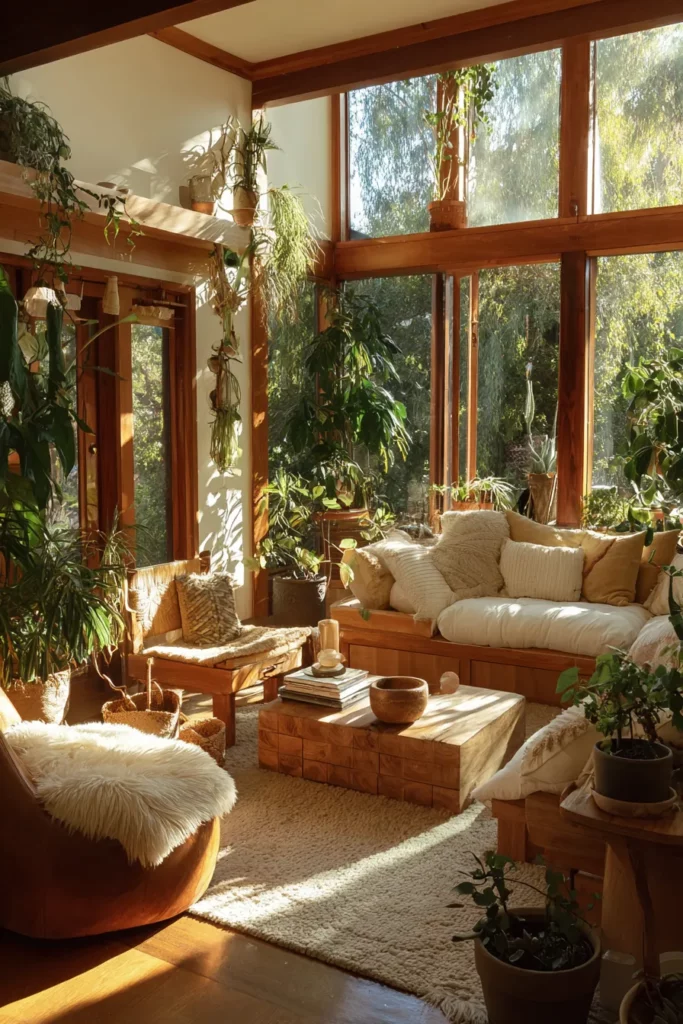
Start with living elements. Cluster plants of varying heights and textures near seating areas. A fiddle leaf fig in the corner brings vertical drama, while trailing pothos on shelves adds movement and air-purifying benefits.
Incorporate natural light strategically. Position mirrors to multiply sunlight, choose sheer organic curtains that filter rather than block, and arrange furniture to maximize views of outdoor greenery.
Use natural materials to echo outdoor environments. Stone accent walls, water features, wooden beams, living moss walls—these elements blur the line between inside and outside, creating spaces that feel expansive and alive.
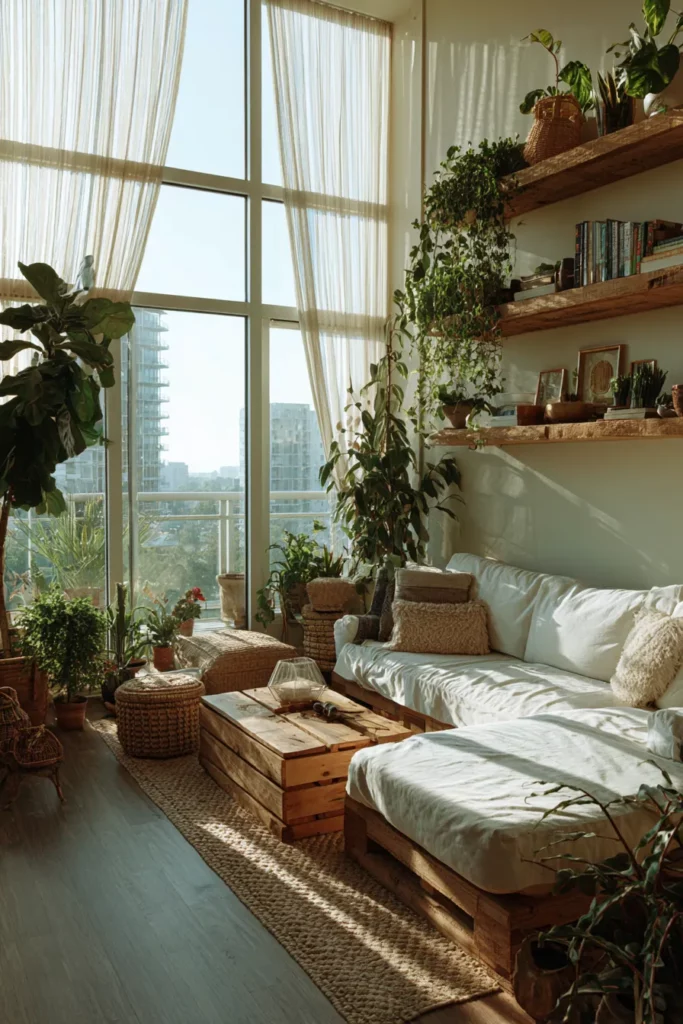
Energy-Efficient Lighting for Ambiance and Impact
Lighting shapes mood and consumes energy—choosing wisely serves both beauty and sustainability. Energy-efficient lighting has evolved far beyond harsh fluorescent bulbs into sophisticated systems that enhance any design aesthetic.
LED technology now offers warm color temperatures that mimic candlelight and incandescent glow. Dimmable options let you adjust brightness for task work or intimate evenings, while using a fraction of traditional bulb energy.
Layer lighting sources for flexibility and atmosphere. Ambient overhead fixtures provide general illumination, task lighting supports reading or work, and accent lighting highlights architectural features or art. This layered approach lets you use only the light you need, when you need it.
Smart Home Technology Integration
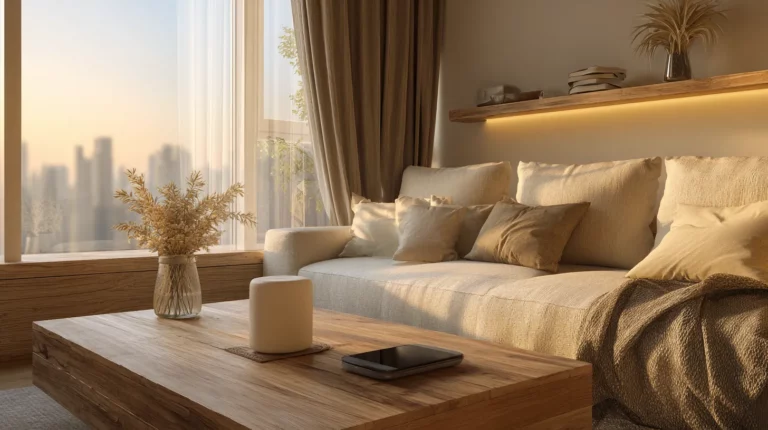
Smart lighting systems learn your patterns and optimize accordingly. Motion sensors ensure lights activate only when rooms are occupied. Timers align indoor lighting with natural circadian rhythms, improving sleep quality while reducing waste.
Smart thermostats adjust climate control based on occupancy and preferences, significantly reducing energy consumption. Air quality monitors alert you to ventilation needs, working with smart windows or fans to maintain healthy indoor environments without constant HVAC use.
These technologies create living rooms that think—adjusting automatically to minimize energy use while maximizing comfort. The initial investment pays off through reduced utility bills and extended equipment lifespan.
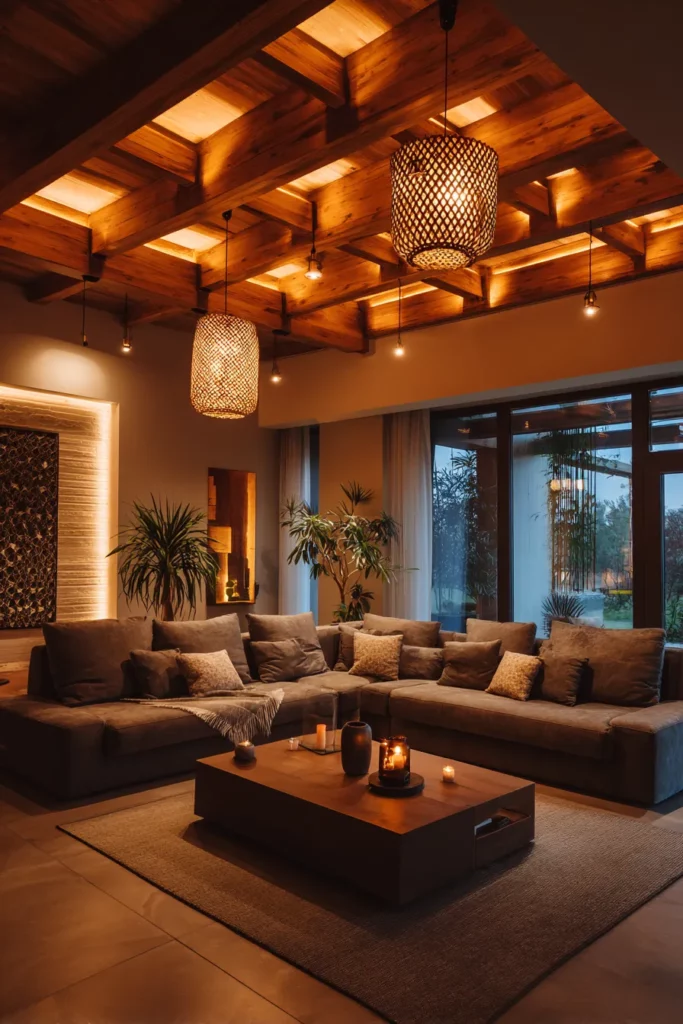
The Beauty of Vintage and Secondhand Pieces
The most sustainable furniture already exists. Shopping secondhand diverts perfectly functional pieces from landfills while adding character impossible to replicate in new items.
Vintage and retro styles bring authenticity and craftsmanship often missing from contemporary mass production. Mid-century modern sideboards, Victorian upholstered chairs, Art Deco mirrors—these pieces were built to last and carry stories that enrich your space.
Blend vintage finds with modern eco-friendly pieces for layered, collected-over-time aesthetic. A vintage leather chair beside a new organic cotton sofa, antique brass lamps illuminating sustainable wood shelving—this mixing prevents interiors from feeling too curated or sterile.
Consider furniture swap platforms and consignment shops as primary shopping destinations. Many cities now host regular furniture swaps where community members exchange items freely, building connections while circulating resources.
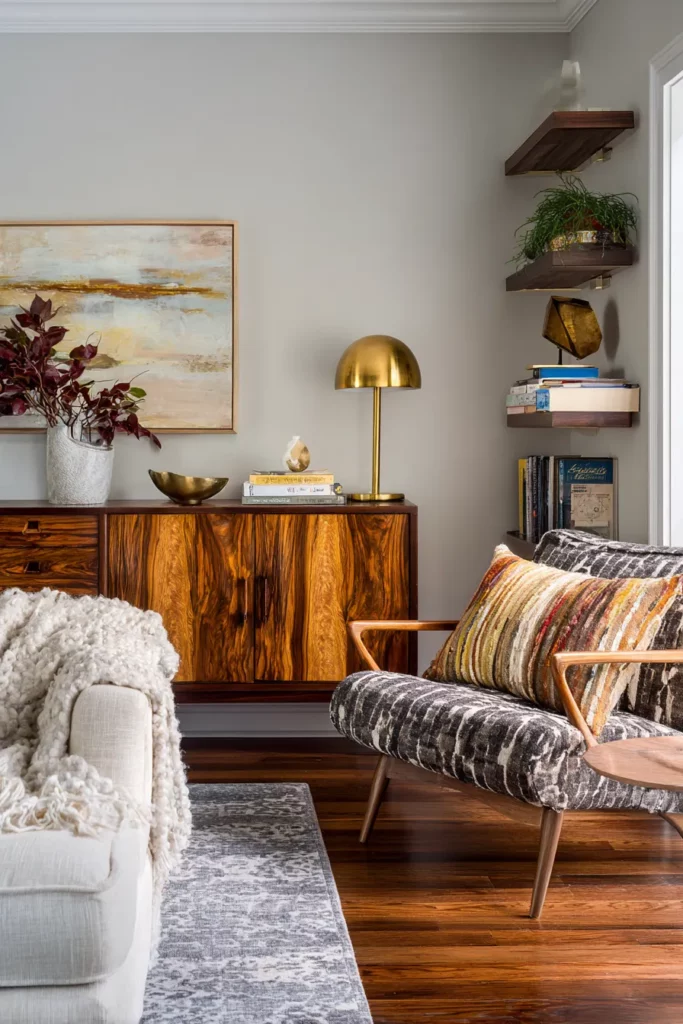
Sustainable Textiles and Soft Furnishings
Textiles bring softness and warmth, but conventional production often involves harmful chemicals and excessive water use. Choosing sustainable options creates healthier, more responsible spaces.
Look for organic cotton curtains and cushions, grown without synthetic pesticides or fertilizers. Linen—made from fast-growing flax—offers natural temperature regulation and becomes more beautiful with washing.
Wool provides natural flame resistance without chemical treatments, making it ideal for upholstery and rugs. Its crimped fibers trap air for insulation and resilience, maintaining appearance through years of use.
Seek OEKO-TEX certified textiles ensuring every component—fiber, dye, accessory—has been tested for harmful substances. This certification matters most for items with prolonged skin contact like sofas and throw blankets.
Eco-Friendly Flooring Options
Flooring sets the foundation for sustainable living room design—literally. Beyond bamboo and cork, consider:
Reclaimed hardwood offers the beauty of wood flooring with environmental benefits of reuse. Each plank carries unique character from its previous life.
Natural linoleum (not vinyl) uses renewable materials like linseed oil, cork dust, and wood flour. It’s biodegradable, naturally antibacterial, and available in beautiful colors and patterns.
Sustainably harvested hardwood with FSC certification ensures forests are managed responsibly. Choose domestic species when possible to reduce transportation emissions.
Natural fiber rugs from jute, sisal, or seagrass anchor seating areas while adding texture. They’re biodegradable and often produced using traditional, low-impact methods.

Circular Economy Practices: Beyond Initial Purchase
True sustainability considers the full lifecycle. The circular economy keeps materials and products in use through repair, reuse, and recycling—eliminating the concept of waste.
Furniture repair extends lifespan dramatically. Learn basic reupholstering, refinishing, and structural repairs, or support local artisans who specialize in restoration. A worn sofa with good bones deserves new life, not landfill space.
Participate in resale platforms when you’re ready to move on from pieces. Online marketplaces, consignment shops, and community exchanges ensure your furniture finds new homes rather than disposal.
Choose brands offering take-back programs that recycle or refurbish products at end of life. Some companies now design furniture for disassembly, making material recovery easier when items can no longer be repaired.
DIY Upcycling Projects
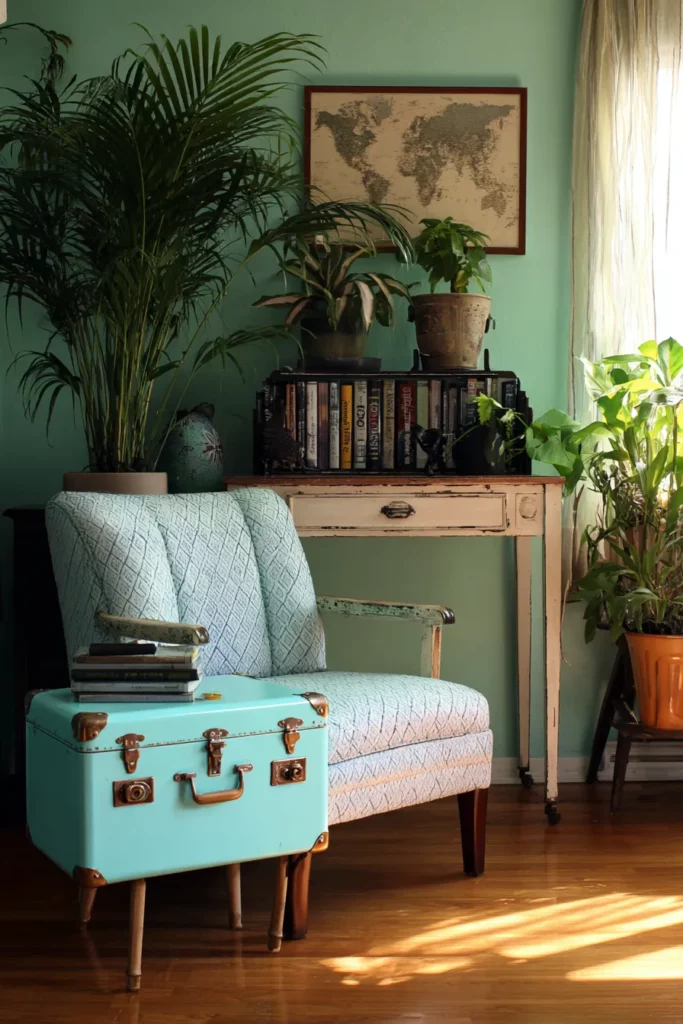
Creative reuse reduces waste while adding personal touches. Transform vintage suitcases into side tables, reupholster thrift store chairs in sustainable fabrics, or create planters from reclaimed wood.
Paint old furniture with low-VOC paints in fresh colors. Replace hardware for updated looks. Add legs to elevate existing pieces or remove them for floor-level seating areas.
These projects develop skills, save money, and create one-of-a-kind pieces that reflect your personality. Each completed project diverts materials from waste streams while building confidence for future sustainable choices.
Balancing Cost and Sustainability
Sustainable furniture often carries higher upfront costs, but lifecycle analysis reveals different calculations. A $2,000 sustainably made sofa that lasts twenty years costs $100 annually. A $500 fast-furniture piece replaced every five years costs the same—plus disposal and replacement hassle.
Quality sustainable pieces hold resale value, recovering costs when you’re ready to change. Fast furniture becomes essentially worthless upon use, a complete loss financially and environmentally.
Consider cost per use rather than cost per item. That responsibly made coffee table you’ll use daily for decades represents minimal cost per interaction, while cheaper alternatives that fail within years prove expensive despite lower initial prices.
Budget strategically by investing in foundational pieces—sofa, primary seating, storage—while sourcing smaller items secondhand or gradually. This approach builds sustainable living rooms without financial strain.
Creating Healthier Indoor Environments
Sustainable choices contribute directly to wellbeing. Non-toxic materials reduce exposure to chemicals linked to respiratory issues, hormone disruption, and other health concerns.
Low VOC paints and finishes prevent off-gassing that affects air quality for months or years after application. Natural materials like solid wood and organic textiles don’t emit harmful chemicals as they age.
Plants improve indoor air quality by filtering toxins and producing oxygen. NASA research identified specific species—spider plants, peace lilies, snake plants—as particularly effective air purifiers.
Good ventilation systems, possibly enhanced with smart home technology, ensure fresh air circulation without excessive heating or cooling energy loss. This creates living rooms where you breathe easily, literally and figuratively.
Artisanal Craftsmanship and Local Sourcing
Supporting artisanal craftsmanship preserves traditional skills while ensuring fair labor practices. Handmade furniture often uses time-tested joinery techniques creating stronger, more repairable pieces than mass-production methods.
Local sourcing reduces transportation emissions while building community resilience. Furniture makers within your region use locally available materials and understand local aesthetic preferences, creating pieces perfectly suited to your space.
Visit maker studios when possible. Understanding creation processes deepens appreciation and often reveals customization options unavailable through retailers. You’re not just buying furniture—you’re supporting livelihoods and preserving craft traditions.
These pieces carry maker stories you can share. That console built by a fourth-generation woodworker using lumber from your county’s forests becomes more than furniture—it’s connection to place and people.
Key Takeaways: Your Sustainable Living Room Checklist
- Prioritize certified materials: Look for FSC, GREENGUARD, OEKO-TEX, and B Corp certifications
- Choose natural, renewable materials: Bamboo, cork, hemp, organic cotton, and linen
- Invest in quality and longevity: Select well-made pieces that last decades, not years
- Embrace modular and multi-functional furniture: Adaptable designs grow with changing needs
- Shop secondhand first: Vintage and reclaimed pieces offer character and sustainability
- Use energy-efficient lighting: LED bulbs and smart systems reduce consumption dramatically
- Incorporate biophilic design: Plants, natural light, and organic materials improve wellbeing
- Support circular economy: Choose brands with repair services, take-back programs, and transparency
- Select low-VOC finishes: Protect indoor air quality with non-toxic paints and materials
- Source locally when possible: Reduce transportation impact and support regional makers
- Layer natural textures: Combine jute, wool, linen, and wood for depth and warmth
- Integrate smart home technology: Automate efficiency without sacrificing comfort
Conclusion: The Living Room as Sanctuary
Your living room should be a refuge—a place where you exhale fully, where beauty and comfort coexist effortlessly. Sustainable design doesn’t ask you to sacrifice either. Instead, it invites you into deeper relationship with your space, understanding where things come from and where they’ll go.
These choices ripple outward. Each reclaimed wood table, each organic cotton curtain, each energy-efficient bulb represents a vote for different priorities. For forests managed responsibly, for air quality that protects health, for economies that value craft and care over speed and volume.
The sustainable living room of 2025 proves that conscience and beauty aren’t opposites—they’re partners. Start with one choice, then another. Let your space evolve naturally, thoughtfully, sustainably. The result will be a living room that not only looks beautiful but feels right—a space reflecting your values as clearly as your style.
Welcome home to a room that honors both you and the earth you walk on.
Frequently Asked Questions
What makes furniture truly sustainable?
Sustainable furniture combines responsible material sourcing, ethical manufacturing, longevity, and end-of-life considerations. Look for FSC-certified wood from responsibly managed forests, GREENGUARD certification for low chemical emissions, and brands transparent about their supply chains. Durability matters most—furniture you keep for decades has far less environmental impact than pieces replaced frequently, regardless of initial materials.
How can I make my existing living room more sustainable without replacing everything?
Start with high-impact changes: switch to LED bulbs, add plants for air purification, incorporate secondhand accessories, and choose organic textiles for pillows and throws. Repair and refinish existing furniture rather than replacing it. Add smart home devices to optimize energy use. These incremental changes create meaningful impact without the resource cost of complete renovation.
Are sustainable furniture options more expensive?
Initial costs often run higher, but lifecycle costs tell a different story. Quality sustainable pieces last significantly longer, maintain resale value, and often come with repair services that extend lifespan further. Calculate cost per year of use rather than purchase price—sustainable options frequently prove more economical long-term. Consider shopping secondhand for budget-friendly sustainable choices.
What certifications should I look for when shopping sustainably?
FSC certification ensures wood comes from responsibly managed forests. GREENGUARD Gold certification guarantees extremely low chemical emissions, crucial for indoor air quality. OEKO-TEX certification confirms textiles are free from harmful substances. B Corp certification identifies companies meeting high environmental and social standards. These third-party verified labels help navigate greenwashing and make confident sustainable choices.
How does biophilic design improve wellbeing?
Biophilic design—incorporating natural elements, materials, and patterns—reduces stress, improves concentration, and enhances mood. Research shows exposure to natural materials and living plants lowers cortisol levels and blood pressure. Natural light supports healthy circadian rhythms for better sleep. These benefits compound in spaces where we spend significant time, making biophilic living room design particularly valuable for overall wellbeing.