

Table of Contents
There’s something magical about stepping into a living room that feels both timeless and utterly current. A space where the light falls just right across a velvet sofa, where textures speak to each other in quiet conversation, where every element seems to breathe with intention. As we move through 2026, the living room has evolved into more than just a gathering space. It has become a sanctuary, a statement, and a deeply personal expression of how we want to live.
This year brings a beautiful tension between opposing forces. We’re seeing bold maximalism dance alongside serene minimalism. Technology integrates seamlessly with natural materials. Heritage pieces find new life beside cutting edge design. The result is a landscape of possibility where your living room can truly reflect who you are, not just what’s trending.
In this comprehensive guide, we’ll explore the defining design movements shaping living rooms in 2026. From the resurgence of vintage elements that bring soul and history into modern spaces, to the sophisticated balance found in contemporary Eastern inspired aesthetics, you’ll discover the trends that matter and how to make them your own. We’ll dive into color palettes that soothe and energize, materials that add depth and character, and layouts that adapt to how we actually live today.
Whether you’re planning a complete renovation or simply seeking fresh inspiration, these insights will help you create a living room that feels both of the moment and enduringly beautiful. Let’s explore what makes 2026 such an exciting year for interior design.
The Return to Soulful Eclecticism
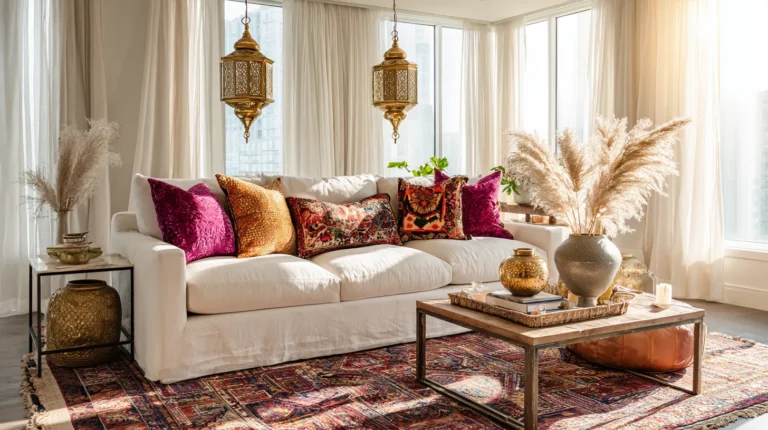
One of the most liberating trends of 2026 is the confident embrace of personal style over prescribed formulas. After years of seeing identical minimalist spaces across social media, designers and homeowners alike are craving individuality. The living room has become a canvas for storytelling, where collected treasures, inherited pieces, and intentional finds come together in harmonious chaos.
This movement celebrates the beauty of contradiction. Eclectic living room design allows you to pair a sleek modern sofa with your grandmother’s Persian rug, to hang contemporary art above an antique console, to mix metals and woods without apology. The key lies in creating visual connections through color, scale, and intention rather than matching everything perfectly.
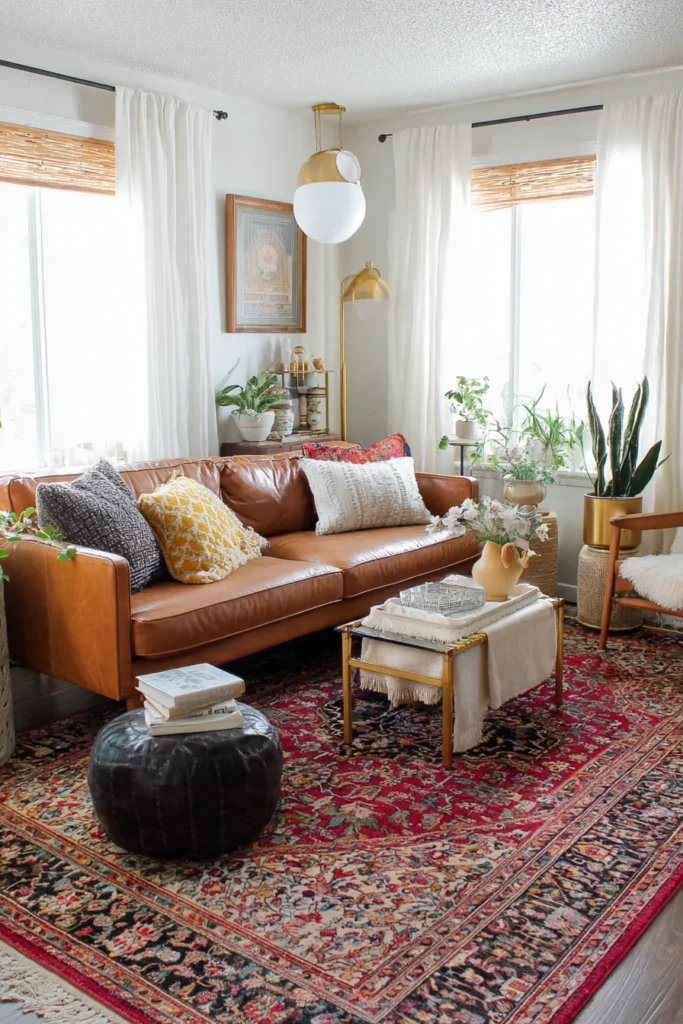
What makes this trend particularly powerful is its sustainability. Instead of discarding perfectly good furniture to achieve a cohesive look, you’re celebrating the pieces that have meaning. That mid century armchair you restored becomes a focal point. The collection of pottery you’ve gathered over years adds layers of texture and memory. Your space tells the story of where you’ve been and what you value.
Mixing Eras with Confidence
The art of blending different design periods requires a light touch and a good eye. Start with one dominant era or style as your foundation, then layer in elements from other periods as accents. A predominantly modern room might feature one stunning Art Deco inspired piece as a jewel toned focal point. A traditional space comes alive when you introduce clean lined contemporary lighting.
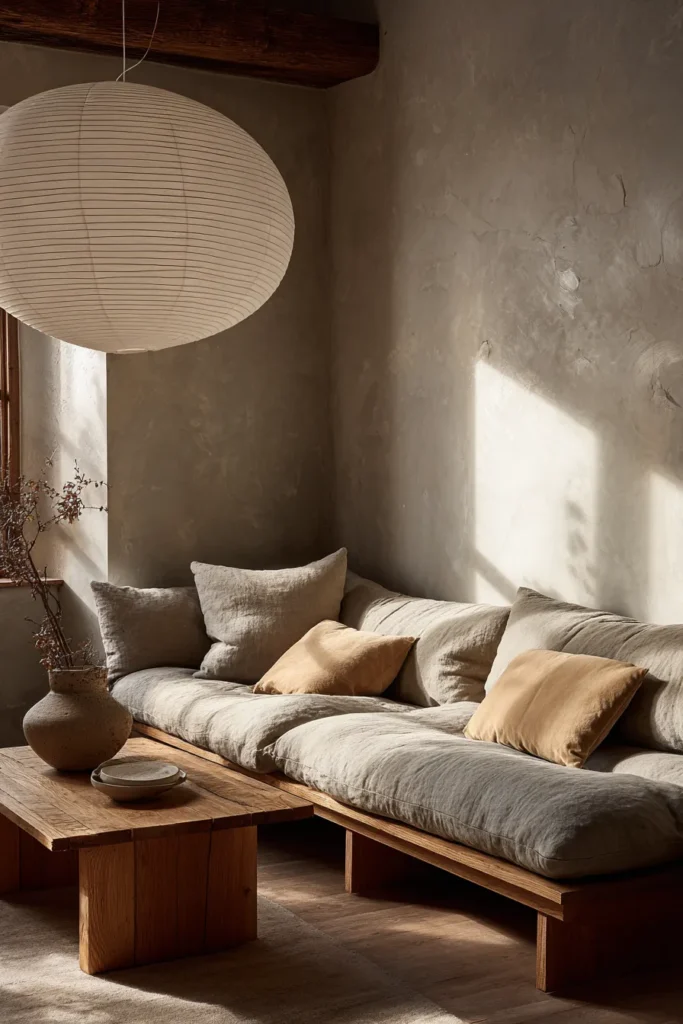
Pay attention to visual weight and balance. If you have several ornate vintage pieces, balance them with simpler modern elements. The negative space becomes just as important as the objects themselves. This approach creates rooms that feel collected over time rather than decorated all at once, which is precisely the look that feels most authentic and inviting in 2026.
The Japandi Philosophy: East Meets North
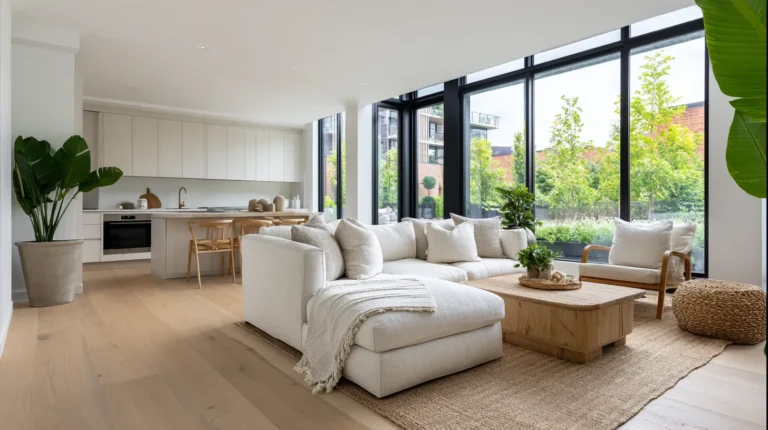
Perhaps no trend better captures the spirit of 2026 than the continued evolution of Japandi design. This elegant fusion of Japanese and Scandinavian aesthetics speaks to our desire for spaces that are both beautiful and deeply functional. It’s minimalism with warmth, simplicity with soul.
The philosophy centers on the concept of “lagom,” the Swedish idea of just enough, combined with Japanese wabi sabi, which finds beauty in imperfection and impermanence. Together, they create living rooms that feel calm and uncluttered yet rich with texture and natural materials. Every piece earns its place through both beauty and purpose.
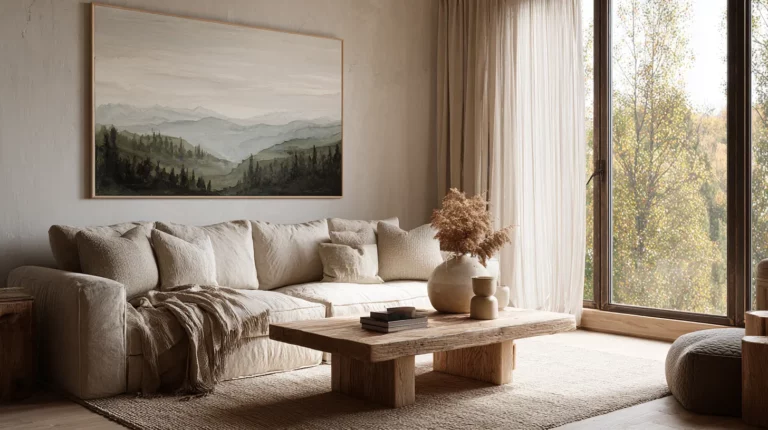
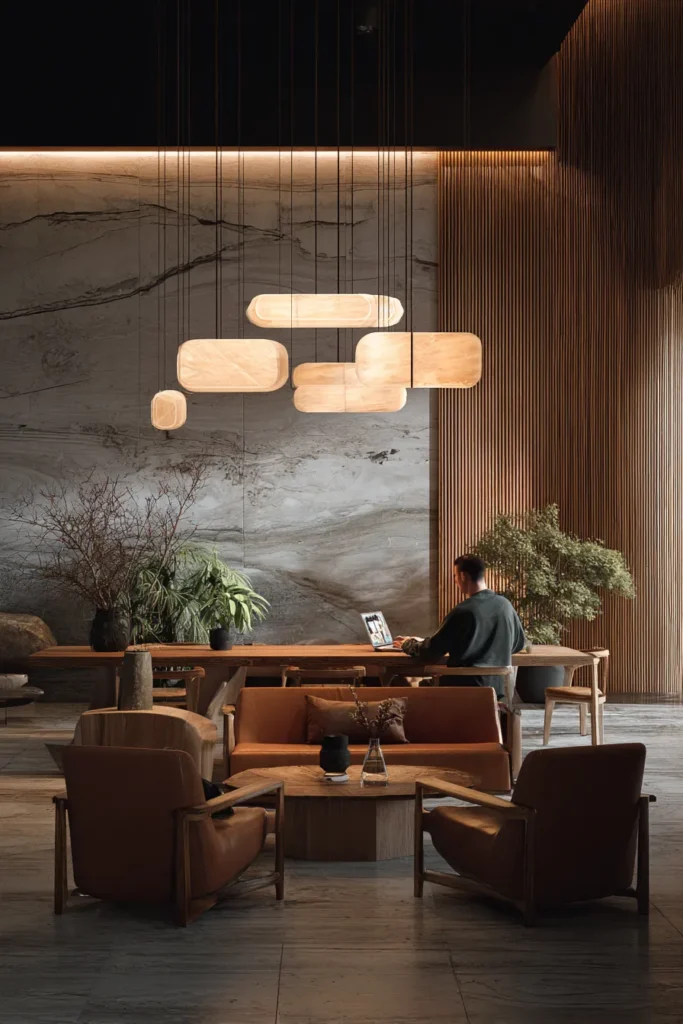
In a Japandi living room, you’ll find low profile furniture with clean lines, natural wood in warm tones, and a muted color palette that lets texture do the talking. Think linen sofas in soft beige, handcrafted ceramic vessels, paper pendant lights casting gentle shadows, and perhaps a single striking piece of art that draws the eye without demanding attention.
Achieving Balance Through Restraint
The beauty of this aesthetic lies in what you choose not to include. Each item should be considered, functional, and genuinely loved. This doesn’t mean your space feels sparse or cold. Instead, the carefully selected pieces gain prominence, and the overall effect is one of serene abundance rather than visual noise.
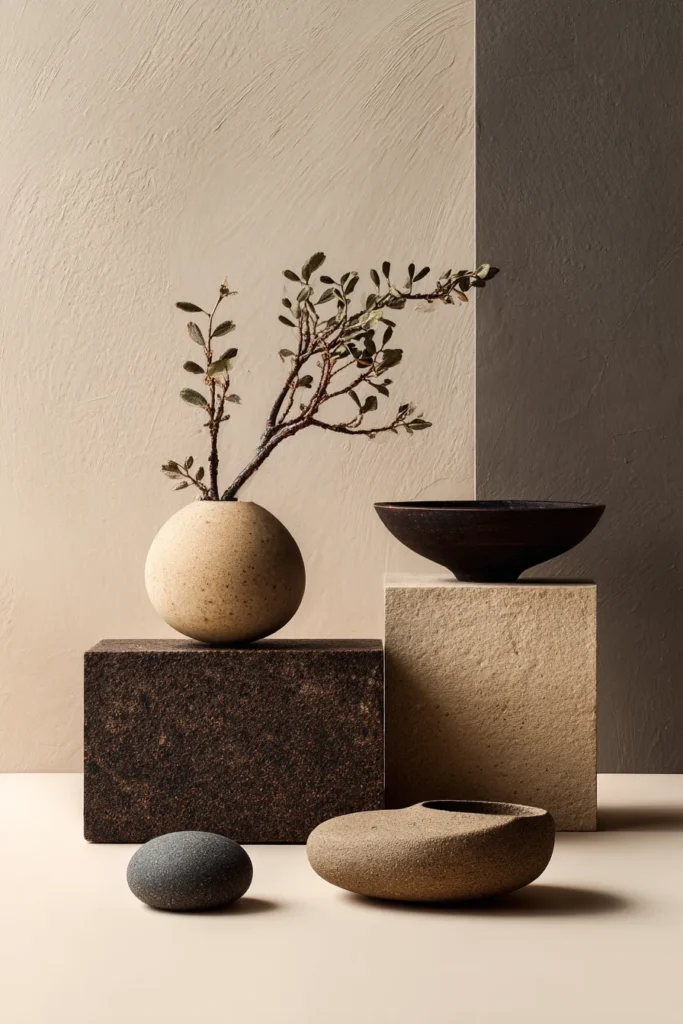
Natural materials play a crucial role. Light oak, bamboo, stone, and clay bring warmth and organic texture. These elements connect us to nature even in urban spaces, creating environments that feel grounding and restorative. The overall palette stays neutral, but within that framework, you’ll find incredible depth through layered textures and subtle tonal variations.
Color: The Great Warming Trend
After years of cool grays dominating interior spaces, 2026 marks a decisive shift toward warmth. We’re seeing living rooms bathed in colors that feel like sunset, autumn, and candlelight. This isn’t about bright, saturated hues, though there’s room for those too. It’s about creating cocoon like spaces that wrap you in comfort the moment you enter.
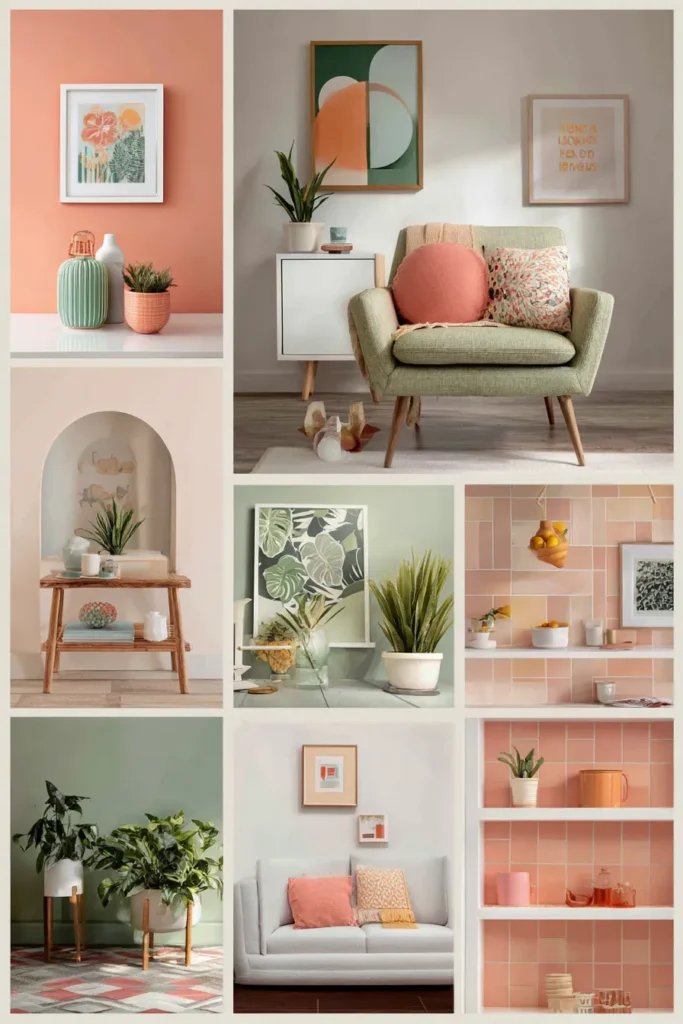
Terracotta, rust, warm taupe, butter yellow, and deep amber have become the new neutrals. These earth tones create a foundation that feels both sophisticated and nurturing. They pair beautifully with natural materials like wood, leather, and linen, enhancing their organic qualities. The return of warm tones represents more than just a color trend. It signals a desire for spaces that feel emotionally supportive and genuinely inviting.
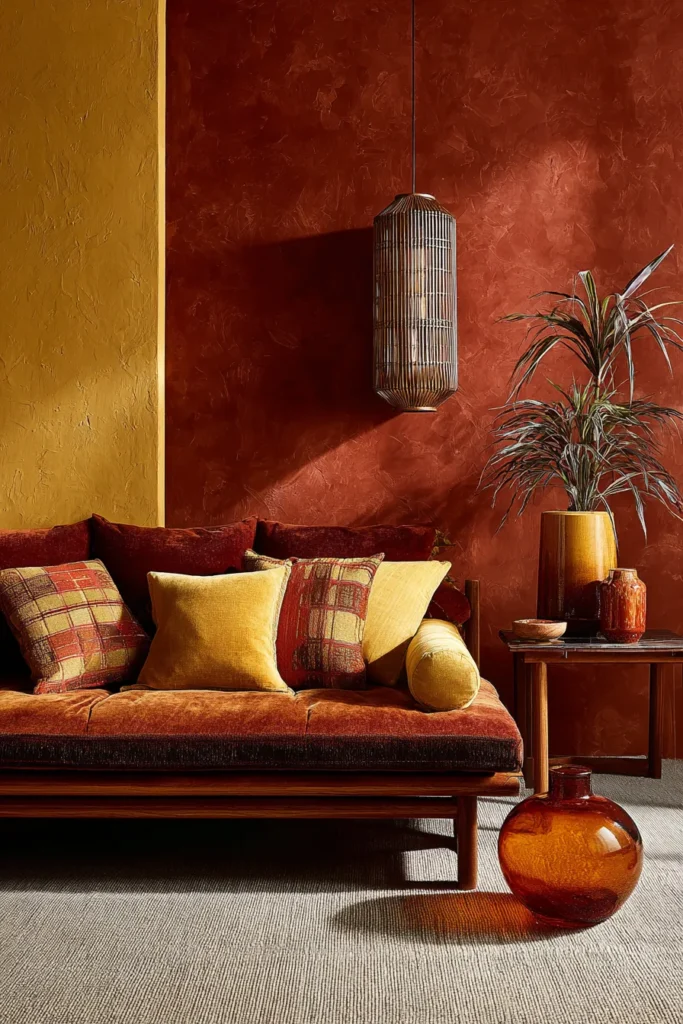
What’s particularly interesting about the trending living room colors for 2025 is how they’re being applied. Rather than painting every wall in a single shade, designers are creating depth through tonal layering. You might see walls in warm cream, upholstery in terracotta, and accents in deep chocolate brown. The result feels cohesive yet dynamic.
Beyond Neutrals: Embracing Depth
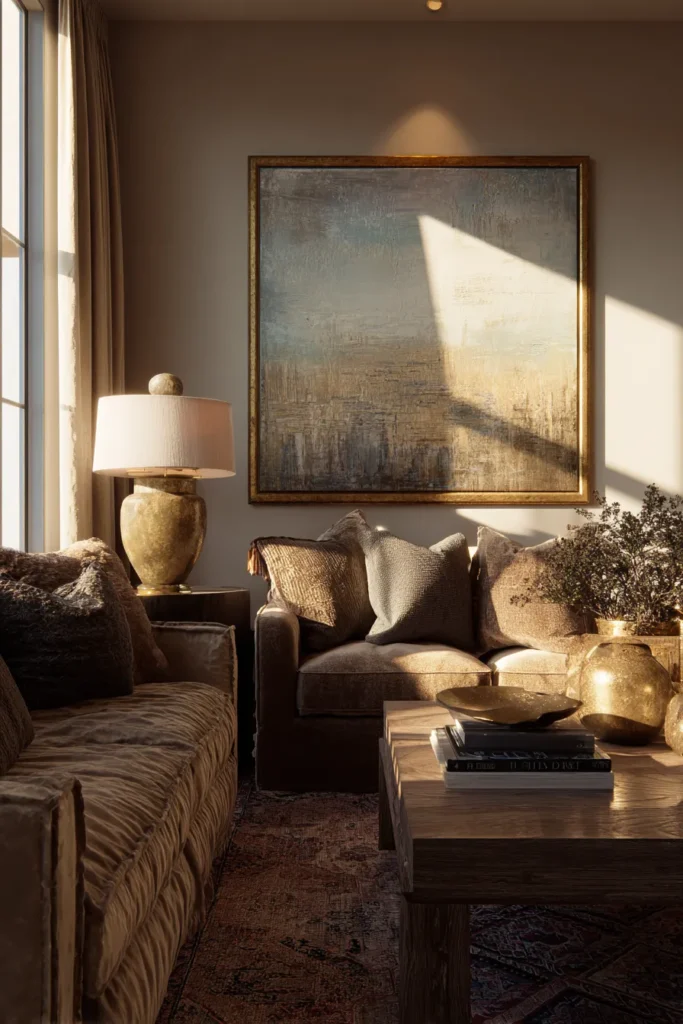
While warm neutrals dominate, there’s also a bold counter movement toward rich, saturated colors. Dark and moody living room design creates dramatic, cocoon like spaces perfect for evening relaxation. Deep forest greens, navy blues, and even charcoal blacks are appearing on walls, creating intimate atmospheres that feel luxurious and enveloping.
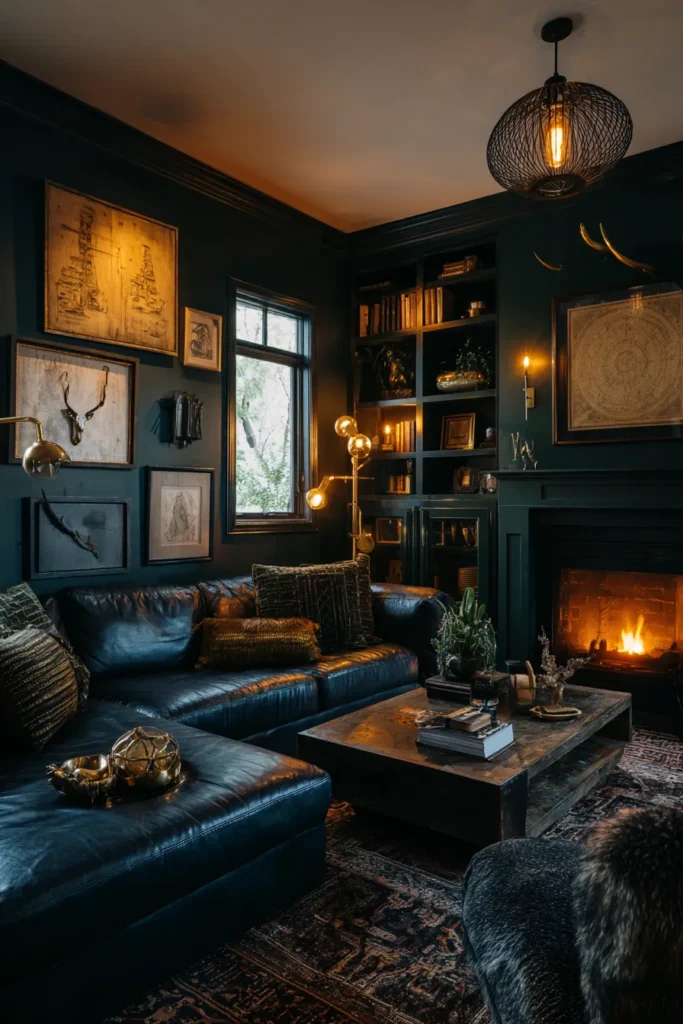
These deeper shades work particularly well in rooms with excellent natural light during the day, where they can shift and change with the sun. At night, they create a sense of enclosure and warmth that paler colors simply can’t match. The key is balancing these bold choices with lighter elements, warm metallics like brass or copper, and plenty of varied textures to prevent the space from feeling heavy.
Texture and Material: The Tactile Revolution
In our increasingly digital world, there’s a growing hunger for tactile experience. The living rooms of 2026 celebrate texture in all its forms, creating spaces that invite touch and reward close attention. This is design you can feel, not just see.
We’re moving beyond the flat, uniform surfaces that dominated minimalist design. Instead, the art of texture layering brings depth and interest to every corner of the room. A chunky knit throw draped over smooth leather. Nubby linen curtains filtering light onto polished concrete floors. The cool smoothness of natural stone and marble accents contrasting with the warmth of woven baskets.
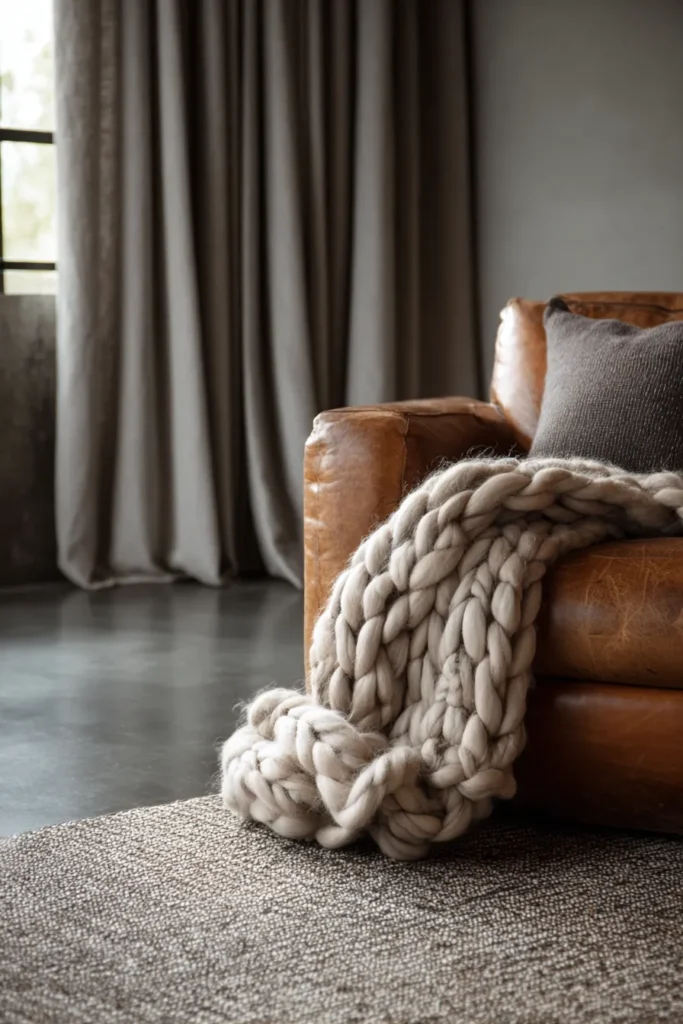
This textural richness serves both aesthetic and emotional purposes. Varied surfaces catch light differently throughout the day, creating visual interest that never feels static. They also provide sensory comfort, making spaces feel more lived in and welcoming. When you can’t help but run your hand along the back of a velvet sofa or feel the grain of a wooden side table, you’re experiencing design at its most human.
Natural Materials Take Center Stage
The textures and materials in trend for 2026 share a common thread: authenticity. We’re seeing a move away from synthetic finishes toward materials that age beautifully and carry their own stories. Solid wood with visible grain, leather that develops patina, natural fiber rugs that show their hand woven origins.
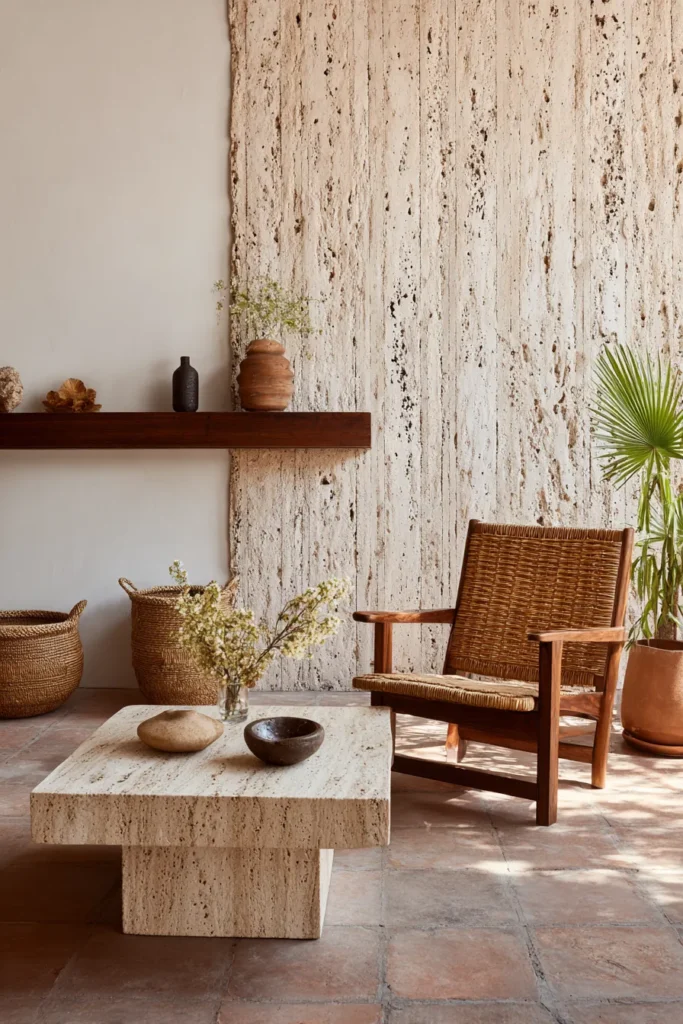
Stone and clay bring an elemental quality to contemporary spaces. A travertine coffee table or terracotta floor tiles connect modern living rooms to ancient building traditions. These materials feel permanent and grounding in an era of rapid change. They remind us that good design transcends trends, that beauty can be both timeless and timely.
Smart Living: Technology Meets Design
The integration of technology into living spaces has reached a new level of sophistication in 2026. We’ve moved past the era of visible gadgets and tangled cords. Today’s smart living room innovations disappear into the architecture and furniture, providing convenience without compromising aesthetics.
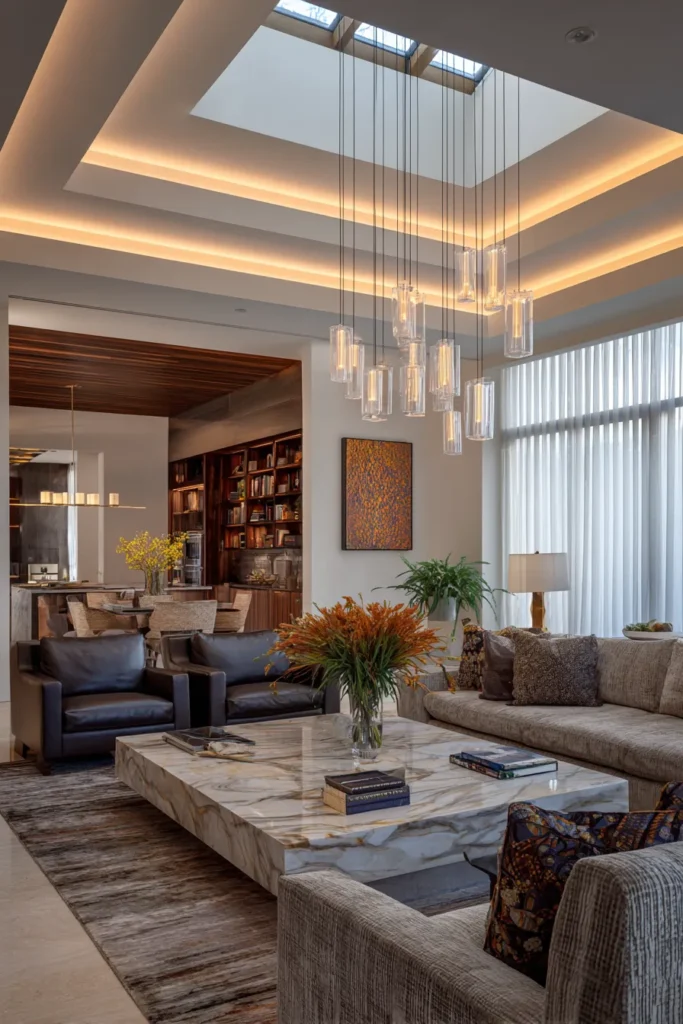
Smart lighting systems now respond to natural circadian rhythms, automatically adjusting color temperature throughout the day. Morning light is crisp and energizing. Evening illumination shifts to warmer tones that support relaxation. You can control everything through voice commands or apps, but the technology itself remains invisible, integrated into fixtures that look timeless rather than futuristic.
Climate control has become equally seamless. Smart thermostats learn your preferences and adjust automatically. Air purification systems work silently in the background, improving indoor air quality without adding visual clutter. Even window treatments can be automated, opening to capture morning light and closing to preserve privacy or block heat, all while maintaining the aesthetic you’ve carefully crafted.
Invisible Integration
The best tech enhanced living rooms don’t look high tech at all. Speakers are built into furniture or walls. Charging stations hide inside drawers and side tables. TVs disappear into art when not in use or hide behind sliding panels. This approach allows technology to enhance your life without dominating your design choices.
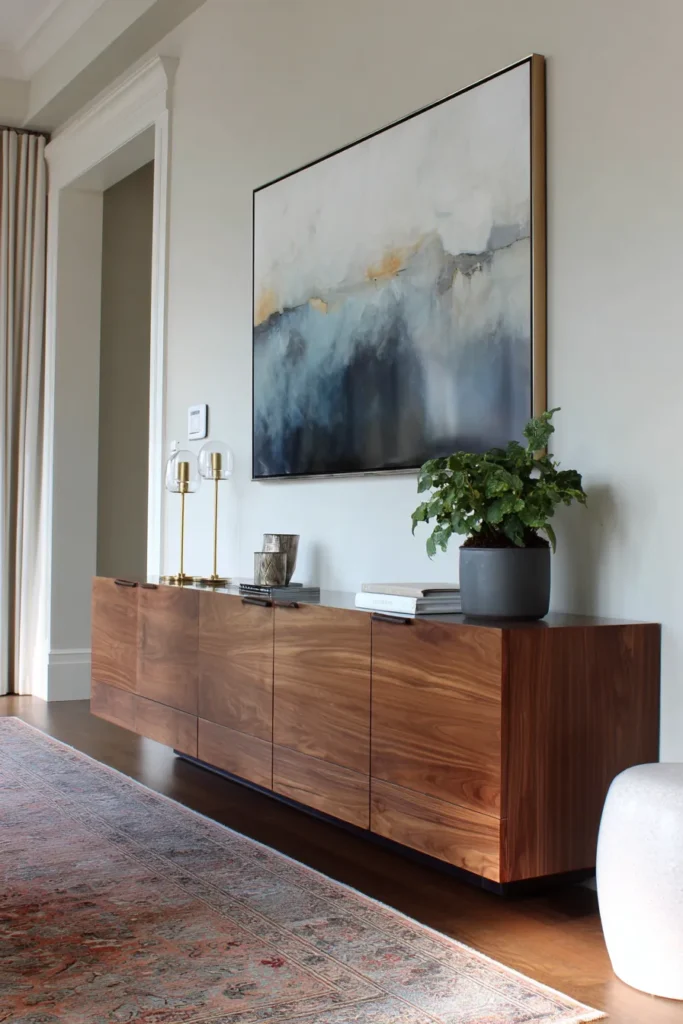
What makes this trend so appealing is how it supports the other major movements of 2026. You can have a minimalist space without sacrificing convenience. Your vintage furniture can coexist with cutting edge technology. The focus remains on creating beautiful, comfortable spaces that simply happen to be incredibly smart.
Sustainable and Biophilic Design
Sustainability is no longer a niche concern or a premium add-on. It has become fundamental to how we think about design. The living rooms of 2026 reflect a growing understanding that our spaces should support not just our comfort but the health of the planet.
This manifests in several ways. First, there’s a renewed emphasis on quality over quantity. People are investing in fewer, better pieces that will last decades rather than filling rooms with fast furniture destined for landfills. Vintage and antique pieces are celebrated not just for their character but for their sustainability. When you choose a well made vintage sofa, you’re keeping quality craftsmanship in circulation and avoiding the environmental cost of new production.
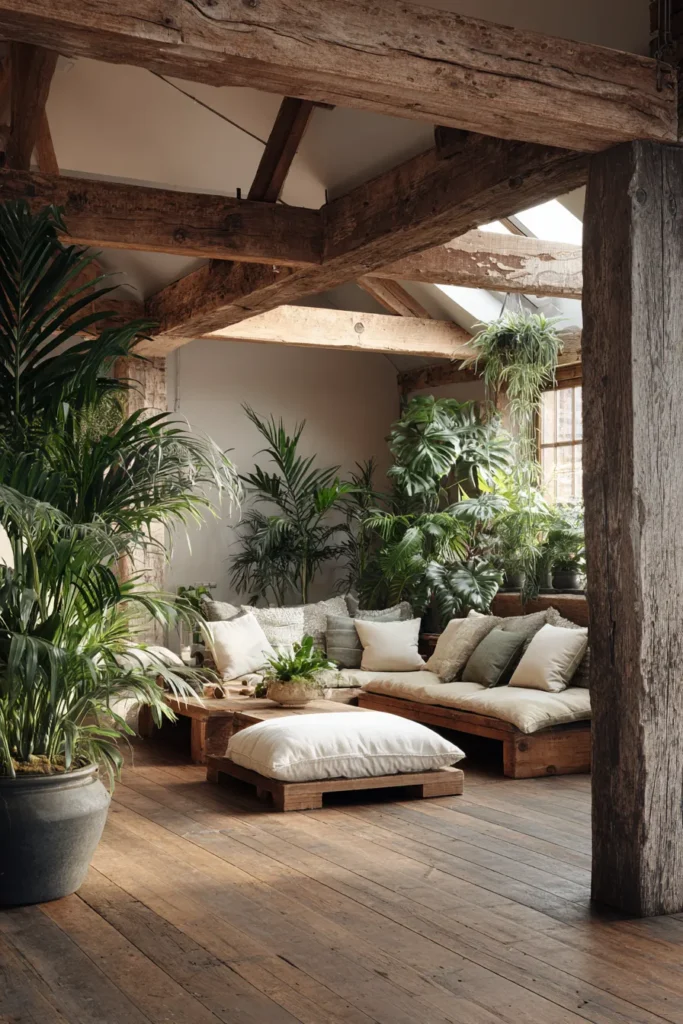
The materials themselves reflect these values. Sustainable living room trends favor natural, renewable resources like bamboo, cork, and reclaimed wood. Fabrics made from organic cotton, linen, and wool replace synthetic alternatives. Even paint choices consider environmental impact, with low VOC and natural options becoming standard rather than specialty items.
Bringing Nature Indoors
Perhaps the most visible aspect of sustainable design is the embrace of biophilic design trends for living rooms. This approach recognizes our innate need to connect with nature and deliberately incorporates natural elements into interior spaces. The benefits go beyond aesthetics, improving air quality, reducing stress, and enhancing overall wellbeing.
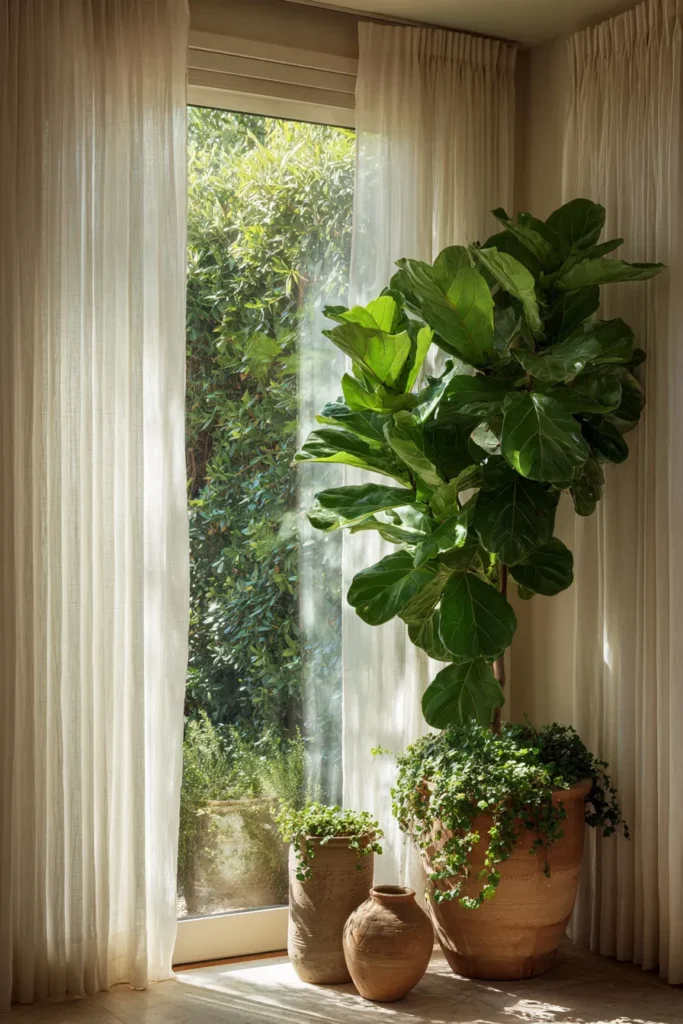
In practice, this means living rooms filled with plants of varying sizes and types. A fiddle leaf fig anchoring one corner. Trailing pothos softening hard edges. Clusters of smaller plants on shelves and tables. But biophilic design extends beyond houseplants. It includes maximizing natural light, incorporating water features, using natural materials, and even bringing in views of outdoor spaces through strategic window placement and thoughtful furniture arrangement.
Multifunctional Spaces for Modern Living
The way we use our living rooms has fundamentally changed. These spaces are no longer just for entertaining guests or watching television. They’ve become home offices, workout studios, reading nooks, and creative workshops. The most successful living room designs of 2026 acknowledge this reality and build in flexibility.
The rise of multifunctional living rooms doesn’t mean cramming every possible feature into one space. Instead, it’s about thoughtful design that allows the room to transform as needed. A console table that serves as a work desk. A comfortable sofa that’s also perfect for reading. Storage solutions that keep different activities organized without creating visual chaos.
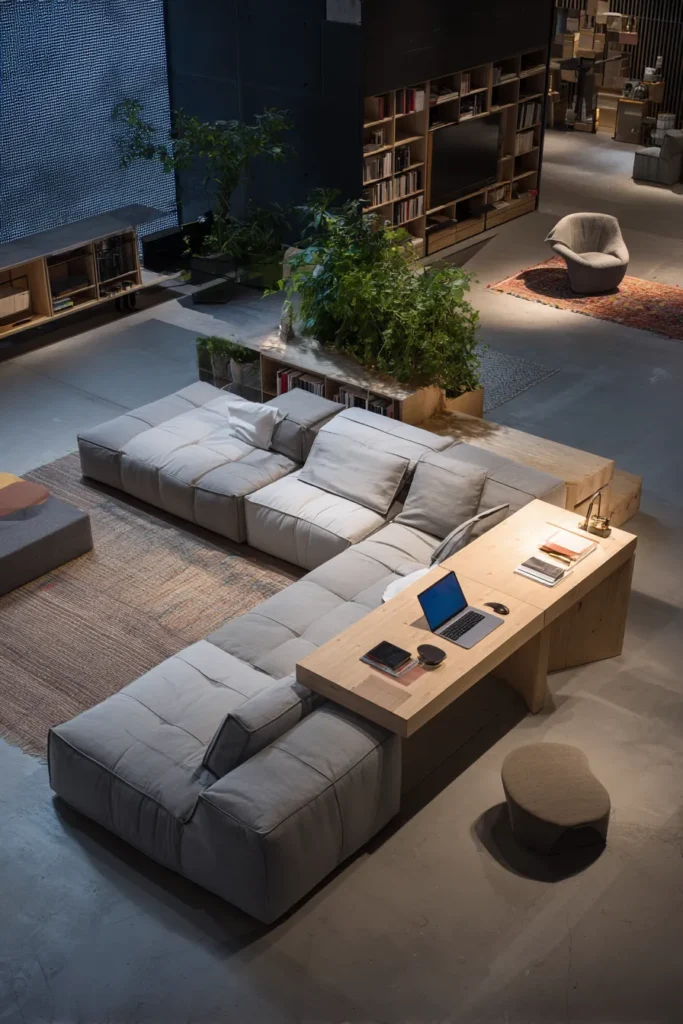
Furniture choices play a crucial role. Modular pieces that can be rearranged create different configurations for different needs. A sectional sofa might offer movie watching comfort one evening and become separate seating zones for a small gathering the next. Ottomans serve as extra seating, footrests, or coffee tables. Nesting tables can spread out when you need surface space and tuck away when you don’t.
Storage as Design Element
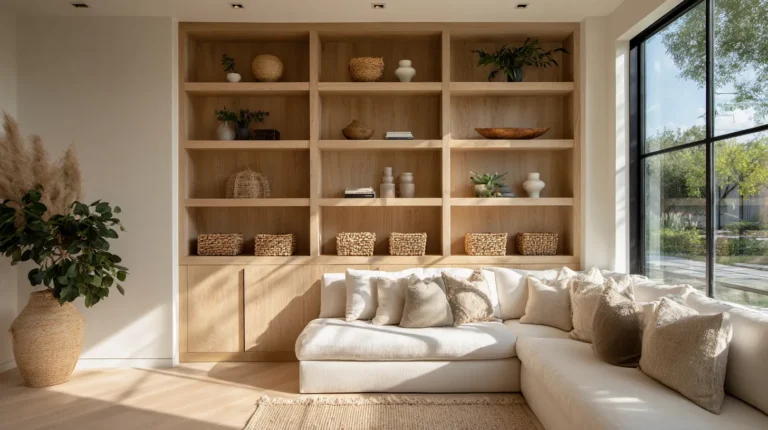
The challenge with multifunctional spaces is preventing them from feeling cluttered or chaotic. This is where smart storage solutions become essential. The best storage doesn’t look like storage at all. Built in shelving becomes an architectural feature. Beautiful baskets and boxes organize while adding texture. Furniture with hidden compartments keeps necessary items close but out of sight.
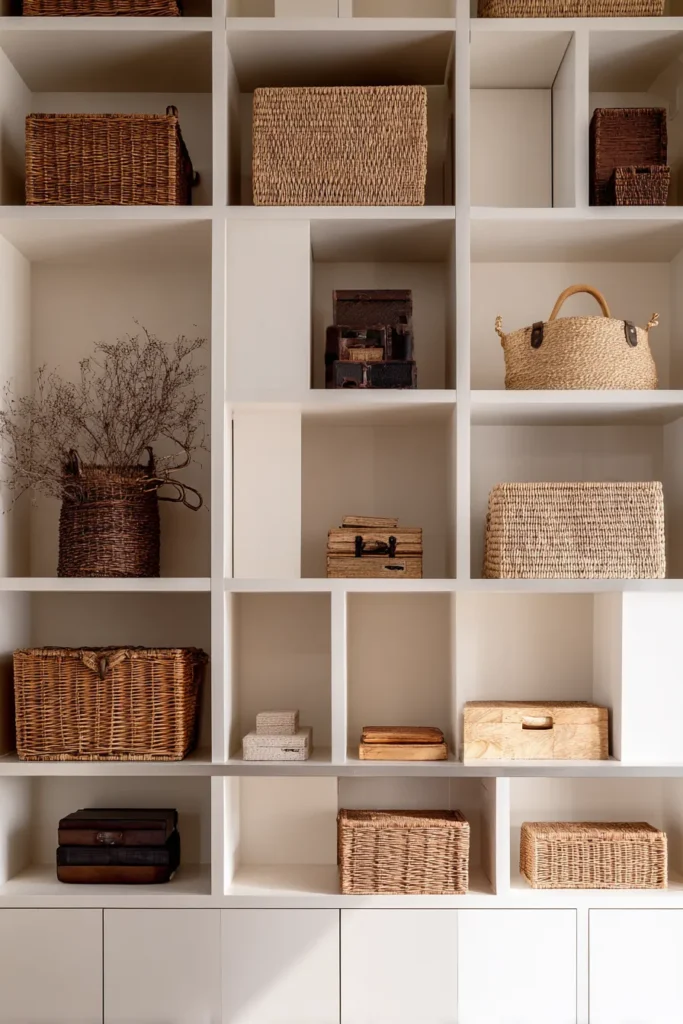
The goal is to create what designers call “clean surfaces.” When every activity has its designated storage, you can easily reset the room to its base state. Work materials disappear into a cabinet. Exercise equipment slides under a bench. The living room can shift from home office to yoga studio to entertainment space without any single function dominating the aesthetic.
Layout and Flow: Opening Up While Creating Intimacy
There’s an interesting paradox in how we’re thinking about living room layouts in 2026. We want spaces that feel open and connected, that take advantage of open concept design principles. But we also crave intimacy, defined zones, and a sense of enclosure within our homes.
The solution lies in creating what designers call “implied boundaries.” Rather than using walls to separate spaces, we’re using furniture arrangement, area rugs, lighting, and ceiling treatments to define different zones within an open floor plan. A living area might feel distinct from the dining space not because there’s a wall between them, but because a sofa creates a natural boundary, a different rug defines the floor space, and a change in lighting marks the transition.
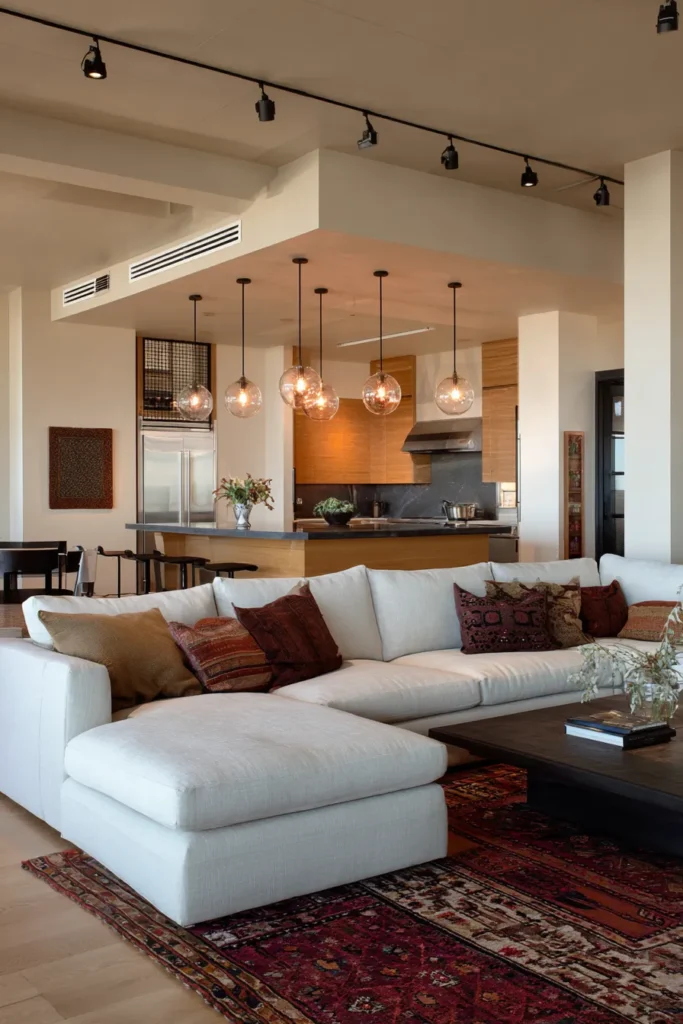
This approach maintains the sense of spaciousness that makes open layouts appealing while providing the psychological comfort of defined spaces. You get visual connection across the larger area, which is wonderful for family life and entertaining. But you also get functional zones that support different activities and create variety within the larger space.
Creating Conversation Areas
Even within the living room itself, we’re seeing a move away from the television centric layout that dominated for decades. While entertainment remains important, the most thoughtfully designed spaces now include multiple gathering points. A main seating area arranged for conversation rather than screen viewing. A reading corner with a comfortable chair and good light. Perhaps a small table and chairs for games or puzzles.
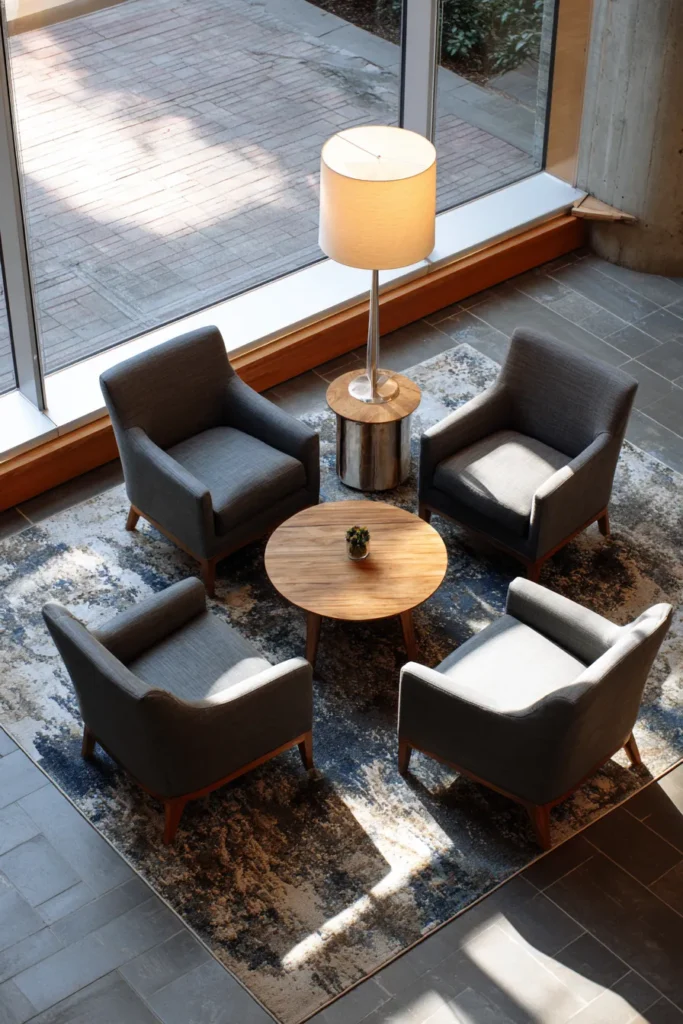
This multi zone approach makes the living room feel more dynamic and encourages different types of interaction. It acknowledges that not everyone wants to do the same thing at the same time. One person can read while others chat. Kids can play in one area while adults relax in another. The space becomes truly livable rather than just showroom perfect.
Statement Elements: Where to Make Your Mark
In rooms that might feel understated or neutral overall, statement elements provide personality and visual interest. These are the pieces that catch your eye, that guests comment on, that make your living room unmistakably yours. In 2026, we’re seeing bold choices in specific categories that elevate the entire space.
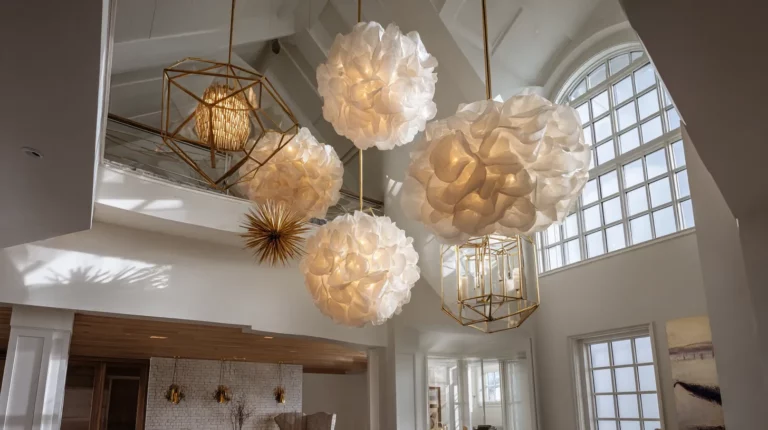
Lighting has emerged as one of the most popular places to make a statement. Statement lighting trends include sculptural fixtures that double as art, oversized pendants that anchor seating areas, and dramatic floor lamps that create pools of warm light. The beauty of choosing lighting as your statement element is that it serves a functional purpose while adding significant visual impact.
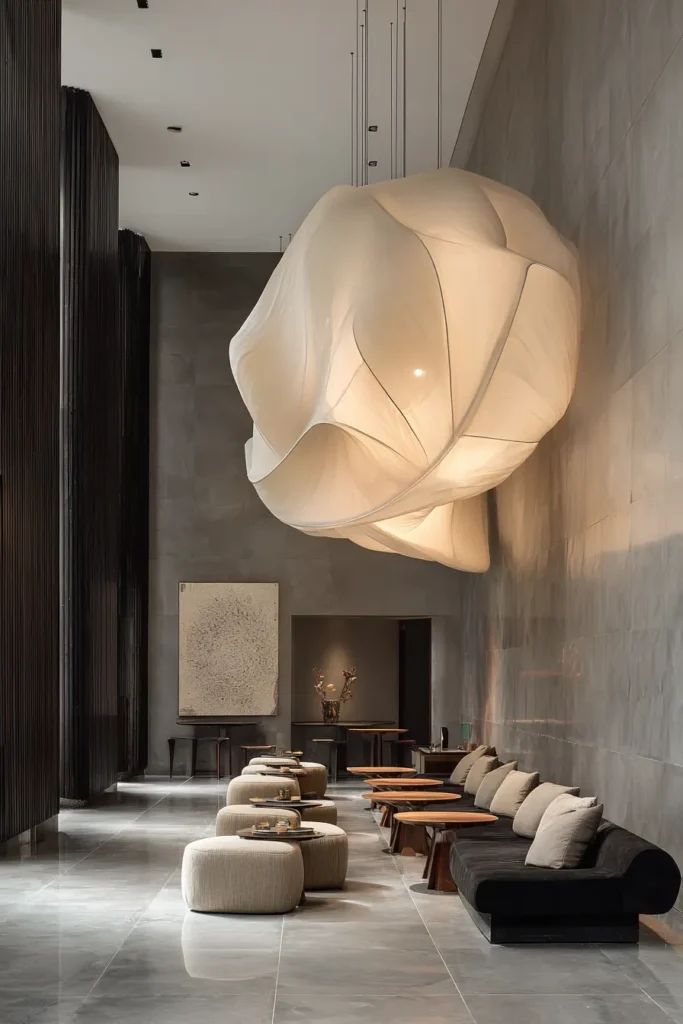
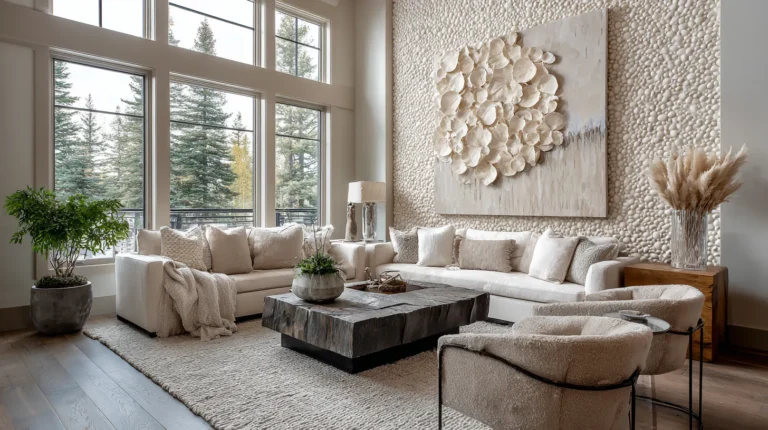
Walls offer another canvas for bold expression. Trending wall treatments go far beyond paint color. We’re seeing textured plaster finishes, wood paneling with depth and dimension, wallpaper with large scale patterns, and architectural molding that adds classical elegance to contemporary spaces. A single accent wall with one of these treatments can transform the entire feel of a room without overwhelming it.
Art That Commands Attention
Perhaps nothing makes a space feel more personal than the art you choose to display. The trend toward living rooms with statement wall art reflects our desire to surround ourselves with things that have meaning, that start conversations, that reflect who we are beyond any design trend.
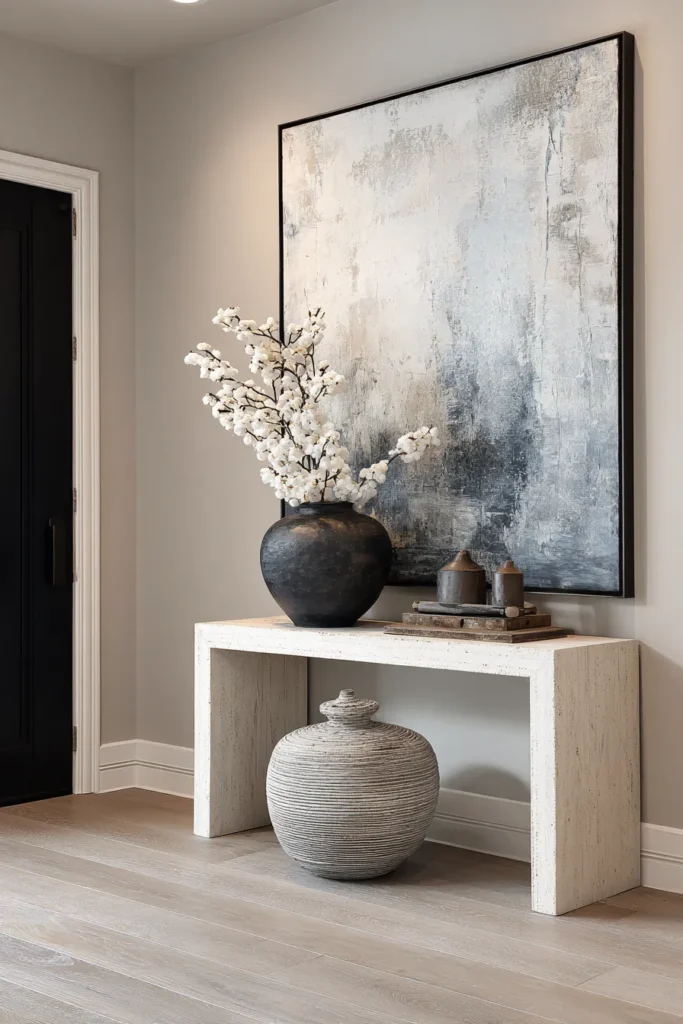
Scale matters here. A single large piece often has more impact than a gallery wall of smaller works. It becomes a focal point that anchors the room and sets the tone for everything else. Whether you choose abstract painting, photography, textile art, or something entirely unique, let it be something you genuinely love, not just something that matches your sofa.
The art and decor trends shaping 2026 favor authenticity over perfection. Original pieces from local artists, meaningful prints, even your own photography when it’s well framed and thoughtfully displayed. The goal is to create a space that feels like you, not a catalog page.
Expert Tips for Creating Your 2026 Living Room
After exploring all these trends, you might feel overwhelmed by possibilities. The key to success lies not in incorporating every trend, but in choosing the elements that genuinely resonate with how you want to live. Here are the strategies that professionals use to create spaces that feel both current and timeless.
Start with function before aesthetics. How do you actually use your living room? What activities happen here daily versus occasionally? Be honest about your lifestyle. If you work from home, acknowledge that need in your design. If you have kids or pets, choose materials that can handle real life. The most beautiful room in the world fails if it doesn’t support how you live.
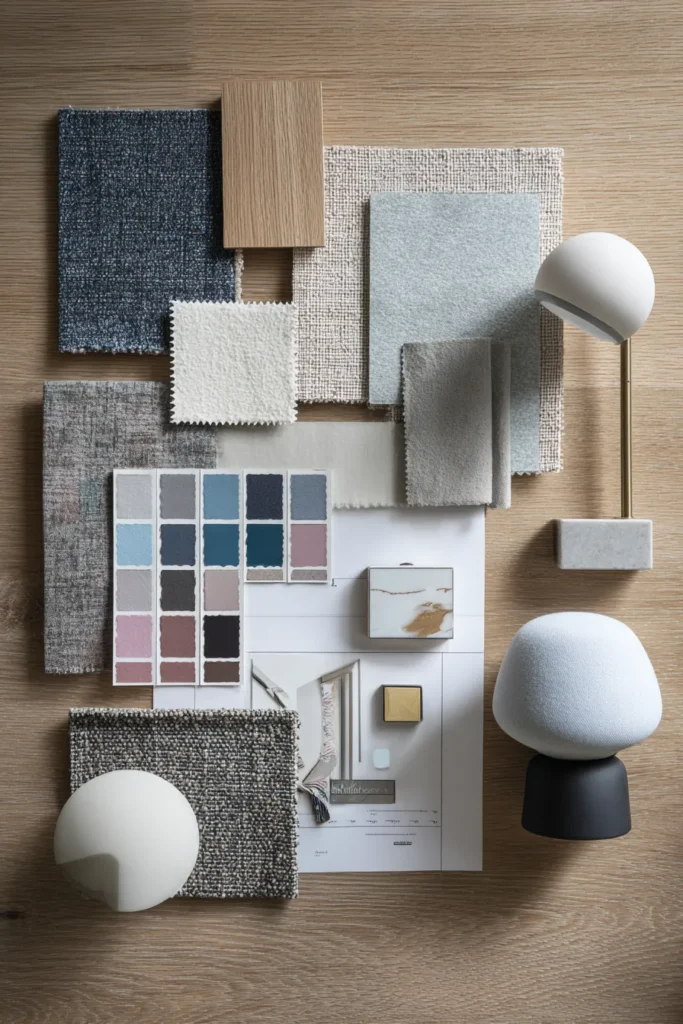
Invest in your foundation pieces. Your sofa, primary seating, and main lighting should be quality items you’ll keep for years. These don’t need to be trendy. In fact, they shouldn’t be. Choose classic lines in neutral colors, then layer in trendier elements through accessories, textiles, and smaller furniture pieces you can change more easily.
Mix high and low thoughtfully. You don’t need to spend a fortune to create a beautiful space, but strategic investment in key pieces elevates everything around them. A really good sofa makes budget throw pillows look better. Quality lighting transforms affordable furniture. Know where to splurge and where to save.
Edit ruthlessly. One of the biggest mistakes people make is filling every surface and corner. Negative space is not wasted space. It allows your eye to rest and makes the pieces you do have feel more important. If you’re constantly rearranging because things feel cluttered, you probably need to remove items rather than reorganize them.
Layer your lighting. A single overhead fixture will never create the ambiance you want. Combine ambient lighting, task lighting, and accent lighting to create flexibility and mood. Table lamps, floor lamps, wall sconces, and even candles all contribute to a layered lighting scheme that can adapt to different times of day and activities.
Don’t forget scale and proportion. A tiny sofa in a large room looks lost. An oversized sectional in a small space feels overwhelming. Pay attention to how pieces relate to each other and to the room itself. When in doubt, go slightly larger than you think you need for key pieces. Small scale furniture can make a room feel cramped even when there’s plenty of space.
Trust your instincts while staying open to guidance. Design rules exist for good reasons, but they’re not absolute laws. If you love something that breaks conventional wisdom, find a way to make it work. Your home should reflect your personality, not just follow a formula. The most memorable spaces always have an element of personal expression that transcends trends.
Creating Your Perfect 2026 Living Room
As we’ve explored throughout this guide, the living rooms defining 2026 share certain qualities regardless of their specific style. They prioritize comfort alongside aesthetics. They incorporate nature and natural materials. They balance technology with timelessness. They reflect the personalities of the people who live in them rather than slavishly following any single trend.
The most important insight is this: your living room should support and enhance your life, not complicate it. Whether you’re drawn to the serene balance of Japandi design, the personality rich layers of eclectic styling, the drama of dark moody spaces, or the clean simplicity of warm minimalism, the right approach is the one that makes you feel most at home.
Take inspiration from these trends, but filter everything through your own needs and preferences. Consider how you actually use the space. Think about what brings you joy and comfort. Pay attention to the light in your specific room and how it changes throughout the day. Trust your instincts about color and texture and pattern.
Remember that creating a beautiful living room is not a race or a one time project. It’s an evolution. Start with the foundation, add layers over time, and don’t be afraid to change things that aren’t working. The most beautiful spaces are those that grow and adapt with the people who inhabit them.
For more inspiration and detailed guidance on specific aspects of living room design, explore these resources:
- Top Living Room Trends for 2025
- Modern Minimalist Living Room: A Guide to Calm, Beautiful Spaces
- Scandinavian Living Room Design
Your living room is waiting to become exactly what you need it to be. Trust the process, enjoy the journey, and create a space that welcomes you home every single day.
Frequently Asked Questions
What is the most popular living room style for 2026?
There isn’t one dominant style, which is actually the defining characteristic of 2026. The trend is toward personalized, eclectic spaces that mix elements from different eras and aesthetics. However, Japandi design, warm minimalism, and sustainable natural designs are particularly prominent.
Are open concept living rooms still in style?
Yes, but with evolution. The trend now is toward open concept spaces with defined zones rather than completely unbroken floor plans. Using furniture, rugs, and lighting to create implied boundaries gives you the benefits of openness while maintaining functional separation and intimacy.
What colors are trending for living rooms in 2026?
Warm tones dominate, including terracotta, rust, warm beige, butter yellow, and amber. There’s also a counter trend toward rich, saturated colors like forest green, navy, and even dramatic dark shades for moody, cocoon like spaces. The cool gray era has definitively ended.
How can I make my small living room look bigger?
Use light colors on walls and large furniture pieces, maximize natural light, choose furniture with exposed legs to create visual space, use mirrors strategically to reflect light and create depth, and avoid clutter by incorporating smart storage solutions. Multi functional furniture helps you get more utility without adding visual bulk.
Is minimalism still popular in 2026?
Minimalism has evolved into what we might call warm minimalism or maximalism lite. The stark, cold minimalism of previous years has given way to spaces that are still relatively uncluttered but incorporate warmth through natural materials, texture, and carefully chosen decorative elements. It’s about intentional design rather than emptiness.
How do I incorporate smart home technology without ruining my design aesthetic?
The best approach is choosing devices and systems that integrate invisibly. Look for speakers built into furniture, charging stations hidden in drawers, TVs that disguise as art, and smart lighting that works with traditional looking fixtures. The technology should support your design, not dominate it.
What’s the most important element in a living room design?
While it varies by personal need, lighting is often the most transformative element. Good lighting can make even budget furniture look expensive, create ambiance and mood, and completely change how a space feels throughout the day. It’s also one of the easier elements to update or adjust.
How can I make my living room feel more luxurious on a budget?
Focus on texture and layering rather than expensive furniture. Add throw pillows in rich fabrics, layer rugs, incorporate good quality textiles like linen or velvet in small doses, improve your lighting, and edit ruthlessly so the pieces you have can shine. Often luxury is about curation and quality over quantity.
Should I follow trends or stick with classic design?
The best approach is a foundation of classic, timeless pieces with trend forward accents that you can change more easily. Invest in quality neutral furniture that will last, then express current trends through pillows, art, accessories, and smaller pieces. This way your space stays fresh without requiring constant major updates.
How many patterns can I mix in one living room?
There’s no hard rule, but a good guideline is to vary the scale of patterns and keep them within a cohesive color palette. You might combine a large scale geometric, a medium scale floral, and a small scale texture, all pulling from the same family of colors. Start with two or three patterns and add more only if they enhance rather than compete.
What’s the biggest mistake people make when designing a living room?
Pushing all furniture against the walls is the most common error. This actually makes a room feel smaller and less inviting. Instead, float furniture to create intimate conversation areas and better flow. Another major mistake is choosing a sofa based solely on looks without considering comfort and scale for your specific space.
How often should I update my living room design?
There’s no set timeline. A well designed living room with quality pieces should feel good for many years. You might refresh with new accessories, textiles, or paint every few years if you want a change, but major furniture updates shouldn’t be necessary more than once a decade unless your needs change significantly. Good design transcends short term trends.