
Table of Contents
There’s a quiet magic that happens when two worlds meet — when Japanese wabi-sabi whispers to Scandinavian hygge, and together they create something wholly new. The Japandi living room isn’t just a design trend; it’s a philosophy wrapped in linen and oak, a sanctuary built from intention and restraint.
Imagine walking into a space that breathes. Where every object has earned its place, where light pools softly on natural wood, where the air itself seems calmer. This is Japandi — a living room style that strips away the excess to reveal what truly matters: connection, comfort, and a profound sense of peace.
If you’ve been craving a home that feels both edited and embracing, minimalist yet deeply warm, you’re ready for Japandi. Let’s explore how to create a living room that nurtures your wellbeing while honoring the beauty of simplicity.
What Is Japandi Living Room Design?
Japandi style emerges from the thoughtful marriage of Japanese minimalism and Scandinavian functionality. It’s the design equivalent of finding balance — taking Japan’s zen-like restraint and infusing it with Scandinavia’s cozy warmth.
At its heart, Japandi living room design celebrates natural materials, neutral tones, and purposeful furniture. Unlike stark minimalism, this style invites you in with soft textures and organic shapes. Unlike maximalist comfort, it breathes with intentional space.
The result? A living room that feels curated yet lived-in, spacious yet intimate — a place where you can actually rest.
The Foundation: Color Palette and Materials
Earthy, Muted Tones That Ground You
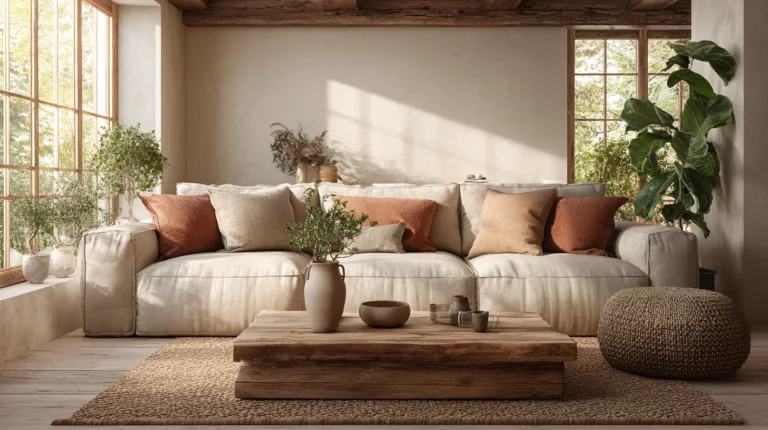
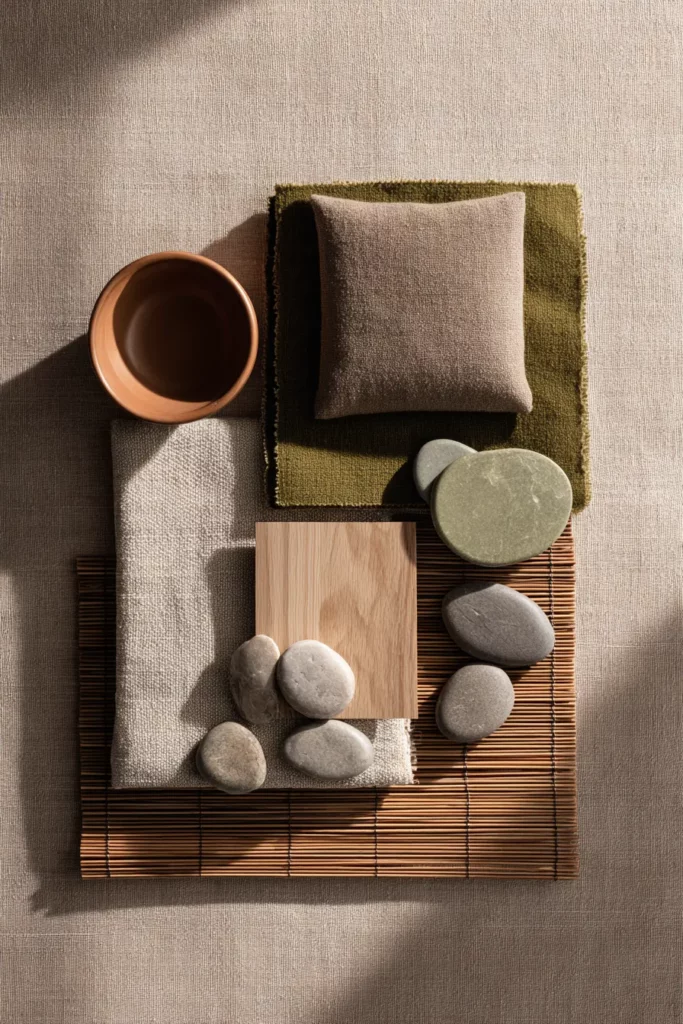
The Japandi color palette is where the earth whispers its secrets. Think warm beige that mimics sun-dried clay, soft taupe like smooth river stones, gentle sage green reminiscent of morning mist over bamboo groves.
Terracotta adds a whisper of warmth without shouting. Charcoal grey provides depth. Cream and off-white create breathing room between thoughtfully placed objects.
These colors aren’t merely decorative — they’re psychological anchors that promote calm and mindfulness. When your living room speaks in these tones, your nervous system listens and relaxes.
Natural Materials as Design Heroes
In a Japandi living room, materials tell stories. Oak and walnut furniture ages gracefully, developing character with time. Bamboo brings lightweight strength and subtle texture. Rattan and wicker weave warmth into functional pieces.
Linen curtains diffuse harsh light into something softer. Wool throws invite touch. Stone accents — perhaps a ceramic vase or slate coaster — add weight and permanence.
The sustainability angle here isn’t accidental. Japandi inherently favors eco-friendly sourcing because it values quality over quantity. When you invest in handcrafted pieces made from responsibly harvested materials, you’re not just decorating — you’re participating in something larger than trend.
Furniture: Low, Clean, Intentional
Choosing the Right Sofa
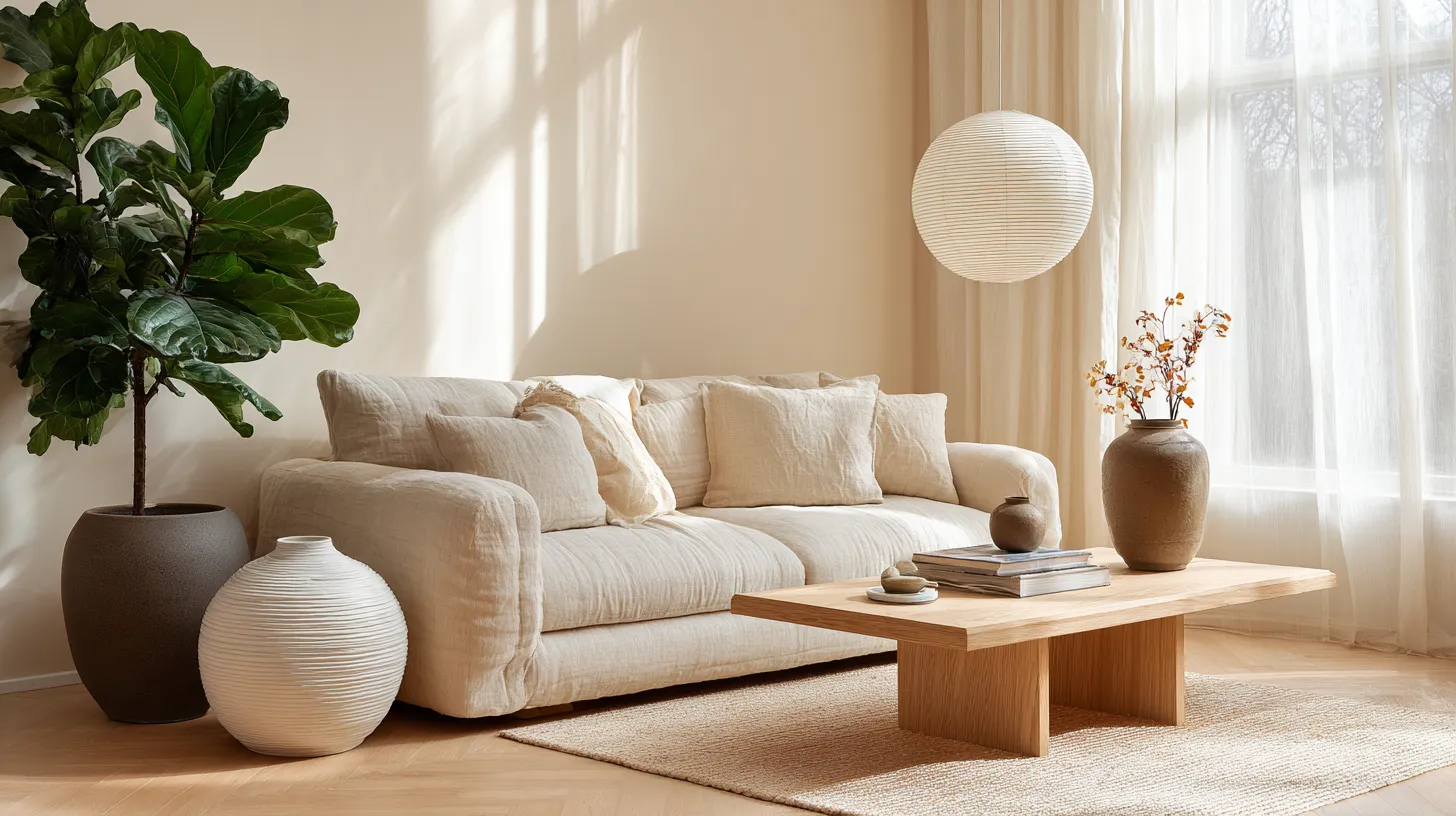
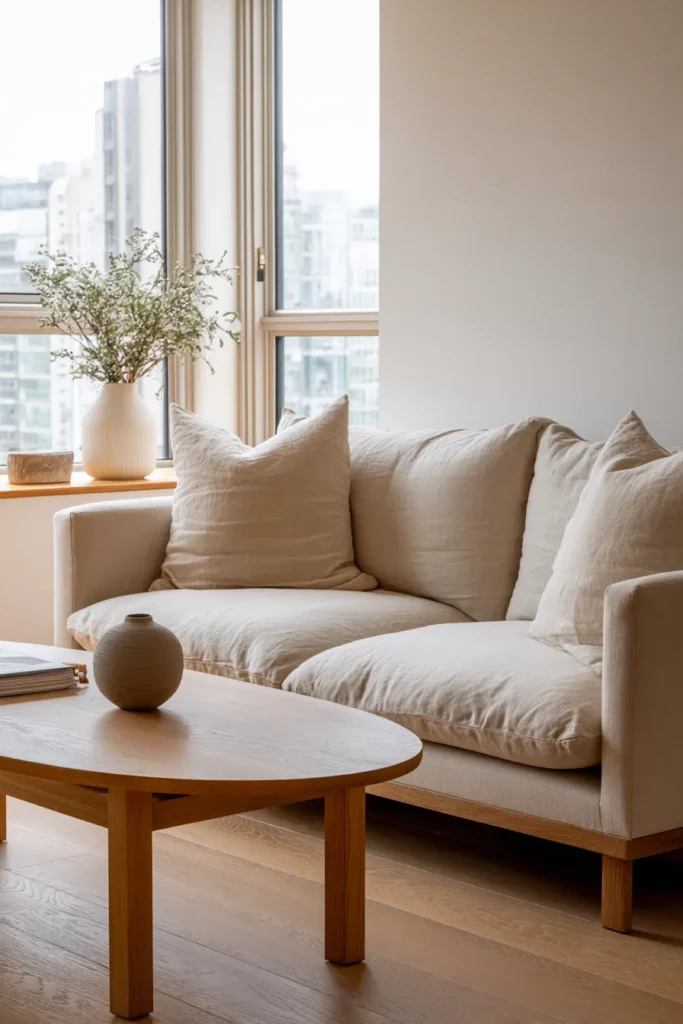
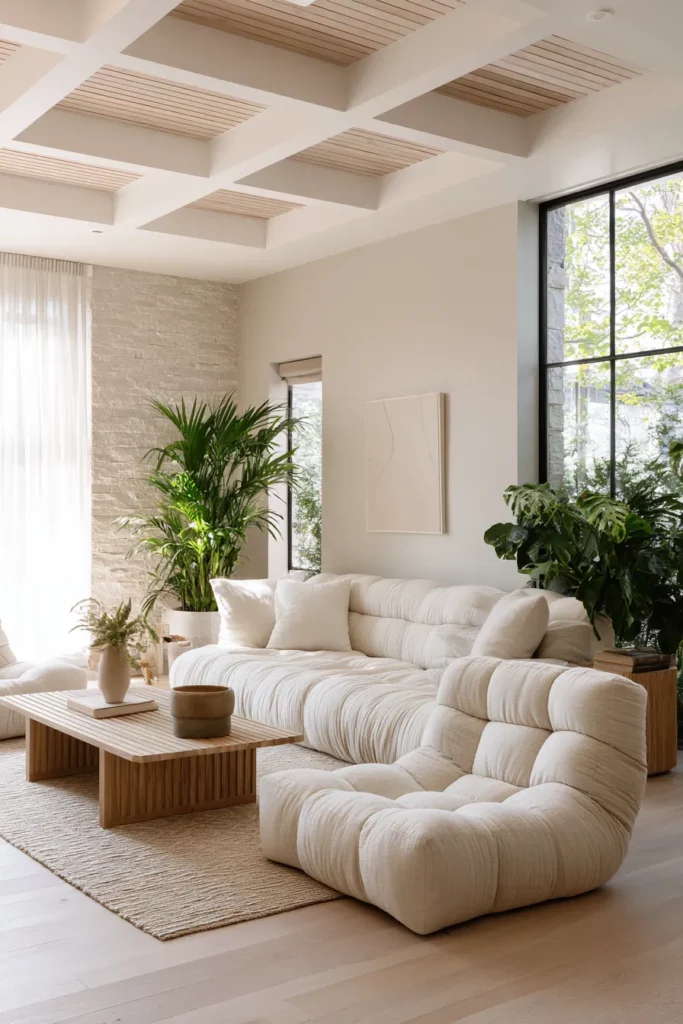
The Japandi sofa sits low to the ground, creating visual spaciousness and a connection to earth. Look for clean lines with subtle curves — nothing too angular or harsh, but nothing overly plush either.
Neutral upholstery in linen, cotton, or wool works beautifully. Consider beige, greige, or warm grey tones. The structure should feel sturdy yet light, often featuring wooden legs in natural finishes.
For small spaces, a low-profile sofa with storage underneath maximizes functionality without compromising aesthetics. This dual-purpose approach is quintessentially Japandi — beauty and utility in perfect harmony.
Coffee Tables and Storage Solutions
A simple wooden coffee table becomes a focal point through its honesty. Choose pieces with visible grain, perhaps with gentle rounded edges that soften the geometry of the room.
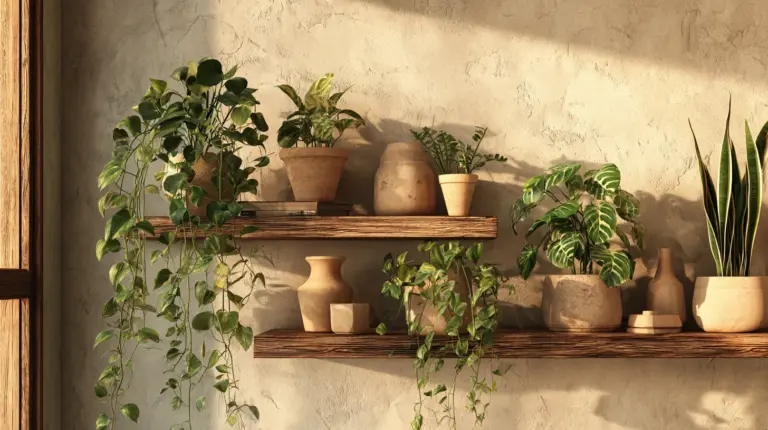
Floating shelves in light wood maintain openness while displaying your most meaningful objects. Storage ottomans upholstered in natural fabrics hide clutter while providing additional seating.
The Japanese concept of ma — meaningful space — guides furniture placement. Don’t fill every corner. Let your pieces breathe. The negative space is as important as the objects themselves.
Multifunctional Furniture for Modern Living
If your living room serves multiple purposes — workspace, relaxation zone, entertainment area — Japandi’s functional furniture philosophy becomes essential.
Consider modular pieces that adapt: a bench that serves as both seating and side table, nesting tables that expand when needed, floor cushions that stack beautifully when not in use.
This approach is particularly valuable for small or multifunctional spaces where every square foot must earn its keep. Japandi doesn’t compromise beauty for utility — it insists on both.
Lighting: Layered Warmth and Natural Glow
Embracing Natural Light
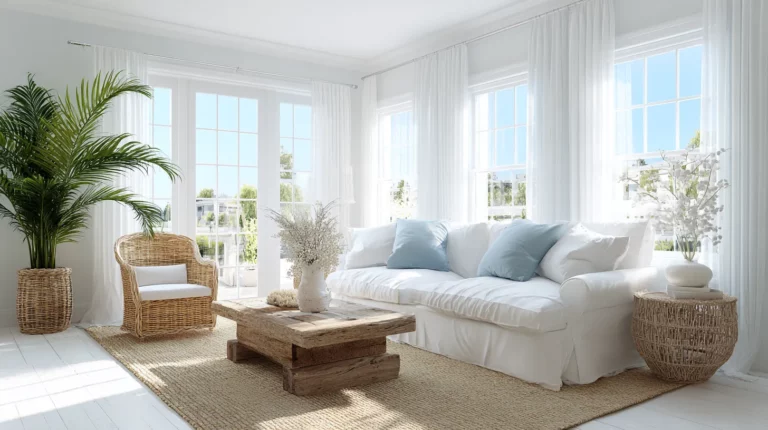
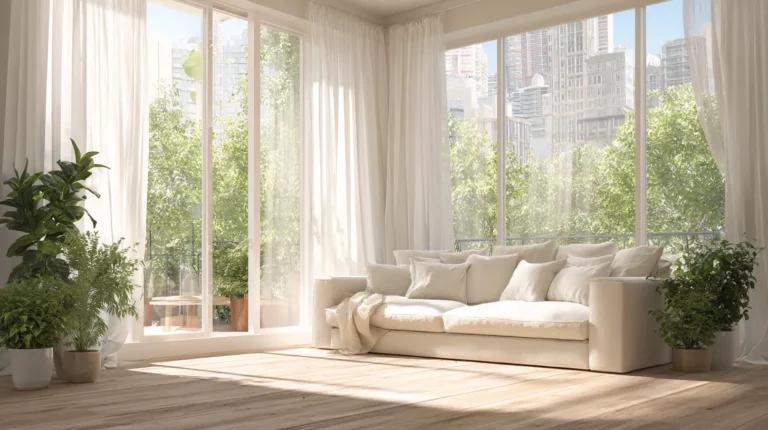
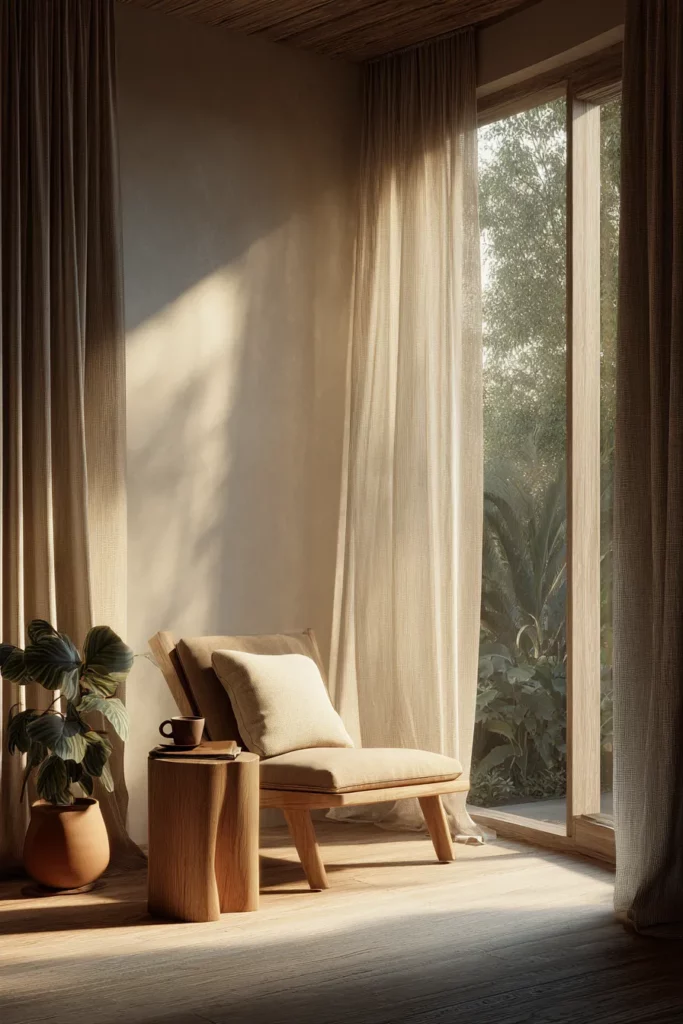
Start with the sun. Japandi living rooms celebrate natural light as the primary illumination source. Keep window treatments minimal — sheer linen curtains or bamboo blinds that filter rather than block.
Position furniture to maximize daylight exposure without creating glare. A reading chair near a window becomes a meditation spot. A low table catches afternoon sun, making tea time ceremonial.
The quality of natural light changes throughout the day, creating living artwork on your walls. This connection to nature’s rhythms grounds you in the present moment.
Warm, Intentional Artificial Lighting
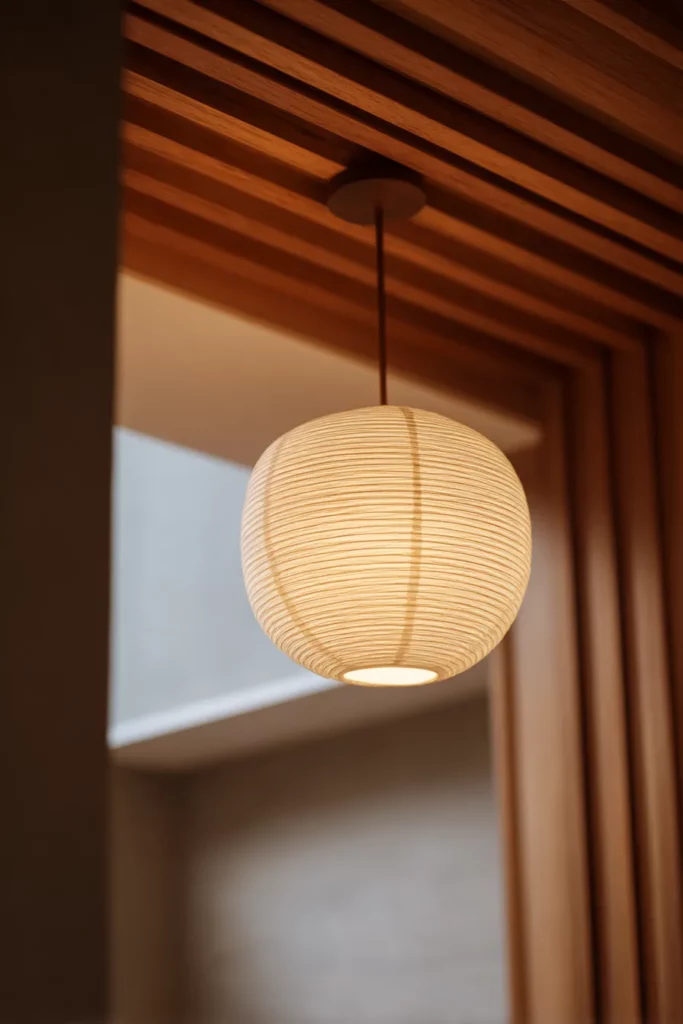
When darkness falls, warm lighting takes center stage. Paper lanterns cast gentle, diffused light reminiscent of traditional Japanese chochin lamps. Their soft glow creates intimacy without harshness.
Floor lamps with wooden bases and linen shades provide task lighting while maintaining aesthetic consistency. Consider dimmable options to adjust ambiance as evening unfolds.
Avoid overhead lighting when possible. Instead, create pools of light at different heights — a table lamp here, a floor lamp there — building layers that invite you deeper into the space.
Decor: Minimal, Meaningful, Handcrafted
The Art of Thoughtful Display
In Japandi interiors, every decorative object must justify its presence. Ask yourself: Does this piece bring joy? Does it serve a purpose? Does it tell a story?
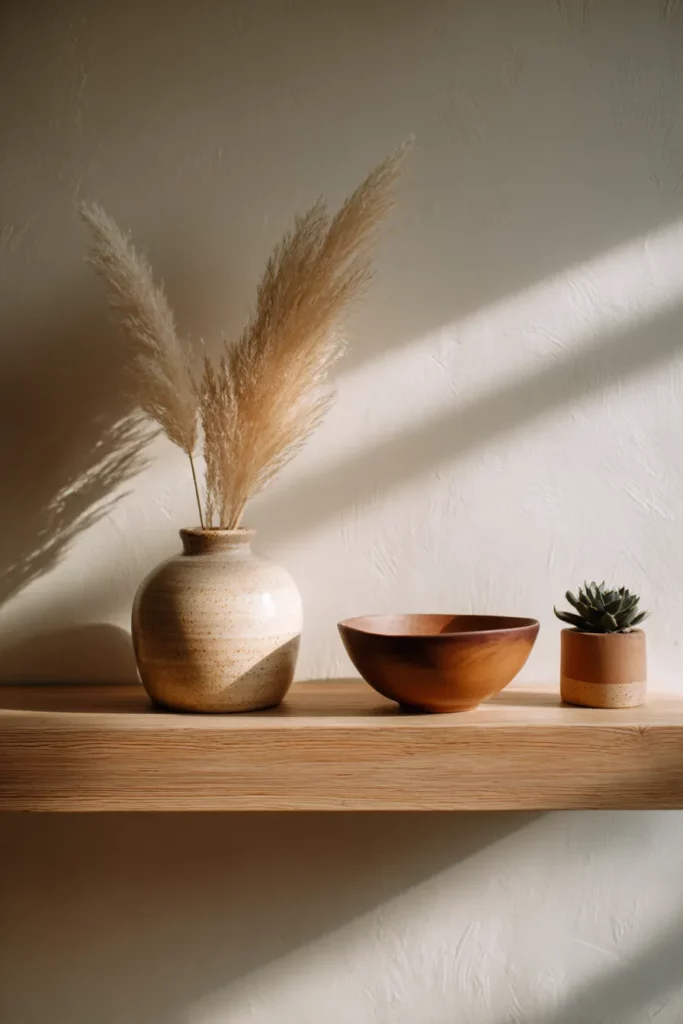
Handcrafted decor carries special weight. A ceramic bowl shaped by human hands, a woven basket that took hours to complete — these items radiate authenticity. They connect you to makers and traditions.
Display items with breathing room. A single beautiful vase on a shelf speaks louder than three mediocre ones. This restraint creates visual calm and allows each piece to shine.
Bringing Nature Indoors
Plants are non-negotiable in Japandi living rooms. They purify air, add life, and bridge the gap between interior and exterior worlds.
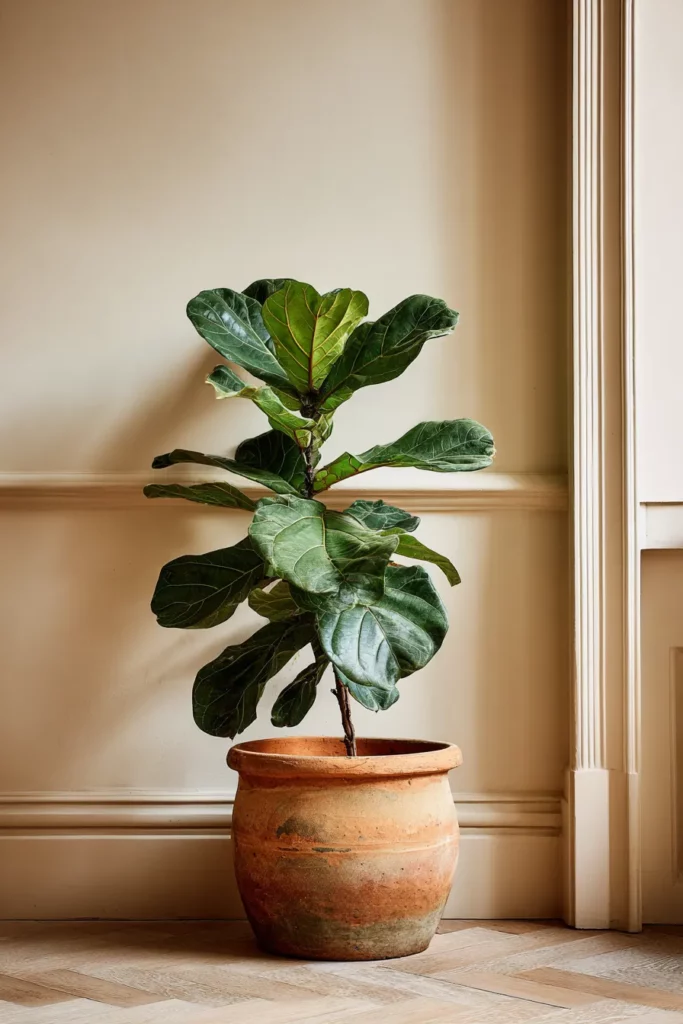
Choose simple pots in terracotta, stone, or neutral ceramics. Consider plants with architectural presence: a fiddle leaf fig, snake plant, or monstera. Smaller succulents grouped on a wooden tray create a miniature landscape.
Dried branches in a floor vase, a bowl of river stones, driftwood displayed like sculpture — these natural elements ground the space in organic beauty.
Textiles and Texture Layering
While Japandi appears spare, it’s rich in texture. Layer woven throws over your sofa. Add linen cushions in varying shades of cream and taupe. Place a jute rug under your coffee table.
These layered textures create warmth without visual clutter. They invite touch and comfort while maintaining the overall sense of calm. In winter, add a chunky knit throw; in summer, switch to lighter gauze fabrics.
This subtle seasonal decor variation keeps your space feeling current and responsive to changing needs without requiring major overhauls.
The Wellbeing Benefits of Japandi Living
Calm That Settles Into Your Bones
The Japandi living room isn’t just beautiful — it’s therapeutic. The neutral palette reduces visual stimulation, allowing your mind to quiet. The uncluttered space eliminates decision fatigue.
Research supports what intuition knows: environments with natural materials and organized layouts reduce stress and improve mental clarity. Your living room becomes a daily meditation practice simply by existing.
This connection between design and wellbeing elevates Japandi from aesthetic choice to lifestyle medicine. You’re not just decorating; you’re creating conditions for peace.
Mindfulness Through Intentional Space
Every time you choose not to add something to your Japandi living room, you practice discernment. Every time you appreciate the grain in your wooden table, you practice gratitude.
The style’s emphasis on quality over quantity encourages mindfulness in consumption. You invest more thoughtfully, waste less, and develop a deeper relationship with your belongings.
This isn’t minimalism as deprivation — it’s minimalism as liberation. When your space contains only what serves and delights, everything becomes more precious.
Practical Tips for Creating Your Japandi Living Room
Start With Decluttering
Before buying anything new, subtract. Remove items that don’t align with Japandi’s calm aesthetic. Be ruthless with mismatched pieces, unnecessary decorations, and furniture that doesn’t earn its footprint.
This editing process is transformative. You’ll likely discover that you already own perfect Japandi pieces hidden beneath the excess.
Budget-Friendly Approaches
You don’t need expensive furniture to achieve Japandi style. Budget-friendly solutions include:
- Thrifting solid wood pieces and refinishing them in natural tones
- Using floor cushions instead of additional seating
- DIY projects: whitewash existing furniture, create wall art with pressed botanicals
- Investing in one quality piece per season rather than buying everything at once
- Shopping vintage for authentic mid-century items that align with Japandi aesthetics
Remember: Japandi values authenticity over newness. A well-loved vintage chair often has more soul than a brand-new imitation.
Maintenance Tips for Longevity
Natural materials require thoughtful care. Here’s how to maintain your Japandi living room:
- Wood furniture: Dust regularly with soft cloths. Apply natural oil treatments annually to prevent drying and cracking.
- Linen and cotton textiles: Wash in cold water with gentle detergent. Line dry to preserve fibers and reduce energy use.
- Rattan and bamboo: Wipe with damp cloth. Avoid excessive moisture which can cause warping.
- Plants: Research specific care needs. Overwatering is the most common mistake.
Proper maintenance extends the life of your pieces, reinforcing Japandi’s sustainable ethos. When things last, you buy less.
Mixing Japandi With Other Styles
Japandi plays well with others when approached thoughtfully. Add a bohemian touch with macramé wall hangings in natural fibers. Incorporate modern elements through sleek metal picture frames in matte black.
The key is maintaining the overall sense of calm and cohesion. Any addition should feel like it could have always been there, not like it’s fighting for attention.
Key Takeaways: Your Japandi Living Room Checklist
- Choose a neutral, earthy color palette with beige, taupe, sage green, and terracotta accents
- Select low-profile, functional furniture with clean lines and natural materials
- Prioritize natural light and supplement with warm, layered artificial lighting
- Display only meaningful, handcrafted decor with plenty of breathing room between objects
- Incorporate plants and natural elements to bridge indoor and outdoor spaces
- Layer varied textures through textiles while maintaining visual simplicity
- Embrace negative space as a design element, not something to fill
- Source sustainable, eco-friendly materials from responsible suppliers
- Practice intentional consumption by choosing quality over quantity
- Maintain pieces properly to ensure longevity and reduce waste
| Element | Japanese Influence | Scandinavian Influence | Japandi Result |
|---|---|---|---|
| Color | Deep neutrals, earth tones | Soft whites, warm greys | Balanced beige, taupe, sage |
| Furniture | Low profile, minimalist | Functional, cozy | Low, clean, comfortable |
| Materials | Wood, bamboo, paper | Wood, wool, linen | Natural, sustainable mix |
| Ambiance | Zen, contemplative | Hygge, warm | Calm yet inviting |
Conclusion: A Living Room That Lives With You
Creating a Japandi living room isn’t about following rules — it’s about finding your own version of balance. It’s the clay pot you can’t stop touching, the morning light that pools on your linen sofa, the quietness that greets you after a chaotic day.
This style asks something of you: intention. But in return, it offers something rare — a space that actively supports your peace rather than demanding your attention.
Let your living room become a practice ground for what matters. Let it teach you about enough. Let it hold you gently as you learn to hold yourself.
The beauty of Japandi isn’t in the perfection of any single element. It’s in the harmony of the whole, in the conversation between objects and emptiness, in the way everything settles into exactly where it belongs.
Including you.
Frequently Asked Questions
What is the difference between Japandi and minimalist style?
While both emphasize simplicity, Japandi incorporates warmth and texture that stark minimalism often lacks. Japandi includes cozy textiles, natural materials, and intentional decorative objects, whereas minimalism may feel more austere and less inviting.
Can Japandi work in small living rooms?
Absolutely. Japandi’s emphasis on low-profile furniture and negative space actually makes small rooms feel larger. Choose multifunctional pieces, mount floating shelves, and keep the color palette light to maximize the sense of spaciousness.
How do I add color to a Japandi living room without disrupting the aesthetic?
Stick to nature’s palette: terracotta for warmth, sage green for freshness, dusty blue for depth. Introduce color through plants, a single accent cushion, or handmade ceramics. The key is subtlety — let color whisper rather than shout.
Is Japandi style expensive to achieve?
Not necessarily. Japandi values quality and longevity over trends, which may mean higher upfront costs for key pieces. However, you can build your space gradually, thrift solid wood furniture, and DIY many elements. The style’s minimal approach means you buy fewer items overall.
How do I maintain the natural materials in Japandi furniture?
Regular dusting prevents buildup. Treat wood with natural oils annually. Protect surfaces from water damage with coasters and placemats. Clean textiles according to fiber type. The effort preserves your investment and honors the craftsmanship behind each piece.