
Table of Contents
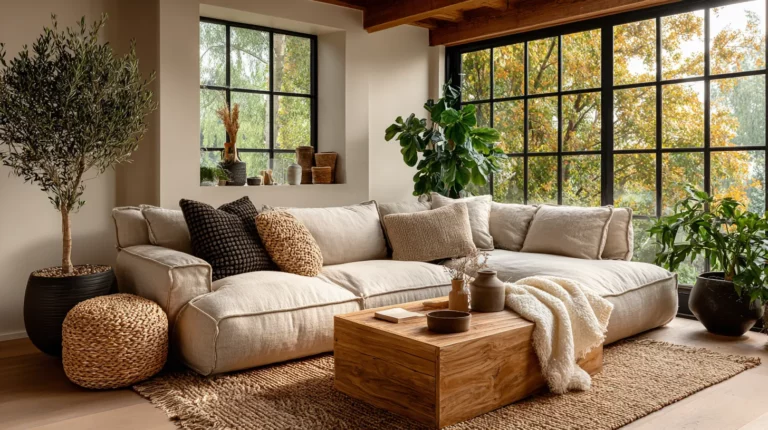
There’s something deeply grounding about walking into a room wrapped in the quiet hues of the earth. A neutral earth-tone living room doesn’t shout for attention—it welcomes you home with the gentle insistence of sunlight filtering through linen curtains. It’s the visual equivalent of a deep breath, a space that calms without compromise.
These rooms speak in whispers of clay and sand, sage and stone. They draw from nature’s most enduring palette, creating interiors that feel both timeless and utterly contemporary. Earth tones aren’t just colors—they’re a philosophy of design that honors comfort, connection, and the beauty of simplicity.
If you’ve been longing for a living room that feels like a sanctuary, earth tones offer a path forward. They blend effortlessly with natural materials, embrace imperfection, and create a backdrop that makes everything—from morning coffee to evening conversation—feel more intentional. Let’s explore how to bring this warm, soulful aesthetic into your space.
Understanding the Earth-Tone Palette
What Colors Are Considered Earth Tones?
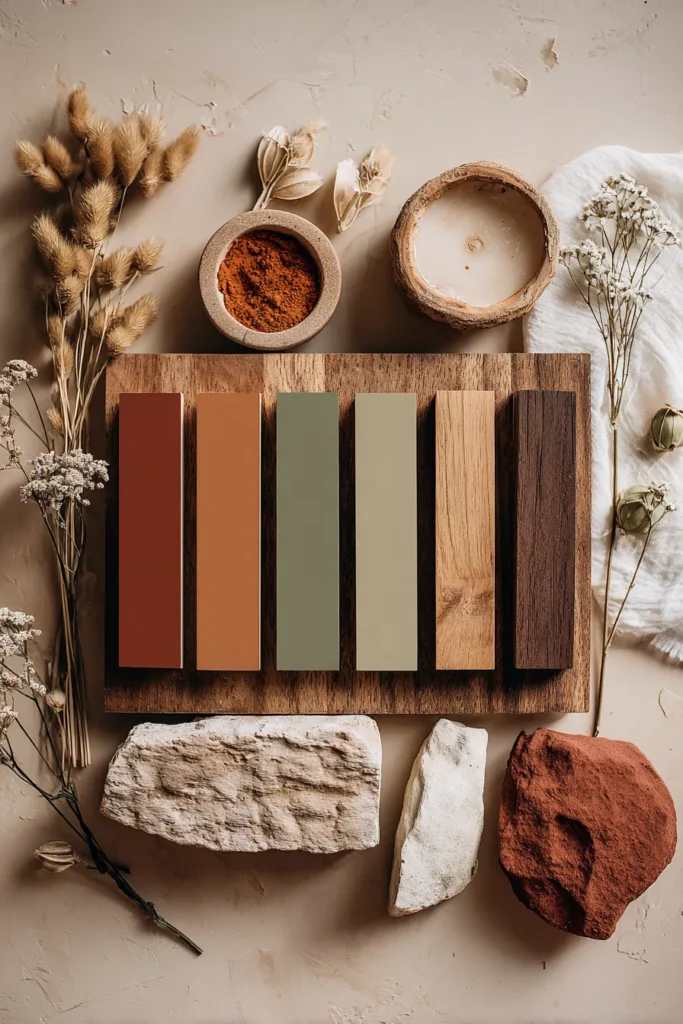
Earth tones are nature’s original color story. Think of the colors beneath your feet during a forest walk: warm terracotta, soft beige, ochre gold, sage green, and every shade of brown from honey to espresso. These hues also include muted clay reds, dusty olive, weathered grey, and the creamy off-whites of river stones.
The beauty of earth tones lies in their versatility. They’re inherently neutral, which means they layer beautifully without competing. A terracotta accent wall beside a sage sofa creates harmony, not chaos.
The Psychology Behind Earth-Tone Living Spaces
Earth tones work on our emotions in quiet, powerful ways. Studies in environmental psychology show that these colors reduce stress and promote feelings of security and stability. They ground us—quite literally—by connecting our indoor spaces to the natural world outside.
In a neutral earth-tone living room, productivity improves and anxiety softens. These aren’t the stimulating colors of a creative workspace; they’re the restorative hues of a space designed for living fully. You’ll find yourself breathing easier, thinking clearer, and settling more deeply into rest.
Why Choose Earth Tones for Your Living Room?
Timeless Appeal and Lasting Style
Fashion changes, but earth tones endure. Unlike trendy colors that date a space within seasons, earth-tone palettes age gracefully. A living room designed around warm neutrals in 2015 still feels relevant today—and will continue to feel fresh a decade from now.
These colors also provide the perfect foundation for evolving style. You can shift accessories seasonally or swap textiles without needing to repaint or replace major pieces. The neutral base adapts, making design updates both easier and more affordable.
Warmth, Comfort, and Natural Light
Earth tones have an extraordinary relationship with light. They absorb and reflect it in ways that create depth and dimension throughout the day. Morning light turns beige walls golden; afternoon sun makes terracotta glow from within. Even in rooms with limited natural light, earth tones create warmth where stark whites might feel cold.
This warmth isn’t just visual—it’s emotional. Walking into an earth-tone space feels like being wrapped in cashmere, like coming home to something familiar and safe.
Creating Your Neutral Earth-Tone Living Room
Choosing Your Base Color Palette
Start with one dominant earth tone as your foundation. This might be a warm beige on the walls, a soft greige for large upholstery pieces, or even a deeper clay color if you’re feeling bold. This base should cover at least 60% of your space—walls, larger furniture, or floor coverings.
Add two to three supporting earth tones to create depth. If your base is warm beige, layer in terracotta accents, sage green textiles, and touches of rich brown. The key is varying the intensity while staying within the earth-tone family. Too much of one exact shade flattens a room; subtle variation brings it to life.
Consider your room’s natural light when selecting tones. North-facing rooms benefit from warmer earth tones (ochre, terracotta, honey) to counteract cool light. South-facing spaces can embrace cooler earth tones (sage, grey-beige, dusty olive) without feeling cold.
Walls: Setting the Foundation
Your walls create the canvas. Warm beiges, soft taupes, and creamy off-whites work beautifully as base colors—they’re forgiving with lighting and versatile with décor. For accent walls, consider deeper earth tones like burnt sienna, mushroom brown, or even a muted olive.
Paint finish matters. Matte and eggshell finishes enhance the organic, natural feel of earth tones, absorbing light softly. High-gloss finishes can look jarring against the inherent softness of these colors.
If you’re hesitant about color, start with the lightest earth tones. A barely-there beige is still warmer and more interesting than stark white, and it won’t overwhelm the space.
Furniture Selection and Placement
Natural materials are your best friends here. Look for furniture in oak, walnut, teak, or reclaimed wood—pieces that showcase grain and imperfection. A chunky wooden coffee table or a weathered sideboard adds authenticity that manufactured materials can’t replicate.
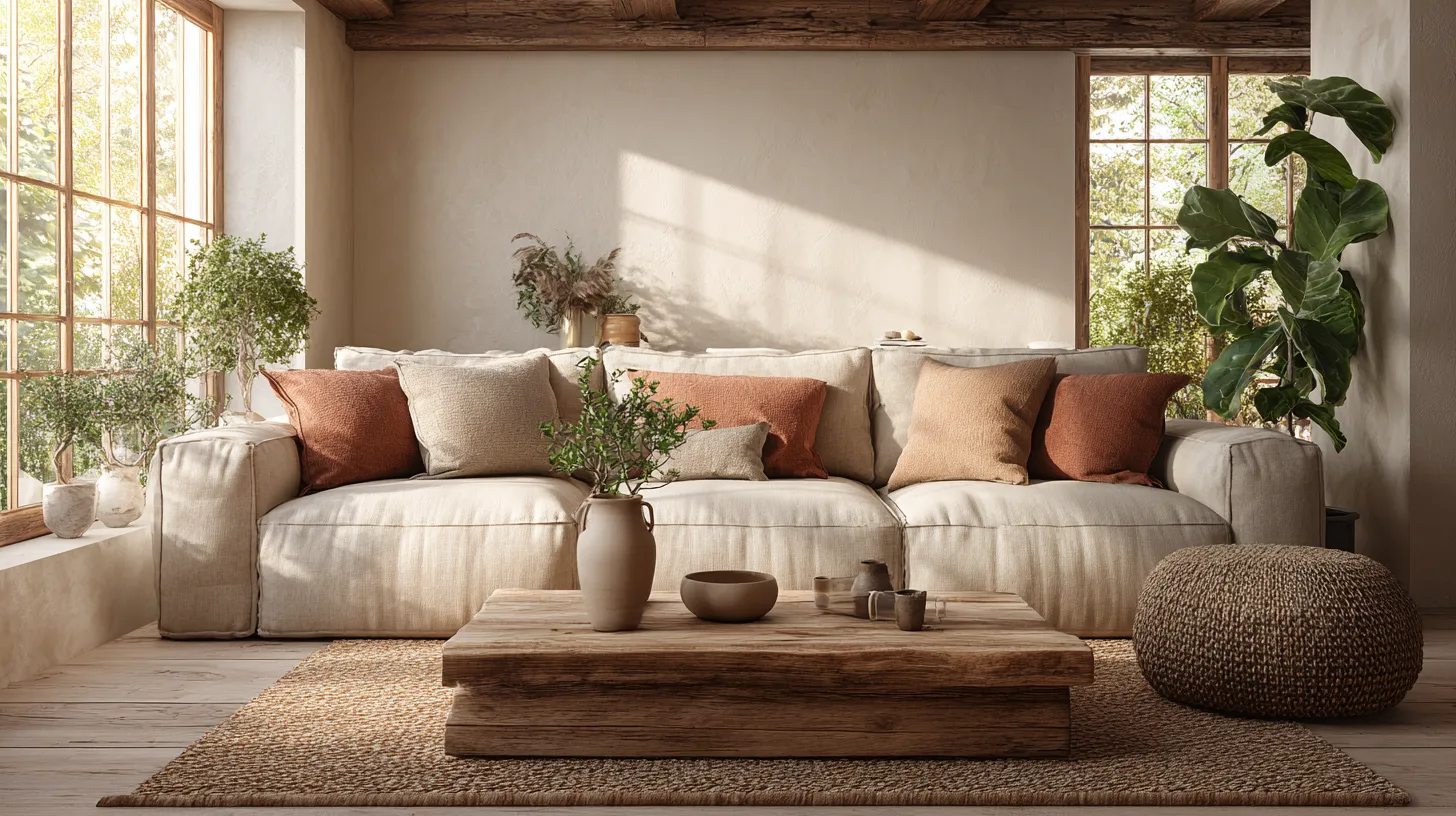
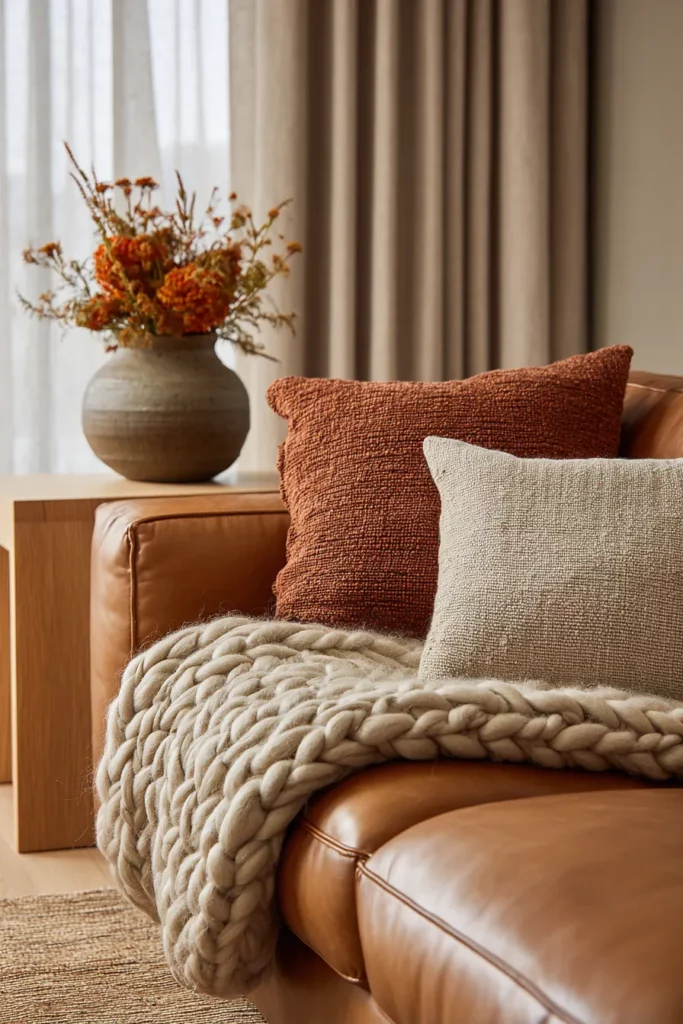
Upholstered pieces should embrace texture. A linen sofa in oatmeal, a velvet armchair in rust, leather seating in cognac—these materials feel as good as they look. Choose fabrics that age beautifully, developing character rather than just showing wear.
Scale matters in earth-tone rooms. Because the palette is naturally soft, substantial furniture pieces prevent the space from feeling washed out. Opt for solid, grounded forms rather than delicate, spindly designs.
Layering Textures for Depth
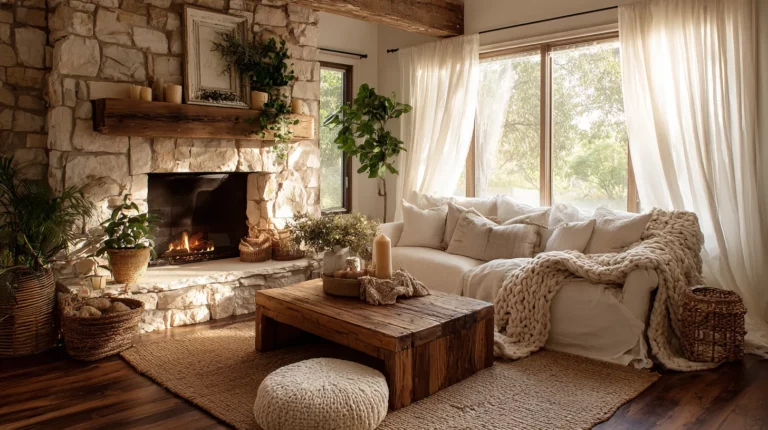
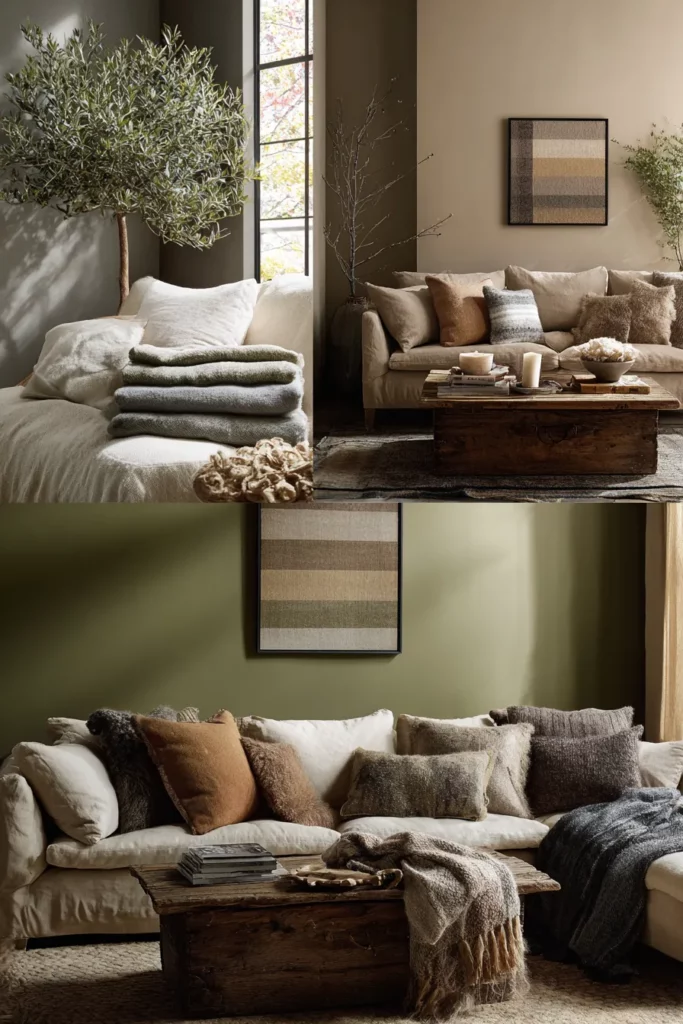
An earth-tone living room lives or dies by its textures. Without textural variety, even the most thoughtfully chosen palette can feel flat. Layer woven jute rugs under chunky knit throws, nestle linen pillows against leather sofas, and drape wool blankets over wooden benches.
Consider the full range of tactile experiences. Rough terracotta planters, smooth ceramic vases, nubby bouclé cushions, soft sheepskin throws—each texture catches light differently and engages different senses. Run your hand across surfaces in your room; if everything feels similar, add contrast.
Don’t forget vertical texture. Macramé wall hangings, woven baskets, or even a textured wallpaper on a single wall adds dimension that paint alone cannot achieve.
Lighting Techniques for Earth-Tone Spaces
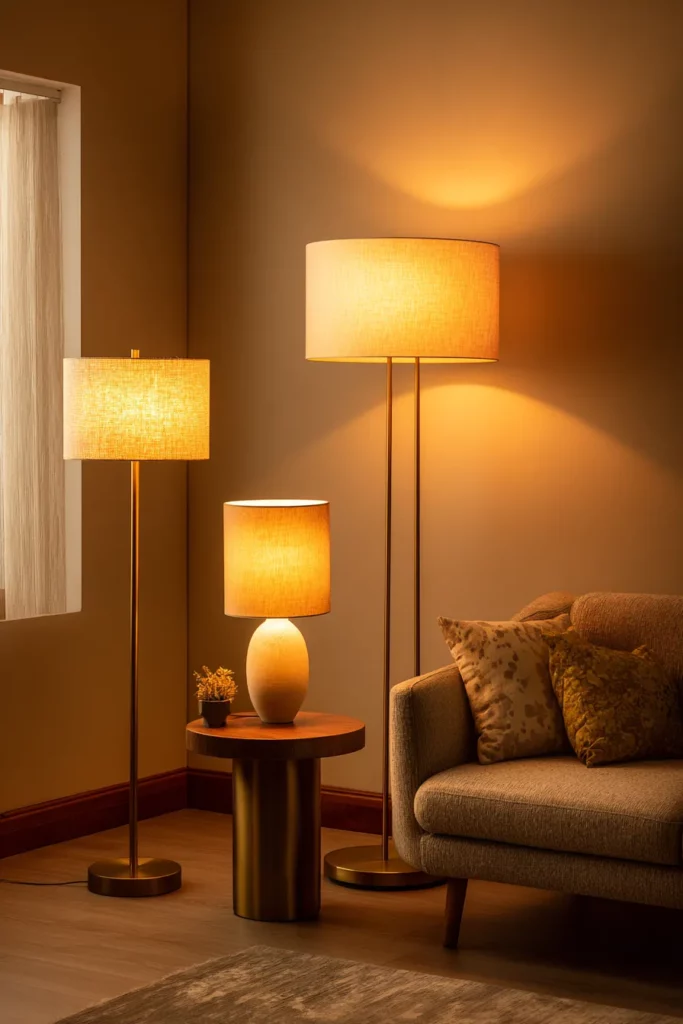
Lighting can make or break an earth-tone room. These colors need warm, layered light to reveal their full beauty. Start with ambient lighting—soft overhead fixtures or recessed lights on dimmers—to establish a warm baseline.
Add task lighting where you need it: reading lamps beside seating, picture lights above artwork. Choose fixtures in brass, aged bronze, or warm metals that complement your palette rather than compete with it.
The magic happens with accent lighting. Place table lamps in corners to eliminate shadows, use floor lamps to highlight architectural features, or install LED strips behind floating shelves to create warmth. Aim for multiple light sources at different heights—this creates depth and prevents the flat, one-note lighting that makes earth tones look muddy.
Choose warm-toned bulbs (2700K-3000K) exclusively. Cool-toned lighting turns earth tones grey and lifeless, destroying the warmth you’ve carefully curated.
Styling Your Earth-Tone Living Room
Incorporating Natural Materials
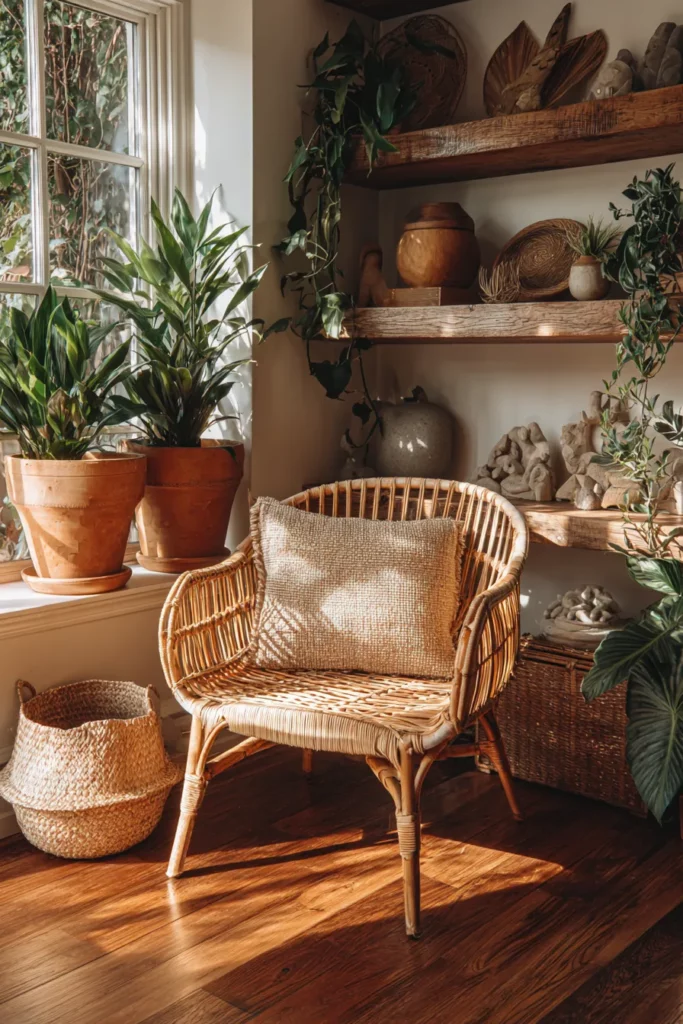
Bring the outside in through materials that still remember their origins. Rattan furniture, seagrass baskets, stone accents, and raw wood elements connect your space to the earth itself. These materials aren’t just décor—they’re reminders of nature’s quiet presence.
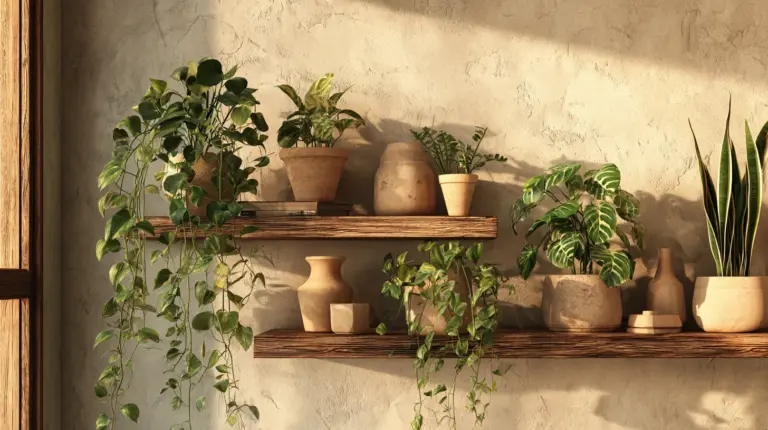
Plants are essential. They add life, purify air, and introduce organic shapes that soften the structured forms of furniture. Choose pottery in terracotta, stoneware, or unglazed ceramic to maintain your earth-tone harmony.
Consider sustainable and eco-friendly choices. Bamboo furniture, reclaimed wood pieces, organic textiles, and vintage finds align perfectly with the earth-tone philosophy. These choices honor the environment that inspired your palette in the first place.
Accent Colors and How to Use Them
While earth tones form your foundation, strategic accent colors prevent monotony. Stay within nature’s palette: rust orange, deep forest green, dusty blush, or muted gold. These colors should appear in smaller doses—throw pillows, artwork, or decorative objects.
The 60-30-10 rule works beautifully here. Use your base earth tone for 60% of the room, a supporting earth tone for 30%, and save 10% for those carefully chosen accents. This creates balance without overwhelm.
Metallics count as accents too. Warm metals like brass, copper, and antique gold enhance earth tones naturally, while silver and chrome can feel jarring against warmer palettes.
Textiles: Rugs, Throws, and Pillows
Start with your rug—it anchors everything. Natural fiber rugs in jute, sisal, or wool provide texture and warmth underfoot. Layer a smaller vintage rug in rust or ochre over a neutral jute base for added interest.
Throws and pillows are where you can experiment. Mix patterns carefully: a subtle stripe with a small-scale geometric, or a solid texture with a muted botanical print. Keep all patterns within your earth-tone palette to maintain cohesion.
Change textiles seasonally. Lighter linens and cottons for summer, heavier wools and velvets for winter. This simple switch keeps your earth-tone living room feeling fresh without requiring major changes.
Art and Decorative Accessories
Choose artwork that reinforces your connection to nature. Abstract landscapes, botanical prints, or photography featuring natural elements all work beautifully. Frame pieces in natural wood or brass to maintain consistency.
Decorative objects should feel collected rather than matched. A hand-thrown pottery bowl, a sculptural piece of driftwood, vintage books with aged spines—these items tell stories. Group objects in odd numbers (three or five) on surfaces for visual interest.
Keep surfaces relatively clear. Earth-tone rooms thrive on breathing room—too many accessories create clutter that fights against the palette’s inherent calm.
Earth Tones Across Different Design Styles
Modern Rustic
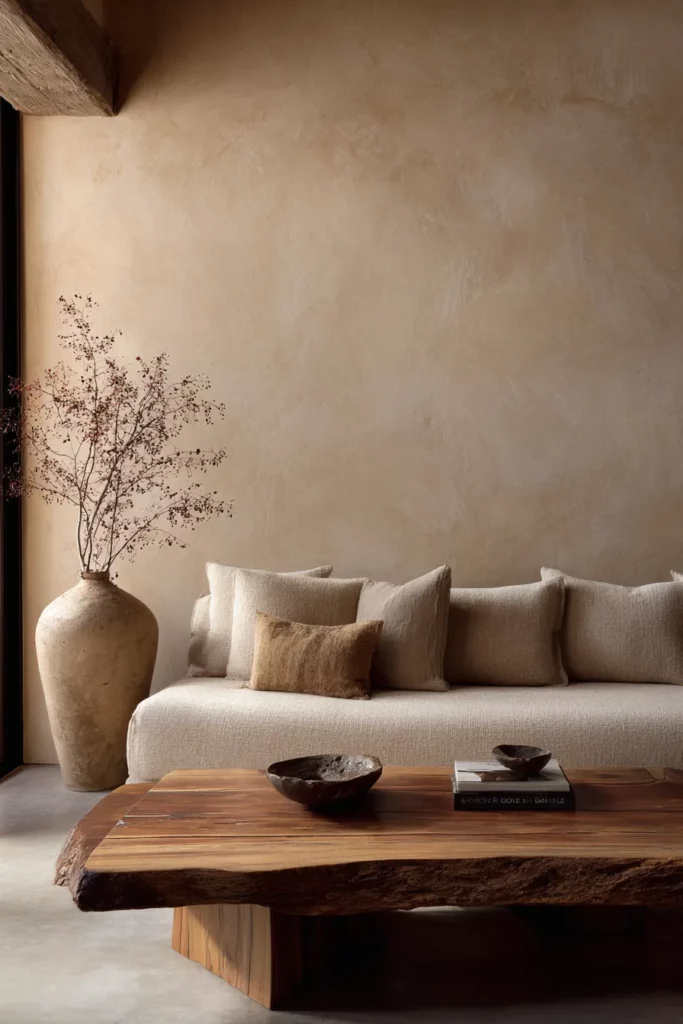
Pair earth tones with clean lines and natural materials for modern rustic appeal. Think smooth plaster walls in warm beige, a low-profile sofa in oatmeal linen, and a live-edge coffee table. Keep accessories minimal but meaningful—a single sculptural vase, a carefully chosen throw.
This style balances contemporary simplicity with organic warmth. Avoid fussy details; let materials and colors speak for themselves.
Bohemian Earth-Tone Living Room
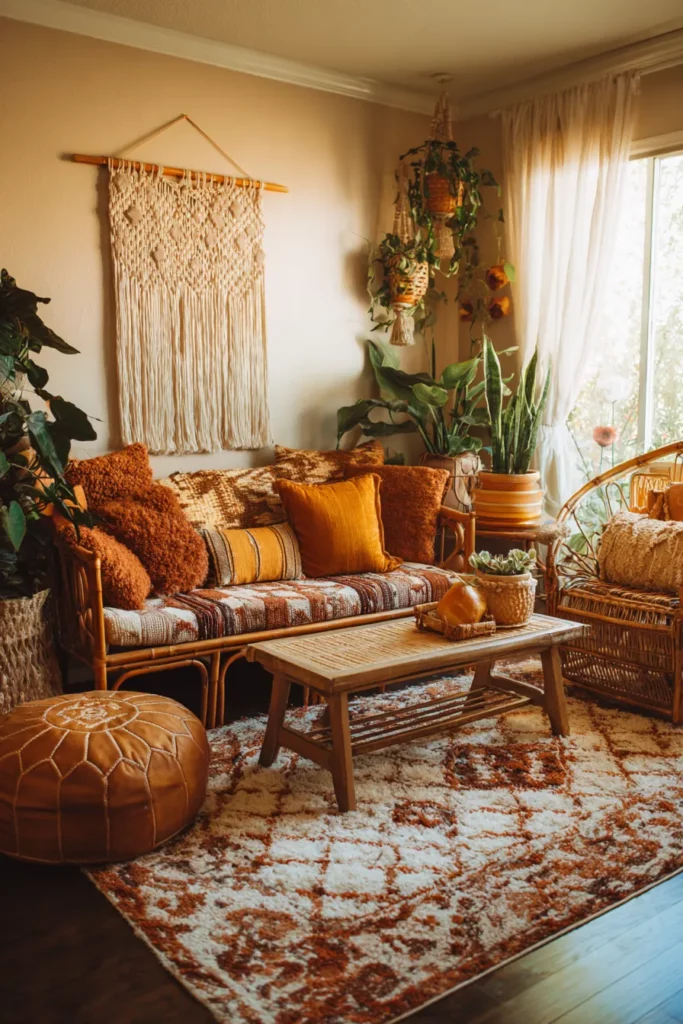
Embrace layering and pattern in a boho earth-tone space. Mix textiles freely: kilim pillows with macramé wall hangings, rattan furniture with woven baskets. Your earth-tone palette unifies diverse elements, preventing visual chaos.
Add vintage finds, global textiles, and plenty of plants. This style celebrates abundance while the earth-tone foundation keeps everything grounded.
Minimalist Warmth
Earth tones bring warmth to minimalist design without compromising clean lines. Choose a monochromatic earth-tone palette—perhaps varying shades of beige and taupe—and keep furniture simple and functional.
The secret is quality over quantity. Invest in beautiful materials and perfect proportions, then edit ruthlessly. Every item should earn its place.
Scandinavian with an Earthy Twist
Lighten traditional Scandinavian design with warmer earth tones. Replace stark white with creamy off-white or pale beige. Keep the Nordic love of natural wood and simple forms, but warm the palette with terracotta accents and sage textiles.
This approach maintains Scandinavian functionality while adding comfort through color and texture.
Practical Tips for Success
Earth-Tone Design on Any Budget
You don’t need to redecorate completely. Start with paint—it’s the most impactful and affordable change. Add earth-tone textiles like pillows and throws from affordable retailers. Thrift stores and vintage shops are treasure troves for natural wood furniture and ceramic accessories.
DIY projects extend your budget. Paint existing furniture in earth tones, dye white linens with natural dyes, or create artwork using natural materials. Small changes compound into big transformation.
Seasonal Adjustments
Spring and summer: Lighten your earth-tone room with pale linens, fresh greenery, and lighter-weight textiles. Open curtains wide to let natural light dance across your neutral walls.
Fall and winter: Layer deeper earth tones—rust, chocolate brown, forest green. Add heavier textures like wool and velvet. Increase ambient lighting to compensate for shorter days.
These subtle shifts keep your space feeling responsive to the world outside while maintaining your core palette.
Maintenance and Care
Earth-tone fabrics hide imperfections better than white, but they still need care. Treat natural fiber rugs and upholstery with appropriate protectants. Dust wooden furniture regularly to maintain its warmth and luster.
Rotate pillows and cushions to ensure even wear. Refresh paint every few years—earth tones are forgiving, but touch-ups maintain their beauty. Clean windows regularly; natural light is essential for earth tones to truly shine.
Common Mistakes to Avoid
Don’t go too matchy. An all-beige room feels flat—you need variation in tone and texture. Include at least three different earth tones and multiple textures.
Avoid cool-toned lighting. It’s the fastest way to make earth tones look dull and grey. Stick with warm bulbs exclusively.
Don’t forget contrast. Even in a neutral palette, you need moments of visual interest. A darker accent wall, a bold piece of artwork, or furniture with strong silhouettes prevents blandness.
Don’t skimp on quality in key pieces. A cheap sofa in a beautiful earth tone will disappoint. Invest where it matters—seating, rugs, lighting—and save on accessories.
Key Takeaways for Your Earth-Tone Living Room
- Start with a base earth tone covering 60% of your space, then layer two to three supporting tones
- Embrace natural materials: wood, stone, linen, leather, and rattan bring authenticity
- Layer multiple textures to create depth—smooth, rough, soft, and woven surfaces all working together
- Use warm lighting (2700K-3000K) at multiple heights to reveal earth tones’ true beauty
- Add living elements: plants in terracotta or ceramic pots connect your space to nature
- Choose quality over quantity: fewer, better pieces create more impact than cluttered surfaces
- Consider sustainability: eco-friendly materials align perfectly with earth-tone philosophy
- Adapt seasonally: lighter textiles for warm months, heavier layers for cold
- Mix design styles freely—earth tones provide cohesion across rustic, modern, bohemian, and minimalist aesthetics
- Trust the psychology: these colors genuinely reduce stress and promote wellbeing
Creating Your Sanctuary
Designing a neutral earth-tone living room isn’t just about following trends—it’s about creating a space that feels fundamentally right. These colors connect us to something ancient and enduring, to the earth itself and the quiet wisdom it offers.
Your living room should be the place you return to after the world demands too much. Let earth tones wrap around you like a favorite sweater, familiar and comforting. Let natural materials ground you, textures engage you, and warm light soften the hard edges of daily life.
This isn’t just interior design. It’s creating home in the truest sense—a space that nourishes rather than depletes, that welcomes rather than intimidates, that feels like the best version of yourself.
Begin with one small change: a pillow in terracotta, a plant in an earthenware pot, a can of warm beige paint. Notice how it makes you feel. Then continue building, layer by layer, until your living room becomes what it was always meant to be—a sanctuary waiting to welcome you home.
Frequently Asked Questions
How can I make my room more earthy?
Start by introducing natural materials like wood, stone, linen, and plants. Replace synthetic textures with organic ones—swap plastic planters for terracotta, polyester curtains for linen. Paint walls in warm neutrals like beige or soft taupe. Add earth-tone textiles through pillows, throws, and rugs. Even small changes like wooden picture frames or a jute rug immediately warm a space and connect it to nature.
Are earth tones still in style?
Earth tones transcend trend cycles because they’re rooted in timeless natural beauty. While specific shades may ebb and flow in popularity, the earth-tone palette itself remains perpetually relevant. Current design trends actually favor earth tones more than ever, as people seek calming, sustainable spaces that counterbalance our digital lives. These colors feel fresh in 2025 and will continue to feel current for decades to come.
What are the best earth-tone paint colors?
The best earth-tone paints include warm beiges like Accessible Beige or Kilim Beige, soft taupes such as Agreeable Grey (which leans warm), terracotta-inspired shades, sage greens, and warm greys. For accent walls, consider deeper tones like burnt sienna, mushroom brown, or clay red. Test samples in your space at different times of day—natural light dramatically affects how earth tones appear. Choose based on your room’s light exposure and desired mood.
How do I decorate a living room with earth tones?
Begin with wall color as your foundation, then select furniture in complementary earth tones using the 60-30-10 rule. Layer multiple textures through rugs, throws, and pillows to add depth. Incorporate natural materials like wood, rattan, and stone throughout. Use warm lighting to enhance the colors’ richness. Add plants for life and connection to nature. Keep the palette cohesive but varied—use at least three different earth tones to prevent flatness. Focus on quality natural materials rather than quantity of accessories.
What materials complement earth-tone décor?
Natural materials work best with earth tones: solid wood furniture in oak, walnut, or teak; natural fiber textiles like linen, cotton, wool, and jute; rattan and wicker for furniture and baskets; leather in cognac or tan; stone or concrete accents; terracotta and unglazed ceramic pottery; and metals in warm tones like brass, bronze, or copper. Avoid synthetic materials and chrome finishes, which can feel jarring against earth tones’ organic warmth. Choose materials that age beautifully and develop character over time.