
Table of Contents
The world beneath your fingertips is changing. Run your hand across a velvet cushion, trace the grain of reclaimed wood, feel the cool weight of handblown glass. These moments — quiet, tactile, grounding — are becoming the heart of how we experience our homes.
Texture isn’t decoration. It’s conversation between material and memory, between craft and comfort. In 2025, the textures and materials shaping our spaces tell stories of where they came from, who made them, and why they matter.
This is design that asks us to feel before we see. And it’s rewriting everything we thought we knew about what makes a room come alive.
The Return to Artisanal Soul
Something profound is happening in how we choose what surrounds us. Mass production no longer moves us the way a maker’s hand does.
Artisanal textures have claimed the spotlight — not as nostalgia, but as necessity. Carved wood panels bearing the artist’s chisel marks. Burnished metal with its quietly uneven patina. Handblown glass that catches light differently in every curve. These aren’t perfect, and that’s precisely the point.
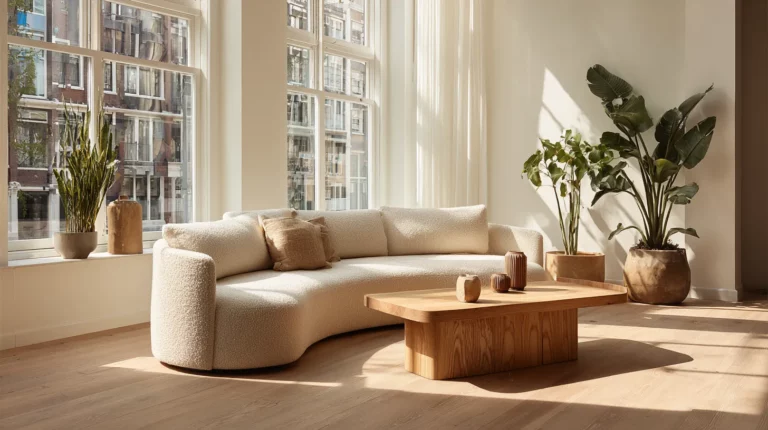
Bouclé and chenille have become the tactile darlings of upholstery, their looped, nubby surfaces inviting touch in a way smooth fabrics never could. Handwoven textiles — whether rugs, throws, or wall hangings — carry the rhythm of the loom, the evidence of human time and attention.
Why Handcrafted Matters Now
We’ve spent years scrolling through identical interiors. The handcrafted texture movement is a gentle rebellion against sameness.
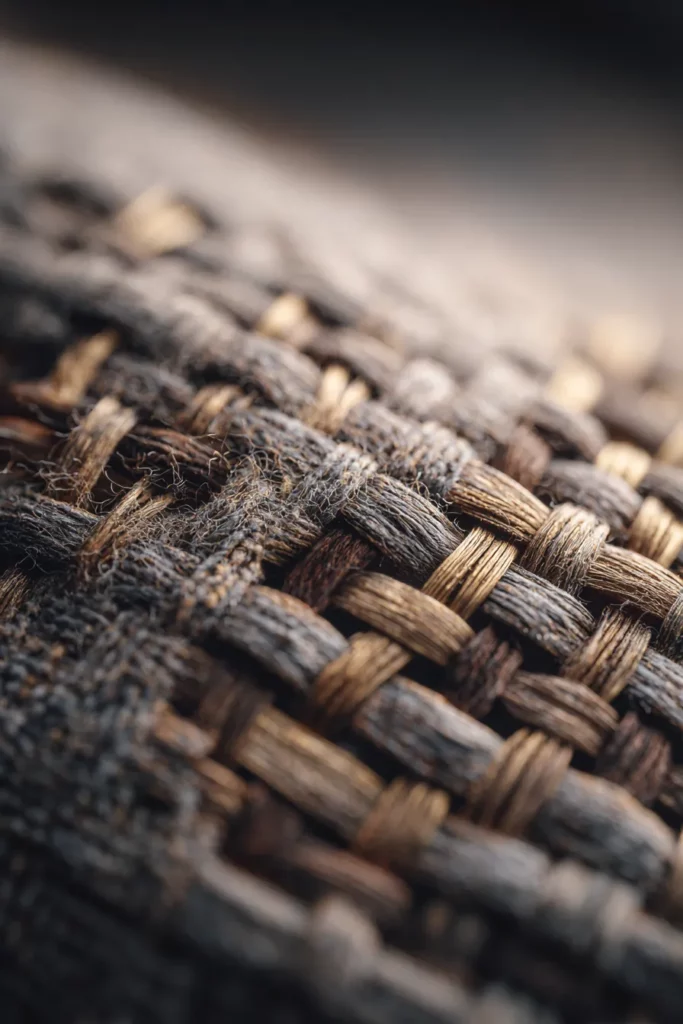
Each imperfection becomes a signature. A slightly irregular weave. The natural variation in hand-dyed linen. The thumbprint in a ceramic vase. These details anchor us, remind us that beauty doesn’t require uniformity.
When you bring handcrafted textures into your space, you’re not just decorating. You’re curating evidence of care, skill, and singular vision.
Sustainable Materials: The New Luxury
Luxury has found a new language, and it speaks in fibers you can trace back to their source.
Regenerative cotton grown in soil that’s healthier after harvest than before. Hemp that requires no pesticides and breathes like a whisper against skin. Recycled polyester blends that give discarded bottles a second life as sumptuous drapery. These aren’t compromises — they’re the materials defining elevated design in 2025.
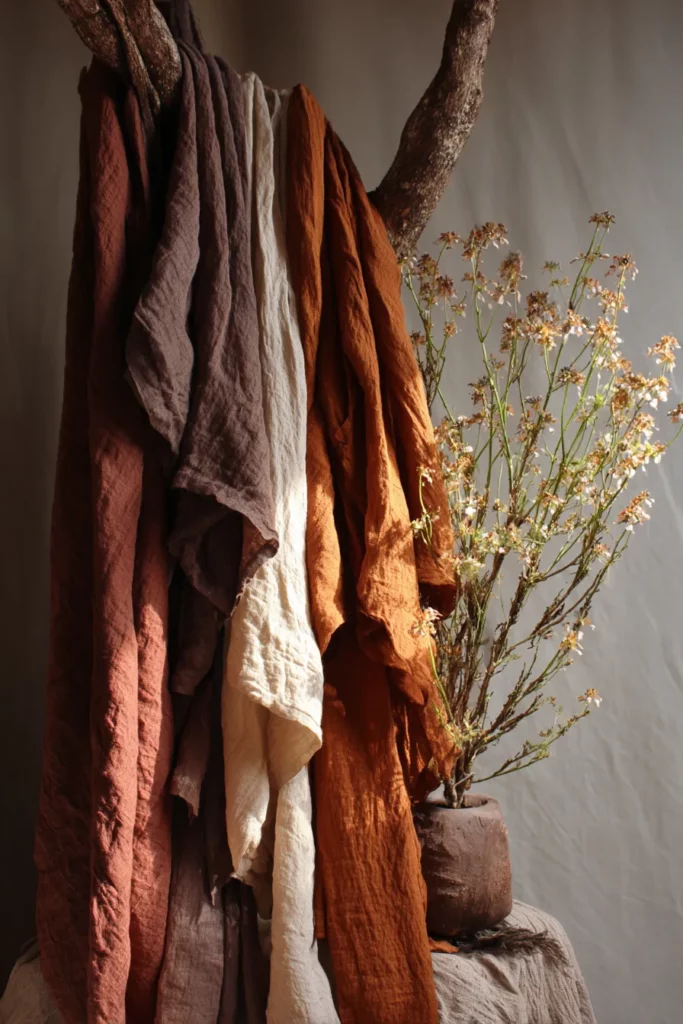
Natural dyes have emerged from craft circles into mainstream consciousness. Indigo from plants, rust from iron, warm ochres from earth. The colors are softer, more variable, more alive than anything a chemical vat produces.
Farm-to-Fabric Transparency
The story behind a textile now matters as much as its drape. Traceable fabrics with transparent supply chains let you know the farm where the cotton grew, the mill where it was spun, the artisans who wove it into being.
This isn’t marketing — it’s accountability. Brands embracing farm-to-fabric philosophies are building trust through radical honesty about their materials’ journeys.
Ethical sourcing has become a baseline expectation. We want to know our linen wasn’t grown with exploitation. That our wool came from sheep treated with dignity. That the hands that made our textiles were fairly paid.
Bold Patterns Meet Maximalist Joy
Minimalism had its moment. Now texture is claiming space with unapologetic confidence.
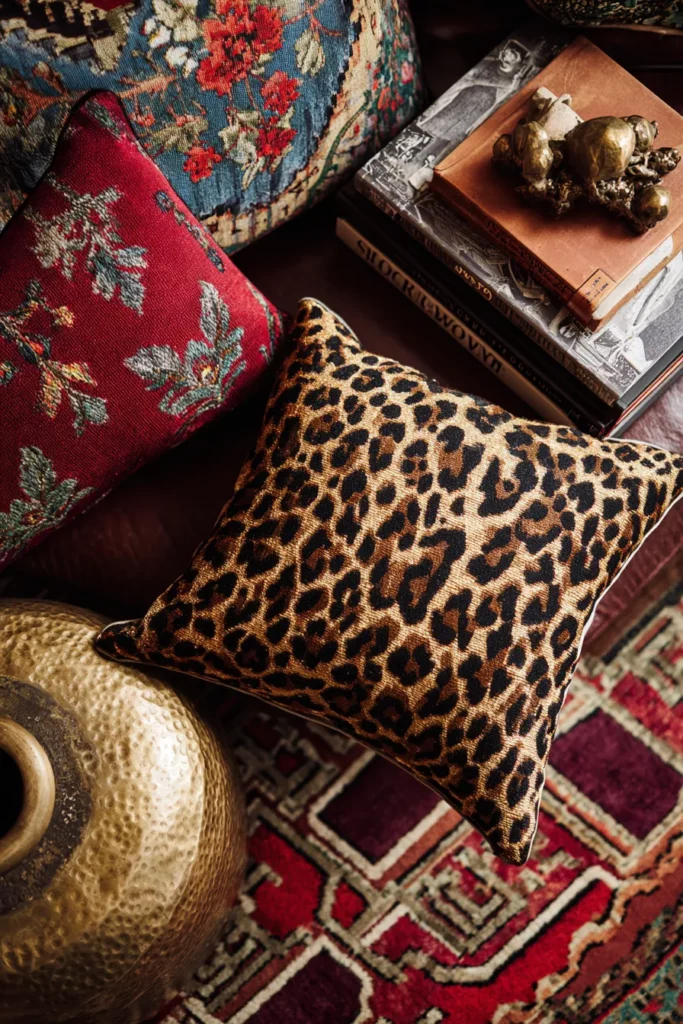
Bold patterns have stormed back — leopard prints prowling across velvet pillows, graphic geometries in handtufted rugs, layered textiles that refuse to whisper when they can sing. This is maximalist design that understands more isn’t chaos when it’s intentional.
The magic is in the mixing. Rough linen against smooth leather. Chunky knit throws over sleek surfaces. Matte finishes beside high shine. These juxtapositions create tactile depth that makes a room feel lived-in and luxurious at once.
Styling Maximalist Textures
Start with a neutral foundation — think natural wood, soft white walls, warm stone. Then layer fearlessly.
Combine three different textures in every vignette: perhaps woven rattan, glossy ceramic, and brushed brass. Vary the scale of your patterns — a large-scale print on curtains, medium geometrics on pillows, fine texture in a throw.
The key to maximalism that feels elevated rather than overwhelming? Maintain a cohesive color story even as you vary texture and pattern. Let warm earth tones or muted metallics be your through line.
Tech-Infused Textiles: Where Innovation Meets Touch
The frontier of texture isn’t just traditional craft. It’s where ancient techniques meet cutting-edge technology.
Smart fabric technology has evolved far beyond athletic wear into home textiles that respond, adapt, and surprise. Fabrics that change color with temperature. Finishes that release subtle scent when touched. Textiles embedded with LED threads that glow softly at night.
3D-printed textures are creating surfaces previously impossible to manufacture — geometric reliefs, organic patterns inspired by nature’s fractals, customizable tactile experiences. This is where algorithm meets artistry.

Sensory Fabrics and Emotional Design
The most intriguing innovation? Materials designed to affect how we feel.
Sensory fabrics with color-changing properties can shift from cool blues in daylight to warm ambers at evening, influencing our circadian rhythms and mood. Textiles treated with microencapsulated essential oils release calming lavender or energizing citrus when friction activates them.
High-tech artisanal techniques blend 3D-printed textures with traditional handweaving, creating hybrid materials that honor both innovation and heritage. Picture a handwoven base overlaid with precisely printed geometric relief — craft and code in conversation.
The AR and AI Texture Experience
Technology isn’t just changing materials — it’s transforming how we discover and choose them.
AR-enabled try-ons let you preview fabrics in your actual space through your phone, seeing how that bouclé catches your particular afternoon light. AI algorithms can now suggest texture pairings based on your existing décor, learning your preferences with each interaction.
This virtual tactility helps bridge the gap between online shopping and the sensory experience of touching materials in person. While nothing replaces running your hand across fabric, technology is making the discovery process more intuitive and personalized.
Color and Texture: The Perfect Partnership
Texture without color is sculpture. Color without texture is flat. Together, they create dimension that makes spaces breathe.
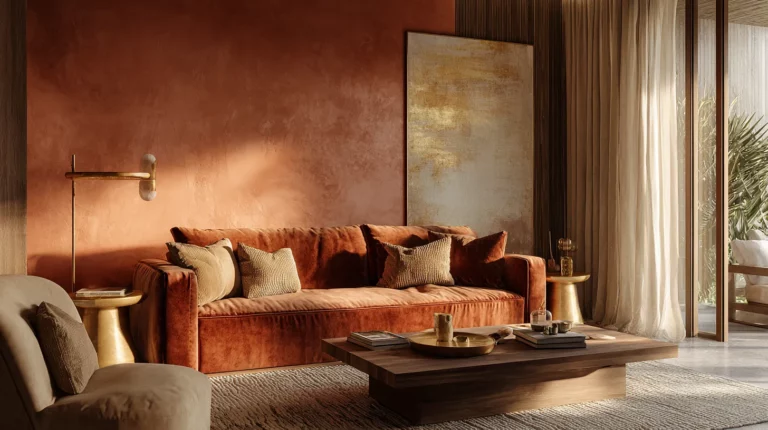
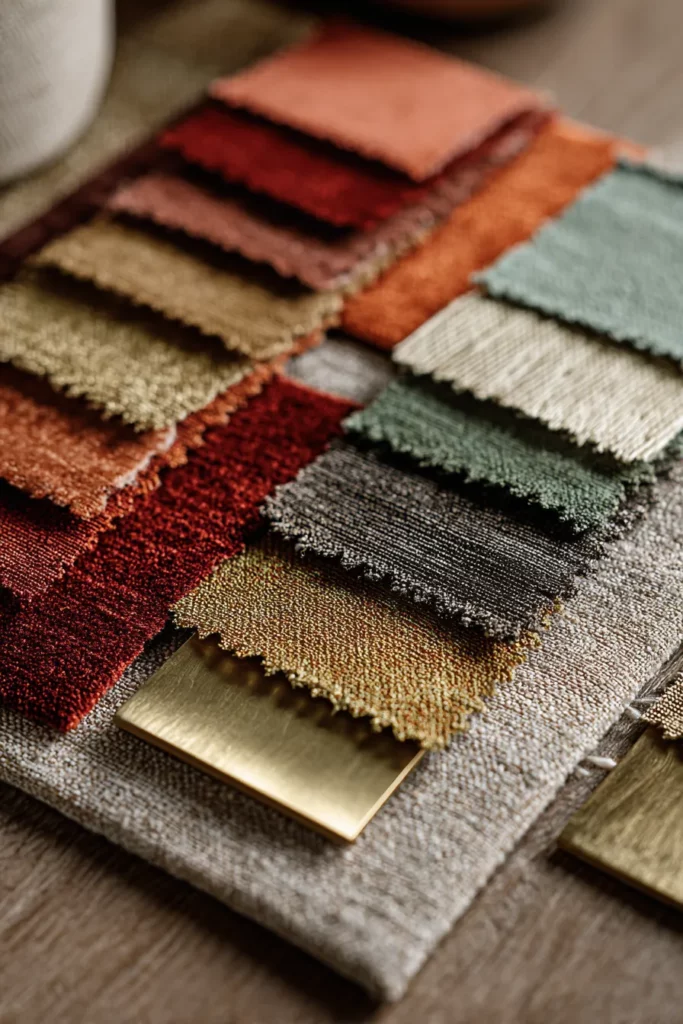
The trending palette for 2025 textures embraces warm earth tones — terracotta, sage, soft clay, weathered stone. These colors feel grounded and generous, especially when expressed through varied materials.
Muted metallics add just enough shimmer without screaming for attention. Brushed brass on linen. Copper threads through handwoven cotton. Antique silver accents against raw silk. This is what quiet luxury looks like when it’s textured.
Seasonal Texture Shifts
Spring calls for lighter, airier textures — gauzy linens, pale cottons, natural raffia. The materials themselves seem to breathe.
As we move into cooler months, textures gain weight and warmth. Chunky knits, deep pile velvets, wool bouclé, thick woven throws. The same color palette feels entirely different when the texture shifts.
| Season | Texture Focus | Material Examples | Mood |
|---|---|---|---|
| Spring/Summer | Light, Breezy, Natural | Linen, Cotton, Jute, Sisal | Open, Fresh, Airy |
| Fall/Winter | Rich, Layered, Warm | Velvet, Wool, Bouclé, Chenille | Cozy, Enveloping, Grounded |
Practical Ways to Layer Textures in Your Space
Understanding trends is one thing. Bringing them home is another.
Start small if you’re texture-shy. A single handwoven throw. One carved wood bowl. A bouclé accent chair. Let each piece reveal why texture matters before you add more.
Work in threes — the designer’s secret to visual interest without chaos. Three different textures in each room creates balance. Perhaps smooth leather seating, a nubby jute rug, and glossy ceramic lamps.
Room-by-Room Texture Strategies
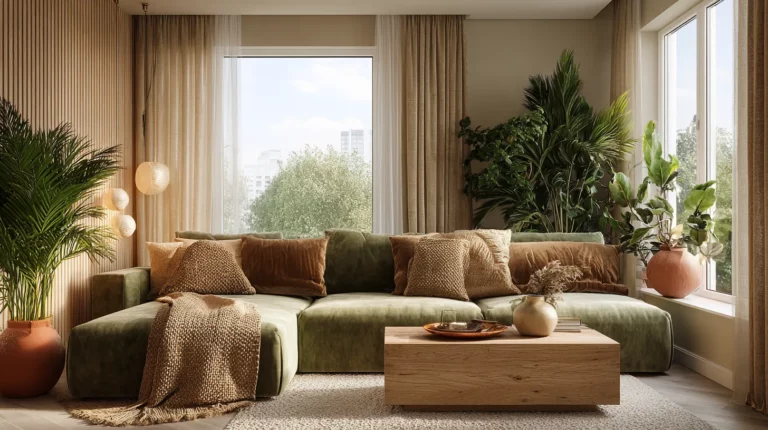
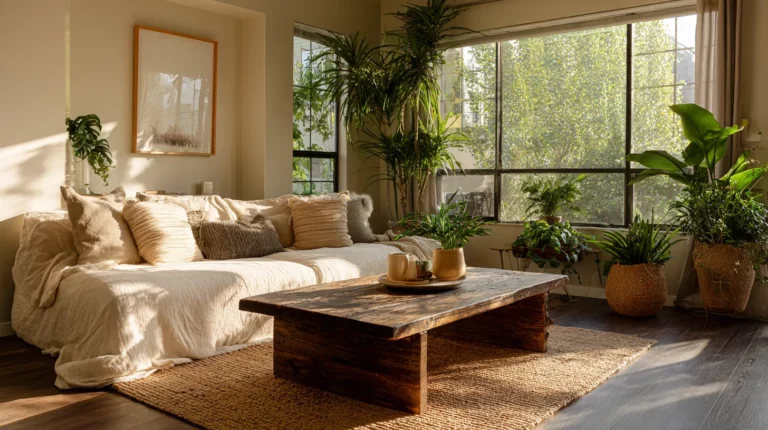
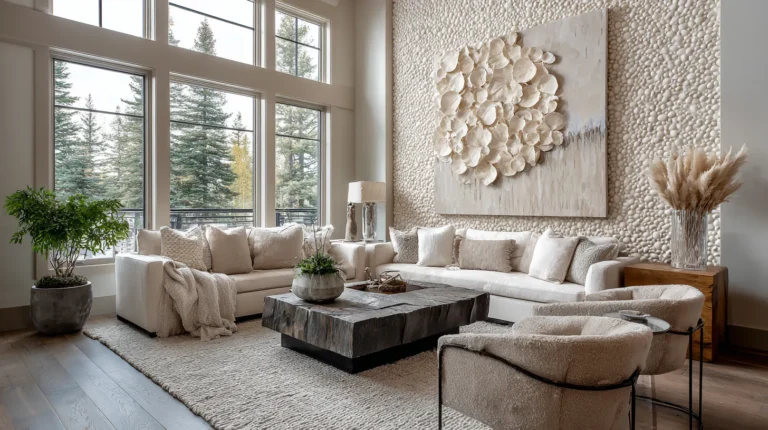
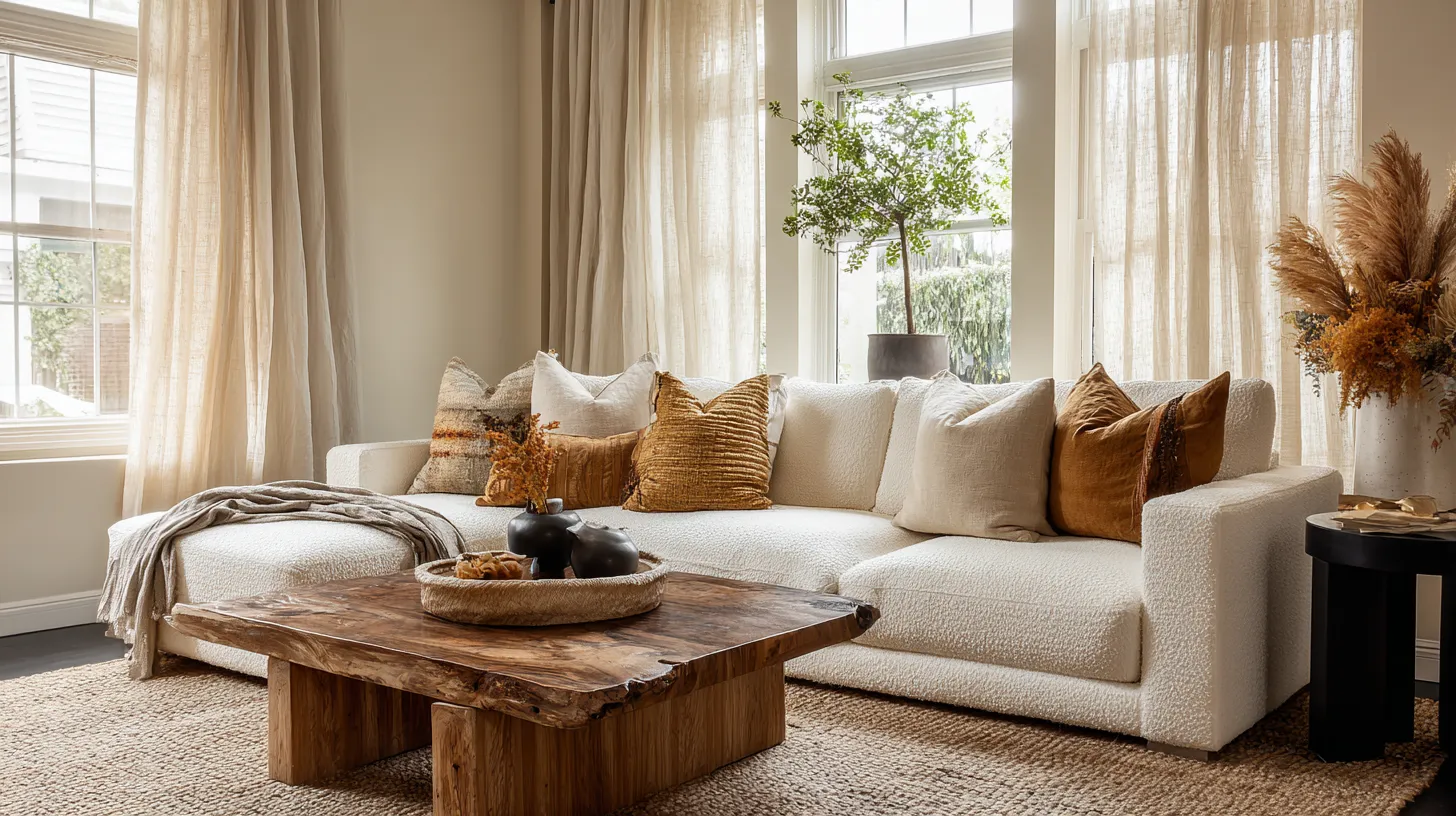
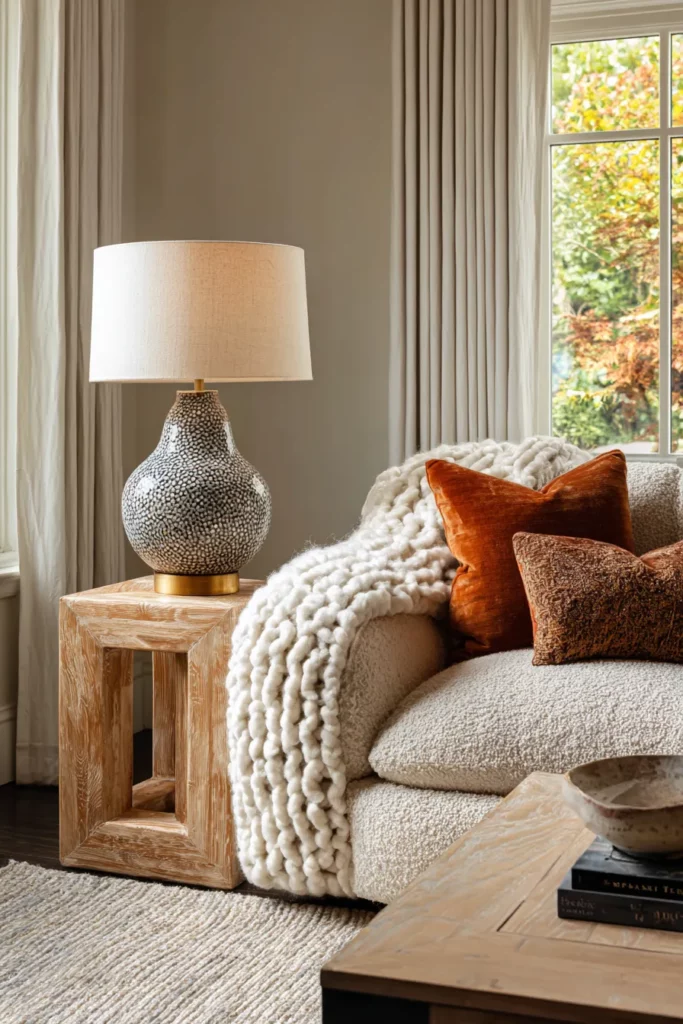
Living spaces thrive on conversational texture. Mix your cozy furniture with unexpected tactile moments — a rough-hewn coffee table, velvet pillows, a chunky knit throw.
Bedrooms demand softness but benefit from contrast. Layer your linens in varied weights. Add a handwoven wall hanging. Balance plush carpet or rugs with sleeker nightstands.
Kitchens and dining areas can play with harder textures — burnished copper cookware displayed openly, reclaimed wood shelving, handmade ceramic dishes that beg to be touched.
Don’t forget lighting. Different lighting ideas completely transform how textures read. Soft ambient light makes everything warmer. Directional lighting emphasizes texture’s depth and shadow.
The Checklist: Bringing Trending Textures Home
- Invest in one artisanal statement piece — handcrafted furniture or a bespoke textile that becomes a conversation starter
- Choose sustainable materials with traceable origins for textiles and larger purchases
- Layer at least three different textures in main living areas for depth and interest
- Mix rough and smooth — balance plush softness with natural raw materials
- Consider sensory elements — fabrics that feel special to touch, materials that catch light beautifully
- Use bold patterns selectively — one maximalist moment per room, grounded by neutral textures
- Explore tech-enhanced options for curtains, upholstery, or bedding if you want innovative function
- Shift textures seasonally — lighter materials for warm months, richer layers for cool
- Pay attention to color and texture together — earth tones gain dimension through varied materials
- Touch before you buy whenever possible — texture is inherently physical
When Texture Becomes Story
Here’s what the trends reveal: we’re craving authenticity in a digital age.
Every handwoven fiber, every naturally dyed thread, every artisan’s fingerprint in clay — these are antidotes to the screened, smoothed, filtered world we swim through daily. Texture is proof that something real exists, was made with care, and will age with grace.
The most beautiful spaces aren’t those that follow every trend. They’re the ones that feel like you — where each texture was chosen because it moved you, spoke to you, made you want to reach out and touch.
Let your home be a place where materials tell stories. Where sustainable choices reflect your values. Where artisanal crafts honor makers. Where innovation and tradition find common ground.
Because in the end, trend is just another word for collective longing. And right now, we’re all longing to feel something real beneath our hands.
Frequently Asked Questions
What are the key texture trends for 2025?
The dominant trends emphasize artisanal handcrafted materials like bouclé, velvet, and handwoven textiles, sustainable fibers including regenerative cotton and hemp, bold maximalist patterns, and tech-infused smart fabrics. Natural textures with visible craftsmanship are replacing uniform, mass-produced surfaces across both interior and fashion design.
How do sustainable materials impact current texture trends?
Sustainable materials have become luxury markers rather than compromises, with regenerative cotton, natural dyes, and traceable farm-to-fabric supply chains driving consumer choice. These materials often feature more interesting textures due to their natural processing — organic variations, softer handfeel, and richer color depth that synthetic alternatives can’t replicate.
What innovative technologies are shaping texture and material trends?
Emerging innovations include sensory fabrics that change color or release scent, 3D-printed textures creating previously impossible patterns, smart textiles with embedded technology, and AR applications that let consumers preview materials in their actual spaces. These technologies enhance rather than replace traditional craft, often combining with handwoven techniques for hybrid materials.
How can I successfully mix different textures in one space?
Start with the rule of three — combine three distinct textures per room for visual interest without chaos. Balance rough with smooth, matte with shine, heavy with light. Maintain a cohesive color palette across varied textures, and use neutral foundations to anchor bolder textural moments. Layer gradually, adding one texture at a time until the space feels complete.
What role do artisan and handcrafted materials play in texture trends?
Handcrafted materials have moved from niche to central, representing authenticity and uniqueness in design. Artisanal textures like carved wood, burnished metal, handblown glass, and handwoven textiles carry visible evidence of the maker’s hand — imperfections that become signatures. These materials satisfy growing consumer desire for story-driven, personalized choices over mass-produced uniformity.