
Table of Contents
There’s something deeply satisfying about a living room that breathes. Not just visually, but practically—where every cushion has a home, every book finds its shelf, and the air itself feels lighter because the space is clear. A modern living room isn’t just about aesthetics; it’s about creating room for life to unfold without the weight of clutter pressing in from every corner.
Storage shouldn’t announce itself. It should whisper, woven so seamlessly into your design that guests marvel at how spacious your home feels, never quite realizing that your secret is simply intelligent hiding places. The most beautiful rooms are those where function and form dance together, where a storage bench doubles as a statement piece, and where open shelving becomes a gallery for your life’s small treasures.
In this guide, we’ll explore storage solutions that honor both beauty and practicality—ideas that transform your living room into a sanctuary that works as hard as it looks good. From hidden compartments to vertical wonders, from eco-conscious choices to tech-integrated systems, these are the strategies that modern living rooms crave.
Let’s create space not just for your belongings, but for the life you want to live within these walls.
Understanding Your Living Room Storage Needs
Before a single shelf goes up or ottoman arrives, pause. Walk through your living room slowly, noticing what accumulates where—the remote controls that wander, the magazines that pile, the throws that drape over chair arms because they have nowhere else to go. Understanding your specific storage needs is the foundation of any successful organization system.
Consider how you actually use this space. Is it a media hub where gaming controllers and streaming devices need homes? A reading sanctuary requiring book storage? A family gathering spot where toys and pet accessories need discrete tucking away? Your storage solutions should mirror your lifestyle, not fight against it.
Make a list of everything currently visible that you’d prefer stored. Include the items you wish you had space for—the board games collecting dust in a closet elsewhere, the seasonal decor waiting in boxes. This honest inventory becomes your roadmap, ensuring every storage solution you choose serves a genuine purpose rather than just filling space.
Built-In Storage: Architecture as Organization
The Power of Floor-to-Ceiling Design
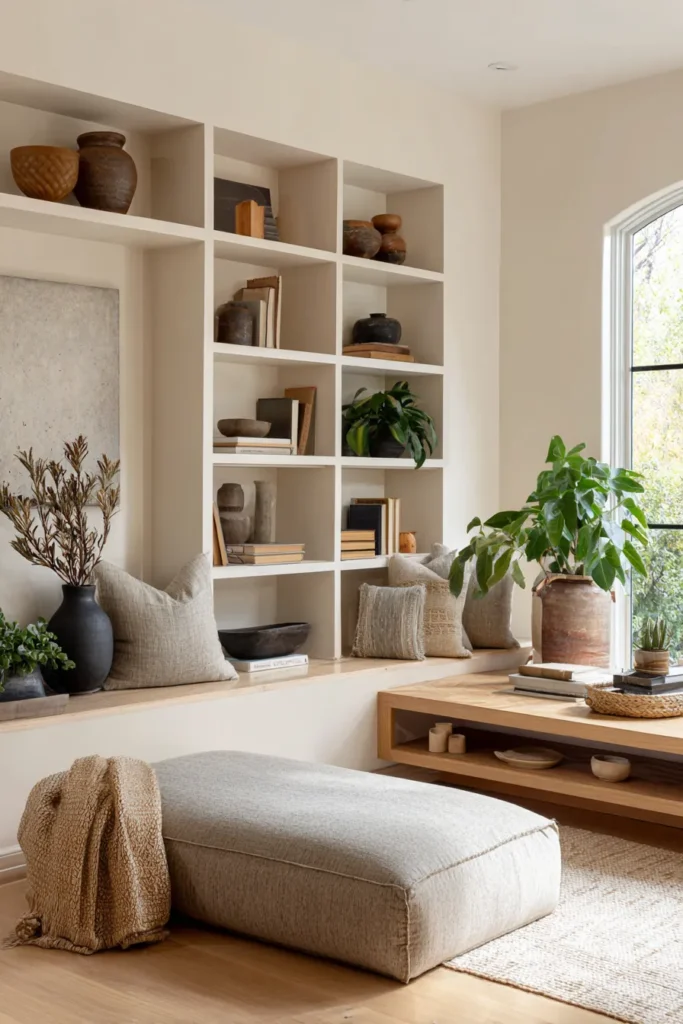
Built-in storage transforms walls from passive boundaries into active participants in your home’s organization. Floor-to-ceiling shelving creates dramatic vertical lines while maximizing every inch of available space, drawing the eye upward and making rooms feel taller, more expansive. These permanent fixtures bring a custom, architectural quality that freestanding furniture simply cannot match.
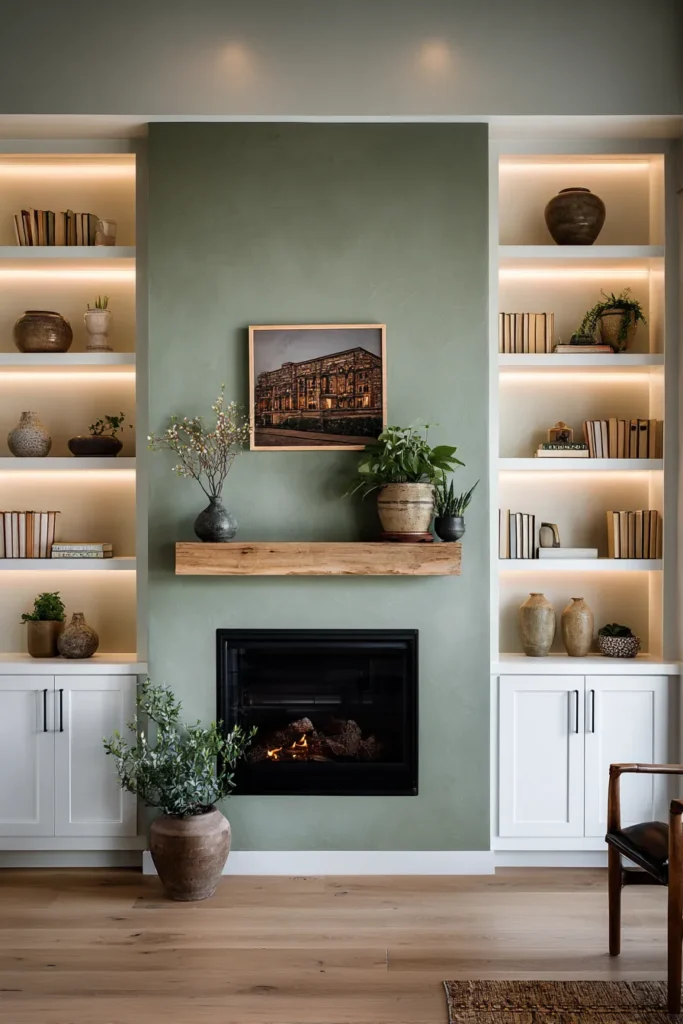
Alcoves are your hidden treasure. Those awkward recesses flanking fireplaces or filling corners can become stunning focal points with custom cabinetry or open shelving. Paint the back wall in a contrasting hue, add subtle LED strip lighting, and suddenly that forgotten space becomes a curated display area for books, ceramics, or your collection of vintage finds.
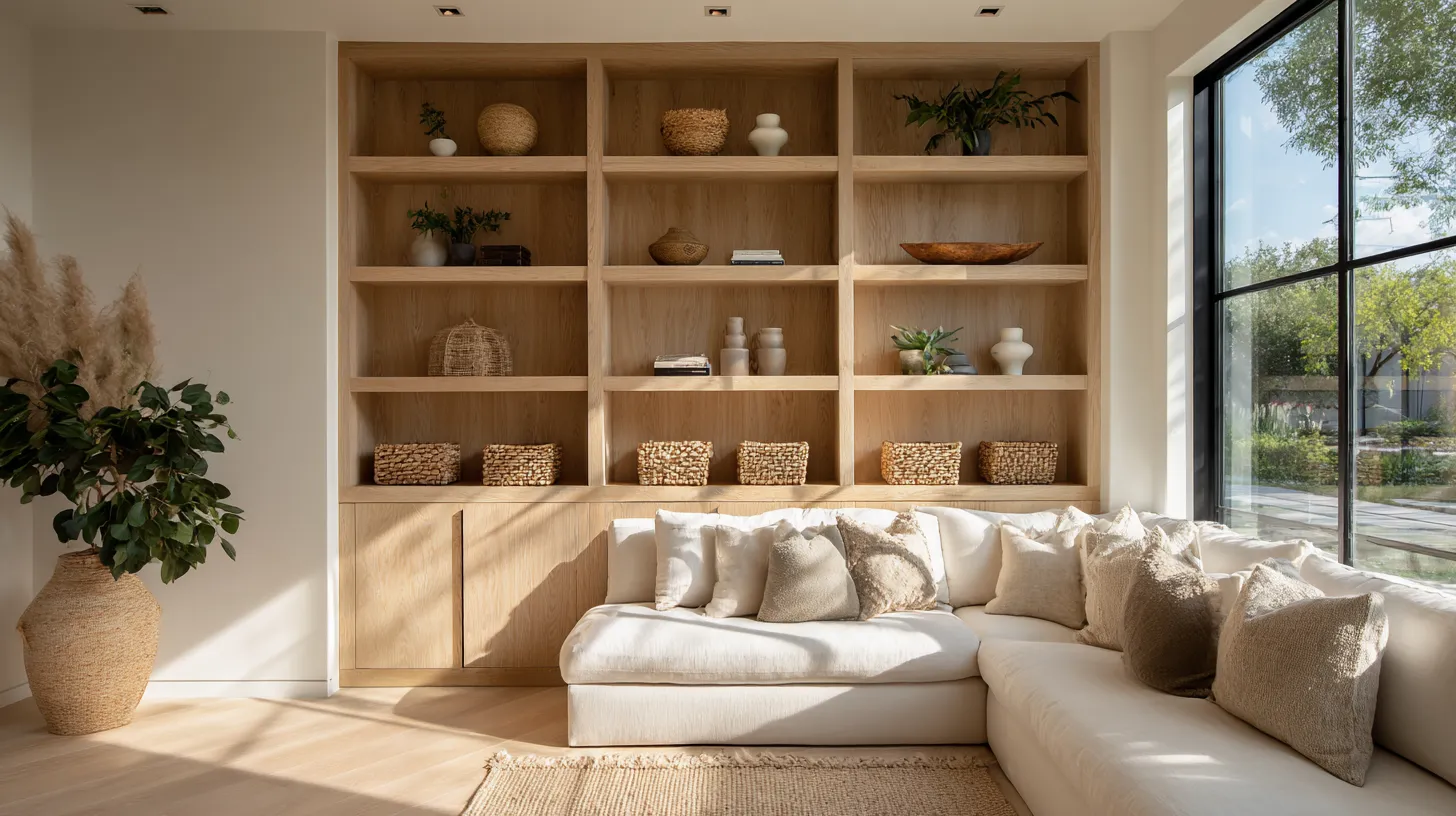
Consider integrating cabinets with doors on lower sections to hide less photogenic necessities—electronics, cables, games—while leaving upper shelves open for display. This balance between concealment and exhibition creates visual rhythm, giving your eyes places to rest and places to explore.
Modular Systems for Evolving Spaces
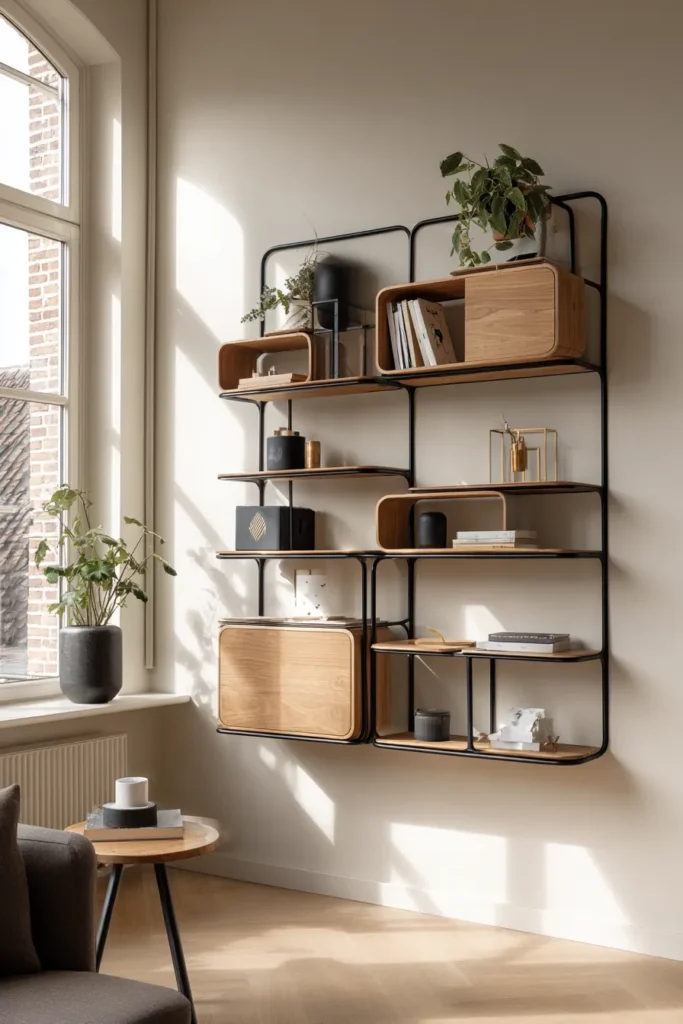
Life changes, and your storage should adapt with it. Modular shelving systems offer flexibility that custom built-ins cannot, allowing you to reconfigure, expand, or simplify as your needs shift. These systems work beautifully in modern living rooms, where clean lines and adjustable components create both order and breathing room.
Look for systems with varying depths—shallow shelves for photos and small objects, deeper sections for books and baskets. This dimensional variety adds visual interest while serving different functional needs. Metal frames with wood shelves bring industrial warmth, while all-wood systems in natural finishes lean into that modern rustic elegance we crave.
The beauty of modular design lies in its honesty. It doesn’t pretend to be something it’s not; instead, it celebrates functionality as its own form of beauty.
Multifunctional Furniture: Beauty with Purpose
Storage Ottomans and Benches
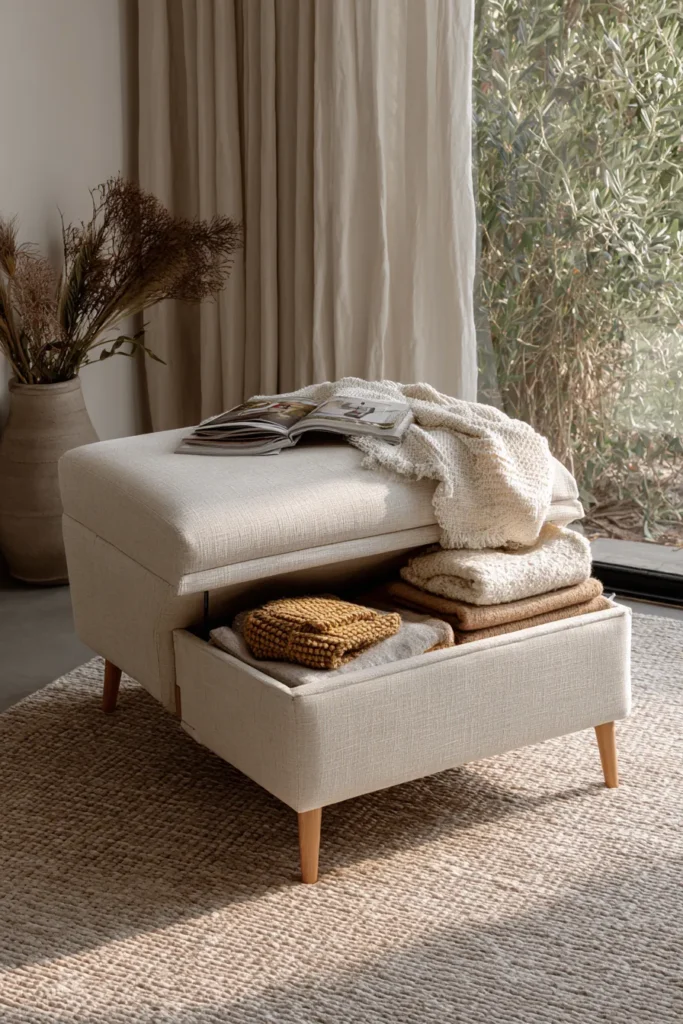
The humble ottoman has evolved into a storage powerhouse. Storage ottomans serve as extra seating, footrests, and coffee tables while concealing throws, magazines, children’s toys, or anything else disrupting your room’s zen. Choose ottomans in rich, tactile fabrics—linen for lightness, velvet for luxury, leather for longevity—that invite touch while standing up to daily use.
Storage benches along walls or under windows create landing zones that feel intentional. Place one in your entry-adjacent living room for shoes and bags, or position it beneath a window for extra seating during gatherings while storing seasonal textiles inside. The key is selecting pieces that speak your design language first, with storage as the beautiful bonus.
Layer the top of these pieces thoughtfully—a wooden tray holding candles and a small plant, a stack of coffee table books, or simply the soft drape of a textured throw. These styling touches ensure your storage furniture feels curated, not merely practical.
Coffee Tables and Console Tables with Hidden Compartments
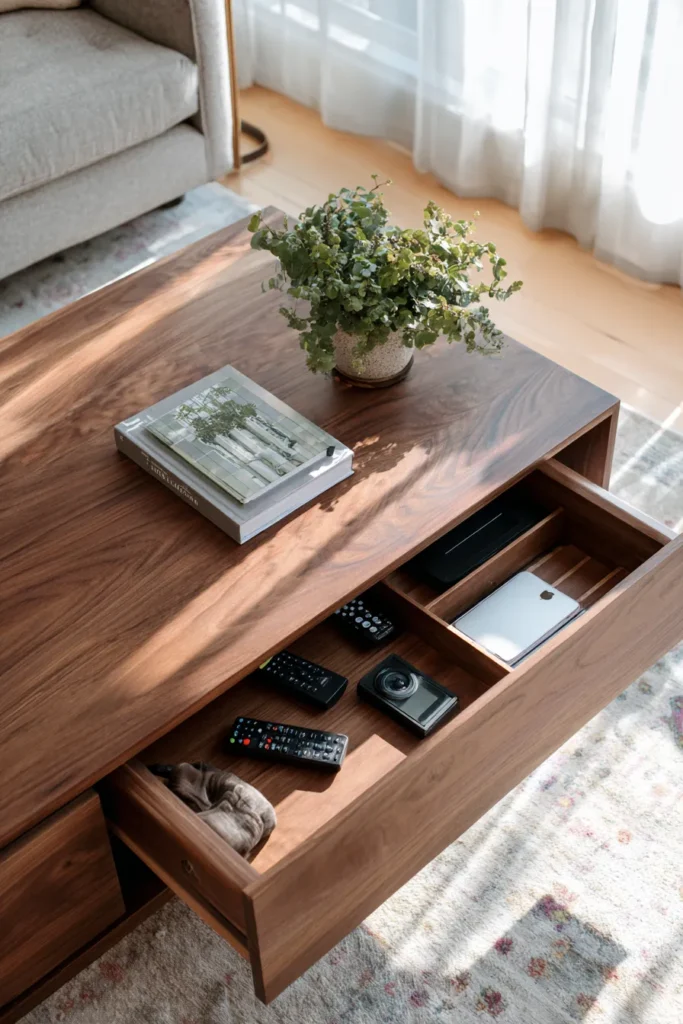
A coffee table with drawers or lift-top mechanisms transforms your living room’s centerpiece into a hardworking organizer. Coffee tables with built-in storage keep remotes, coasters, and reading materials within arm’s reach but out of sight, maintaining that clean, uncluttered surface we all photograph for inspiration.
Console tables behind sofas or along walls offer similar opportunities. Choose designs with drawers for small items, lower shelves for decorative baskets, or cabinets for more substantial concealment. A well-placed console can define zones in open-plan spaces while providing essential storage where you need it most.
Look for pieces in solid wood with visible grain—walnut for warmth, oak for its honest grain patterns, or lighter woods like ash that brighten spaces. The natural imperfections in wood tell stories, adding soul to functional pieces.
Storage Sectionals and Sofas
Modern storage sectionals hide entire worlds beneath their seats. Lift-up chaise lounges reveal cavernous compartments perfect for extra pillows, out-of-season throws, or rarely used items you need but don’t need to see. These are particularly valuable in smaller living rooms where every square foot counts double.
When selecting a storage sofa, sit in it first. The best furniture serves you physically before it serves you organizationally. Ensure the storage mechanism operates smoothly—you’ll use it more if it’s effortless—and that the compartments are deep enough for your actual belongings, not theoretical ones.
Pair these workhorses with lighter, more delicate accent pieces to prevent your room from feeling heavy. Balance is everything.
Vertical Storage Solutions: Reaching New Heights
Small living rooms need to think upward. Vertical storage capitalizes on often-wasted wall space, creating homes for belongings without sacrificing precious floor area. This approach not only increases storage capacity but also draws the eye upward, creating an illusion of greater space and height.
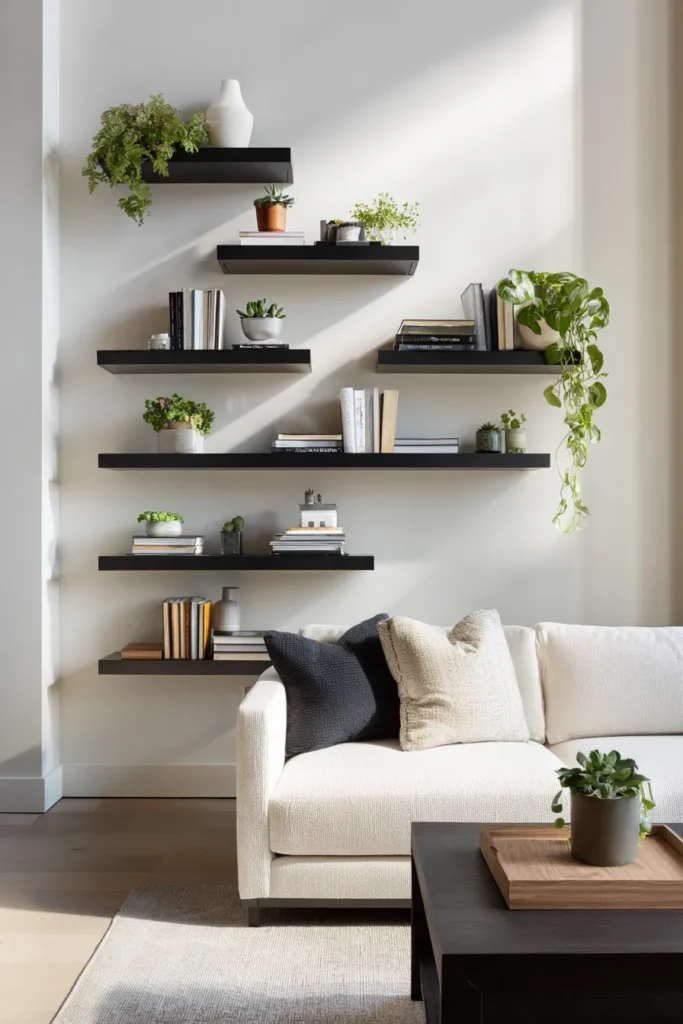
Wall-mounted shelves in staggered arrangements add visual interest while displaying books, plants, and personal treasures. Vary the shelf lengths to create rhythm—short, long, medium, long—and maintain consistent spacing between them for a cohesive, intentional look. Floating shelves in natural wood or matte black metal suit modern living rooms beautifully.
Vertical storage racks or ladder-style shelving lean casually against walls, offering storage without the commitment of drilling. These pieces work wonderfully in rental spaces or for those who appreciate design flexibility. Drape a lightweight throw over one rung, stack books on another, place a small plant or candle on the lower shelves.
Tall, narrow cabinets in corners make use of spaces that typically go empty. These vertical towers can hold everything from board games to barware to extra linens, all while occupying minimal floor space. Choose pieces that reach toward the ceiling to maximize both storage and the room’s perceived height.
Hidden Storage: The Art of Concealment
The most elegant storage is often the least obvious. Hidden storage solutions allow you to maintain a minimalist aesthetic while actually owning and storing more than meets the eye. This approach celebrates the clean, uncluttered surfaces that make modern living rooms feel so serene.
Hollow decor pieces—side tables with secret compartments, decorative trunks that actually store, sculptural boxes that open—add personality while serving double duty. These conversation pieces intrigue guests while quietly organizing your life. Look for pieces with interesting textures or unexpected materials that align with your overall design story.
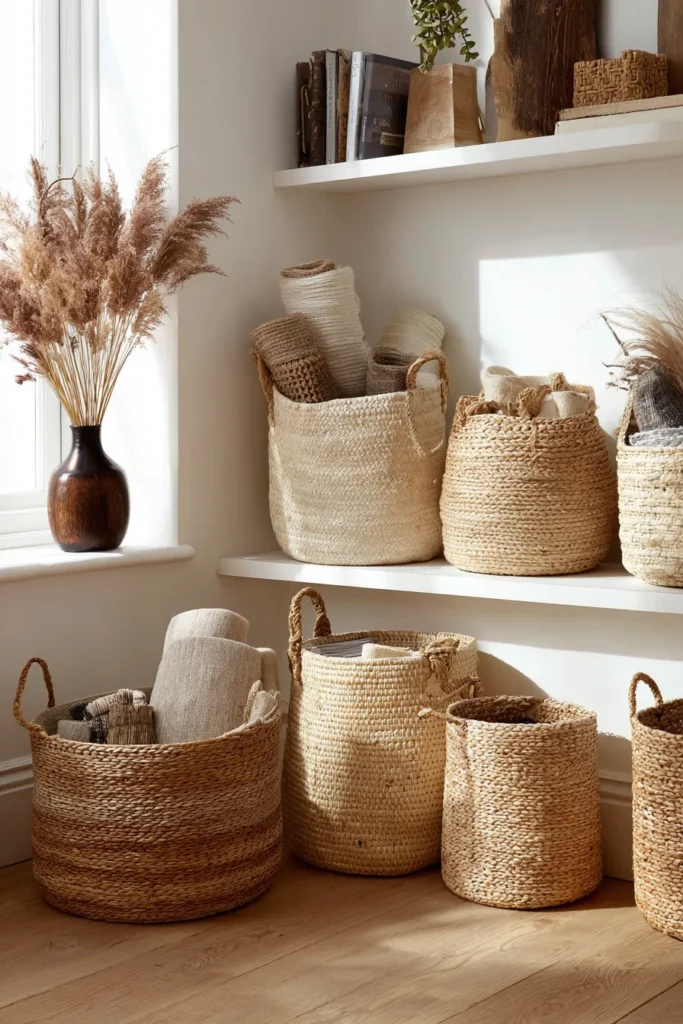
Decorative baskets in natural materials like seagrass, jute, or woven bamboo sit beautifully on shelves or under console tables, corralling smaller items into cohesive groups. They soften the harder edges of modern furniture while adding that essential organic texture. Choose varying sizes and arrange them with intention—a large basket on the floor beside the sofa, medium ones on lower shelves, small ones on higher surfaces.
Built-in window seats with lift-up cushions provide hidden storage while creating cozy reading nooks. If you’re renovating or building, consider these architectural moments that blend seamlessly into your space while offering substantial storage capacity.
Creating Zones for Purpose and Flow
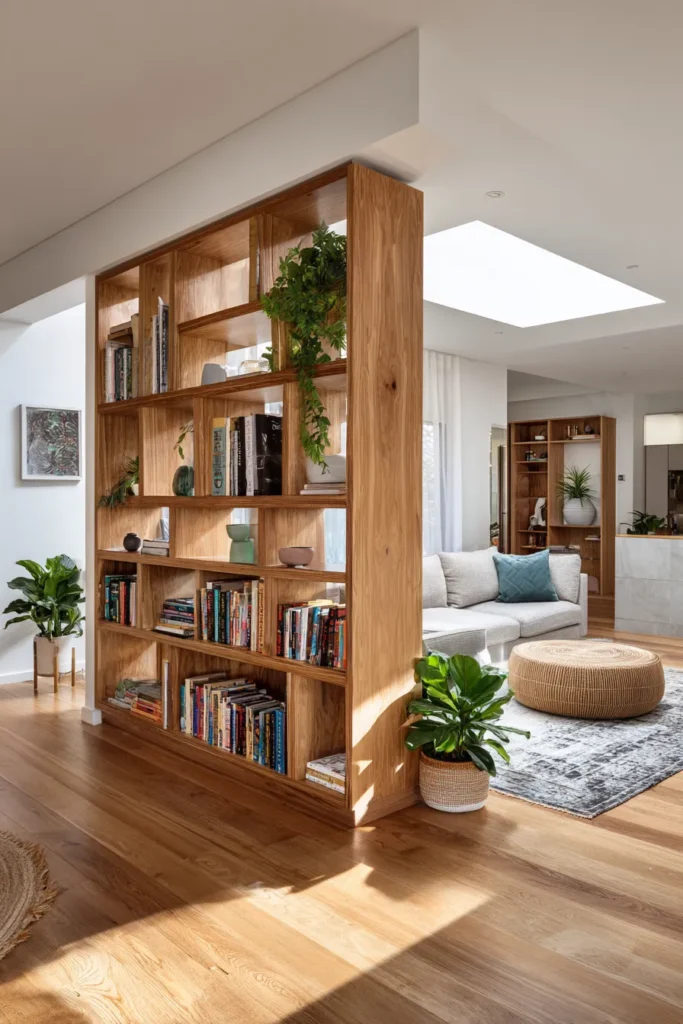
Large living rooms benefit from partitions and zones that create distinct areas for different activities without building walls. A tall bookshelf positioned perpendicular to a wall can separate a reading corner from a TV viewing area while providing storage on both sides. These room dividers maintain openness while adding definition and purpose.
Think about activity zones: media, reading, conversation, play (if children share this space). Each zone needs its own storage solutions tailored to its function. Media zones require closed cabinets for equipment and movies, reading nooks need accessible bookshelves, and play areas benefit from low bins that children can access independently.
Open shelving as a room divider works particularly well in modern spaces, maintaining sight lines while creating functional separation. Style both sides thoughtfully—the side facing your sofa might display books and art, while the back could hold more utilitarian items in matching containers.
This zoning approach prevents the dreaded “everything everywhere” feeling that makes spaces feel chaotic even when they’re relatively tidy. Each zone becomes its own small universe with clear purpose and appropriate storage.
Sustainable and Eco-Friendly Storage Options
Modern living rooms increasingly reflect our values, and eco-friendly storage furniture speaks to both environmental consciousness and design sophistication. Choosing sustainable pieces means investing in quality that lasts decades rather than seasons, reducing waste while creating homes filled with meaningful objects.
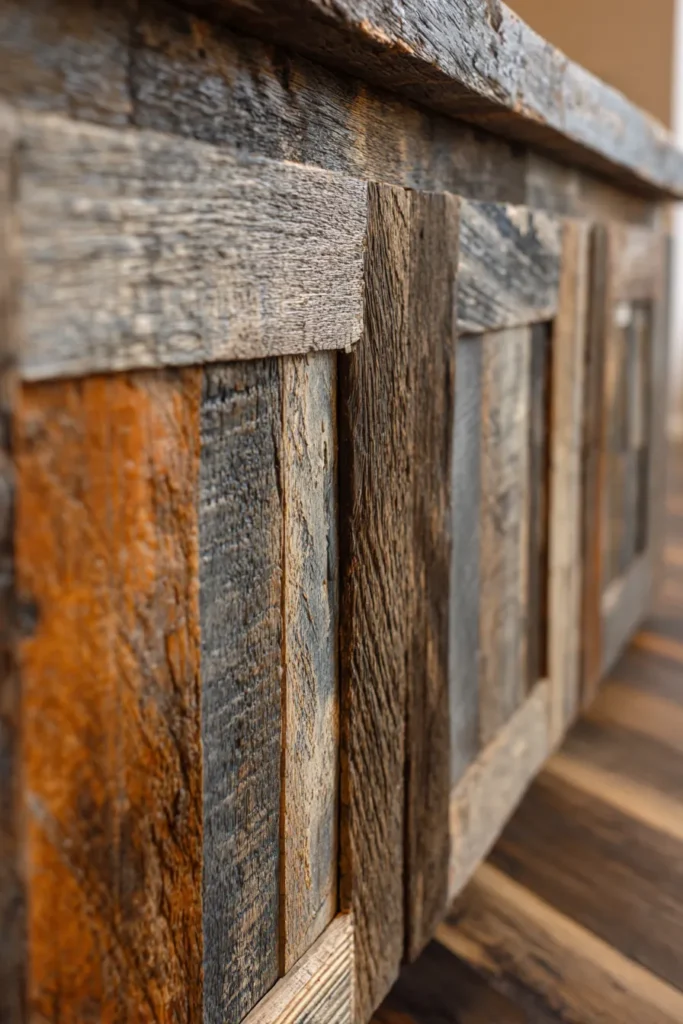
Look for furniture made from reclaimed wood—each piece tells a story through its weathered grain and authentic patina. Reclaimed barn wood, salvaged scaffolding planks, or recycled teak carry history while reducing demand for newly harvested timber. These materials bring unparalleled character, ensuring no two pieces look exactly alike.
Bamboo storage solutions offer rapid renewability without sacrificing strength or beauty. This fast-growing grass creates stunning furniture with a distinctive grain pattern, working beautifully in modern living rooms that lean toward natural materials. Bamboo shelving, cabinets, and organizational boxes provide countless options at various price points.
Consider furniture from manufacturers committed to sustainable practices—those using non-toxic finishes, responsibly sourced wood certified by organizations like FSC, and local production that reduces transportation emissions. These choices align your home with your values, creating spaces that feel good on every level.
Vintage and secondhand storage pieces offer the ultimate sustainability—giving existing furniture new life rather than creating demand for new production. A mid-century credenza, refinished with care, becomes both storage solution and artistic statement.
Tech-Integrated Smart Storage Solutions
Welcome to storage’s future, where technology-integrated compartments blend seamlessly with modern design. These innovations address our increasingly connected lives, creating homes for the devices, cables, and accessories that modern living requires while maintaining clean aesthetics.
Furniture with built-in charging stations eliminates the tangle of cords that plague living rooms. Coffee tables, end tables, and console tables now feature integrated USB ports and wireless charging pads, keeping devices powered without visual chaos. Look for pieces where these features integrate subtly—recessed into surfaces or hidden in drawers—rather than announcing themselves.
LED lighting inside cabinets and shelving transforms storage from merely functional to beautifully theatrical. Soft, warm LED strips along the back of shelves highlight displayed objects while making stored items easier to locate. Many systems now offer app control, allowing you to adjust brightness and color temperature to suit different moods and times of day.
Consider storage cabinets with app-controlled locks for securing valuables or keeping certain items away from young children. These smart solutions eliminate key management while adding an extra layer of security. Some systems even send notifications when compartments are opened, providing peace of mind when you’re away.
Voice-activated systems can now control motorized cabinet doors or drawer mechanisms, though these work best in specific applications—media cabinets that close when not in use, for example—rather than as universal solutions. The goal is always technology that serves life seamlessly, never technology for its own sake.

Niche Storage: Pet Accessories and Seasonal Decor
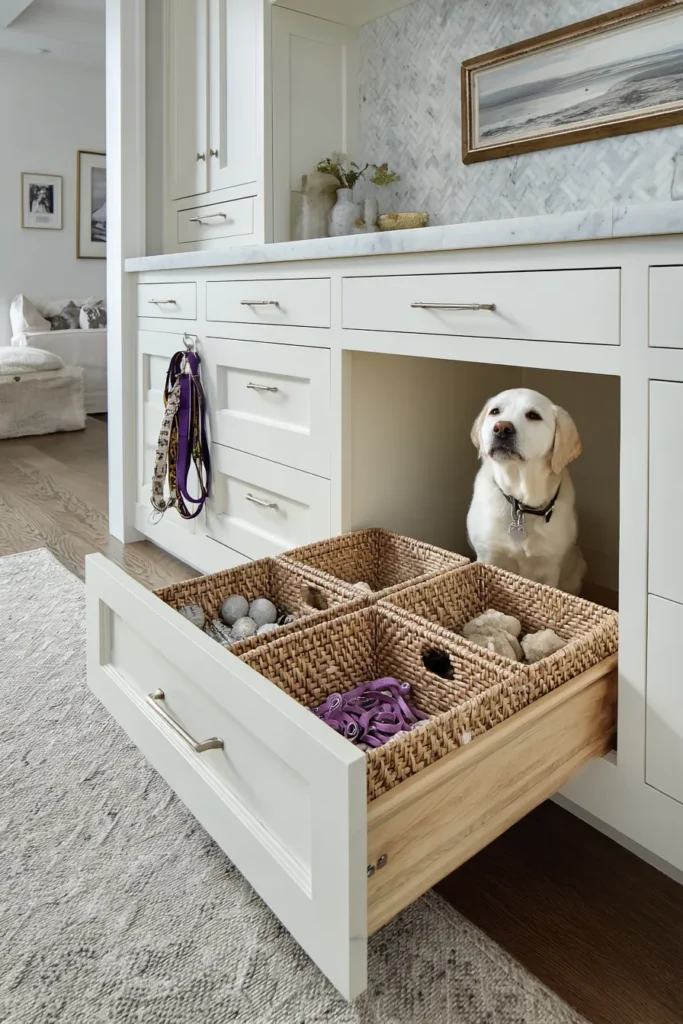
Our homes house more than human belongings. Pet accessory storage addresses a real need often ignored in design publications. Create a designated zone for leashes, toys, grooming supplies, and treats—a drawer in your console table, a basket tucked under the coffee table, or a lower cabinet shelf dedicated to your four-legged family members.
Custom built-ins can include pullout bins at floor level specifically for pet toys, keeping them accessible to your pets while containing the chaos. If feeding happens in or near your living room, consider a cabinet with removable bowls and storage for food bags, creating a feeding station that closes up when not in use.
Seasonal decor rotation becomes manageable with dedicated storage that makes swapping easy rather than dreaded. Use clear, labeled containers for holiday decorations, stored in less accessible spots until needed. When one season ends, the entire container swaps out for the next, streamlining transitions and keeping your living room feeling current year-round.
Create a rotation system where spring/summer items occupy one easily accessible cabinet section, while fall/winter items take another. When seasons shift, you swap locations rather than digging through deep storage. This simple system dramatically reduces the friction of seasonal decorating, making it more likely you’ll actually do it.
Document what’s stored where—a simple photo on your phone or a list in your notes app saves endless searching later. Your future self will thank you profusely.
Maintaining and Cleaning Your Storage Furniture
Beautiful storage requires maintenance and cleaning to remain both functional and lovely. Different materials demand different care, and understanding these needs extends your furniture’s life dramatically while preserving its appearance.
Wood furniture thrives with regular dusting using a slightly damp microfiber cloth, followed immediately by a dry one. Avoid excess water, which can damage finishes and cause warping. Every few months, apply furniture oil or wax appropriate to your piece’s finish—oils for raw wood, specialized products for lacquered or painted surfaces. This feeding keeps wood from drying out and cracking.
Fabric storage pieces—ottomans, storage benches—need regular vacuuming with an upholstery attachment to prevent dust and pet hair buildup. Address spills immediately by blotting (never rubbing) with a clean cloth. Many modern fabrics come with stain-resistant treatments, but these wear over time; reapplication products can restore protection.
Metal shelving and frames clean easily with mild soap and water, dried thoroughly to prevent water spots. Powder-coated finishes resist scratching but appreciate gentle treatment. For raw metal accents developing patina, decide if you love the aged look or prefer to maintain the original finish—both are valid choices with different maintenance needs.
Check hardware regularly—tightening loose screws, ensuring drawer slides operate smoothly, and addressing any sticking or resistance before it becomes a larger problem. A few minutes of preventive care quarterly saves major repairs later.
Empty and clean inside cabinets and drawers annually. This deep clean also provides the perfect opportunity to reassess what’s stored where, purging items no longer needed and reorganizing for better function.
Decluttering Strategies: Before You Organize
Here’s an uncomfortable truth: you cannot organize your way out of owning too much. Before investing in storage solutions, commit to decluttering honestly. The items you don’t love, don’t use, and don’t need shouldn’t occupy valuable real estate in your living room or mental space.
Start with categories rather than locations. Gather all books from throughout your home, then decide which truly deserve spots on your living room shelves. Repeat with decorative objects, throws, media items, and anything else currently stored (or unstored) in this space. This category approach helps you see the full scope of what you own.
Use the “one in, one out” rule moving forward. When something new enters your living room, something old must leave. This simple practice prevents the gradual accumulation that leads to cluttered spaces despite your best organizational efforts.
Create a donation station—a designated basket or box where items to donate collect until full, then leave your home promptly. The easier you make letting go, the more likely you’ll do it regularly. Some people find it helpful to photograph sentimental items they’re releasing, keeping the memory without the physical object.
Be ruthless with duplicates. You don’t need three decorative throw blankets when one beautiful one serves better. Quality over quantity creates living rooms that breathe, where each item matters because it’s not competing with dozens of others for attention.
Quick Reference: Your Living Room Storage Checklist
- Assess your space honestly—what actually needs storing versus what needs leaving
- Choose built-ins for architectural impact and maximum space utilization
- Invest in multifunctional furniture—every piece should serve at least two purposes
- Think vertical—walls offer untapped storage potential in most living rooms
- Hide strategically using decorative baskets, hollow furniture, and closed cabinets
- Create zones for different activities, each with appropriate storage
- Consider sustainability—eco-friendly choices benefit both planet and aesthetics
- Integrate technology where it genuinely serves function, not for novelty
- Store pet items and seasonal decor intentionally rather than haphazardly
- Maintain regularly—cleaning and upkeep preserve your investment
- Declutter first—you can’t organize what you shouldn’t own
- Label containers clearly so everyone in your household can maintain order
- Use consistent aesthetics in storage containers for visual cohesion
- Leave breathing room—storage should reach 80% capacity maximum
- Audit seasonally—regular reassessment keeps systems functioning optimally
Bringing It All Together
A well-stored living room doesn’t feel sterile or sparse. It feels spacious, intentional, and deeply personal—a space where everything visible delights you because the necessary-but-mundane hides gracefully away. The goal is never perfection but rather ease—the ease of finding what you need, the ease of putting things away, the ease of inviting friends over without frantic tidying first.
Your storage solutions should reflect who you actually are, not who aspirational design magazines suggest you should be. If you’re naturally tidy, open shelving displays your collections beautifully. If clutter accumulates quickly, closed cabinets offer forgiveness and peace. There’s no shame in choosing solutions that work with your nature rather than against it.
Remember that living rooms evolve. Children grow and their storage needs shift. Hobbies change and require different accommodations. Careers evolve and bring new requirements. The best storage systems are those flexible enough to adapt, humble enough to change, strong enough to last through life’s many seasons.
Start small if the whole project feels overwhelming. Address one problem area—that corner where things pile, that shelf that never looks right—and build from there. Small wins create momentum, and momentum creates transformed spaces.
Your living room is waiting to breathe. Give it room.
Frequently Asked Questions
What are the best storage solutions for small living rooms?
Vertical storage and multifunctional furniture work wonders in compact spaces. Wall-mounted shelves, floor-to-ceiling built-ins, and furniture with hidden compartments—storage ottomans, lift-top coffee tables, sofas with under-seat storage—maximize capacity without claiming precious floor space. Focus upward rather than outward.
How can I hide clutter while maintaining a modern aesthetic?
Embrace closed cabinets for less photogenic necessities, use decorative baskets in natural materials to corral smaller items, and choose furniture with secret compartments. The key is balancing open display areas for beautiful objects with concealed storage for everyday items, creating visual rhythm that feels intentional rather than cluttered.
What sustainable materials work best for living room storage furniture?
Reclaimed wood, bamboo, and responsibly sourced solid wood from FSC-certified forests offer both environmental benefits and stunning aesthetics. Vintage and secondhand furniture provides ultimate sustainability while adding character. Look for pieces finished with non-toxic, water-based products that are safe for both your family and the planet.
How do I maintain wood storage furniture properly?
Dust regularly with a slightly damp microfiber cloth followed by a dry one, avoiding excess moisture. Apply appropriate furniture oil or wax every few months to prevent drying and cracking. Address spills immediately, and check hardware quarterly to ensure everything operates smoothly. This simple routine extends furniture life dramatically.
What tech features should I look for in modern storage furniture?
Built-in USB ports and wireless charging pads eliminate cord clutter while keeping devices powered. LED lighting inside cabinets and shelves adds both ambiance and functionality. Look for features that integrate subtly rather than dominating the design—technology should serve your life seamlessly, never announce itself loudly.