
Table of Contents
There’s something quietly powerful about a single chair. Not the sofa where everyone gathers, not the dining set where meals unfold—but that one thoughtfully chosen accent chair that changes the entire feeling of a room. It anchors a corner with purpose. It invites you to sit with your morning coffee, to read in the late afternoon light, to simply pause.
An accent chair is more than furniture. It’s a declaration of style, a gesture of comfort, and often the piece that ties everything together. Whether your living room leans modern minimalist or layered with rustic warmth, the right chair can elevate your space from simply functional to deeply personal.
In this guide, we’ll explore how to choose, style, and care for accent chairs that don’t just fill space—they transform it. From luxurious materials like velvet and bouclé to sculptural shapes that double as art, let’s discover how one beautiful chair can make all the difference.
Why Accent Chairs Matter in Living Room Design
An accent chair serves as both punctuation and poetry in your living room. While your sofa provides seating, your accent chair provides personality. It’s where texture meets form, where color becomes conversation, where practicality embraces beauty.
These chairs create natural gathering points beyond the couch. They define reading nooks, frame fireplaces, balance asymmetrical layouts, and offer flexible seating when guests arrive. Unlike larger furniture pieces, accent chairs give you permission to take risks—to introduce that jewel-toned velvet, that sculptural silhouette, that unexpected pattern you’ve been dreaming about.
The best accent chairs work on multiple levels. They’re comfortable enough for long conversations, beautiful enough to stand alone as statement pieces, and versatile enough to move when your space evolves.
Understanding Accent Chair Styles
Mid-Century Modern Accent Chairs
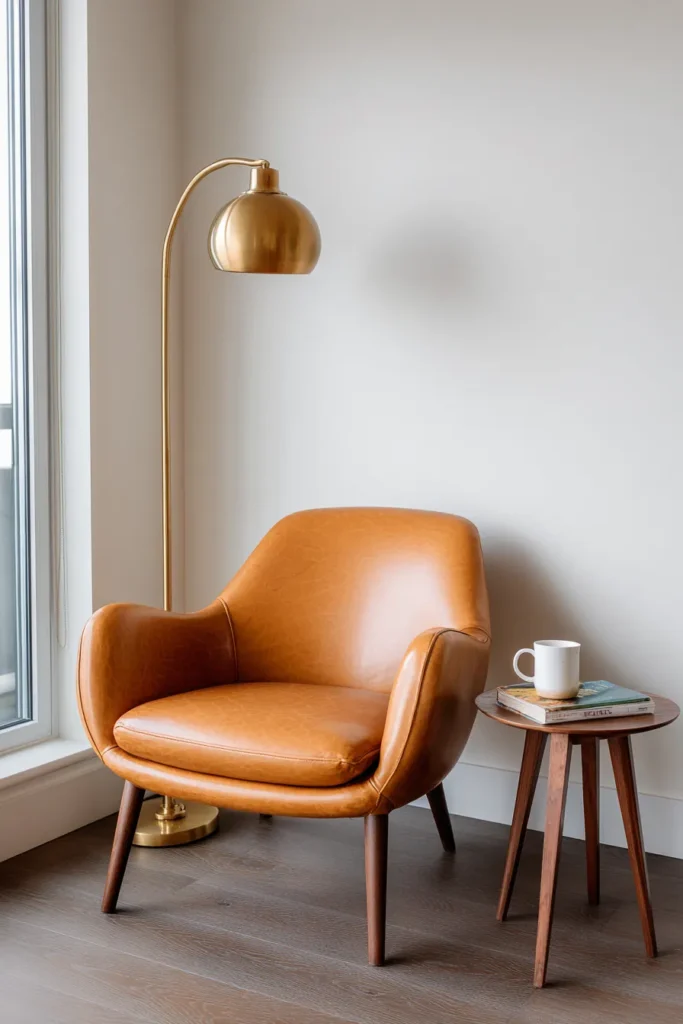
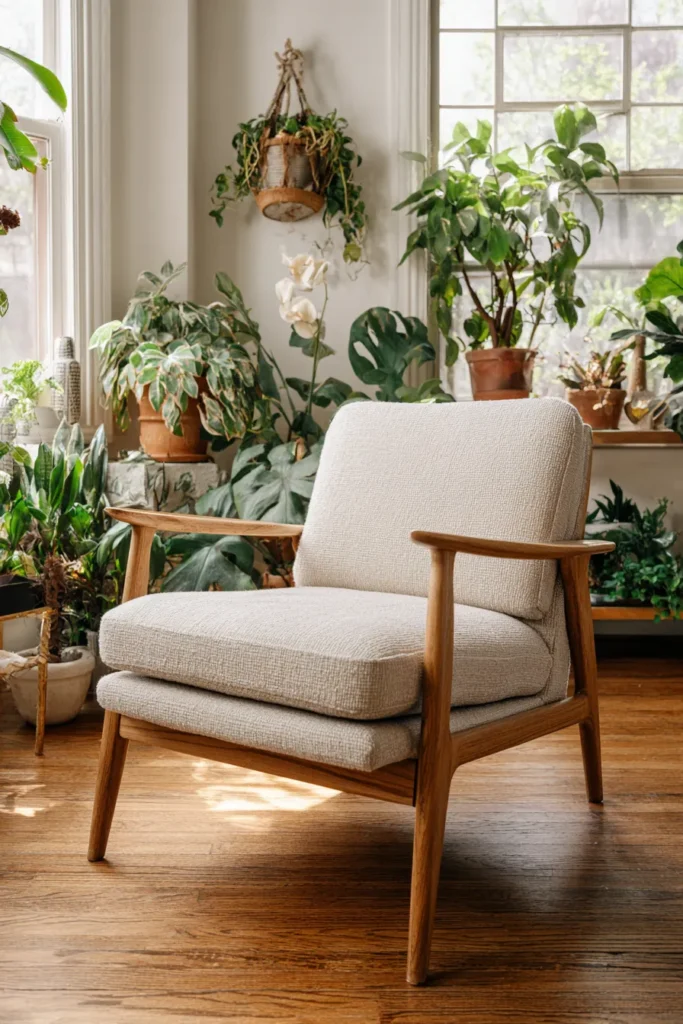
Clean lines, tapered wooden legs, and gently curved backs define this timeless style. Mid-century modern chairs bring warmth without weight, sophistication without fuss. Look for pieces in walnut or oak frames paired with leather, linen, or subtle geometric fabrics.
These chairs work beautifully in both compact apartments and spacious homes. Their streamlined silhouettes create breathing room while their warm wood tones add organic texture. Pair them with brass floor lamps and low-profile coffee tables for a cohesive, effortlessly elegant look.
Curved and Sculptural Shapes
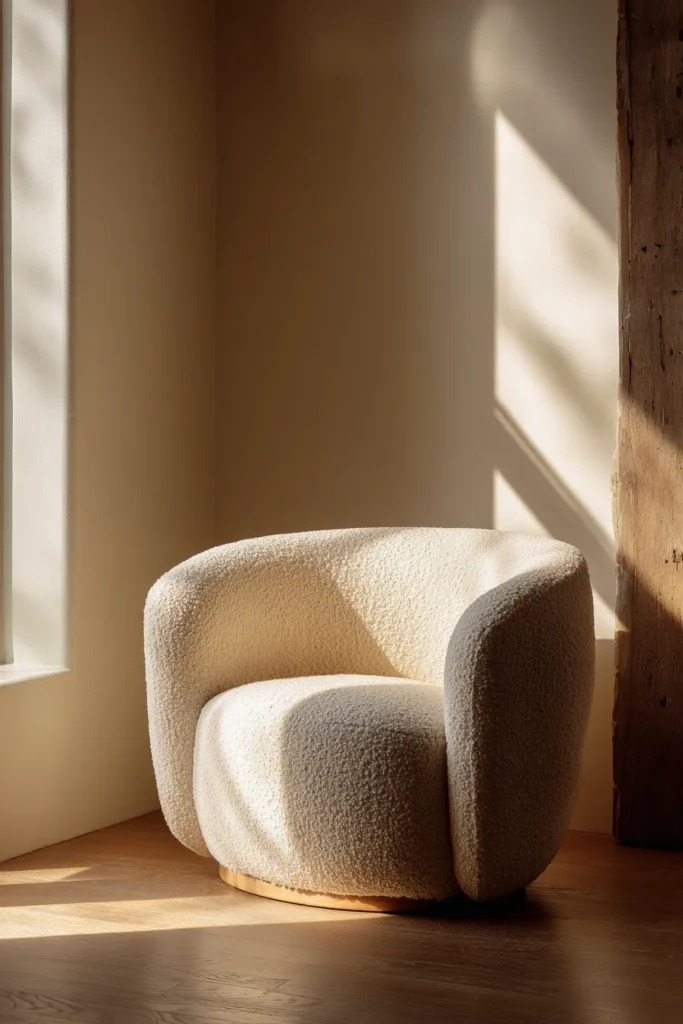
The 2025 trend toward soft, curved furniture continues to dominate—and for good reason. Rounded backs, barrel silhouettes, and organic shapes create visual softness that balances angular architecture and hard surfaces. These chairs feel like gentle embraces, inviting rather than imposing.
Curved accent chairs in bouclé or chenille fabrics add tactile luxury without overwhelming smaller spaces. Their sculptural presence makes them natural focal points, especially when positioned to catch natural light. Consider placing them at an angle to create movement and visual interest.
Oversized Lounge Chairs
Sometimes comfort demands space. Oversized accent chairs with deep seats and generous proportions offer refuge at the end of long days. These statement pieces work best in larger living rooms where they can command attention without crowding pathways.
Look for lounge chairs with plush cushioning, sturdy frames, and durable upholstery. Pair them with ottomans for extended relaxation, and position them near windows to create dedicated reading sanctuaries. These chairs blur the line between seating and destination.
Wingback Chairs: Traditional Meets Modern
Wingback chairs bring architectural drama with their distinctive high backs and protective side panels. While rooted in tradition, modern interpretations feature streamlined profiles, unexpected fabrics, and updated leg styles that feel fresh and contemporary.
Choose velvet or leather for luxury, or opt for performance fabrics in bold patterns to make a statement. Wingback chairs naturally anchor conversation areas and work beautifully flanking fireplaces or positioned opposite sofas.
Choosing Materials and Textures
The Luxury of Velvet
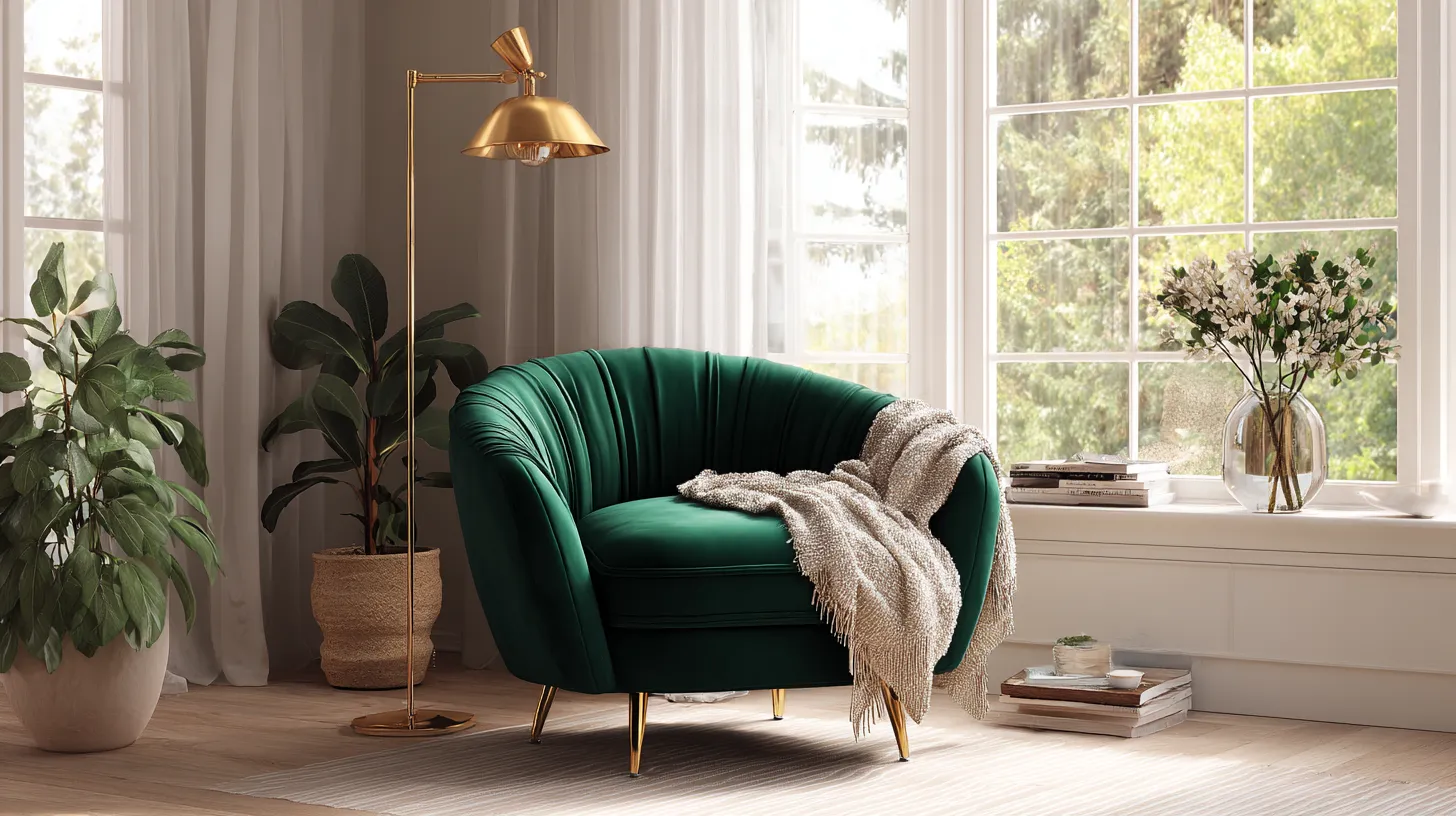
Velvet transforms light into art. As sunlight shifts throughout the day, velvet upholstery catches and reflects it differently, creating depth and movement. This luxurious material feels as good as it looks—soft, inviting, substantial.
Velvet accent chairs work across seasons, surprisingly cool in summer and cozy in winter. Jewel tones like emerald, sapphire, and burgundy add richness, while dusty blush and warm terracotta bring softness. The nap of velvet also hides minor wear beautifully, making it more practical than its elegant appearance suggests.

Bouclé: Texture You Can Feel
Bouclé fabric has become synonymous with modern luxury, and for good reason. Its nubby, looped texture adds dimension that flat weaves simply cannot achieve. Bouclé chairs invite touch—they’re the pieces guests inevitably run their hands across.
This textured fabric works particularly well in neutral palettes, allowing the material itself to provide visual interest. Cream, oatmeal, and warm gray bouclé chairs bring softness to minimalist spaces while adding substantial presence. They’re also wonderfully forgiving, hiding pet hair and minor stains better than smooth fabrics.
Leather: Timeless and Evolving
Leather accent chairs age like fine wine, developing character and patina over time. From buttery soft caramel leather to structured black or rich cognac, leather brings warmth and sophistication that only improves with use.
Consider leather chairs for high-traffic areas or homes with pets and children. Quality leather wipes clean easily and resists most stains. Full-grain leather offers the most authentic aging process, while bonded leather provides budget-friendly alternatives with easier maintenance.
Linen and Natural Fabrics
For those drawn to organic, breathable materials, linen accent chairs offer relaxed elegance. Natural linen wrinkles beautifully, creating a lived-in look that feels intentionally casual yet refined. These chairs work perfectly in coastal, farmhouse, and modern rustic interiors.
Natural fabrics like cotton, linen, and hemp are also excellent choices for environmentally conscious homes. Look for chairs upholstered in organic or sustainably sourced textiles. Their neutral tones and breathable qualities create calming, grounded spaces that feel connected to nature.
Color and Pattern Selection
Bold Colors as Focal Points
Sometimes your living room needs that one brave choice—the terracotta velvet chair, the deep navy wingback, the mustard yellow accent piece that makes everything else fall into place. Bold colored chairs create instant focal points and inject personality into neutral spaces.
When introducing vibrant accent chairs, consider your room’s existing color palette. Pull colors from artwork, throw pillows, or rugs to create cohesive visual threads. A bold chair shouldn’t feel random; it should feel like the room’s natural crescendo.
Patterns That Tell Stories
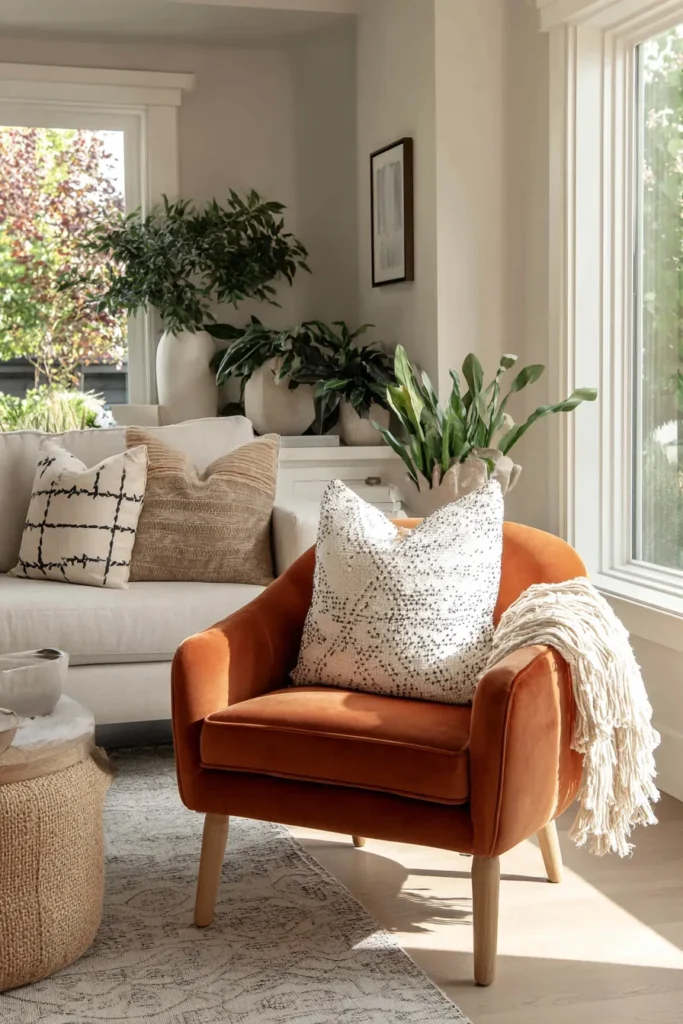
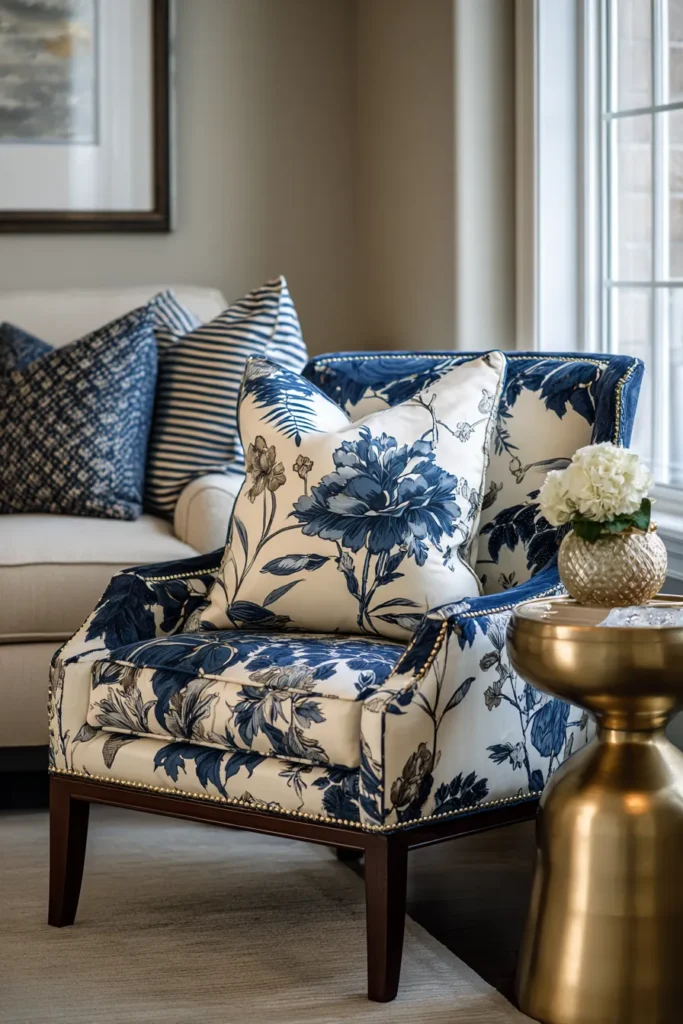
Patterned accent chairs—from classic stripes to botanical prints to abstract geometrics—bring energy and visual complexity. Patterns can disguise wear, add traditional charm, or introduce whimsy depending on scale and style.
Mix patterns thoughtfully by varying scale. If your sofa features small-scale patterns, choose an accent chair with larger motifs. Stick to a consistent color family across patterns to maintain harmony. Remember: pattern should enhance, not overwhelm.
The Power of Neutrals
Neutral accent chairs in cream, beige, warm gray, or soft white create calm sophistication. These pieces ground eclectic spaces and allow other design elements to shine. Neutrals work especially well when you plan to rotate seasonal pillows, throws, and accessories.
Don’t mistake neutral for boring. Texture becomes paramount in monochromatic schemes—think a cream bouclé chair against linen curtains, or a soft gray velvet piece paired with nubby wool rugs. Layering neutrals creates depth through subtle variation.
Practical Considerations for Your Space
Measuring Your Living Room
Before falling in love with any accent chair, understand your space. Measure not just where the chair will sit, but also the pathways around it. Leave at least 18 inches between furniture pieces for comfortable navigation. In smaller rooms, scale down to avoid overwhelming the space.
Consider sight lines and traffic flow. Your accent chair should invite sitting without blocking views or creating obstacles. Position chairs at slight angles to create welcoming conversation zones while maintaining open pathways.
Choosing Chairs for Different Living Room Layouts
Open-concept spaces benefit from pairs of accent chairs that help define the living area without walls. Position two matching or complementary chairs opposite your sofa to create intimate conversation zones within larger rooms.
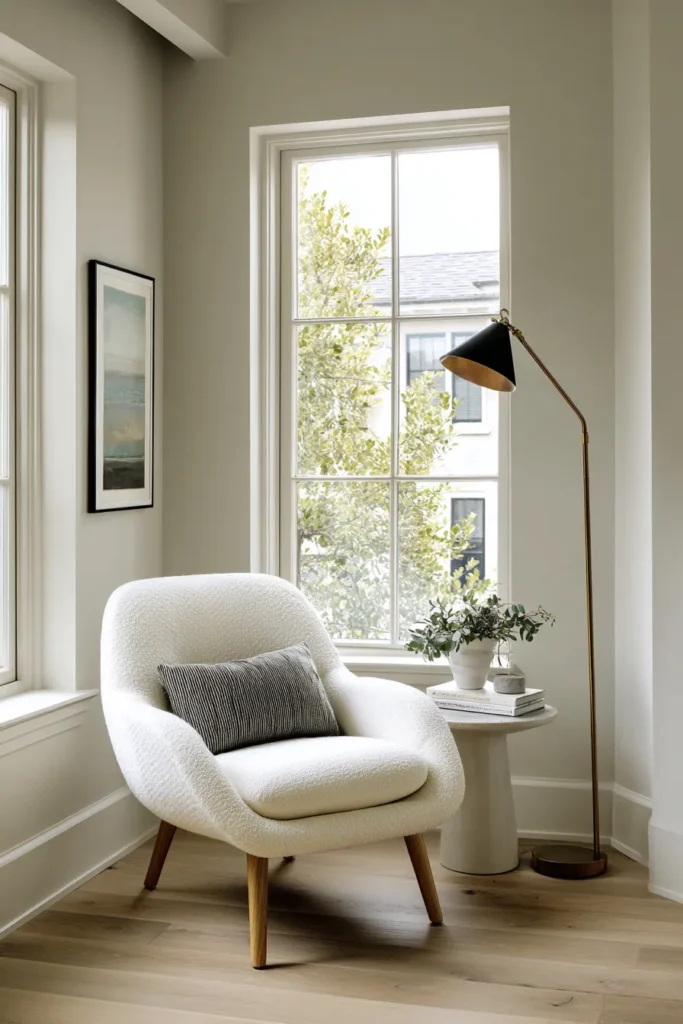
Small living rooms work best with single statement chairs in corners or near windows. Choose pieces with exposed legs—they create visual lightness by allowing sight lines to flow beneath. Armless or petite-scaled chairs maximize seating without bulk.
L-shaped layouts offer perfect opportunities for accent chairs in the shorter leg of the L. Place a reading chair with good lighting near built-ins or windows to balance the sofa’s visual weight.
Rectangular rooms benefit from accent chairs positioned to break up long sight lines. Place chairs perpendicular to sofas to create more engaging, dynamic arrangements that encourage conversation.
Styling Your Accent Chair
Creating Cohesive Vignettes
An accent chair becomes complete when styled as part of a larger vignette. Pair it with a side table for setting down morning coffee, a floor lamp for evening reading, and a textured throw for added warmth. These elements transform a chair into an experience.
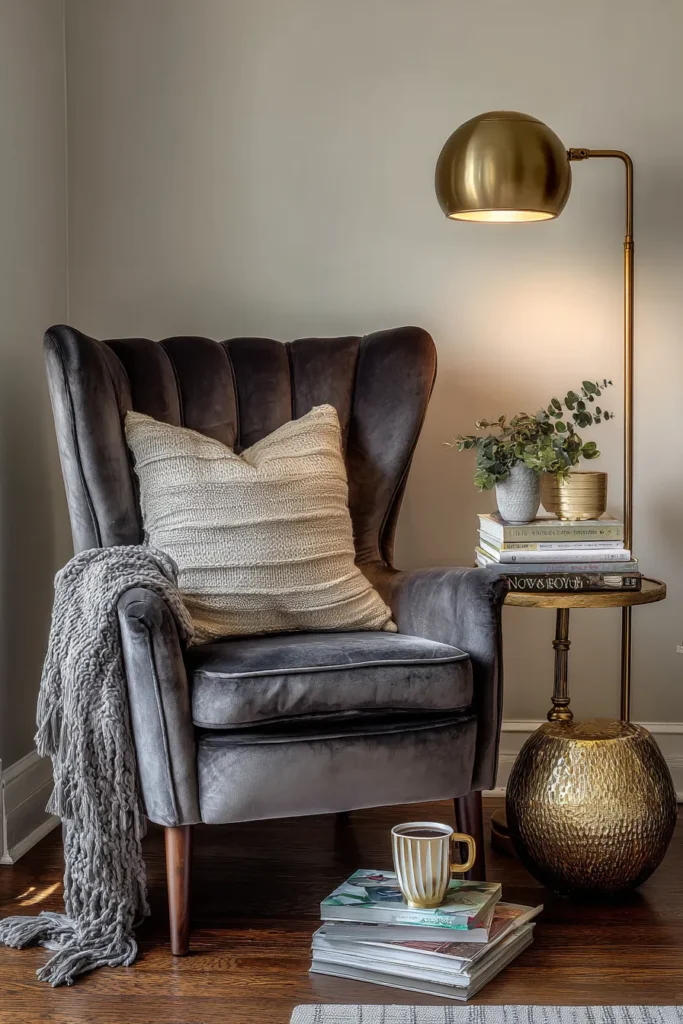
Consider scale relationships. A substantial chair needs a table with visual weight—avoid pairing oversized lounge chairs with delicate accent tables. Match materials thoughtfully: pair velvet chairs with brass or aged wood, leather with iron or blackened steel, linen with light wood or rattan.
Layering Pillows and Throws
Even the most beautiful accent chair benefits from thoughtful layering. A single throw casually draped over one arm adds texture and invitation. Choose materials that complement but don’t match exactly—pair velvet chairs with linen or wool throws, leather with soft knits.
Pillows on accent chairs should enhance, not crowd. One medium-sized lumbar pillow often suffices, providing back support while maintaining the chair’s silhouette. Choose pillow fabrics that coordinate with your room’s color story while introducing new textures.
Positioning for Light and Function
Place accent chairs where they’ll actually be used. A beautiful chair tucked in a dark corner gathers dust, not readers. Position chairs near natural light for daytime reading, and pair them with adjustable lighting for evening use.
Angle chairs slightly—about 30 degrees—rather than placing them flat against walls. This creates more inviting, conversational arrangements and allows light to play across fabric textures. Angled placement also makes rooms feel less rigid and more lived-in.
Sustainable and Eco-Friendly Options
More makers now craft accent chairs from sustainable materials without compromising style. Look for pieces featuring FSC-certified wood frames, natural latex foam cushioning, and upholstery from organic cotton, linen, or recycled materials.
Vintage and antique accent chairs offer the most sustainable choice—existing pieces with beautiful bones that can be reupholstered in modern fabrics. This approach combines environmental responsibility with one-of-a-kind character. Seek out mid-century gems at estate sales or work with local upholsterers to breathe new life into inherited pieces.
Consider chairs from makers committed to ethical manufacturing and transparent supply chains. Investing in well-crafted, durable pieces means fewer replacements over decades—the most sustainable approach of all.
Maintenance and Care Tips
Velvet Care
Velvet requires gentle attention to maintain its luxurious appearance. Vacuum regularly using the upholstery attachment to prevent dust accumulation. Address spills immediately by blotting—never rubbing—with clean, absorbent cloths.
Refresh crushed velvet by steaming gently or brushing against the nap with a soft brush. Rotate cushions periodically to distribute wear evenly. For professional cleaning, seek specialists experienced with velvet’s unique properties.
Leather Maintenance
Quality leather improves with age when properly cared for. Wipe spills immediately with soft, dry cloths. Condition leather every 6-12 months using products specifically formulated for furniture leather—never use products intended for car interiors or shoes.
Keep leather chairs away from direct heat sources and intense sunlight, which can dry and crack the material. Embrace the natural patina that develops over time—it’s part of leather’s living beauty.
Fabric Protection
Apply fabric protector to new upholstered chairs to create stain resistance. For everyday cleaning, vacuum weekly with upholstery attachments. Address stains according to fabric type—water-based stains need different treatment than oil-based ones.
For performance fabrics designed for durability, follow manufacturer guidelines. Many modern performance textiles clean easily with mild soap and water, making them ideal for families with children or pets.
General Upkeep
Rotate accent chairs occasionally to distribute sun exposure and wear patterns. Keep chairs several inches from walls to allow air circulation and prevent moisture damage. Tighten loose screws and bolts periodically to maintain structural integrity.
Accent Chairs Beyond the Living Room
While we’ve focused on living rooms, beautiful accent chairs enhance other spaces too. Position a velvet chair in your primary bedroom to create a morning coffee spot or evening reading retreat. Use a pair of accent chairs in a home office for client meetings or as alternative work seating.
Entryways benefit from single statement chairs that offer gracious places to remove shoes while making strong first impressions. Dining rooms can incorporate accent chairs at table heads for visual interest and extra comfort.
Key Takeaways: Choosing Your Perfect Accent Chair
- Prioritize comfort alongside beauty—the most stunning chair fails if you never want to sit in it
- Measure your space thoroughly before purchasing, including pathways and sight lines
- Choose materials that match your lifestyle: velvet for luxury, leather for durability, performance fabrics for families
- Consider scale carefully—oversized chairs need space, while petite profiles work in compact rooms
- Use accent chairs strategically to define conversation zones, create focal points, and add personality
- Don’t shy from bold color or pattern when your space needs that spark of energy
- Layer thoughtfully with throws, pillows, and side tables to create complete vignettes
- Invest in quality construction and sustainable materials for pieces that last decades
- Position chairs where they’ll be used, near natural light and with proper task lighting
- Maintain regularly according to material type to preserve beauty and extend lifespan
Finding Your Chair
The journey to the perfect accent chair is deeply personal. It’s about how a chair makes you feel when you sink into it after a long day, how its curves catch afternoon light, how it quietly anchors your living room with beauty and purpose.
Trust your instincts while honoring practical needs. The chair that makes your heart skip might also be the one that fits your space perfectly and suits your daily life. Give yourself permission to choose the piece that speaks to you—the one you’ll treasure for years, the one that transforms your house into home.
Visit showrooms when possible. Sit in chairs. Run your hands across fabrics. Notice how your body feels, how the chair’s proportions relate to yours. The right chair will feel like coming home.
Frequently Asked Questions
How do I choose between leather and velvet for my accent chair?
Consider your lifestyle and aesthetic preferences. Leather offers timeless durability, develops beautiful patina over time, and cleans easily—ideal for high-traffic homes with pets or children. Velvet provides luxurious texture and light-catching depth, working beautifully in sophisticated, low-traffic spaces. For the best of both worlds, choose leather for primary seating and velvet for occasional chairs in protected corners.
What size accent chair works best in small living rooms?
Look for chairs with exposed legs and streamlined silhouettes that create visual lightness. Armless chairs or those with narrow arms maximize seating without bulk. Aim for chairs around 28-32 inches wide—large enough for comfort but small enough to maintain open sight lines. Position your chair in corners or near windows to maximize space efficiency.
How do I mix and match accent chairs with my existing furniture?
Focus on creating dialogue, not matching. Pull colors from existing pieces—your accent chair might echo pillow hues, artwork tones, or rug patterns. Mix materials thoughtfully: pair leather sofas with fabric chairs, or velvet sofas with leather accents. Maintain consistent style periods (modern with modern, traditional with traditional) or intentionally blend eras for eclectic sophistication.
Can I use patterned accent chairs if my sofa is also patterned?
Yes, but vary pattern scales and stick to a cohesive color palette. If your sofa features small prints, choose an accent chair with larger-scale patterns. Alternatively, use solid-colored accent chairs in shades pulled from your sofa’s pattern. When mixing multiple patterns, include one solid element nearby to provide visual rest.
How often should I professionally clean upholstered accent chairs?
Professional cleaning frequency depends on use and material. Lightly used chairs in low-traffic areas need cleaning every 18-24 months. Heavily used chairs, or those in homes with pets and children, benefit from annual professional cleaning. Between deep cleans, vacuum weekly and address spills immediately to maintain appearance and extend time between professional services.