

Table of Contents
The coffee table has always been more than furniture. It’s the anchor of the living room, the gathering point for morning tea and late-night conversations, the place where books stack and candles flicker. In 2025, coffee table design has evolved into something deeply intentional—pieces that marry beauty with purpose, form with function, and sustainability with soul.
This year’s trends celebrate organic shapes and natural materials, smart features woven seamlessly into design, and a renewed commitment to pieces that feel good in our hands and homes. Whether you’re drawn to the warmth of reclaimed wood or the clean elegance of marble, there’s a coffee table waiting to transform your space.
Let’s explore the designs that are shaping living rooms this year—pieces that don’t just hold your coffee, but hold space for the life you’re building.
The Rise of Organic and Sculptural Forms
Curved edges and fluid silhouettes dominate 2025’s coffee table landscape. Gone are the days of rigid, angular designs. Today’s tables embrace soft, sculptural shapes that feel like art installations—pieces that invite touch and draw the eye naturally across the room.
These organic forms create movement in static spaces. A coffee table with undulating edges or a freeform top transforms the living room into something more intimate, more human. The curves soften hard lines in modern interiors while adding visual interest that never feels forced.
Sculptural coffee tables often feature asymmetrical bases or irregular tops that challenge traditional design expectations. Think of a table with three curved legs instead of four, or a surface that mimics the cross-section of a tree trunk. These pieces become conversation starters, functional art that grounds your space in unexpected beauty.

Why Organic Shapes Matter
Curved designs create better flow in living spaces. They’re safer for homes with children, gentler on shins in the dark, and psychologically softer—our eyes naturally prefer rounded forms. In 2025, this isn’t just aesthetic preference; it’s thoughtful design that prioritizes human experience.
The natural world inspires many of these forms. Pebbles smoothed by water, wind-carved rock formations, the gentle arc of a river—these shapes feel inherently calming. Bringing them into your home through furniture creates a subtle connection to nature, even in urban spaces.
Natural Materials Taking Center Stage
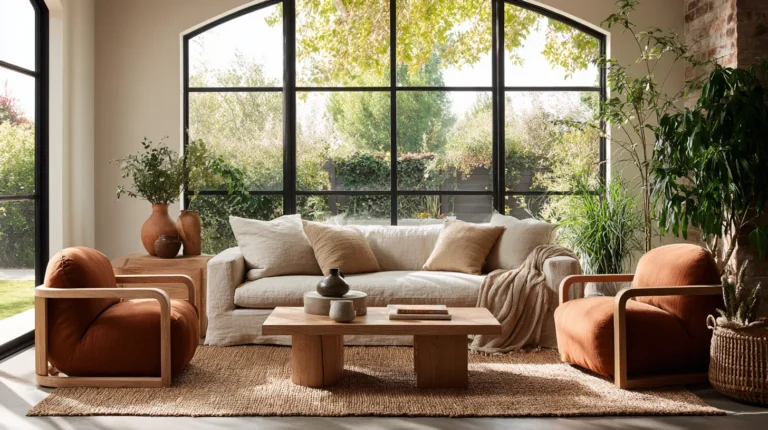
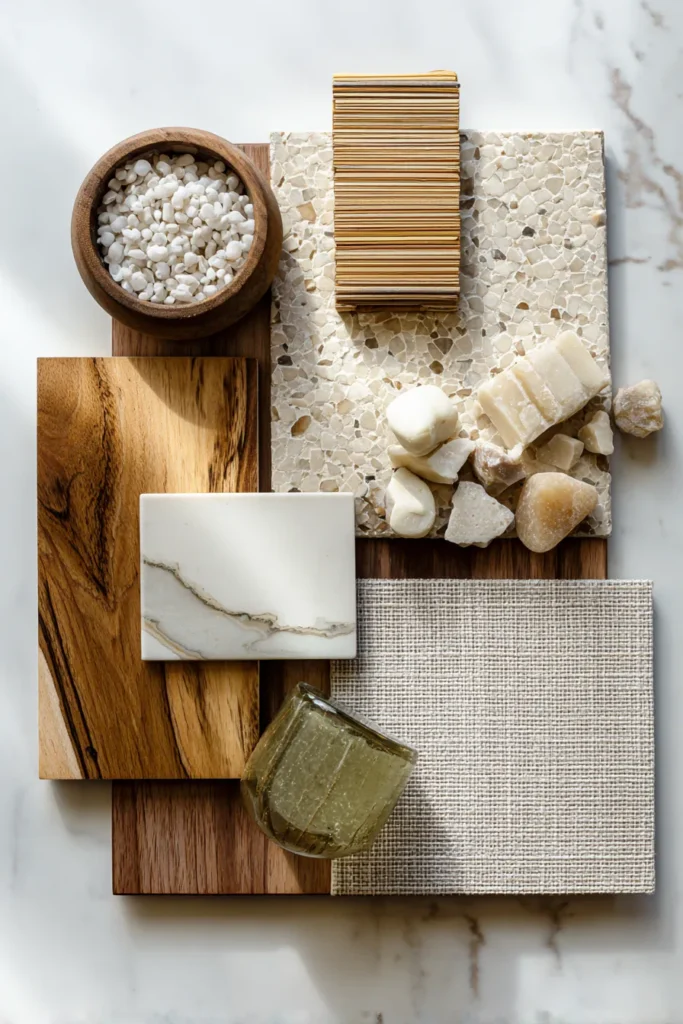
Earth tones and natural materials define the material palette of 2025. Coffee tables crafted from reclaimed wood, bamboo, rattan, and stone bring warmth and texture into modern living rooms. These materials age beautifully, developing patina and character that mass-produced pieces never achieve.
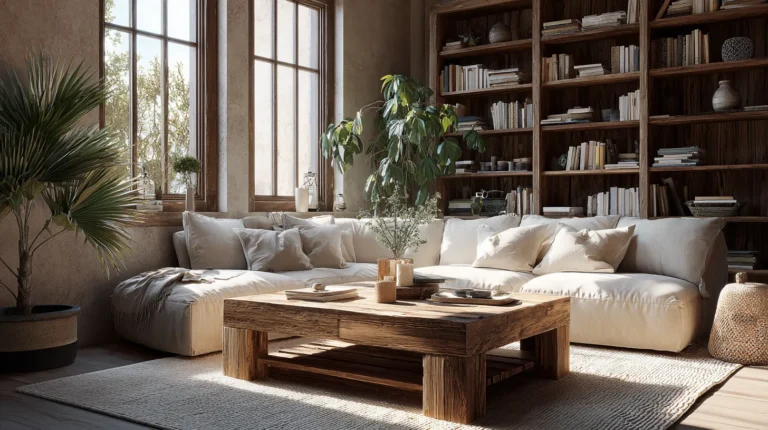
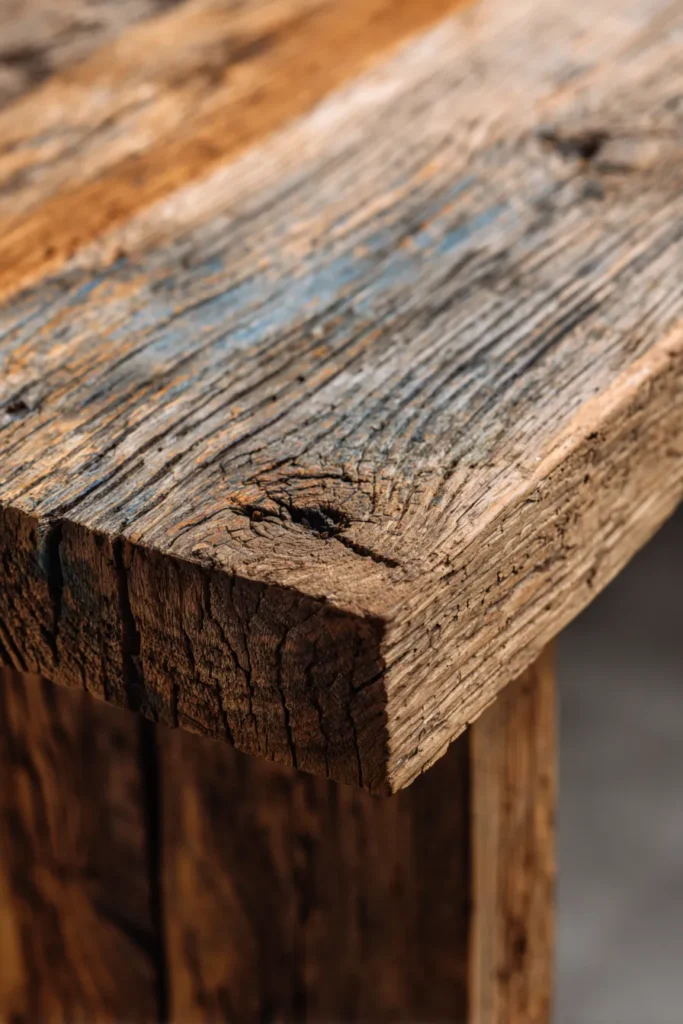
Reclaimed wood coffee tables tell stories. Each knot, grain pattern, and weathered mark speaks to the material’s past life. Whether sourced from old barn beams or dismantled shipping pallets, these tables embody sustainability without sacrificing style. The wood’s natural variations ensure no two pieces are identical.
Rattan and woven materials have moved from bohemian accent to mainstream sophistication. Modern rattan coffee tables feature clean lines and thoughtful construction, often paired with glass tops or metal frames. The material adds tactile warmth and visual lightness, perfect for spaces that might feel heavy with too much solid wood.
Sustainable Material Innovations
Beyond traditional choices, 2025 introduces innovative eco-friendly options. Recycled glass coffee tables with embedded color variations create depth and dimension. Bioplastics derived from plant materials offer durability without environmental impact. Even recycled metal finds new life in table bases and frames.
Bamboo deserves special attention for its sustainability credentials. It grows rapidly, requires minimal water, and produces strong, beautiful material perfect for furniture. Bamboo coffee tables bring a subtle Asian-inspired aesthetic while supporting responsible consumption.
Material Comparison Table:
| Material | Durability | Maintenance | Sustainability | Style |
|---|---|---|---|---|
| Reclaimed Wood | High | Medium | Excellent | Rustic, Warm |
| Marble | Very High | High | Medium | Elegant, Luxe |
| Rattan | Medium | Low | Good | Natural, Airy |
| Glass | High | High | Medium | Modern, Clean |
| Bamboo | High | Low | Excellent | Minimal, Natural |
| Metal | Very High | Low | Good | Industrial, Bold |
Smart Features for Modern Living
Smart coffee tables have evolved beyond gimmicks into genuinely useful furniture. In 2025, the best designs integrate technology so seamlessly you barely notice it’s there—until you need it. Wireless charging surfaces, built-in Bluetooth speakers, and USB ports transform tables into charging stations without visible cables or clunky add-ons.
Some tables now feature IoT connectivity that responds to voice commands. Imagine adjusting built-in ambient lighting through your smart home system, or a table that reminds you to take your evening medication. These features serve real needs without compromising the table’s aesthetic integrity.
The key is restraint. The best smart coffee tables look like beautiful furniture first, with technology serving quietly in the background. Hidden LED lighting that illuminates from beneath, touch-sensitive surfaces that power on only when needed, app-based controls that keep interfaces invisible—this is technology in service of design, not the other way around.

Multifunctionality Meets Design
Convertible and lift-top coffee tables answer the modern need for flexible living spaces. These pieces rise to dining height for working from home or casual meals, then lower back down for traditional use. Quality mechanisms operate smoothly and silently, adding function without aesthetic compromise.
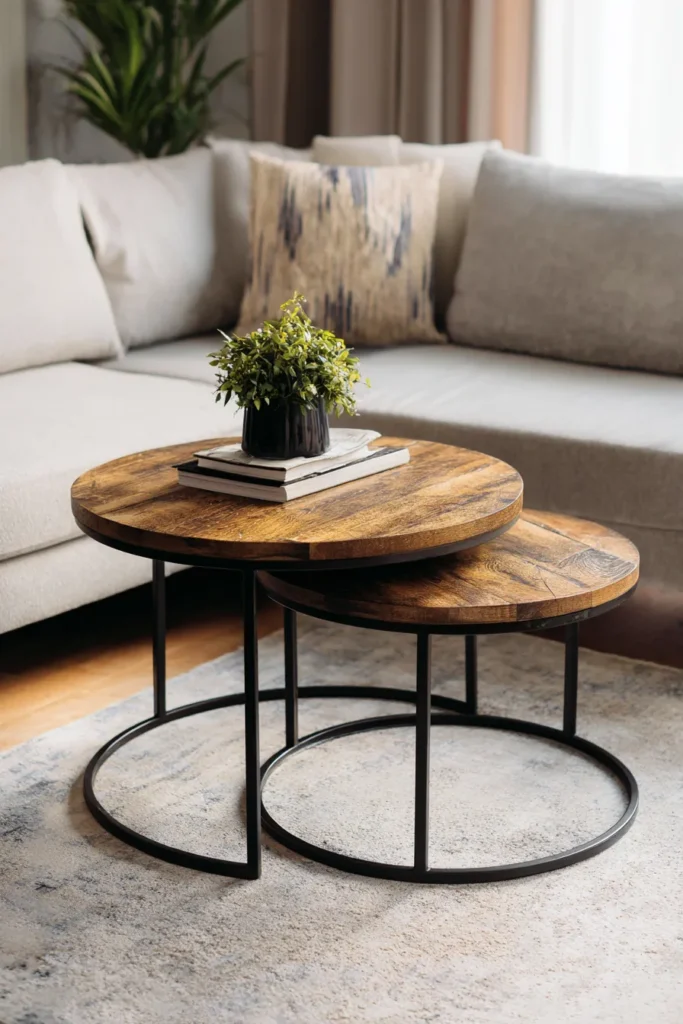
Nesting coffee tables provide surface space on demand. Smaller tables tuck beneath larger ones, creating clean lines when not in use and expanding to accommodate guests. This approach works beautifully in compact urban apartments where every square foot matters.
Storage coffee tables address the eternal struggle against clutter. Drawers, open shelving, or lift-top compartments hide remotes, magazines, and children’s toys while maintaining clean surfaces. The best designs make storage feel intentional rather than apologetic.
The Minimalist Coffee Table Movement
Minimalist coffee tables strip away everything unnecessary, leaving only essential form and function. These pieces feature clean lines, simple geometric shapes, and monochromatic finishes. A minimalist table doesn’t compete for attention—it creates space for everything around it to breathe.
This aesthetic thrives on quality over decoration. A minimalist coffee table reveals the beauty of its materials through restraint. Raw concrete shows its texture honestly. Steel frame welds become deliberate design elements. Glass sits edge-to-edge without apology.
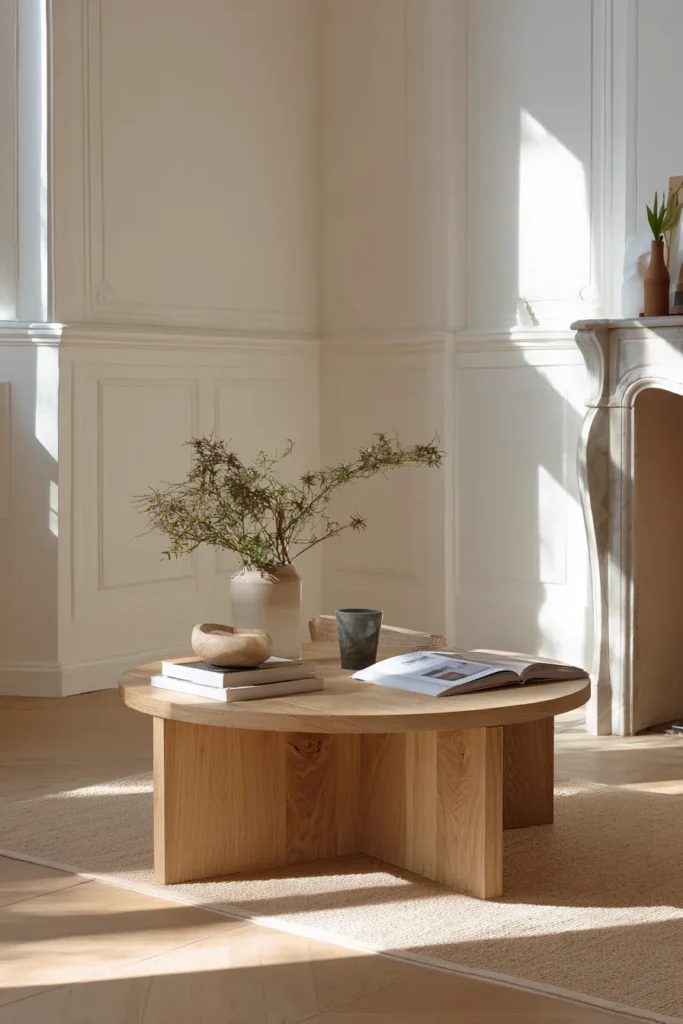
Round coffee tables fit naturally into minimalist schemes. The circular form feels complete and balanced, requiring no ornamentation. Round coffee tables also improve traffic flow in tight spaces and create softer, more democratic seating arrangements than rectangular alternatives.
Acrylic and Glass Transparency
Acrylic coffee tables create visual lightness that makes small rooms feel larger. The material practically disappears, allowing light and sight lines to flow uninterrupted through the space. Modern acrylic furniture has moved far beyond the “invisible” aesthetic—expect colored acrylics, textured finishes, and sculptural forms.
Glass coffee tables offer similar transparency with different character. Tempered glass provides safety and durability, while tinted or frosted glass adds subtle color without blocking light. Metal or wood bases ground glass tops, preventing the piece from feeling too ethereal.
Color Trends: Earth Tones and Beyond
Earth tones dominate coffee table finishes in 2025. Warm terracotta, sage green, clay brown, and sandstone beige bring nature’s palette indoors. These colors feel grounding and timeless, creating cohesive schemes that won’t feel dated next year.
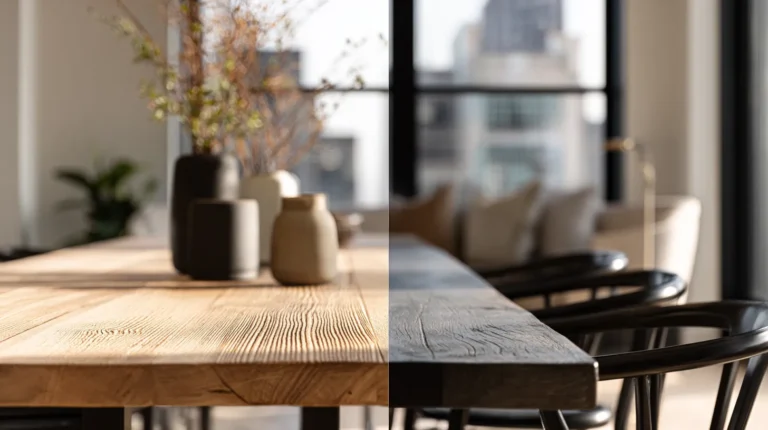
Natural wood finishes showcase material authenticity. Light oak and ash bring Scandinavian brightness. Walnut and mahogany add depth and richness. Reclaimed wood’s varied tones create organic color gradients within a single piece.
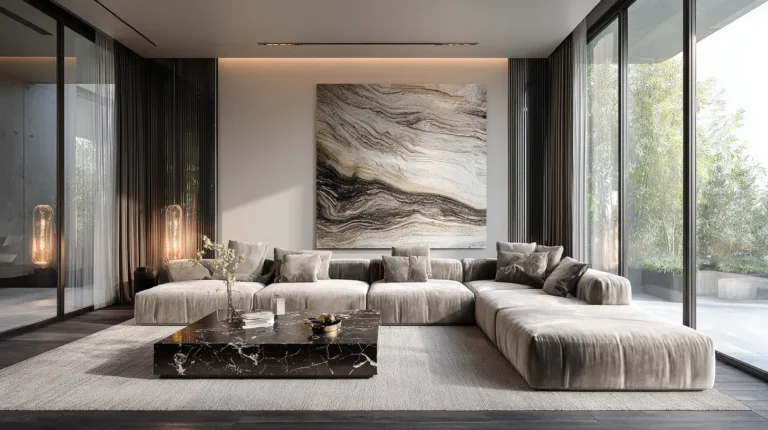
Marble coffee tables introduce subtle color variation through stone’s natural veining. White Carrara offers classic elegance with gray veining. Green marble brings unexpected sophistication. Black marble creates dramatic luxury. Each slab tells its geological story through color and pattern.

Shape Psychology: Choosing Your Table’s Form
Shape impacts how we experience and use coffee tables. Rectangular tables provide maximum surface area and work well with sectional sofas, creating clear visual alignment. They’re practical, traditional, and easy to style.
Oval coffee tables combine the softness of circles with the practicality of rectangles. They work beautifully in narrow spaces where round tables might feel too wide and rectangular ones too rigid. The elongated shape guides movement through the room naturally.
Square coffee tables create symmetry and balance, particularly in square rooms or with matching armchairs facing each other. They feel stable and grounded but can make small spaces feel cramped if oversized.

Size Considerations for Every Space
Getting size right matters more than style. A coffee table should sit 14-18 inches from seating, allowing comfortable reach without requiring a stretch. Table height should match or sit slightly below seat cushions—typically 16-18 inches tall.
For small spaces, consider tables that are two-thirds the length of your sofa. In large rooms, don’t go too small—a coffee table that’s too diminutive disappears visually and fails functionally. Measure twice, visualize constantly, and don’t be afraid to mock up dimensions with cardboard before purchasing.
Styling Your 2025 Coffee Table
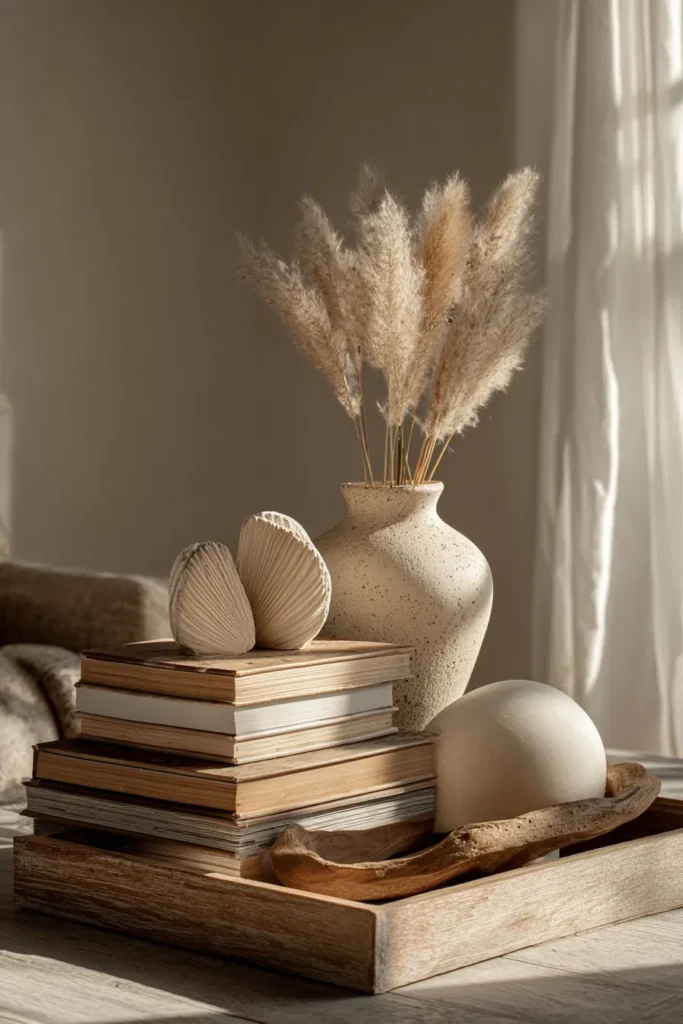
A beautiful coffee table deserves thoughtful styling. Start with the rule of three—group objects in odd numbers for visual interest. A stack of books, a small plant, and a sculptural object create balance without clutter.
Layer heights to create dimension. Books provide foundation, a tray corrals smaller items, a tall vase adds vertical interest. Vary textures too—smooth ceramic against rough wood, glossy metal beside matte stone.
Leave breathing room. A styled coffee table shouldn’t feel crowded. Empty space allows each element to shine and keeps surfaces functional. You should always have room to set down a cup of coffee—after all, that’s what it’s for.
Seasonal Styling Shifts
Coffee table styling can shift with seasons without major overhauls. Spring might bring fresh flowers and lighter colors. Summer calls for natural elements like shells or driftwood. Autumn embraces warm metallics and deeper tones. Winter welcomes candles and cozy textures.
The key is editing, not adding. Swap a few key pieces rather than completely redecorating. This approach keeps your space feeling fresh without creating visual chaos or storage problems.
Accessibility and Ergonomic Design
Accessible coffee table design considers diverse needs and bodies. Tables with open bases allow wheelchair users to pull up close comfortably. Rounded corners prevent injuries. Lightweight materials or wheels enable easy repositioning.
Adjustable height coffee tables serve multiple users and purposes. These pieces adapt to different seating heights, working equally well with low floor cushions or standard sofas. Some designs allow independent adjustment of different table sections.
Storage placement matters for accessibility. Drawers with smooth glides and easy-pull handles, open shelving at comfortable heights, and avoiding storage that requires bending or reaching all contribute to inclusive design that serves everyone better.
Regional Trends and Cultural Influences
Coffee table design reflects cultural aesthetics and regional living styles. Japanese-inspired designs embrace low profiles, natural materials, and negative space. These tables often feature minimal ornamentation and prioritize function and material honesty.
Scandinavian influences bring light woods, clean lines, and practical storage solutions. These designs balance warmth with simplicity, creating pieces that feel both cozy and uncluttered—perfect for long, dark winters and small urban apartments.
Mediterranean styles incorporate wrought iron, mosaic tiles, and robust wooden construction. These tables often feature ornate detailing and rich, warm finishes that reflect sun-soaked climates and outdoor-indoor living transitions.
DIY and Customization Options
Customizing your coffee table adds personal character that mass-produced pieces never achieve. Simple updates like replacing hardware, adding hairpin legs to a salvaged door, or refinishing a thrift store find create one-of-a-kind pieces.
Upcycling old furniture into coffee tables embodies sustainability and creativity. Vintage trunks, repurposed pallets, or reclaimed window frames become stunning centerpieces with vision and basic carpentry skills. These projects reduce waste while creating truly unique furniture.
Paint and stain transform existing tables dramatically. Consider two-tone finishes, ombré effects, or geometric patterns. Stenciling, decoupage, or contact paper add pattern and personality. These low-commitment updates allow experimentation without major investment.
Care and Maintenance by Material
Wood coffee tables need regular dusting and occasional conditioning. Use coasters consistently, wipe spills immediately, and apply furniture wax or oil every few months to maintain luster. Avoid placing wood tables in direct sunlight, which causes fading and cracking.
Marble tables require more attention. Seal marble annually to prevent staining. Clean with pH-neutral cleaners only—acidic substances etch the surface permanently. Use felt pads under objects to prevent scratching, and always use coasters and trivets.
Glass and acrylic need frequent cleaning but resist damage well. Use microfiber cloths and glass cleaner or mild soap and water. Avoid abrasive cleaners that scratch. Tempered glass resists heat and impact but can still chip at edges.
Metal tables benefit from occasional polishing depending on finish. Powder-coated metals need only dusting and damp wiping. Brass, copper, and other exposed metals develop patina naturally—decide whether you prefer maintained shine or aged character and care accordingly.
Rattan and woven materials stay beautiful with regular vacuuming to prevent dust buildup in crevices. Wipe with barely damp cloths and dry immediately to prevent moisture damage. Keep away from heat sources and direct sunlight to prevent drying and cracking.
Budget-Friendly Alternatives
Affordable coffee table options don’t require sacrificing style. Large retailers offer well-designed pieces at accessible prices, especially during seasonal sales. Look for solid construction with quality joinery rather than focusing solely on materials.
Online marketplaces and secondhand shops hide gems waiting for discovery. A dated table with good bones becomes stunning with new legs, fresh paint, or updated hardware. Shopping secondhand also supports sustainability and reduces furniture waste.
Consider DIY projects for budget-conscious design. Simple concrete casting, basic woodworking, or creative repurposing create custom pieces for material costs only. Online tutorials make even complex projects accessible to motivated beginners.
Mix high and low. Invest in a quality base if building custom, then add an affordable top. Or splurge on a stunning top and pair it with inexpensive, simple legs. Strategic spending creates impressive results without breaking budgets.
Key Takeaways: Coffee Table Design 2025
- Organic shapes and curved edges create softer, more inviting living spaces
- Natural materials like reclaimed wood, rattan, bamboo, and stone prioritize sustainability and warmth
- Smart features integrate seamlessly—wireless charging, IoT connectivity, built-in lighting
- Multifunctional designs including lift-top, nesting, and storage options maximize space efficiency
- Minimalist aesthetics focus on essential forms, clean lines, and material quality
- Earth tones and natural finishes dominate color trends
- Size and shape should match room proportions and seating arrangements
- Accessibility features make coffee tables more inclusive and ergonomic
- DIY and upcycling options provide budget-friendly customization
- Material-specific maintenance keeps tables beautiful for years
Conclusion
The coffee table grounds us. It’s where we rest our feet after long days, where children build block towers on lazy Sundays, where friends gather over shared meals and shared stories. Choosing the right one means understanding not just design trends, but how you actually live.
2025’s trending designs offer something for every space and sensibility—from sculptural art pieces that anchor minimalist rooms to smart tables that charge your devices while you sleep. The best choice honors your daily rhythms, supports your sustainability values, and simply makes you smile when you walk into the room.
Let your coffee table be more than functional. Let it be the piece that finally pulls your living room together, the investment that serves you for decades, the detail that transforms a house into home.
Frequently Asked Questions
What are the top coffee table styles for 2025?
The leading styles include organic sculptural designs with curved edges, minimalist tables with clean lines, natural material pieces featuring reclaimed wood or rattan, smart tables with integrated technology, and multifunctional designs offering storage or convertible features. Earth-toned finishes and sustainable materials unite these diverse aesthetics.
How do I choose the perfect coffee table style for my home in 2025?
Consider your room’s proportions first—measure carefully to ensure proper scale and clearance. Match the table’s style to your existing décor while allowing it to serve as either complement or focal point. Prioritize functionality based on lifestyle needs like storage, adjustability, or durability. Finally, choose materials and finishes that align with your maintenance preferences and sustainability values.
What materials are trending for coffee tables in 2025?
Natural materials dominate, including reclaimed wood, bamboo, rattan, marble, and stone. Glass and acrylic provide transparency in small spaces. Sustainable innovations like recycled glass, bioplastics, and repurposed metals gain popularity. Mixed materials—wood with metal frames, rattan with glass tops—create visual interest while balancing different qualities.
What shapes are popular for coffee tables in 2025?
Round and oval tables lead trends for their soft, organic feel and improved traffic flow. Sculptural irregular shapes function as art pieces. Rectangular tables remain practical for traditional spaces. The emphasis is on curves and flowing lines rather than sharp angles, reflecting broader design movements toward biophilic and human-centered design.
How can I maximize small spaces with coffee tables?
Choose nesting tables that tuck away when not needed, or transparent glass and acrylic pieces that don’t visually crowd rooms. Lift-top tables provide dining and work surfaces without occupying additional floor space. Round tables improve traffic flow in tight areas. Storage coffee tables hide clutter while serving multiple functions, and consider slightly smaller scales than you might choose for larger rooms.