
Table of Contents
There’s something deeply satisfying about walking into a room and knowing that every piece within it tells a story of care—for craftsmanship, for materials, for the earth itself. Sustainable furniture isn’t just about making responsible choices. It’s about surrounding yourself with pieces that feel honest, that age beautifully, and that carry the quiet confidence of things made to last.
The conversation around eco-friendly furniture has shifted. What once felt like a niche concern has become a movement, a return to intentionality in how we furnish our homes. And it’s not about sacrifice or settling for less—it’s about discovering that sustainability and beauty are not opposing forces, but natural companions.
This guide will walk you through the landscape of sustainable furniture, from understanding materials and certifications to embracing circular economy models that reimagine ownership itself. Whether you’re furnishing your first apartment or refreshing a longtime home, these choices matter—and they’re more accessible than you might think.
Understanding What Makes Furniture Truly Sustainable
The term “eco-friendly” appears everywhere now, attached to products that may or may not deserve the label. True sustainability in furniture goes far beyond a single green claim. It’s woven through the entire lifecycle of a piece—from how the raw materials are sourced to what happens when the furniture reaches the end of its useful life.
A sustainably made dining table considers the forest where its wood originated, the carbon emissions from manufacturing and transportation, the toxicity of its finish, and whether it can be repaired, refinished, or eventually recycled. This holistic view is what separates genuine eco-friendly furniture from greenwashing.
Understanding this bigger picture helps you ask better questions and make choices that align with your values. It transforms shopping from a transactional experience into an act of conscious curation.
Materials That Matter: Beyond Bamboo and Reclaimed Wood
Traditional Sustainable Materials
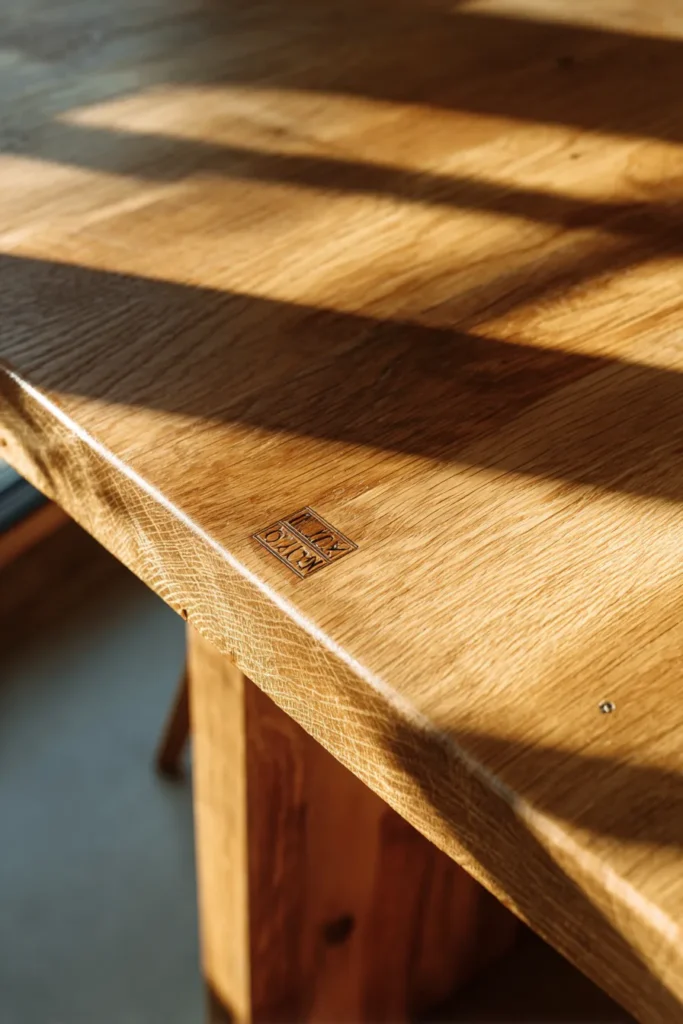
FSC-certified wood remains the gold standard for forest-friendly furniture. The Forest Stewardship Council certification ensures that wood comes from responsibly managed forests where biodiversity is protected and communities benefit. Look for pieces made from oak, maple, or walnut bearing this certification—they bring warmth and character that only improves with time.
Reclaimed wood carries its own poetry. Salvaged from old barns, factories, and homes, these materials have already lived one life and are ready for another. The patina, the nail holes, the subtle variations in color—these aren’t flaws but signatures of history, making each piece genuinely one-of-a-kind.

Bamboo grows rapidly without pesticides and regenerates from its root system, making it remarkably renewable. When used for furniture frames, shelving, or even as a hardwood flooring alternative, it offers durability with a lighter environmental footprint than traditional hardwoods.
Innovative Bio-Based Materials
The frontier of sustainable furniture includes materials that sound almost futuristic. Mycelium—the root structure of mushrooms—can be grown into specific shapes and densities, creating biodegradable alternatives to foam and particle board. It’s naturally fire-resistant and compostable at the end of its life.
Algae-based foam is emerging as an upholstery filling that sequesters carbon during growth and breaks down naturally. Some manufacturers are experimenting with agricultural waste like hemp hurds, wheat straw, and corn husks, transforming what would be compost into durable composite materials.
These innovations aren’t widely available yet, but they represent where the industry is heading—toward materials that give back to the earth rather than depleting it.

Decoding Certifications and Verifying Eco-Friendly Claims
Walking into a showroom and seeing “eco-friendly” labels can feel overwhelming when you’re not sure what they actually mean. Certifications provide a framework for trust, but only if you know what to look for.
GREENGUARD Gold Certification tests furniture for over 10,000 chemicals and volatile organic compounds (VOCs), ensuring the piece won’t off-gas harmful substances into your home. This matters especially in bedrooms and children’s spaces where we spend the most time.
Cradle to Cradle Certified evaluates products on five categories: material health, material reutilization, renewable energy use, water stewardship, and social fairness. It’s one of the most comprehensive standards available, considering not just environmental impact but ethical production.

How to Verify Claims Yourself
Don’t rely solely on marketing language. Visit brand websites and look for transparency in sourcing and manufacturing. Legitimate sustainable brands typically share detailed information about their supply chain, factory conditions, and material origins.
Ask questions directly: Where was this made? What percentage of materials are recycled or renewable? Can you provide documentation for sustainability claims? Brands confident in their practices will answer readily.
Check for third-party verification. If a brand mentions being “carbon neutral” or “zero waste,” look for reports or certifications from independent organizations that validate these achievements.
The Carbon Footprint of Furniture: The Complete Lifecycle Picture
Most discussions of sustainable furniture focus on materials, but the carbon story extends much further. Manufacturing processes, particularly those involving high heat or chemical treatments, contribute significantly to a piece’s total emissions.
Consider the finishing stage: conventional furniture finishes often contain high levels of VOCs, which not only harm indoor air quality but also release carbon during application and curing. Water-based, plant-based, or natural oil finishes dramatically reduce this impact while still protecting the wood beautifully.
Transportation adds another layer. Furniture shipped halfway around the world carries a larger carbon footprint than locally made pieces, even if the materials themselves are sustainable. Whenever possible, choose furniture made regionally or at least domestically.
The end-of-life phase matters too. Furniture destined for landfills contributes to methane emissions as it breaks down. Pieces designed for disassembly, repair, or eventual recycling close the loop and minimize waste.
| Lifecycle Stage | Carbon Impact Factors | Sustainable Alternatives |
|---|---|---|
| Material Sourcing | Deforestation, habitat loss | FSC-certified wood, reclaimed materials, fast-growing renewables |
| Manufacturing | Energy use, chemical processing | Low-energy production, non-toxic adhesives, water-based finishes |
| Transportation | Fuel emissions, packaging waste | Local sourcing, flat-pack design, minimal packaging |
| Use Phase | Off-gassing, maintenance chemicals | GREENGUARD certified, natural cleaners, proper care |
| End of Life | Landfill methane, incineration | Repairable design, take-back programs, biodegradable materials |
Circular Economy Models: Rethinking Furniture Ownership
The most sustainable furniture is the kind that never becomes waste. Circular economy approaches challenge the traditional buy-use-discard model and offer alternatives that keep materials in use indefinitely.
Furniture-as-a-service allows you to lease pieces for as long as you need them, returning them when your life changes. Companies refurbish returned items and lease them again, maximizing each piece’s useful life while reducing the pressure to constantly buy new.
Take-back programs mean manufacturers accept their furniture back at the end of its life, refurbishing or recycling components into new products. This incentivizes brands to design for longevity and disassembly from the start.
Subscription models work particularly well for children’s furniture, which is quickly outgrown. Instead of buying a crib that will be used for two years, families can rotate through age-appropriate furniture that’s shared across many households.
These models aren’t just environmentally smart—they’re financially practical for people who move frequently, like to refresh their spaces, or simply don’t want the burden of permanent furniture ownership.

Style Meets Sustainability: Eco-Friendly Design for Every Aesthetic
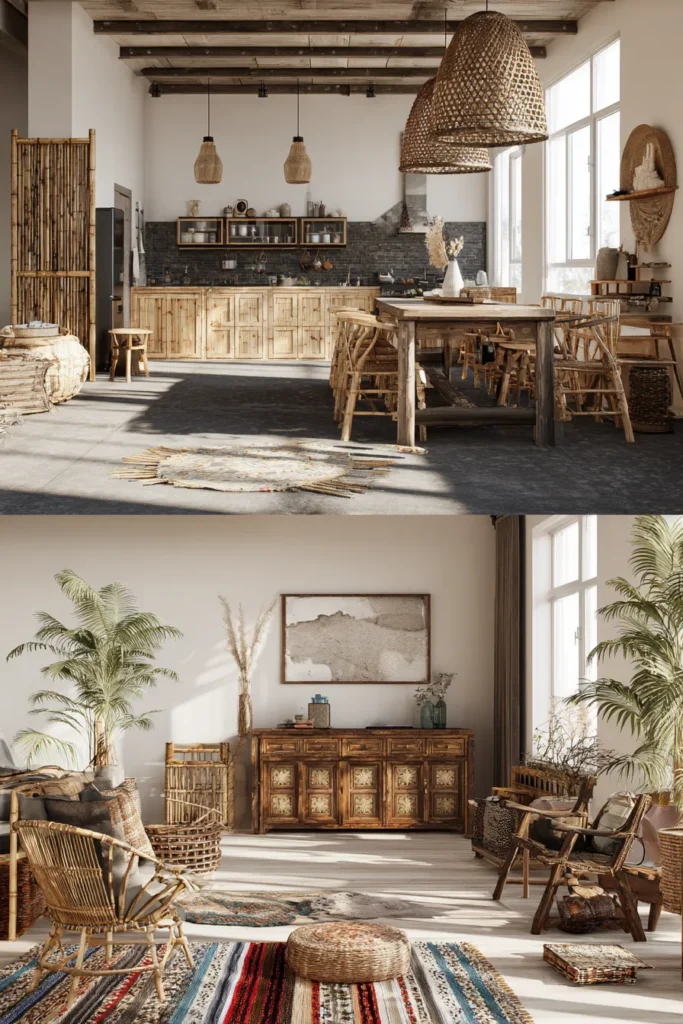
One of the most persistent myths about sustainable furniture is that it all looks the same—natural wood, neutral tones, minimalist lines. While that aesthetic certainly exists and has its appeal, eco-friendly furniture now spans every style imaginable.
Modern minimalist spaces benefit from sleek pieces in bamboo or powder-coated recycled steel. Clean lines and monochromatic palettes emphasize form and craftsmanship without unnecessary embellishment.
Rustic and farmhouse styles naturally align with reclaimed wood furniture. A dining table made from century-old barn beams brings instant character and grounds a space with authentic history.
Contemporary maximalist rooms can embrace bold, colorful pieces upholstered in recycled textiles or innovative plant-based leather alternatives. Sustainability doesn’t require restraint—it just requires thoughtfulness.
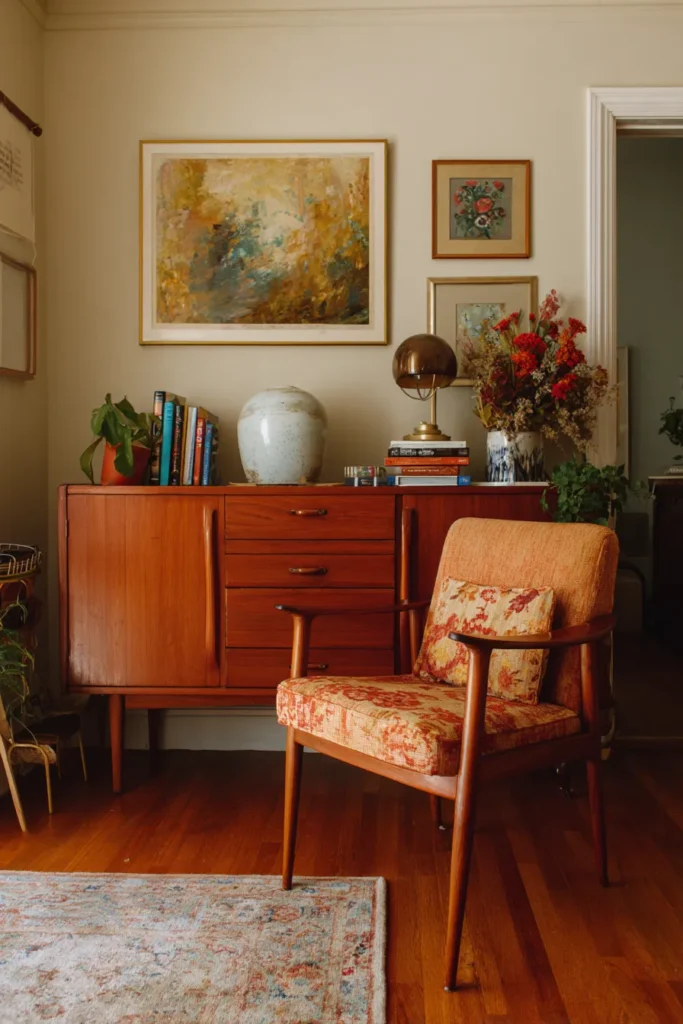
Mid-century modern reproductions made with sustainable materials honor iconic designs while reducing environmental impact. Look for pieces that capture the era’s sculptural beauty using FSC-certified woods and natural finishes.
The key is finding makers and brands aligned with your aesthetic vision who also share your values around environmental responsibility.
Maintaining Your Furniture to Last Generations
The most sustainable piece of furniture is the one you never have to replace. Proper maintenance extends lifespan dramatically, transforming purchases into heirlooms.
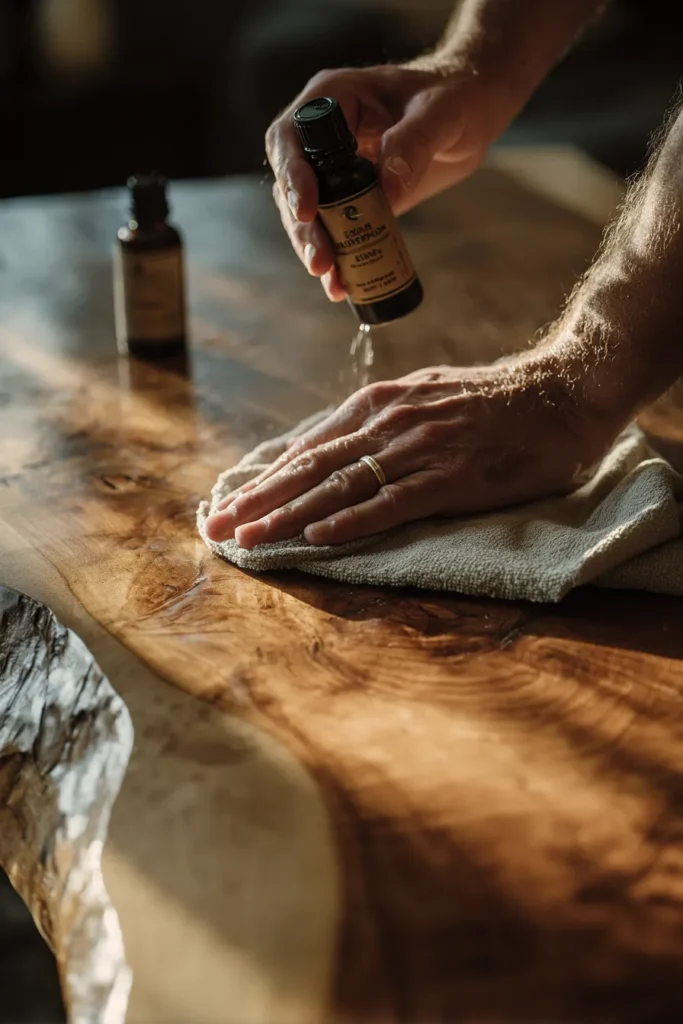
For wood furniture, dust regularly with a soft cloth and treat with natural oils like lemon or walnut oil annually. Avoid harsh chemical cleaners that strip protective finishes and dry out the wood. When water rings or scratches appear, gentle sanding and re-oiling can restore beauty without professional refinishing.
Upholstered pieces benefit from regular vacuuming and immediate attention to spills. Use natural cleaning solutions like diluted castile soap rather than chemical-heavy upholstery cleaners. Consider professional steam cleaning every few years to refresh and deep-clean without toxic residues.
Metal furniture needs protection from moisture to prevent rust. Keep pieces dry, touch up powder coating as needed, and apply natural wax to raw metal surfaces for protection with character.
Learn basic repair skills: tightening loose screws, regluing joints, replacing worn cushion foam. These small interventions prevent minor issues from becoming major problems and deepen your connection to the pieces you live with.
Practical DIY: Upcycling and Breathing New Life Into Old Pieces
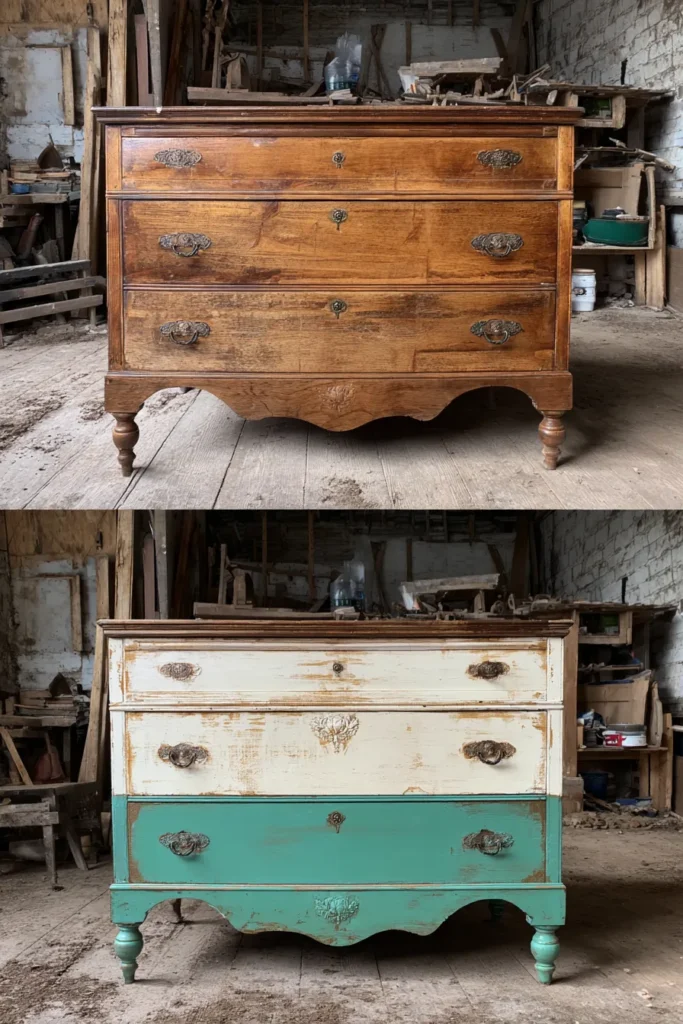
Before buying new, consider the furniture you already own or can acquire secondhand. Upcycling transforms tired pieces into exactly what you need while keeping perfectly functional furniture out of landfills.
Painting and refinishing can completely change a piece’s character. Strip chemical finishes outdoors or in well-ventilated spaces, sand smooth, and apply non-toxic milk paint or clay-based finishes for depth and beauty. The process itself becomes meditative, a hands-on connection to your home’s evolution.
Reupholstering breathes life into solid frames with dated fabric. Choose organic cotton, linen, or innovative recycled textiles. Even if you hire professionals, selecting sustainable fabrics ensures the renewed piece aligns with your values.
Creative reimagining turns one thing into another: dressers become bathroom vanities, doors become headboards, wooden crates become modular shelving. This kind of creative reuse celebrates imperfection and tells a story about resourcefulness and imagination.
Affordable Approaches to Eco-Friendly Furnishing
Sustainable furniture carries a reputation for being expensive, and while quality pieces often require investment, eco-friendly choices exist at every price point.
Buying secondhand is simultaneously the most affordable and most sustainable option. Vintage and antique furniture was often built better than most new pieces, and giving it another life prevents waste while adding character to your space. Thrift stores, estate sales, and online marketplaces offer endless possibilities.
Flat-pack sustainable brands use efficient manufacturing and shipping to reduce costs while maintaining environmental standards. Companies producing FSC-certified plywood furniture in minimalist designs often price competitively with conventional retailers.
Prioritize key pieces rather than furnishing everything at once. Invest in a sustainably made bed frame or dining table—pieces you’ll use daily for years—while filling gaps with secondhand finds or budget-friendly options you can upgrade later.
Local makers sometimes offer better value than you’d expect. Small workshops often have lower overhead than big brands and can create custom pieces from reclaimed materials at prices comparable to mass-market furniture.
Key Takeaways: Your Sustainable Furniture Checklist
- Look for certifications: FSC-certified wood, GREENGUARD Gold, Cradle to Cradle
- Consider the full lifecycle: materials, manufacturing, transportation, and end-of-life
- Explore innovative materials: mycelium, algae-based foam, agricultural waste composites
- Choose non-toxic finishes: water-based, plant-based, or natural oil treatments
- Investigate circular options: furniture-as-a-service, take-back programs, subscription models
- Verify sustainability claims: ask questions, check for transparency, demand documentation
- Maintain for longevity: regular care, natural cleaners, basic repair skills
- Embrace secondhand first: vintage quality often surpasses new production
- Support local makers: reduce transportation impact, strengthen community
- Design for your life: choose versatile, timeless pieces that adapt as you change
Creating a Home That Reflects Your Values
Choosing sustainable furniture is ultimately about alignment—bringing your living space into harmony with what you believe matters. It’s a daily reminder that beauty and responsibility coexist, that comfort doesn’t require compromise.
Each piece you select becomes part of a larger story about care and intention. The reclaimed wood console in your entryway. The organic cotton sofa where your family gathers. The locally crafted chair that will someday be passed down. These aren’t just purchases—they’re choices that ripple outward, supporting better practices, healthier homes, and a more thoughtful relationship with the materials that surround us.
Your home should feel like sanctuary, a space that nurtures and restores. When you know that the furniture within it honors the earth as much as it serves your needs, that sanctuary deepens into something even more meaningful.
Frequently Asked Questions
What materials are commonly used in eco-friendly furniture?
The most common sustainable materials include FSC-certified hardwoods, reclaimed or salvaged wood, bamboo, recycled metal, and organic or recycled textiles. Emerging options include cork, mycelium-based composites, and agricultural waste materials. Look for pieces that clearly identify material sources and provide certification documentation to ensure genuine sustainability.
How can I tell if furniture is truly eco-friendly?
Verify eco-friendly claims by checking for third-party certifications like FSC, GREENGUARD, or Cradle to Cradle. Research the brand’s transparency about sourcing, manufacturing locations, and supply chain practices. Genuinely sustainable brands readily share detailed information and documentation. Be wary of vague marketing terms without supporting evidence or verification.
Are there affordable eco-friendly furniture options?
Yes—buying secondhand or vintage furniture is both the most affordable and most sustainable choice. Flat-pack sustainable brands, local craftspeople working with reclaimed materials, and companies offering circular models like furniture leasing can also provide budget-friendly options. Prioritize investing in key pieces you’ll use daily while filling other needs with secondhand finds.
Why is low-VOC or non-toxic furniture important?
Volatile organic compounds (VOCs) in conventional furniture finishes, adhesives, and fabrics off-gas harmful chemicals into your indoor air for months or years. These substances can cause respiratory irritation, headaches, and long-term health effects. Low-VOC and non-toxic furniture protects your family’s health while reducing environmental impact during manufacturing.
Can eco-friendly furniture be stylish and modern?
Absolutely—sustainable furniture now spans every design aesthetic from minimalist contemporary to maximalist bohemian to classic traditional. Many innovative designers specifically focus on creating beautiful, trend-forward pieces using eco-friendly materials. Sustainability is about thoughtful material choices and lifecycle design, not a particular visual style, so you never have to sacrifice aesthetics for environmental values.