

Table of Contents
There’s something deeply calming about a space that breathes with intention. A sustainable living room isn’t just about making responsible choices—it’s about creating a sanctuary where every texture, every beam of light, and every carefully chosen piece tells a story of care. For both the earth and for you.
The living room is where life unfolds. Morning coffee in gentle sunlight, evening conversations that stretch into dusk, quiet moments curled into a corner with a book. When this space is designed with eco-friendly furniture and materials that respect our planet, it becomes more than beautiful—it becomes meaningful.
Creating a sustainable eco-friendly living room doesn’t require sacrifice. It invites abundance: richer textures, deeper comfort, air that feels cleaner, light that feels softer. It’s about choosing materials that age gracefully, furniture that tells a story, and design choices that nurture both your wellbeing and the world beyond your windows.
Let’s explore how to craft a living room that feels like home—and honors the home we all share.
Understanding Sustainable Living Room Design
Sustainable living room design begins with a simple question: what will this choice look like in ten years? Twenty? True sustainability considers the entire lifecycle of every element in your space, from the carbon footprint of production to the dignity of disposal.
This approach embraces the circular economy—a beautiful concept where furniture and materials flow through cycles of use rather than ending in landfills. Some innovative brands now offer furniture leasing programs or take-back initiatives, ensuring pieces find new homes when your needs change. It’s design that keeps giving.
The most successful sustainable spaces balance three elements: environmental impact, lasting beauty, and genuine comfort. They’re rooms you want to live in, not museums of good intentions. They wrap you in warmth while treading lightly on the earth.
Choosing Eco-Friendly Materials That Feel Like Home
Natural Flooring That Grounds Your Space
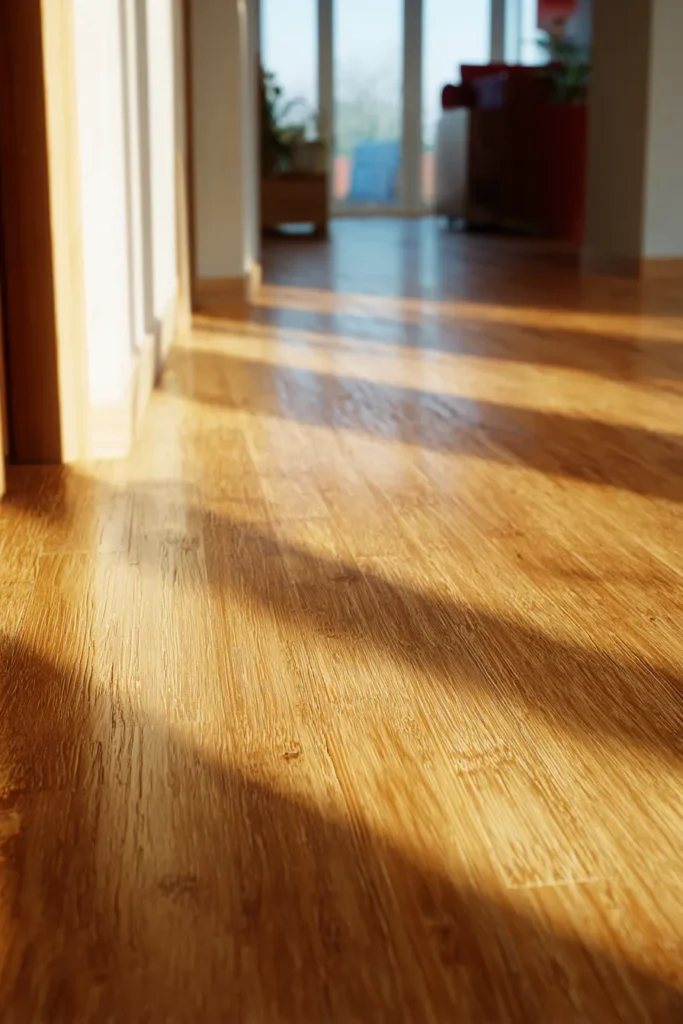
Bamboo flooring offers remarkable durability with a whisper-soft aesthetic. It grows rapidly, regenerates without replanting, and brings honeyed warmth to any room. Cork provides cushioned comfort underfoot—imagine the gentle give as you walk barefoot across sun-warmed floors. Both materials naturally resist moisture and maintain indoor air quality without chemical treatments.
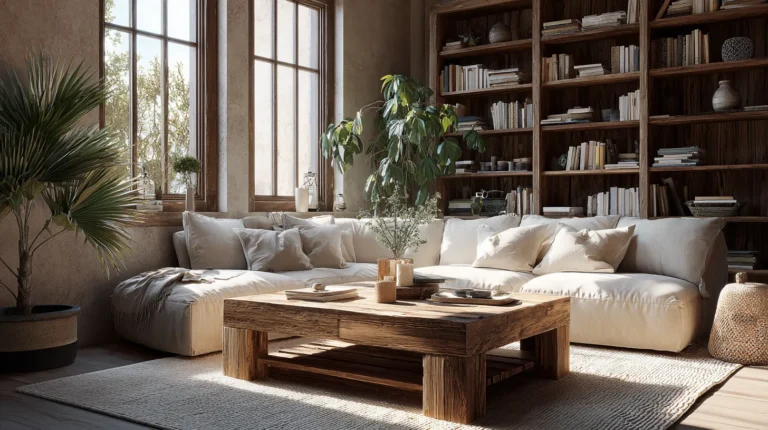
Reclaimed hardwood carries history in its grain. Each board tells stories of barns and factories, weathered and beautiful. These materials reduce demand for new timber while adding character that new wood simply cannot replicate. The imperfections become poetry.
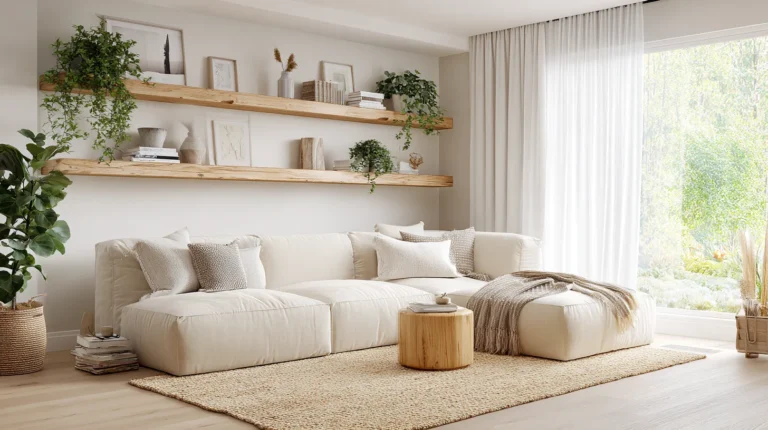
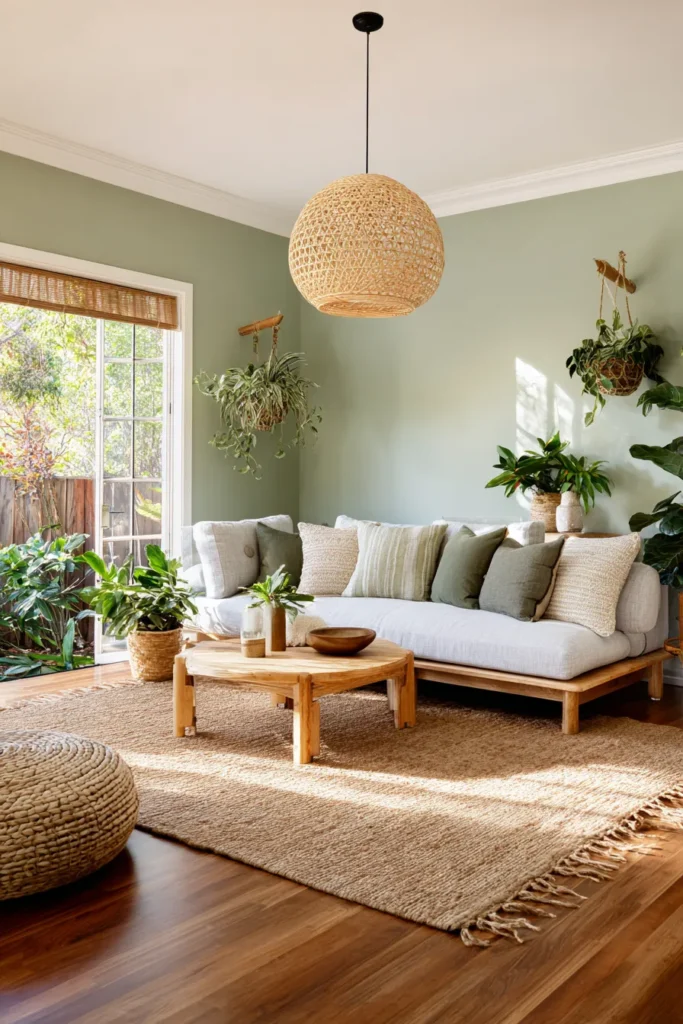
For soft underfoot comfort, consider rugs woven from jute, hemp, or organic wool. These natural fibers add texture and warmth while filtering dust from the air. They’re durable enough for daily life yet soft enough to make the floor feel inviting.
Furniture Crafted with Conscience
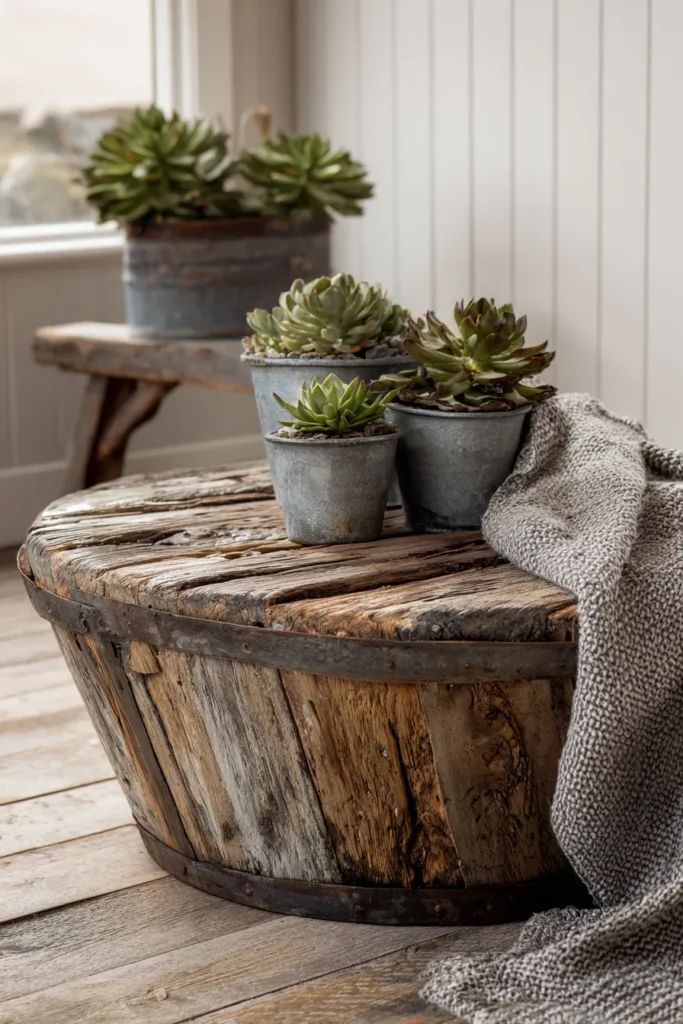
Recycled and upcycled materials create furniture with soul. A coffee table crafted from reclaimed boat wood, a bookshelf built from salvaged factory doors—these pieces anchor a room with presence. They’re conversation starters and environmental champions rolled into beautiful form.
Look for furniture made from FSC-certified wood, ensuring forests are managed responsibly. Recycled metal and glass bring industrial elegance, while post-consumer recycled plastics can be transformed into surprisingly sophisticated pieces. The craftsmanship matters as much as the material.
Multi-functional furniture extends sustainability through sheer practicality. Sofa beds that welcome overnight guests, ottomans with hidden storage, nesting tables that expand when needed—these convertible furniture pieces reduce consumption by serving multiple purposes with grace.
Supporting Local Artisans and Reducing Your Footprint
Local sourcing dramatically reduces the carbon footprint of your furnishings. When you purchase from nearby craftspeople and artisans, you eliminate thousands of transportation miles while supporting community economies. You also gain access to custom pieces made exactly for your space, your vision, your life.
Visit local workshops. Commission pieces. Ask about materials and methods. These conversations deepen your connection to your home while ensuring every choice aligns with your values. The relationship between maker and owner becomes part of the design story.
Creating Healthy Indoor Air Quality
The Power of Low-VOC Paints and Finishes
Low-VOC paints transform air quality in ways you can feel. Volatile organic compounds off-gas for months after application, causing headaches, respiratory irritation, and long-term health concerns. Choosing paints and primers with minimal VOCs means breathing easier, immediately and forever.
Modern eco-friendly paints come in stunning color ranges—soft neutrals that shift with light, deep jewel tones that add drama, subtle pastels that whisper rather than shout. You sacrifice nothing in beauty while gaining everything in health.
Extend this thinking to furniture finishes, sealants, and adhesives. Natural oils, beeswax polishes, and water-based finishes protect wood while keeping indoor air pristine. The subtle scent of real wood becomes the room’s signature, not chemical fumes.
Natural Air Purifiers: Plants That Work While Looking Beautiful
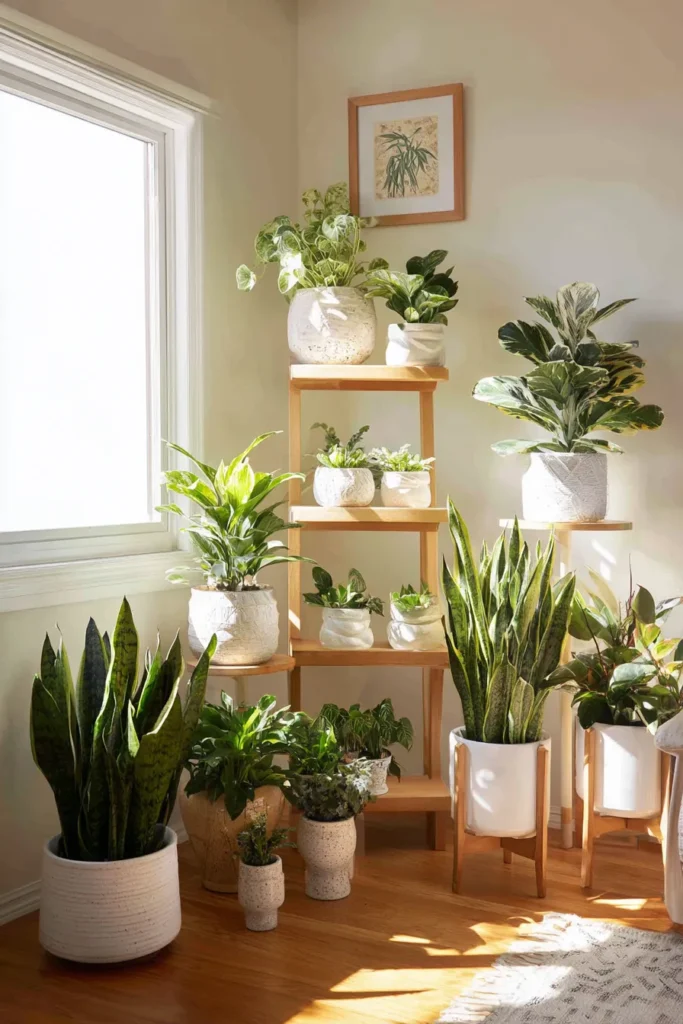
Biophilic design—bringing nature indoors—does more than please the eye. Certain plants actively filter toxins from air, turning your living room into a breathing ecosystem. Snake plants, pothos, and spider plants are nearly indestructible and work tirelessly to purify your environment.
For living rooms, consider water-saving indoor plants like succulents and cacti grouped on a sunny shelf, or dramatic rubber trees anchoring a corner. Peace lilies thrive in lower light and remove benzene and formaldehyde from air. They’re beautiful solutions to invisible problems.
Care for plants becomes a meditative practice. Regular dusting of leaves, occasional misting, rotating for even light—these small acts connect you to natural rhythms while maintaining optimal air-purifying performance. The living room literally comes alive.
Lighting Design That Saves Energy and Elevates Ambiance
Energy-efficient lighting has evolved beyond cold, harsh LEDs. Modern options provide warm, dimmable illumination that rivals traditional bulbs while using 75% less energy. Layer your lighting—ambient, task, and accent—to create depth and flexibility throughout the day.
Smart LED bulbs integrate with home systems, adjusting color temperature from energizing daylight to amber evening glow. Program them to mirror natural light patterns, supporting circadian rhythms while reducing electricity consumption. Technology and wellness converge beautifully.
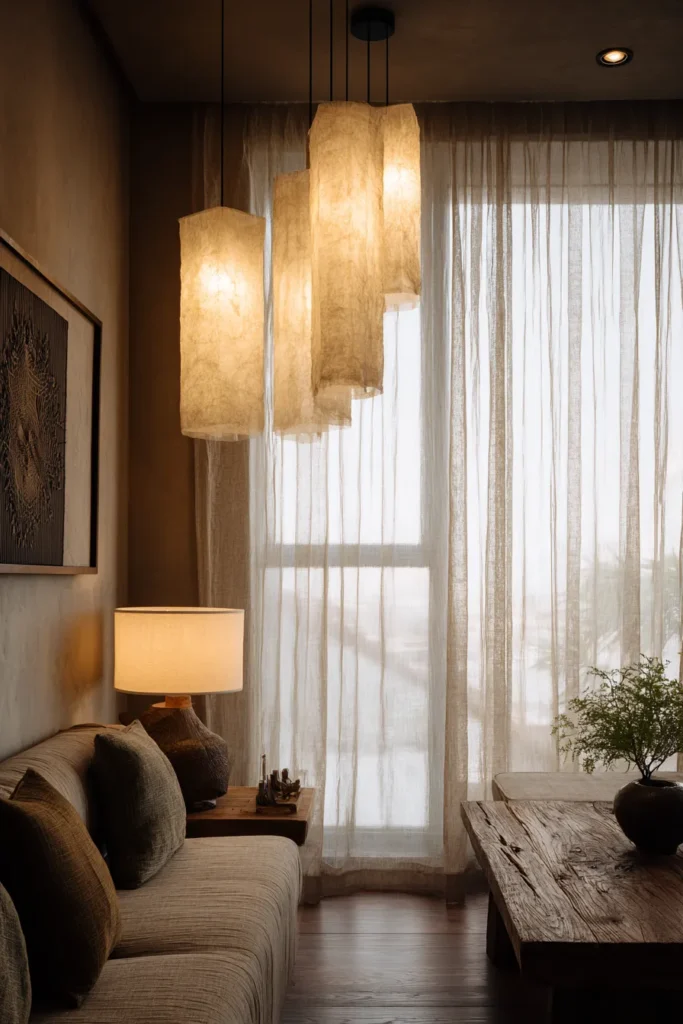
Maximize natural light through thoughtful window treatments. Sheer organic linen curtains filter harsh sun while preserving brightness. Strategically placed mirrors amplify daylight, reducing daytime lighting needs. The interplay of natural and artificial light becomes a choreographed dance.
Smart Home Technology for Sustainable Living
Smart home technology elevates sustainability beyond simple choices. Programmable thermostats learn your patterns, heating and cooling only when needed. Smart power strips eliminate phantom energy drain from devices on standby. These invisible systems work constantly to reduce consumption.
Consider smart blinds that automatically adjust based on sun position, reducing cooling needs in summer while capturing warmth in winter. Air quality monitors alert you to ventilation needs, ensuring optimal indoor conditions without guesswork. The living room becomes responsive to environmental conditions.
Voice-controlled systems let you manage lighting, temperature, and entertainment with minimal effort, encouraging efficiency through ease. When sustainability is effortless, it becomes inevitable. Technology serves nature rather than competing with it.
Selecting Sustainable Textiles and Upholstery
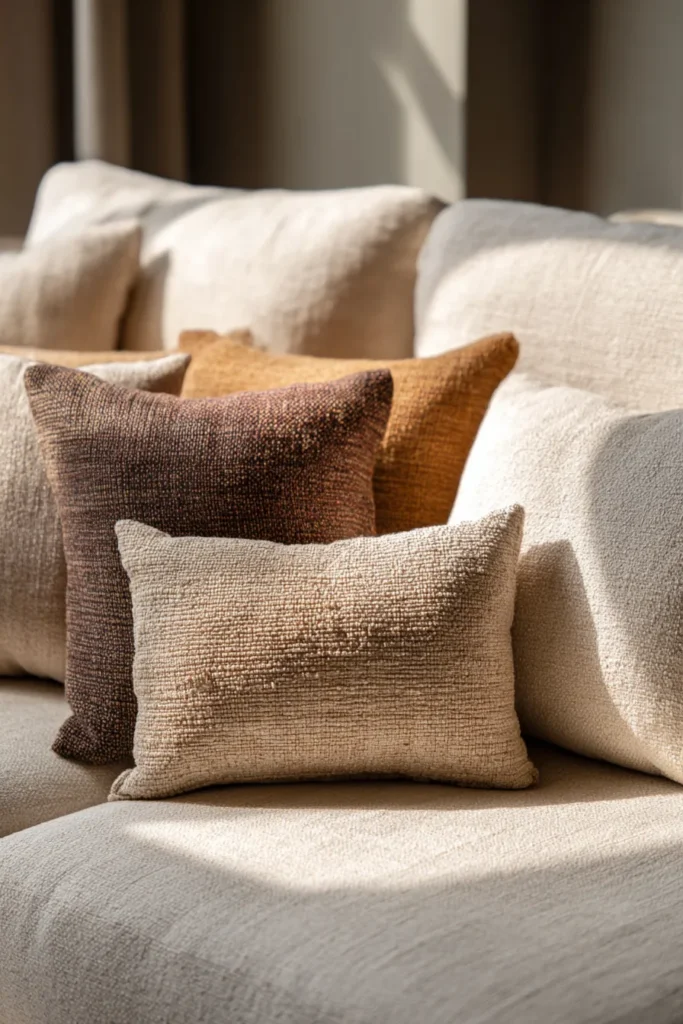
Sustainable textiles wrap your living room in comfort while honoring environmental standards. Organic cotton, linen, and hemp provide breathable, durable fabrics free from pesticides and harmful dyes. They feel better against skin and improve with age, developing character through use.
Look for upholstery filled with natural latex, organic wool, or recycled polyester rather than petroleum-based foams. These materials regulate temperature naturally, resist allergens, and break down gracefully at end of life. Comfort and consciousness need not conflict.
Maintenance That Extends Life
Proper care dramatically extends textile life, the ultimate sustainability practice. Vacuum upholstery weekly to prevent dust buildup. Spot clean immediately with gentle, plant-based cleansers. Rotate cushions regularly to ensure even wear. These simple habits keep furniture looking fresh for decades.
Consider removable, washable slipcovers that update style while protecting underlying upholstery. When patterns fade or tastes change, replace only the cover rather than the entire piece. This approach reduces waste while keeping design flexible and personal.
Store seasonal pillows and throws properly—clean, dry, protected from moths. Bring them out with intention, refreshing your space without purchasing new items. Seasonal decoration with sustainable materials keeps rooms feeling current while items rest between uses.
Embracing Circular Economy Practices
The circular economy reimagines consumption as a loop rather than a line. Instead of buying, using, and discarding, we buy, use, return, and renew. Some furniture companies now offer leasing programs where pieces cycle back for refurbishment and re-homing when your needs evolve.
Explore furniture take-back programs when replacing items. Many manufacturers will collect old pieces for recycling or upcycling, ensuring materials remain in productive use. This closes the loop beautifully, turning potential waste into future resources.
When shopping secondhand becomes treasure hunting, sustainability feels exciting rather than restrictive. Vintage shops, estate sales, and online marketplaces overflow with quality pieces waiting for new stories. Each find is unique, affordable, and carries zero manufacturing footprint.
Designing for Comfort, Wellness, and Ergonomics
Ergonomic eco-friendly furniture supports body and spirit. Sofas with proper lumbar support, chairs that encourage healthy posture, tables at appropriate heights—these considerations prevent discomfort and fatigue. When furniture fits your body, you use spaces more fully and joyfully.
Natural materials often provide superior comfort. Breathable linen stays cool in summer. Wool regulates temperature year-round. Wood surfaces feel pleasant to touch, unlike cold metal or clammy plastic. The sensory experience of sustainable materials enhances daily life in subtle, constant ways.
Consider how furniture arrangements support wellness. Seating that encourages conversation, spaces that invite movement, layouts that maximize natural light exposure—these design choices impact mood and health profoundly. The sustainable living room nurtures holistically.
Seasonal Refresh: Keeping Eco-Friendly Style Fresh
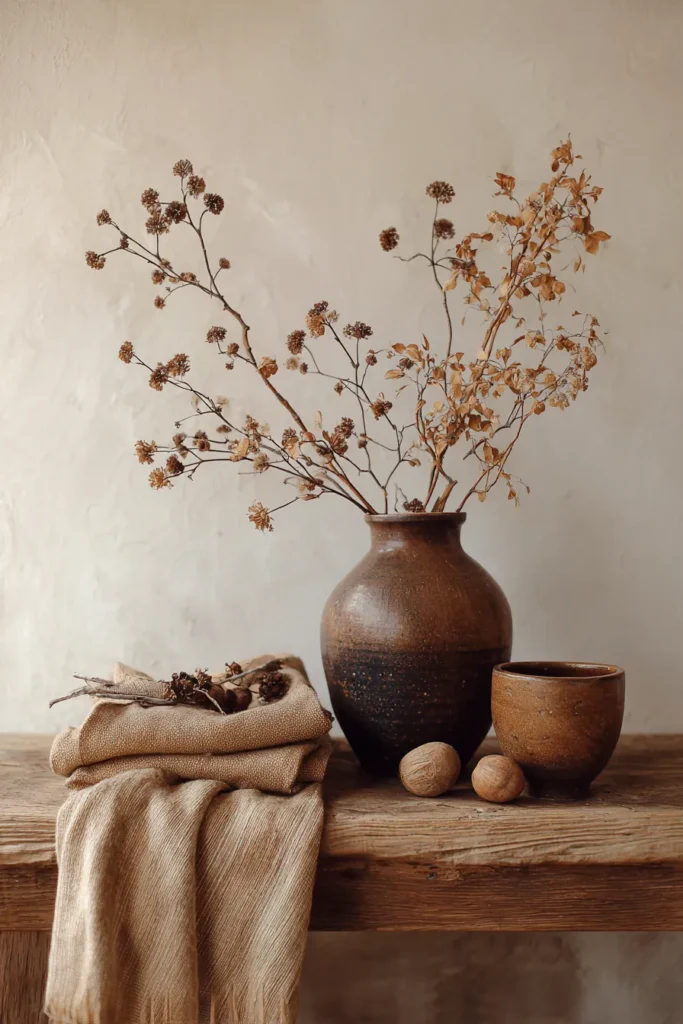
Seasonal decoration tips with sustainable materials keep spaces feeling current without constant consumption. In autumn, display branches with colorful leaves in a vintage vase. Winter invites pine boughs, dried citrus garlands, and woolen throws. Spring welcomes fresh flowers and lightweight linens. Summer calls for botanical prints and breezy textures.
Rotate existing items seasonally rather than storing them year-round. Pack away heavy velvets when warm weather arrives, replacing them with cool cottons. This practice keeps everything feeling fresh while extending the life of all pieces through reduced wear.
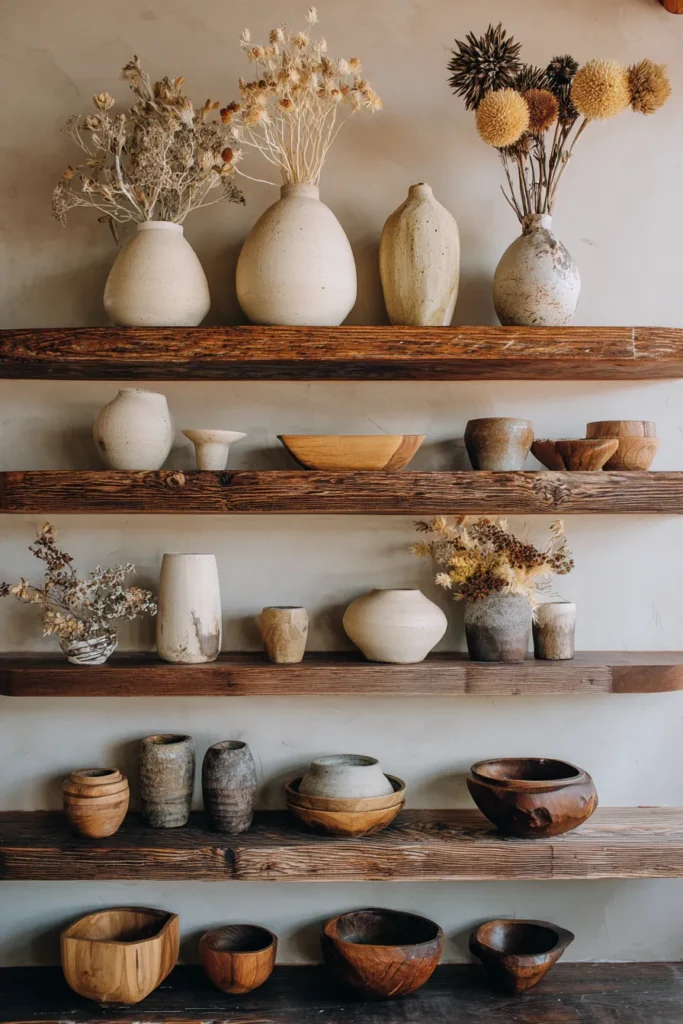
Create a small collection of versatile, natural décor elements that work across seasons: ceramic vessels, wooden bowls, woven baskets. Fill and style them differently throughout the year—shells in summer, gourds in fall, evergreen branches in winter, flowers in spring. The containers remain constant while contents shift.
Your Sustainable Living Room Checklist
Before we close, here’s a practical guide to bringing these ideas home:
- Flooring: Choose bamboo, cork, or reclaimed hardwood for sustainable foundations
- Furniture: Prioritize FSC-certified wood, recycled materials, and multi-functional pieces
- Textiles: Select organic fabrics and natural fillings; maintain for longevity
- Paint: Use only low-VOC paints and finishes to protect indoor air quality
- Plants: Incorporate air-purifying varieties strategically throughout the space
- Lighting: Install energy-efficient LEDs on dimmers with smart controls
- Local: Support nearby artisans and reduce transportation carbon footprints
- Circular: Explore furniture leasing, take-back programs, and quality secondhand options
- Smart tech: Integrate energy-monitoring systems for invisible efficiency
- Maintenance: Care properly for items to maximize lifespan and minimize replacement
| Element | Sustainable Choice | Key Benefit |
|---|---|---|
| Flooring | Bamboo, Cork, Reclaimed Wood | Renewable, durable, low-impact |
| Furniture | FSC-Certified, Upcycled | Responsible sourcing, unique character |
| Textiles | Organic Cotton, Linen, Hemp | Chemical-free, breathable, long-lasting |
| Paint | Low-VOC or Zero-VOC | Healthy indoor air quality |
| Lighting | LED with Smart Controls | 75% energy savings, customizable |
| Décor | Local Artisan, Vintage | Reduced shipping, supports community |
A Living Room That Breathes
Creating a sustainable eco-friendly living room is an act of hope. It declares that beauty and responsibility can coexist, that comfort need not compromise the planet, that the choices we make within our four walls ripple outward in ways we may never fully see but can always feel.
This isn’t about perfection. It’s about intention. Each mindful choice—a low-VOC paint color, a vintage side table, a potted fern filtering your air—contributes to a larger story of care. Your living room becomes a testament to what’s possible when we design with both heart and conscience.
As you build this space, remember that sustainability is also personal. It’s creating rooms that support your wellbeing, that feel restorative rather than depleting, that age gracefully alongside you. The most sustainable choice is always the one that brings genuine, lasting joy.
May your living room be a sanctuary that honors all living things—including you.
Frequently Asked Questions
How do you create a sustainable eco-friendly living room?
Start with mindful material choices: bamboo or cork flooring, FSC-certified furniture, and organic textiles. Prioritize low-VOC paints for healthy air quality and incorporate plants for natural air purification. Choose multi-functional furniture to reduce overall consumption, and look for pieces made from recycled or upcycled materials. Support local artisans when possible to minimize transportation impact.
What materials are best for sustainable living room furniture?
Bamboo, reclaimed wood, and FSC-certified timber offer excellent sustainability credentials. Recycled metals and glass create durable, elegant pieces with minimal environmental impact. For upholstery, choose furniture with organic cotton, linen, or hemp covers and natural latex or wool filling. Avoid furniture with formaldehyde-based adhesives or petroleum-derived foams.
How can I improve air quality in an eco-friendly living room?
Use low-VOC or zero-VOC paints, finishes, and adhesives throughout your space. Introduce air-purifying plants like snake plants, pothos, and peace lilies strategically around the room. Ensure proper ventilation, and choose furniture and textiles that don’t off-gas harmful chemicals. Regular cleaning with natural products prevents dust and allergen buildup while maintaining healthy indoor air.
What are the benefits of biophilic design in living spaces?
Biophilic design—incorporating natural elements indoors—reduces stress, improves mood, and enhances cognitive function. Plants actively purify air while adding humidity and oxygen. Natural materials like wood and stone create calming environments that support mental wellbeing. Views of nature or natural patterns in design lower blood pressure and increase feelings of connection and peace.
How does sustainable furniture save money long-term?
Quality sustainable furniture is built to last decades rather than years, eliminating frequent replacement costs. Energy-efficient appliances and lighting dramatically reduce utility bills over time. Durable, timeless pieces retain value and can be resold or passed down, unlike fast-furniture that quickly becomes waste. Proper maintenance of natural materials extends lifespan indefinitely, making sustainable choices the most economical over time.