
Table of Contents
There’s something profoundly freeing about furniture that moves with you—not just from home to home, but through the seasons of your life. A sofa that reshapes itself for Tuesday’s quiet reading hour and Saturday’s gathering of friends. A table that expands when your family does, then folds quietly back into itself when you crave open space again.
This is the promise of modular and multifunctional furniture: adaptability without compromise. Not disposable pieces that serve a single moment, but thoughtfully designed companions that evolve alongside your needs. In an era where our homes must be offices, studios, sanctuaries, and social spaces all at once, furniture that transforms becomes not just practical—it becomes essential.
The beauty lies in the details. The soft click of a module locking into place. The hidden storage that swallows clutter and returns calm. The clean lines that make a small room breathe deeper, feel wider, more itself.
Let’s explore how modular and multifunctional furniture can reshape not just your space, but how you live within it.
Why Modern Living Demands Flexible Furniture
The Reality of Shifting Spaces
Our homes work harder than ever before. What was once simply a living room now hosts morning yoga, afternoon client calls, and evening movie nights. The dining table doubles as a workspace, craft station, and homework hub.
This isn’t just urban living—it’s modern life. Whether you’re in a 400-square-foot studio or a sprawling suburban home, the need for spaces that shift and adapt touches everyone. We move more frequently, work more flexibly, and live more intentionally than generations before us.
Modular furniture answers this with grace. Instead of buying and discarding pieces with each life change, you invest in systems that grow, shrink, and reconfigure. A sectional sofa becomes a loveseat when you downsize, then expands again when you need it. Shelving units travel from apartment to house, adapting their shape to new walls and new purposes.
The Emotional Weight of Clutter
There’s a tangible heaviness to rooms overstuffed with single-purpose furniture. That bulky guest bed occupying precious square footage. The oversized desk dominating a corner you’d rather use for something lighter, softer, more alive.
Multifunctional furniture removes this burden. A Murphy bed disappears into the wall, transforming a bedroom into a yoga studio by day. An ottoman reveals hidden storage for blankets and books, keeping surfaces clear and minds quieter. These aren’t tricks—they’re thoughtful responses to how we actually live.
The result is space that breathes. Rooms that feel larger not because they are, but because they’re freed from the tyranny of too much stuff.
Core Benefits of Modular & Multifunctional Design
Space Optimization That Actually Works
Small space solutions often feel like compromises—cramped, uninspiring, apologetic. But well-designed modular furniture rejects this entirely. A nesting table set tucks away when not needed, then blooms into a layered coffee table arrangement for entertaining. Extendable dining tables serve intimate dinners for two, then stretch to seat eight without looking awkward in either configuration.
The magic is in the engineering. Modern modular pieces use precision-cut joints, hidden mechanisms, and clever weight distribution to feel solid and substantial even as they transform. There’s no wobble, no makeshift feeling—just clean functionality wrapped in beautiful design.
Consider modular shelving systems from brands like Floyd or Inside Weather. Individual units stack, mount, or stand alone, creating configurations that perfectly fill an awkward wall or define zones in an open-plan space. As your collection of books, plants, and treasures grows, the system grows with it.
Long-Term Value and Sustainability
Fast furniture—cheap pieces designed to last a season or two—fills landfills and drains wallets over time. Modular systems, by contrast, are investments that appreciate through use. When you move apartments, the sectional reconfigures. When your style evolves, you swap covers or add complementary pieces rather than replacing everything.
This is sustainability beyond recycled materials (though many modular brands prioritize those too). It’s about creating less waste through smarter design. Companies like Burrow and BenchMade Modern build furniture meant to last decades, with replaceable components and timeless aesthetics that won’t feel dated in five years.
The initial cost may be higher, but calculate the lifetime value: no repeated purchases, no disposal fees, no guilt about contributing to mountains of discarded furniture. Just pieces that serve you year after year, adapting as you do.
Customization for Your Actual Life
Generic furniture forces you to adapt to its limitations. Modular systems flip this entirely—you design the furniture around your life, not the other way around.
Families with young children need different layouts than couples who entertain frequently. Remote workers need different zones than retirees. Modular furniture acknowledges these truths. You might start with a simple two-seat sofa, then add a chaise when budget allows or remove it when you need floor space for a baby’s play area.
Brands like Joybird and Allform offer extensive customization: fabric choices that range from durable performance weaves to sumptuous velvets, leg styles from mid-century tapered to modern metal, configurations that can be sketched and resketched until they’re exactly right.
Essential Pieces for Multifunctional Living
Modular Sofas and Sectionals
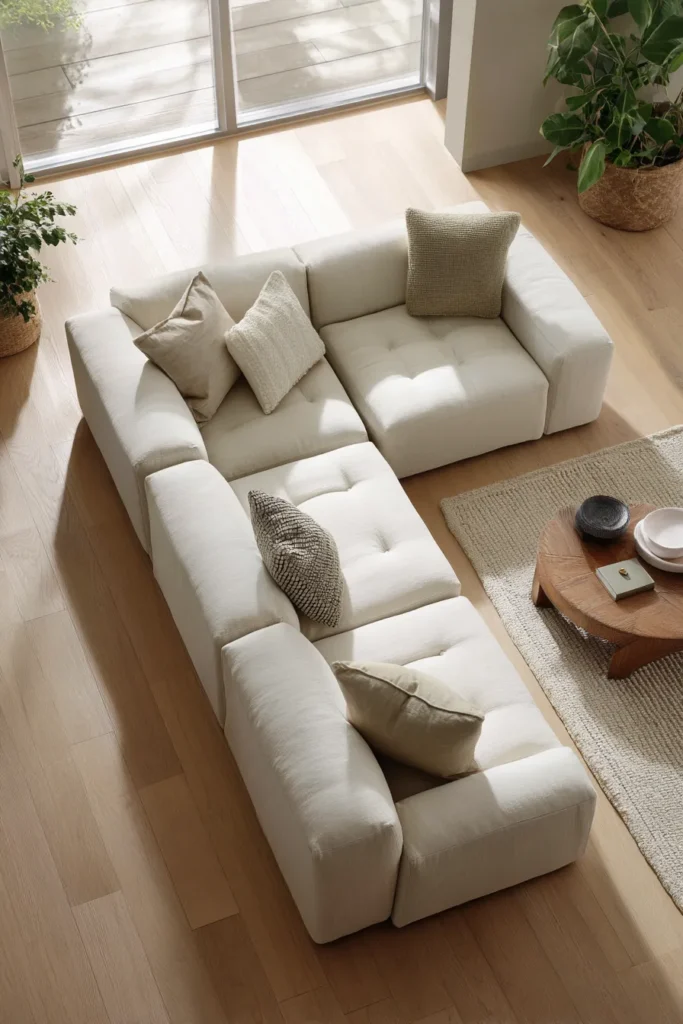
The sofa is often the largest single piece in a home, and getting it wrong means living with regret or expensive replacement. Modular sectionals eliminate this risk.
Picture a Burrow sectional: individual modules connect via hidden clamps beneath USB-equipped armrests (tech integration that actually serves a purpose). Start with an L-shape configuration for your current apartment. When you move, break it into separate seating areas. Add an ottoman module for extra seating during parties, then use it as a coffee table with a tray top the rest of the time.
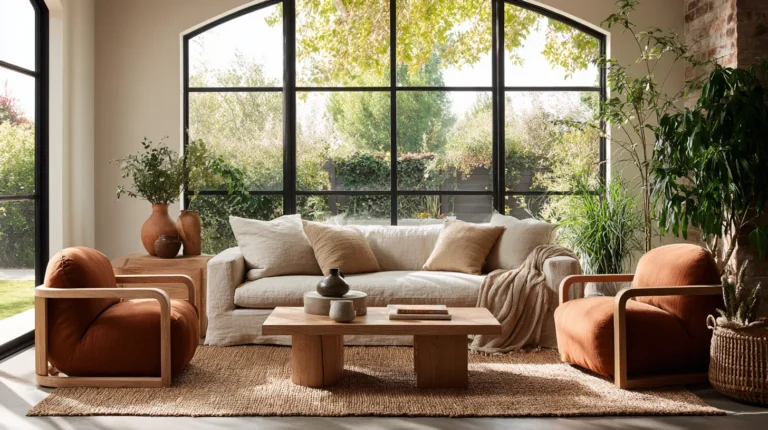
The upholstery matters deeply here. Look for performance fabrics that resist stains and wear—essential for real life with pets, children, or simply the inevitable coffee spill. Colors should be versatile: the warm neutrals that ERYLIN celebrates (think oatmeal linen, charcoal wool, soft terracotta) provide a foundation that works with evolving décor.
Transforming Tables
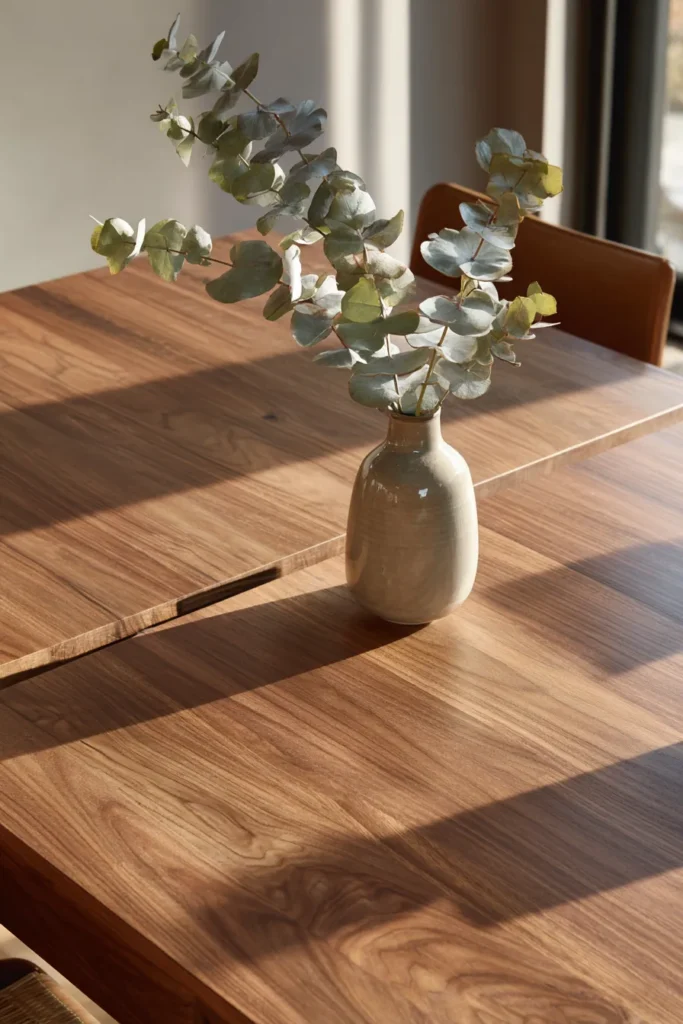
A dining table that seats four on Tuesday and twelve on Thanksgiving is no longer a luxury—it’s smart design. Extendable tables with butterfly leaves or drop-in panels offer this flexibility without the visual bulk of a permanently oversized table.
For smaller spaces, consider nesting tables or console tables that extend to dining length. Resource Furniture specializes in these transformer pieces: a sleek console against the wall pulls out, unfolds, and seats six for dinner, then tucks away to restore precious floor space.
Coffee tables with lift tops create impromptu work surfaces or dining spots for Netflix nights. Hidden storage beneath holds everything from remotes to throw blankets, keeping your surfaces serene.
Storage That Disappears
The best storage is the kind you don’t see until you need it. Multifunctional furniture with integrated storage solves the perpetual problem of where to put things without adding visual clutter.
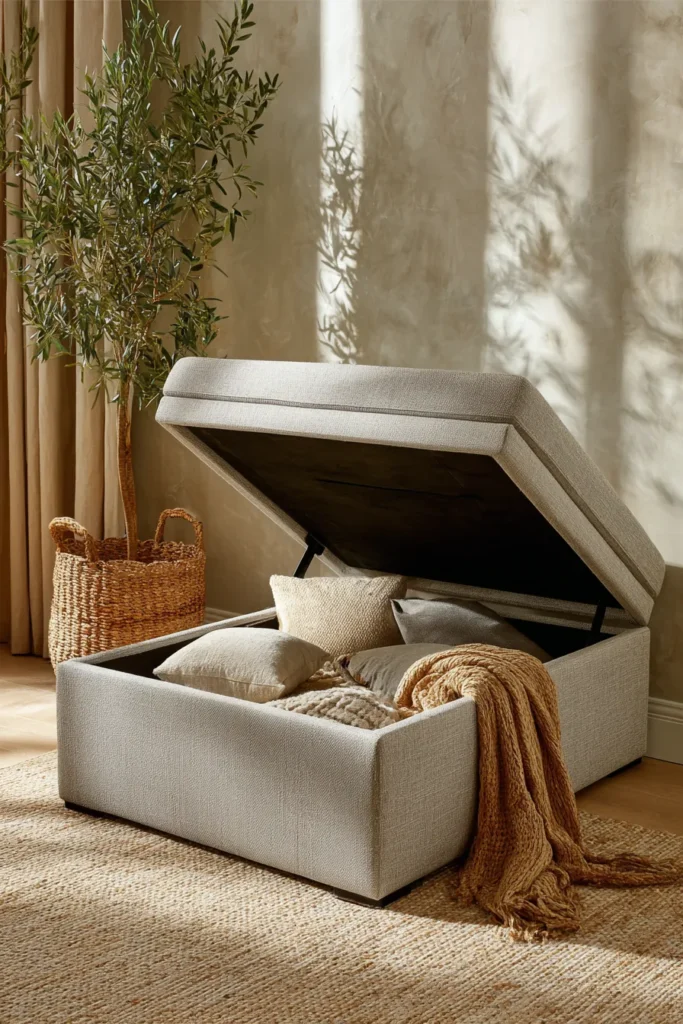
Ottoman storage is the most versatile: a soft place to rest feet, extra seating when needed, and concealed space for everything you want nearby but out of sight. Choose designs with removable tops that can serve as trays when you need surface area.
Bed frames with built-in drawers maximize the often-wasted space beneath the mattress. Murphy beds take this further, folding the entire sleeping surface against the wall to reclaim the room during waking hours—particularly brilliant for studio apartments or guest rooms that need dual purposes.
Modular Shelving and Storage Systems
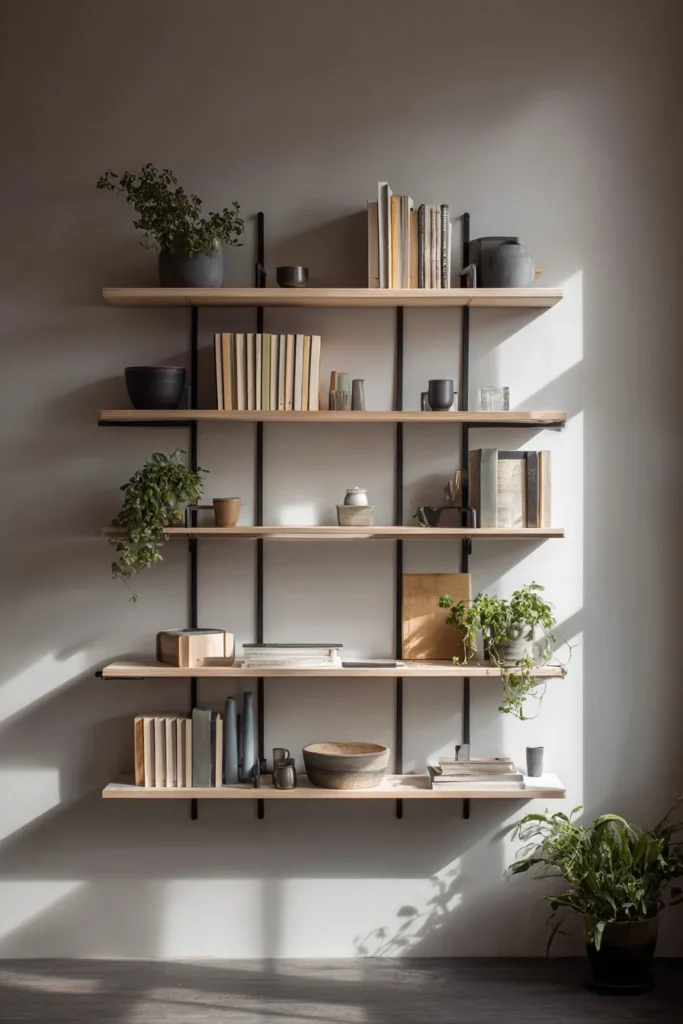
Shelving should evolve as you do. Brands like Floyd offer modular systems where individual shelves, cabinets, and desks share a consistent mounting system. Start small, then expand vertically or horizontally as your needs grow.
These systems shine in home offices, where you might need mostly open shelving now but closed storage later. The beauty is in the flexibility: no tools required to reconfigure, no awkward gaps or mismatched pieces. Everything feels intentional because it is.
Choose materials that warm a space—natural wood, powder-coated steel in soft colors, glass that keeps things light. The goal is storage that serves without dominating.
Convertible Sleeping Solutions
Guest rooms are beautiful until you realize how rarely they’re used. Sofa beds and daybed designs transform these underutilized spaces into functional rooms that earn their square footage daily.
Modern sleeper sofas have shed their reputation for uncomfortable mattresses and bulky frames. Joybird’s sleeper sofas feature memory foam mattresses and simple mechanisms that anyone can operate. During the day, they’re simply beautiful sofas in your choice of upholstery.
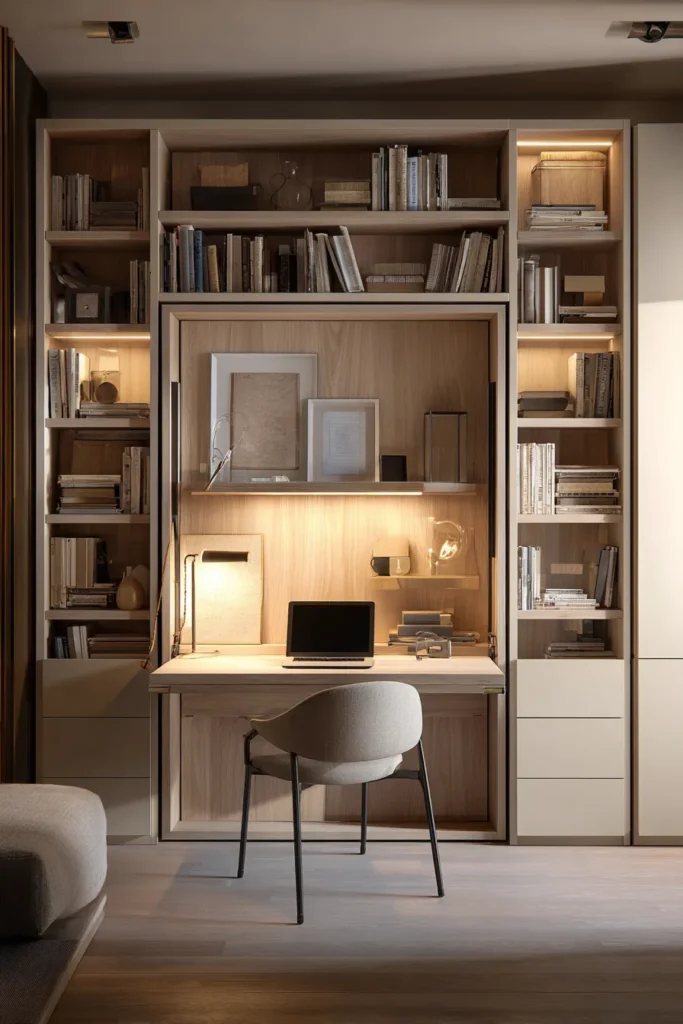
Wall beds (Murphy beds) paired with attached desks or shelving create home offices that transform into guest rooms in seconds. The mechanism feels effortless—no wrestling with springs or manually hauling the bed up and down.
How to Choose Modular Furniture That Lasts
Assessing Quality and Durability
Not all modular furniture is created equal. The mechanisms that allow transformation are the weak points, so scrutinize the engineering.
Look for solid wood frames rather than particle board. Check that connections between modules feel substantial—wobbly joints will only worsen with use. Hardware should be metal, not plastic. Cushions should have high-density foam cores that won’t collapse after a year.
Read real user reviews, not just curated testimonials. People will tell you about modules that no longer align, fabric that pilled prematurely, or customer service that disappeared post-purchase. This research saves heartbreak and money.
Premium brands like BenchMade Modern and Rove Concepts tend to have higher upfront costs but better long-term performance. If budget is tight, consider starting with fewer pieces from a quality brand rather than a full set from a questionable one.
Understanding Your Space and Lifestyle
Measure twice, order once—especially with modular furniture. Know not just the dimensions of your room but how you actually move through it. That sectional might fit technically, but does it allow comfortable flow to windows, doors, closets?
Think about your real life usage. Do you entertain weekly or monthly? Do you work from home five days or one? Do you have pets who’ll shed on upholstery or children who’ll test every seam?
Honest answers guide choices. A childless couple who rarely hosts can choose delicate fabrics and minimal configurations. A family of five with a golden retriever needs durable performance fabrics and ample seating that can handle daily wear.
Considering Brand Compatibility and Expandability
Here’s a reality rarely discussed: most modular systems aren’t cross-compatible between brands. A Floyd shelf won’t mount to an IKEA rail. A Burrow module won’t connect to an Article sofa.
This means committing to an ecosystem. Choose brands with comprehensive offerings so you can expand within their system as needs change. Check that the brand has staying power—small companies sometimes discontinue lines, leaving you unable to add pieces years later.
Some brands, particularly IKEA and Wayfair, offer extensive modular lines at lower price points but with greater risk of discontinuation. If you value flexibility to expand, stick with established brands with consistent product lines.
Styling Modular Furniture with ERYLIN’s Touch
Creating Cohesion Through Texture and Material
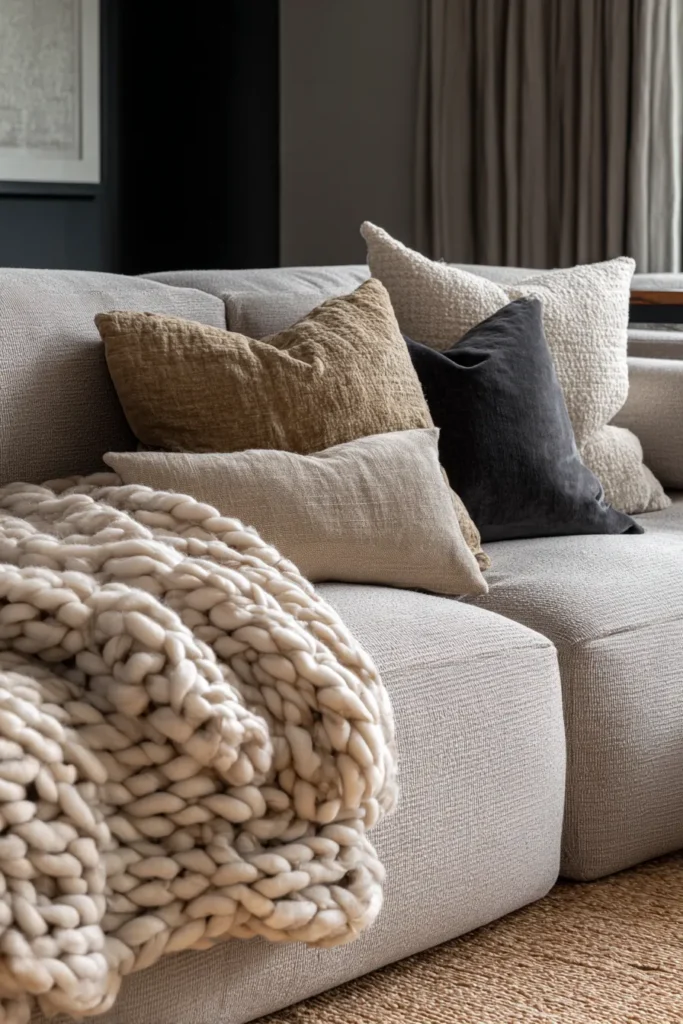
Modular furniture’s flexibility can look chaotic without intentional styling. Anchor pieces with consistent materials and textures that echo throughout the space.
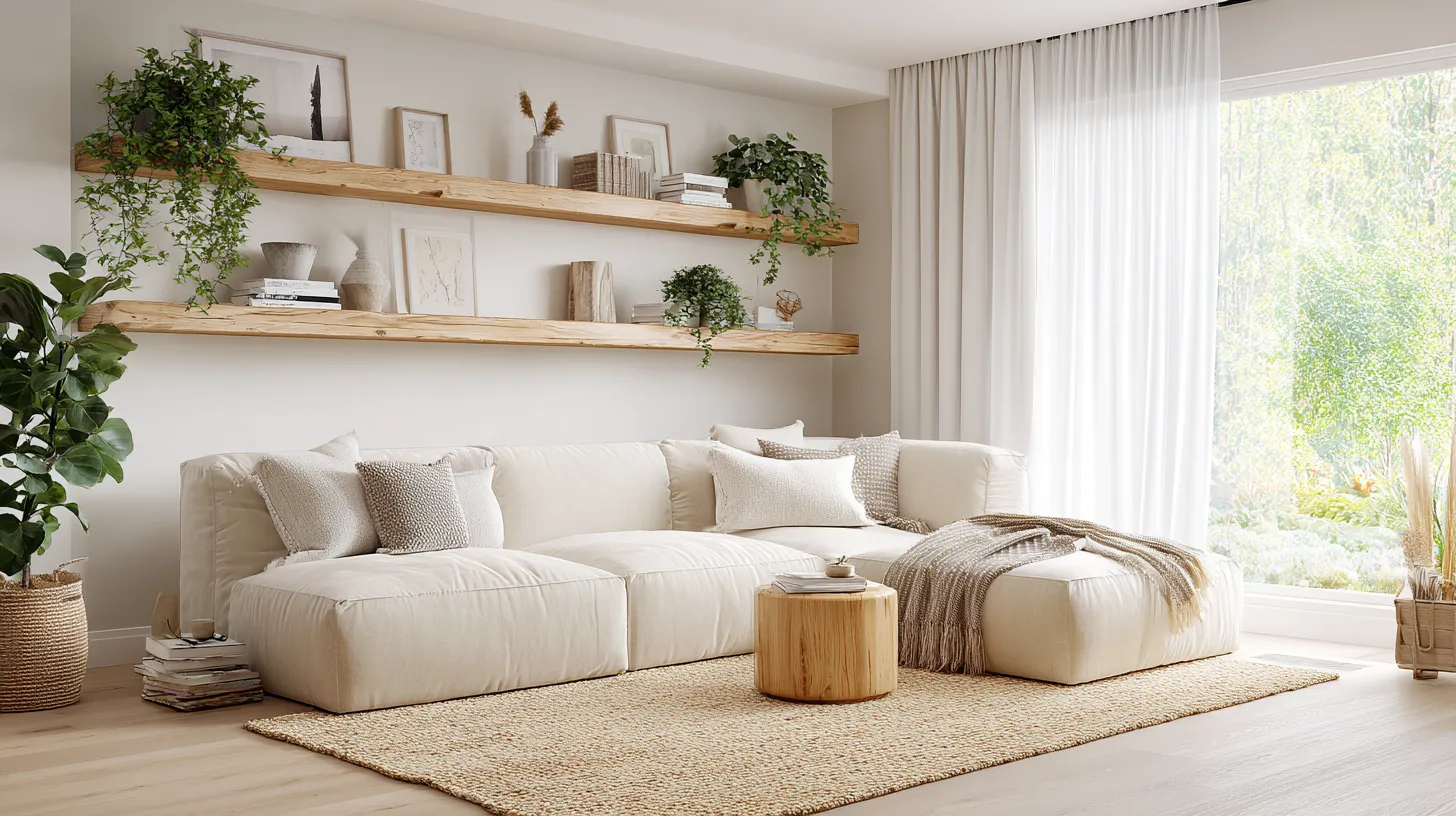
If your modular sofa is upholstered in linen, bring that texture into throw pillows, window treatments, or dining chairs. Pair the clean lines of modular shelving with woven baskets for storage, pottery on display, plants in natural fiber baskets.
Wood tones should speak to each other. If your shelving is warm walnut, let your coffee table echo that warmth rather than introducing a jarring cherry or stark white. This doesn’t mean everything matches—it means everything harmonizes.
Metals too. Brushed brass hardware on modular shelving pairs beautifully with brass lamp bases and picture frames. Black steel shelf brackets want black iron candlesticks and matte black vases.
Layering Light for Versatility
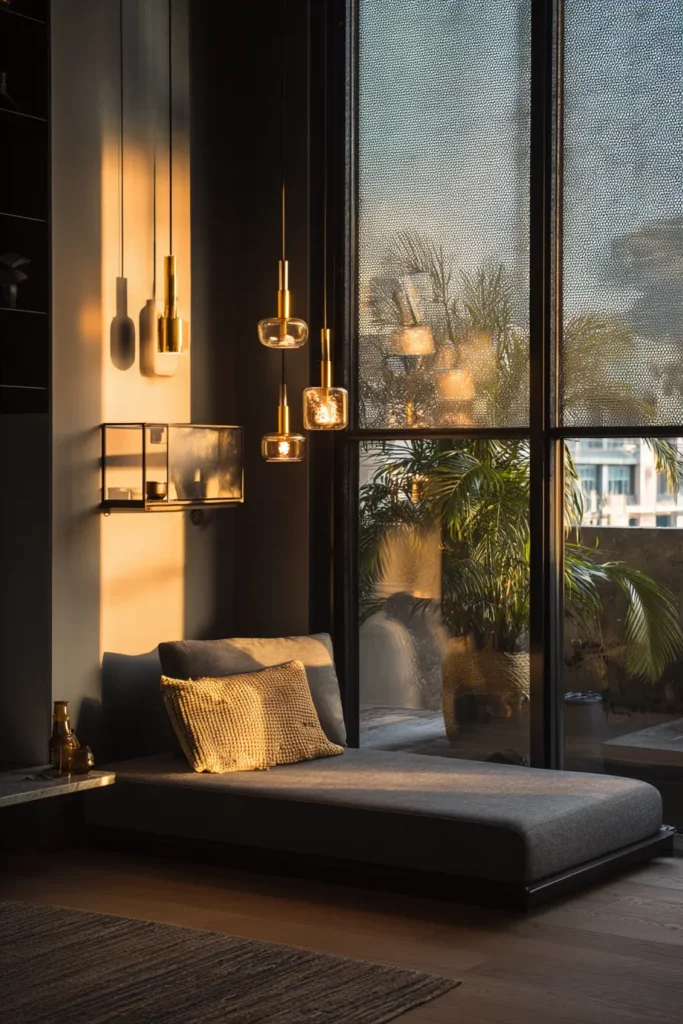
Modular spaces benefit from layered lighting that can shift mood and function as easily as the furniture itself. Overhead lighting provides general illumination, but it’s the lamps, sconces, and accent lights that bring warmth and dimension.
Position floor lamps where seating modules might move—the flexibility lets you redirect light as you reconfigure. Opt for dimmer switches on overhead fixtures so the home office can become a cozy reading nook with a simple adjustment.
String lights or LED strips behind modular shelving add depth and draw the eye to displayed items. Under-cabinet lighting in modular kitchen systems makes workspaces functional while creating ambient glow during evening hours.
For more guidance on creating atmosphere, explore our lighting ideas for modern homes.
Softening Clean Lines with Natural Elements
Modular furniture tends toward minimalism—clean lines, neutral colors, unfussy design. This is its strength, but it needs softening to avoid feeling cold.
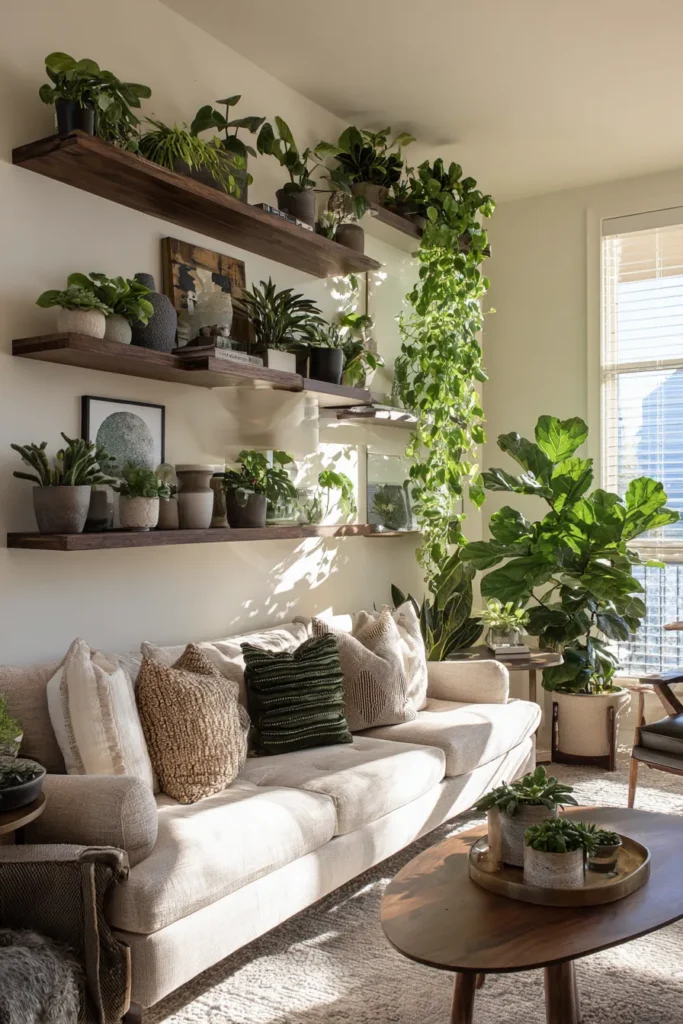
Plants are the easiest fix. Trailing pothos cascade from upper shelves. Fiddle leaf figs anchor corners. Small succulents cluster on coffee tables. The organic shapes and varying greens warm any space instantly.
Throw blankets in chunky knits or soft cotton add invitation to sectionals. Pillows in varying textures—velvet, linen, wool—create visual interest without clutter. Natural fiber rugs (jute, sisal, wool) ground modular seating arrangements and define zones in open layouts.
Wood accessories—bowls, cutting boards as décor, picture frames—echo the warmth of wooden furniture components. The goal is balance: the efficiency of modular design meets the soul of natural, lived-in comfort.
Common Challenges and How to Solve Them
Modules That Don’t Quite Align
Even quality modular furniture can develop alignment issues over time, especially with pieces that get reconfigured frequently. Connections loosen, floors aren’t perfectly level, pieces shift with use.
The fix is usually simple: check and tighten hardware regularly. Most modular systems use Allen keys or simple tools included with purchase. Every few months, go around tightening connections. Use furniture pads to level pieces on uneven floors.
If alignment issues persist, contact the manufacturer. Many brands will replace defective connectors or provide troubleshooting. Document problems early—warranty periods vary, and you’ll want coverage if there’s a design flaw.
Wear Points and Maintenance
Modular furniture’s flexibility means certain areas get more handling—armrests that get moved, cushions that swap positions, fabric that rubs against connectors.
Choose performance fabrics rated for high durability if you’ll be reconfiguring often. Treat fabrics with protective sprays if the manufacturer approves. Rotate cushions regularly so wear distributes evenly.
For wooden modular shelving, use furniture wax or oil recommended by the manufacturer to protect areas that get handled frequently. Metal connectors benefit from occasional cleaning to prevent dust buildup that can affect smooth operation.
Balancing Cost with Quality
Modular furniture’s higher price point is its biggest barrier. The temptation to go cheaper is real, but cheap modular furniture is rarely a bargain.
Consider phased purchasing: start with core pieces from a quality brand, then add modules as budget allows. A well-made two-seat sofa serves better than a full sectional that falls apart in two years.
Watch for sales, but verify you can add to the system later—discounted discontinued lines are only deals if you never need expansion. Look at brands’ outlet sections for floor models or slight imperfections at reduced prices.
Calculate cost per year of use. A $2,000 modular sofa that lasts 15 years costs $133 annually. Three $500 sofas over the same period cost $1,500 total but involve the hassle and waste of two replacements.
Integration with Existing Furniture
You don’t need to modularize everything at once. Strategic integration lets new pieces coexist with beloved existing furniture.
Start with the largest pain point—usually seating or storage. Replace the sofa with a modular sectional but keep your vintage coffee table. Add modular shelving while retaining your grandmother’s cabinet.
Use color and material as bridges. If your existing pieces skew traditional, choose modular furniture in warm woods and classic fabrics. If your style is contemporary, opt for sleeker modular pieces in cool tones.
Over time, as pieces wear out or needs change, you can gradually shift toward a more unified modular approach without the shock of complete replacement.
Modular Furniture for Different Lifestyles
Students and First-Time Renters
Limited budgets and frequent moves make modular furniture particularly valuable for young adults. Prioritize pieces that disassemble completely without damage and fit in standard vehicles.
IKEA’s modular lines offer the lowest barrier to entry. The quality is adequate for short-term use, and the ubiquity means replacements are easy to find. Focus on a good modular bed frame with storage and versatile shelving that can serve multiple rooms across moves.
Invest slightly more in one piece you’ll keep long-term—perhaps a modular desk system that can grow from dorm room to first apartment to eventual home office. This teaches the value of quality while keeping overall costs manageable.
Families with Children
Families need furniture that adapts as children grow and needs shift. A playroom becomes a homework space becomes a teen lounge. Durable, reconfigurable pieces handle this evolution.
Performance fabrics are non-negotiable—look for ratings above 50,000 double rubs (a measure of durability). Removable, washable covers are worth the upcharge. Brands like Allform specialize in family-friendly modular sofas that can take daily wear.
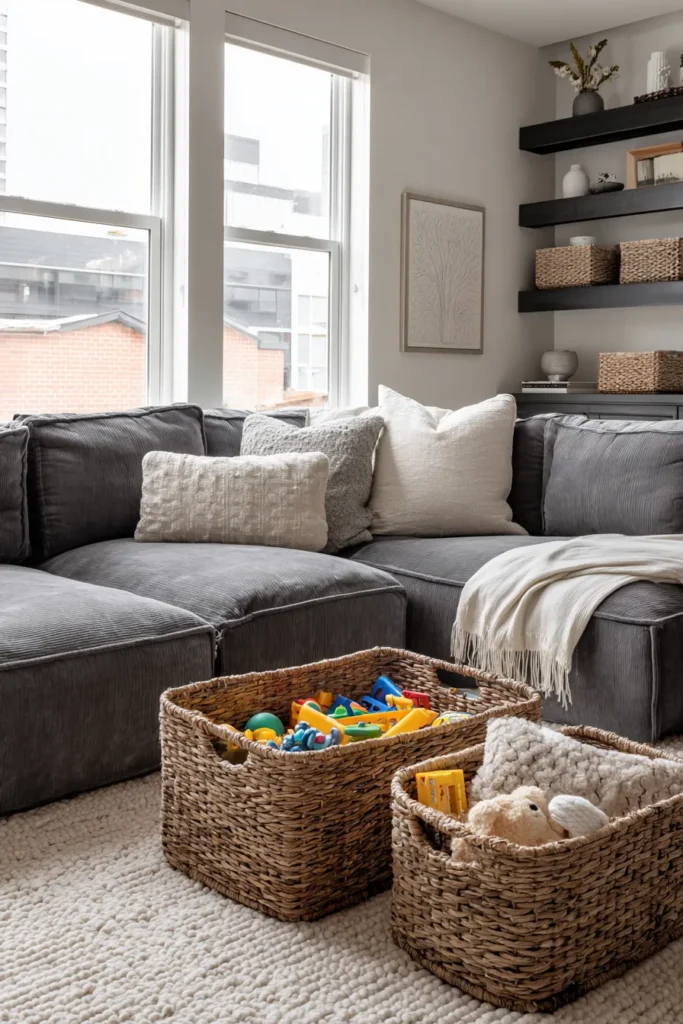
Modular storage systems let you create accessible zones for toys at toddler height, then adjust as children grow. Closed cabinets hide the mess while open shelves display evolving interests from picture books to trophies to record collections.
Remote Workers and Home Office Needs
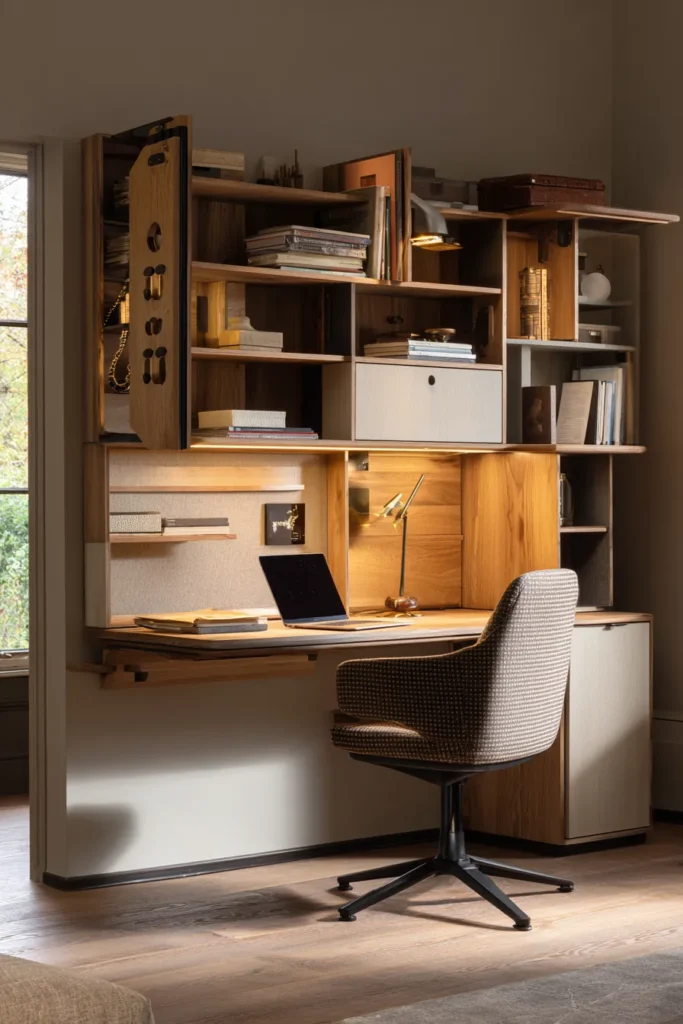
The work-from-home revolution demands spaces that shift from professional to personal seamlessly. Modular desks and storage create zones that can be concealed when the workday ends.
Look for desk systems that integrate with shelving for an all-in-one workstation that doesn’t require a dedicated room. Murphy desk-bed combinations are brilliant for studio apartments—fold up the desk, pull down the bed, and reclaim your living space each evening.
Cable management matters in work setups. Choose modular pieces with integrated wire management—grommets, channels, or hidden compartments. The USB ports built into some modular sofas let you work comfortably from the couch without visible cords.
Lighting becomes crucial. Position modular shelving to support desk lamps, or choose systems with integrated LED lighting. Task lighting during work hours, ambient lighting in the evenings.
Downsizers and Retirees
Moving from a large family home to a smaller space is emotionally and practically challenging. Modular furniture eases this transition by providing full functionality in less space.
Murphy beds let guest rooms serve as hobby spaces, home offices, or libraries most of the time. Extendable dining tables mean you can still host family gatherings without a permanently large table dominating the space.
Choose pieces with easier operation—no heavy lifting or complex mechanisms. Wall beds with piston systems require minimal effort. Lightweight modular seating can be rearranged without strain.
Prioritize pieces you’ll keep long-term since future moves are less likely. This is the time to invest in truly high-quality modular furniture that will serve the rest of your life comfortably.
The Future: Smart and Tech-Integrated Modular Furniture
Modern living increasingly means connected living. Some modular furniture now integrates smart features that enhance both form and function.
USB charging ports in sofa arms and side tables keep devices powered without visible cords snaking across the room. Wireless charging surfaces integrate into tabletops and nightstands—simply set your phone down and it charges.
Modular lighting systems with smart bulbs let you control ambiance from your phone or voice assistant. Adjust color temperature throughout the day: cool blue light for morning focus, warm amber for evening relaxation.
Some brands experiment with motorized modular furniture—shelves that adjust height automatically, sofas that reconfigure via app control. These remain expensive and somewhat gimmicky, but the trajectory is clear: furniture that responds to your needs in real-time.
As technology advances, expect more integration: modular furniture with built-in speakers, climate control elements, or even pieces that suggest reconfigurations based on your habits and upcoming schedule.
Quick Reference: Modular Living Essentials
Key Features to Look For
- Solid construction: Hardwood or engineered wood frames, metal connectors
- Easy assembly: Tool-free or minimal-tool connection systems
- Expansion options: Ability to add modules from the same brand
- Durable fabrics: Performance ratings above 30,000 double rubs minimum
- Replaceable parts: Covers, cushions, and hardware available separately
- Warranty: Minimum one year, preferably longer for high-end pieces
- Clear dimensions: Modular and overall measurements for planning
- User reviews: Real feedback about long-term performance
Top Brands by Need
| Need | Recommended Brands | Why |
|---|---|---|
| Budget-Conscious | IKEA, Wayfair | Extensive modular lines, lower prices, easy availability |
| Premium Quality | BenchMade Modern, Rove Concepts | Superior materials, custom options, excellent durability |
| Urban Small Spaces | Resource Furniture, Floyd | Innovative space-saving designs, sleek aesthetics |
| Family-Friendly | Burrow, Allform | Performance fabrics, easy cleaning, thoughtful design |
| Customization | Joybird, Inside Weather | Extensive fabric/finish options, personalized configurations |
| Eco-Conscious | Floyd, Article | Sustainable materials, ethical manufacturing, lasting design |
Common Modular Pieces Worth Prioritizing
- Modular sectional sofa: The foundation of flexible living rooms
- Extendable dining table: Maximizes space while accommodating guests
- Modular shelving system: Grows with your storage needs
- Ottoman with storage: Seating, surface, and concealed storage in one
- Murphy bed or sleeper sofa: Transforms single-purpose rooms into multi-use spaces
- Nesting tables: Flexible surface area that tucks away when not needed
- Modular desk system: Adapts to changing work needs and available space
Maintenance Timeline
- Weekly: Vacuum upholstery, wipe down hard surfaces
- Monthly: Check and tighten connectors, rotate cushions
- Quarterly: Deep clean fabrics per manufacturer instructions
- Annually: Treat wood with appropriate oils/waxes, assess for wear
- As needed: Replace worn components, add protective treatments
Conclusion
There’s a particular kind of peace that comes from living in a space that truly serves you—not just tolerates you, but adapts to your changing needs with grace.
Modular and multifunctional furniture offers this gift. Not through magic or gimmicks, but through thoughtful design that respects how we actually live. The flexibility to reshape a room for different moments. The intelligence to hide what clutters and reveal what serves. The quality to last through years of transformation.
This is furniture that grows with you through job changes and moves, through expanding families and emptying nests, through periods of gathering and seasons of quiet solitude. It refuses to force you into rigid living patterns, instead offering a foundation that bends to your life rather than demanding you bend to it.
As you consider bringing modular pieces into your home, remember: start with intention, invest in quality, and trust that furniture designed for change will serve you better than any single-purpose piece ever could.
Your home should feel like the most honest version of yourself—comfortable, adaptable, ready for whatever comes next. Modular furniture helps create that space.
Frequently Asked Questions
What’s the difference between modular and multifunctional furniture?
Modular furniture consists of individual units or sections that can be arranged, rearranged, or expanded in different configurations—think sectional sofas where you can add or remove pieces, or shelving systems you can customize. Multifunctional furniture serves multiple purposes in a single piece—like a sofa bed, storage ottoman, or extendable table. Many modern pieces are both modular and multifunctional, offering the ultimate flexibility for changing needs.
Is modular furniture more expensive than traditional furniture?
The upfront cost is often higher for quality modular pieces, but the long-term value typically exceeds traditional furniture. You avoid replacing entire pieces when needs change—instead, you add modules or reconfigure what you have. Factor in fewer moves requiring new furniture, no disposal costs, and decades of use rather than years. A $2,500 modular sectional that serves you for 15 years across three homes costs less over time than three separate $1,000 sofas that don’t adapt.
Can modular furniture work in a traditional or eclectic décor style?
Absolutely. While modular furniture often features clean, contemporary lines, you can integrate it into any style through fabric choice, accessorizing, and thoughtful pairing with existing pieces. Choose warm wood tones and classic upholstery fabrics like linen or velvet for traditional spaces. Mix modular shelving with antique décor items. Use throws, pillows, and rugs to bridge modern modular pieces with vintage or eclectic elements. The key is treating the modular furniture as a neutral foundation.
How do I know if modular furniture will hold up to daily family use?
Look for specific durability indicators: hardwood or quality engineered wood frames (avoid particle board), high-density foam in cushions (minimum 1.8 density), performance fabrics rated above 30,000 double rubs, and metal rather than plastic connectors. Read user reviews that mention families, pets, and long-term use—not just initial impressions. Brands like Burrow and Allform are designed for real-life wear. Extended warranties of five years or more also signal strong manufacturer confidence in durability.
What’s the best way to start incorporating modular furniture if I’m on a budget?
Start with one strategic piece that solves your biggest pain point. If seating is the issue, invest in a quality modular sofa you can add to later. If storage is the problem, begin with a modular shelving system you can expand gradually. Buy fewer modules from a better brand rather than a complete setup from a questionable one. Watch for sales on floor models. Consider the secondhand market for premium brands—quality modular furniture often has many years left even when pre-owned. Build your modular system piece by piece as budget allows, ensuring each addition genuinely improves your daily living.