
Table of Contents
There’s a moment that happens in every home, usually on a quiet Sunday morning or just before guests arrive. You walk into your living room and something feels off. The sofa seems too large, the coffee table sits awkwardly in the center, and that beautiful accent chair you loved in the store now blocks the natural flow of movement. The space doesn’t breathe the way you imagined it would.
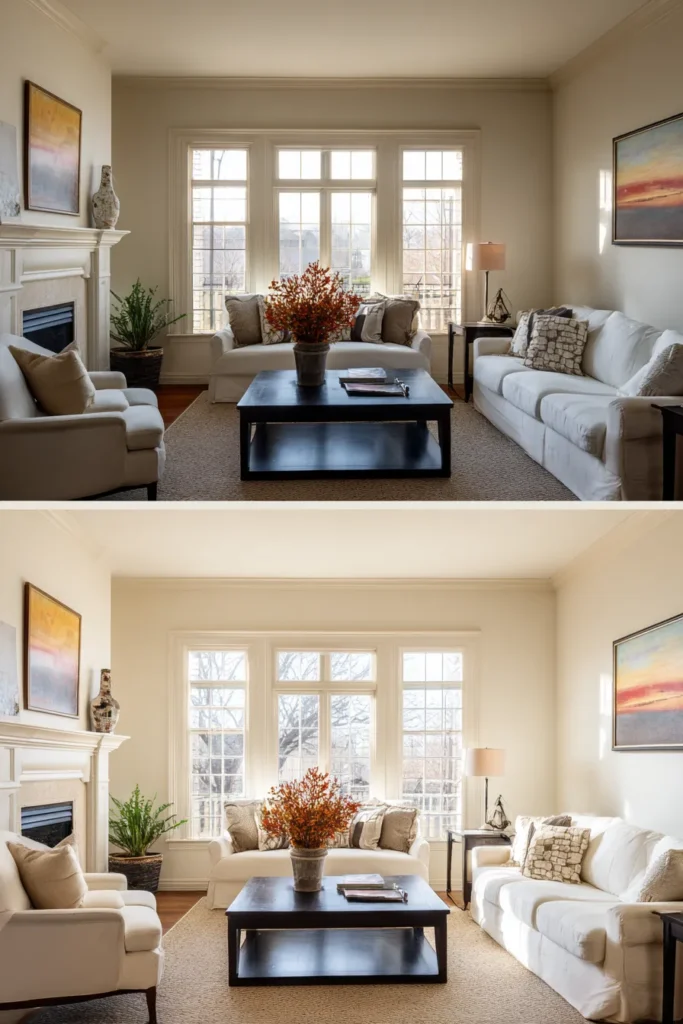
Living room furniture is more than a collection of individual pieces. It’s an ecosystem where form meets function, where personal style intersects with daily life, and where every decision about placement, scale, and material creates either harmony or discord. The right furniture layout transforms a room from a showroom stage into a lived in sanctuary that welcomes conversation, supports relaxation, and reflects the life you actually live within those walls.
This comprehensive guide walks you through everything you need to know about selecting and arranging living room furniture. We’ll explore foundational layout principles that work in any space, dive deep into furniture selection for different room sizes and lifestyles, and share expert insights on creating arrangements that feel both beautiful and effortlessly functional. Whether you’re furnishing your first apartment or reimagining a space you’ve lived in for years, you’ll discover how thoughtful furniture choices and strategic placement can unlock your living room’s full potential.
The art of furniture layout isn’t about following rigid rules. It’s about understanding proportions, anticipating how people move through space, and making intentional choices that support the way you want to live.
Understanding the Foundations of Furniture Layout
Every successful living room begins with understanding the bones of the space. Before you fall in love with a particular sofa or obsess over paint colors, take time to truly see your room’s architecture. Notice where natural light enters throughout the day. Identify the focal points, whether that’s a fireplace, a stunning window view, or the wall where your television will live. These elements become the anchors around which everything else orbits.
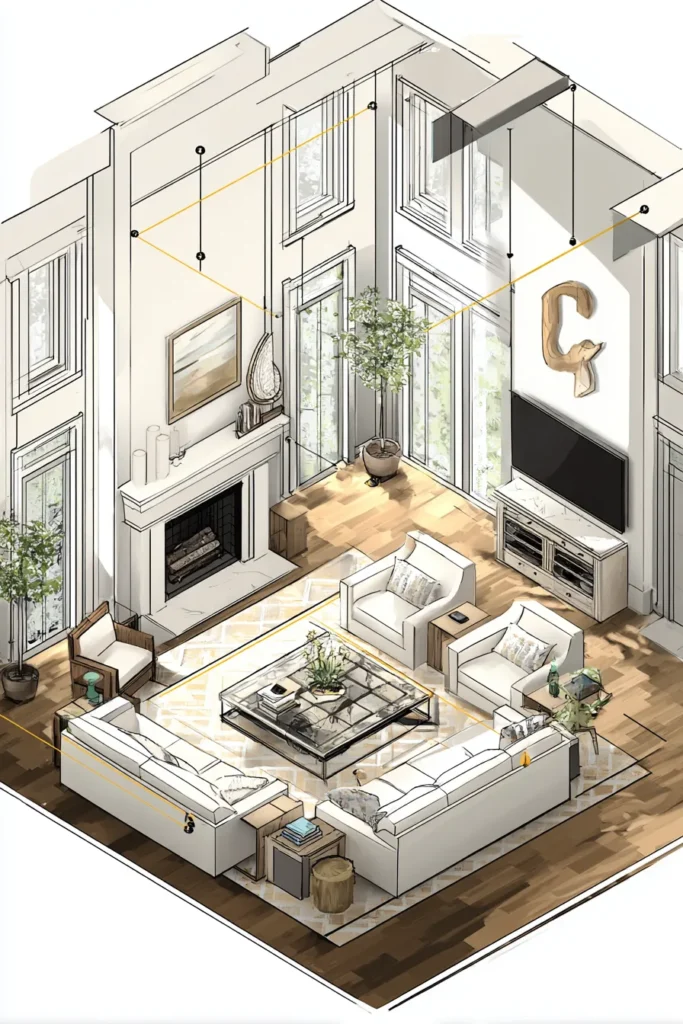
The concept of traffic flow often gets overlooked in favor of aesthetics, but it’s arguably the most critical factor in a functional layout. Imagine invisible pathways that people naturally take when moving through your space. From the entrance to seating areas, from seating to windows or other rooms, these routes should remain clear and intuitive. A beautiful arrangement that forces people to navigate an obstacle course every time they cross the room will never feel comfortable, no matter how photogenic it looks.
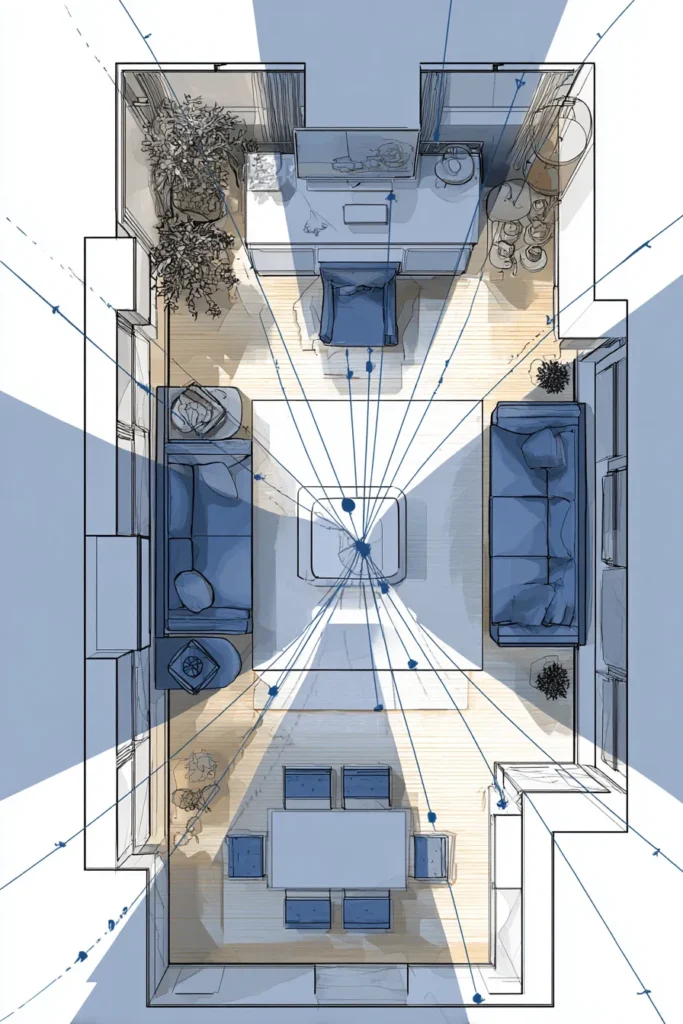
Scale and proportion determine whether furniture feels right in a room. A sectional sofa that looks perfect in a spacious showroom can overwhelm a modest living room, while delicate pieces may feel lost in a grand space. Measure your room carefully, noting ceiling height as well as floor dimensions. When choosing the perfect sofa for your living room, remember that a piece should be substantial enough to anchor the space without dominating it entirely.
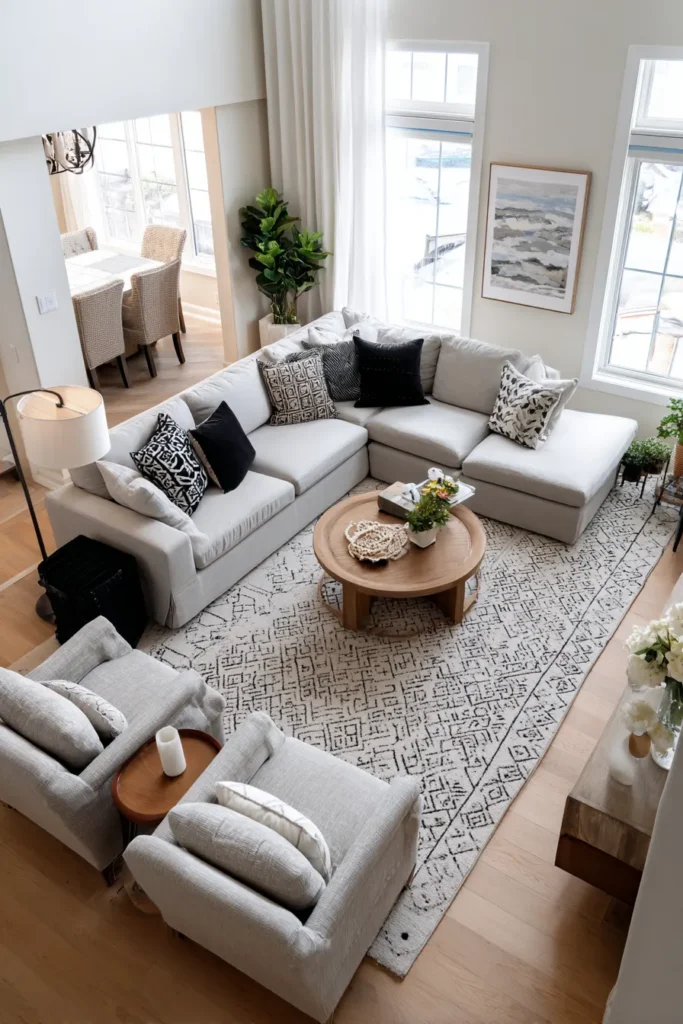
Creating Conversation Areas
The heart of most living rooms is the conversation area, where furniture clusters together to facilitate easy interaction. The ideal distance between a sofa and facing chairs ranges from four to eight feet. Closer than four feet feels cramped and confrontational, while farther than eight feet makes conversation feel strained. This sweet spot allows people to comfortably hear each other without shouting while maintaining enough personal space to feel at ease.
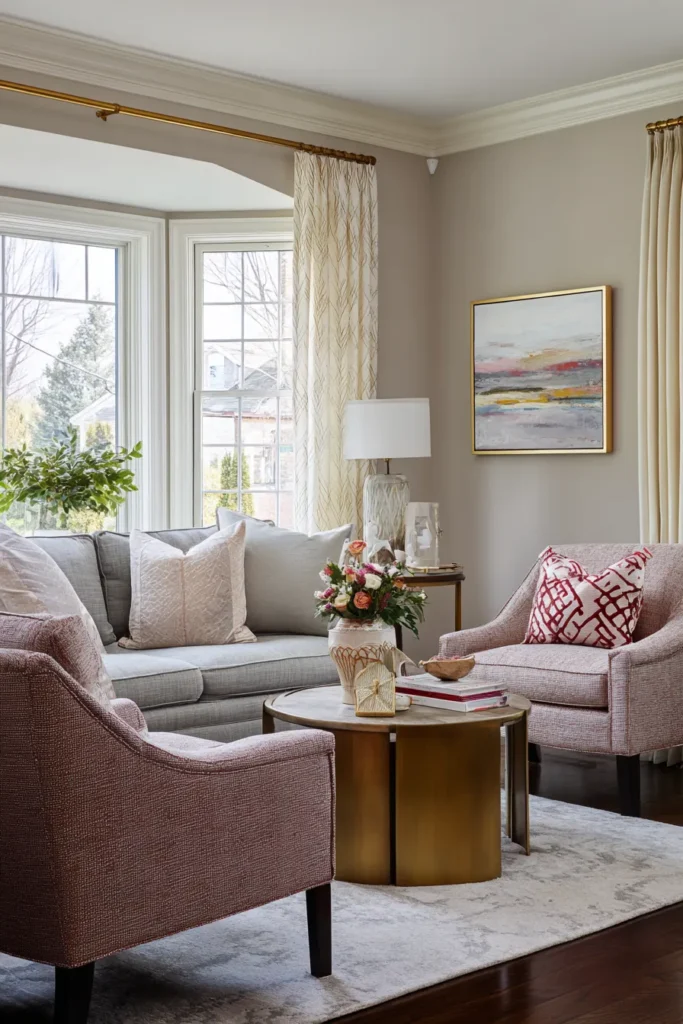
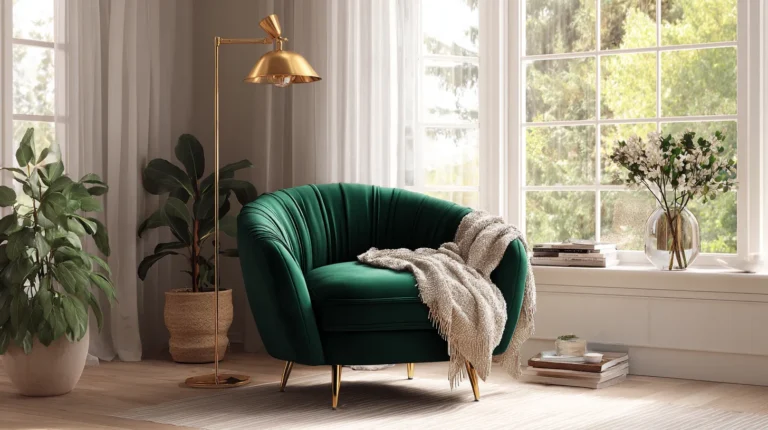
Consider how accent chairs that elevate your living room can complete your conversation circle. Placing chairs at angles rather than perfectly parallel creates a more dynamic, welcoming arrangement. This asymmetry feels organic rather than staged, and it often improves traffic flow by opening up multiple entry points to the seating area.
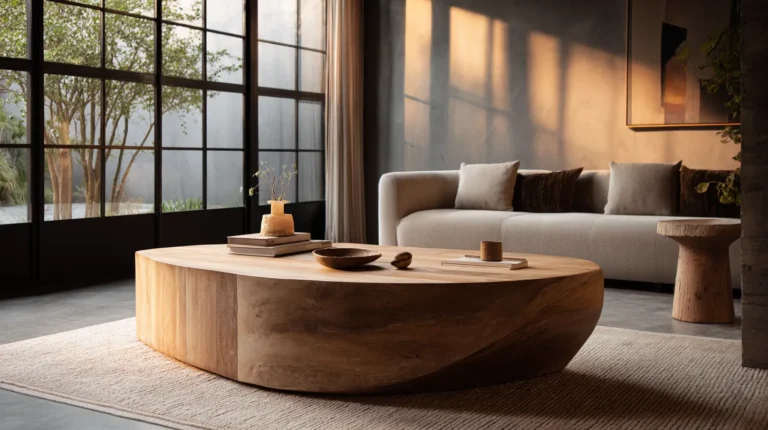
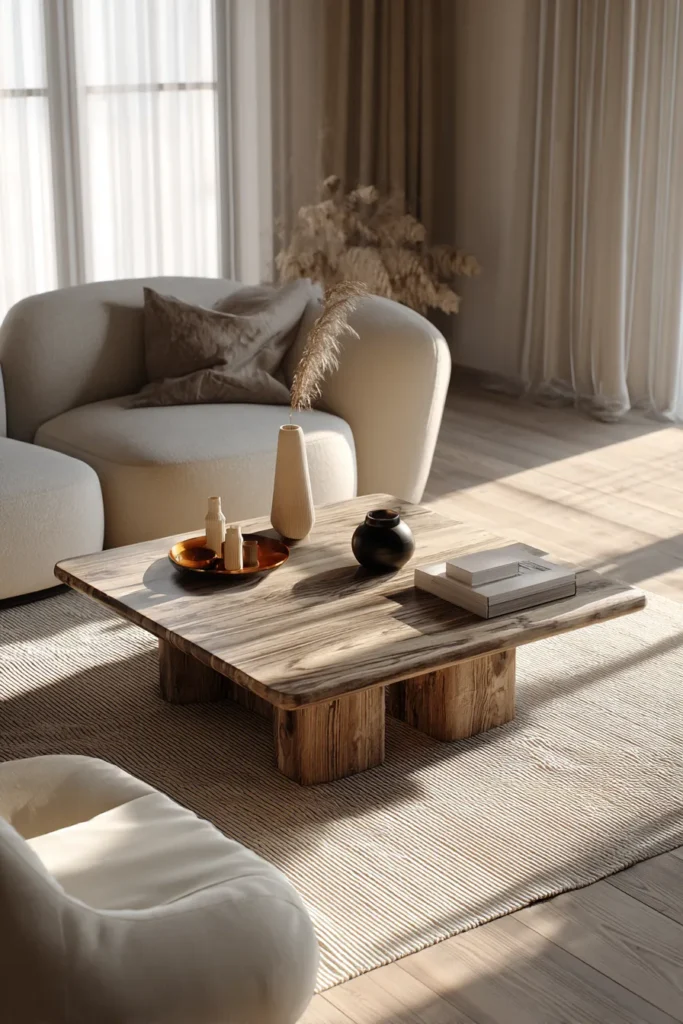
The coffee table acts as the anchor point for your conversation area. Its height should align with or sit slightly lower than your sofa seat cushions, typically between 14 and 18 inches tall. Leave about 18 inches between the sofa edge and the coffee table to allow comfortable legroom while keeping drinks and books within easy reach. For inspiration on finding the right centerpiece, explore trending coffee table designs for 2025 that balance form with function beautifully.
Defining Zones Within Open Spaces
Open concept living presents unique challenges when establishing distinct functional zones without the benefit of walls. Area rugs become architectural elements that define boundaries visually. Each furniture grouping should rest entirely on its designated rug, creating a cohesive island within the larger space. The rug grounds the arrangement and signals to the eye where one zone ends and another begins.
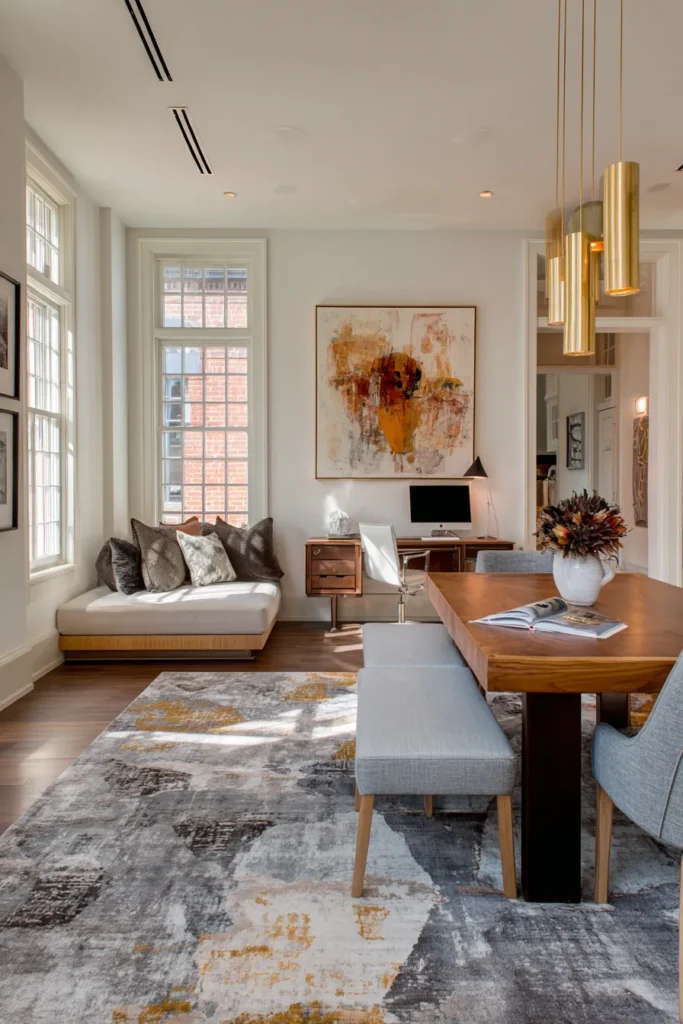
Furniture placement itself can create implied walls that separate activities. A sofa floating in the center of a room with its back to the dining area establishes a clear boundary without blocking light or sightlines. Console tables placed behind sofas reinforce this division while providing practical surface area for lamps, books, and decorative objects. These strategic placements guide movement through the space while maintaining the airy openness that makes open concept living so appealing.
Lighting plays a crucial role in zone definition. Each functional area needs its own lighting layer, independent of overhead fixtures. Table lamps beside seating areas, floor lamps in reading corners, and pendant lights over dining spaces create pools of light that naturally define territories. This layered approach allows you to illuminate only the zones in use, creating intimacy within a large open space.
Furniture Layouts for Different Room Sizes
Small living rooms demand strategic thinking but offer surprising opportunities for intimate, cozy arrangements. The key lies in choosing appropriately scaled furniture and embracing creative solutions. A loveseat might serve you better than a full sized sofa, and a pair of ottomans can provide flexible seating that tucks away when not needed. Floating furniture away from walls, counterintuitively, often makes a small room feel more spacious by creating visual breathing room and defining distinct zones.
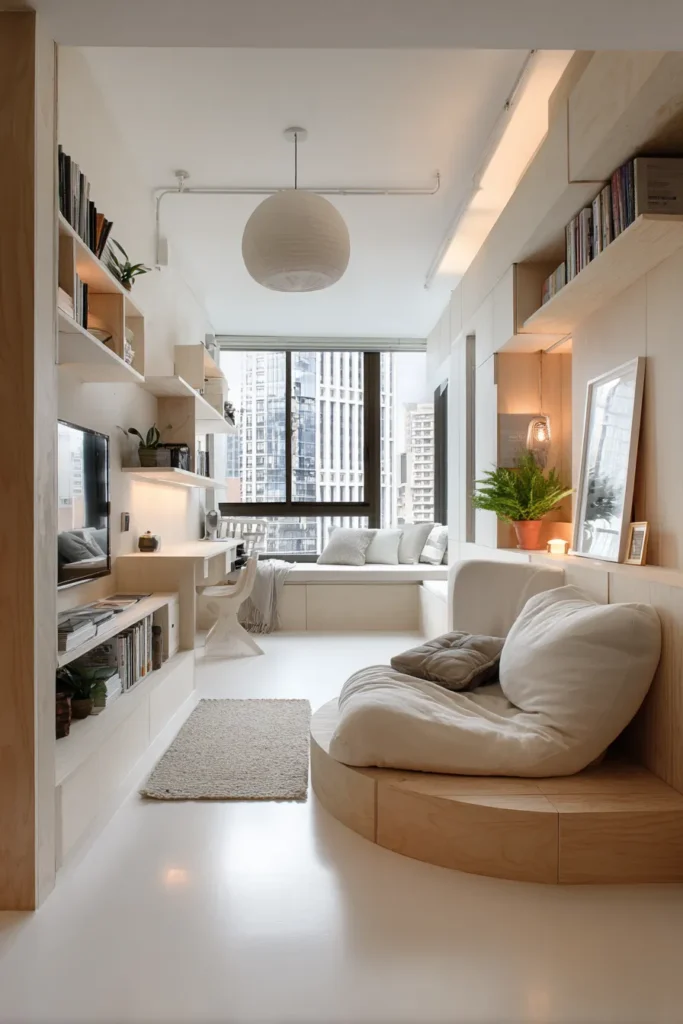
In compact spaces, every piece needs to earn its place through multiple functions. This is where storage furniture ideas for small living rooms become essential. A storage ottoman serves as seating, footrest, and concealed organization. A console table behind the sofa creates display space without consuming valuable floor area. Vertical storage draws the eye upward and makes ceilings feel higher while providing practical solutions for books, decor, and everyday items.
The magic of small space design lies in editing rather than cramming. Resist the temptation to fill every corner with furniture. Negative space allows the room to breathe and makes the furniture you do include feel more intentional. Consider pieces with exposed legs that create visual space underneath, making the floor plane appear larger. Glass or lucite tables maintain function without adding visual weight, preserving sightlines across the room.
Medium Sized Living Rooms: The Sweet Spot
Medium sized living rooms offer the most flexibility and often represent the sweet spot for furniture arrangement. You have enough space to create distinct zones without the challenge of filling vast expanses. A standard sofa paired with two accent chairs forms a classic conversation grouping. You can add media storage without the room feeling cluttered, and there’s typically space for both a coffee table and side tables.
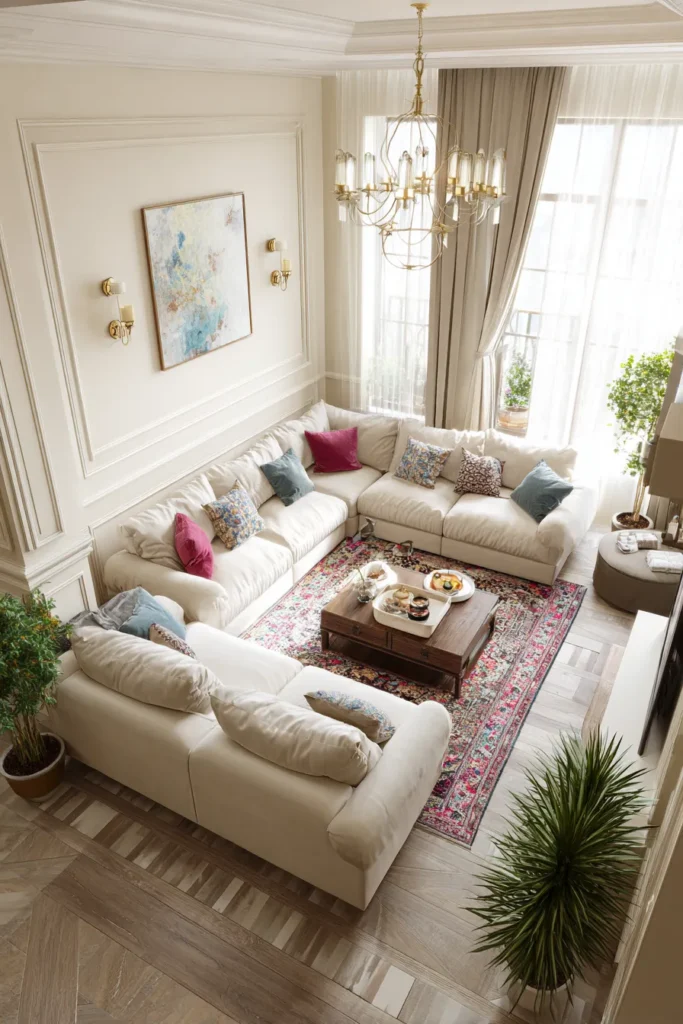
The challenge in medium rooms isn’t lack of space but rather making intentional choices about what to include and what to leave out. This is where understanding your lifestyle becomes crucial. If you entertain frequently, prioritize ample seating over a large media console. If you’re an avid reader, allocate space for a floor lamp and comfortable chair even if it means sacrificing a second accent chair. Your furniture should reflect how you actually use the space, not an idealized version of living you aspire to but never practice.
Balance becomes the guiding principle in medium spaces. Visual weight should distribute evenly around the room rather than clustering heavily on one side. If you place your sofa and media console on one wall, balance it with substantial pieces like a bookshelf or large artwork on the opposite side. This equilibrium creates a settled, harmonious feeling that makes the space feel complete rather than lopsided.
Maximizing Large Living Rooms
Large living rooms present a different challenge altogether. Too much space can feel cold and uninviting if not properly zoned and furnished. The solution lies in creating multiple furniture groupings that serve different purposes. One area might center on media viewing with the sofa oriented toward your entertainment setup, while another corner hosts a reading nook with a comfortable chair and good lighting. A third zone might feature a game table or workspace.
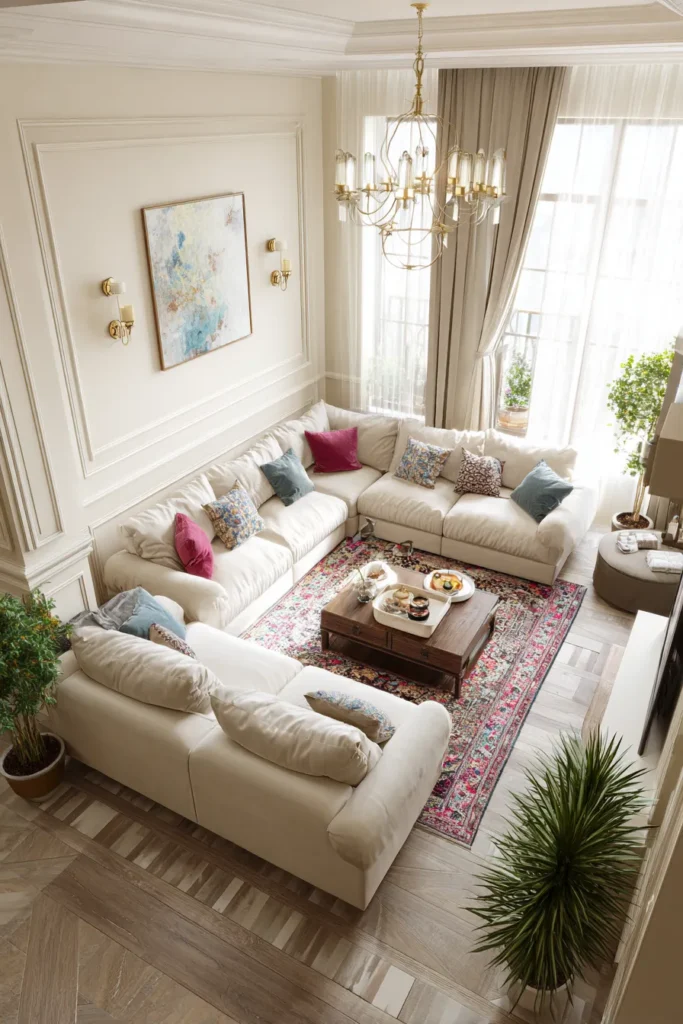
Breaking up a large room requires thoughtful furniture placement and sometimes architectural interventions. Area rugs become crucial tools for defining separate zones. Each furniture grouping should rest entirely on its designated rug, creating visual boundaries that help the eye understand the room’s organization. Consider incorporating modular multifunctional furniture for modern living that adapts as your needs change and helps fill space without feeling heavy or permanent.
The danger in large rooms is pushing all furniture against the walls, which creates a bowling alley effect with a dead zone in the center. Instead, float your main seating group away from walls to create intimate conversation areas. Use substantial pieces like sectionals or large sofas to anchor these islands of furniture. The space behind a floating sofa becomes an opportunity for a console table, creating a natural division between the main seating area and other zones in the room.
Symmetry can help organize vast spaces without making them feel rigid. Matching table lamps on either side of a sofa, identical chairs flanking a fireplace, or paired bookcases framing a doorway create order and intentionality. This doesn’t mean everything must mirror perfectly, but strategic symmetrical elements provide structure within which you can play with asymmetrical arrangements and unexpected pieces.
[Visual suggestion: Infographic showcasing optimal furniture layouts for small, medium, and large living rooms with traffic flow patterns and measurements]
Selecting Materials That Define Your Style
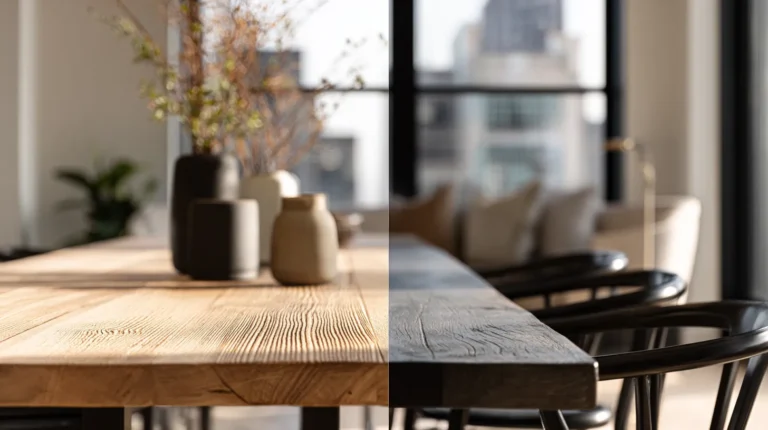
The materials you choose for your living room furniture speak volumes about your design sensibility and practical needs. Natural wood brings warmth, character, and a connection to the organic world. Each species offers distinct personality, from the light airiness of maple and ash to the rich depth of walnut and mahogany. Wood furniture ages gracefully, developing patina and character marks that tell the story of your life within the space.

Metal furniture introduces an entirely different energy. Sleek steel or iron frames create industrial edge and modern sophistication. Metal works beautifully in contemporary spaces and surprisingly well in traditional rooms when chosen thoughtfully. The key advantage lies in its visual lightness, particularly with open framework designs that allow light and sightlines to flow through. Understanding the nuances of wood vs metal furniture and which suits your style helps you make choices aligned with both aesthetics and lifestyle.
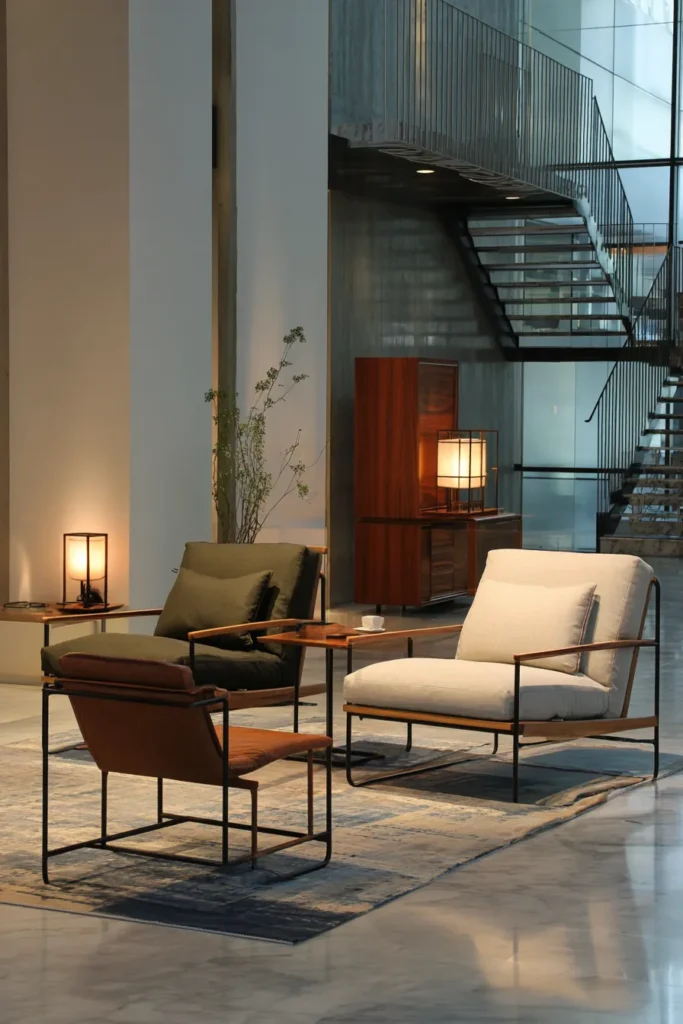
Upholstered pieces demand consideration of both fabric performance and sensory appeal. Linen offers relaxed elegance with natural texture and breathability, though it wrinkles easily and requires more maintenance. Velvet brings luxurious softness and rich color depth, perfect for spaces seeking drama and comfort. Leather ages beautifully and stands up to heavy use while developing character over time. Performance fabrics now rival natural materials in appearance while offering stain resistance and durability that makes sense for busy households.
Mixing Materials for Visual Interest
The most compelling living rooms rarely commit to a single material. Mixing wood with metal, upholstery with stone, creates depth and prevents monotony. The secret to successful mixing lies in maintaining some thread of continuity. Perhaps all your wood tones lean warm, or your metals share a common finish. Maybe your upholstery palette stays within a cohesive color story even as textures vary from smooth leather to nubby linen.
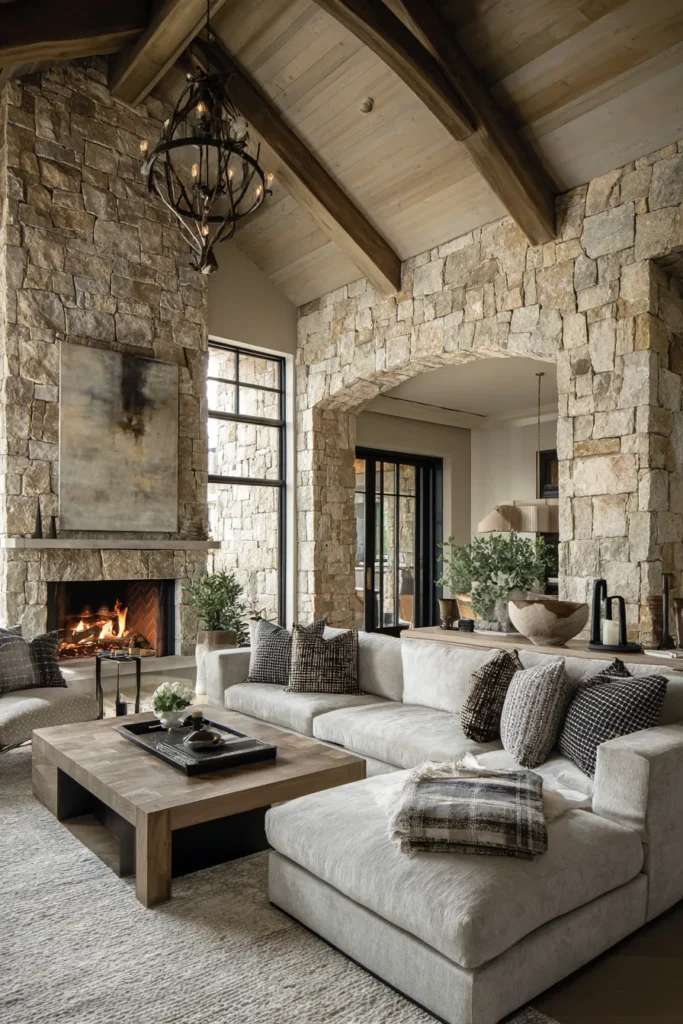
Think about material distribution as you plan your space. If your sofa makes a bold statement in rich velvet, consider more subdued materials for accent chairs and tables. Conversely, if you’ve chosen a neutral upholstered sofa, dramatic wood grain or sculptural metal side tables add personality without overwhelming. This push and pull between statement pieces and supporting players creates visual rhythm that keeps a room feeling dynamic.
For those drawn to high end aesthetics, investigating luxury living room furniture brands to know reveals how master craftspeople work with premium materials. These pieces often showcase exceptional joinery, hand applied finishes, and material combinations that demonstrate what’s possible when quality takes precedence. Even if budget constraints limit wholesale adoption of luxury furniture, understanding these standards helps you identify well made pieces at various price points.
| Material | Best For | Maintenance Level | Aesthetic | Durability |
|---|---|---|---|---|
| Solid Wood | Tables, frames, shelving | Low to Medium | Warm, traditional, natural | Excellent with care |
| Metal | Frames, accents, legs | Low | Modern, industrial, sleek | Excellent |
| Leather | Sofas, chairs, ottomans | Low | Classic, sophisticated, rich | Excellent, ages well |
| Linen | Upholstery, cushions | Medium to High | Relaxed, coastal, airy | Good, wrinkles easily |
| Velvet | Accent chairs, sofas | Medium | Luxurious, dramatic, soft | Good with proper care |
| Performance Fabric | Family sofas, high traffic | Low | Versatile, practical | Excellent |
| Glass | Tables, shelving | Medium (shows fingerprints) | Contemporary, light, minimal | Good, can chip |
| Rattan/Wicker | Accent chairs, storage | Low | Organic, textural, casual | Good indoors |
Sustainable Material Choices
Material selection carries environmental implications that conscious consumers increasingly prioritize. Solid wood from responsibly managed forests certified by the Forest Stewardship Council ensures your purchase supports forest health rather than deforestation. Reclaimed wood offers another sustainable path, giving new life to timber from old barns, factories, and demolished buildings while adding unique character and history to your furniture.

Natural fibers like organic cotton, hemp, and wool provide sustainable upholstery options that breathe well and feel wonderful against skin. These materials biodegrade at end of life rather than persisting in landfills for centuries. Bamboo grows rapidly without pesticides and creates surprisingly strong furniture frames, though transportation emissions can offset some environmental benefits if sourced from distant regions.
The most sustainable material choice often involves longevity over novelty. A solid wood dining table that lasts three generations eliminates the need for multiple replacements that consume resources and energy. Quality construction using durable materials reduces the cycle of consumption that burdens both wallets and environment. When exploring options for sustainable and eco friendly furniture choices, consider lifecycle rather than just initial purchase price.
Creating Cohesive Style Through Furniture Choices
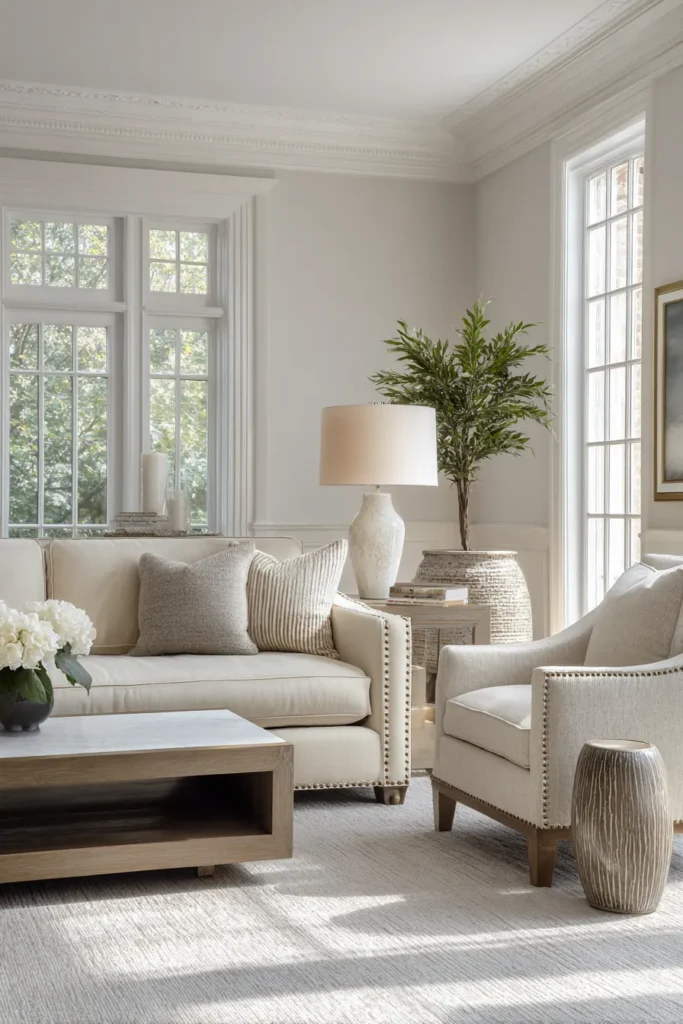
Your furniture selections form the foundation of your living room’s design story. A cohesive style doesn’t mean everything matches perfectly, but rather that pieces share common threads that tie them together visually and conceptually. Modern minimalist spaces embrace clean lines, neutral palettes, and furniture that disappears into the architecture. Traditional rooms celebrate ornament, rich wood tones, and classic silhouettes that reference historical design periods. Understanding where your aesthetic preferences lie guides every furniture decision.
The contemporary eclectic approach has gained tremendous popularity for good reason. It allows personal expression and the freedom to combine beloved pieces from different eras and styles. The challenge lies in creating unity among diversity. Color becomes a powerful tool here, keeping upholstery within a harmonious palette even as furniture styles vary. Scale consistency helps disparate pieces feel related. When exploring global fusion decor that draws inspiration from multiple cultures and design traditions, look for that connecting thread that makes seemingly unrelated pieces feel like they belong together.
Transitional style offers a middle path, blending traditional comfort with contemporary simplicity. Furniture maintains classic proportions but strips away excessive ornamentation. Neutral palettes dominate, allowing texture and subtle details to create interest. This approach works beautifully in homes where residents have varying style preferences or where the goal is creating a calm, timeless backdrop for life to unfold.
Balancing Statement Pieces with Foundation Furniture
Every living room needs a hierarchy of furniture, with some pieces commanding attention while others play supporting roles. Your statement piece might be a sculptural coffee table, a boldly upholstered sofa, or a dramatic accent chair that stops people in their tracks. This piece deserves center stage and should be the first consideration when planning your layout. Everything else responds to and supports this star player.
Foundation furniture provides the practical backbone. These pieces prioritize comfort and function over drama. A well made sofa in a neutral fabric, a sturdy media console that houses electronics gracefully, side tables that serve their purpose without demanding attention. These workhorse pieces often represent the largest portion of your budget because they endure daily use and need to perform reliably for years.
The tension between statement and foundation creates visual interest. If every piece competes for attention, the room feels chaotic and exhausting. If everything recedes into neutrality, the space lacks personality and feels generic. Strike the balance by letting one or two pieces shine while surrounding them with capable, attractive supporting furniture that knows its role.
Developing a Personal Style Language
Your living room should tell your story, not replicate a catalog page or designer showroom. Personal style develops over time through exposure to different aesthetics, travel experiences, inherited pieces, and objects that simply speak to you. Allow your furniture collection to evolve organically rather than purchasing everything in a single shopping trip. Rooms that accumulate gradually feel more authentic and layered than those assembled quickly.
Don’t be afraid to break rules or combine elements that shouldn’t theoretically work together. A mid century modern sofa might pair beautifully with an ornate antique coffee table if the scale and color relationships harmonize. An ultra contemporary space can accommodate a single traditional painting or vintage rug that adds warmth and history. These unexpected combinations create the visual friction that makes spaces memorable.
Pay attention to what draws your eye in other homes, hotels, and design publications. Notice which furniture styles make you pause and which you scroll past without interest. These instinctive reactions reveal your authentic preferences beneath the noise of trends and other people’s opinions. Trust those instincts when selecting furniture, even if your choices don’t align with current design darlings.
Addressing Media and Entertainment Furniture
Television placement influences living room layout more than any other single factor in most modern homes. The screen becomes an unavoidable focal point, and furniture arrangement naturally orients around optimal viewing. Ideal viewing distance equals roughly 1.5 to 2.5 times your television’s diagonal screen measurement. A 50 inch television suggests a seating distance of 6 to 10 feet. This calculation helps determine where your main seating should land in relation to the screen.
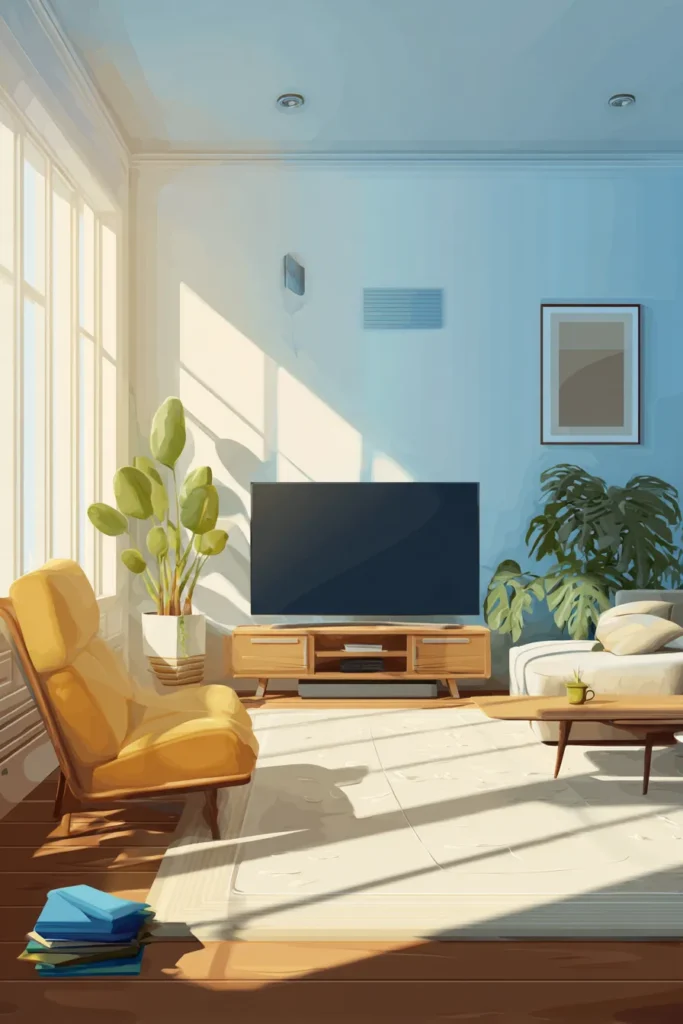
The furniture that houses your television deserves thoughtful consideration. A media console should be wide enough to balance the television’s visual weight, typically at least a few inches wider than the screen on each side. Height matters too, with the ideal placement putting the screen’s center at or slightly below seated eye level. When researching modern TV stands and media units, look for pieces that offer adequate storage for components, gaming systems, and media while maintaining cable management solutions that prevent visual clutter.
Not every living room needs to center entirely on media consumption. If you entertain frequently or value conversation over television watching, consider a layout that makes the screen secondary. Mounting the television on a side wall rather than the main focal wall allows you to orient furniture toward a fireplace, window view, or conversation grouping. The television remains accessible when desired but doesn’t dominate the room’s energy and purpose.
Integrating Sound Systems and Technology
Quality audio elevates the entertainment experience but introduces additional planning considerations. Soundbars simplify setup and can mount below wall hung televisions or sit discreetly on media consoles. Full surround sound systems require strategic speaker placement that may influence furniture positioning. Front speakers should flank the television at ear height when seated, while rear speakers need clear paths to listening positions.
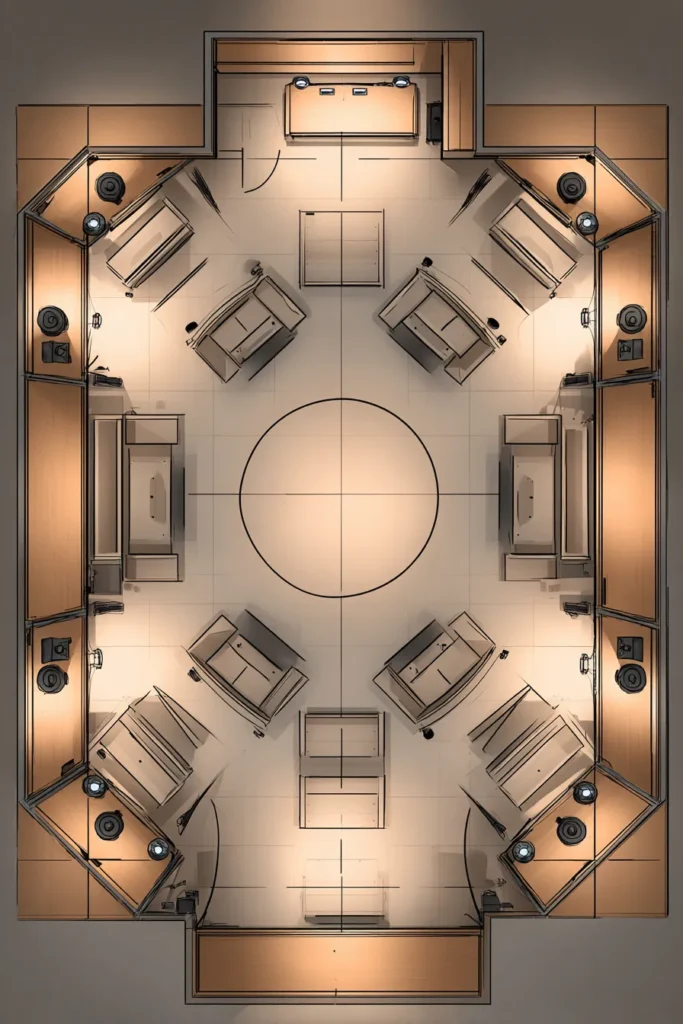
Cable management separates polished living rooms from spaces that feel unfinished. Built in cord concealment in media consoles helps, but you may need additional solutions for wall mounted televisions and distributed speakers. Cord covers that mount to walls or baseboards, while not invisible, present a cleaner appearance than tangled cables draping down walls. Plan your furniture placement with clear paths for necessary connections in mind.
Gaming systems, streaming devices, and sound equipment generate heat that requires ventilation. Closed cabinets look tidy but may cause electronics to overheat. Look for media furniture with ventilated backs or open shelving that allows air circulation. If you prefer the clean look of closed storage, ensure adequate spacing between components and consider furniture with built in ventilation or fans.
Hiding Technology When Not in Use
The black rectangle of a television can dominate a room visually even when turned off. Several strategies help minimize this impact. Frame televisions that display artwork when not in use blend into gallery walls. Cabinet systems with doors conceal screens entirely, though you’ll need to open them for viewing. Surrounding the television with art, books, or decorative objects on open shelving integrates it into a larger composition rather than leaving it isolated on the wall.
Consider whether you need the television to be the room’s primary focus or if it can occupy a less prominent position. In formal living rooms used mainly for conversation and entertaining, you might eliminate the television entirely or place a smaller screen in a cabinet that closes. This approach preserves the room’s elegance while maintaining functionality for occasional viewing needs.
Remote controls, gaming controllers, and charging cables create ongoing clutter challenges. Decorative boxes or baskets on the coffee table corral these items while keeping them accessible. Drawer space in the media console provides hidden storage for items used less frequently. Establishing designated homes for these accessories makes tidying up before guests arrive a matter of seconds rather than a scrambling hunt for stray remotes.
Sustainable and Eco Conscious Furniture Selection
The environmental impact of furniture production has moved from niche concern to mainstream consideration. Manufacturing processes, material sourcing, and transportation all contribute to a piece’s carbon footprint. Furniture made domestically or regionally reduces transportation emissions significantly. Companies that use water based finishes and adhesives rather than harsh chemical alternatives create healthier products for your home and reduce environmental contamination.
Transparent brands willingly share information about their supply chains and production methods, while vague sustainability claims often mask conventional practices with minimal environmental benefit. Look for specific certifications like FSC for wood, GREENGUARD for low chemical emissions, or Cradle to Cradle for comprehensive sustainability. These third party verifications provide assurance beyond marketing language.
Durability represents perhaps the most sustainable choice of all. Furniture built to last decades rather than years avoids the cycle of consumption and disposal that burdens landfills and demands constant resource extraction. Higher upfront costs for quality construction pay environmental and financial dividends over time. A well made solid wood sofa frame can be reupholstered multiple times across its life, adapting to changing tastes while the core structure remains sound for generations.
Creating a Sustainable Living Room Ecosystem
Sustainability extends beyond individual furniture pieces to your overall living room design philosophy. The concept of a sustainable eco friendly living room encompasses energy efficiency, natural materials, and mindful consumption. Choose LED lighting over incandescent bulbs. Incorporate natural fiber textiles like organic cotton, wool, and linen. Select furniture from companies with take back or recycling programs that keep materials in circulation rather than sending them to landfills.
Vintage and antique furniture offers instant sustainability by repurposing existing pieces rather than demanding new production. Mid century modern furniture, Arts and Crafts pieces, and quality traditional furniture from past decades brings character and proven durability. These pieces have already demonstrated their ability to withstand time, and they often feature superior craftsmanship compared to mass market contemporary options. Mixing vintage finds with new sustainable pieces creates layered, personal spaces with minimal environmental impact.
Maintenance extends furniture lifespan significantly. Protect wood surfaces with coasters and placemats. Rotate cushions regularly to ensure even wear. Address stains and damage promptly rather than living with deterioration that eventually necessitates replacement. Simple care routines keep furniture looking and functioning well for years beyond typical replacement cycles, making sustainability an ongoing practice rather than a one time purchase decision.
Consider the entire lifecycle when evaluating furniture sustainability. A piece made from recycled materials but designed to last only five years may ultimately prove less sustainable than conventionally manufactured furniture built for multi generational use. Quality construction, timeless design, and repairability matter as much as eco friendly materials. Furniture you’ll want to keep and can maintain indefinitely represents the most sustainable choice regardless of its origin story.
[Visual suggestion: Comparison gallery showing sustainable vs conventional furniture materials, certifications to look for, and lifecycle impact visualization]
Space Planning for Flexibility and Future Needs
Living rooms must adapt to changing needs over time. Young professionals might prioritize entertaining space and media viewing today but need play areas and kid friendly surfaces tomorrow. Empty nesters may want intimate conversation groupings after years of accommodating larger family gatherings. Planning for flexibility from the start creates spaces that evolve gracefully rather than requiring complete overhauls.
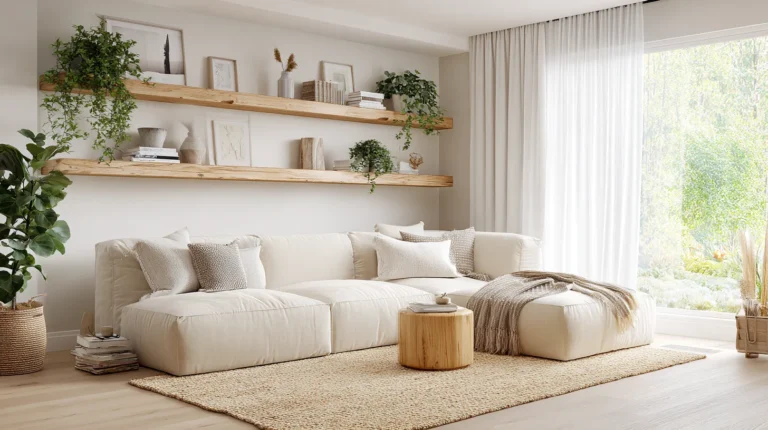
Modular furniture systems offer exceptional adaptability. Sectional sofas with movable components can reconfigure from L shape to straight formation as needs change. Individual seating pieces that work alone or group together provide more versatility than matched sets locked into a single configuration. When considering furniture options, think about how pieces might serve different purposes or move to other rooms as your life changes.
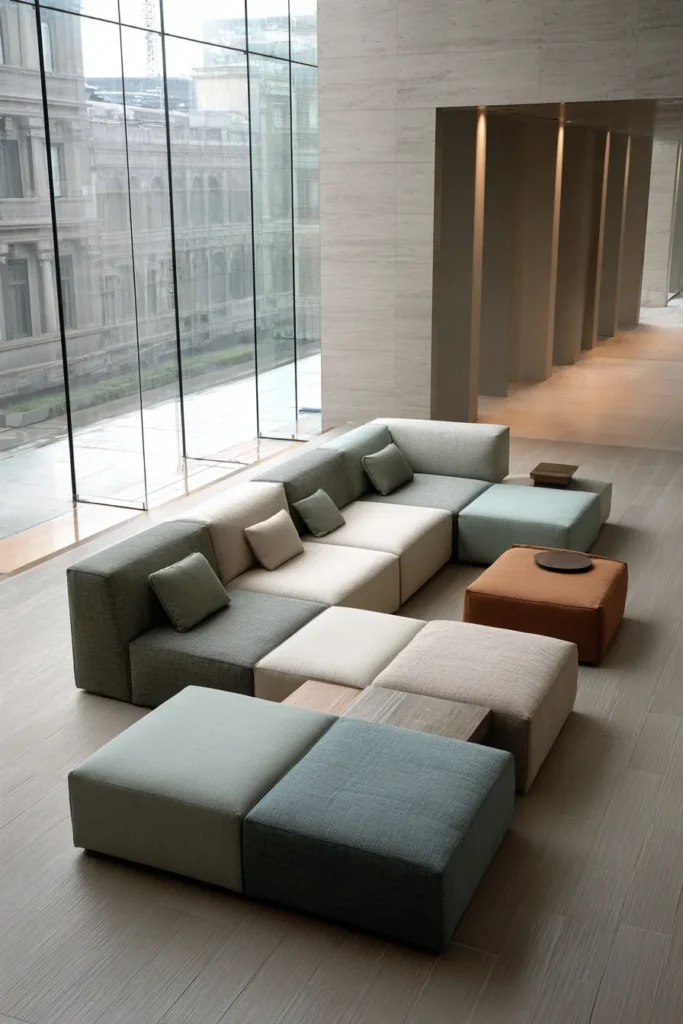
Avoid over committing to built in or custom furniture that locks you into specific configurations. While these pieces can maximize space efficiency and create polished appearances, they limit future flexibility. A combination of some permanent elements with movable furniture provides stability and structure while preserving adaptability. This balance serves you better across the long term than fully fixed or entirely floating arrangements.
Multi Purpose Spaces and Furniture
Many living rooms must serve multiple functions beyond traditional gathering and entertainment. Work from home arrangements may require desk space. Guest accommodations might need a sleep surface. Hobbies demand storage and work areas. Multi purpose furniture addresses these needs without dedicating rooms to single functions that only occasionally get used.
Sofa beds have evolved far beyond uncomfortable fold outs. Contemporary designs offer real mattresses and supportive sleep surfaces that rival dedicated beds. Ottoman beds provide hidden storage plus guest sleeping. Murphy beds that fold into attractive cabinets transform living rooms into guest bedrooms without permanent footprint. These solutions make small homes more functional and spare bedrooms unnecessary in larger homes.
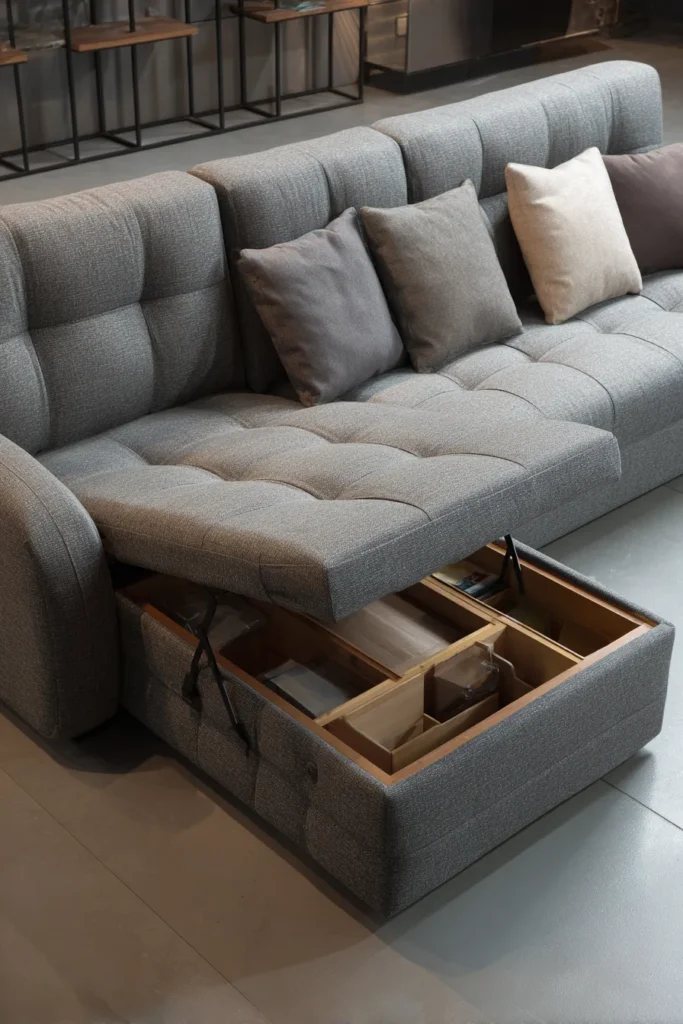
Console tables that extend into dining surfaces, ottomans that open for storage, and nesting tables that expand when needed exemplify smart multi purpose design. These pieces maintain the living room’s primary purpose while gracefully accommodating secondary functions. The key lies in selecting designs where the multiple functions feel natural rather than compromised, where each use works well rather than representing an awkward adaptation.
Planning for Growing Families
Families with young children face unique furniture challenges. Safety becomes paramount, with considerations for sharp corners, tip over risks, and materials that withstand inevitable spills and abuse. Performance fabrics that resist staining, leather that wipes clean, and slipcovers that launder easily make sense in these seasons. Coffee tables with rounded corners or cushioned edges prevent injuries during inevitable tumbles.
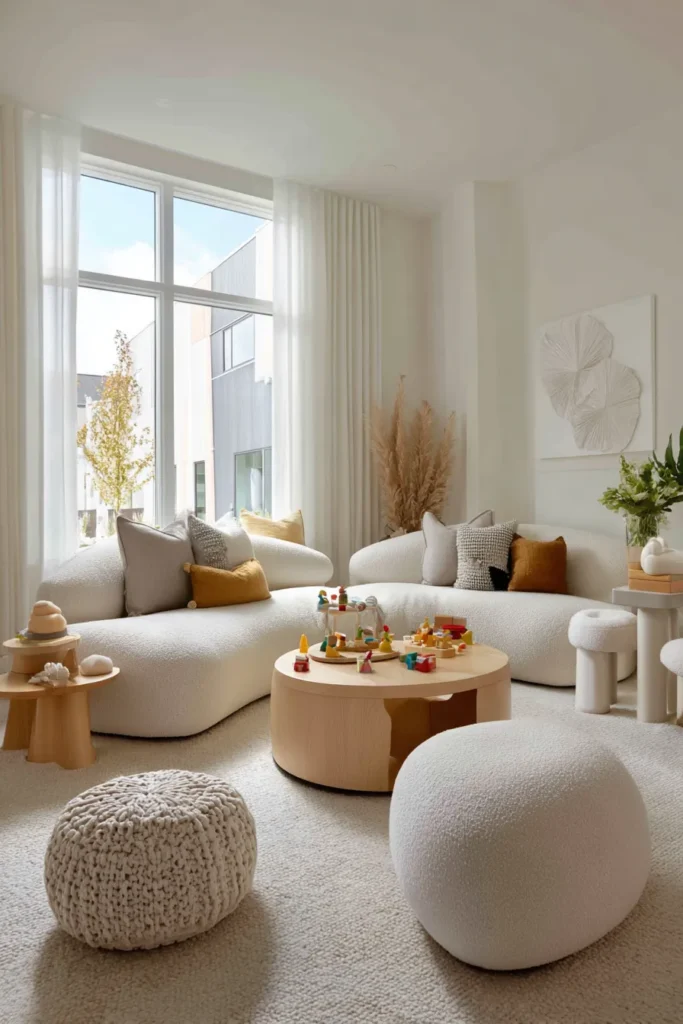
As children grow, living room needs shift from play space to homework central to teenage hangout. Furniture that adapts across these phases serves better than pieces perfect for one stage but problematic in the next. Storage that once held toys can house art supplies, then books, then gaming equipment. Seating that accommodates toddler chaos can mature into sophisticated arrangements as children age.
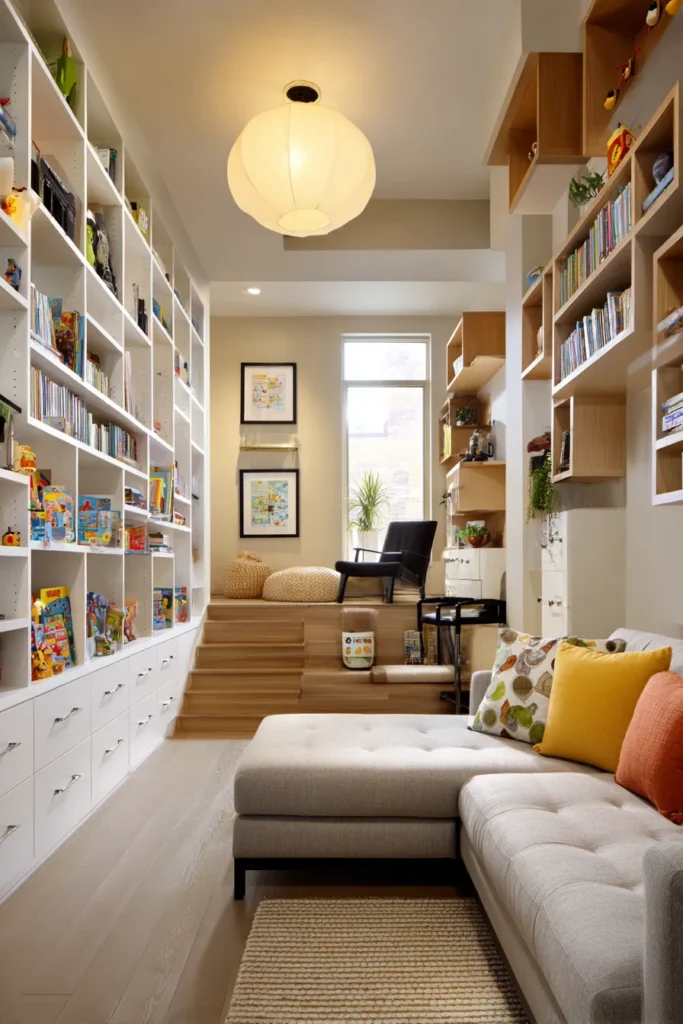
The temptation to postpone quality furniture until children leave home means living with subpar pieces for decades. Instead, choose well made, durable furniture in practical materials and maintain it properly. Quality pieces withstand family life and transition beautifully into empty nest years, eliminating the need for wholesale replacement later. This approach proves more economical and sustainable than cycling through disposable furniture every few years.
Expert Tips for Furniture Layout and Selection
Begin with accurate room measurements before shopping for furniture. Note not just length and width but also ceiling height, window placement, door swings, and architectural features like fireplaces or built ins. Create a scale drawing or use free online room planning tools to experiment with arrangements virtually. This preliminary work prevents expensive mistakes like purchasing a sofa that won’t fit through your doorway or discovering your dream sectional blocks access to windows.

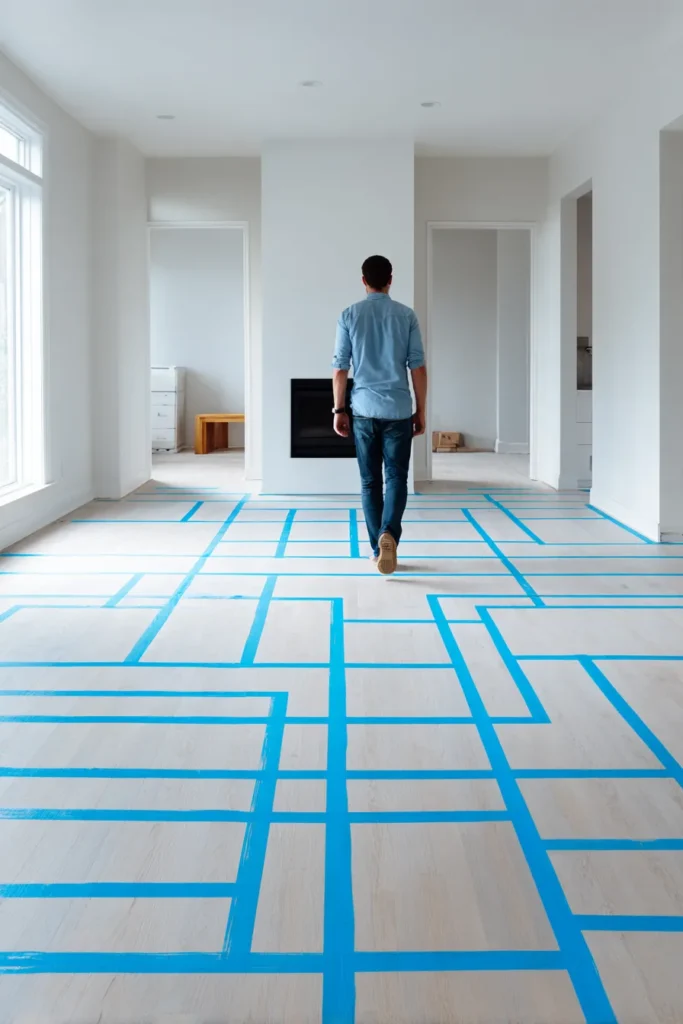
Live with painter’s tape on your floor marking furniture footprints before committing to purchases. This simple technique reveals how proposed pieces will impact traffic flow and whether scale feels appropriate to the room. Walk through your taped layout multiple times, including paths you’d naturally take from the entrance to seating areas and between different zones. If you find yourself constantly adjusting your route to avoid the tape, the actual furniture will create similar frustrations.
Invest in quality for pieces you use daily. Your sofa endures hours of use weekly and should be built to withstand this demand. Side tables and decorative occasional chairs see less wear and can be more budget friendly or trend forward since replacing them involves less financial commitment. This tiered investment approach directs resources where they matter most while allowing flexibility and personality in supporting pieces.
Common Mistakes to Avoid
Pushing all furniture against walls ranks among the most common layout errors. This approach creates vast empty floor space in the center while making seating feel disconnected and conversation difficult. Pull furniture away from walls to create intimate groupings. Even a few feet of space behind a sofa transforms the room’s flow and makes the arrangement feel intentional rather than temporary.
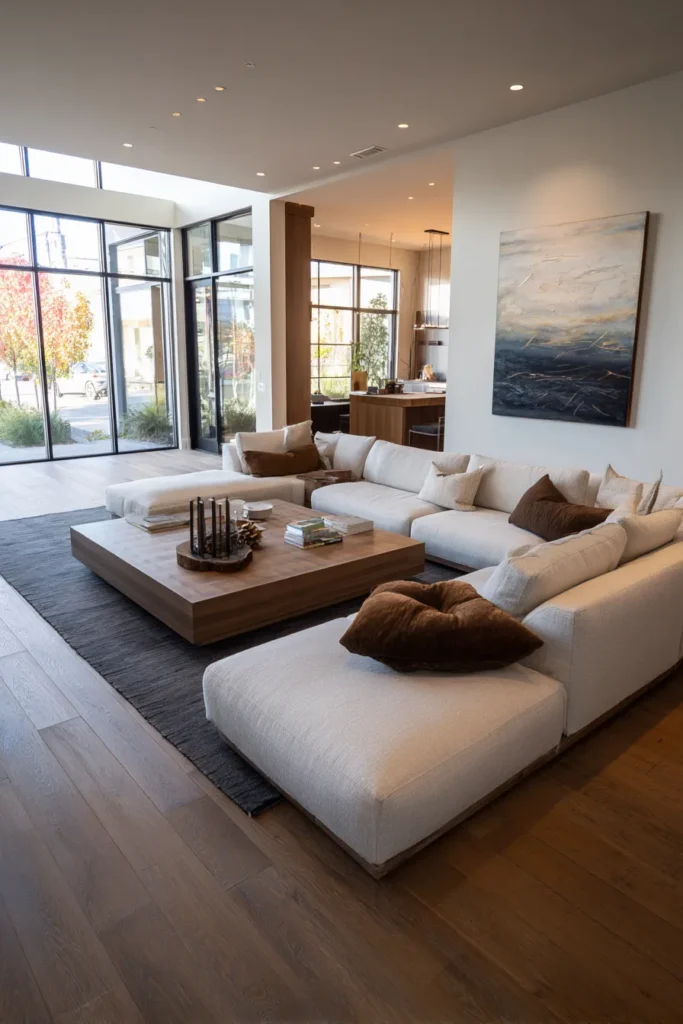
Ignoring proper lighting creates beautifully furnished rooms that feel unwelcoming. Overhead lighting alone casts harsh shadows and fails to create ambiance. Layer your lighting with table lamps, floor lamps, and accent lighting that illuminate specific areas at different heights. This variation allows you to adjust lighting for various activities and times of day while adding warmth and depth to the space.
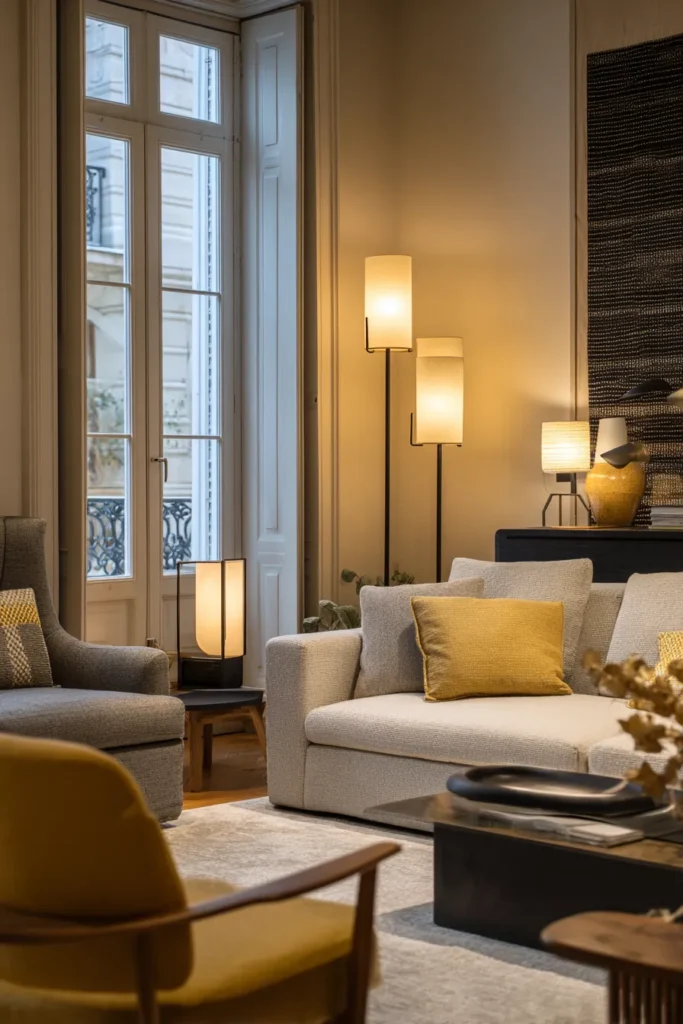
Matching furniture sets from a single manufacturer often result in spaces that feel generic and staged. While these collections solve decision making challenges, they rarely create rooms with personality and character. Mix manufacturers, styles, and eras for spaces that feel collected over time rather than purchased in a single shopping trip. The slight imperfection and variety creates visual interest that perfect matching cannot achieve.
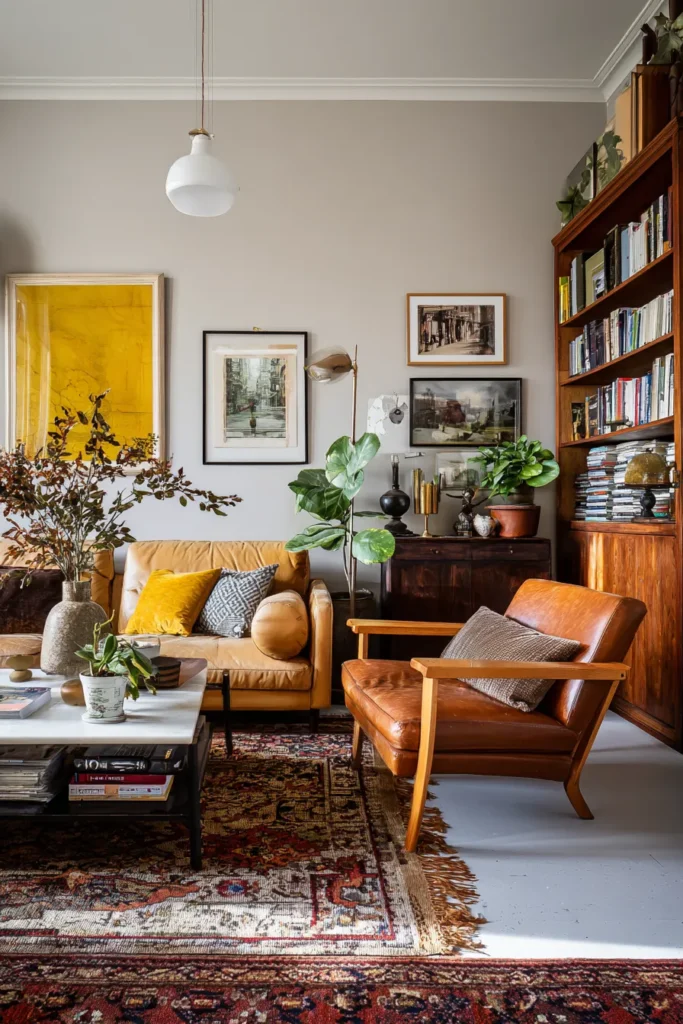
Neglecting scale relationships between furniture pieces creates visual discord. A massive sectional paired with delicate occasional tables looks unbalanced. Heavy, ornate wood furniture overwhelms glass and metal pieces unless carefully proportioned. As you select furniture, consider not just how each piece looks individually but how its visual weight and scale relate to other pieces in the room.
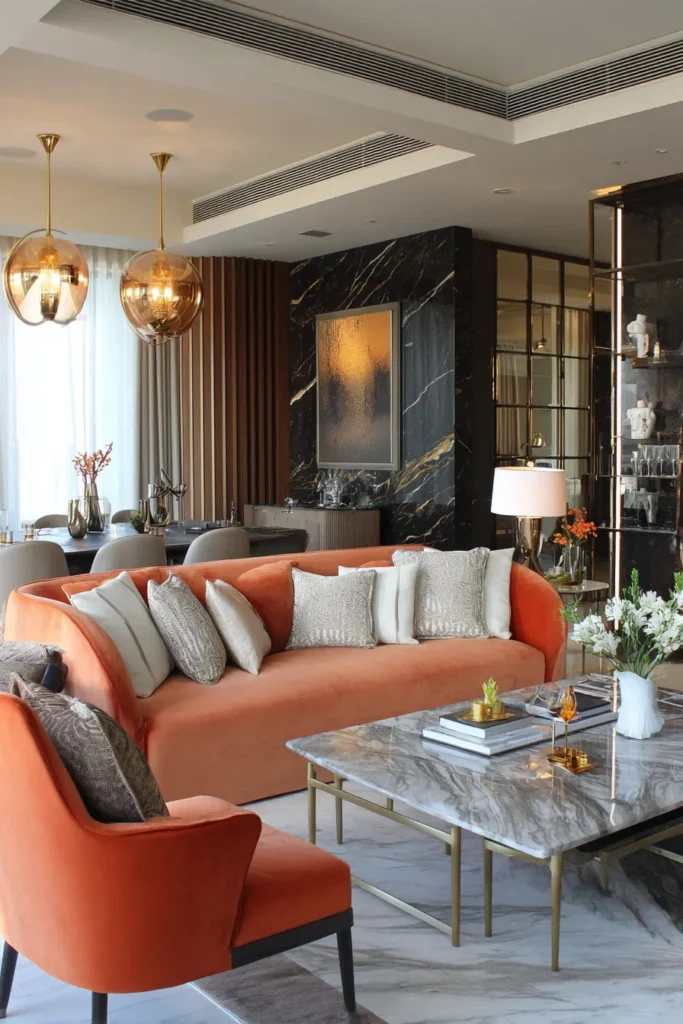
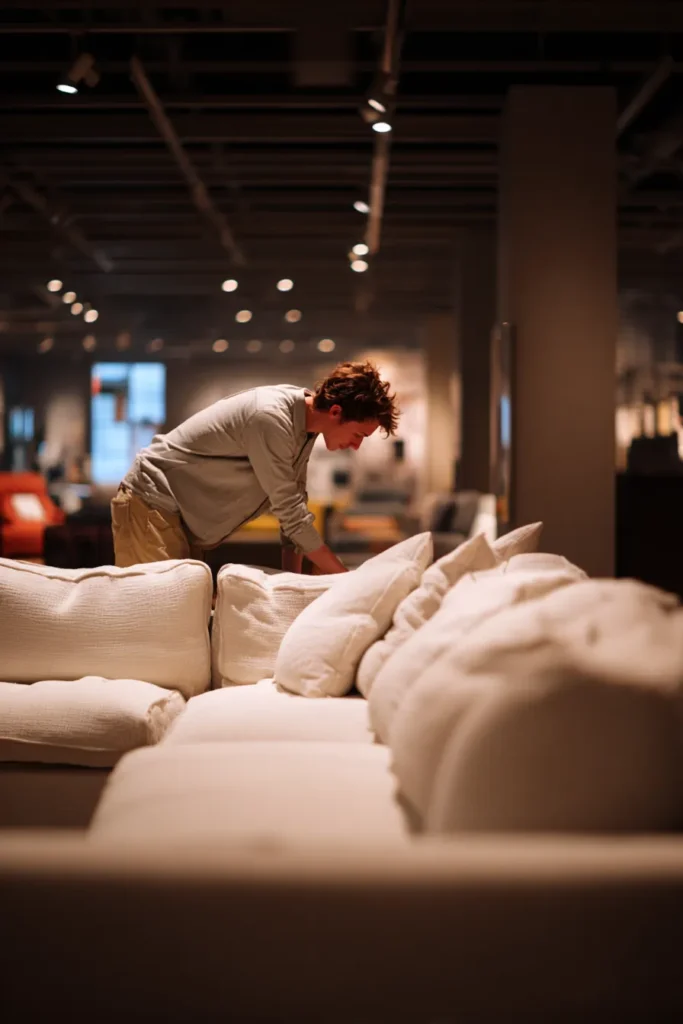
Buying furniture based solely on showroom appearance without considering real life use patterns leads to disappointment. That white linen sofa looks stunning in controlled retail environments but may prove impractical with pets or children. The armless accent chair photographs beautifully but offers no lumbar support for actual sitting. Test furniture whenever possible, sit in it, imagine using it daily, and prioritize comfort alongside aesthetics.
Quick Wins for Immediate Improvement
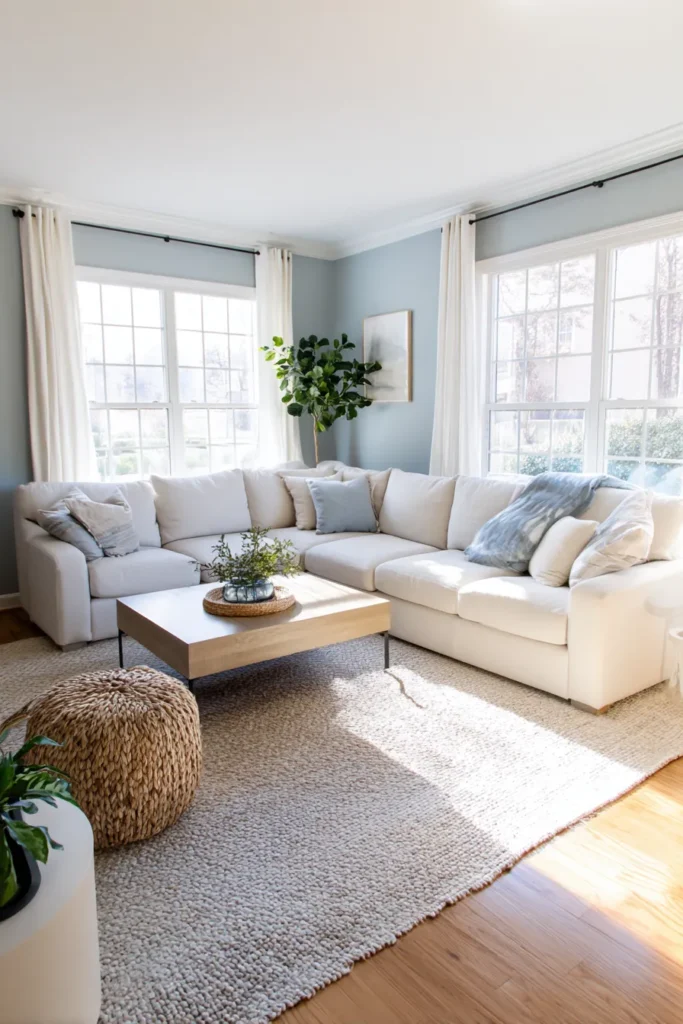
Rearranging existing furniture costs nothing but can dramatically transform how a space feels and functions. Experiment with floating your sofa rather than pushing it against a wall. Angle chairs to create more dynamic conversation groupings. Move the coffee table slightly closer or farther from seating until the distance feels just right. Sometimes the furniture you already own simply needs better positioning.
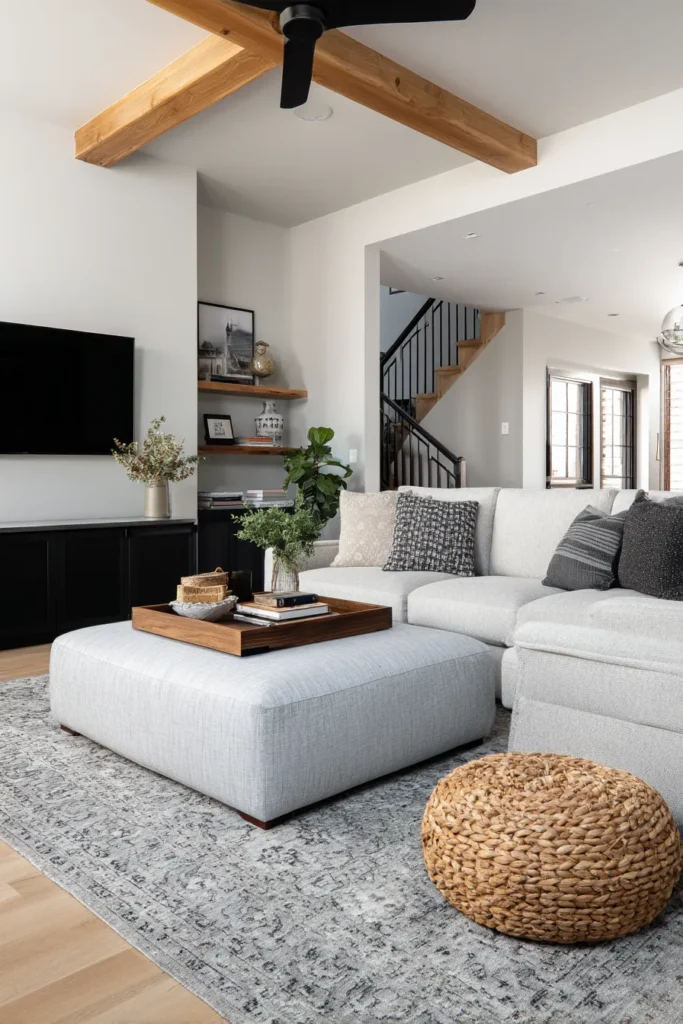
Adding or removing a single piece can solve multiple problems simultaneously. An oversized ottoman in the center of your seating arrangement might be blocking flow and creating awkward distances between furniture. Removing it and replacing it with a smaller coffee table opens up the space instantly. Conversely, a large empty corner might need just one substantial piece like a bookshelf or accent chair to feel balanced and complete.
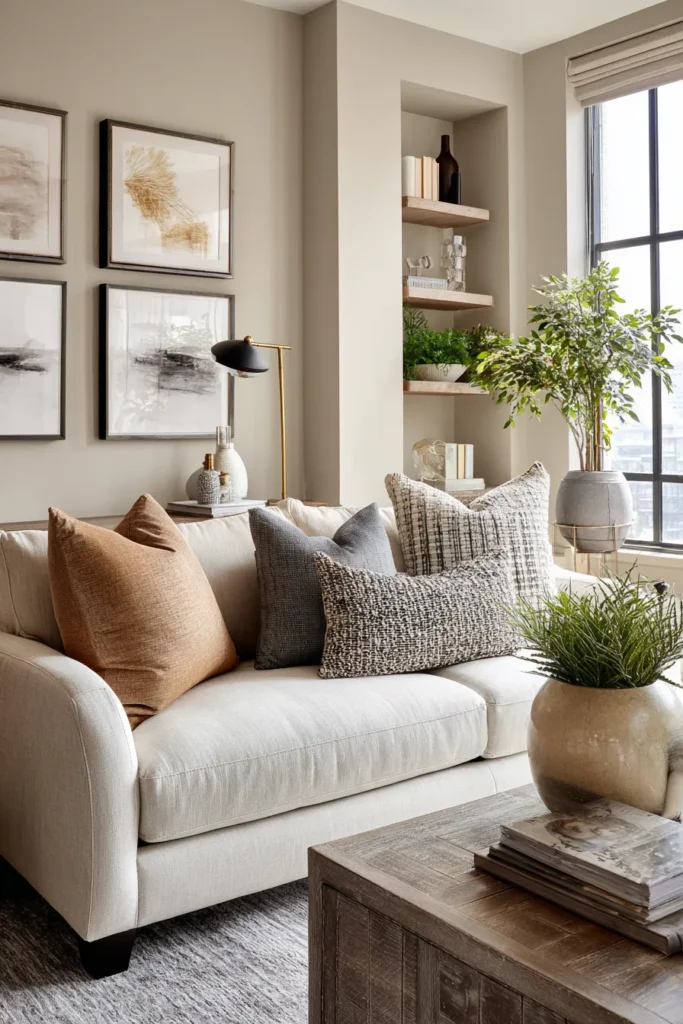
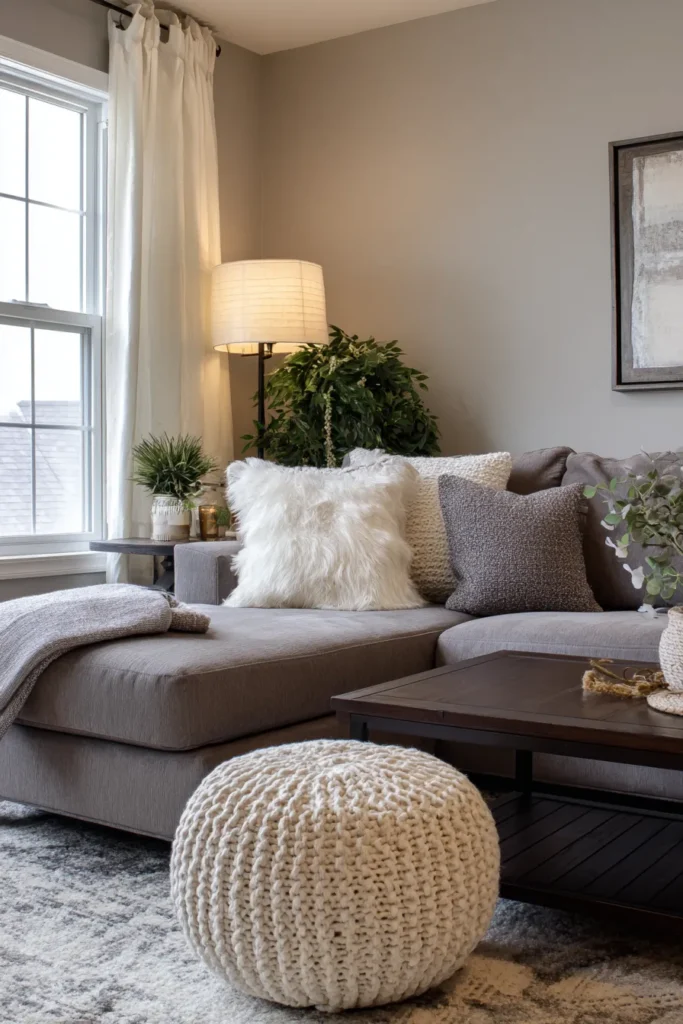
Swapping out textiles offers a quick refresh without the expense of new furniture. New throw pillows in updated colors or patterns, a different area rug, fresh curtains, these changes transform the room’s personality while the furniture bones remain the same. This approach allows you to follow trends or shift aesthetics without major investment, keeping your space feeling current and personal.
Bringing It All Together
Creating a beautifully furnished living room isn’t about following design rules or replicating showroom perfection. It’s about understanding the principles of scale, flow, and purpose, then applying them to your unique space and life. The furniture you choose and how you arrange it should support the way you actually live, whether that means sprawling movie nights, intimate dinner parties, quiet reading afternoons, or chaotic family game evenings.
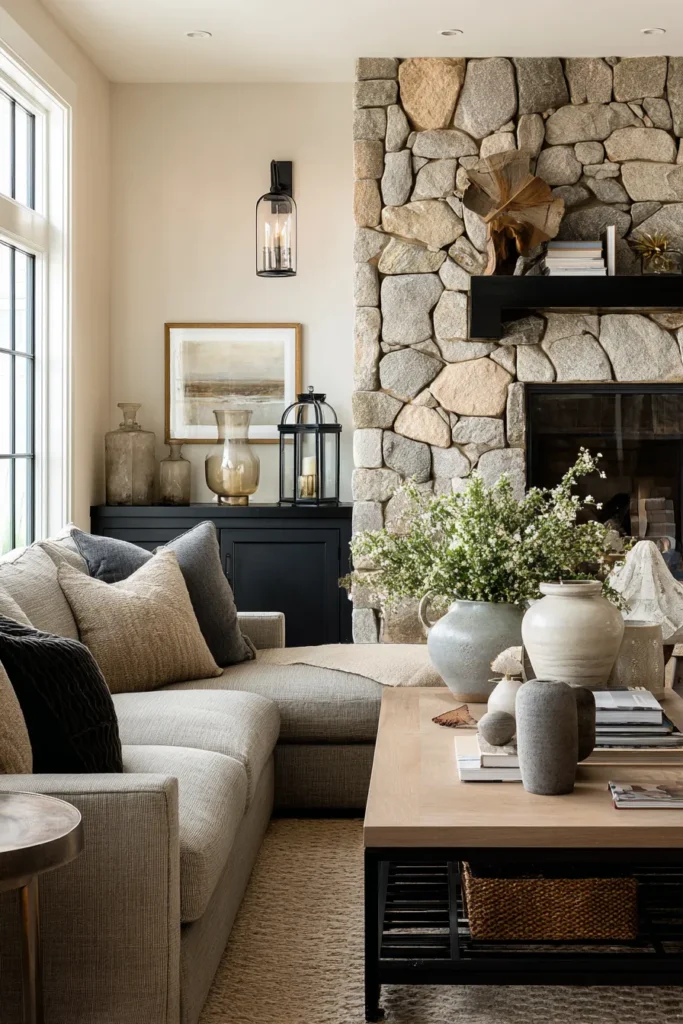
Remember that your living room will evolve over time. Needs change, styles shift, and pieces wear out or lose appeal. Approach furniture selection with both immediate needs and long term adaptability in mind. Quality pieces that stand the test of time can be reupholstered, refinished, or moved to different roles as your life changes. The best living rooms tell stories, and those stories unfold across years and chapters.
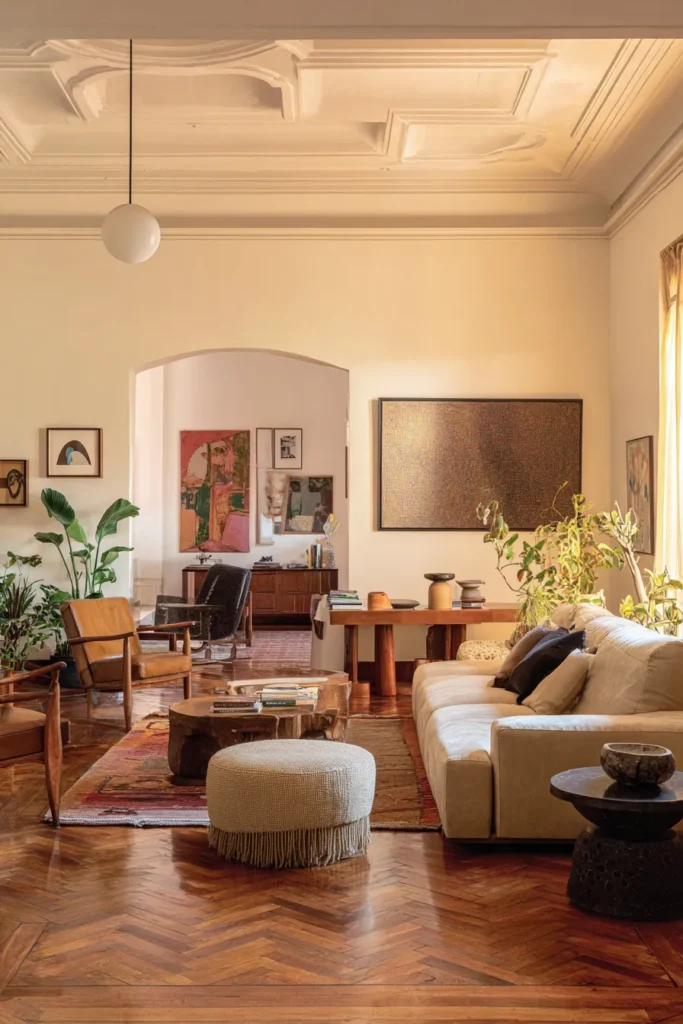
Trust your instincts about what feels comfortable and what looks beautiful to your eyes. Design magazines and social media offer endless inspiration, but your living room needs to work for you, not for photographs. If a layout feels awkward when you walk through it, adjust it. If a furniture piece doesn’t fit your life despite looking stunning, it’s not the right choice. The most successful spaces balance aesthetic aspiration with practical reality.
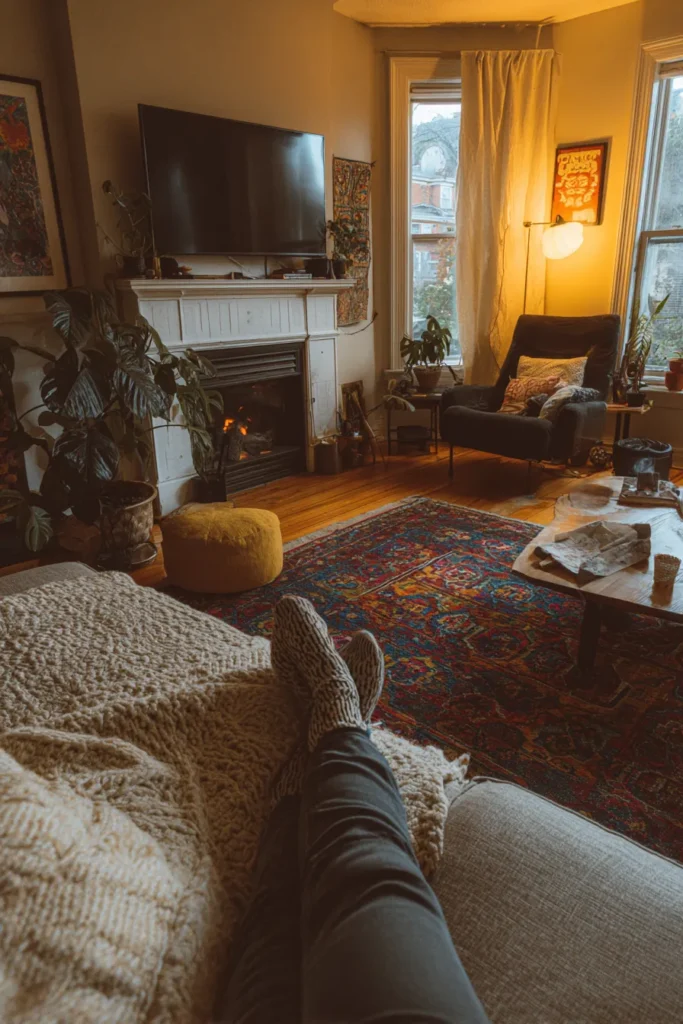
Your living room is a canvas for life, not a museum exhibit. Choose furniture that invites use, arrange it to encourage connection, and don’t stress about perfection. The slight asymmetry, the unexpected combination, the cherished vintage piece alongside something new, these imperfections create character and warmth that sterile perfection never achieves. Live in your space, let it evolve, and enjoy the journey of making it truly yours.
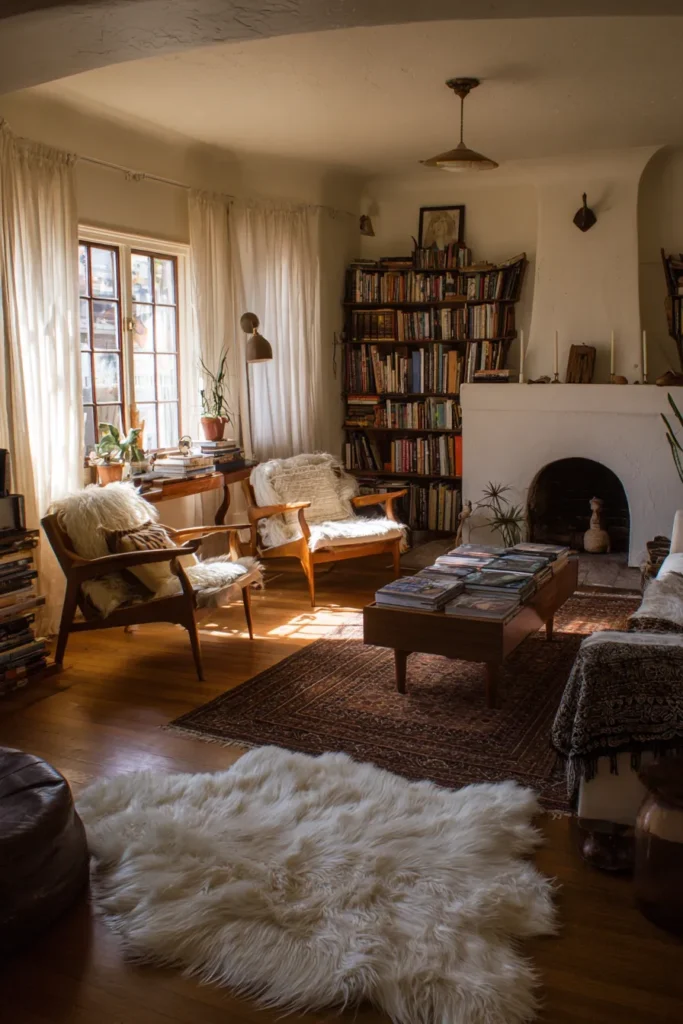
Explore more inspiration for creating your perfect living room:
- Choosing the Perfect Sofa for Your Living Room
- Storage Furniture Ideas for Small Living Rooms
- Sustainable and Eco Friendly Furniture Choices
What is the ideal distance between a sofa and coffee table?
Leave approximately 14 to 18 inches between your sofa and coffee table. This spacing allows comfortable legroom while keeping items on the table within easy reach. If you frequently entertain or have longer legs, lean toward 18 inches. Tighter spaces can work with 14 inches if necessary, but closer distances start to feel cramped.
How do I choose between a sectional and a sofa with chairs?
Sectionals work beautifully in large, open spaces or rooms where you want to maximize seating in a compact footprint. They create cozy, enclosed conversation areas and work well for media viewing. Sofas paired with chairs offer more flexibility, easier reconfiguration, and better traffic flow in medium sized rooms. Consider your space size, how you entertain, and whether you might move furniture to other rooms in the future.
Should all living room furniture match?
Matching sets often feel generic and lack personality. Instead, aim for cohesion through shared elements like color palette, wood tone, or style period. Mixing furniture from different sources creates collected, layered spaces with more character. The goal is harmony, not uniformity. Your room should feel intentionally curated rather than ordered from a single catalog page.
How much should I budget for living room furniture?
Budget varies enormously based on room size, quality expectations, and personal priorities. A basic living room might require three thousand to five thousand dollars for a sofa, coffee table, and accent chairs. Mid range rooms often land between eight thousand and fifteen thousand dollars. Luxury spaces can easily exceed thirty thousand dollars. Prioritize spending on pieces you use daily, like your sofa, and economize on occasional pieces.
What furniture is essential for a functional living room?
At minimum, you need comfortable seating and a surface for placing drinks and remotes. This could be as simple as a sofa and coffee table. Most people add accent seating like chairs or a loveseat, side tables for lamps and personal items, and media storage if you have a television. Everything beyond this depends on your lifestyle and how you use the space.
How do I make a small living room feel larger?
Choose furniture with exposed legs that create visual space underneath. Use glass or lucite tables that don’t block sightlines. Mount your television to free up floor space. Select a sofa with a lower back profile. Keep your color palette light and cohesive. Resist the urge to push everything against walls, paradoxically, floating furniture often makes small rooms feel more spacious by defining zones and creating breathing room.
What’s the best furniture arrangement for a long, narrow living room?
Divide the length into distinct zones rather than lining furniture along the long walls. Create a conversation area at one end and a different function like a workspace or reading nook at the other. Place furniture perpendicular to the long walls to break up the tunnel effect. Area rugs help define these separate zones visually and make each area feel purposeful rather than awkward.
How often should I replace living room furniture?
Quality furniture shouldn’t need replacement for 15 to 20 years or longer. Sofas and chairs may need reupholstering after 10 to 15 years depending on use, but solid frames last much longer. Case goods like tables and media consoles can last generations with proper care. Replace furniture when it no longer functions properly or no longer suits your style, not based on arbitrary timelines. Well made pieces deserve maintenance and repair rather than disposal.
Can I mix modern and traditional furniture in the same room?
Absolutely, and these combinations often create the most interesting spaces. The key is finding common ground through scale, color, or material. A modern glass coffee table might pair beautifully with a traditional rolled arm sofa if they share similar proportions. Transitional style specifically embraces this blend of old and new, creating spaces that feel timeless rather than trendy.
What furniture should I buy first when furnishing a living room?
Start with your sofa, as it’s typically the largest, most expensive piece and influences all other decisions. Once you’ve established this anchor, add a coffee table and essential lighting. Then layer in accent seating, side tables, and storage as budget allows. This approach ensures you have functional space quickly while building toward a complete room over time.
How do I protect furniture from sun damage?
UV blocking window treatments are your first line of defense. Sheer curtains or solar shades filter damaging rays while maintaining natural light. Position valuable or delicate pieces away from direct sunlight when possible. Rotate cushions regularly so fading occurs evenly. Some fabrics and finishes resist sun damage better than others, a consideration when selecting upholstery and wood finishes for sun exposed rooms.
Should I arrange furniture for entertaining or daily life?
Prioritize your daily reality. A layout that works beautifully during your annual holiday party but feels awkward the other 364 days serves no one well. Design for how you actually live, then make minor adjustments when hosting. Flexible pieces like ottomans and lightweight accent chairs can be repositioned temporarily for gatherings without compromising everyday functionality.