
Table of Contents
Your living room breathes with you. It holds your morning coffee moments, your evening conversations, your quiet reading hours when the light slants just right through the windows.
At the heart of this space sits your sofa—not just furniture, but the anchor of comfort and connection. Choosing the perfect sofa means understanding how you live, how you gather, and what brings you home to yourself.
This isn’t about following trends blindly. It’s about finding that piece that fits your room’s dimensions and your life’s rhythms—the one that invites you to sink in after long days and welcomes guests with open arms.
Let’s walk through this together, warmly and practically, so you can choose a sofa that feels like it was always meant to be yours.
Understanding Your Space and Sofa Size
Before you fall in love with textures and colors, you need to understand the conversation between your room and your furniture. Sofa dimensions matter deeply—not just for aesthetics, but for how easily you’ll move through your space.
Start with your measuring tape. Note your room layout, the pathways people naturally take, and the distance between walls. A sofa that fills every inch might look impressive online, but in your living room, it could feel like an island you can’t quite reach.
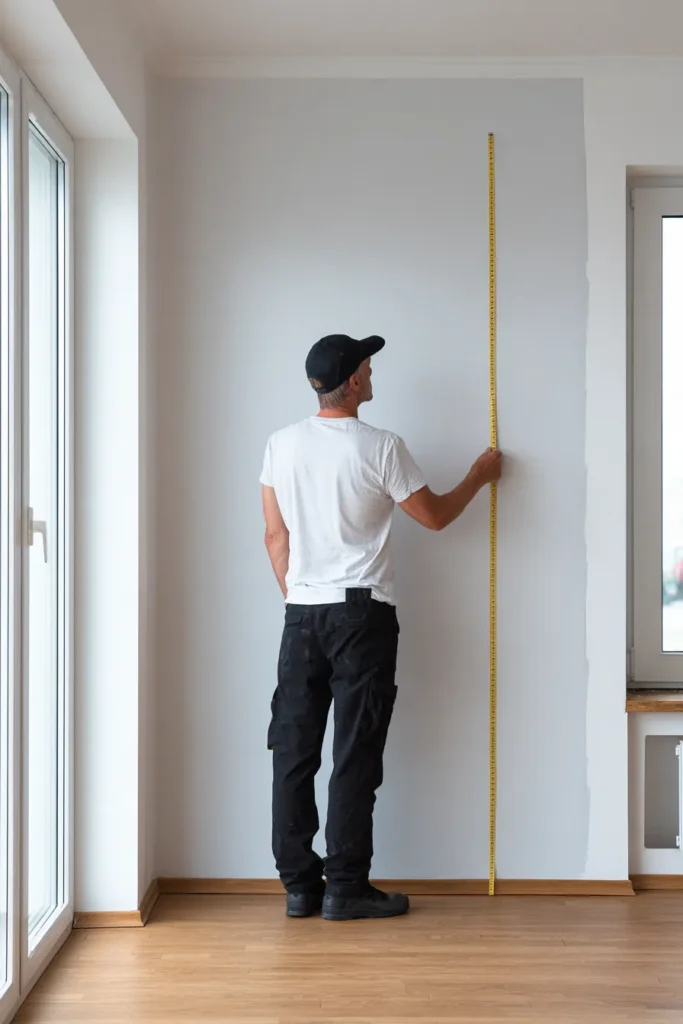
Measuring Your Living Room Properly
Walk your space slowly. Measure wall to wall, then subtract 30 inches for breathing room and traffic flow. This gives you your maximum sofa length, though you’ll often want to go smaller.
Consider your doorways, hallways, and stairwells—yes, even before you order. The most beautiful sofa means nothing if it can’t make the journey into your home. Measure doorway width and diagonal clearance, especially for tight turns.
Seat depth typically ranges from 20 to 24 inches. Deeper seats feel luxurious and lounge-worthy, but they may swallow smaller frames. If your feet dangle uncomfortably, you’ll never truly settle in.
The Right Sofa Size for Your Room
| Room Size | Recommended Sofa Length | Additional Notes |
|---|---|---|
| Small (Under 150 sq ft) | 60-72 inches | Consider loveseats or apartment-sized sofas |
| Medium (150-300 sq ft) | 72-84 inches | Standard three-seater sofas work beautifully |
| Large (300+ sq ft) | 84+ inches | Sectional sofas or multiple seating pieces |
Your sofa should fill roughly two-thirds of your main wall, leaving space for side tables or floor lamps. Too small, and it floats awkwardly. Too large, and the room feels cramped, airless.
Think about your living room layout beyond the sofa alone. Leave 14-18 inches between your sofa and coffee table—enough for legs to stretch, for drinks to rest safely within reach.
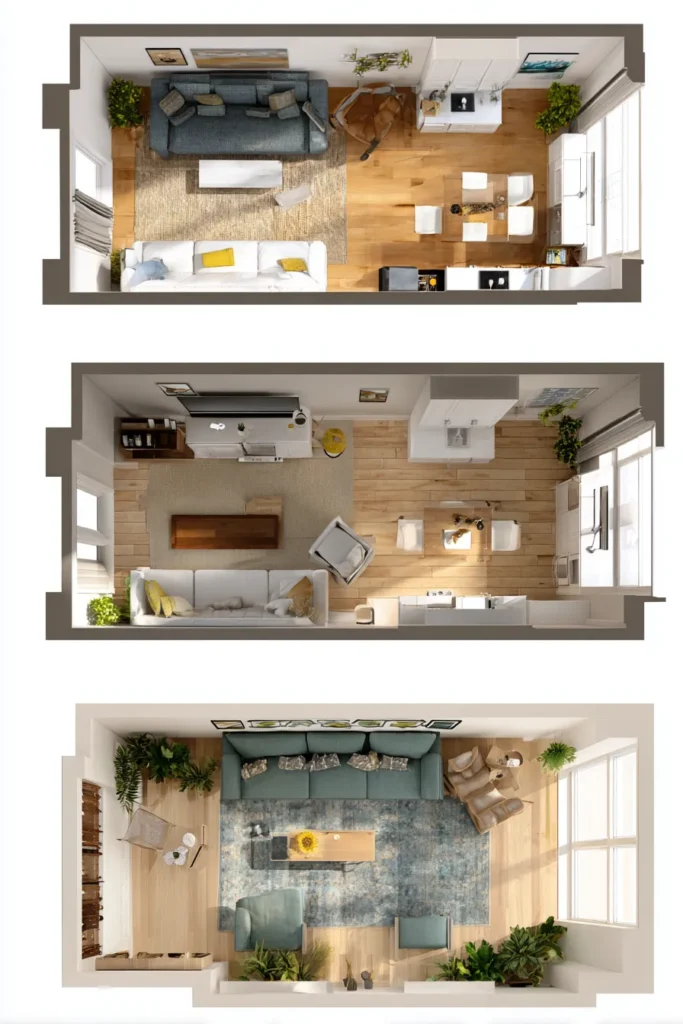
Prioritizing Comfort: What Your Body Needs
A sofa can be stunning, but if it doesn’t cradle you correctly, you’ll never choose it over your bed. Sofa comfort begins with honest questions about how you actually use this space.
Do you curl up to read? You’ll want deeper seats and plush cushions. Do you sit upright for conversations or work? Firmer support and moderate depth serve you better.
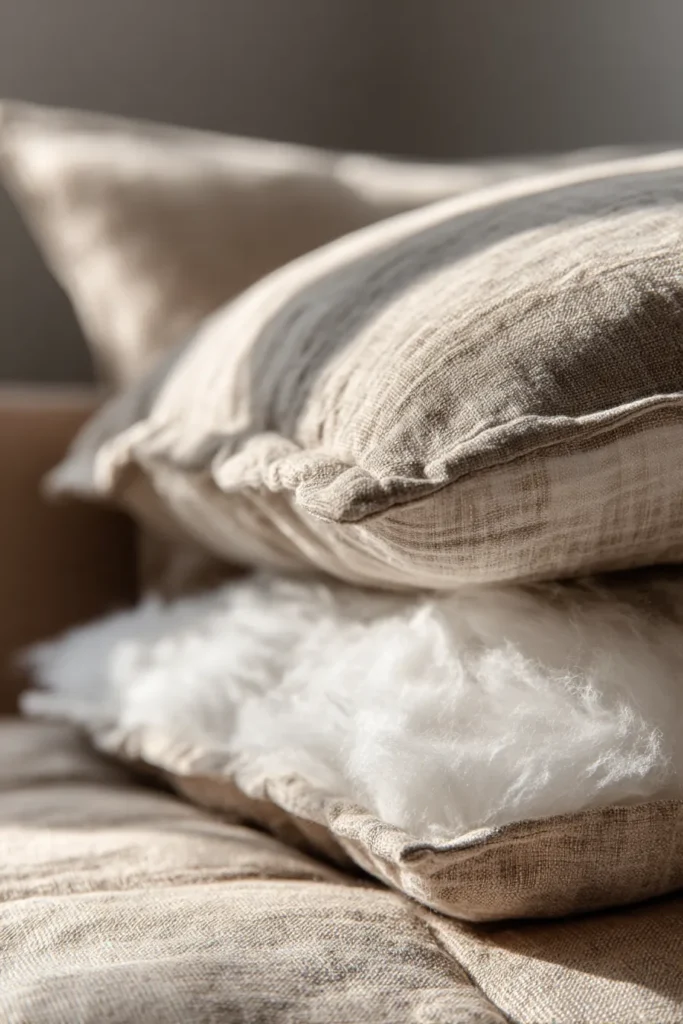
Cushion Firmness and Support
Cushion filling determines how your sofa ages with you. High-density foam holds its shape for years, providing consistent support. Down-filled cushions feel cloud-soft but require regular plumping and reshape over time.
A blend of both offers the best of everything—the structure of foam wrapped in the softness of down or down-alternative fibers. Your lower back will thank you for choosing support over initial sink-in softness.
Test before you commit. Sit for at least ten minutes if possible. Notice how your spine feels, whether your shoulders can truly relax, if the armrests sit at a natural height for your frame.
Upholstery Materials and Touch
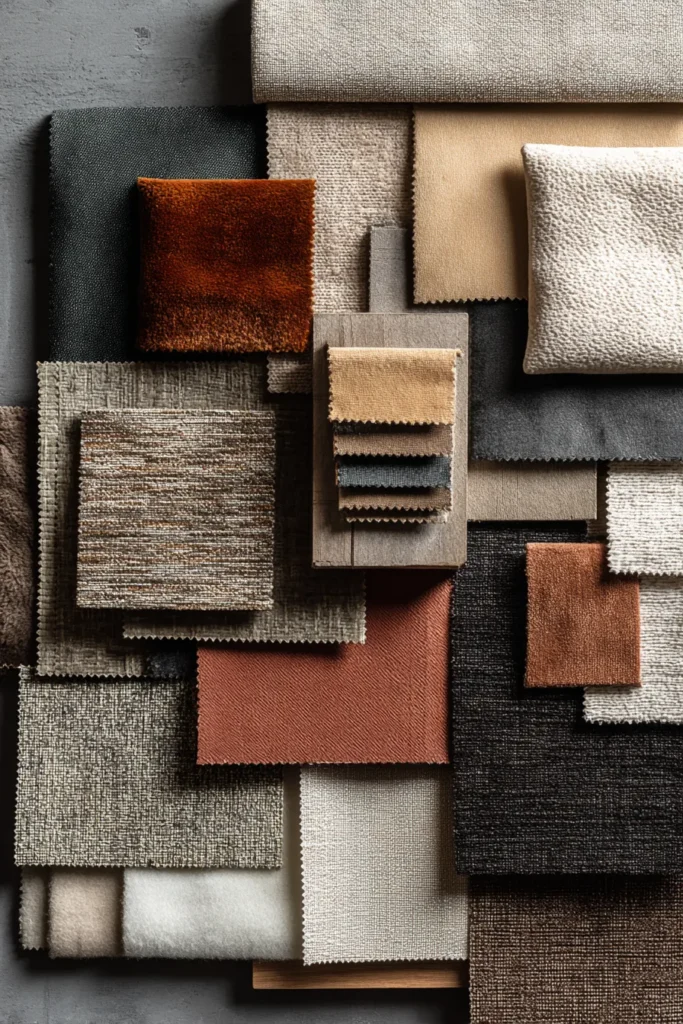
Your sofa’s fabric speaks to your fingertips before your eyes. Fabric upholstery ranges from durable performance textiles to sumptuous velvets, each with its own character and care needs.
Linen breathes beautifully and softens with age, developing a lived-in elegance that feels effortlessly sophisticated. Cotton blends offer versatility and cleaner lines, though they may show wear more quickly in high-traffic homes.
Velvet catches light like nothing else, creating depth and luxury in jewel tones or soft neutrals. It does require gentle care—regular brushing and immediate attention to spills keeps it looking fresh.
Matching Style to Your Living Room Aesthetic
Your perfect sofa should feel like it grew naturally from your room’s existing energy. It anchors without overwhelming, complements without disappearing.
Look at your current color palette, the wood tones in your flooring and furniture, the metal finishes on your fixtures. These elements guide you toward warm or cool tones, traditional or contemporary silhouettes.
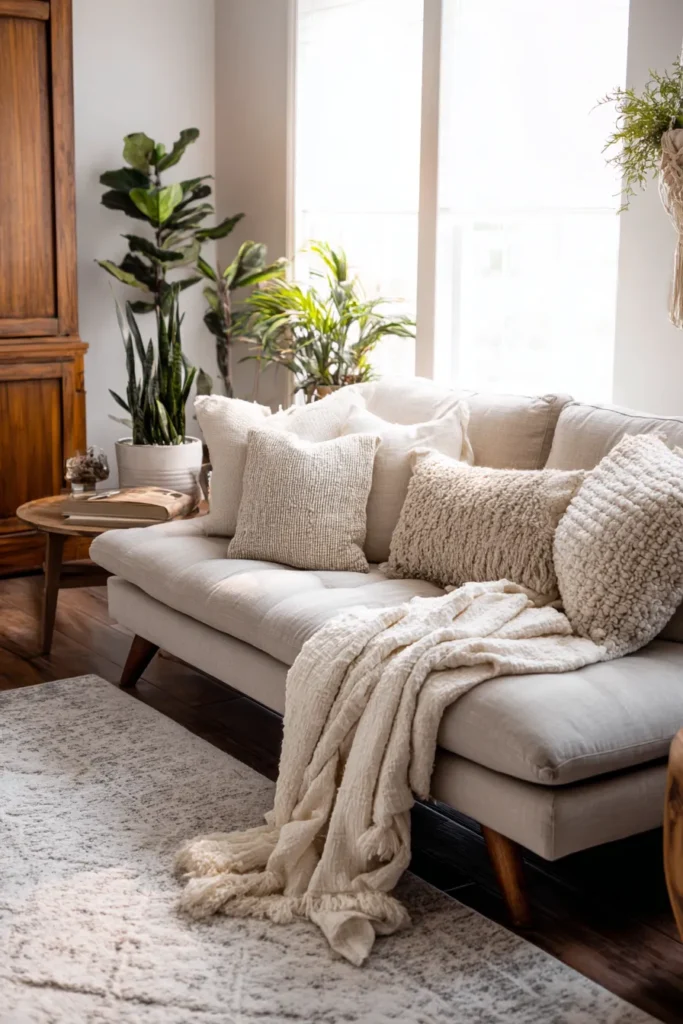
Sofa Style Options for Different Aesthetics
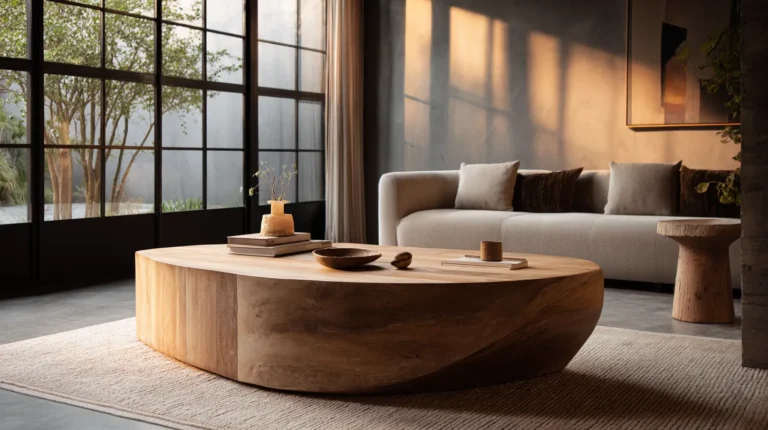
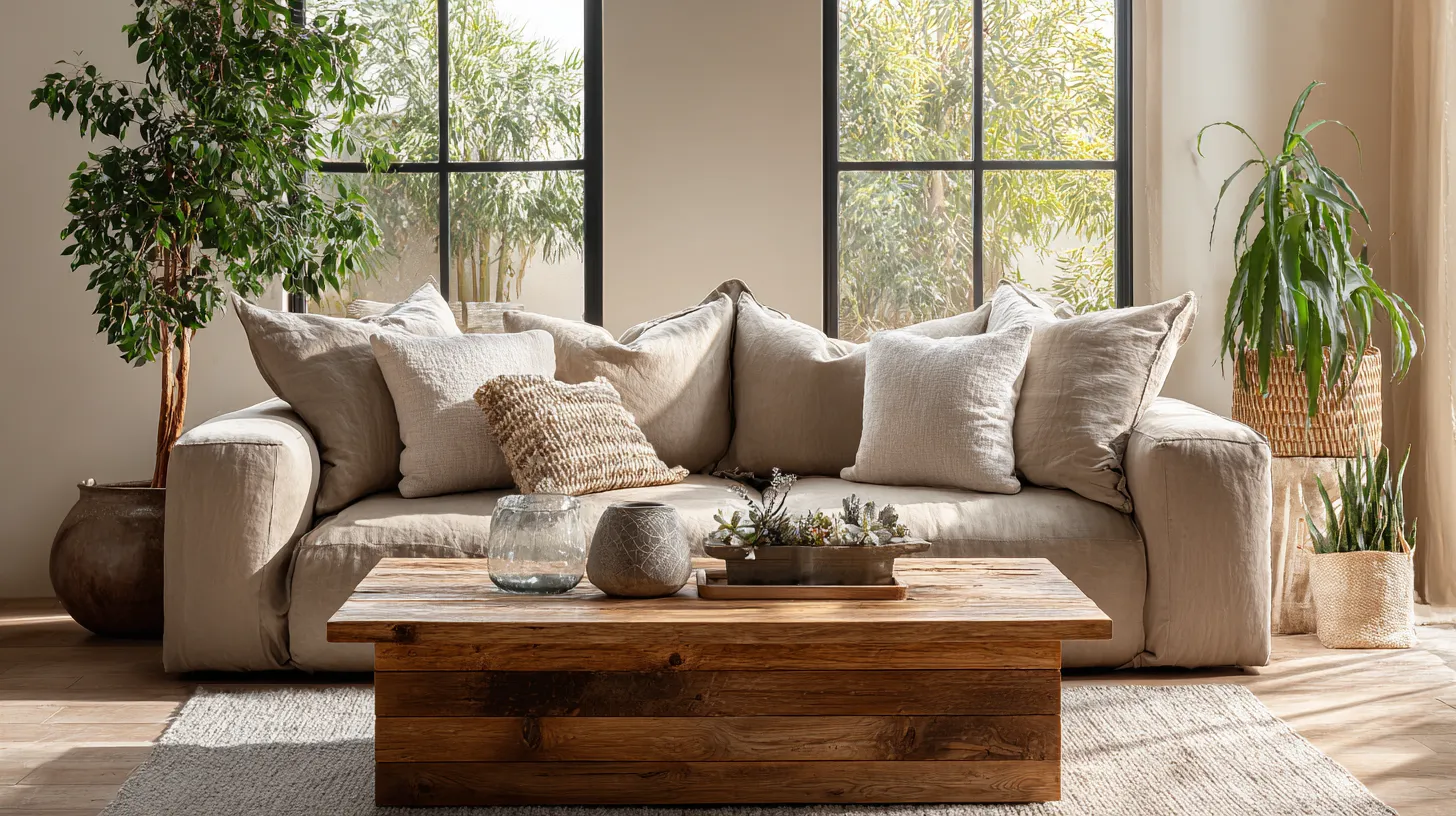
Modern rustic spaces love natural linen in warm grays or earthy taupes, paired with wood legs that echo reclaimed beams or natural finishes. The lines stay clean but never cold.
Contemporary rooms thrive with structured silhouettes—low profiles, crisp angles, perhaps a sleek leather in cognac or charcoal. The sophistication comes from restraint and quality materials.
Traditional elegance calls for rolled arms, turned legs, perhaps a subtle pattern or texture that adds visual interest without shouting. Think English countryside meets accessible refinement.
Color Psychology in Sofa Selection
Neutral sofas—creams, grays, warm taupes—offer timeless flexibility. You can shift your room’s mood seasonally with throw pillows and blankets, keeping your largest investment adaptable.
Deeper colors like navy, forest green, or charcoal create instant sophistication and hide daily wear beautifully. They ground a room, especially one with abundant natural light.
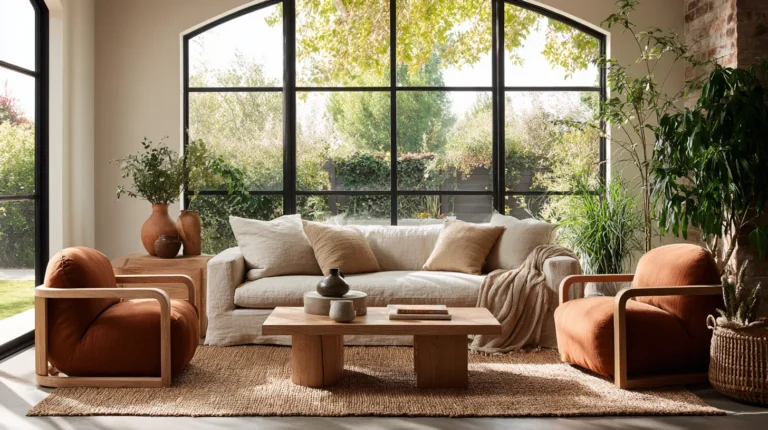
Bold choices deserve confidence. A terra cotta sofa or rich burgundy becomes the room’s heartbeat, requiring supporting elements that either harmonize or deliberately contrast.
Practical Considerations: Durability and Lifestyle
The most beautiful sofa fails if it can’t withstand your actual life. Sofa durability comes from honest material choices and realistic expectations.
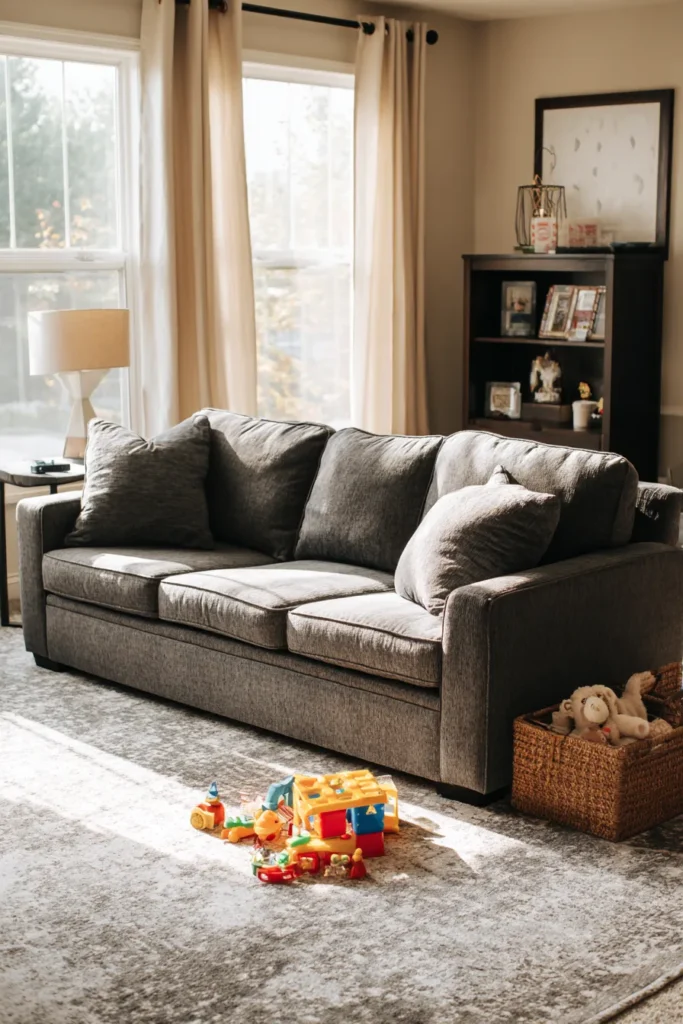
Families with young children or pets need different solutions than empty nesters or urban singles. This isn’t compromise—it’s wisdom about what serves your days, not just your aesthetic dreams.
Best Materials for High-Traffic Homes
Performance fabrics have evolved beyond institutional looks. Modern options resist stains, stand up to claws and spills, and still feel soft against skin. Look for materials rated at 30,000+ double rubs for serious durability.
Leather develops character as it ages, especially full-grain options that darken and soften over years. It handles pet hair brilliantly and cleans easily, though sharp claws will leave marks.
Crypton, Sunbrella, and similar treated fabrics repel liquids while maintaining natural textile aesthetics. They’re particularly smart for light-colored sofas in active households.
Maintenance Tips for Longevity
Vacuum your upholstery weekly using the soft brush attachment. This simple habit prevents ground-in dust and keeps fibers fresh.
Rotate cushions monthly so wear distributes evenly. Flip them if possible, extending the life of both filling and fabric dramatically.
Address spills immediately—blot, don’t rub, working from the outside in. Keep your fabric’s specific cleaning code (W, S, or WS) noted somewhere accessible for quick reference during emergencies.
Exploring Modern Sofa Innovations
Today’s sofas can do more than look beautiful and provide seating. Smart features and sustainable materials are reshaping what modern living room furniture can offer.
Technology-enhanced options bring convenience without sacrificing design. Built-in USB ports keep devices charged without visible cords. Some sectional sofa designs include hidden storage, massage functions, or adjustable headrests for true customization.
Sustainable and Eco-Friendly Choices
Conscious consumers are asking harder questions about materials and manufacturing. Sustainable sofa options use FSC-certified wood frames, natural latex foam, and organic cotton or wool upholstery.
Look for brands transparent about their supply chains. Sofas made domestically often have smaller carbon footprints than imported pieces, and they typically use less harmful flame retardants and adhesives.
Vintage or refurbished sofas deserve consideration too. A quality mid-century piece with new cushions and professional reupholstery can outlast fast furniture while offering unique character.
Modular and Multifunctional Designs
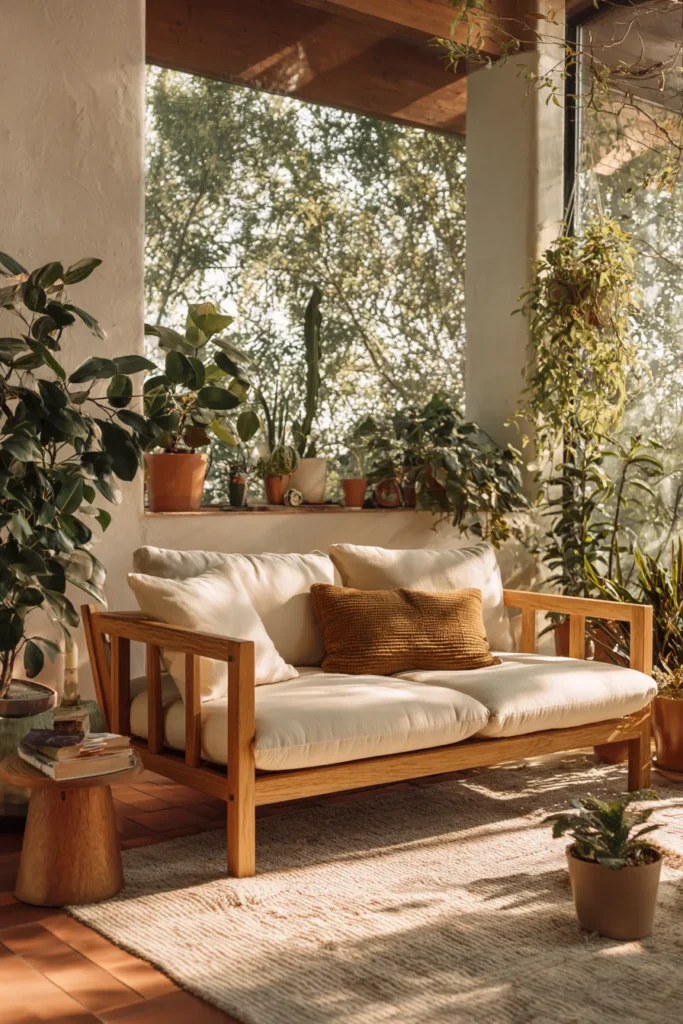
Modular components adapt as your life changes. Start with a three-seater, add a chaise later, or separate pieces to accommodate a new room layout without buying entirely new furniture.
Sofa beds have shed their lumpy reputation. Contemporary mechanisms provide genuinely comfortable sleeping surfaces, perfect for compact homes or frequent guests.
Consider ottomans that double as coffee tables, providing extra seating when needed while keeping sight lines open in smaller spaces.
Sectionals vs. Traditional Sofas
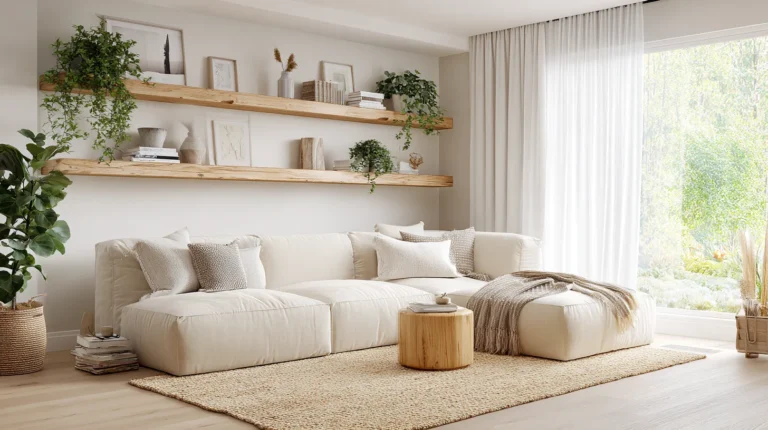
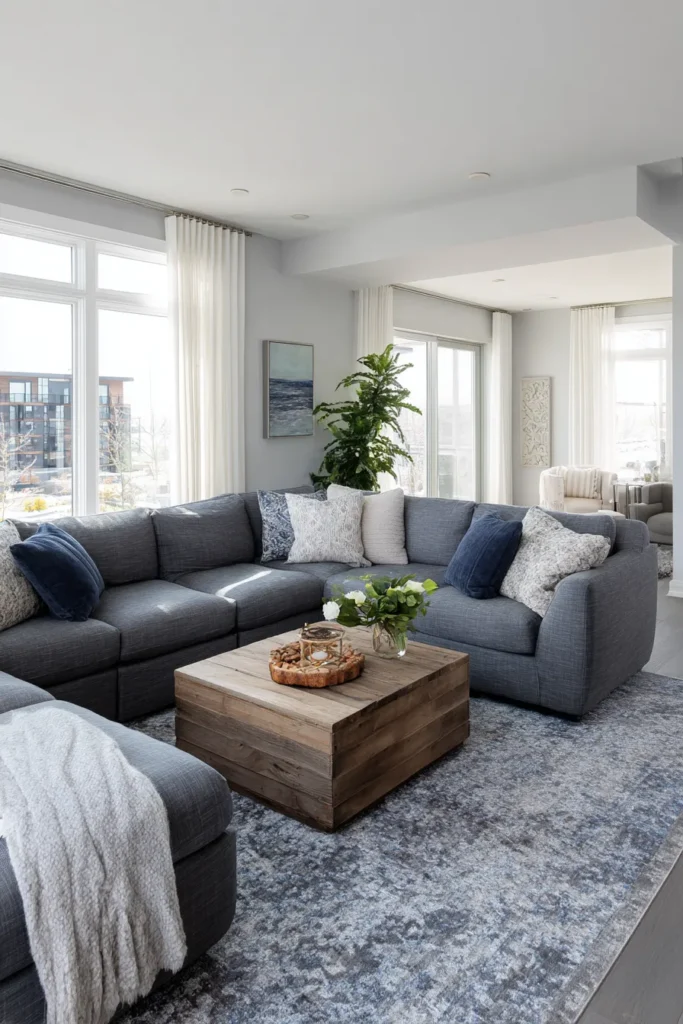
The sectional sofa question depends on your room’s shape and your hosting style. Sectionals maximize seating in corner spaces and create natural conversation groupings.
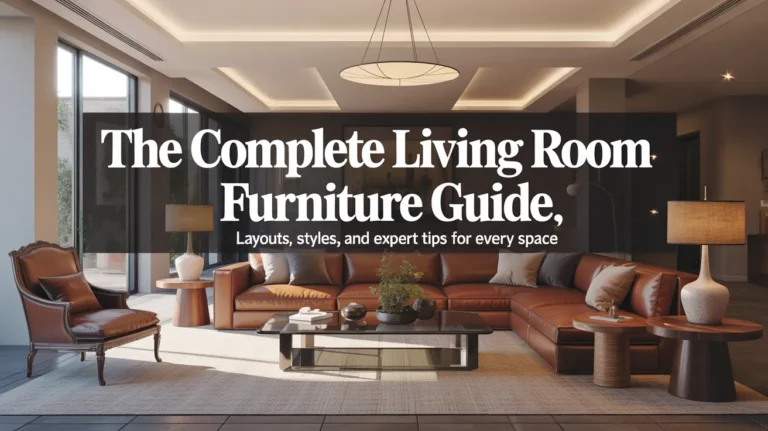
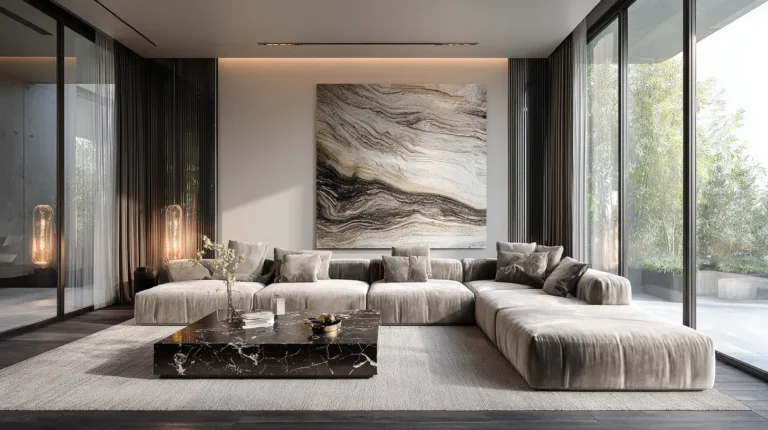
L-shaped configurations work beautifully in square or large rectangular rooms, defining living zones within open floor plans. They’re particularly excellent for families who gather for movie nights or casual entertaining.
Traditional sofas offer more flexibility for future moves or room rearrangements. Paired with chairs and ottomans, they create varied seating that feels less prescriptive, more collected.
When Sectionals Make Sense
Large families benefit from sectionals’ generous seating capacity. Everyone fits comfortably for meals, games, or television without pulling in extra chairs.
Open-concept spaces use sectionals as soft walls, delineating the living area from dining or kitchen zones without blocking light or views.
Corner rooms or awkward layouts often waste space with traditional furniture arrangements. A well-chosen sectional transforms these challenges into cozy nooks.
When Traditional Sofas Win
Smaller rooms breathe better with a standard sofa and chairs. The negative space between pieces actually makes the room feel larger, less heavy.
If you move frequently, traditional sofas navigate doorways and staircases more easily. They’re also simpler to sell or donate when life changes.
Formal living rooms maintain classic elegance with traditional sofas paired with symmetrical side chairs—a balanced, timeless arrangement that photographs beautifully.
Your Sofa Shopping Checklist
Before you browse, ground yourself with clear priorities. This prevents overwhelm when you’re faced with hundreds of options and well-meaning salespeople.
Budget wisely by understanding what you’re paying for. Quality frames use kiln-dried hardwood and eight-way hand-tied springs. These details add cost but multiply longevity.

Questions to Ask Before Buying
- How do you actually use your living room daily?
- What’s your realistic cleaning and maintenance capacity?
- Do you host regularly, or is this primarily family seating?
- What’s your timeline—do you need delivery next week or can you wait for custom orders?
- What’s your total budget including delivery, protection plans, and any modifications?
Budget vs. Quality Balance
| Price Range | What to Expect | Best For |
|---|---|---|
| Under $1,000 | Particle board frames, polyester blends, basic comfort | Temporary housing, tight budgets, rarely used spaces |
| $1,000-$3,000 | Engineered wood frames, decent foam, mid-range fabrics | Most family living rooms, good balance of quality and value |
| $3,000-$6,000 | Hardwood frames, high-density foam, premium upholstery | Long-term investment pieces, high-use spaces |
| $6,000+ | Heirloom quality, custom options, luxury materials | Collectors, design-forward homes, generational furniture |
Consider cost-per-use rather than sticker price. A $3,000 sofa used daily for ten years costs $0.82 per day. That $800 sofa replaced in three years costs $0.73 per day—and fills landfills faster.
Installation and Placement Tips
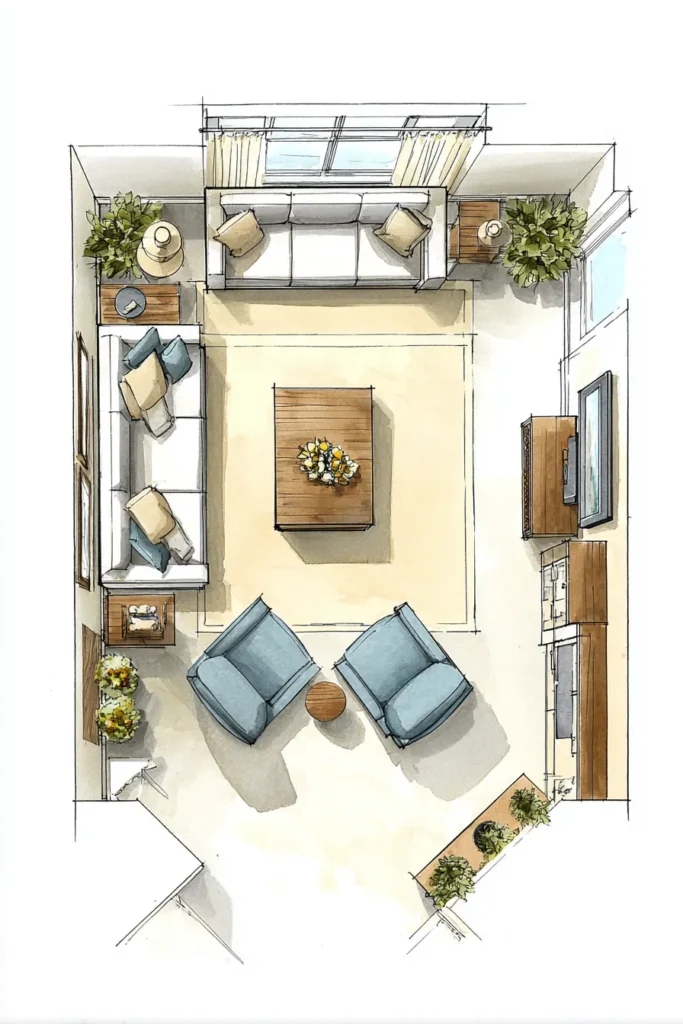
Your sofa placement affects how the entire room functions. Float it away from walls in larger spaces, creating intentional groupings with rugs and lighting that define zones.
In smaller rooms, anchoring your sofa against the longest wall maximizes floor space. Add a console table behind it for display space without sacrificing square footage.
Ensure adequate lighting near your sofa—floor lamps or table lamps at each end create warmth and functionality for reading or conversation after dark.
Key Takeaways for Your Perfect Sofa
- Measure precisely: Room dimensions, doorways, and traffic flow patterns before you fall in love
- Test thoroughly: Sit for at least 10 minutes; check seat depth, cushion firmness, and back support
- Match lifestyle: Choose fabrics and features that support how you actually live, not just aspire to live
- Invest wisely: Quality frames and construction outlast trendy fabrics you can update later
- Consider sustainability: Eco-friendly materials and local manufacturing reduce environmental impact
- Plan placement: Think about room flow, conversation groupings, and lighting before delivery day
- Balance budget with longevity: Calculate cost-per-use over realistic ownership periods
- Remember flexibility: Modular or traditional pieces offer different advantages for future changes
Finding Your Sofa Soulmate
Choosing a sofa is intimate work. You’re selecting the piece that will hold your tiredness, your celebrations, your quiet Sunday mornings when nowhere else calls.
Trust your body as much as your eyes. The sofa that looks perfect but feels wrong will never become home. The one that cradles you correctly, in the right size for your room, with fabric that suits your life—that’s the one worth waiting for.
Your living room deserves furniture that honors both beauty and function, that elevates daily moments into something approaching sacred. This isn’t indulgence; it’s creating space for life to unfold comfortably.
Take your time. Measure twice. Sit often. When you find the right one, you’ll know—not just intellectually, but in the way your whole body relaxes into possibility.

Frequently Asked Questions
How do I measure my living room for a sofa?
Measure your room’s length and width, then note existing furniture placement and traffic patterns. Subtract at least 30 inches from wall measurements to maintain comfortable walkways. Don’t forget to measure doorways, hallways, and stairwells to ensure delivery is possible—diagonal measurements matter for tight corners.
What type of sofa is best for families with pets or children?
Performance fabrics, leather, or tightly woven synthetics resist stains and stand up to daily wear best. Choose medium to dark colors that camouflage minor marks. High-density foam cushions maintain shape better than down alone. Removable, washable covers offer the ultimate peace of mind for active households.
Are sectional sofas better than traditional sofas for small living rooms?
Not usually—sectionals work best in medium to large spaces or dedicated corners. Small rooms typically benefit from standard sofas paired with compact chairs, which create better traffic flow and make spaces feel less crowded. The visual breaks between separate pieces actually expand the perceived room size.
How important is cushion firmness when choosing a sofa?
Extremely important for both comfort and longevity. Firm cushions support your back better and maintain their shape longer, though they require a break-in period. Soft cushions feel immediately comfortable but may sag within a few years. Medium-firm options with high-density foam offer the best balance for most bodies and usage patterns.
Should I choose a neutral or bold-colored sofa?
Neutral sofas offer timeless flexibility and easier resale value, making them smarter for trend-conscious buyers or frequent movers. Bold colors create instant impact and work beautifully if you’re committed to a long-term color story. Consider your willingness to update surrounding décor—neutrals adapt as your style evolves, while saturated hues anchor and direct your entire palette.