
Table of Contents
There’s something sacred about the way light falls in a room. It shapes the air, softens corners, and invites you to linger a little longer.
In a Japandi living room, lighting isn’t just functional—it’s an art form. It whispers calm through warm glows and natural shadows, balancing the minimalist elegance of Scandinavian design with the serene beauty of Japanese aesthetics.
This guide will walk you through every layer, fixture, and bulb choice that brings this harmonious style to life. Whether you’re working with a cozy Manila apartment or reimagining a spacious family room, you’ll discover how to craft lighting that feels both effortless and intentional.
Let’s explore the gentle glow that makes Japandi living rooms so unforgettable.
What is Japandi Lighting?
Japandi lighting embodies the quiet intersection of two design philosophies: Japanese wabi-sabi and Scandinavian hygge. It celebrates imperfection, natural materials, and a warm, lived-in luminosity that feels like home.
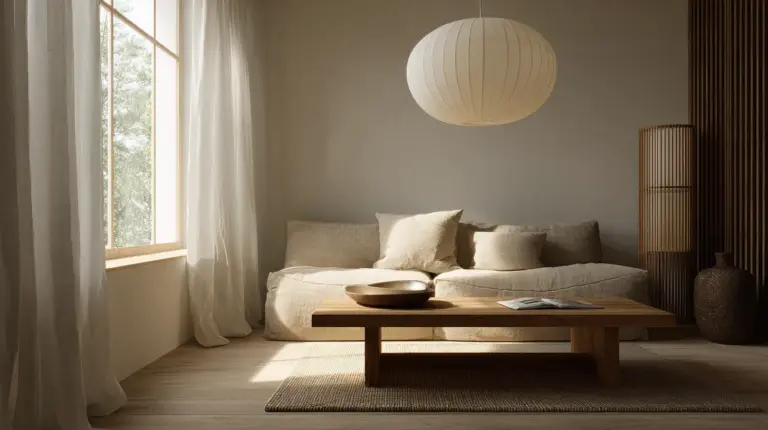
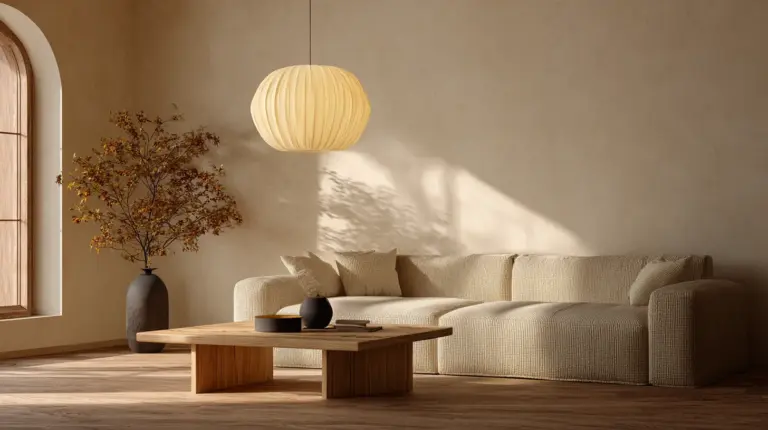
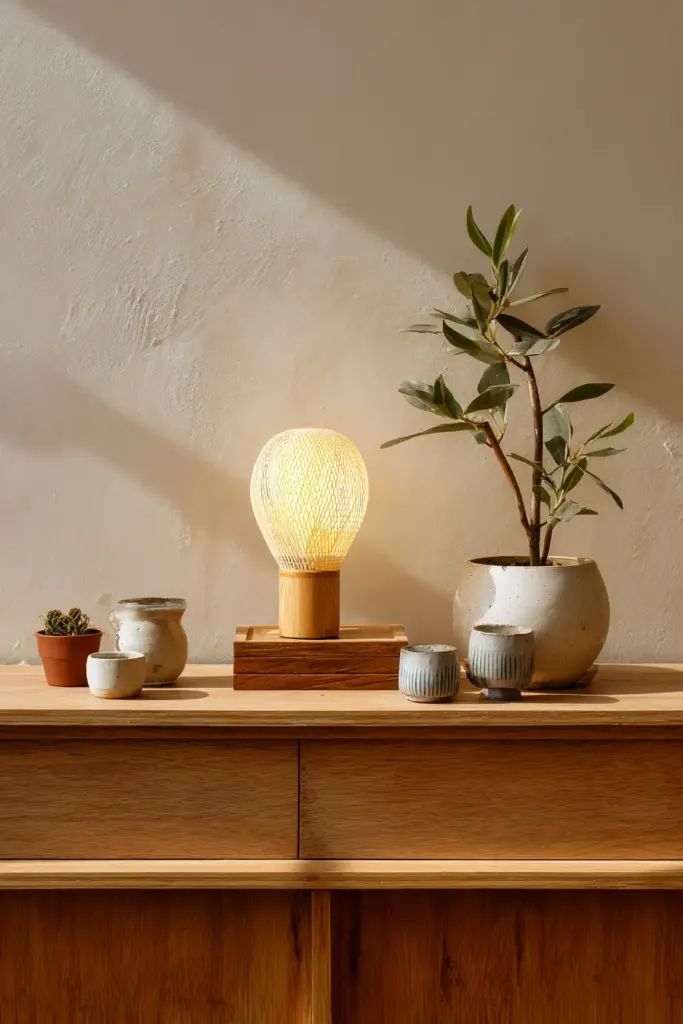
Think soft, diffused light filtering through washi paper. Imagine bamboo pendants casting organic shadows across linen sofas. This isn’t about bright, sterile overhead floods—it’s about creating layered illumination that adapts to your mood and the rhythm of the day.
At its heart, Japandi lighting prioritizes warmth, simplicity, and nature. Every fixture should feel purposeful, grounded, and free of excess.
The Foundation: Understanding Warm-Toned Lighting
What Color Light is Japandi?
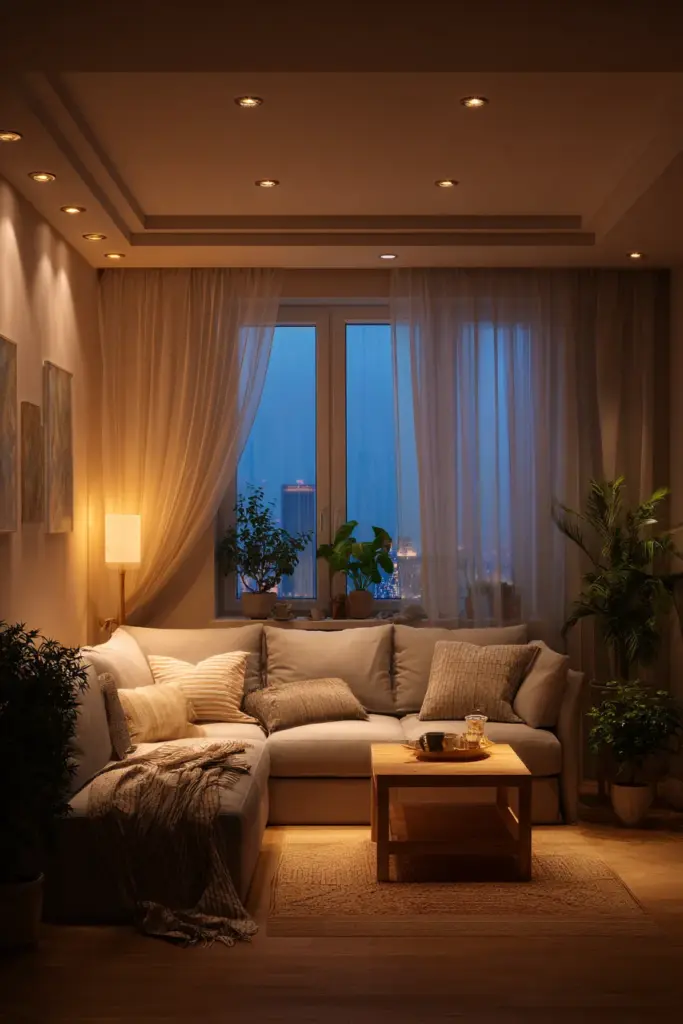
Japandi spaces thrive on warm-toned LEDs between 2700K and 3000K. This color temperature mimics the golden hour—soft, flattering, and deeply calming.
Cool blue-toned bulbs (anything above 4000K) disrupt the organic flow. They feel clinical and detached, pulling you out of the cozy sanctuary Japandi aims to create.
Invest in dimmable warm white bulbs that let you adjust brightness throughout the day. Morning coffee might call for slightly brighter light, while evening unwinding deserves a gentle amber glow.
Why Warm Lighting Matters
Studies show that warm lighting can boost relaxation by 20-30%, reducing cortisol and encouraging rest. In Japandi design, this isn’t incidental—it’s essential.
Pair your warm bulbs with natural materials like wood, bamboo, or linen shades. The combination amplifies the hygge factor, wrapping your living room in textures that feel like a visual hug.
How to Layer Lighting in a Japandi Living Room
Layered lighting is the backbone of Japandi design. It creates depth, prevents harsh shadows, and gives you control over the room’s atmosphere.
The Three Essential Layers
Ambient Lighting forms your base. Think recessed ceiling lights or soft pendant fixtures that provide overall illumination without dominating the space.
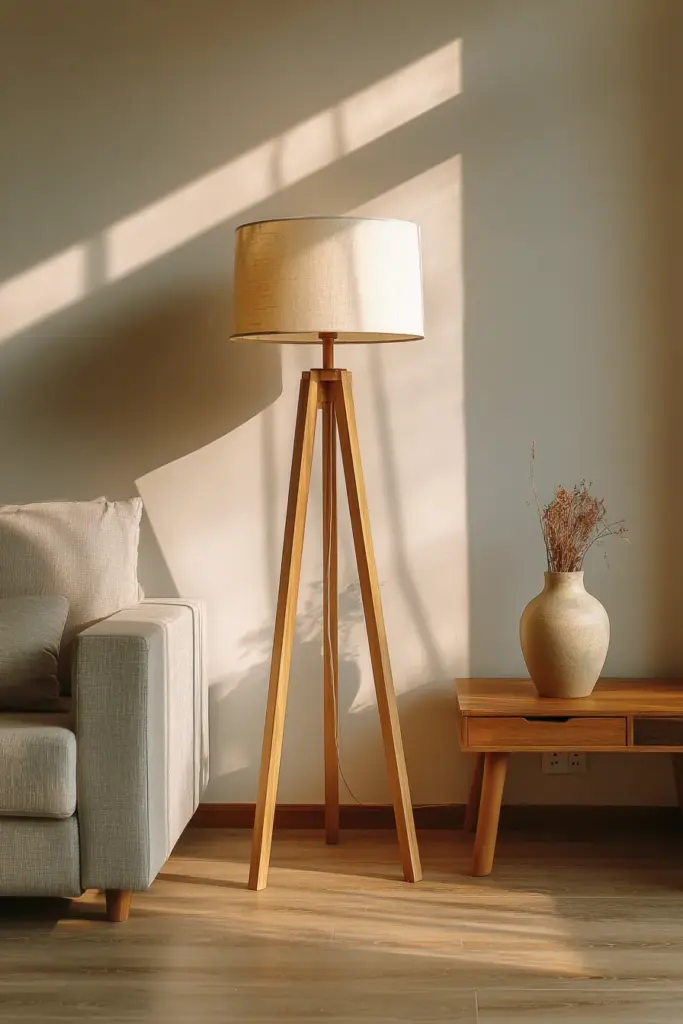
Task Lighting supports specific activities—reading nooks need adjustable floor lamps, while sofa corners benefit from minimalist table lamps with wooden bases.
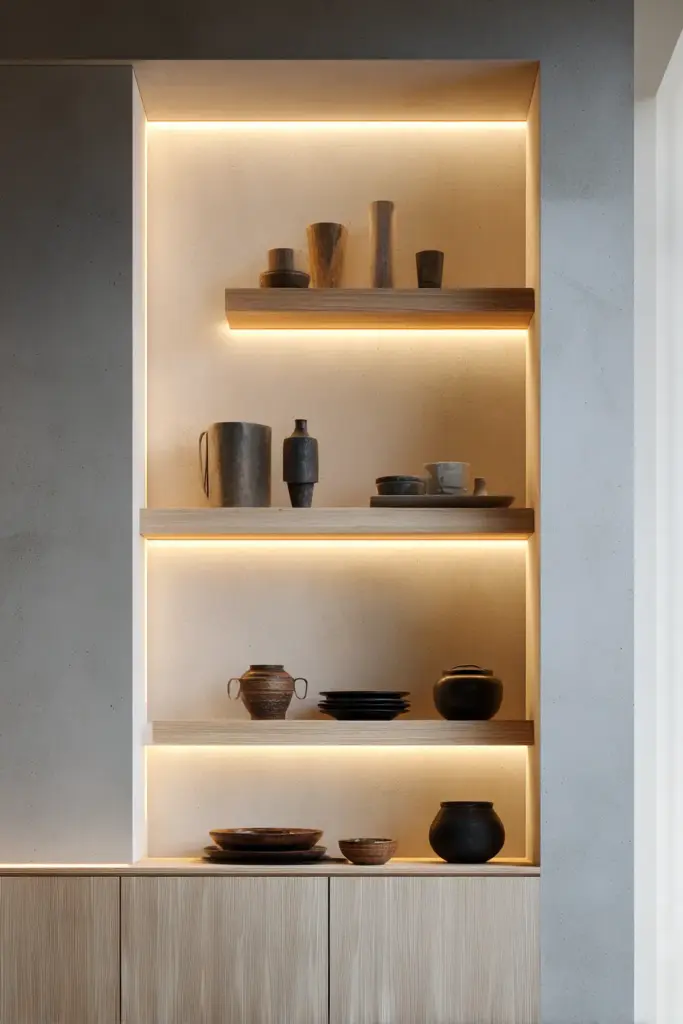
Accent Lighting adds drama and warmth. Use it to highlight natural textures: a spotlight on a bonsai tree, or LED strips tucked behind floating shelves to showcase ceramics.
Practical Layering for Small Spaces
In compact Manila apartments (around 20sqm), start with one central ambient source—a woven bamboo pendant over the seating area works beautifully. Flank your low sofa with slender floor lamps that don’t crowd the room.
Add a dimmable table lamp on a side table for late-night reading. Keep cords hidden with cord management solutions that maintain the clean, uncluttered aesthetic.
Japandi Pendant Lights for Living Rooms
Pendant lights serve as sculptural focal points while providing essential ambient glow. In Japandi design, they should feel organic and understated.
Material Choices That Matter
Washi paper shades diffuse light beautifully, creating a soft, cloud-like illumination that eliminates harsh glare. These traditional Japanese lanterns bring authenticity and warmth.
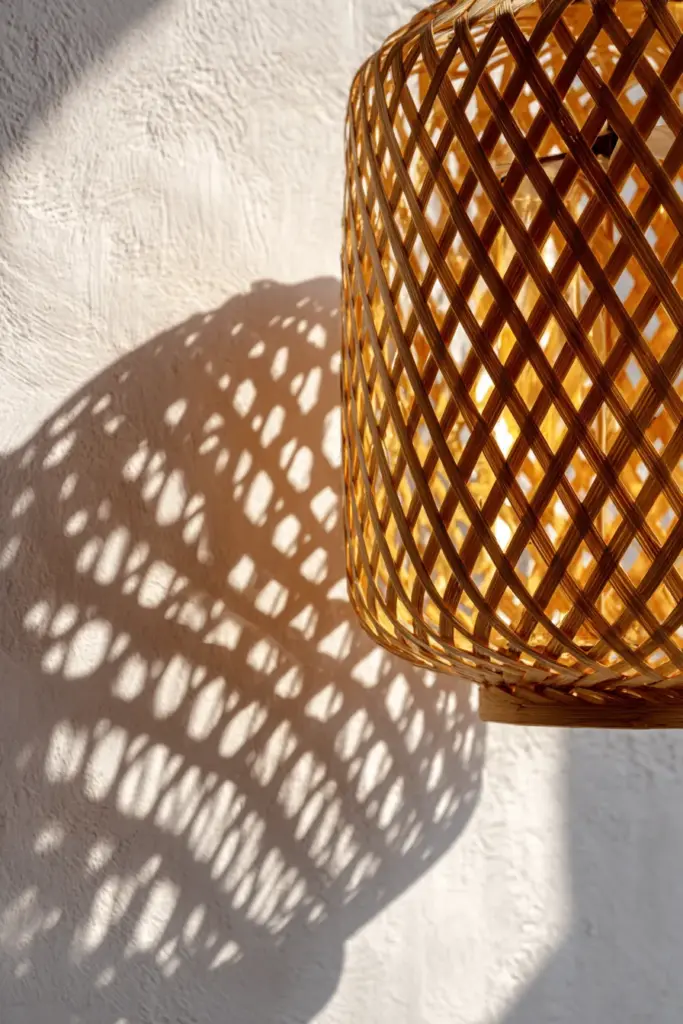
Bamboo and rattan pendants add earthy texture. Their woven patterns cast intricate shadows that dance across walls, adding movement and visual interest.
Wood and linen combinations bridge Scandinavian and Japanese influences perfectly. Look for clean-lined fixtures with warm oak or ash frames wrapped in natural fabric.
Placement Strategies
Hang pendants 60-70cm above coffee tables or dining areas within your living room. This creates intimate pools of light without overwhelming the space.
For high ceilings, consider multiple pendants at staggered heights. Keep them in odd numbers (three works wonderfully) for balanced asymmetry.
Floor Lamps and Task Lighting Excellence
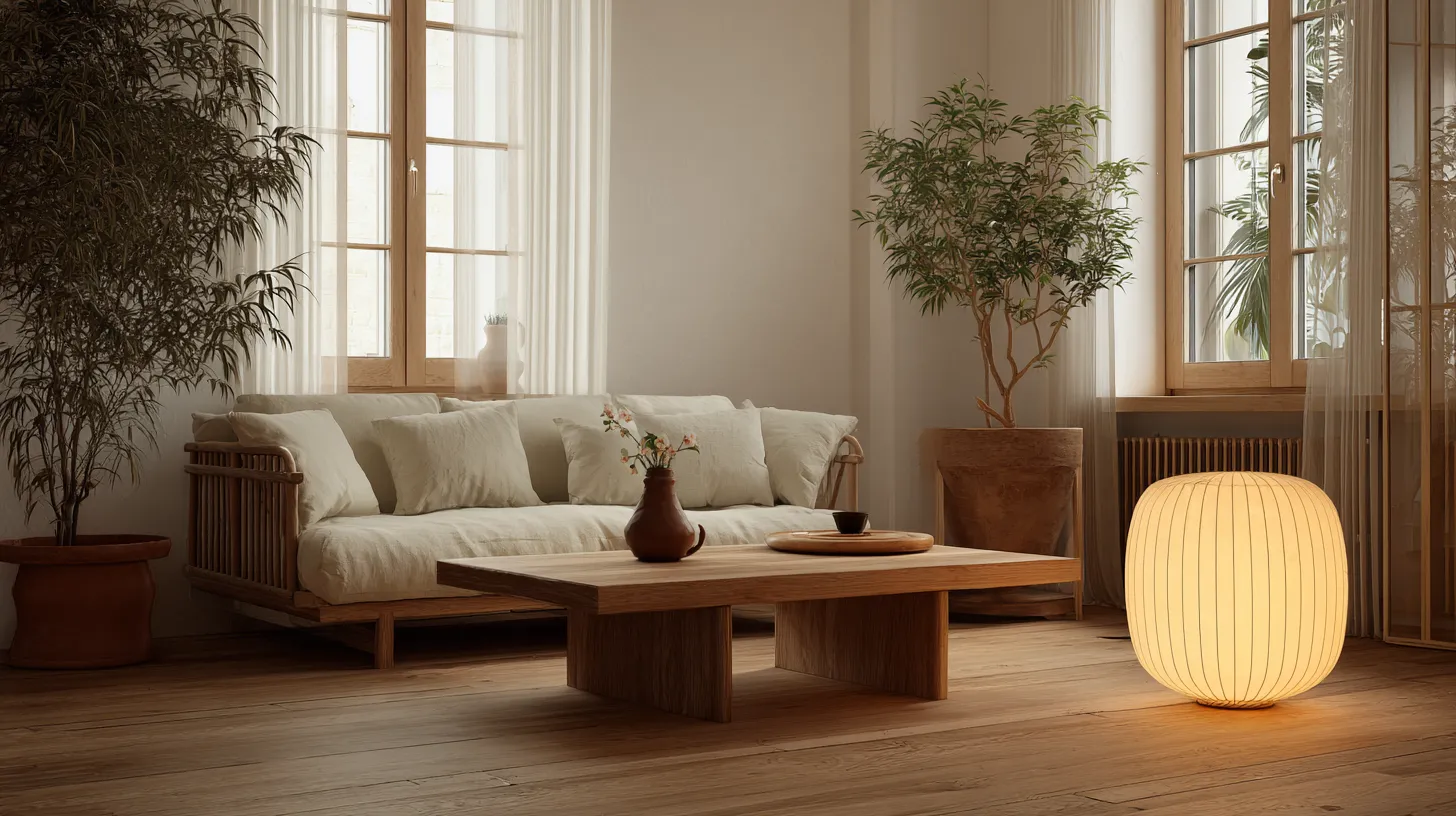
Floor lamps are Japandi workhorses—versatile, movable, and endlessly practical. They soften corners and provide adjustable light exactly where you need it.
Minimalist Floor Lamp Features
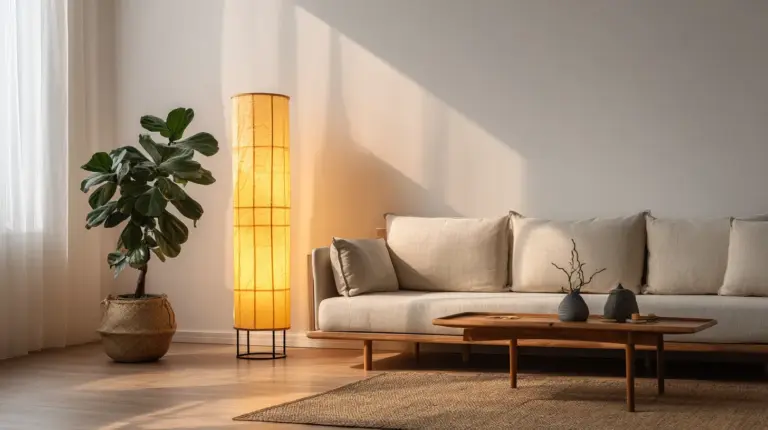
Choose tripod bases in light wood (beech, ash, or bamboo) with simple linen or paper shades. Avoid ornate details; the beauty lives in the grain of the wood itself.
Look for adjustable necks or dimmer switches integrated into the design. This flexibility lets you shift from bright task lighting during the day to subtle ambient glow at night.
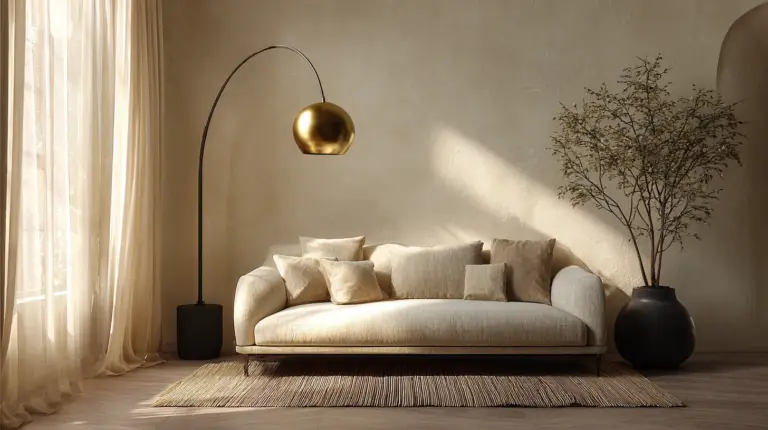
Arc floor lamps work beautifully over low seating arrangements, mimicking the curve of natural branches while saving floor space.
Budget-Friendly DIY Options
Transform affordable IKEA bamboo lamps by adding washi paper shades—you can find them at Divisoria markets or online through Shopee for under ₱2,000. The modification takes minutes but elevates the entire aesthetic.
Hunt for secondhand wooden lamps and refinish them with natural oils. Pair with warm LED bulbs (available locally for ₱150-300) for instant Japandi transformation.
Smart Lighting Integration for Modern Japandi Living
Technology and tranquility can coexist beautifully. Smart lighting brings convenience while preserving the serene Japandi atmosphere.
Choosing Compatible Smart Bulbs
Select dimmable smart bulbs compatible with warm 2700K settings, like Philips Hue or local alternatives available through Lazada. Ensure they can be controlled via apps without sacrificing the warm tone.
Create lighting scenes for different moments: “Morning Energy” at 80% brightness, “Reading Time” at 60%, and “Evening Calm” at 30% with maximum warmth.
Sync your smart system with daily routines. Lights can gradually dim during movie nights or brighten gently in the morning, mimicking natural sunrise.
Keeping Technology Invisible
Hide smart hubs behind furniture or inside woven baskets. The goal is seamless control without visible tech clutter.
Choose fixtures where the bulbs aren’t exposed—shaded lamps and enclosed pendants work best. The smart functionality should feel like magic, not machinery.
Maximizing Natural Light in Japandi Style
Natural light is the purest form of Japandi illumination. Your living room should drink in every ray while maintaining privacy and serenity.
Window Treatment Wisdom
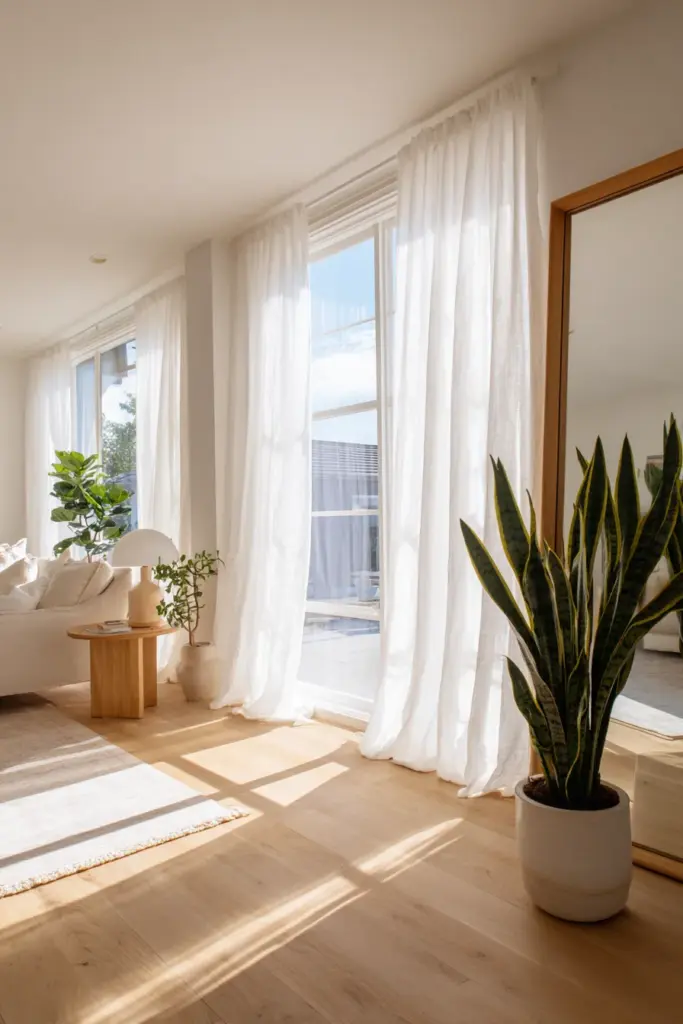
Install sheer linen curtains in cream or warm white that filter sunlight without blocking it completely. Avoid heavy drapes that create darkness.
Consider bamboo roller blinds that lift completely during the day, disappearing into the frame. Their natural texture complements the Japandi palette perfectly.
Position mirrors strategically across from windows to bounce light deeper into the room. Choose simple wooden frames that enhance rather than distract.
Arranging Furniture for Light Flow
Keep pathways clear between windows and key seating areas. Don’t block natural light with tall bookcases or bulky cabinets.
Place your low sofa perpendicular to windows when possible, allowing light to wash across the seating area throughout the day.
Plant-Lighting Synergy: Biophilic Japandi Enhancement
Plants breathe life into Japandi spaces, but they need proper lighting to thrive alongside you. This synergy strengthens the hygge atmosphere without adding visual clutter.
Hidden LED Grow Lights
Integrate LED grow lights into wooden fixtures or behind shelving to support low-light plants like snake plants, pothos, or peace lilies near your sofa area.
Choose grow lights with warm-spectrum settings that blend with your 2700K ambient lighting. The plants get nourishment while maintaining the cozy glow.
Position plants strategically—a fiddle leaf fig in the corner catches both natural and supplemental light, creating a living sculpture.
Natural Light-Loving Plants
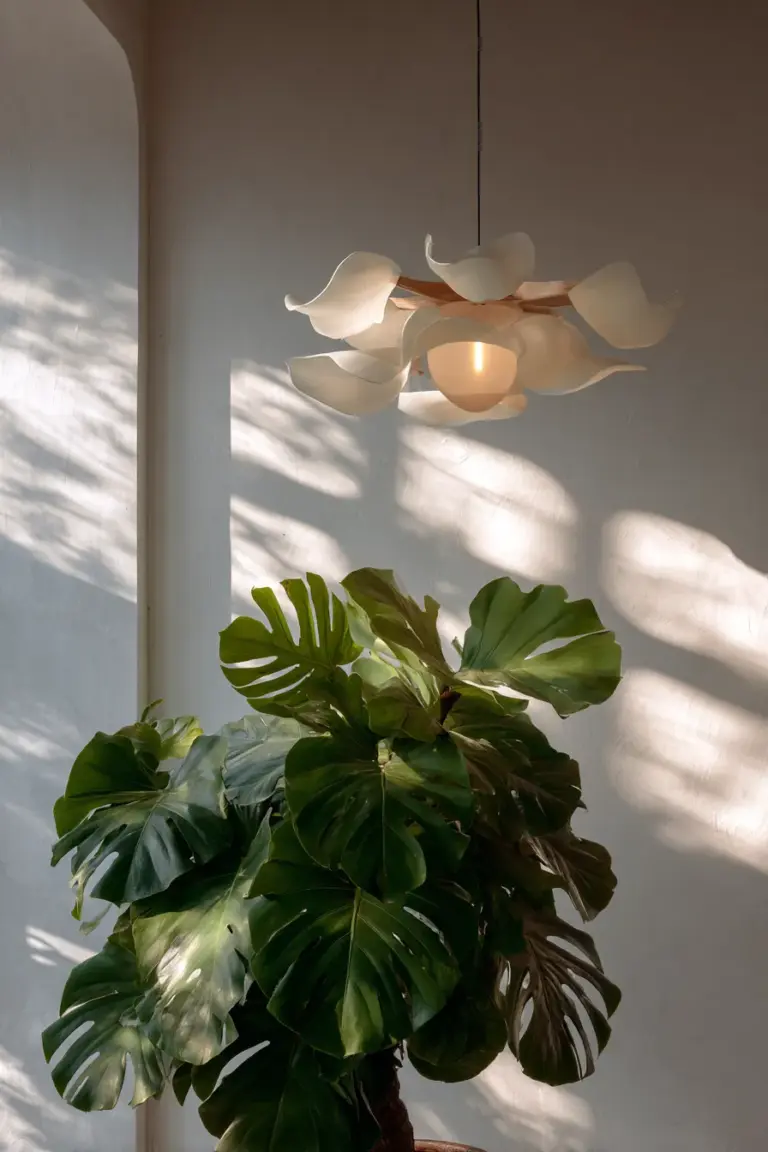
If your living room has strong natural light, embrace it with bird of paradise or monstera near windows. These large-leafed plants enhance the organic Japandi feel while thriving in brightness.
Use simple ceramic planters in matte white, charcoal, or terracotta. The understated containers keep focus on the plants’ natural beauty.
Common Mistakes in Japandi Living Room Lighting
Even with the best intentions, certain lighting choices can disrupt the Japandi balance. Here’s what to avoid.
Overhead-Only Lighting
Relying solely on harsh ceiling fixtures creates flat, uninviting spaces. Without layered lighting, rooms feel sterile rather than serene.
Always supplement overhead lights with floor lamps, table lamps, or accent lighting at different heights.
Mismatched Color Temperatures
Mixing cool and warm bulbs destroys the cohesive glow Japandi requires. A 5000K bulb in one corner and 2700K in another creates visual chaos.
Standardize all bulbs to 2700K-3000K across your living room. Check packaging carefully before installing.
Overly Bright Spaces
More light isn’t better in Japandi design. Flooding the room with brightness eliminates the shadows and depth that create atmosphere.
Use dimmers liberally. Aim for multiple light sources at lower intensities rather than few sources at maximum brightness.
Ignoring Natural Materials
Plastic or chrome fixtures clash with the organic Japandi ethos. Every light source should honor natural materials.
Prioritize bamboo, wood, paper, linen, and ceramic over synthetic alternatives. The materials themselves become part of the lighting story.
Sustainable Lighting Choices for Eco-Conscious Japandi
Japandi philosophy embraces sustainability naturally. Your lighting choices should reflect environmental care alongside aesthetic beauty.
Energy-Efficient Fixtures
Bamboo-housed LED fixtures offer lifespans of 50,000+ hours while consuming 75% less energy than traditional incandescent bulbs. This translates to years of warm light with minimal environmental impact.
Calculate your savings: A 10W LED used 5 hours daily costs roughly ₱200 annually in electricity, versus ₱800 for a comparable incandescent. Over the fixture’s lifetime, you save thousands while reducing carbon footprint.
Choosing Sustainable Materials
Seek certifications like FSC (Forest Stewardship Council) for wooden fixtures, ensuring responsible sourcing. Bamboo grows rapidly and regenerates quickly, making it an ideal renewable material.
Support local artisans who craft lighting from reclaimed wood or upcycled materials. These pieces carry stories and reduce waste simultaneously.
Japandi Lighting for Different Living Room Layouts
Your space’s unique dimensions and flow require tailored lighting strategies. Here’s how to adapt Japandi principles to various configurations.
Small Apartments (15-25sqm)
Use vertical lighting to draw the eye upward, making ceilings feel higher. A tall corner floor lamp creates presence without consuming floor space.
Mount wall sconces at reading height beside seating areas. These free up surfaces while providing focused task lighting.
Choose one statement pendant as your ambient anchor—a medium-sized washi lantern centers the room without overwhelming it.
Open-Plan Living Spaces
Define zones through lighting layers. Pendant clusters over the conversation area separate it visually from dining or kitchen sections.
Use consistent fixtures across zones in different sizes—the same bamboo pendant line in varying diameters creates unity with subtle variation.
Track lighting with warm LED spotlights can highlight artwork or architectural features while maintaining the clean Japandi aesthetic if housed in matte wood or black finishes.
Living Rooms with Low Ceilings
Avoid hanging pendants in rooms with ceilings under 2.4 meters—they’ll feel oppressive. Instead, rely on flush-mount fixtures with paper or fabric shades.
Emphasize floor and table lamps that direct light upward, creating the illusion of height through reflected ceiling glow.
Creating the Perfect Evening Ambiance
As daylight fades, your Japandi living room should transform into a sanctuary of warmth and calm. Intentional evening lighting makes this transition seamless.
The Golden Hour Strategy
Thirty minutes before sunset, begin dimming overhead lights to 40-50%. Let natural twilight blend with your warm artificial sources.
Light candles in simple holders—white pillar candles in ceramic vessels or tea lights in wooden trays. Their flickering complements LED warmth beautifully.
Activate accent lighting on plants or textured walls. These subtle highlights create depth as darkness settles.
Movie Night Adjustments
Install bias lighting behind your TV—a warm LED strip reduces eye strain while maintaining the Japandi palette. Keep it at 10% brightness during viewing.
Position floor lamps behind seating to eliminate screen glare. Their indirect glow provides enough ambient light for movement without disrupting the cinematic experience.
Your Japandi Living Room Lighting Checklist
Before finalizing your lighting plan, ensure you’ve covered these essential elements:
- Warm-toned LED bulbs (2700K-3000K) throughout all fixtures
- At least three lighting layers: ambient, task, and accent
- Dimmable switches or smart controls for flexibility
- Natural material fixtures (bamboo, wood, paper, linen)
- Sheer curtains or minimal window treatments to maximize daylight
- Strategic mirror placement to amplify natural light
- One statement pendant or floor lamp as a focal point
- Hidden cords and tech to maintain visual calm
- Plants with appropriate supplemental lighting for biophilic warmth
- Sustainable, energy-efficient fixtures aligned with eco-values
| Lighting Type | Ideal Fixtures | Recommended Placement | Bulb Temperature |
|---|---|---|---|
| Ambient | Washi paper pendant, recessed lights | Center of room, evenly distributed | 2700K-3000K |
| Task | Wooden floor lamp, minimalist table lamp | Beside sofa, reading nooks | 2700K-3000K |
| Accent | LED strips, small spotlights | Behind shelves, highlighting plants/art | 2700K-3000K |
| Natural | — | Maximize with sheer curtains, mirrors | — |
Conclusion
Light is the soul of your living room—it holds space for quiet conversations, solitary reading, and shared laughter. In Japandi design, it does this with grace, warmth, and profound simplicity.
Every bulb you choose, every fixture you place, contributes to an atmosphere that feels like exhaling after a long day. It’s not about perfection; it’s about creating a home that embraces you exactly as you are.
May your living room glow with the gentle radiance that makes life a little softer, a little kinder, and infinitely more beautiful.
Frequently Asked Questions
What is the best type of lamp for a Japandi living room?
Minimalist floor lamps with wooden tripod bases and linen shades work beautifully, as do washi paper pendants and bamboo table lamps. Choose fixtures that blend natural materials with clean, simple lines—avoid ornate or overly decorative designs that disrupt the serene aesthetic.
How do I layer lighting in a small Japandi living room?
Start with one central ambient source like a pendant or flush-mount fixture. Add a floor lamp beside your sofa for task lighting, and incorporate accent lighting through LED strips behind shelves or a small table lamp. Keep each source dimmable to adjust intensity based on your needs throughout the day.
Can I use smart bulbs in Japandi lighting design?
Absolutely! Choose smart bulbs compatible with warm 2700K-3000K temperatures, like Philips Hue. Create lighting scenes for different moods and times of day while keeping the technology hidden—the smart functionality should enhance, not dominate, the organic Japandi aesthetic.
What color temperature is best for Japandi living rooms?
Warm-toned LEDs between 2700K and 3000K are ideal. This color range mimics the golden glow of sunset, promoting relaxation and complementing the natural wood tones central to Japandi design. Avoid cool blue-toned bulbs above 4000K, which feel harsh and clinical.
How can I make Japandi lighting affordable on a budget?
Look for affordable bamboo or wooden lamps at IKEA and customize them with washi paper shades from local markets like Divisoria (often under ₱2,000). Shop secondhand for wooden fixtures you can refinish, and purchase warm LED bulbs locally for ₱150-300. Shopee and Lazada often have budget-friendly options that align with Japandi aesthetics when you filter for natural materials.