
Table of Contents
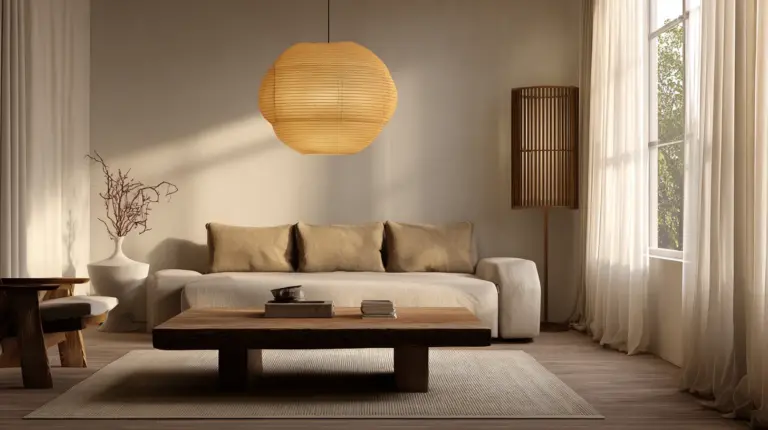
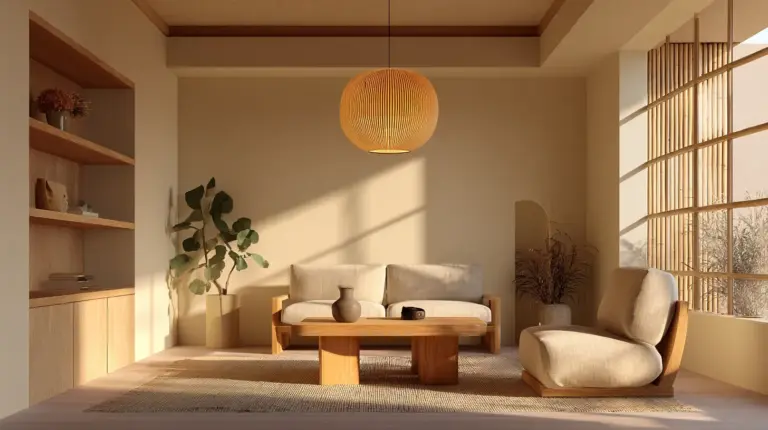
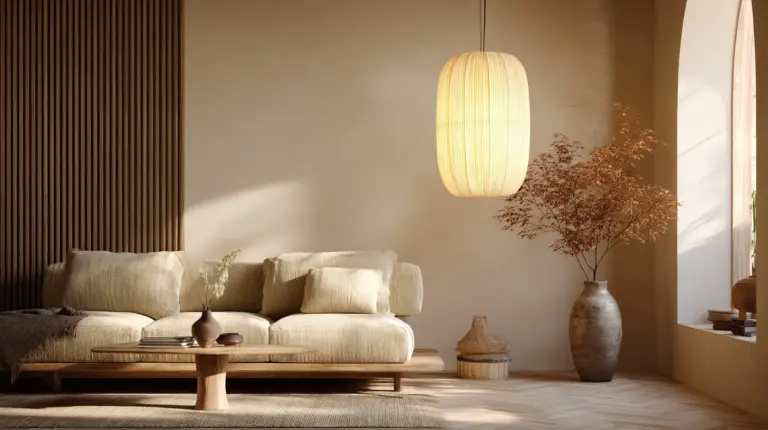
There’s a quiet magic that happens when the right light fills a room. Not too bright, not too dim—just that perfect, honeyed warmth that makes wood grain come alive and shadows soften into something almost touchable. In a Japandi living room, where Scandinavian simplicity meets Japanese mindfulness, your light bulbs aren’t just functional. They’re the invisible brushstrokes that complete your sanctuary.
You might not think much about the bulbs tucked inside your pendant lamps or floor fixtures. But they’re working harder than you realize—rendering the warm oak of your coffee table, casting gentle pools of light across linen cushions, creating that coveted hygge feeling as evening settles in. The wrong bulb can make your carefully curated space feel sterile or muddy. The right one? It whispers welcome home.
Today, we’re diving deep into something beautifully specific: how to choose light bulbs that honor the Japandi philosophy. Not just any LED will do. We’re talking color temperature, CRI ratings, dimming capabilities, and the kind of thoughtful details that transform lighting from an afterthought into an experience.
Let’s explore how these small glass vessels of light can elevate your living room into something truly soul-soothing.
Understanding Japandi Lighting Philosophy
Before we discuss lumens and Kelvins, let’s ground ourselves in what Japandi actually means for your lighting choices. This design marriage between Scandinavian coziness and Japanese wabi-sabi isn’t about perfection—it’s about balance. It’s the art of creating warmth without clutter, simplicity without coldness.
In Japandi spaces, light behaves like morning sun filtering through shoji screens. It’s layered, never harsh. It reveals texture—the weave of a handwoven basket, the grain in a walnut shelf—rather than flattening it under fluorescent glare. Every bulb you choose should support this gentle, natural quality.
Think of your lighting as an extension of nature itself. Just as you’d select natural materials like bamboo, stone, and untreated wood for your furniture, your light bulbs should emit tones that feel organic and alive.
The Science of Warmth: Color Temperature Explained
Here’s where we get delightfully specific. Color temperature, measured in Kelvin (K), determines whether your light feels warm and inviting or cool and clinical. For Japandi living rooms, you want to live firmly in the 2700K to 3000K range.
At 2700K, light takes on that soft, amber quality reminiscent of candlelight or sunset. It’s cozy, intimate, perfect for evenings when you’re curled up with a book or entertaining friends. At 3000K, you get a slightly brighter warmth—still inviting, but with enough clarity for daytime activities. Both temperatures honor natural materials beautifully, making wood tones glow and neutral textiles look rich rather than washed out.
Avoid anything above 3500K in your main living areas. Cool white and daylight bulbs (4000K+) introduce a blue-ish cast that fights against the warm, earthy palette essential to Japandi design. Save those for task lighting in kitchens or workshops—not your sanctuary.
Evening Ambiance: Going Even Warmer
For ultimate flexibility, consider dimmable bulbs that can drop to 2200K in the evening. This deeper amber mimics firelight and supports your natural circadian rhythm, signaling to your body that it’s time to wind down. Smart bulbs with circadian rhythm modes make this effortless, adjusting automatically as day transitions to night.
CRI: The Secret to Beautiful Interiors
Here’s a metric most people overlook, but interior designers obsess over: Color Rendering Index (CRI). This number, scored out of 100, tells you how accurately a light source reveals true colors compared to natural sunlight.
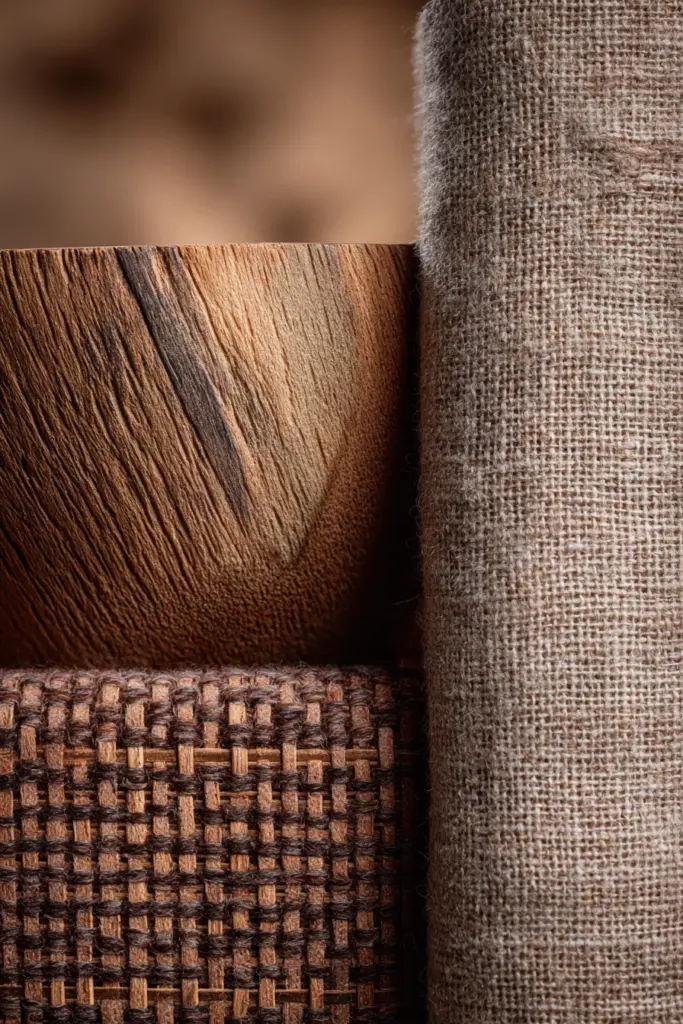
For Japandi spaces rich in natural materials, you need a CRI of 90 or higher. This ensures that the honey tones in your oak console table actually look like honey, not beige. That the terracotta planter reads as warm earth, not muddy orange. Low-CRI bulbs (typically cheap LEDs with CRI below 80) flatten colors and make everything look slightly “off.”
When shopping, look for bulbs specifically labeled “high CRI” or “CRI 90+.” Yes, they cost a bit more—often PHP 200-400 per bulb instead of PHP 100—but the difference in your space is profound. Your carefully chosen textiles, artwork, and natural finishes will finally look the way they’re meant to.
Lumens and Brightness: Finding the Right Intensity
Brightness in bulbs is measured in lumens, not watts (that’s just energy consumption). For a Japandi living room that feels inviting rather than institutional, aim for 800 to 1000 lumens per bulb in your main fixtures.
This provides enough illumination for comfortable activities—reading, conversation, gentle tasks—without overwhelming the space. Remember, Japandi lighting is about layers, not one blinding overhead fixture. You’ll combine multiple light sources at this medium brightness to create depth and interest.
Here’s a practical guide for different fixture types:
- Pendant lamps over seating areas: 800-1000 lumens per bulb
- Floor lamps in corners: 600-800 lumens (softer, ambient)
- Table lamps: 400-600 lumens (intimate glow)
- Wall sconces: 300-500 lumens (accent and mood)
If you’re working with higher ceilings or larger rooms, you might edge toward 1200 lumens for pendants, but err on the side of gentleness. You can always layer in more light sources; it’s harder to soften a too-bright bulb.
The Essential Role of Dimmability
In Japandi design, adaptability is key. Your living room serves multiple purposes throughout the day—morning yoga, afternoon reading, evening entertaining. Dimmable bulbs let you adjust the atmosphere without changing fixtures.
Look for LED bulbs specifically marked as “dimmable” and ensure your switches or smart controls support dimming. Not all LEDs dim smoothly; cheaper versions can flicker or hum. Invest in quality dimmable bulbs from brands like Philips, Feit Electric, or IKEA’s Tradfri line.
Smart dimmable bulbs offer even more control. Through an app, you can create scenes—”Morning Clarity” at 100% brightness and 3000K, “Evening Unwind” at 40% and 2400K. For the tech-comfortable, Zigbee-compatible bulbs integrate with home automation systems, letting you control entire lighting layers with voice commands or scheduling.
Creating Dimming Layers
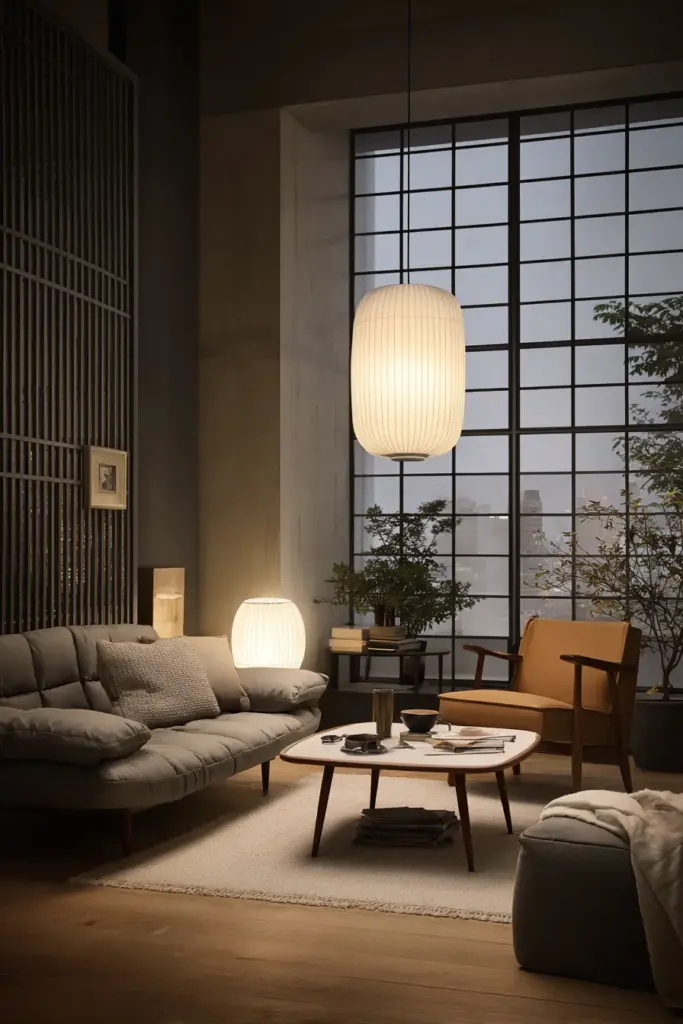
Don’t just dim everything equally. Try this approach: keep overhead or pendant lights at 60-70% most evenings, while floor and table lamps glow at full brightness. This creates visual interest and guides the eye through your space naturally.
Bulb Shapes and Aesthetics for Japandi Fixtures
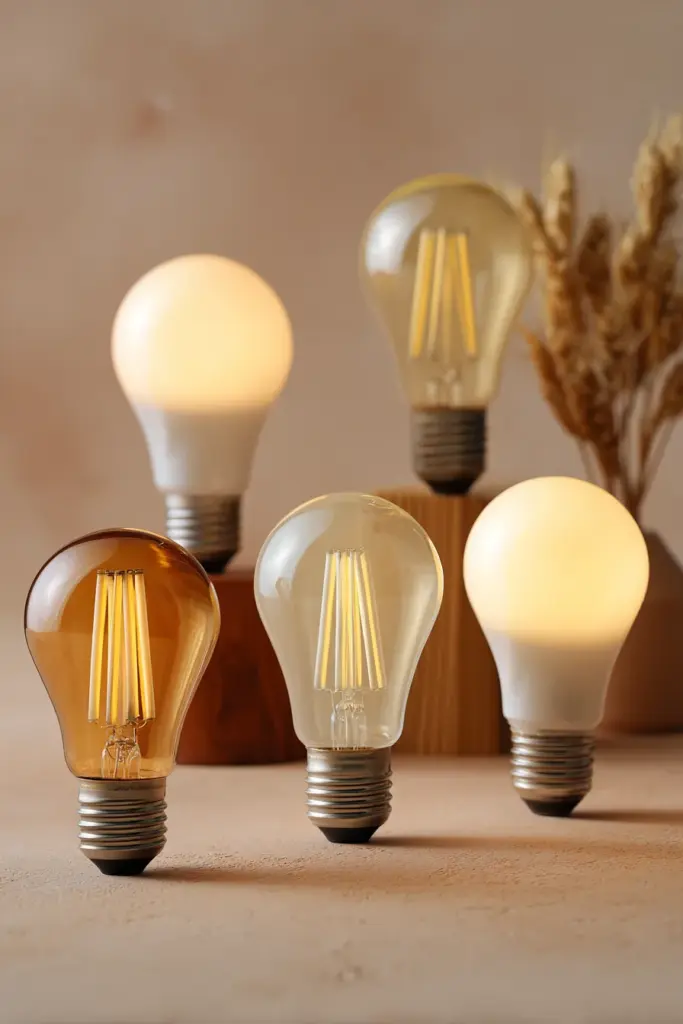
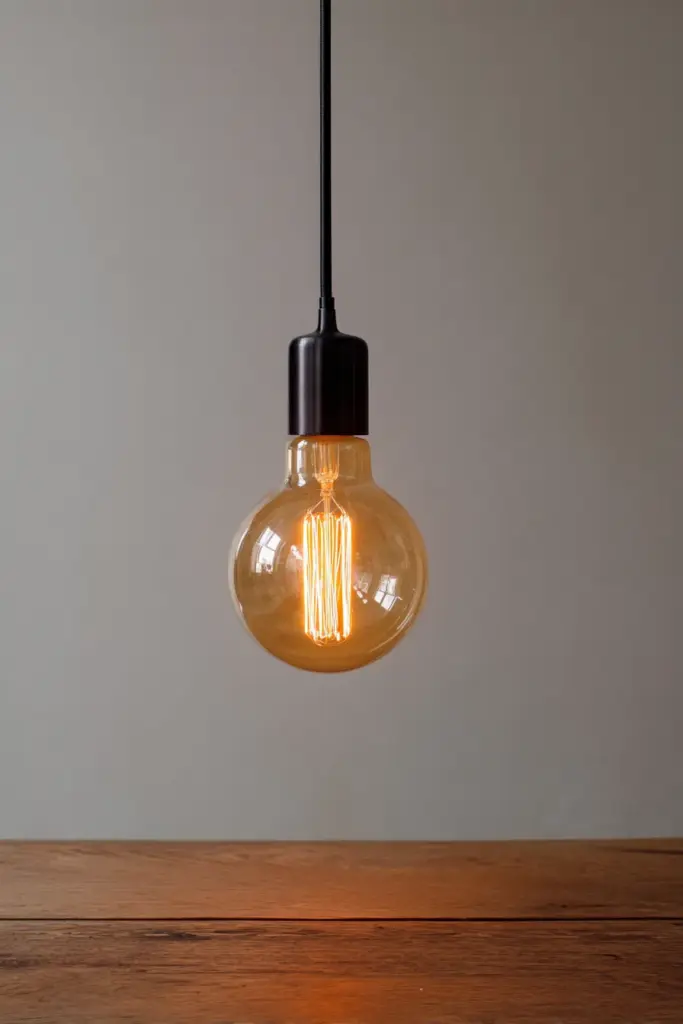
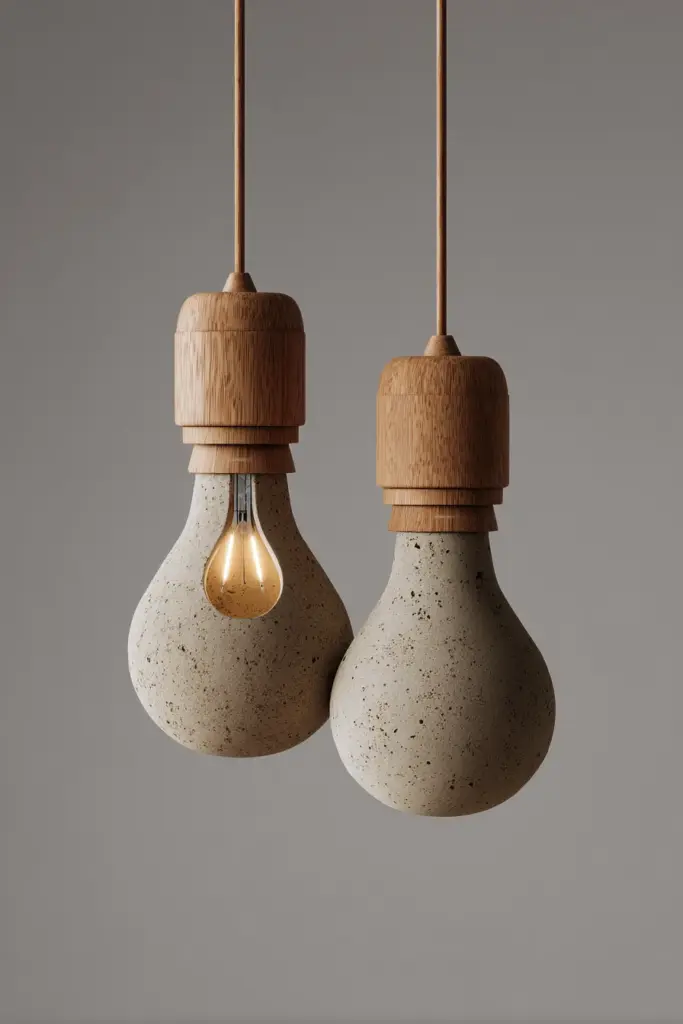
The bulb itself can be part of your design statement, especially in exposed-bulb fixtures common to Japandi style. Edison bulbs with visible filaments add sculptural warmth to pendant lamps, while frosted globes provide soft, diffused light perfect for paper lanterns or bamboo shades.
For fixtures where the bulb is visible—think minimalist wire pendants or open wooden frames—choose bulbs that enhance rather than distract:
- Amber glass Edison bulbs: Vintage charm, warm even when off
- Frosted white globes: Clean, diffused, pairs beautifully with Scandinavian aesthetics
- Clear LED filament: Modern take on Edison, energy-efficient but warm
- Tubular or teardrop shapes: Elegant lines that complement Japanese simplicity
Make sure your bulb base matches your fixture—E26 is standard in most countries, including the Philippines, but always verify before purchasing.
Smart Bulbs for Mindful Living
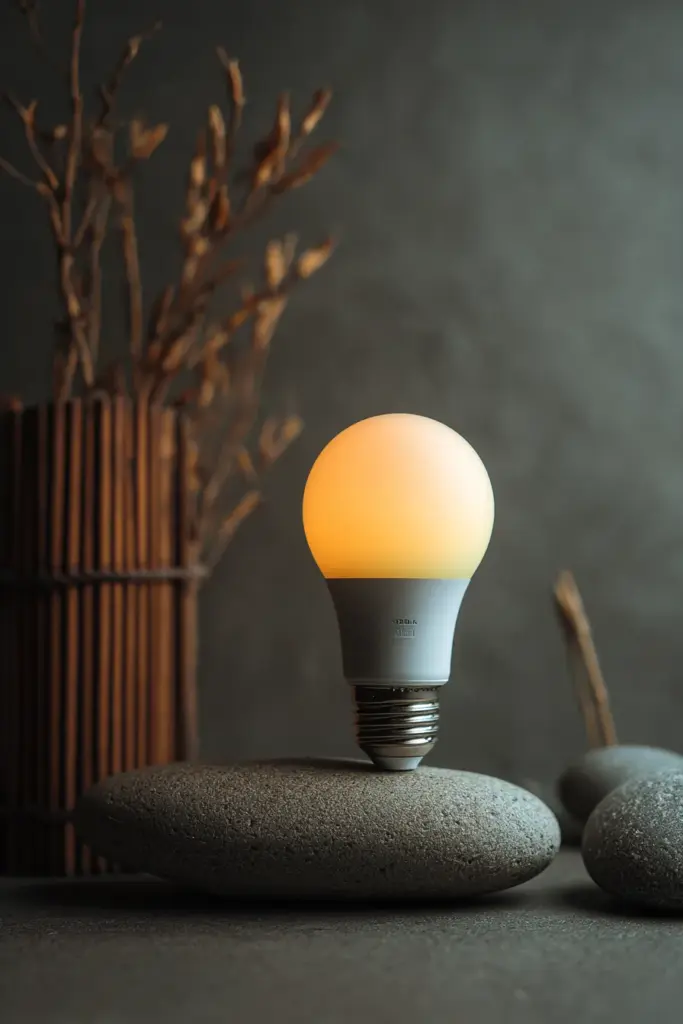
Smart LED bulbs aren’t just about convenience—they’re about creating intentional environments that support your wellbeing. For Japandi spaces rooted in mindfulness, smart bulbs offer surprising alignment with design philosophy.
Choose bulbs that support circadian lighting, gradually shifting from bright, slightly cooler tones in morning (around 3000K) to deep amber warmth by evening (2200K). This mimics natural light patterns and supports better sleep—very much in line with Japanese attention to holistic living.
Budget-friendly options like IKEA Tradfri or Philips Wiz start around PHP 400-600 per bulb and offer basic app control. For fuller integration, Philips Hue (though pricier at PHP 800-1200 per bulb) provides sophisticated scenes, voice control, and seamless dimming.
The sustainability angle matters too. Smart bulbs typically last 15,000-25,000 hours—that’s 10-15 years of regular use. Fewer replacements mean less waste, aligning with the eco-conscious values often inherent to Japandi living.
Sustainability and Eco-Friendly Choices
Speaking of sustainability, your light bulb choices carry environmental weight. LED technology already wins over incandescent and CFL bulbs—using 75% less energy and lasting up to 25 times longer. But you can go further.
Look for bulbs with low standby power consumption (under 0.5W when off) if you’re using smart features. Choose brands that offer recycling programs or use recyclable materials in their construction. Some newer options even incorporate bamboo fiber or plant-based plastics in their housing—perfect for the eco-minded Japandi enthusiast.
Consider the total lifecycle. A slightly more expensive, longer-lasting bulb from a transparent manufacturer beats constantly replacing cheap bulbs that end up in landfills. In the Philippines’ humid climate, ensure your bulbs are rated for higher temperatures and humidity to maximize lifespan.
Practical Bulb Recommendations by Budget
Let’s get specific with actual choices that work for Japandi living rooms.
Budget-Friendly (Under PHP 200/bulb)
Feit Electric Warm Dim LED: Excellent CRI around 90, dims smoothly from 3000K to 2200K, E26 base. Perfect for those starting their Japandi journey without breaking the budget.
IKEA Ryet LED: Basic but reliable, 2700K, 806 lumens. Great for fixtures where the bulb isn’t visible. Costs around PHP 100-150 and gets the job done with decent color rendering.
Mid-Range (PHP 200-600/bulb)
IKEA Tradfri LED Smart Bulb: Dimmable, app-controlled, 2700K warm white. Around PHP 400-500. Excellent value for adding smart functionality without premium pricing.
Philips LED Warm Glow: Mimics halogen dimming behavior, high CRI 90+, smooth transition from 2700K to 2200K when dimmed. About PHP 300-450 per bulb.
Premium (PHP 600+/bulb)
Philips Hue White Ambiance: Full smart integration, 2200K-6500K range (stick to warm end for Japandi), CRI 90+, app control, voice assistant compatible. Around PHP 800-1200.
Signify (Philips) SceneSwitch: Three brightness/color temperature settings in one bulb without needing a dimmer switch. Around PHP 600-800. Ideal for renters or spaces without dimmer infrastructure.
Bulb Comparison Table
| Feature | Budget Pick | Mid-Range | Premium |
|---|---|---|---|
| Price (PHP) | 100-200 | 200-600 | 600-1200 |
| CRI | 80-90 | 90+ | 95+ |
| Dimmable | Sometimes | Usually | Always |
| Smart Features | No | Basic | Advanced |
| Color Range | 2700K fixed | 2700-3000K | 2200-6500K |
| Best For | Enclosed fixtures | Visible bulbs in decorative lamps | Full smart home integration |
| Lifespan | 10,000-15,000 hrs | 15,000-20,000 hrs | 25,000+ hrs |
Common Mistakes to Avoid
Even with the best intentions, it’s easy to stumble in your bulb selection. Here are pitfalls to sidestep:
Mixing color temperatures inconsistently: If your pendant lamp glows at 2700K but your floor lamp reads 3500K, the space feels disjointed. Stick to a narrow range (2700K-3000K) throughout your living room.
Ignoring fixture compatibility: Some enclosed fixtures trap heat, shortening LED lifespan or causing premature failure. Check if bulbs are rated for enclosed use if your fixtures are fully covered.
Buying non-dimmable bulbs for dimmer switches: This causes flickering, buzzing, and shortened bulb life. Always match bulb capabilities to your switch type.
Overlooking beam angle: For focused task lighting, choose narrow beam angles (25-40 degrees). For ambient glow in Japandi spaces, opt for wide angles (100-120 degrees) that spread light gently across surfaces.
Checklist: Your Japandi Light Bulb Essentials
Before you shop, bookmark this quick reference:
- Color temperature: 2700K-3000K (warm white)
- CRI rating: 90 or higher for accurate material rendering
- Brightness: 800-1000 lumens for main fixtures, 400-600 for accent lighting
- Dimmable: Yes, especially for pendants and statement lamps
- Bulb base: E26 (standard, verify your fixtures)
- Smart features: Optional but valuable for circadian rhythm support
- Lifespan: Look for 15,000+ hours
- Shape: Frosted or amber for visible bulbs, any for enclosed fixtures
- Beam angle: 100-120 degrees for ambient Japandi glow
- Budget: Allocate PHP 200-600 per bulb for quality results
Bringing It All Together
The beauty of focusing on light bulbs—these humble, often-invisible elements—is that they’re among the most affordable changes you can make with the most dramatic impact. You don’t need to replace your sofa or repaint walls. Just switching to the right bulbs can transform your Japandi living room from pleasant to profound.
Imagine it: evening settling in, pendant lamps glowing at 2700K, rendering your oak shelving in honey tones. Your linen curtains catch the soft light, and suddenly that corner reading nook becomes irresistible. The sculptural ceramic vase you love finally looks the way it did in the shop. Your space breathes.
This is the gift of thoughtful lighting. It’s not about brightness—it’s about rightness. That ineffable quality where everything just feels good.
Start with one or two fixtures. Replace their bulbs with high-CRI, warm-toned, dimmable LEDs. Live with the change for a week and notice what shifts. The way your evening tea tastes better in that golden light. How guests linger longer in conversation. The quiet satisfaction of a space that finally feels complete.
Your Japandi living room deserves light that honors it. Light that’s warm, mindful, and beautifully intentional—just like the philosophy itself.
Frequently Asked Questions
What Kelvin rating is best for Japandi living rooms?
The ideal range is 2700K to 3000K warm white. This temperature creates the cozy, natural ambiance central to Japandi design, making wood tones glow and neutral palettes feel rich. Avoid anything above 3500K as it introduces cool blue tones that conflict with the warm, earthy aesthetic.
Should I use LED bulbs in Japandi-style spaces?
Absolutely. LED bulbs are perfect for Japandi rooms when you choose high-quality options with CRI 90+ and warm color temperatures. Look for frosted or diffused LED bulbs to avoid harsh glare—this soft light quality aligns beautifully with wabi-sabi principles of gentle imperfection and natural beauty.
How many lumens do I need for a Japandi living room?
Aim for 800-1000 lumens per bulb in main fixtures like pendants over seating areas. For ambient lighting from floor lamps, 600-800 lumens works well, while table lamps and sconces can be softer at 300-600 lumens. Remember, Japandi lighting relies on layers rather than one bright overhead source.
What’s the best budget for quality Japandi light bulbs?
Plan to spend PHP 200-600 per bulb for quality results. Budget options around PHP 100-200 can work for enclosed fixtures, but investing in mid-range bulbs (PHP 300-500) with high CRI and good dimming performance makes a noticeable difference in how your natural materials and textiles appear. Premium smart bulbs at PHP 800+ add valuable flexibility but aren’t essential.
Can I use Edison bulbs in Japandi lighting?
Yes, amber glass Edison bulbs work beautifully in Japandi spaces, especially in exposed pendant fixtures or minimalist wire lamps. Choose LED versions with visible filaments that emit 2700K light. The vintage aesthetic adds sculptural interest while maintaining the warm, natural light quality essential to the style. Pair them with frosted bulbs in other fixtures for balanced layering.