
Table of Contents
There is a particular kind of quiet that the best-designed rooms hold — the kind that makes you exhale the moment you walk in. No clutter calling for your attention. No surface competing for your gaze. Just warmth, texture, and a gentle sense that everything belongs exactly where it is.
That feeling has a name. It’s called Japandi simple design, and it’s one of the most soul-nourishing interior philosophies of our time.
Japandi blends the refined minimalism of Japanese interiors with the soft, cozy warmth of Scandinavian hygge. It isn’t a trend that will fade with the season. It’s a way of living — intentional, grounded, and deeply connected to the natural world around you.
At ERYLIN, we believe your home should feel like a long exhale. So let us walk you through how Japandi simple design can transform even the most modest space into something truly beautiful.
What Is Japandi Style?
Japandi is the design child of two cultures that have always shared more than the world noticed — a deep reverence for nature, a preference for function over flash, and a belief that beauty lives in simplicity.
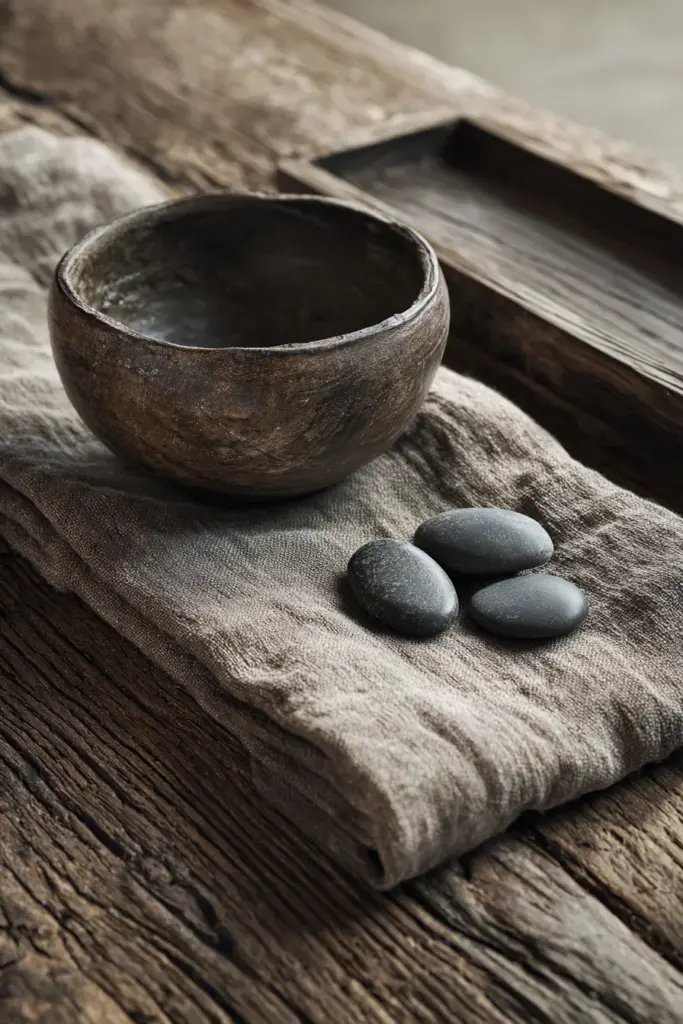
Japanese minimalism draws from the philosophy of wabi-sabi — finding beauty in imperfection, impermanence, and the natural patina of things. A weathered wooden bowl. A slightly uneven clay mug. The grain of aged timber.
Scandinavian design brings hygge — that untranslatable Danish concept of coziness, comfort, and togetherness. Soft linen throws. Candlelight. Low furniture that invites you to sink in and stay a while.
Together, they create Japandi: a style that is minimal but never cold, simple but never bare, quiet but deeply alive.
The Core Rules of Japandi Simple Design
1. Embrace a Neutral, Nature-Inspired Palette
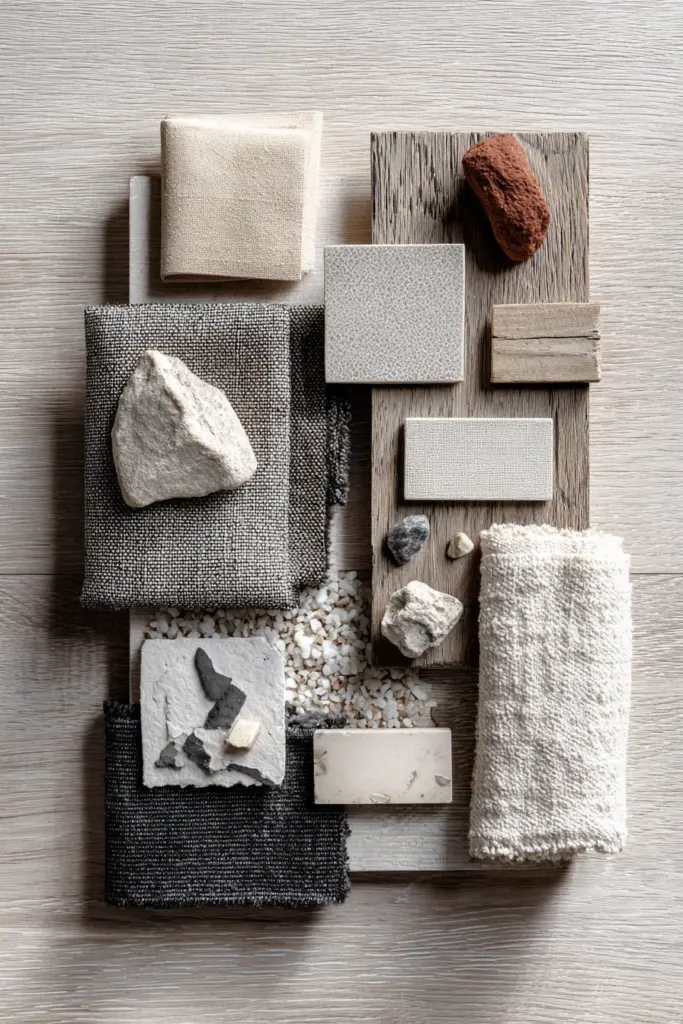
Japandi interiors breathe in beige, warm white, soft grey, and charcoal. Think the color of unbleached linen, of river stone, of aged birch bark. These aren’t cold, sterile colors — they carry warmth because they come from the earth.
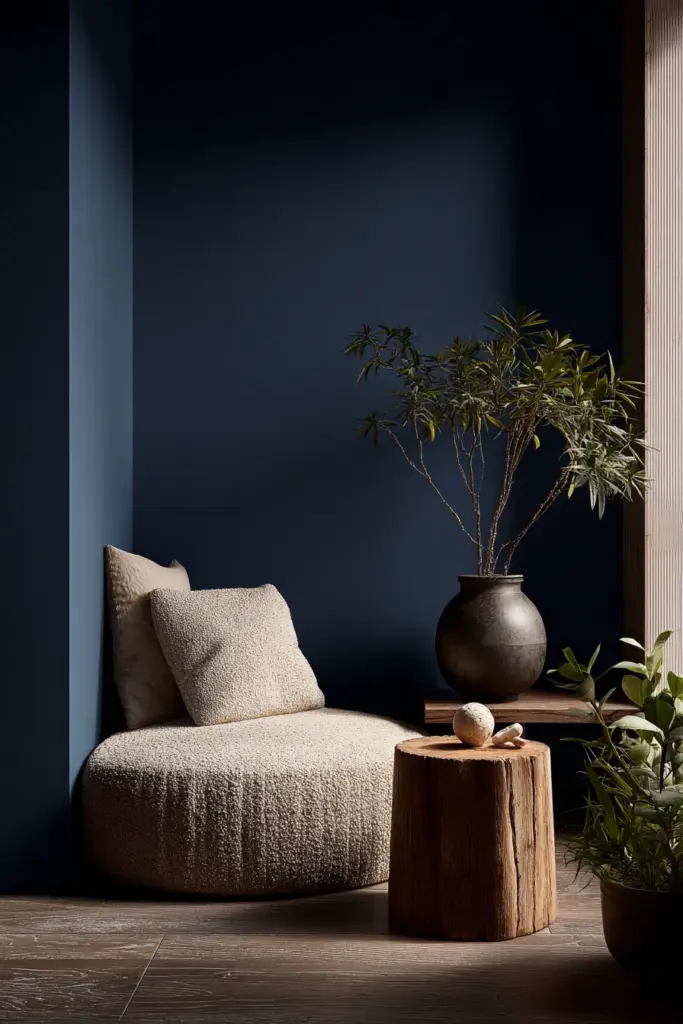
In 2026, we’re seeing deeper earth tones enter the Japandi palette: indigo, cedar red, forest green, and raw sienna. These richer hues add depth without breaking the calm. Use them in a single accent wall, a ceramic vase, or a woven floor cushion.
Simple rule: Choose three neutral base tones and one grounding accent. That’s your palette. Stick to it.
2. Choose Natural Materials Over Synthetic Ones
Run your hand along a Japandi room and you’ll feel wood, stone, rattan, linen, and cotton. These materials don’t just look good — they feel good. They age gracefully. They connect you to something real.
For furniture, look for teak, bamboo, or light oak — especially in humid climates like the Philippines, where teak’s natural oils make it resistant to moisture and warping. A low-profile teak coffee table, a bamboo shelf, a linen-covered reading chair — these are the building blocks of authentic Japandi simple design.
Materials at a glance:
| Element | Japandi Choice | Simple Tip | Approx. Cost |
|---|---|---|---|
| Flooring | Light wood or stone tile | Keep rugs minimal, natural fiber | ₱800–₱2,500/sqm |
| Furniture | Teak, oak, bamboo | Low-profile, clean lines | ₱3,000–₱15,000 |
| Textiles | Linen, cotton, wool | Layer textures, not colors | ₱500–₱2,000 |
| Decor | Ceramic, rattan, clay | One statement piece per surface | ₱200–₱1,500 |
| Plants | Pothos, snake plant, ZZ plant | Low-light, low-maintenance | ₱80–₱500 |
3. Keep Lines Clean and Furniture Low
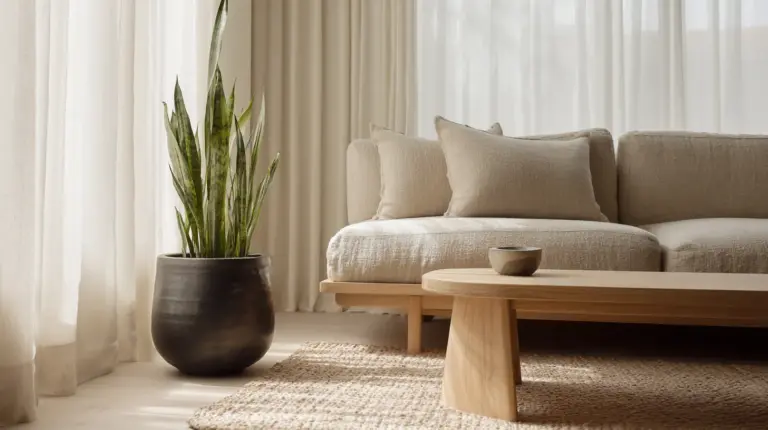
Japandi furniture sits close to the ground. Think floor cushions, low-slung sofas, platform beds, and coffee tables that barely clear ankle height. This lowness creates a visual calm — your eye doesn’t have to work hard to scan the room.
Clean lines are essential. Avoid ornate legs, busy carvings, and furniture with too many competing shapes. A simple solid wood bench with tapered legs or a low platform sofa in oatmeal linen does more for a Japandi interior than any statement piece ever could.
4. Practice Thoughtful Minimalism — Not Emptiness
Minimalism in Japandi doesn’t mean bare or cold. It means intentional. Every object in the room earns its place. You keep what you love and use. You let go of the rest.
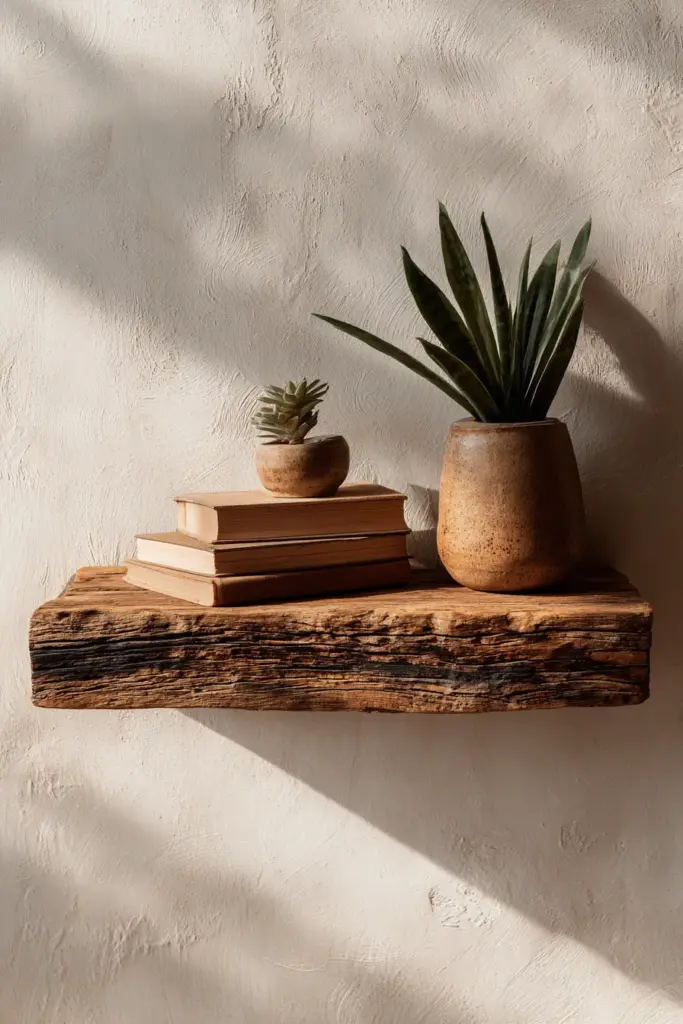
A single ceramic bowl on a wooden shelf. Three books stacked by a window. One trailing pothos in a terracotta pot. These small, considered moments are what make Japandi interiors feel alive — not staged, not sterile, but genuinely lived in.
Ask yourself: Does this bring me calm, or does it create noise? That question will guide every styling decision you make.
5. Let Natural Light Lead
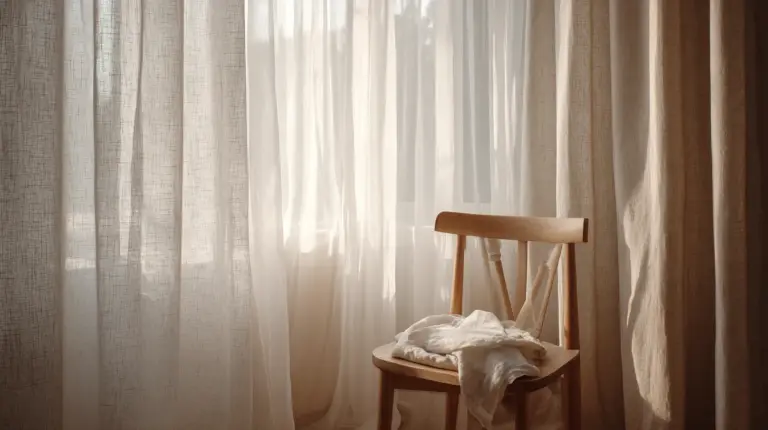
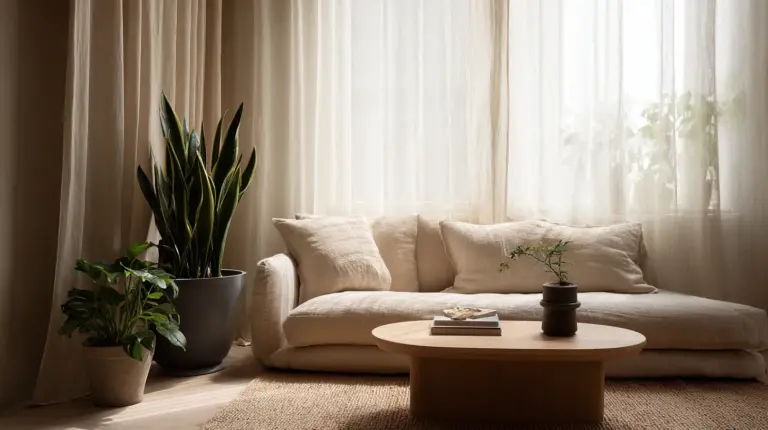
Japandi rooms are drenched in soft, diffused light. Think sheer linen curtains that filter afternoon sun into something golden and gentle. Think candles in the evening, and warm-toned bulbs (2700K–3000K) that mimic firelight.
Layering your lighting is one of the most powerful and budget-friendly things you can do for a Japandi space. A floor lamp in the corner, a pendant over the dining table, a small bedside lamp — each layer adds warmth and dimension without a single renovation required.
Avoid harsh overhead lighting. In Japandi, light is a texture, not a utility.
6. Bring Nature Indoors with Plants
Biophilic design — the practice of connecting interior spaces to the natural world — sits at the heart of both Japanese and Scandinavian living. In Japandi, plants aren’t decoration. They’re presence.
For those of us in the Philippines, where indoor humidity runs high and light can be indirect, the best Japandi plants are low-maintenance and low-light tolerant:
- Pothos — fast-growing, trailing, almost impossible to kill
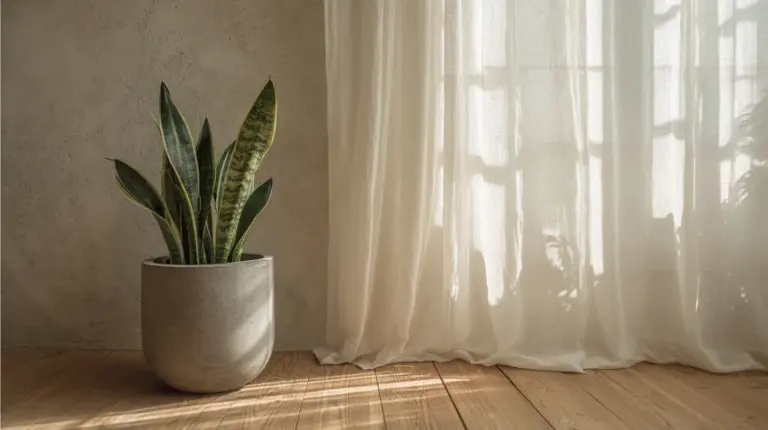
- Snake plant (Sansevieria) — architectural, drought-tolerant, air-purifying
- ZZ plant — glossy, sculptural, thrives in low light
- Peace lily — soft, elegant, loves humid interiors
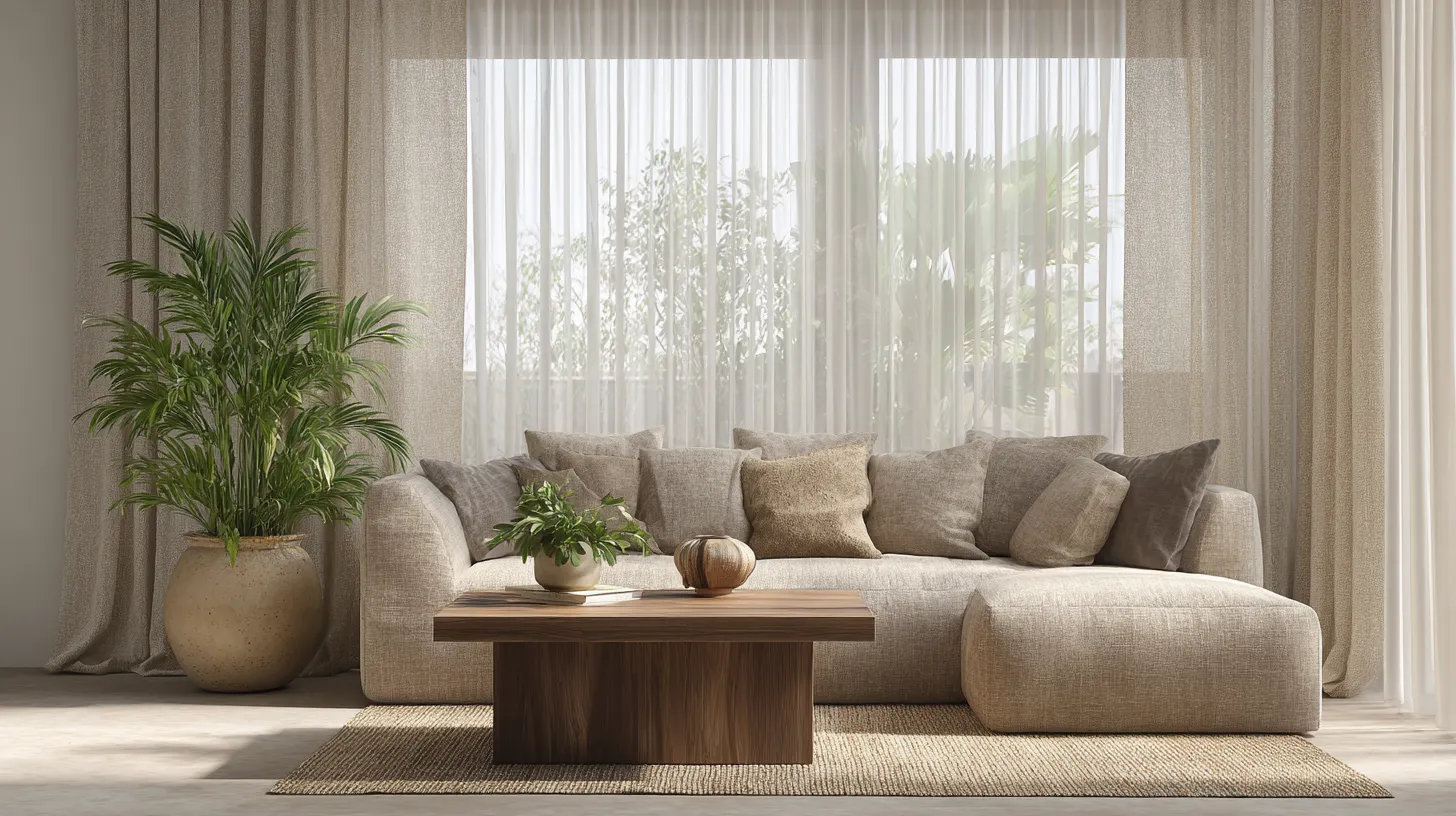
- Bamboo palm — lush, tropical, naturally Japandi in spirit
Place them in raw clay pots, matte ceramic, or woven rattan baskets to keep the look grounded and organic.
7. Honor Function Above All Else
In Japandi design, beauty and function are never in conflict. A beautiful piece that doesn’t serve a purpose doesn’t belong. A functional piece that lacks beauty gets replaced.
This is where multifunctional furniture becomes your best friend. A storage ottoman that doubles as a coffee table. A bench at the foot of the bed that holds extra linens. A floating shelf that displays two ceramics and organizes your books. Cozy furniture that works hard while looking effortless — that’s the Japandi ideal.
Japandi Simple Design Living Room Ideas
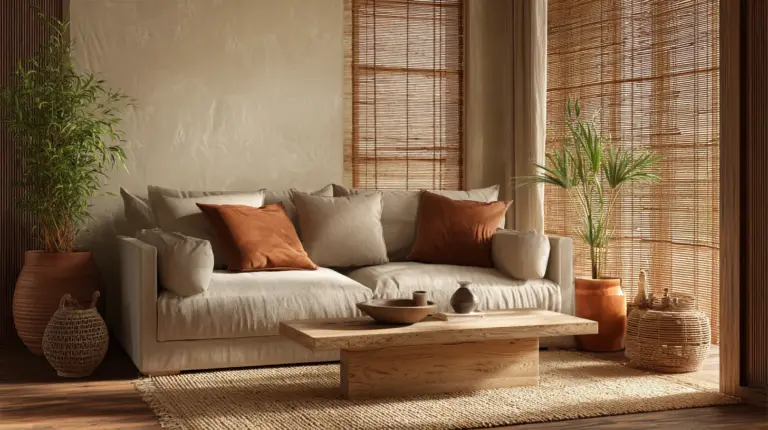
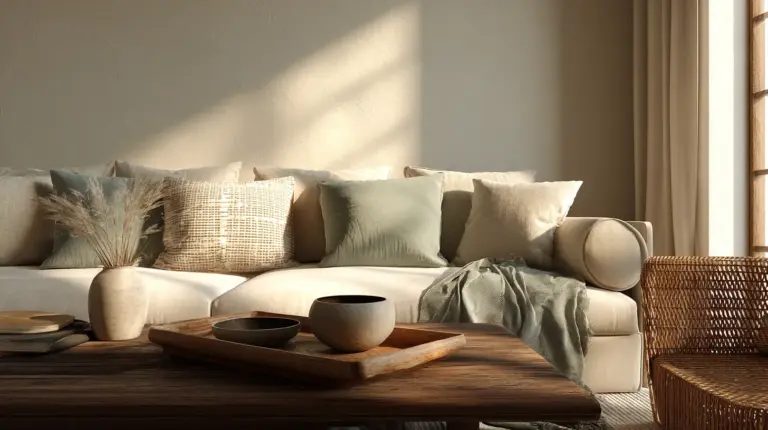
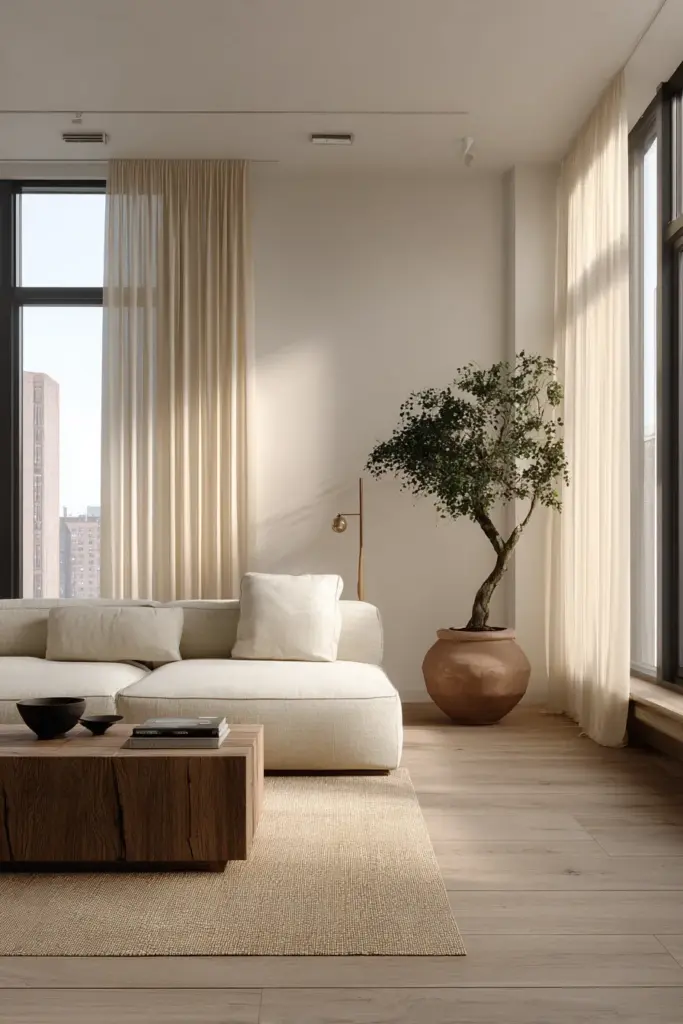
The living room is where Japandi truly sings. Start with a low-profile sofa in warm grey or oat linen. Anchor it with a natural fiber rug — jute or sisal work beautifully. Add a low teak coffee table and a floor lamp with a warm Edison bulb.
Keep the surfaces clean. One ceramic tray. One small plant. One carefully chosen book. The room should feel like a pause — like the first quiet moment after a long day.
For a budget Japandi living room under ₱15,000:
- Low bamboo coffee table: ₱2,500–₱4,000
- Linen throw and two textured cushions: ₱1,200–₱2,000
- Jute area rug (medium): ₱2,000–₱3,500
- Floor lamp with warm bulb: ₱1,500–₱2,500
- Two pothos in clay pots: ₱300–₱600
- Floating wood shelf: ₱800–₱1,500
That’s a complete, beautiful Japandi living room — built thoughtfully, without spending a fortune.
DIY Japandi: Upcycling for a Budget-Friendly Interior
One of the most overlooked aspects of Japandi is its relationship with wabi-sabi — the beauty of imperfection and the value of the already-made. This makes Japandi the perfect style for upcycling and thrifting.
A worn wooden crate from Divisoria becomes a side table. Old glass bottles, cleaned and clustered, become a window vignette. A second-hand rattan chair, reupholstered in natural cotton, becomes a statement piece. The patina of age, the texture of something previously loved — these things don’t work against Japandi. They are Japandi.
Sand it. Oil it. Style it simply. Your home’s story is part of its beauty.
2026 Japandi Trends to Watch
Japandi is evolving, and the 2026 direction is deeper, earthier, and more atmospheric:
- Deeper earth tones — indigo blue, cedar, warm terracotta entering neutral palettes
- Atmospheric minimalism — fewer objects, more intentional negative space
- Biophilic tech — smart planters, humidity monitors, grow lights disguised as design objects
- Tactile layering — combining linen, bouclé, and raw wool in tonal, textured groupings
- Handmade over mass-produced — ceramics, woven baskets, and hand-thrown pottery as focal points
The soul of Japandi hasn’t changed. But its expression is getting richer, warmer, and more personal.
Your Japandi Simple Design Checklist
Before you restyle, pause and check against this list:
- Choose a 3-tone neutral palette with one earth accent
- Select furniture in natural wood or bamboo with clean, low lines
- Layer your lighting: ambient, task, and accent
- Introduce at least one live plant in a natural pot
- Clear surfaces to only what you use or deeply love
- Choose textiles in linen, cotton, or wool — never synthetic
- Ensure every piece of furniture serves a function
- Let natural light in with sheer, undyed curtains
- Use negative space as a design element, not a mistake
- Shop second-hand first — wabi-sabi loves a beautiful history
Conclusion
Japandi simple design isn’t just about how a room looks. It’s about how it makes you feel when you step inside — that specific exhale, that particular calm, that sense of being home in the truest sense of the word.
It asks you to slow down. To choose carefully. To surround yourself only with what is beautiful, useful, and true. And in doing so, it gives you something most design trends never quite manage: a space that feels like you.
At ERYLIN, we believe your home is your most personal work of art. And Japandi gives you the most graceful brush with which to paint it.
Start with one corner. One shelf. One quiet, intentional choice. The rest will follow.
Frequently Asked Questions
What are the rules for Japandi design?
Japandi follows seven core principles: a neutral earth-tone palette, natural materials like wood and linen, clean and low-profile furniture, intentional minimalism, layered natural lighting, indoor plants, and function-first styling. Every element earns its place by being both beautiful and useful.
What colors work best for Japandi simple design?
Warm whites, soft beige, warm grey, and charcoal form the base of any Japandi palette. In 2026, deeper tones like indigo, cedar, and warm terracotta are becoming popular accents. Avoid cool, stark whites — Japandi colors should always feel like they came from the earth.
How do I create Japandi simple design at home on a budget?
Start with what you have. Clear surfaces, rearrange furniture to low and open configurations, swap synthetic textiles for linen or cotton, and add one or two low-maintenance plants in clay pots. Thrift wooden pieces and sand them clean. A budget Japandi living room in the Philippines can be achieved for under ₱15,000 with intentional choices.
What is the difference between Japandi and minimalism?
Minimalism can feel cold and stark. Japandi is minimalism with warmth — it borrows Scandinavian hygge to soften the edges. It allows texture, coziness, and gentle imperfection (wabi-sabi) while still honoring clean lines and simplicity. Japandi rooms are lived in, not just looked at.
What plants are best for a Japandi interior in the Philippines?
Choose low-light, humidity-tolerant plants like pothos, snake plant, ZZ plant, peace lily, and bamboo palm. These thrive in the indoor conditions of Philippine homes, require minimal care, and bring exactly the organic, grounded energy that Japandi interiors call for. Style them in matte ceramic or raw clay pots to keep the look cohesive.