
Table of Contents
A beautiful living room does more than look good. It shapes how a home feels.
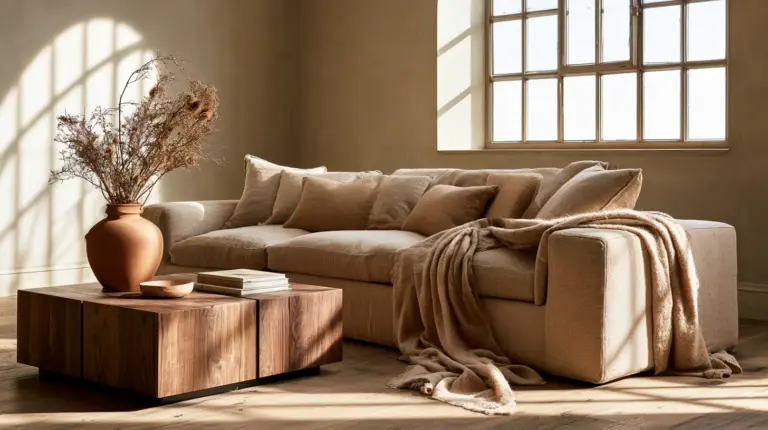
When natural elements enter a space, something subtle changes. Sunlight becomes warmer. Textures feel richer. The room begins to breathe with a quiet sense of ease.
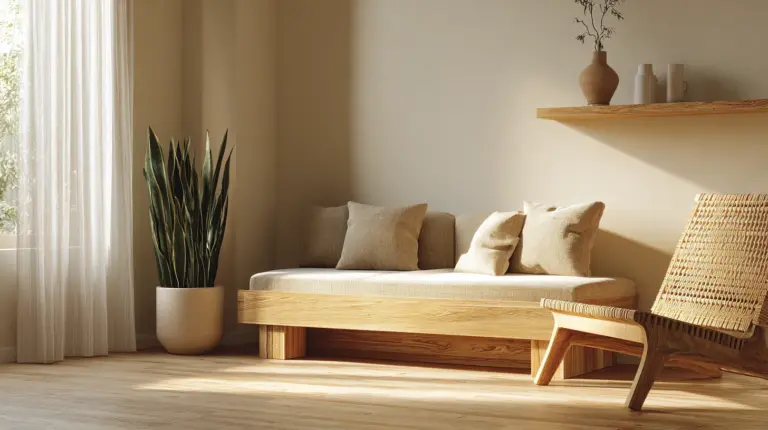
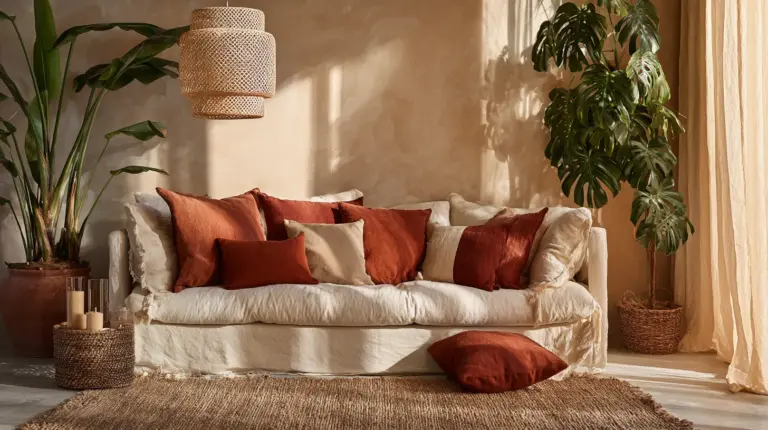
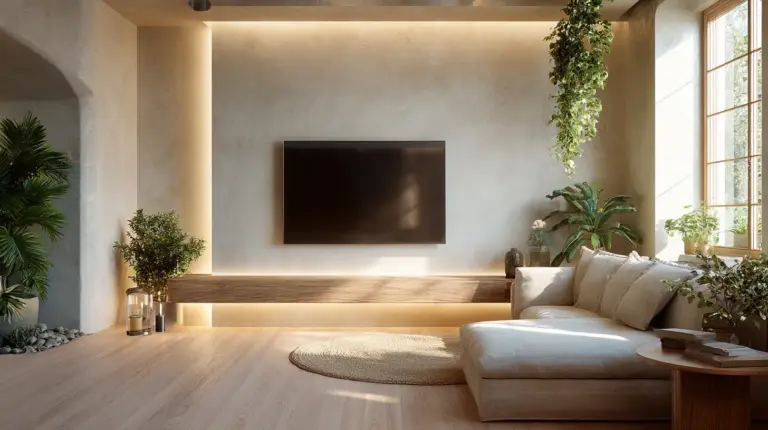
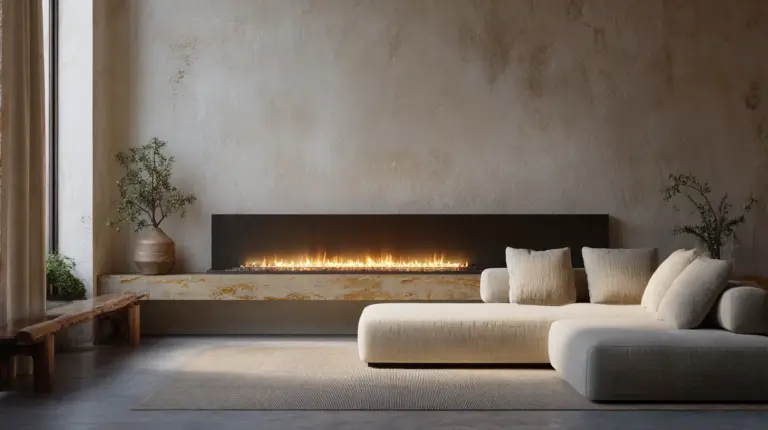
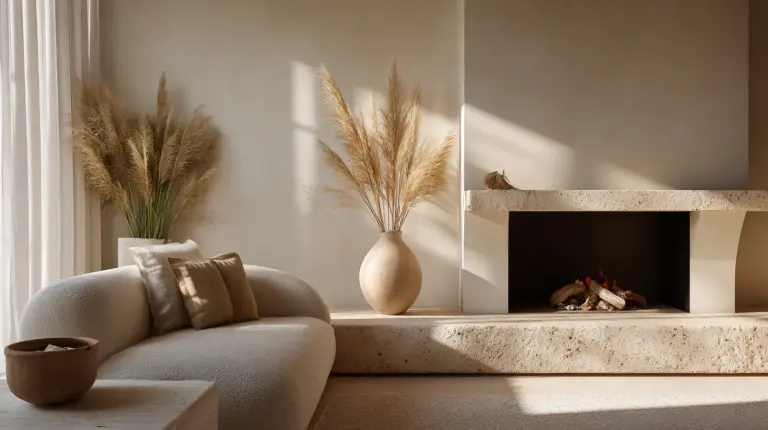
Modern living room natural elements bring together the simplicity of contemporary design and the timeless comfort of nature. Whether through warm wood, woven textures, indoor plants, or soft daylight, these details create spaces that feel grounded and welcoming.
At ERYLIN, we believe the most memorable interiors are not filled with more things—they are filled with intention. A thoughtfully designed living room should feel connected to the natural world, even in the heart of a busy city.
This guide explores how to create a nature-inspired living room that feels modern, elegant, and practical for everyday life.
What Are Modern Living Room Natural Elements?
Natural elements are materials, colors, textures, and forms inspired by nature.
In modern interiors, they help soften clean lines and create warmth without adding clutter.
Common natural elements include:
- Wood
- Stone
- Linen
- Wool
- Bamboo
- Rattan
- Jute
- Cork
- Indoor plants
- Natural light
- Earth-inspired color palettes
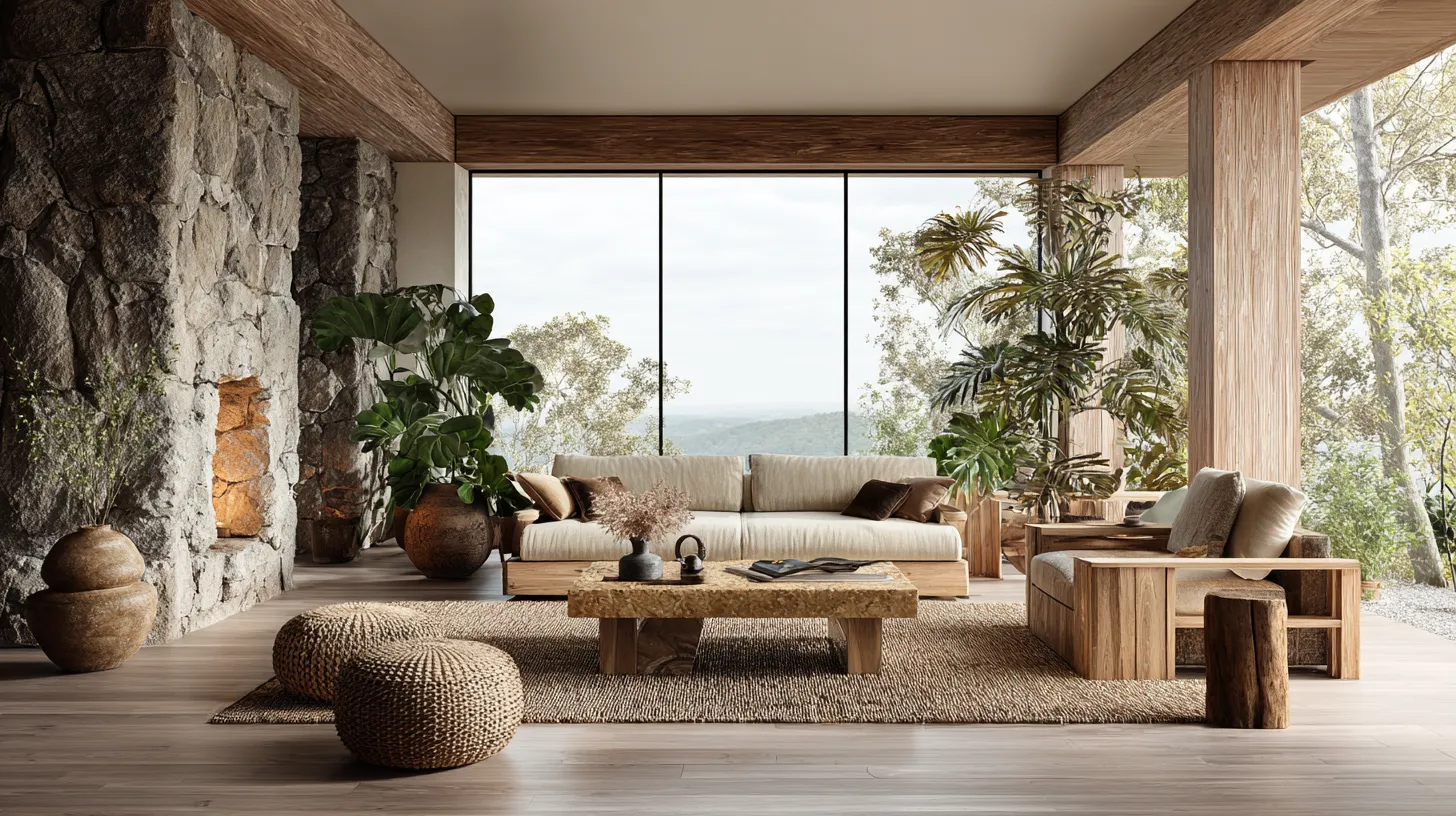
Together, these elements create an organic modern living room that feels balanced and timeless.
What Are the 5 Elements of Nature in Interior Design?
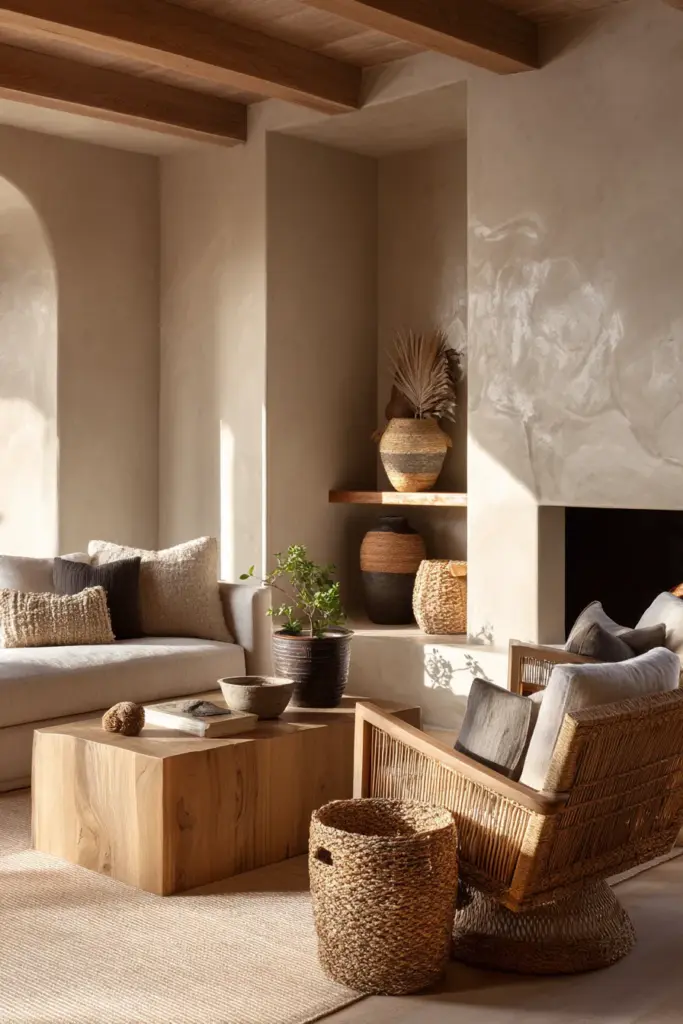
Many designers draw inspiration from the five natural elements.
| Element | Interior Design Expression |
|---|---|
| Earth | Stone, clay, ceramics, warm neutrals |
| Water | Reflective surfaces, flowing shapes, fountains |
| Fire | Candles, fireplaces, warm lighting |
| Wood | Furniture, beams, flooring, natural textures |
| Metal | Hardware, lighting fixtures, decorative accents |
You do not need all five elements equally.
Even subtle touches can create harmony and visual depth.
Why Natural Elements Matter in Modern Living Rooms
Nature has a calming effect on the mind.
A living room layered with organic materials often feels more relaxing than one filled with synthetic finishes.
Natural textures introduce visual softness.
Warm oak grain catches afternoon sunlight. Linen upholstery develops character over time. Handwoven baskets add depth without overwhelming the room.
Many principles of biophilic design focus on strengthening our connection to nature through the spaces we inhabit.
How to Add Natural Elements to a Living Room
The best transformations often begin with small changes.
You do not need a full renovation to create a nature-inspired living room.
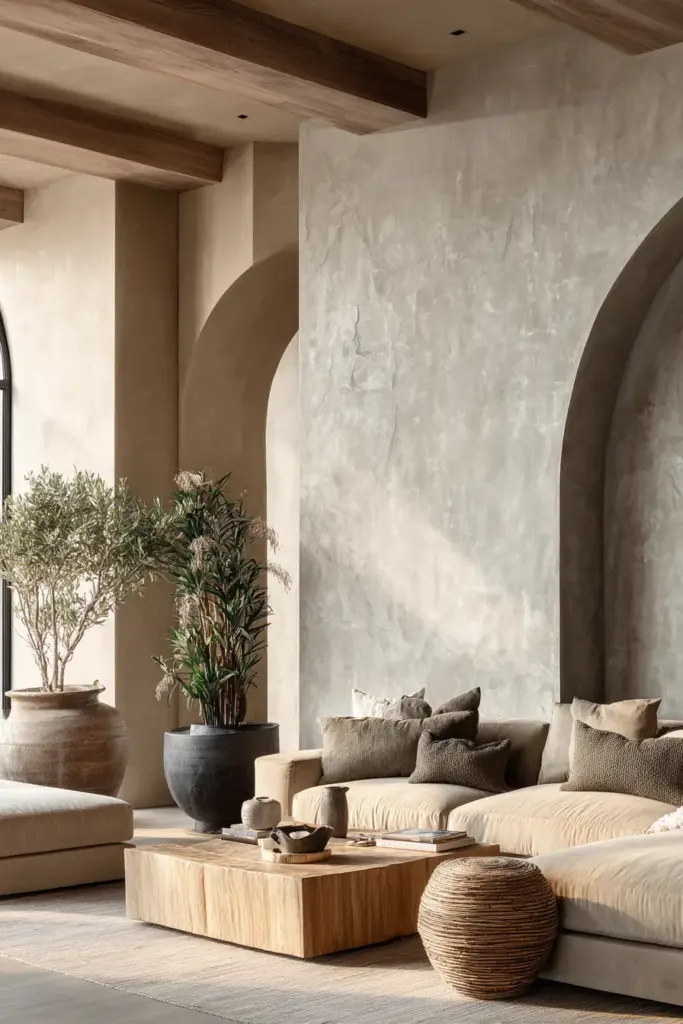
Start with Natural Materials
Choose furniture and accessories made from authentic materials.
Popular choices include:
- Oak coffee tables
- Walnut shelving
- Rattan chairs
- Linen curtains
- Wool throws
- Stone side tables
These materials age beautifully and add lasting warmth.
Introduce Organic Shapes
Nature rarely follows perfect lines.
Look for:
- Rounded coffee tables
- Curved sofas
- Sculptural ceramics
- Handcrafted vases
These softer forms create a more inviting atmosphere.
Let Natural Light Lead
Natural light remains one of the most powerful design elements.
Position seating near windows whenever possible.
Light bouncing across wood surfaces and textured fabrics creates a room that feels alive throughout the day.
The Best Natural Materials for Modern Living Rooms
Each material contributes a unique texture and mood.
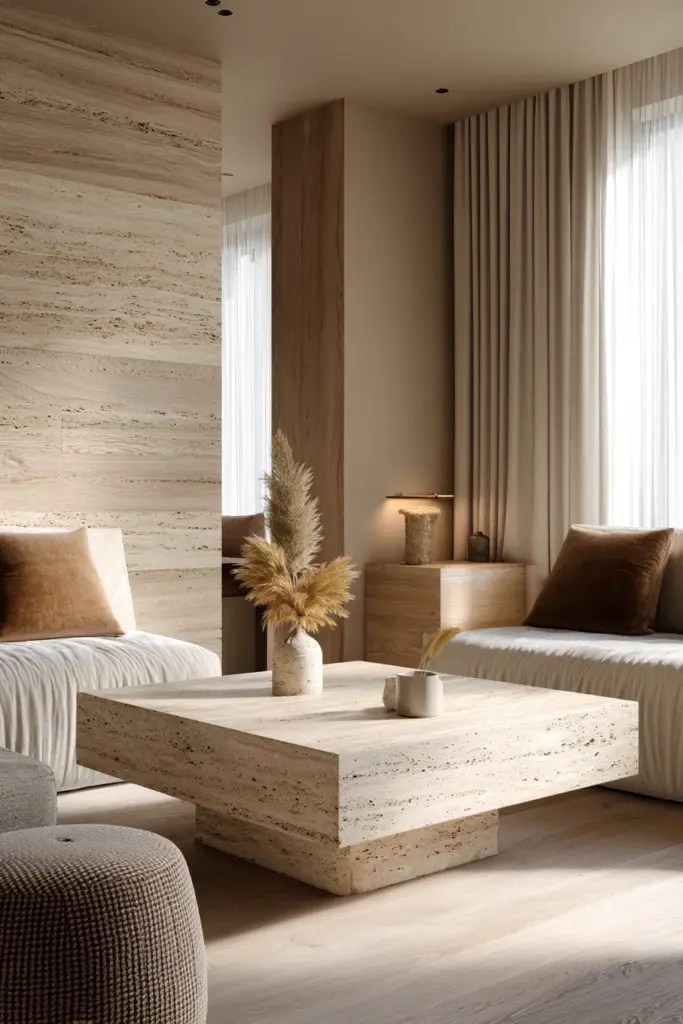
Wood
Wood brings instant warmth.
Light oak feels airy and Scandinavian, while walnut introduces richness and depth.
Wood works beautifully in:
- Coffee tables
- Shelving
- Ceiling beams
- Media consoles
Stone
Stone adds permanence and quiet sophistication.
Consider:
- Travertine tables
- Limestone accessories
- Marble accents
- Stone fireplaces
Its cool texture balances softer materials.
Linen
Linen introduces relaxed elegance.
Its slightly imperfect texture aligns perfectly with modern rustic and Japandi aesthetics.
Rattan and Wicker
Woven materials add dimension.
A simple rattan chair or wicker basket can instantly soften a modern space.
What Color Palette Works Best with Natural Elements?
Color creates the foundation.
Nature-inspired interiors often rely on soft, layered neutrals.
Recommended Earthy Colors
- Warm beige
- Taupe
- Sand
- Stone gray
- Mushroom
- Olive green
- Clay
- Mocha
These shades reflect natural landscapes and pair beautifully with organic materials.
Creating Contrast
A room filled entirely with beige can feel flat.
Add depth through:
- Charcoal accents
- Black metal details
- Dark wood tones
The contrast helps natural textures stand out.
How Does Natural Light Enhance Modern Living Rooms?
Natural light changes everything.
A room may contain beautiful furniture, but without good lighting it can feel lifeless.
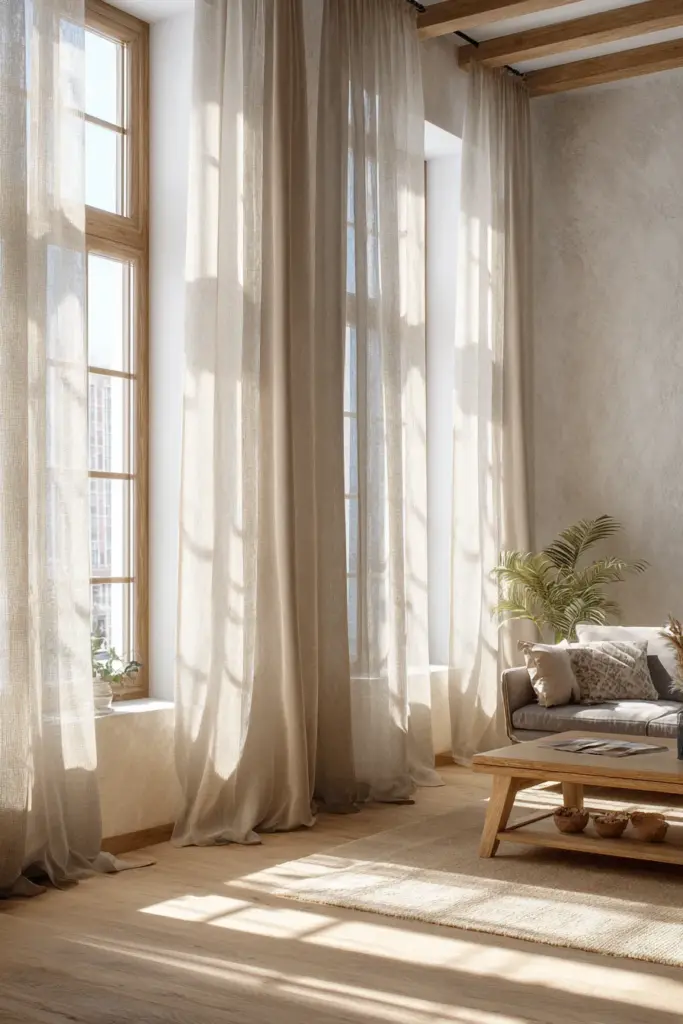
Maximize Available Daylight
Use:
- Sheer curtains
- Light wall colors
- Reflective surfaces
- Mirrors opposite windows
This approach amplifies brightness naturally.
Layer Lighting for Evening Comfort
Natural-inspired spaces benefit from soft layered lighting.
Combine:
- Woven pendant lamps
- Linen lampshades
- Rice paper lanterns
- Warm LED sconces
The result feels cozy rather than harsh.
For additional inspiration, explore our guides on lighting ideas and cozy furniture arrangements.
How to Layer Natural Textures Like a Designer
Texture creates the feeling of richness.
Even a neutral room can feel luxurious when layered thoughtfully.
Layering Formula
Start with:
- Wood furniture
- Linen upholstery
- Wool textiles
- Woven baskets
- Stone accessories
Each layer adds visual interest without introducing unnecessary color.
A Simple Example
Imagine:
- Oak coffee table
- Linen sectional
- Wool throw blanket
- Jute rug
- Ceramic vase
The room feels calm, collected, and naturally sophisticated.
What Are the Best Plants for a Modern Living Room?
Plants bring movement and life.
They introduce color while improving the connection between indoor and outdoor environments.
Statement Plants
For larger rooms:
- Fiddle Leaf Fig
- Olive Tree
- Bird of Paradise
- Rubber Plant
Small-Space Plants
For compact homes:
- Snake Plant
- ZZ Plant
- Pothos
- Peace Lily
These varieties thrive with minimal attention.
Best Tropical Plants for Philippine Homes
Many global design articles overlook tropical climates.
Humidity changes plant care significantly.
Low-Maintenance Tropical Favorites
| Plant | Light Needs | Maintenance |
|---|---|---|
| Snake Plant | Low to bright | Easy |
| ZZ Plant | Low light | Easy |
| Areca Palm | Bright indirect | Moderate |
| Monstera | Bright indirect | Easy |
| Philodendron | Medium light | Easy |
These plants thrive in warm, humid conditions common throughout the Philippines.
Natural Elements in Small Living Rooms (Under 20m²)
Small spaces benefit tremendously from natural design.
The key is selecting elements that add warmth without consuming valuable floor area.
Use Vertical Greenery
Consider:
- Plant ladders
- Freestanding plant stands
- Floating shelves
- Wall-mounted propagation stations
These solutions add greenery while preserving floor space.
Choose Light Woods
Lighter finishes help rooms feel larger.
Oak, ash, and bamboo create an airy atmosphere.
Invest in Multifunctional Furniture
Examples include:
- Storage coffee tables
- Nesting side tables
- Bench seating with storage
Functionality and beauty should work together.
How to Bring Natural Elements into a Minimalist Space
Minimalism and nature complement one another beautifully.
A minimalist room becomes warmer when organic textures replace decorative clutter.
Focus on Fewer, Better Pieces
Choose:
- One large plant
- One beautiful wood table
- One woven pendant
- One handcrafted ceramic piece
This creates visual impact without excess.
Embrace Wabi-Sabi
Perfection is not the goal.
Natural grain variations, handmade textures, and subtle imperfections add character.
Japandi Biophilic Living Room Design
One of the strongest emerging trends combines Japandi design with biophilic design.
This fusion creates spaces that feel serene, functional, and deeply connected to nature.
Core Principles
- Minimal furniture
- Natural materials
- Soft earthy colors
- Living greenery
- Clean lines
Ideal Material Combination
- Oak wood
- Linen upholstery
- Stone accents
- Handmade ceramics
- Indoor plants
The result feels peaceful and timeless.
Rental-Friendly Natural Elements
Renters often face limitations.
Fortunately, many natural upgrades require no permanent changes.
Easy Rental-Friendly Ideas
- Freestanding wood screens
- Large potted plants
- Peel-and-stick grasscloth wallpaper
- Tension rod hanging planters
- Portable woven lighting
These solutions create impact without risking security deposits.
How to Add Natural Elements on a Budget
Beautiful design does not require a luxury budget.
Many organic touches cost very little.
DIY Natural Elements Under ₱500
| Item | Estimated Cost |
|---|---|
| Small propagated plant | ₱50–₱150 |
| Thrifted basket | ₱100–₱300 |
| Dried branches arrangement | ₱0–₱200 |
| Handmade pottery tray | ₱200–₱500 |
| Linen cushion cover | ₱250–₱500 |
Small upgrades often make the biggest difference.
Visit Local Sources
Explore:
- SM Home
- Landmark
- Weekend markets
- Antique shops
- Manila thrift stores
Unique natural pieces often hide in unexpected places.
Sustainable Natural Material Sources
Choosing sustainable materials benefits both the home and the environment.
Look for:
- Reclaimed wood furniture
- Locally sourced rattan
- Handmade ceramics
- Natural fiber textiles
- Vintage furnishings
These pieces often carry more character than mass-produced alternatives.
Plant Care Calendar for Busy Professionals
Consistency matters more than perfection.
Weekly
- Check soil moisture
- Rotate plants toward light
- Remove damaged leaves
Monthly
- Dust leaves
- Inspect for pests
- Fertilize if needed
Every Six Months
- Repot overcrowded plants
- Refresh soil
- Prune excessive growth
A simple routine keeps greenery healthy year-round.
Key Takeaways
- Natural elements bring warmth and balance to modern living rooms.
- Wood, stone, linen, wool, and rattan create timeless texture.
- Indoor plants strengthen biophilic design and improve visual comfort.
- Light wood tones work especially well in small spaces.
- Layered lighting enhances natural materials after sunset.
- Japandi and biophilic design create a powerful combination.
- Rental-friendly options make natural styling accessible.
- Tropical plants thrive beautifully in Philippine homes.
- Budget-friendly upgrades can transform a room without major spending.
- Sustainable materials add long-term beauty and character.
Conclusion
The most memorable living rooms rarely rely on trends.
Instead, they embrace timeless elements that connect us to the natural world. Sunlight filtering through linen curtains. The warmth of wood beneath your fingertips. A quiet corner softened by living greenery.
Modern living room natural elements invite a sense of calm that feels increasingly valuable in today’s fast-moving world.
At ERYLIN, we believe home should feel like a gentle exhale. By layering nature thoughtfully into your living room, you create a space that not only looks beautiful—but feels beautifully alive.
FAQs
What are the 5 elements of nature in interior design?
The five elements are Earth, Water, Fire, Wood, and Metal. Designers use them through materials, lighting, textures, and furniture choices.
How do I add natural elements to a living room?
Start with wood furniture, indoor plants, natural textiles, earthy colors, and improved natural lighting.
What natural elements work best in small living rooms?
Light wood finishes, compact plants, woven baskets, linen fabrics, and vertical greenery work especially well.
How do I add natural elements on a budget?
Use propagated plants, thrifted baskets, natural branches, handmade pottery, and affordable linen accessories.
What are the best plants for a modern living room?
Snake plants, ZZ plants, Monsteras, Olive Trees, Fiddle Leaf Figs, and Philodendrons are excellent choices depending on room size and lighting.