
Table of Contents
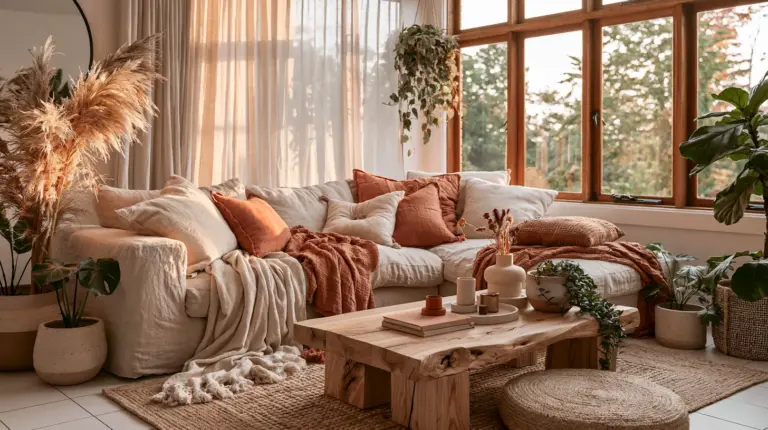
A small living room can still feel like the softest place in your home. It just needs the right layers, not more stuff.
At ERYLIN, we believe coziness is a feeling you build with light, texture, and intention. It has nothing to do with square footage.
This guide walks you through exactly what to do, what size to use, what to avoid, and how the approach shifts depending on your room’s shape. Whether you’re renting, decorating on a tight budget, or working around an awkward corner, you’ll find real answers here.
Let’s turn your small living room into a retreat you never want to leave.
Why Small Living Rooms Feel Cluttered (And How to Fix It)
Most small rooms don’t feel cramped because they’re small. They feel cramped because everything inside them is fighting for attention.
Too much furniture, mismatched textures, and blocked windows all shrink a room visually. The fix is subtraction first, then thoughtful layering.
The Clutter-to-Cozy Rule
Keep one hero piece per wall and let everything else support it quietly. A single textured throw, one warm lamp, and a well-placed mirror do more than five scattered accents.
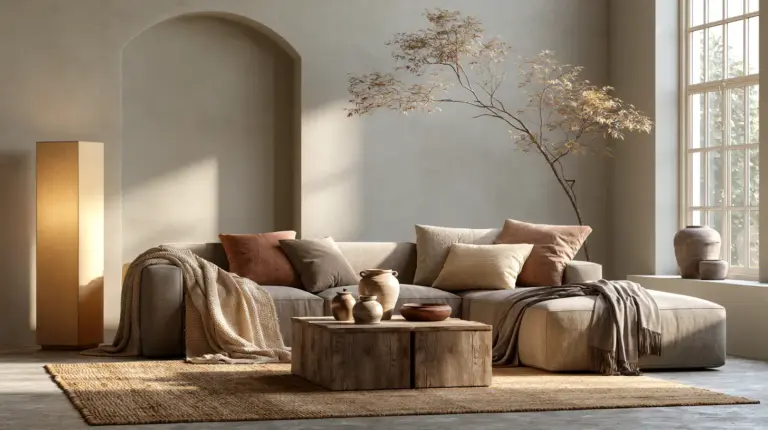
Cozy isn’t about quantity. It’s about intentional repetition of warm materials like wood, linen, and wool.
Furniture That Works in Small Living Rooms
Furniture choice makes or breaks a small space. The right pieces make a room feel considered instead of squeezed.
Sofas and Seating
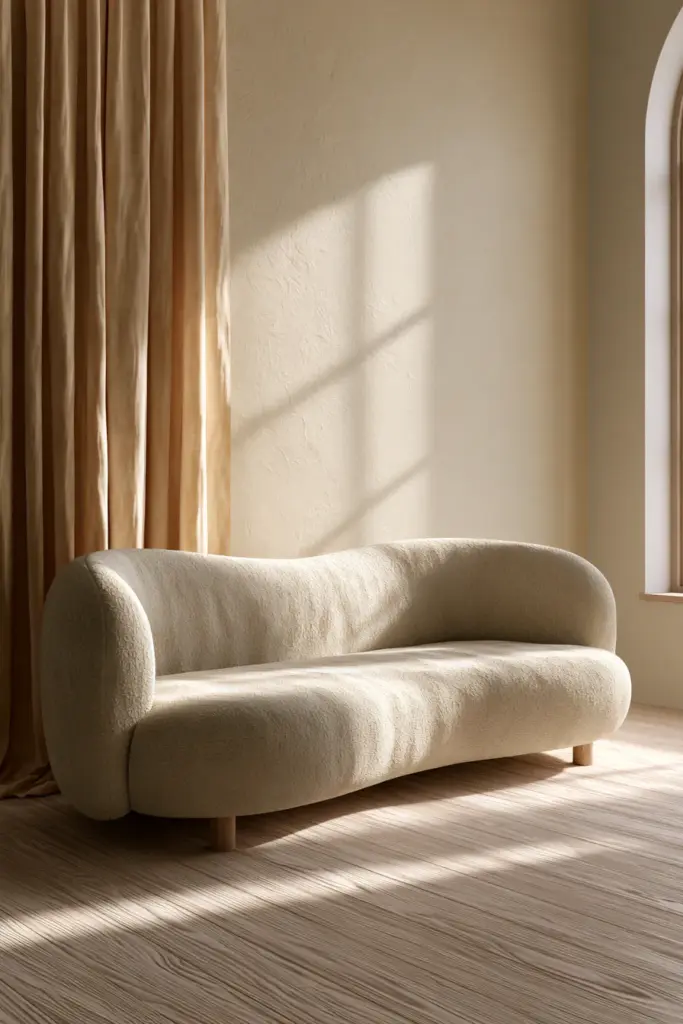
Choose a sofa with slim arms and visible legs. Raised legs let light travel underneath, which tricks the eye into reading the room as more open.
A loveseat or a compact two-and-a-half seat sofa usually fits better than a full three-seater. Curved or rounded arms soften tight walkways and reduce visual bulk, echoing what designers now call the curved furniture trend.
Multifunctional Furniture
In a small room, every piece should earn its space twice over. A storage ottoman doubles as a coffee table and hidden home for blankets.
Nesting tables flex for movie nights, then tuck away the next morning. A daybed can host guests and still work as everyday seating.
Furniture Sizing Guide
Here’s a practical sizing reference so your small room never feels overstuffed:
| Furniture Piece | Small Room Guideline |
|---|---|
| Sofa depth | 32–36 inches |
| Rug size | Front legs of all furniture on the rug |
| Coffee table clearance | 14–18 inches from sofa |
| Walkway width | Minimum 24–30 inches |
| TV distance | 4–6 feet from seating |
Sticking close to these numbers keeps circulation easy, which is one of the biggest reasons small rooms start to feel tight.
Layout Ideas by Room Shape
Not every small living room has the same problem. Your layout strategy should match your room’s actual shape.
Narrow Living Rooms
Float your sofa away from the longest wall and angle it slightly toward the center. This breaks up the bowling-alley feeling and creates a natural gathering point instead of a straight line of furniture.
Square Small Living Rooms
Square rooms benefit from a centered layout with furniture pulled slightly off the walls. Anchor the space with a round rug to soften all those right angles.
Open-Plan and Studio Living Rooms
Use a low bookshelf or a console behind the sofa to define the living zone without building a wall. Rugs are your best tool here for marking where the living room “ends” within an open floor.
Awkward Corners
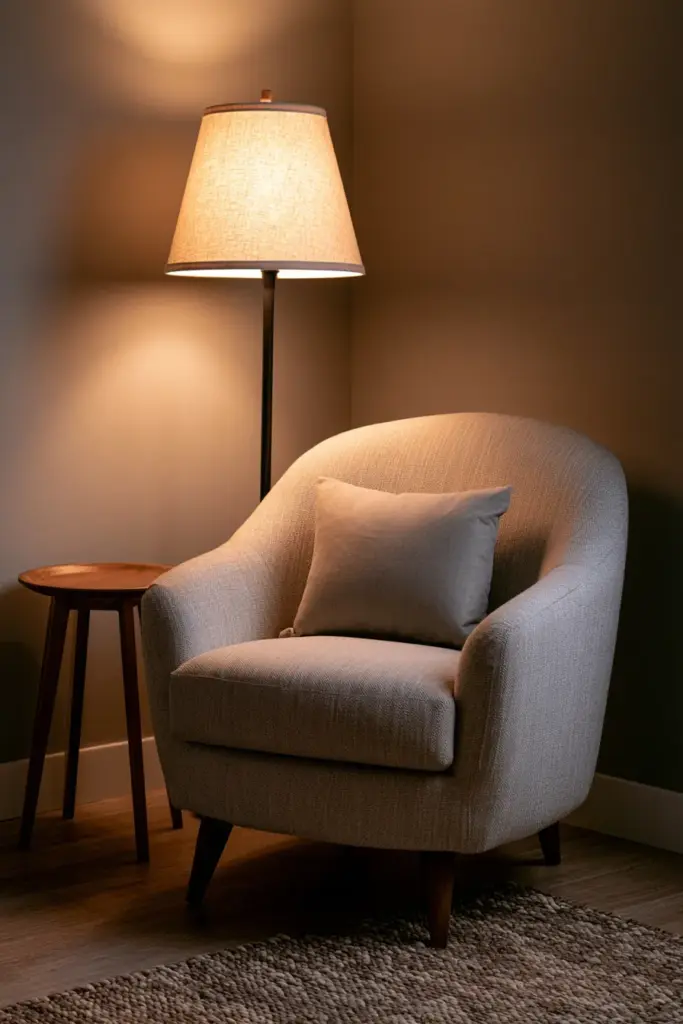
Turn the dead corner into a reading nook with a single armchair, a floor lamp, and a small round table. An oddly shaped corner is often the coziest spot in the room if you give it a clear job.
Lighting Ideas for a Softer, Warmer Room
Lighting is the fastest way to change how a small room feels, and it’s often the most overlooked. One overhead light flattens a room. Layered lighting gives it depth.
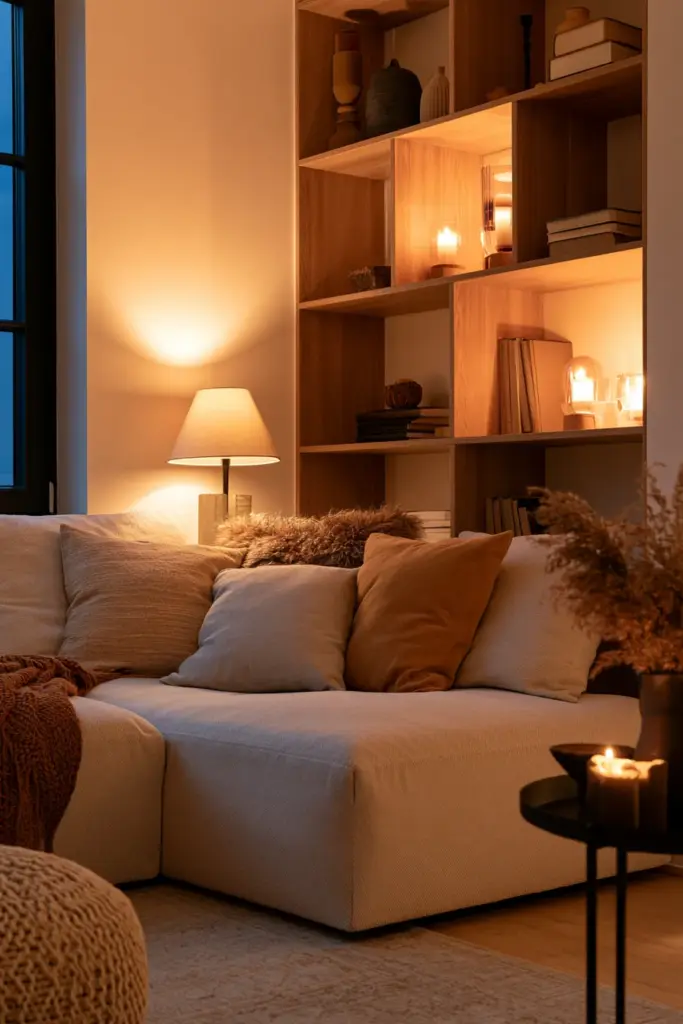
Layered Lighting, Explained
A cozy room needs three lighting types working together, not just a ceiling fixture.
- Ambient lighting – your overall room light, ideally on a dimmer
- Task lighting – reading lamps, desk lights, anything functional
- Accent lighting – candles, string lights, or a lit bookshelf niche
When all three are present, a room reads as intentional and warm even after the sun goes down. For more direction here, our lighting ideas guide breaks this down room by room.
Warm Bulbs Matter More Than Fixtures
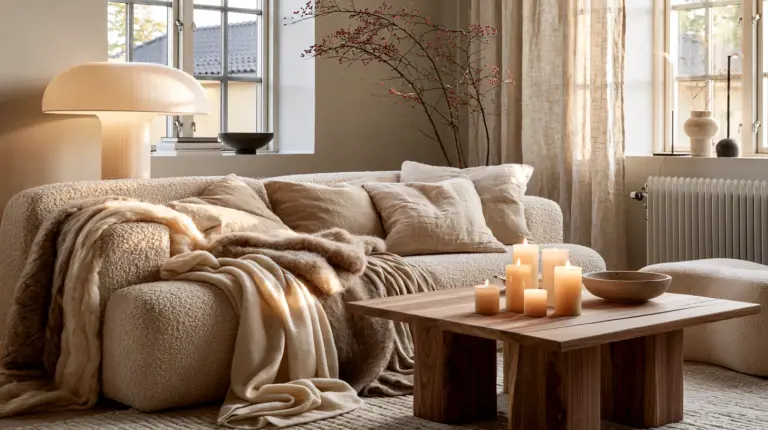
A soft, warm-white bulb (around 2700K) changes a room more than an expensive lamp ever will. Cool white light makes small spaces feel clinical, while warm light makes the same walls feel like candlelight at dusk.
Color Psychology for Cozy Small Spaces
Color carries more emotional weight than most people expect. It can make four walls feel like a hug or a hallway.
Warm Neutrals and Earth Tones
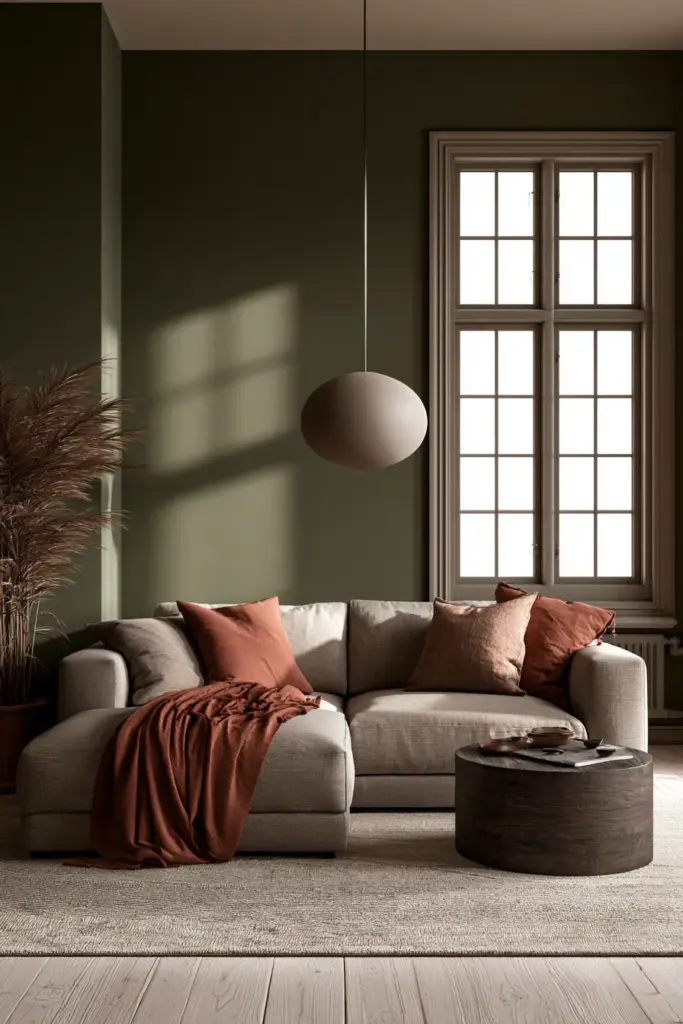
Soft taupe, warm greige, oatmeal, and muted terracotta all read as inviting rather than stark. These tones absorb light gently instead of bouncing it harshly, which softens the whole room.
Yes, Dark Colors Can Still Feel Cozy
A deep, warm color like charcoal, olive, or espresso brown can make a small room feel like an intimate den rather than a cave, as long as the lighting is layered well. Dark walls paired with warm lighting and natural wood tend to feel enveloping, not shrinking.
Avoid Stark White and Cool Grays
Bright white and cool gray can make a small room feel sterile and expose every imperfection. Warmer, muted tones are far more forgiving and far cozier.
Textures and Materials That Add Warmth
Texture is where coziness truly lives. A room can have the perfect color and still feel flat without it.
Natural Wood
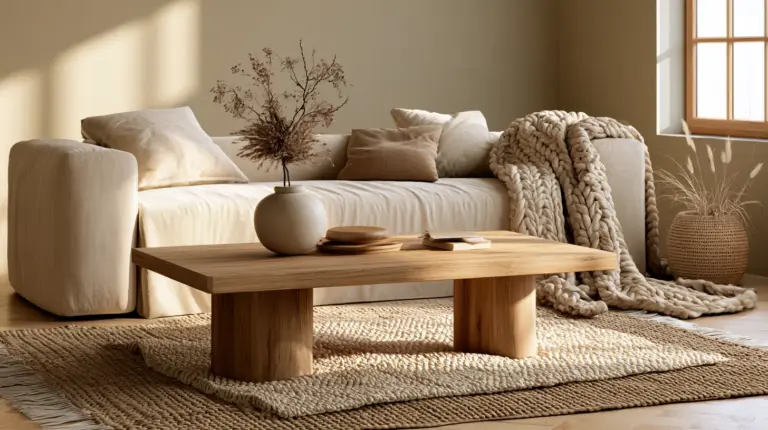
Wood grain furniture, whether a coffee table or floating shelves, brings organic texture that pairs beautifully with any style, including modern, cozy furniture collections, and Japandi interiors.
Layered Textiles
Mix a chunky knit throw with a smooth linen cushion and a low-pile wool rug. Layering different textures, not just colors, is what separates a “decorated” room from a genuinely lived-in one.
Soft Window Treatments
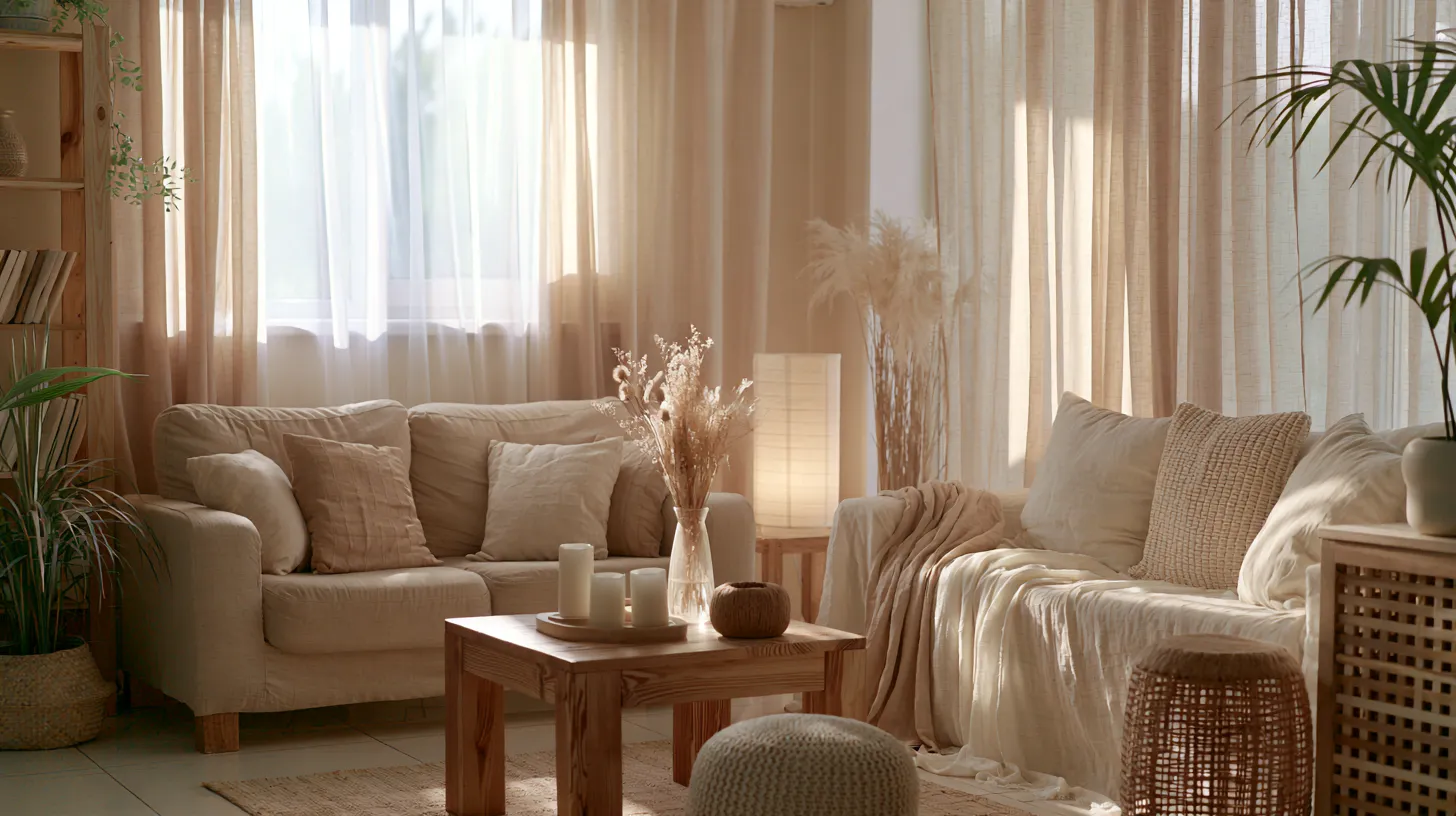
Hang curtains close to the ceiling rather than just above the window frame. This ceiling-height trick elongates the wall and makes the entire room feel taller and airier.
Storage Solutions That Don’t Sacrifice Style
Clutter is coziness’s biggest enemy. But storage doesn’t need to look institutional.
Vertical Storage
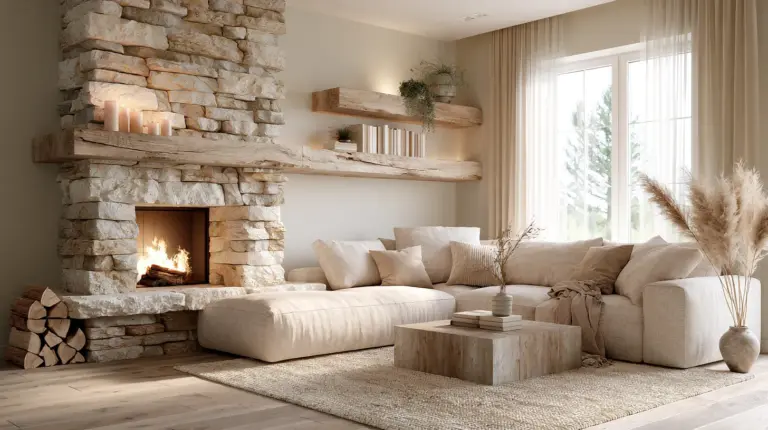
Floating shelves use wall space instead of floor space, keeping your walkways clear while still displaying books, plants, and favorite objects.
Hidden Storage Furniture
Ottomans, bench seating with lift tops, and console tables with baskets all hide daily clutter in plain sight. The goal is storage that looks decorative, not clinical.
Renter-Friendly Cozy Ideas
You don’t need to own your walls to make a room feel like home.
- Peel-and-stick wallpaper or removable trim for texture without commitment
- Plug-in sconces or portable floor lamps instead of hardwired fixtures
- Command-strip shelving and hooks for damage-free storage
- Oversized floor mirrors that lean instead of mount
- Curtain tension rods that need no drilling
These small, reversible changes deliver the same warmth as permanent renovations, just without the security deposit risk.
Budget Tiers for Cozy Small-Space Decor
Coziness is achievable at every budget level.
| Budget Level | What to Prioritize |
|---|---|
| Low | Textiles, candles, warm bulbs, rearranging existing furniture |
| Medium | One statement lamp, a quality rug, floating shelves |
| Premium | Curved sofa, custom lighting plan, built-in storage |
Start with the tier that fits your season of life. Texture and lighting changes alone can transform a room even with zero furniture budget.
Plants for Small Living Rooms
Greenery adds life without adding clutter, as long as you choose with intention.
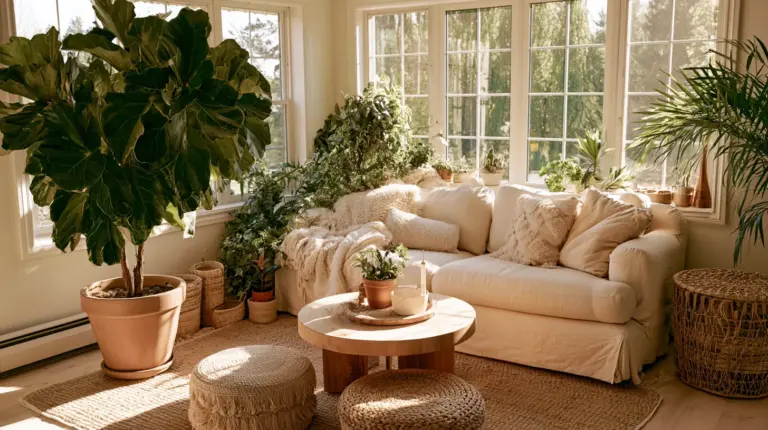
Low-light plants like pothos, snake plants, and ZZ plants thrive in small rooms with limited windows. Cluster two or three plants of varying heights in one corner instead of scattering single pots around the room, which reads as more curated and less busy.
Styling Mistakes to Avoid
A few small missteps quietly undo a lot of cozy effort.
- Hanging art too small for the wall, which makes ceilings feel lower
- Choosing heavy, dark curtains that block natural light
- Blocking windows with tall furniture
- Overcrowding shelves with too many tiny decor pieces
- Skipping a rug entirely, which leaves furniture feeling like it’s floating
Cozy Small Living Room Checklist
- Choose furniture with legs and slim profiles to keep sightlines open
- Follow sizing guidelines for sofas, rugs, and walkways
- Match your layout strategy to your room’s actual shape
- Layer ambient, task, and accent lighting
- Lean into warm neutrals or moody dark tones with warm bulbs
- Mix at least two textures in every seating area
- Use vertical and hidden storage to keep surfaces clear
- Choose renter-safe solutions if you don’t own your space
- Add two to three plants clustered by height
- Avoid undersized art and light-blocking curtains
A Final, Soft Word
A small living room isn’t a limitation. It’s an invitation to be more intentional with every material, every lamp, every cushion you choose.
When the light is warm and the textures are layered just right, size stops mattering. What’s left is simply a room that feels like home, one you sink into the moment you walk through the door.
Frequently Asked Questions
How can I make my small living room look cozy?
Layer warm lighting, natural textures, and a cohesive color palette while keeping furniture scaled to the room’s actual size.
What furniture works best in a small living room?
Sofas with visible legs, slim arms, and multifunctional pieces like storage ottomans and nesting tables work best.
How do I decorate a small living room without making it look crowded?
Limit each wall to one hero piece, follow furniture sizing guidelines, and prioritize vertical storage over floor clutter.
What colors make a small living room feel cozy?
Warm neutrals, muted earth tones, and even deep charcoal or olive shades feel cozy when paired with warm-toned lighting.
How do I make a rental living room cozy on a budget?
Use peel-and-stick treatments, portable lighting, textured textiles, and damage-free storage solutions that require no permanent changes.