
Table of Contents
There’s something about the right floor lamp that changes everything. It softens the edges of a room, pools warm light exactly where you need it, and quietly anchors a corner that once felt unfinished.
A floor lamp isn’t just functional—it’s intimate. It’s the glow that greets you on dark mornings and the light you read by when the world quiets down. Choosing one means considering more than style or size; it means thinking about how you live, how light moves through your space, and what feelings you want to gather in each room.
This guide will walk you through every detail—from scale and shade to smart features and sensory warmth—so you can find a lamp that feels like it was always meant to be there. Because lighting, when done well, doesn’t just illuminate. It transforms.
Understanding Your Lighting Needs
Before you fall in love with a sculptural base or a linen shade, pause. Ask yourself: what role will this lamp play in your home?
Floor lamps serve three essential functions. Ambient lighting fills a room with soft, general illumination—the kind that makes a space feel lived-in and welcoming. Task lighting focuses brightness where you need it most: beside a reading chair, next to a desk, or over a crafting table. Accent lighting highlights art, architecture, or texture, adding drama and depth to your design.
Most rooms benefit from layered lighting. A well-placed floor lamp can fill the gap between overhead fixtures and table lamps, creating warmth without harshness. Think about the activities that happen in your space—curling up with a book, working on a laptop, hosting evening conversations—and choose accordingly.
Sizing Your Floor Lamp to Your Space
Scale matters more than you might think. A lamp that’s too small disappears; too large, and it overwhelms.
Height is your first consideration. Standard floor lamps range from 58 to 64 inches tall, with the bottom of the shade typically sitting at eye level when you’re seated. If you’re using the lamp for reading, position it so light falls over your shoulder without creating glare. For ambient lighting, torchieres that cast light upward work beautifully, bouncing warmth off the ceiling.
Proportion matters too. Place your lamp next to a sofa or chair and ensure the shade doesn’t dwarf or shrink against the furniture. As a rule, the lampshade should be roughly one-third the height of the lamp base. In open-plan spaces or rooms with high ceilings, consider taller or arched designs that command presence without crowding the floor.
And don’t forget the shade diameter. A 16 to 18-inch shade works well for most living rooms, while smaller spaces or bedrooms may call for something more delicate—around 12 to 14 inches.
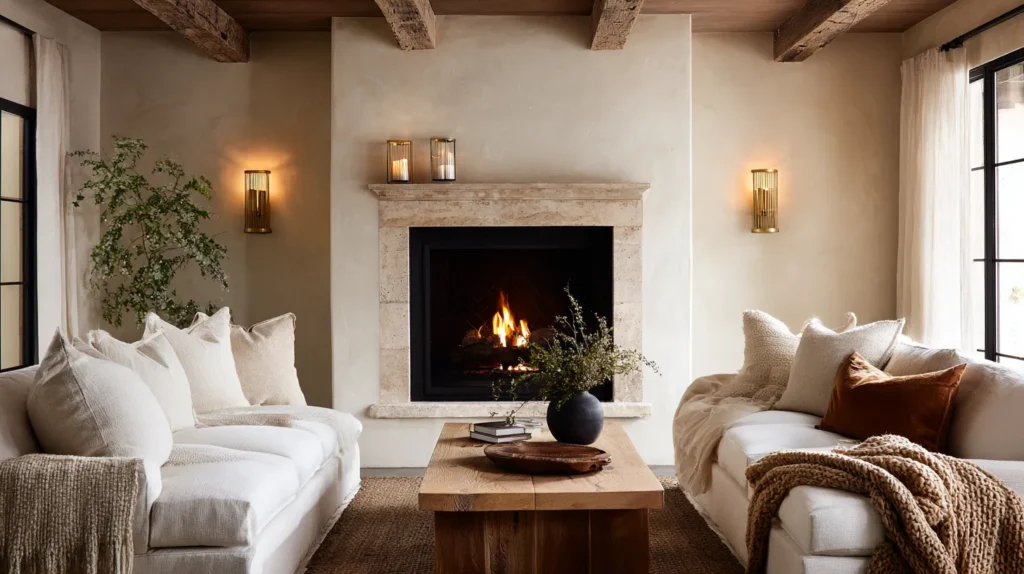
Choosing the Right Style and Finish
Your floor lamp should feel like an extension of your home’s personality. It’s where function meets beauty, where metal meets fabric, where light meets mood.

Modern Rustic Elegance
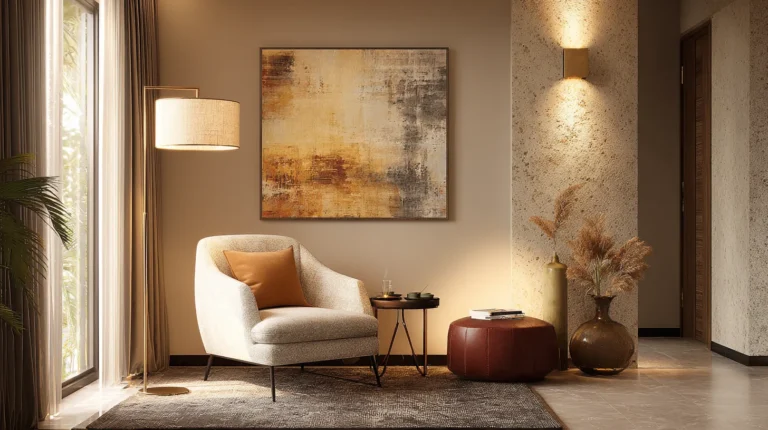
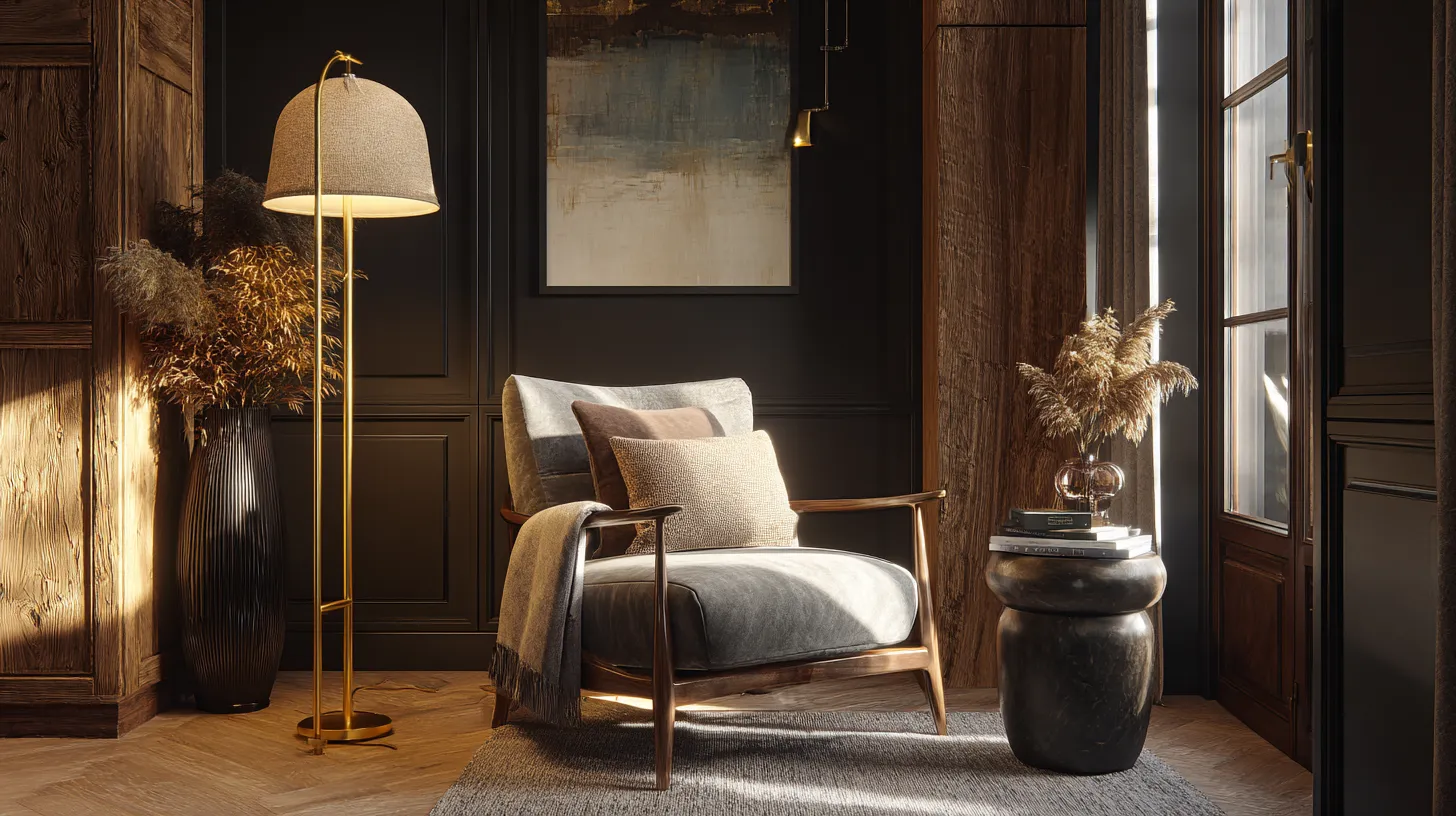
For spaces that lean into natural materials and understated luxury, look for linen or cotton shades paired with wood or brass bases. These combinations feel grounded and warm, adding texture without trying too hard. A matte black or aged brass finish brings quiet sophistication, while weathered wood adds organic charm.
Metal Finishes That Match Your Space
Consider what metals already live in your room. Brushed nickel complements cool-toned spaces, while warm brass or bronze enhances earthy palettes. Mixing metals is fine—even encouraged—but aim for balance. If your hardware is silver, a nickel-finished lamp feels cohesive. If you have warm wood tones, reach for brass or oil-rubbed bronze.
Shade Materials and Their Effects
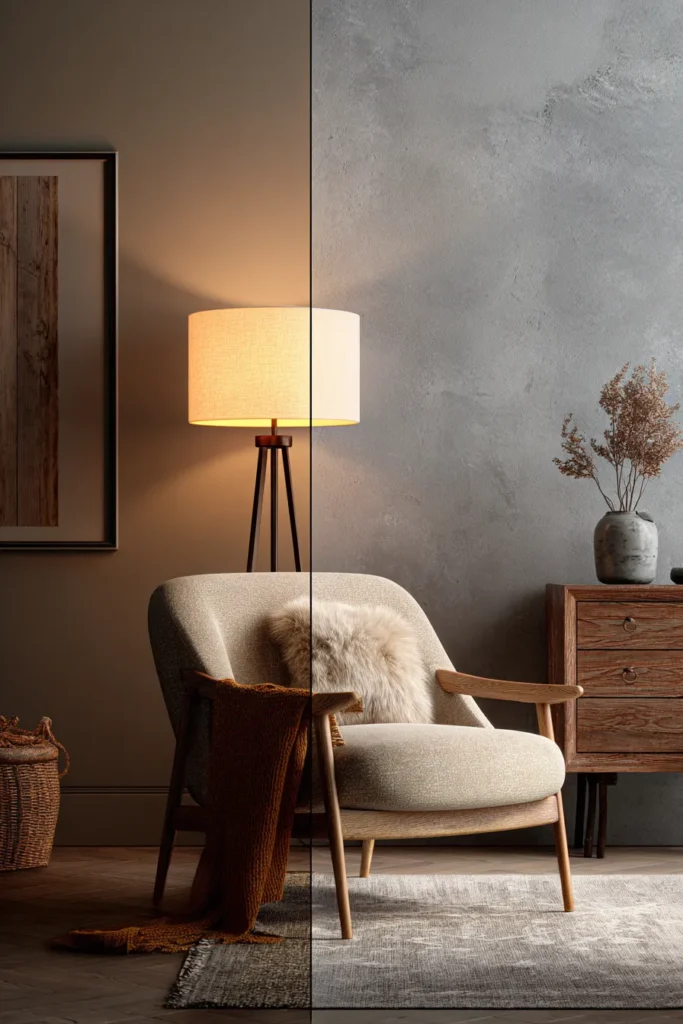
Fabric shades—linen, cotton, silk—diffuse light softly, creating a gentle glow perfect for ambient settings. Metal and opaque shades direct light more precisely, ideal for task lighting. Translucent or white shades spread light evenly, while darker tones focus it downward. Think about the quality of light you want, not just the look.
Technical Features That Matter
The beauty of a lamp means little if it doesn’t perform well. Here’s where the details become essential.
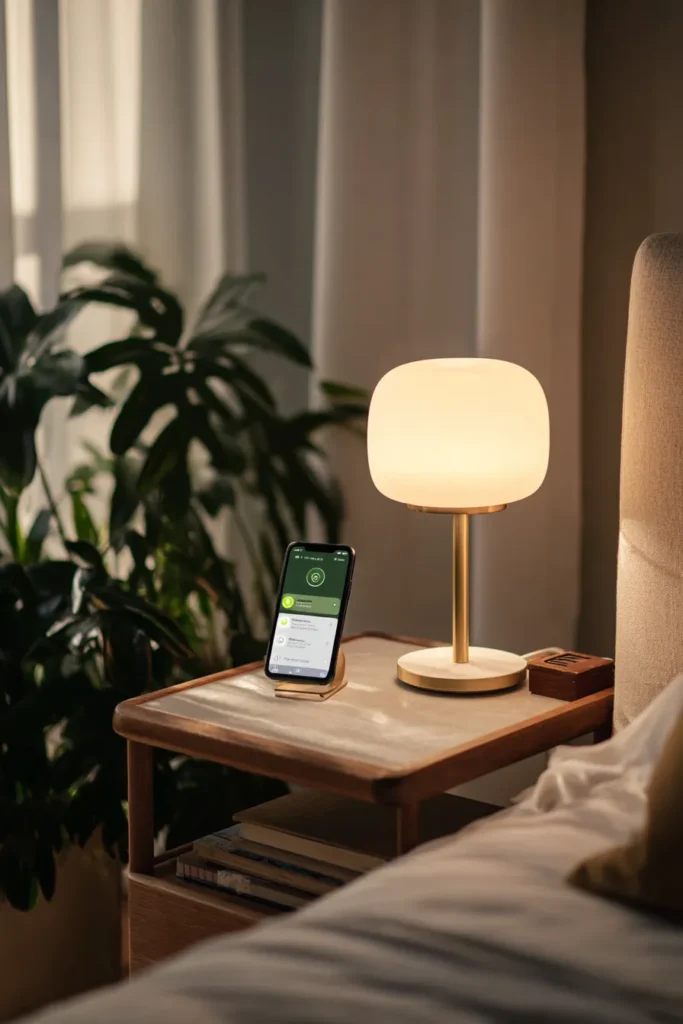
Bulb Brightness and Type
Lumens measure brightness—not watts. For ambient lighting, aim for 1,500 to 3,000 lumens. Task lighting needs 400 to 800 lumens focused on your work area. LED bulbs are your best choice: energy-efficient, long-lasting, and available in a range of color temperatures.
Speaking of temperature, color matters deeply. Warm white (2700K–3000K) creates cozy, inviting spaces ideal for living rooms and bedrooms. Cool white (3500K–4100K) feels crisp and focused, better suited for home offices. Daylight (5000K–6500K) mimics natural light, reducing eye strain during detailed tasks.
Dimmer Switches and Control Options
A dimmer transforms one lamp into many moods. Morning coffee, afternoon reading, evening relaxation—each moment deserves its own light level. Look for lamps with built-in dimmers or ensure your bulbs are dimmable and compatible with external controls.
Smart floor lamps take this further. Voice-activated controls through Alexa or Google Assistant, app-based scheduling, and adjustable color temperatures mean your lighting adapts to your rhythm. Set your lamp to wake you gently with warm light or wind down with a softer evening glow.
Multi-Bulb Options
Some floor lamps feature multiple bulbs or adjustable arms, letting you customize brightness and direction. This versatility is invaluable in multipurpose rooms where you might need reading light one moment and ambient warmth the next.
Placement Strategy for Maximum Impact
Even the most beautiful lamp fails if poorly positioned. Placement determines both function and feeling.
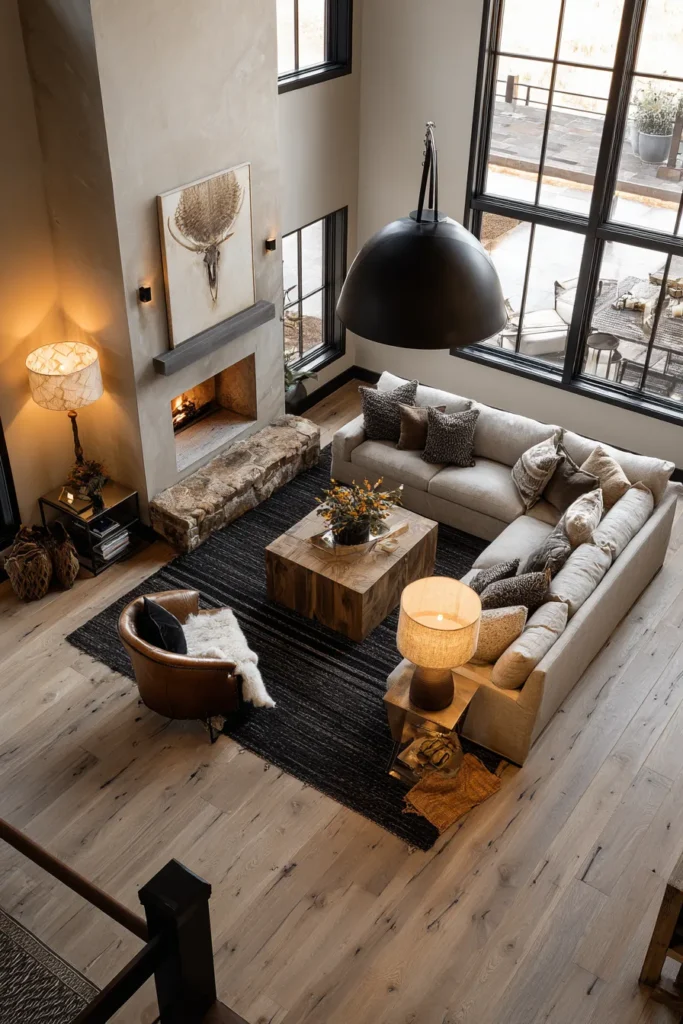
Avoiding Glare and Shadows
Position your lamp so the bottom of the shade sits at eye level when seated—typically 40 to 42 inches from the floor. This prevents glare from shining directly into your eyes. For reading lamps, place them slightly behind and to the side of your shoulder, casting light onto your book without creating harsh shadows.
In living rooms, corner placement works wonders. It fills dead space while bouncing light off two walls, amplifying warmth. Beside a sofa or chair, a lamp becomes an anchor point, defining the seating area and making it feel intentional.
Layering Light Throughout Your Room
Don’t rely on a single light source. Combine your floor lamp with table lamps, wall sconces, or candles to create depth. High, mid, and low light sources mimic natural environments, making spaces feel balanced and alive. A floor lamp provides that crucial mid-level glow between overhead fixtures and accent pieces.
Health and Wellness Considerations
Lighting affects more than aesthetics—it influences how you feel, sleep, and function.
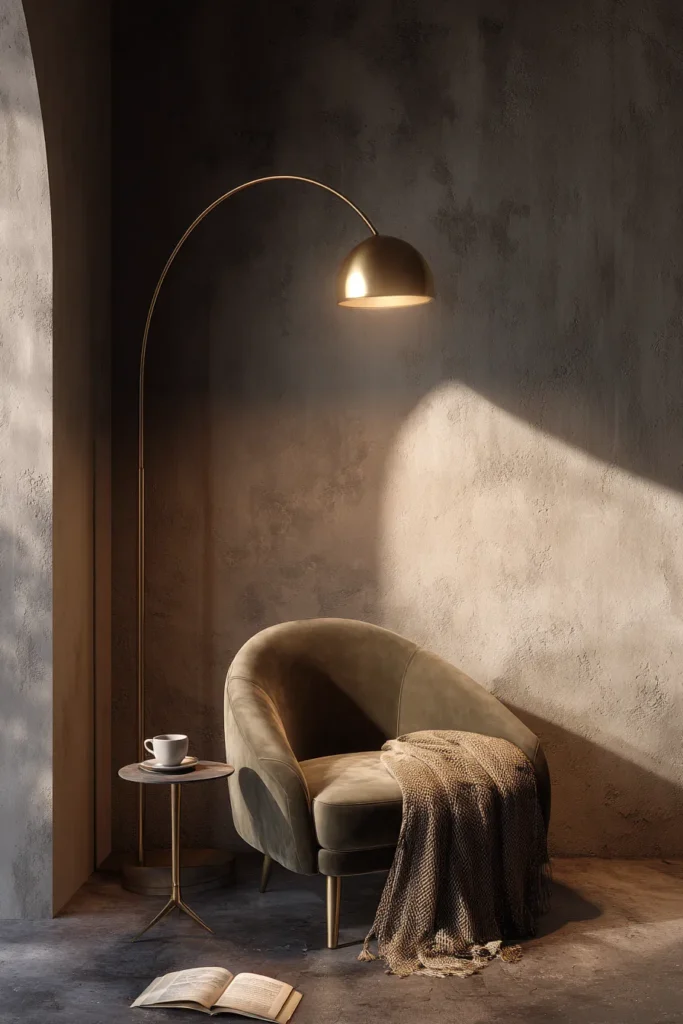
Color Rendering Index (CRI)
CRI measures how accurately a light source reveals true colors. Look for bulbs with a CRI of 90 or higher, especially in spaces where you work, cook, or apply makeup. Poor CRI can make colors look dull or distorted, subtly affecting your mood and perception.
Reducing Eye Strain
If you spend hours reading or working by your lamp, choose bulbs with adjustable color temperature. Cooler tones during the day keep you alert; warmer tones in the evening support melatonin production and better sleep. Avoid flickering bulbs—opt for quality LEDs that provide steady, comfortable light.
Supporting Your Circadian Rhythm
Your body responds to light cues. Smart lamps that shift from energizing daylight tones in the morning to warm amber hues at night help regulate your natural sleep-wake cycle. It’s a small change with profound effects on rest and energy levels.
Safety and Maintenance
A well-chosen lamp should last years, but only if you care for it properly.
Stable Bases and Cord Management
Ensure your lamp has a weighted or wide base, especially in homes with children or pets. Tipping hazards are real. Route cords along walls or secure them with clips to prevent tripping. Never place cords under rugs where they can fray or overheat.
Bulb Wattage and Heat
Always check the maximum wattage rating on your lamp. Exceeding it can cause overheating, damaging the shade or creating a fire hazard. LED bulbs produce less heat than incandescent, making them safer and more efficient.
Regular Cleaning
Dust diminishes brightness and ages materials. Wipe shades gently with a microfiber cloth—or vacuum fabric shades on low setting. Clean metal bases with appropriate polish to maintain their finish. A well-maintained lamp remains beautiful and functional far longer.
Quick Decision Checklist
Before you commit, run through these essentials:
- Function: Ambient, task, or accent lighting—what do you need most?
- Height: Does it sit at the right level for your furniture and intended use?
- Shade size: Is it proportional to the base and the room?
- Bulb type: LED with appropriate lumens and color temperature?
- Finish: Does it complement existing metals and materials in your space?
- Controls: Built-in dimmer, smart features, or simple on/off switch?
- Placement: Have you identified the ideal corner or side of furniture?
- Safety: Stable base, appropriate wattage, secure cord routing?
Bringing It All Together
| Feature | Best For | Key Consideration |
|---|---|---|
| Torchiere (uplight) | Ambient lighting, small spaces | Height and ceiling color |
| Arched reading lamp | Task lighting beside seating | Reach and adjustability |
| Tripod or sculptural | Statement piece, modern style | Room scale and proportion |
| Smart lamp | Tech-integrated homes | App compatibility and features |
| Multi-arm lamp | Flexible, multipurpose rooms | Bulb count and direction control |
A Final Thought
Choosing a floor lamp is an act of care. It’s about understanding how you move through your home, what light does to your mood, and where beauty and function meet.
The perfect lamp doesn’t announce itself. It simply fits—so naturally that guests ask where you found it, and you realize you can’t imagine the room without it. It’s the warm glow that makes you linger a little longer, the steady presence that turns a house into a home.
Take your time. Feel the textures, imagine the light, and trust your instincts. The right lamp is waiting, ready to transform your space in ways both seen and felt.
Frequently Asked Questions
How do I choose the right floor lamp for my room?
Start by identifying your lighting need: ambient, task, or accent. Measure your space and furniture to determine appropriate height and shade size. Consider your room’s style and existing finishes, then select a lamp that complements both function and aesthetic. A lamp that’s 58–64 inches tall works well for most living rooms.
What are the different types of floor lamps?
Common types include torchieres (uplight for ambient glow), arched lamps (reaching over furniture for reading), tripod lamps (modern statement pieces), pharmacy lamps (adjustable task lighting), and tower lamps (slim designs for tight spaces). Each serves different functions and aesthetic preferences.
How tall should a floor lamp be?
Standard floor lamps range from 58 to 64 inches. For reading, the bottom of the shade should sit at 40–42 inches from the floor—roughly eye level when seated. In rooms with high ceilings or beside tall furniture, you may opt for lamps up to 72 inches tall.
What kind of bulb is best for floor lamps?
LED bulbs are ideal: energy-efficient, long-lasting, and available in various color temperatures. Choose warm white (2700K–3000K) for cozy spaces, cool white (3500K–4100K) for focus, or daylight (5000K–6500K) for tasks requiring clarity. Look for a CRI of 90+ for accurate color rendering.
How do I select the right lampshade for a floor lamp?
The shade should be about one-third the height of the lamp base. For ambient lighting, choose translucent fabric that diffuses light softly. For task lighting, select opaque or metal shades that direct light precisely. Consider diameter too: 16–18 inches suits most living rooms, while smaller spaces may need 12–14 inches.