
Table of Contents
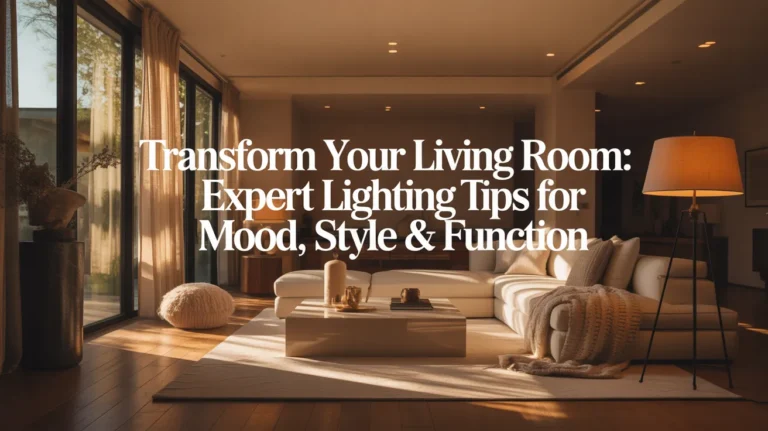
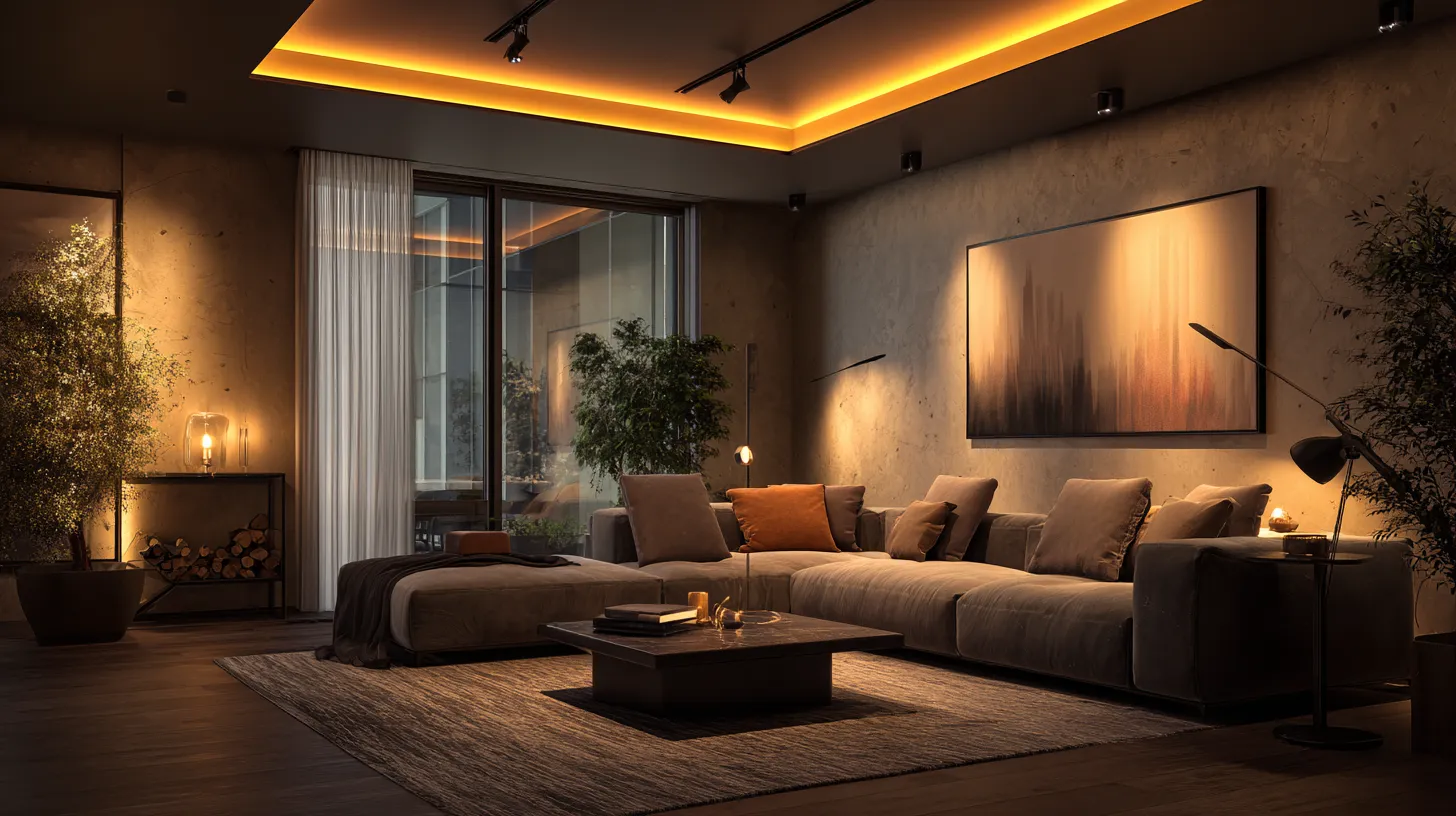
There’s something magical about walking into a room that knows you. The lights soften as evening falls. A warm amber glow welcomes you home. With a single word or tap, your living room shifts from energizing morning brightness to the perfect movie-watching ambiance.
Smart lighting isn’t just about convenience—it’s about creating a living room that breathes with your daily rhythms. It responds to how you live, work, rest, and gather. The right system turns your space into something deeply personal, a place where technology serves beauty rather than competing with it.
In this guide, we’ll explore how intelligent lighting can elevate your living room from merely functional to genuinely transformative. Whether you’re starting fresh or upgrading existing fixtures, you’ll discover how to blend innovation with the warm, welcoming aesthetic your home deserves.
Understanding Smart Lighting: The Foundation
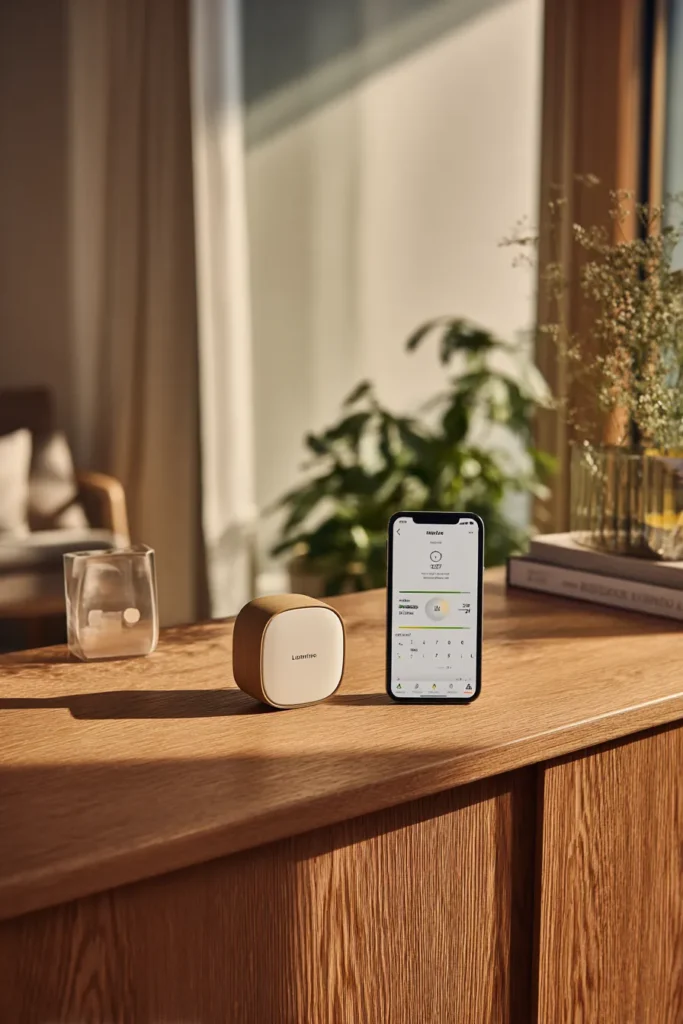
Smart lighting systems give you complete control over your living room’s illumination through wireless technology. Unlike traditional switches, these systems connect to your smartphone, voice assistant, or automated schedules, allowing you to adjust brightness, color temperature, and even hue with effortless precision.
The technology works through wireless protocols that communicate between your bulbs, switches, and control hub. When you dim the lights from your phone or ask Alexa to set a reading scene, signals travel instantly through your home network. The result feels like magic, though it’s simply thoughtful engineering meeting everyday needs.
How Different Smart Lighting Technologies Compare
Choosing the right wireless protocol matters more than most people realize. ZigBee creates a mesh network where each device strengthens the signal, perfect for larger living rooms or whole-home systems. It’s energy-efficient and doesn’t crowd your Wi-Fi bandwidth.
Z-Wave offers similar mesh capabilities with less interference from other devices, though you’ll find fewer product options. Wi-Fi-based systems like many Philips Hue bridges connect directly to your router—simple to set up but potentially taxing on network performance if you have many devices.
Bluetooth-enabled bulbs work beautifully for small spaces or renters who want something temporary. You’ll sacrifice range and automation sophistication, but installation takes minutes and requires no hub.
| Technology | Range | Hub Required | Best For | Energy Use |
|---|---|---|---|---|
| ZigBee | Excellent (mesh) | Yes | Whole-home systems | Very low |
| Z-Wave | Excellent (mesh) | Yes | Established smart homes | Low |
| Wi-Fi | Good | Sometimes | Simple setups | Moderate |
| Bluetooth | Limited | No | Single rooms, renters | Low |
Creating Lighting Scenes That Shape Your Daily Life
Scene automation transforms how your living room serves you throughout the day. Imagine waking to soft, warm light that gradually brightens—your reading corner illuminated while the rest of the room stays gently dim. By afternoon, cooler tones energize your workspace zone. Evening brings amber warmth that prepares your mind for rest.
The beauty lies in personalization. Program a “Movie Night” scene that dims overhead lights to 10%, activates bias lighting behind your television, and adds subtle accent lights along your bookshelf. Your “Entertaining” mode might bring all fixtures to 80% brightness with warm white tones that make faces glow and conversation feel intimate.
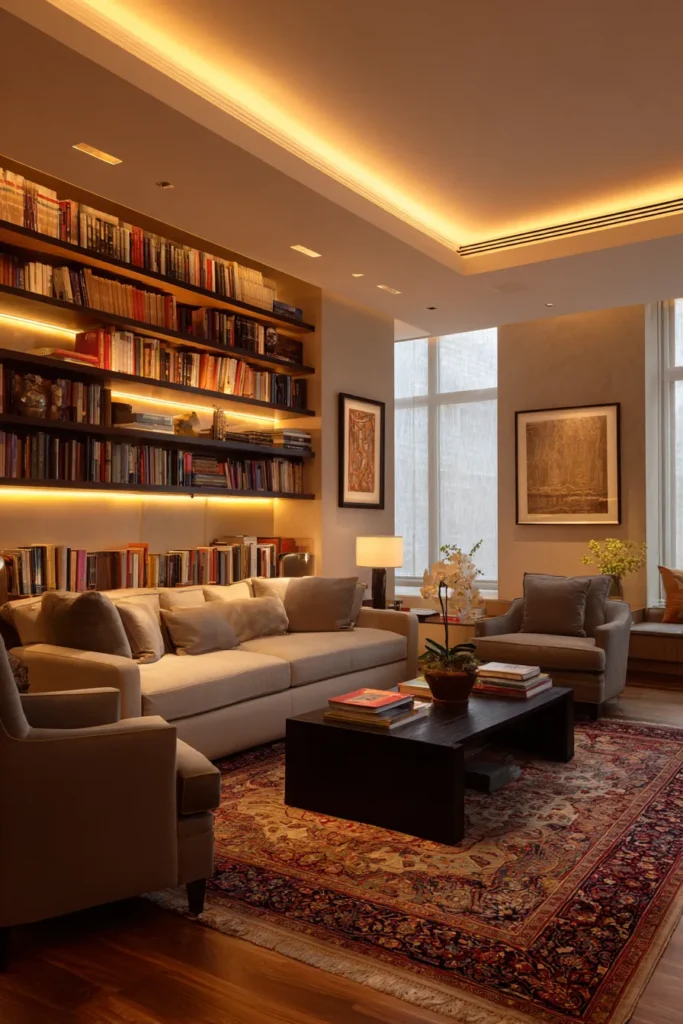
Practical Scenes for Different Living Room Activities
Reading and Focus: Direct task lighting at 100% brightness with cooler color temperatures (4000-5000K) stimulates concentration. Keep ambient lighting at 30% to reduce eye strain while providing comfortable peripheral illumination.
Relaxation and Unwinding: Warm tones (2700-3000K) at 40-60% brightness signal your body that evening has arrived. Layer this with accent lighting highlighting architectural features or artwork for visual interest without overstimulation.
Entertainment and Media: Reduce direct lighting to 10-20% while adding bias lighting behind screens to reduce eye fatigue. Smart strips along media consoles create a cinema atmosphere without total darkness.
Social Gathering: Bright, evenly distributed lighting at 70-90% with warm color temperatures creates welcoming energy. Avoid harsh overhead-only schemes by incorporating table lamps and floor fixtures into your smart system.
Integration with Your Smart Home Ecosystem
Modern smart lighting lives within a broader connected home. The real transformation happens when your lights communicate with other devices, creating seamless experiences that feel intuitive rather than technological.
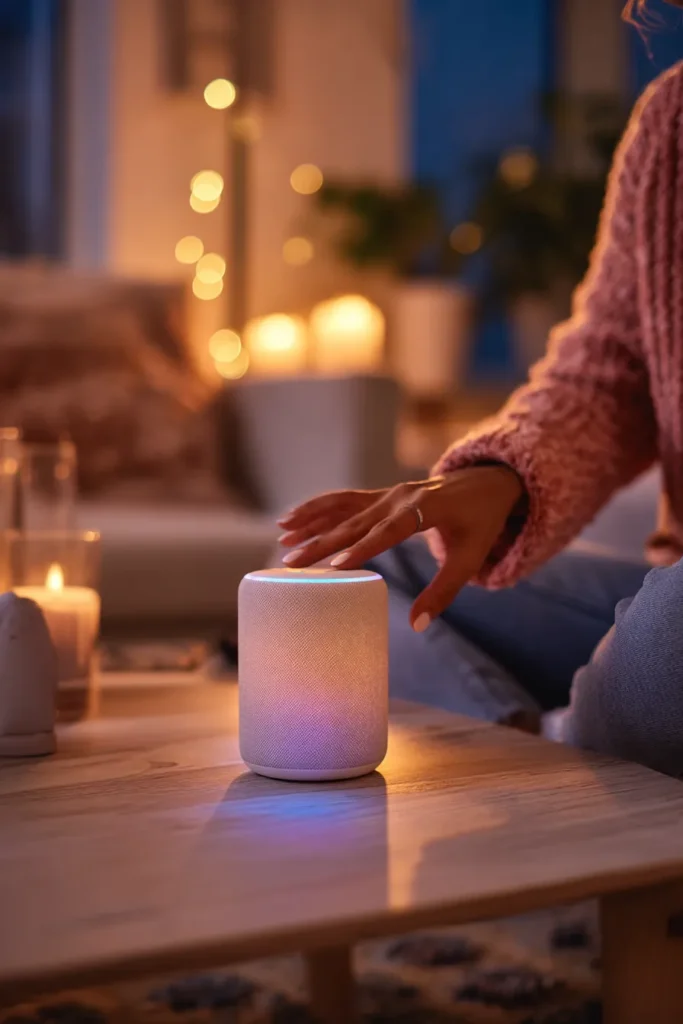
Google Home integration allows voice control that feels natural: “Hey Google, set the living room to cozy mode.” Beyond voice, routines can trigger lighting based on your location, time of day, or other smart device actions.
Amazon Alexa offers similar voice functionality with particularly strong scene management. Create routines where saying “Alexa, good morning” not only adjusts your lights but also provides weather updates while your living room brightens gradually.
Apple HomeKit prioritizes security and privacy, with end-to-end encryption for all commands. The Home app’s interface feels especially intuitive for creating complex automations, and Siri integration works beautifully across all your Apple devices.
Installation and Setup: From Box to Beautiful
Most smart bulbs install exactly like traditional ones—simply screw them into existing fixtures. The complexity lives in the setup process, which rewards patience with years of effortless control.
Start by downloading your system’s app and creating an account. Follow the pairing process, which typically involves turning bulbs on and off in sequence or holding buttons on hub devices. Name each light thoughtfully: “Floor Lamp” and “Right Sconce” beat “Light 1” and “Light 2” when you’re asking voice assistants for help.
Position your hub centrally if your system requires one. These small devices need proximity to your router and reasonable access to all controlled lights. Wall-mounted keypads install with basic tools and should be placed at natural entry points where you’d traditionally expect light switches.
Layered Lighting Design with Smart Control
The most beautiful living rooms use multiple light sources at different heights and intensities. Smart systems make this layering effortlessly adjustable rather than requiring you to manually switch multiple fixtures.
Ambient lighting provides overall illumination—typically recessed ceiling fixtures, chandeliers, or central pendants. With smart dimmers, you control the foundation of your room’s brightness without approaching any switch.
Task lighting serves specific activities: reading lamps beside your favorite chair, adjustable floor lamps near workspaces, or focused spotlights on hobby areas. Smart plugs or integrated bulbs let you adjust these independently or group them into scenes.
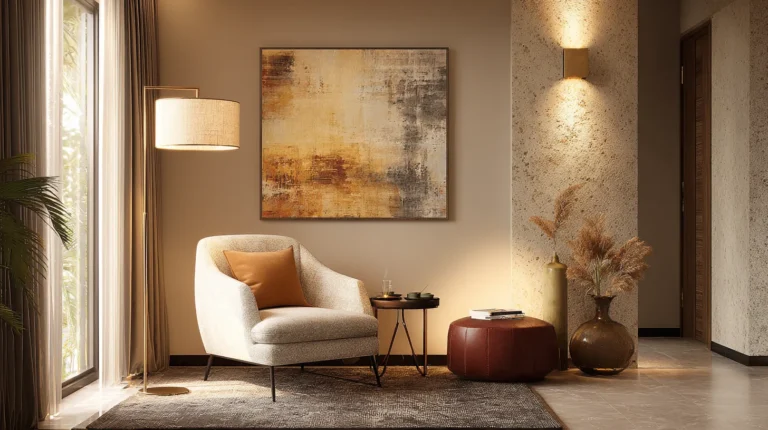
Accent lighting creates visual drama—highlighting artwork with picture lights, washing walls with uplighting, or emphasizing architectural details with LED strips. Color-tunable options let you shift moods without changing a single fixture.
The Power of Color-Changing and Tunable White
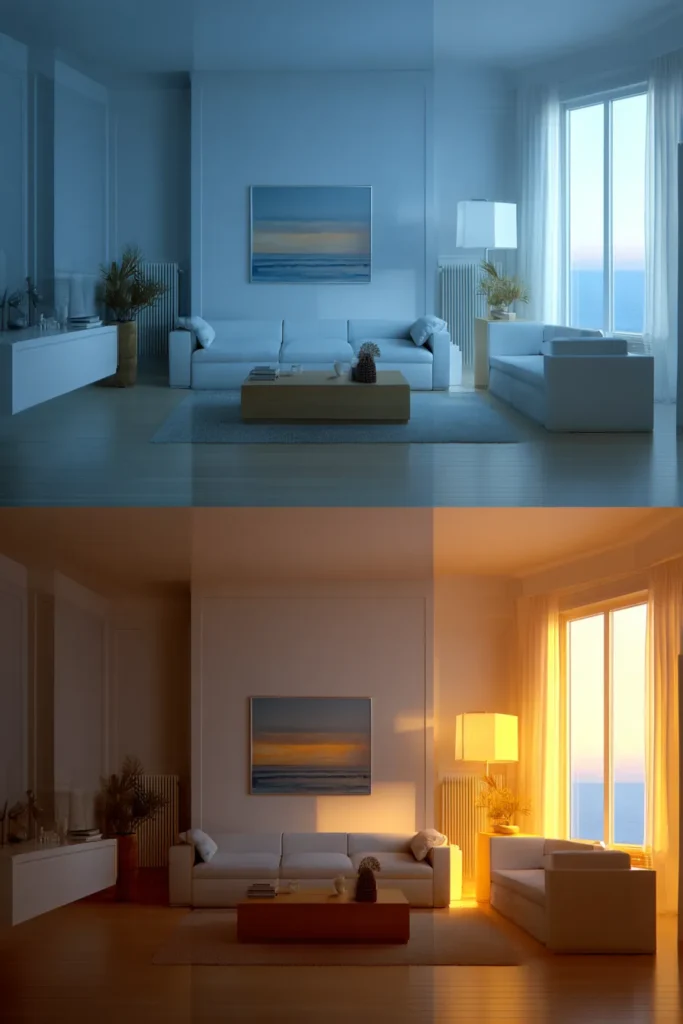
Color-changing bulbs offer more than rainbow effects for parties. Subtle color temperature adjustments throughout the day support your body’s natural circadian rhythms, potentially improving sleep quality and daytime alertness.
Morning scenes with cooler blue-white light (5000-6500K) signal awakeness and focus. Afternoon maintains neutral tones (3500-4500K) for balanced energy. Evening transitions to warm amber hues (2200-2700K) that encourage melatonin production.
Even if you never use saturated colors, tunable white capabilities provide this essential temperature range. The investment pays dividends in how you feel within your space, not just how it looks.
Energy Efficiency and Environmental Impact
LED technology already uses 75% less energy than incandescent bulbs, but smart features amplify these savings. Automated schedules ensure lights never stay on in empty rooms. Motion sensors can trigger minimal “pathway” lighting rather than full brightness when you pass through at night.
Most smart LED bulbs last 15,000-25,000 hours—potentially 15-20 years at typical usage rates. This longevity means fewer replacements, less waste, and reduced long-term costs despite higher initial investment.
Real-world savings: Replacing ten 60-watt incandescent bulbs with 10-watt smart LEDs saves approximately 500 watts per hour when all are on. Over a year, this represents about 150-200 kWh saved, translating to $20-30 annually depending on your electricity rates. The savings grow when you factor in reduced usage through automation.
Dimming also matters—running bulbs at 50% brightness uses more than 50% less energy due to the physics of LED operation. Your “relaxation” scenes don’t just feel better; they cost less to run.
Advanced Features: AI and Adaptive Intelligence
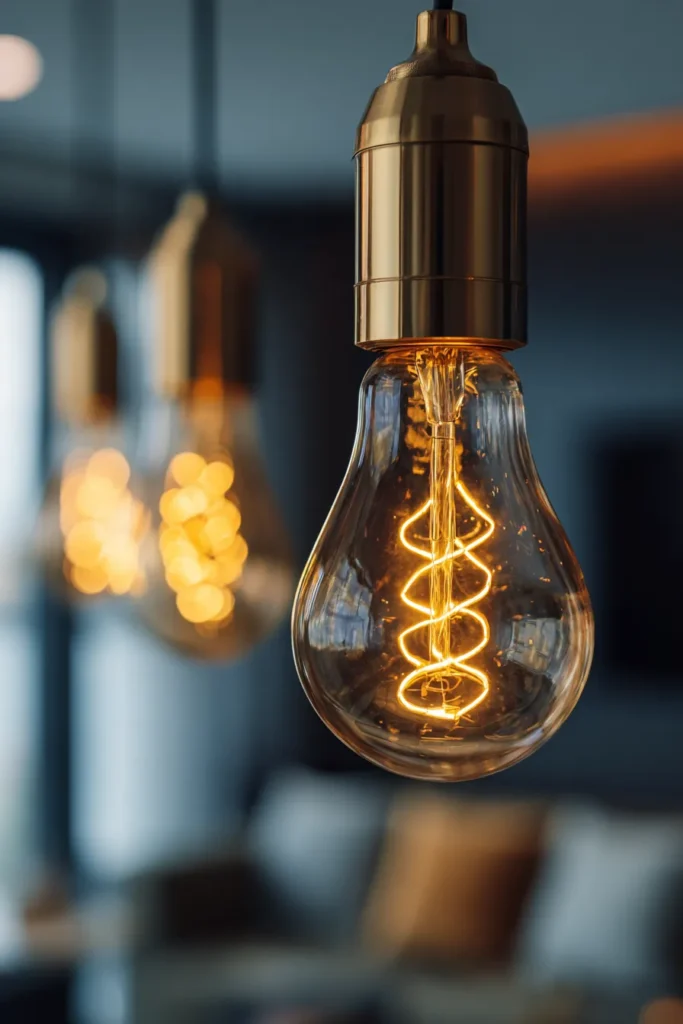
The latest smart lighting systems incorporate artificial intelligence that learns your patterns. Your lights might notice you typically dim the living room at 8 PM on weekdays, then offer to automate that routine. They track sunrise and sunset times, adjusting schedules as seasons change without requiring manual updates.
Presence detection through smartphone location or dedicated sensors means your living room can welcome you home before you reach for any switch. Lights turn on as you approach and turn off when everyone leaves—no scheduling required.
Adaptive color temperature adjusts automatically throughout the day, following circadian principles without manual scene changes. The system knows whether it’s morning, afternoon, or evening and shifts your white tones accordingly.
Some premium systems integrate with weather data, brightening on overcast days or adding extra warmth during cold snaps. Your lighting responds to external conditions, creating consistent comfort regardless of what’s happening outside your windows.
Troubleshooting and Maintenance Tips
Smart systems occasionally need attention, but most issues resolve quickly. Connectivity problems often stem from router distance or interference—moving your hub or adding a mesh network extender typically helps.
Bulbs not responding usually means they’ve fallen off your network. Power cycling (turning off and on three times slowly) often reconnects them. If not, remove and re-add the bulb through your app.
Delayed responses can indicate network congestion. Too many Wi-Fi devices competing for bandwidth slows everything down. Consider ZigBee or Z-Wave systems that operate on separate frequencies, or upgrade to a mesh router system.
Keep firmware updated through your system’s app—these updates improve stability, add features, and patch security vulnerabilities. Schedule updates during times you won’t need your lights, as bulbs may be temporarily unavailable during the process.
Clean smart bulbs gently with a dry cloth when dust accumulates. Avoid moisture, which can damage electronic components. Replace bulbs that flicker persistently, as this indicates failing components rather than connectivity issues.
Key Considerations for Living Room Smart Lighting
- Start with bulbs you control most frequently—overhead fixtures and main lamps provide the most immediate impact
- Choose one ecosystem (Google, Alexa, or Apple) and ensure all components are compatible before purchasing
- Plan for expansion by selecting systems with strong product ranges, allowing you to add bedrooms and other spaces later
- Consider smart switches for fixtures with multiple bulbs—controlling five candelabra bulbs individually gets expensive compared to one smart switch
- Test color temperature preferences before committing to dozens of bulbs; some people find certain whites harsh or overly warm
- Check return policies on starter kits, as different brands have distinct “feels” in their white light quality
- Budget for hidden costs like hubs, switches, additional sensors, and potential need for neutral wires in older homes
- Read actual user reviews focused on reliability and customer service, not just features and specifications
Bringing It All Together
Smart lighting transforms your living room from a static space into one that evolves with you. It responds to your mornings, supports your evenings, and adapts to every mood and moment in between. The technology fades into the background while the experience—warmth when you need it, brightness when you want it, automation that feels like home reading your mind—becomes simply how your space works.
The investment isn’t just in bulbs and bridges. It’s in mornings that start gently, evenings that wind down naturally, and a living room that always feels exactly right. It’s in energy savings that accumulate month after month and the small joy of controlling your entire room with a whisper or tap.
Your living room holds your life’s everyday moments—the book before bed, the movie with family, the quiet coffee in morning light. Smart lighting ensures each of these moments happens in exactly the right illumination, effortlessly and beautifully. That’s not just convenient technology. It’s home, elevated.
Frequently Asked Questions
What is the average cost to outfit a living room with smart lighting?
Basic smart lighting for a typical living room starts around $150-300, including a starter kit with hub and three to four bulbs. Mid-range setups with better color options and additional fixtures run $400-700. Premium whole-room systems with switches, sensors, and color-changing accent lighting can reach $1,000-1,500. Start small with high-impact fixtures and expand over time.
Do smart lights work during internet outages?
Most smart lighting systems retain basic functionality during internet outages. You can still use physical switches, wall keypads, and sometimes app control if you’re on the same local network. Voice assistants and remote access from outside your home won’t work. Pre-programmed automations and schedules typically continue running. Some Wi-Fi-only systems lose more functionality than hub-based ZigBee or Z-Wave alternatives.
Can smart lighting really improve sleep quality?
Research supports that tunable white lighting aligned with circadian rhythms can improve sleep onset and quality. Using cooler, brighter light during daytime hours and transitioning to warm, dimmer tones in evening signals your body’s natural wake-sleep cycle. The impact varies by individual, but many users report feeling more naturally tired at bedtime and more alert in mornings after implementing circadian lighting routines.
How secure are smart lighting systems from hacking?
Reputable smart lighting systems use encryption and regular security updates to protect against unauthorized access. Hub-based systems like those using ZigBee or Z-Wave operate on separate networks from your main internet, adding a security layer. Keep firmware updated, use strong unique passwords, and enable two-factor authentication where available. The risk to smart lighting specifically is relatively low—hackers target more valuable data than light switches.
What happens to my smart lights when I move or want to upgrade?
Most smart bulbs simply unscrew and move with you to your next home. Wall-mounted switches and permanent fixtures require more careful removal to avoid electrical work charges from landlords. Cloud-based systems typically let you create new “homes” in the app and reassign devices. When upgrading, many systems allow mixing old and new products, though newer features may not work with older bulbs. Always check compatibility before major purchases.