
Table of Contents
The way light falls in your home changes everything. It softens corners, warms surfaces, and turns ordinary moments into something worth lingering in.
As we move through 2025, pendant lighting has evolved beyond simple function. These suspended sculptures now balance beauty with purpose, blending natural materials, smart technology, and artisan craftsmanship into designs that feel both grounded and elevated.
Whether you’re reimagining your kitchen island, brightening a reading nook, or adding soul to your dining room, the right pendant light becomes more than illumination—it becomes the quiet heartbeat of your space. Let’s explore what’s shaping pendant lighting this year, and how you can bring these trends home with warmth and intention.
The Philosophy Behind 2025’s Lighting Evolution
This year’s pendant light trends aren’t chasing novelty—they’re returning to something deeper. There’s a collective shift toward pieces that honor both craft and conscience, designs that tell stories through texture and form.
You’ll notice a move away from overly minimalist, cold fixtures toward lighting that invites touch and warmth. Think smoked glass that catches afternoon light, raw ceramic that bears the maker’s hand, and linen shades that diffuse glow like early morning fog.
Sustainability meets style in ways that finally feel effortless. Manufacturers are embracing recyclable materials, energy-efficient LED technology, and timeless designs meant to last decades rather than seasons. This is lighting as investment, not impulse.
Seven Must-Have Pendant Light Designs for 2025
Minimalist Pendants with Presence
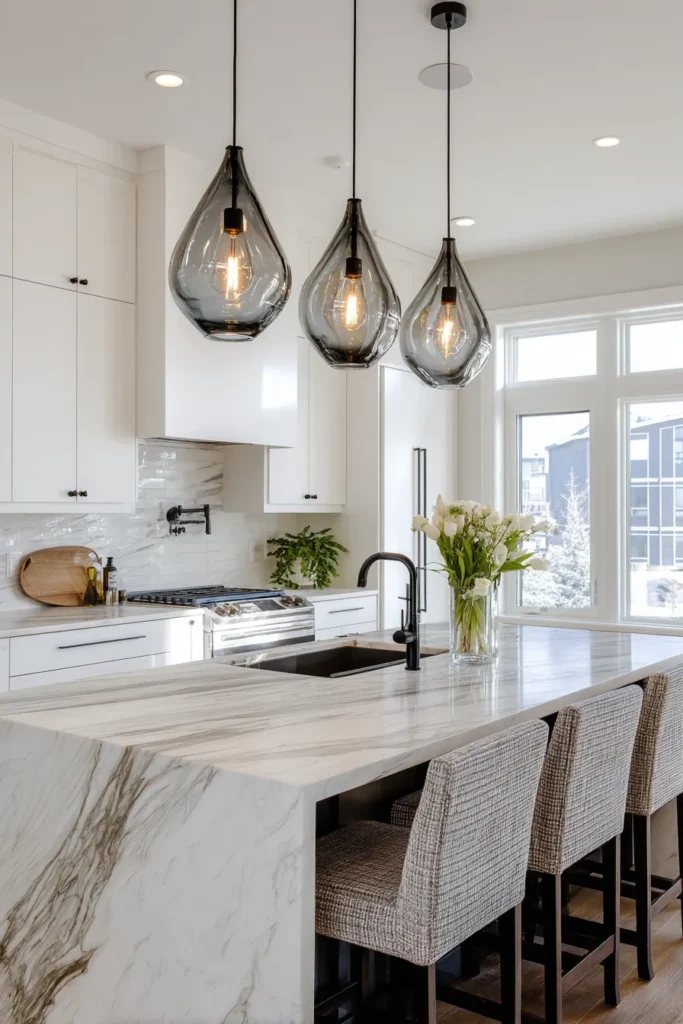
Simplicity doesn’t mean sparse. The minimalist pendants gaining ground this year have refined silhouettes—clean spheres, gentle cones, slender cylinders—but they’re made extraordinary through material choice.
Look for smoked glass in charcoal or amber tones that add depth without heaviness. Matte black metal in brushed or powder-coated finishes brings quiet sophistication. These work beautifully over kitchen islands or clustered at varying heights in entryways.
Placement tip: Hang minimalist pendants 30-36 inches above countertops or dining tables to create intimate pools of light without overwhelming the space.
Art Deco Revival Pendants
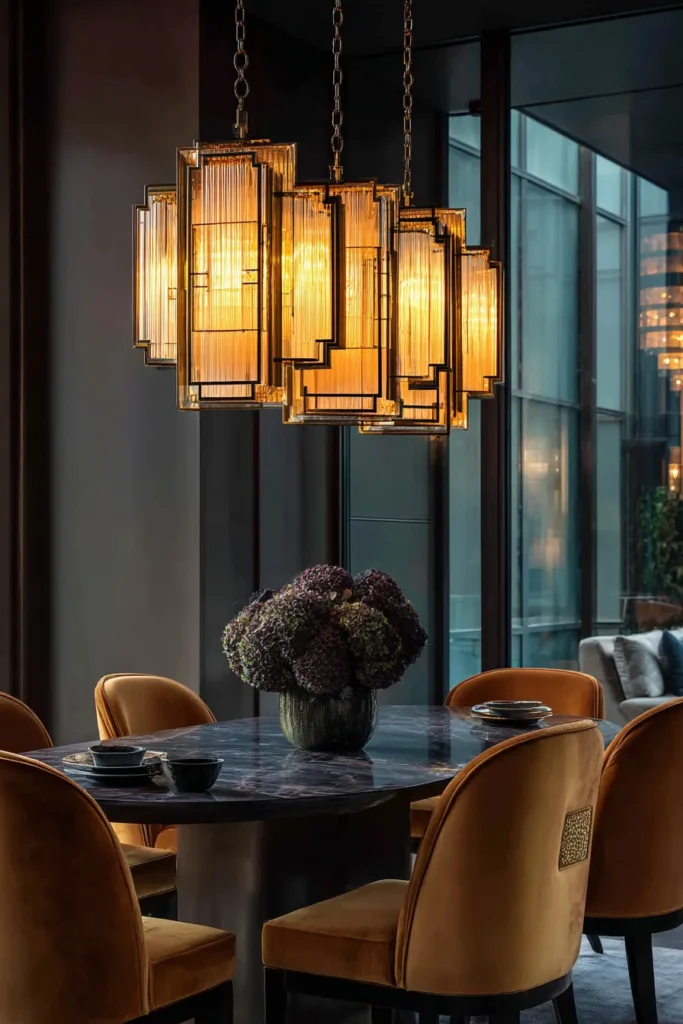
There’s romance in geometry. Art deco-inspired pendants bring back the glamour of the 1920s through fluted glass, stepped metalwork, and symmetrical patterns that catch light like cut crystal.
These fixtures work especially well in dining rooms or bedroom reading corners where you want drama without darkness. Golden brass finishes are particularly popular, offering warmth that complements both modern and traditional interiors.
Consider pairing art deco pendants with velvet textures and deep jewel tones in your décor for a cohesive, elevated feel.
Mushroom-Shaped Pendants
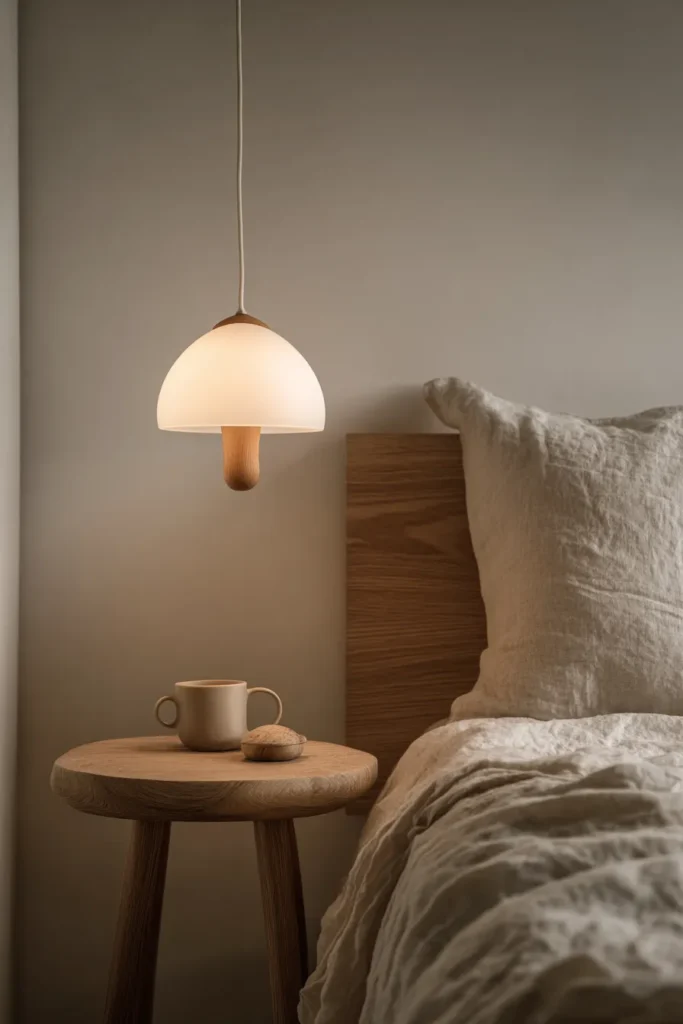
Soft, organic, unexpectedly whimsical—mushroom pendants have emerged as the sculptural darlings of 2025. Their rounded caps and gentle curves create ambient lighting that feels protective and cozy.
Available in materials ranging from opal glass to ceramic to sustainable bamboo, these pendants soften contemporary spaces beautifully. They’re ideal for bedrooms, breakfast nooks, or any corner where you want lighting that feels nurturing rather than stark.
The downward-focused light from mushroom shapes makes them perfect for task areas while their sculptural form keeps them interesting even when switched off.
Wabi-Sabi Ceramic Pendants
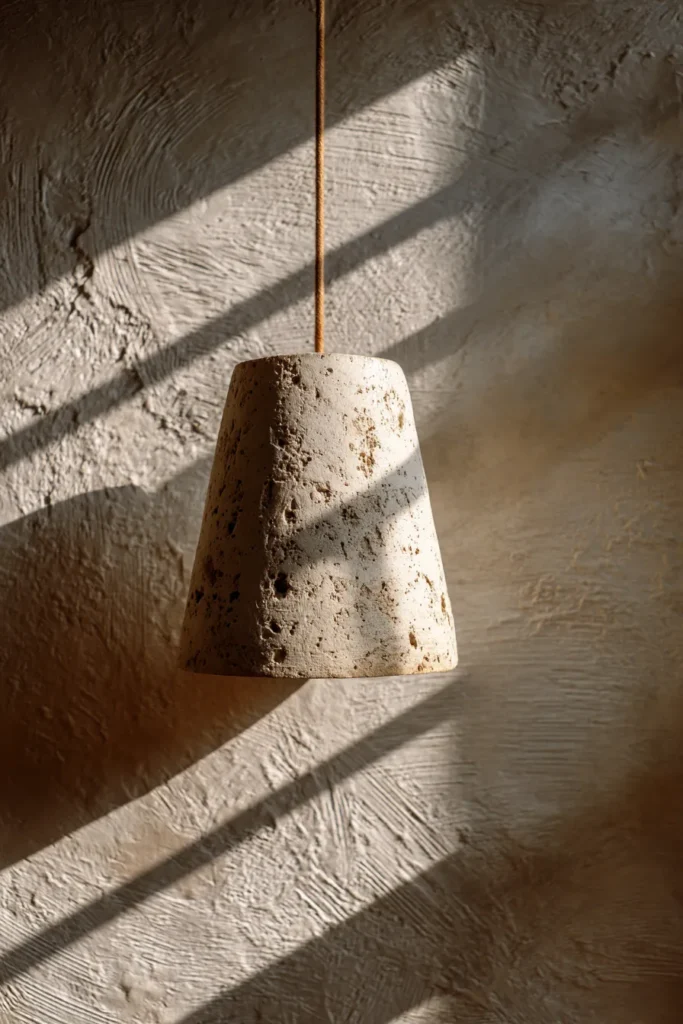
Imperfection as intention—that’s the heart of wabi-sabi philosophy in lighting design. These raw ceramic pendants embrace irregular surfaces, visible glaze drips, and hand-formed asymmetry.
Each piece feels singular, made rather than manufactured. The textured surfaces create beautiful shadow play on walls and ceilings, adding dimension to your lighting scheme. Natural clay tones—from pale sand to deep terracotta—ground spaces in earthy warmth.
Care tip: Dust ceramic pendants gently with a soft, dry cloth. Their unglazed surfaces can be porous, so avoid chemical cleaners that might stain or alter their natural patina.
Reimagined Industrial Pendants
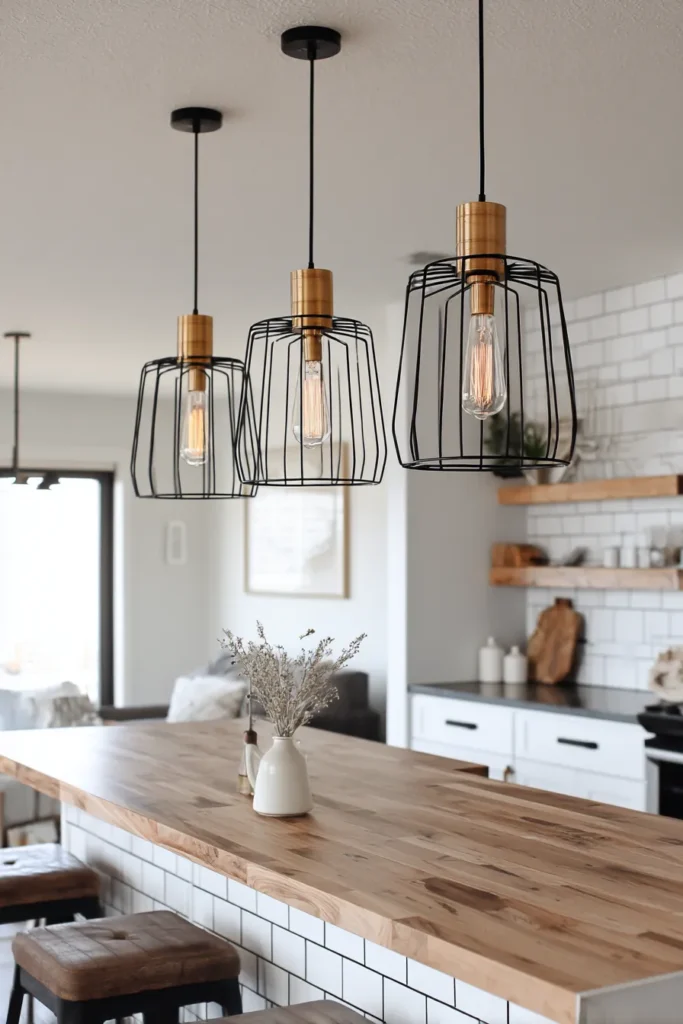
Industrial lighting has shed its warehouse harshness. Today’s versions retain the iconic cage or exposed bulb aesthetic but soften it with warmer metals, rounded edges, and thoughtful proportions.
Matte black metal dominates, often combined with warm brass or copper accents. These work brilliantly in kitchens, home offices, or dining areas where you want character without overwhelming coziness.
Look for designs with vintage-style LED bulbs—you get the amber glow and classic filament look with a fraction of the energy consumption.
Smart Modern Pendants
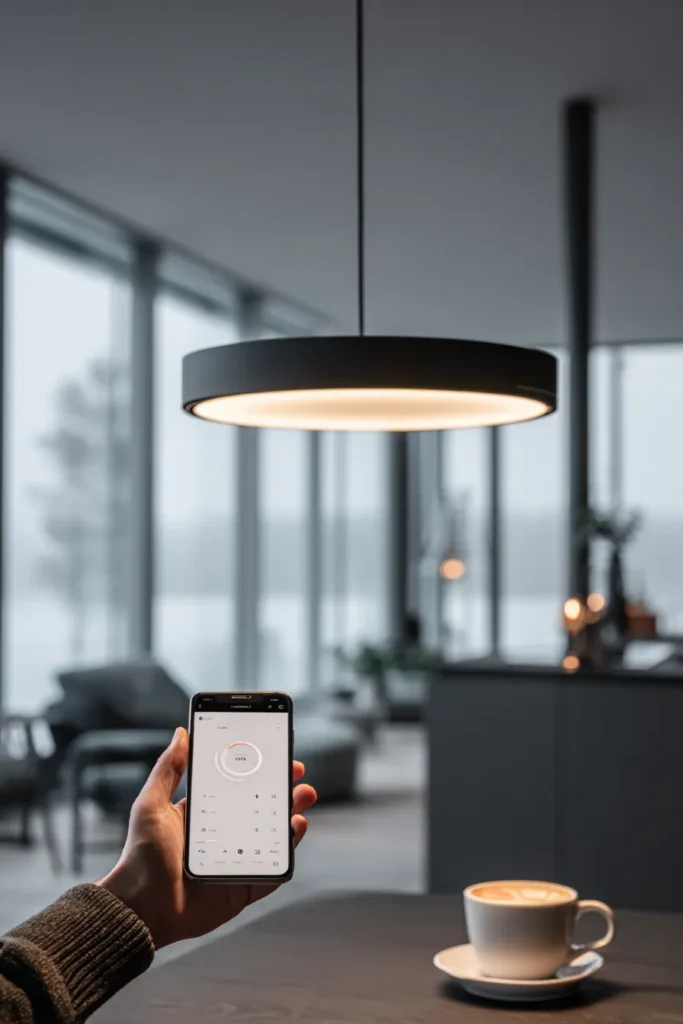
Technology and beauty have finally found their balance. Smart pendant lights now integrate seamlessly into home automation systems while maintaining elegant, unobtrusive design.
Control brightness, color temperature, and scheduling through apps or voice commands. Dim lights for dinner, brighten for morning coffee, shift to warmer tones as evening approaches—all without touching a switch.
Beyond convenience, smart pendants offer energy monitoring and automated shutoff, contributing to sustainable living practices. Many models feature color temperature controls from energizing daylight (5000K) to relaxing warm white (2700K), supporting your circadian rhythm naturally.
Vintage Rattan and Natural Material Pendants
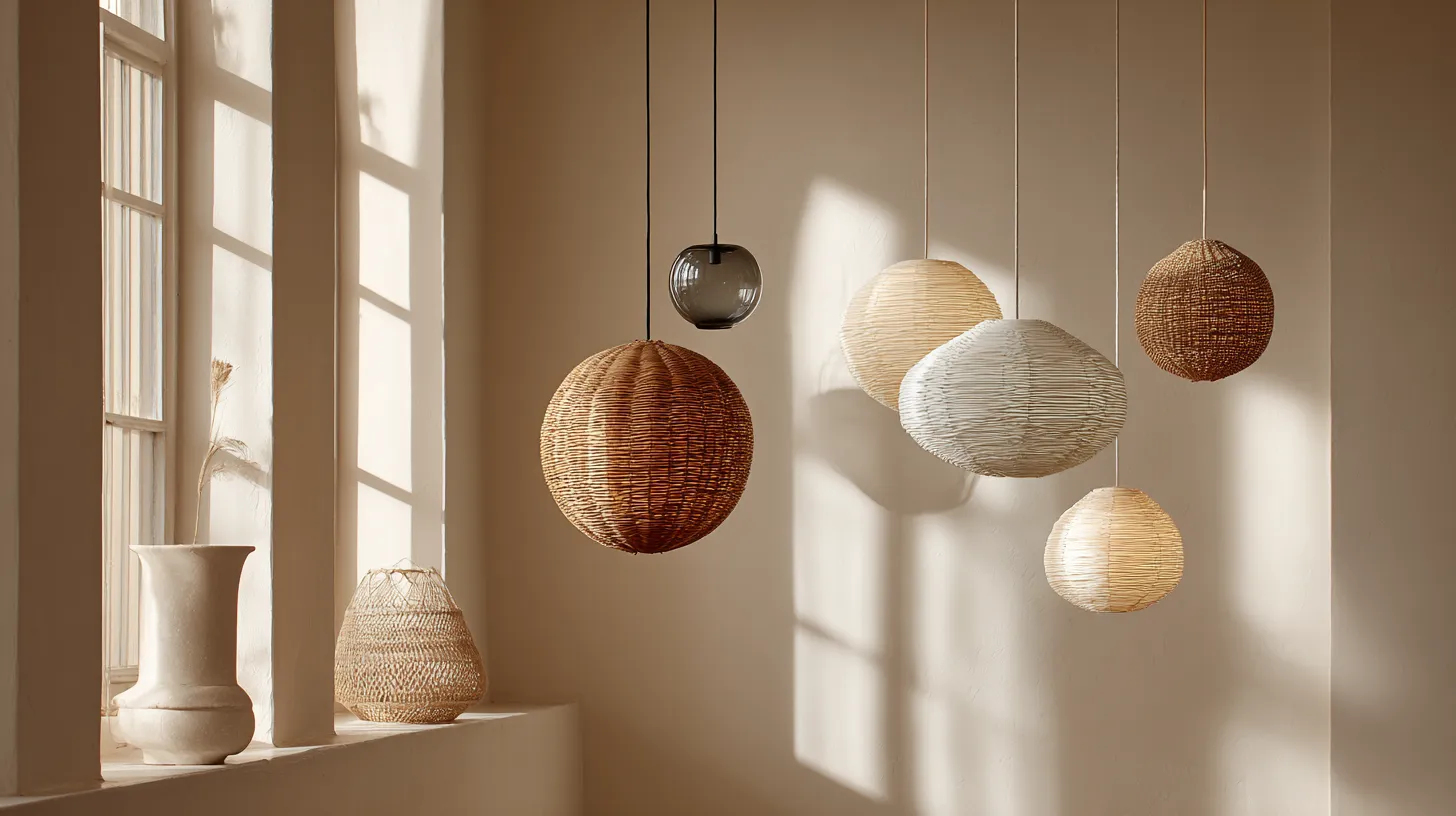
Natural materials bring instant warmth and texture. Rattan, woven bamboo, jute, and linen pendants create organic visual interest while diffusing light softly.
These pieces nod to vintage coastal and bohemian styles but feel fresh when paired with contemporary furnishings. The woven patterns cast intricate shadows, turning your ceiling into subtle artwork after dark.
Sustainability note: Look for pendants made from fast-growing, renewable materials like bamboo or recycled rattan. Many artisan brands now prioritize fair-trade practices and natural dyes, letting you light your home with clear conscience.
Emerging Trends: What’s Fading and What’s Rising
Out: Fast Fashion Lighting
The era of disposable décor is ending. Consumers increasingly reject cheap fixtures designed to break within seasons, favoring instead long-lasting, durable designs built for decades of use.
This shift supports both environmental responsibility and budget wisdom—quality pieces cost more initially but eliminate replacement cycles.
In: Bold, Expressive Lighting
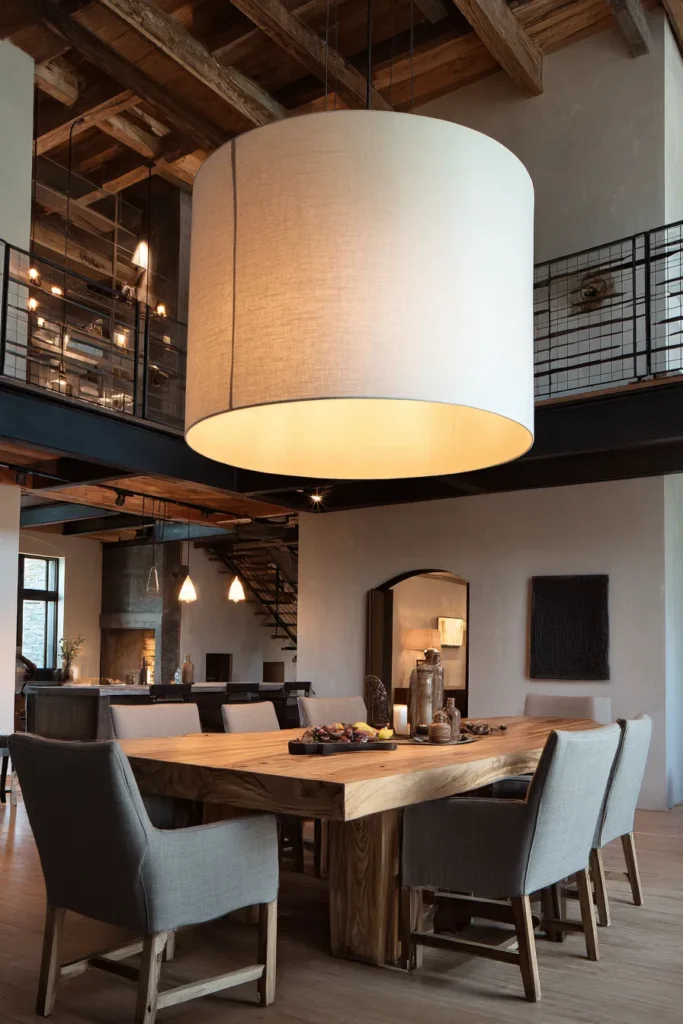
Muted, forgettable fixtures are giving way to pendants with personality. Think oversized statement pieces, unexpected color pops (deep emerald, burnt orange, midnight blue), and sculptural forms that command attention.
XXL linen pendants exemplify this trend—large-scale shades in natural fabrics that anchor rooms with soft presence. These work beautifully in double-height spaces or above large dining tables where you need visual weight without hardness.
Out: Excess Minimalism
While clean design remains relevant, the austere, cold minimalism of recent years feels too sterile. People crave warmth, texture, and character in their lighting choices.
In: Textured, Warm Lighting
Pendants with tactile appeal—hammered metal, ribbed glass, woven fibers—create visual richness and emotional warmth. These fixtures invite you to pause and notice, adding soul to everyday spaces.
Materials like alabaster diffuse light beautifully while adding luxury through natural stone veining. Each piece becomes unique, with light revealing different patterns and depths.
Choosing the Right Pendant Light for Your Space
Kitchen Islands and Dining Tables
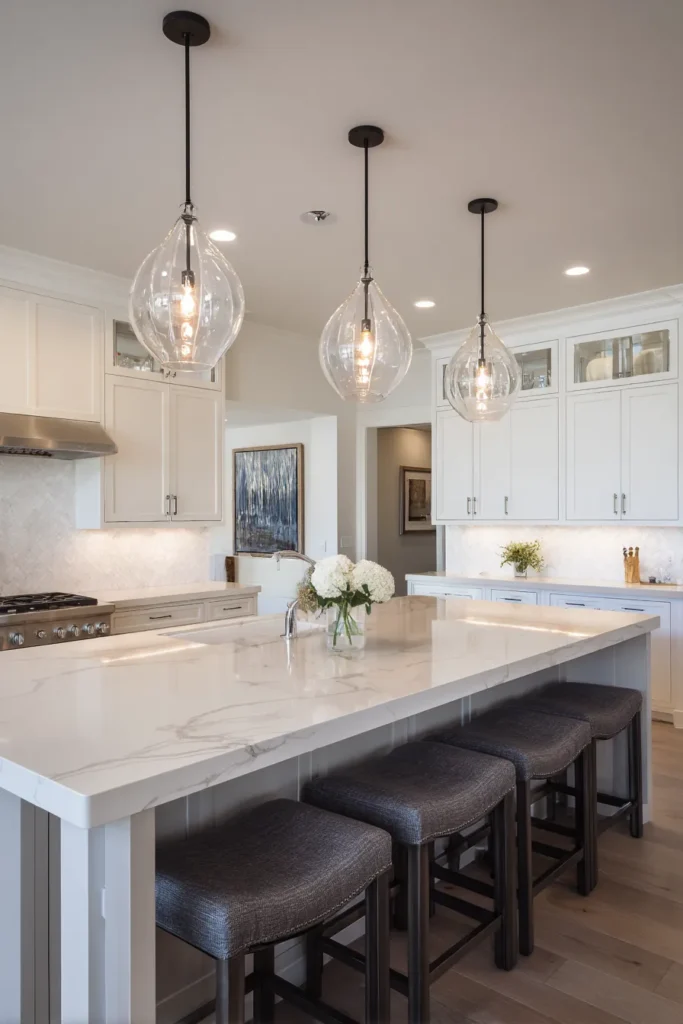
These high-traffic areas need both adequate illumination and visual balance. For kitchen islands, consider spacing multiple pendants 24-30 inches apart, with each fixture proportioned to your island’s scale.
Rule of thumb: Your pendant’s width should be roughly one-third to one-half the width of your table or island section. Three medium pendants often work better than one oversized fixture.
Choose materials that handle kitchen humidity and occasional splashes—glass, metal, and glazed ceramic clean easily and resist moisture damage.
Entryways and Foyers
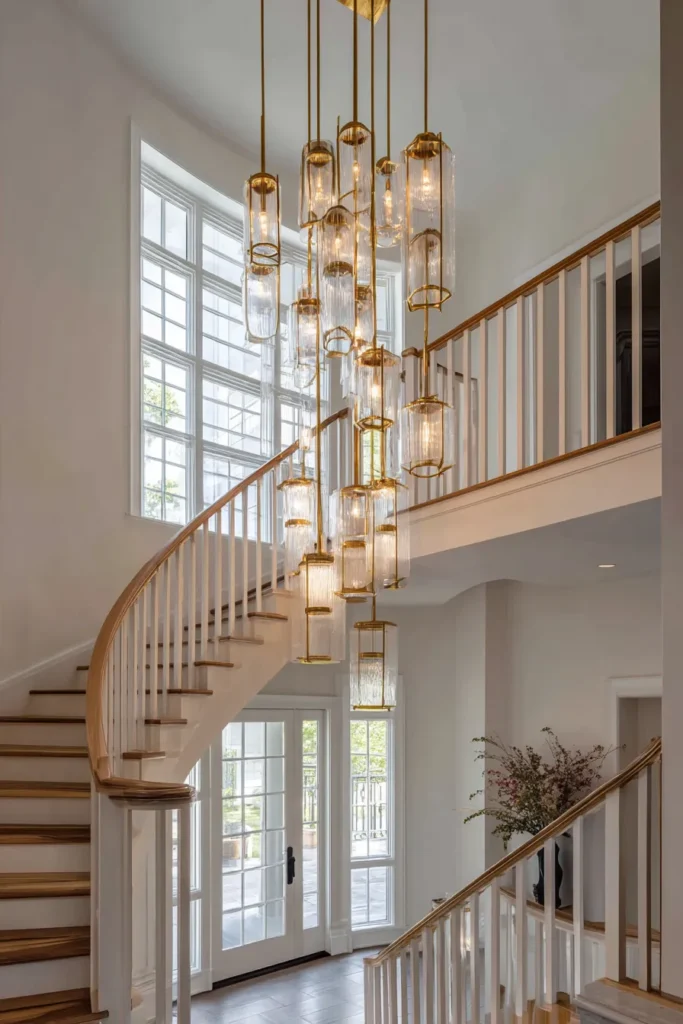
First impressions start with light. Statement pendants in entryways set your home’s tone, so embrace drama here.
Consider ceiling height carefully—allow at least 7 feet of clearance below the fixture for safe passage. In two-story foyers, a substantial pendant or chandelier-style fixture fills vertical space beautifully without overwhelming sightlines.
Bedrooms and Reading Nooks
Softer, warmer lighting creates sanctuary. Mushroom pendants, linen shades, or wabi-sabi ceramics work wonderfully beside beds or in cozy corners.
Install dimmer switches to adjust brightness for different moods—brighter for getting ready, softer for unwinding. Smart pendants excel here, letting you program lighting schedules that support healthy sleep patterns.
Small Spaces
Pendant lights actually work beautifully in compact rooms, drawing the eye upward and creating the illusion of height. Choose slender profiles in transparent or translucent materials that don’t visually clutter.
Single statement pendants work better than multiple fixtures in very small spaces, preventing a crowded feeling while still delivering ample light.
Smart Integration: Beyond Basic Voice Control
Modern smart pendant lights offer surprisingly sophisticated features that enhance daily living without complication.
Scene programming lets you save favorite lighting settings—”Morning Coffee” at 100% brightness and cool temperature, “Dinner Party” at 60% with warm amber tones—and activate them instantly. Some systems learn your patterns, automatically adjusting based on time of day or room occupancy.
Circadian lighting adjusts color temperature throughout the day, supporting your body’s natural rhythms. Cooler, energizing light in morning hours gradually warms as evening approaches, promoting better sleep quality.
Integration with other smart home devices creates seamless experiences. Link pendants to motion sensors for hands-free operation when carrying groceries, or sync them with your security system for away-from-home lighting schedules that deter intruders.
Budget consideration: Smart capabilities don’t require expensive fixtures. Many smart bulbs fit standard pendant sockets, bringing advanced features to existing lights for $20-50 per bulb.
Sustainability in Pendant Lighting: Materials and Energy
Eco-Friendly Materials
The most sustainable pendant is one that lasts. Look for fixtures made from:
- Recycled metals (aluminum, steel, brass) that can be endlessly reprocessed
- Reclaimed wood from responsibly sourced or salvaged timber
- Natural fibers like organic cotton, hemp, or sustainably harvested rattan
- Recycled glass that reduces raw material extraction
- Biodegradable materials such as cork or paper-based composites
Many artisan brands now publish material sourcing information, letting you verify sustainability claims before purchasing.
Energy Efficiency
LED technology has revolutionized lighting efficiency. Modern LEDs use 75% less energy than incandescent bulbs and last 25 times longer, dramatically reducing both electricity bills and replacement waste.
Look for Energy Star certified fixtures or bulbs that meet strict efficiency standards. Pay attention to lumens (brightness) rather than watts—you might need only 800 lumens (equivalent to a 60-watt incandescent) where you once used higher wattage.
Color Rendering Index (CRI) matters for quality lighting. Choose LEDs with CRI of 90+ to ensure colors appear natural and vibrant, not flat or distorted.
Maintenance and Care Tips by Material
Glass Pendants
Dust regularly with microfiber cloths to prevent buildup. For deeper cleaning, use glass cleaner or a vinegar-water solution, supporting the fixture from below while cleaning to avoid stress on mounting hardware.
Smoked or tinted glass shows fingerprints less readily than clear glass, making them more forgiving in high-traffic areas.
Metal Pendants
Brass and copper develop natural patina over time—embrace this aged beauty or polish with appropriate metal cleaners to maintain shine. Matte black finishes hide dust well but may show scratches, so clean gently with damp cloths rather than abrasive materials.
Natural Fiber Pendants
Rattan, bamboo, and linen attract dust due to textured surfaces. Use soft brush attachments on low vacuum settings to clean woven patterns without damage. Avoid water or chemical cleaners that might stain or weaken natural fibers.
Rotate fixtures occasionally if sunlight exposure is uneven—natural materials can fade or discolor with time, and rotation helps aging appear uniform.
Ceramic Pendants
Glazed ceramics wipe clean easily with damp cloths. Unglazed or matte-finish ceramics are more porous—stick to dry dusting or very lightly dampened cloths, and avoid soaking or harsh chemicals.
Budget-Friendly Ways to Embrace 2025 Trends
You don’t need designer price tags to capture this year’s lighting aesthetic.
Mix high and low: Invest in one statement pendant for your most visible space, then complement with affordable versions in secondary rooms. Many mid-range brands now offer excellent craftsmanship at accessible prices.
DIY updates: Convert existing pendants with new shades or cages. Swap outdated glass for linen shades, or add woven baskets (properly fire-rated) for instant natural texture.
Smart bulbs first: Before replacing entire fixtures, try smart LED bulbs in existing pendants. You’ll gain dimming, color temperature control, and automation for a fraction of new fixture costs.
Secondhand treasures: Vintage shops and online marketplaces offer authentic mid-century and industrial pendants at bargain prices. A good cleaning and rewiring (by a qualified electrician) can yield stunning, unique pieces.
Artisan alternatives: Support independent makers on platforms like Etsy who create handcrafted pendants with character and quality comparable to high-end brands, often at lower prices.
Mixing Pendant Styles: Creating Cohesive Eclecticism
The most interesting homes blend styles with confidence. Don’t feel constrained to one aesthetic throughout your space.
Bridge styles through materials or finish: Use brass accents across different pendant designs to create subtle connection. Or maintain a consistent color temperature in all bulbs even when fixture styles vary.
Vary scale and placement: Pair a bold statement pendant in your dining room with smaller, simpler pendants in the adjacent kitchen. The contrast creates visual interest while each fixture suits its specific function.
Honor your home’s architecture: Let your structure guide choices. Industrial pendants feel natural in converted lofts with exposed brick, while wabi-sabi ceramics complement plaster walls and natural wood beams beautifully.
Trust your instincts: If a pendant makes you pause with appreciation, it likely belongs in your home regardless of trending rules. Personal connection matters more than perfect adherence to any design doctrine.
Key Takeaways: Your 2025 Pendant Lighting Checklist
- Embrace natural materials: Rattan, linen, ceramic, and alabaster bring warmth and texture that pure minimalism lacks
- Prioritize sustainability: Choose LED technology, recyclable materials, and timeless designs built to last
- Consider smart features: Dimming, color temperature control, and automation enhance comfort and energy efficiency
- Scale matters: Pendant size should complement room proportions—one-third to one-half the width of tables or islands
- Placement guidelines: Hang 30-36 inches above work surfaces, maintain 7 feet clearance below in walkways
- Mix materials and styles: Create visual interest through thoughtful eclecticism rather than rigid uniformity
- Maintenance counts: Regular gentle cleaning extends fixture life and maintains beauty across all materials
- Budget wisely: Invest in statement pieces for main spaces, use smart bulbs and DIY updates for affordable trend adoption
Bringing It All Home
Light is the invisible architecture of comfort. It shapes how we move through rooms, how we gather around tables, how we settle into evening quiet.
The pendant lights you choose become witnesses to your daily rituals—morning coffee in gentle glow, dinner conversation under warm amber, late-night reading in focused pools of brightness. They’re not just decorative objects but active participants in your home’s story.
As you consider these 2025 trends, remember that the best lighting choice isn’t the most fashionable—it’s the one that makes your specific space feel most like home. Trust the fixtures that draw your hand, the materials that invite touch, the light quality that makes you sigh with contentment.
Your home deserves lighting that honors both function and soul. Take your time, choose with intention, and let every pendant you install be a small celebration of beauty made useful.
Frequently Asked Questions
Are pendant lights still in style for 2025?
Absolutely. Pendant lights remain timeless precisely because they balance function with artistry. This year’s trends emphasize quality over trendiness, with designs in natural materials, smart technology, and sustainable construction ensuring pendants stay relevant for decades. Rather than fading, pendant lighting is evolving toward more thoughtful, character-rich expressions.
How do I choose the right size pendant light for my space?
Start with your surface dimensions. For dining tables and kitchen islands, select pendants that are one-third to one-half the width of the surface. For rooms, add the length and width in feet, then convert the total to inches to determine the ideal chandelier or pendant diameter — for example, a 12′ x 14′ room suggests a 26″ diameter fixture. Always check the ceiling height, keeping at least 7 feet of clearance below the light.
What’s the difference between warm and cool pendant lighting, and which should I choose?
Color temperature determines mood. Warm white (2700-3000K) creates cozy, relaxing atmospheres perfect for dining rooms, bedrooms, and living spaces. Cool white (3500-4500K) offers energizing, focused light ideal for kitchens, home offices, and task areas. Many smart pendants let you adjust temperature throughout the day, supporting both productivity and relaxation.
Are smart pendant lights worth the investment?
For many homeowners, yes. Smart pendants offer convenience (voice control, app scheduling), energy savings (automated shutoff, dimming), and wellness benefits (circadian lighting that supports sleep). If you value customization and integration with other smart home devices, the added cost pays dividends in daily comfort. Budget-conscious shoppers can start with smart bulbs in standard pendants for similar features at lower cost.
How do I maintain pendant lights made from natural materials?
Natural materials need gentle care. Dust rattan and bamboo pendants with soft brush attachments or microfiber cloths, avoiding water that might damage fibers. Linen shades can be lightly vacuumed on low settings. Ceramic pendants wipe clean easily when glazed; unglazed versions require dry dusting only. Rotate fixtures in bright sunlight to prevent uneven fading, and always avoid harsh chemical cleaners that might stain or weaken natural materials.