

Table of Contents
There’s something almost magical about the way light transforms a space. Not just any light — but the kind that feels intentional, soft, and perfectly placed. The kind that makes you pause in your doorway and breathe a little deeper.
LED strip lighting has become the quiet hero of modern interior design. It doesn’t demand attention like a chandelier. Instead, it creates atmosphere, defines architecture, and adds warmth to corners that never quite felt finished before.
Whether you’re redesigning a single room or reimagining your entire home, LED strips offer endless possibilities. They’re adaptable, energy-efficient, and surprisingly simple to work with. And when done right, they give your space that elevated, contemporary feel that whispers rather than shouts.
Let’s explore how to bring this transformative lighting into your home with intention and style.
Why LED Strip Lighting Works for Modern Spaces
Modern design is about clean lines, intentional choices, and creating mood without clutter. LED strips align perfectly with this philosophy.
Unlike traditional fixtures that can feel heavy or dated, LED strips disappear into your architecture. They illuminate without being seen, creating ambiance that feels natural and effortless. The result is a space that glows from within rather than being lit from above.
They’re also remarkably practical. Energy-efficient and long-lasting, LED strips reduce your environmental footprint while lowering electricity costs. Many modern options integrate with smart home systems, allowing you to adjust brightness and color with your voice or smartphone. This combination of beauty and function is exactly what contemporary living spaces need.
Creative LED Strip Lighting Ideas for Every Room
Living Room Brilliance
Your living room is where life happens — conversations, movie nights, quiet mornings with coffee. The lighting should adapt to these shifting moods.
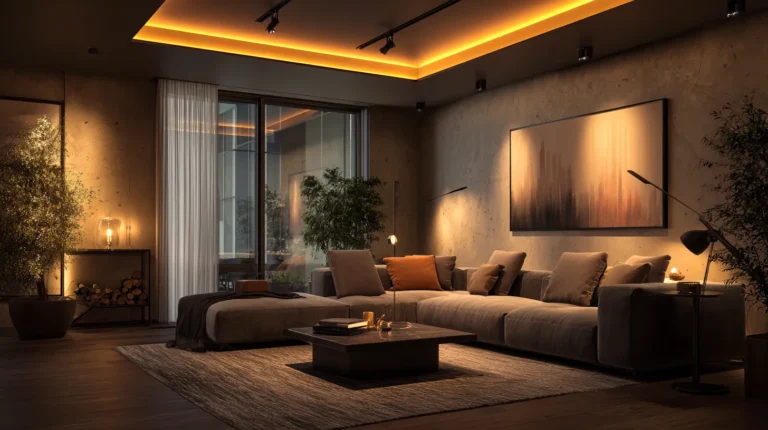
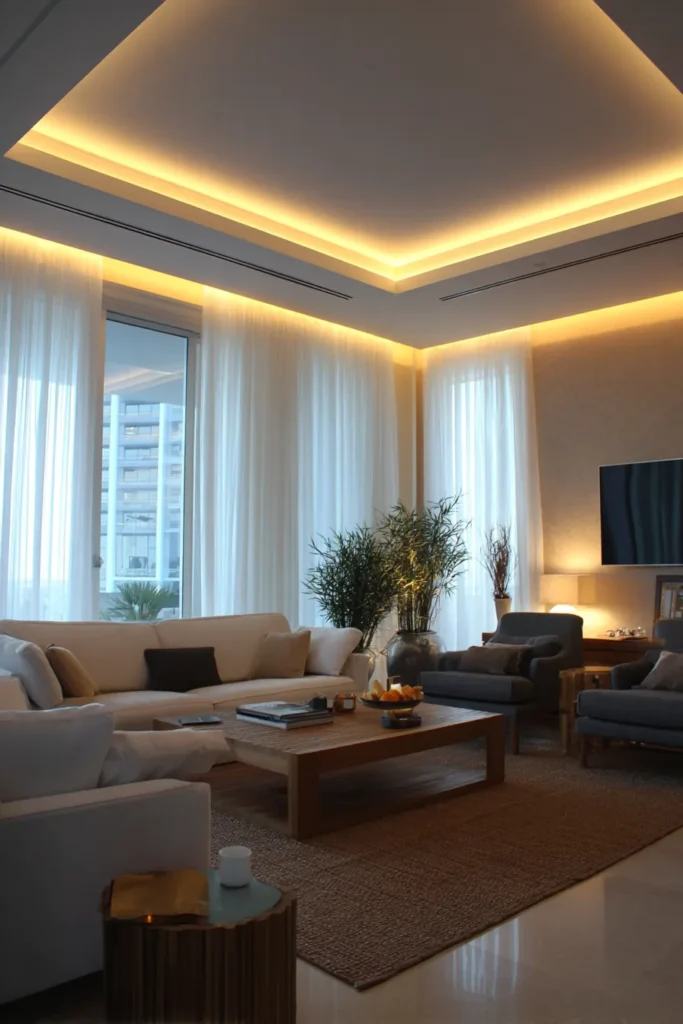
Cove lighting along the ceiling’s perimeter creates an ambient glow that makes the room feel larger and more inviting. Install LED strips in the recessed space where wall meets ceiling, and watch how the indirect light softens the entire atmosphere. Choose warm white for cozy evenings or dimmable options that adjust throughout the day.
Behind the television is another transformative spot. A gentle backlight reduces eye strain during movie marathons while adding a sophisticated, cinema-quality feel. The ambient glow creates depth and makes the TV appear to float against the wall — a subtle detail that elevates the entire viewing experience.

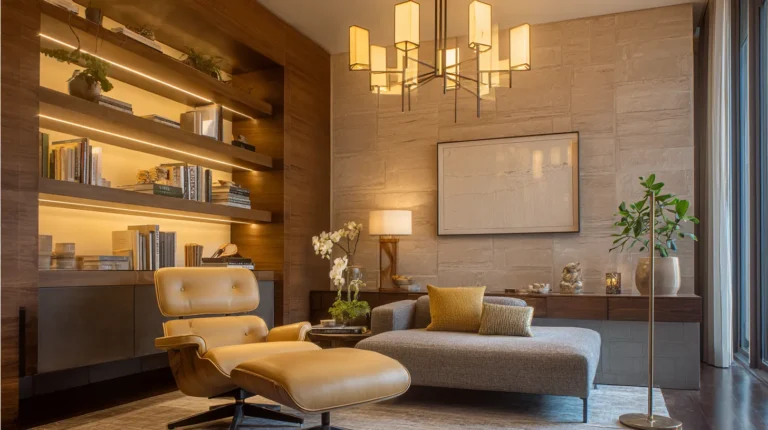
Bookshelf accent lighting turns your collection into an art installation. Run LED strips along the back or underside of shelves to highlight your favorite books, plants, and decorative objects. This creates visual interest and makes evening reading sessions feel especially intimate.
Kitchen Transformation
The kitchen deserves lighting that’s both functional and atmospheric. LED strips excel at both.
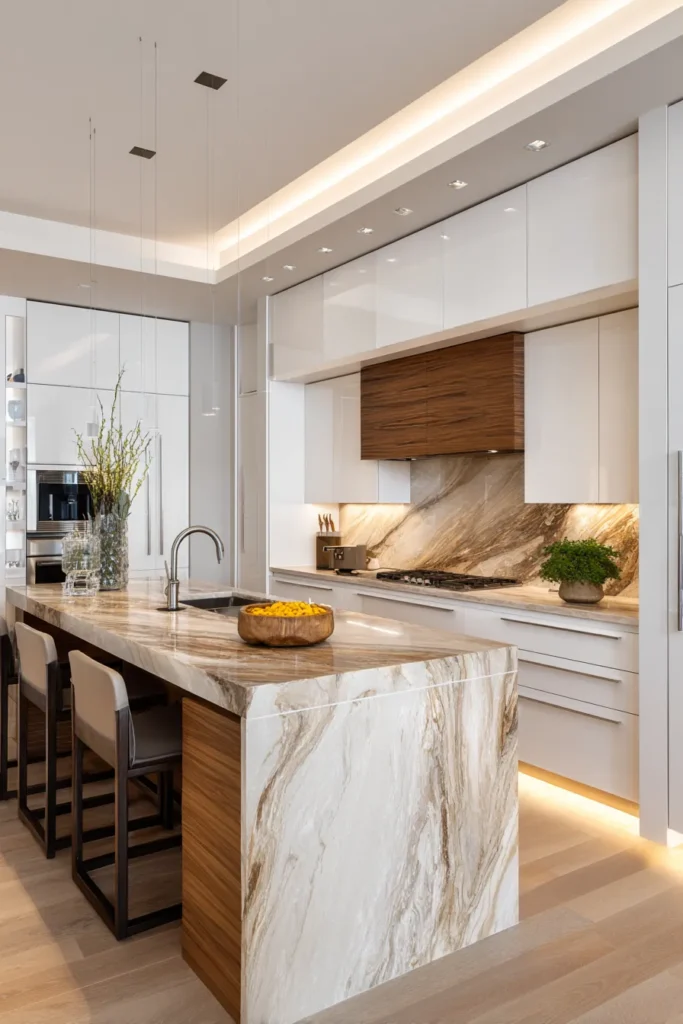
Under-cabinet lighting is perhaps the most practical application. Install strips beneath upper cabinets to illuminate countertops without harsh overhead glare. This makes food preparation safer and more enjoyable while creating a warm, welcoming glow that invites people to gather.
Consider color-changing strips in modern kitchens with minimalist cabinetry. Set them to warm tones during dinner preparation, cool whites for detailed cooking tasks, or even subtle colors during evening entertaining. The versatility transforms your kitchen from purely functional to truly experiential.
Inside glass-front cabinets, LED strips showcase your dishware and glassware like gallery pieces. The gentle illumination creates a spa-like atmosphere that feels luxurious without being over-designed.
Bedroom Serenity
Bedrooms should feel like sanctuaries. LED strip lighting creates this sense of retreat beautifully.
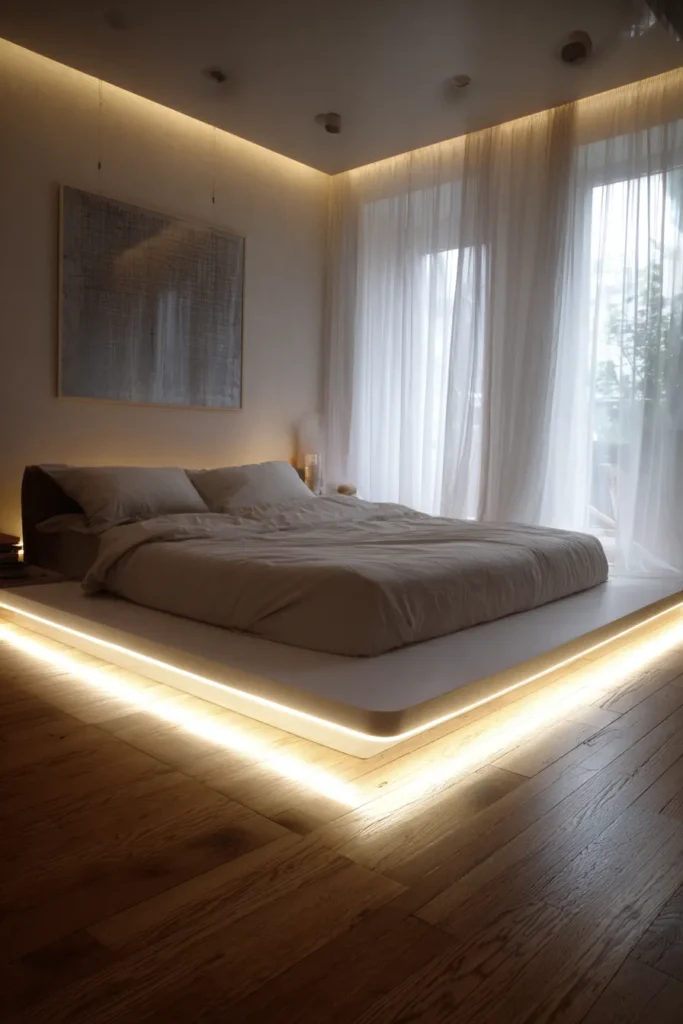
The floating bed effect has become iconic in modern bedroom design. Mount LED strips underneath your bed frame so light pools gently on the floor below. This creates the illusion that your bed hovers, adding architectural drama while providing soft navigation lighting for nighttime movements.
Behind the headboard offers another layer of ambient light. The indirect glow creates depth and makes the bed feel like a focal point without harsh bedside lamps. Choose warm white tones that promote relaxation rather than disrupting your sleep cycle.
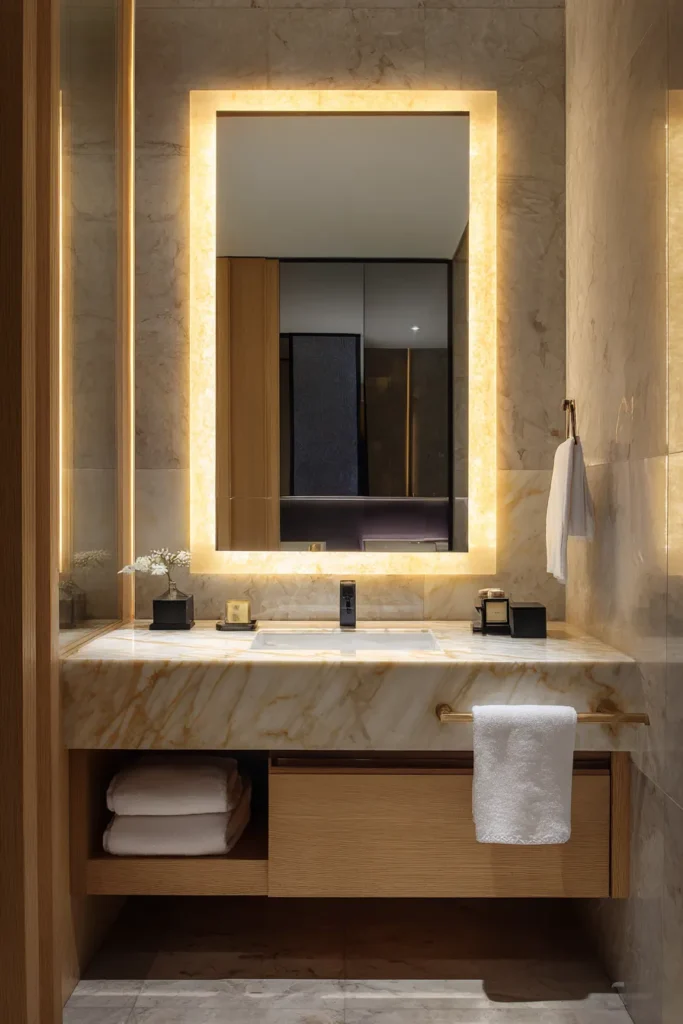
Around mirrors or vanity areas brings Hollywood-style elegance to your morning routine. The even illumination eliminates shadows and makes getting ready feel special rather than rushed.
Bathroom Elegance
Bathrooms benefit immensely from thoughtful LED strip placement that creates spa-like serenity.
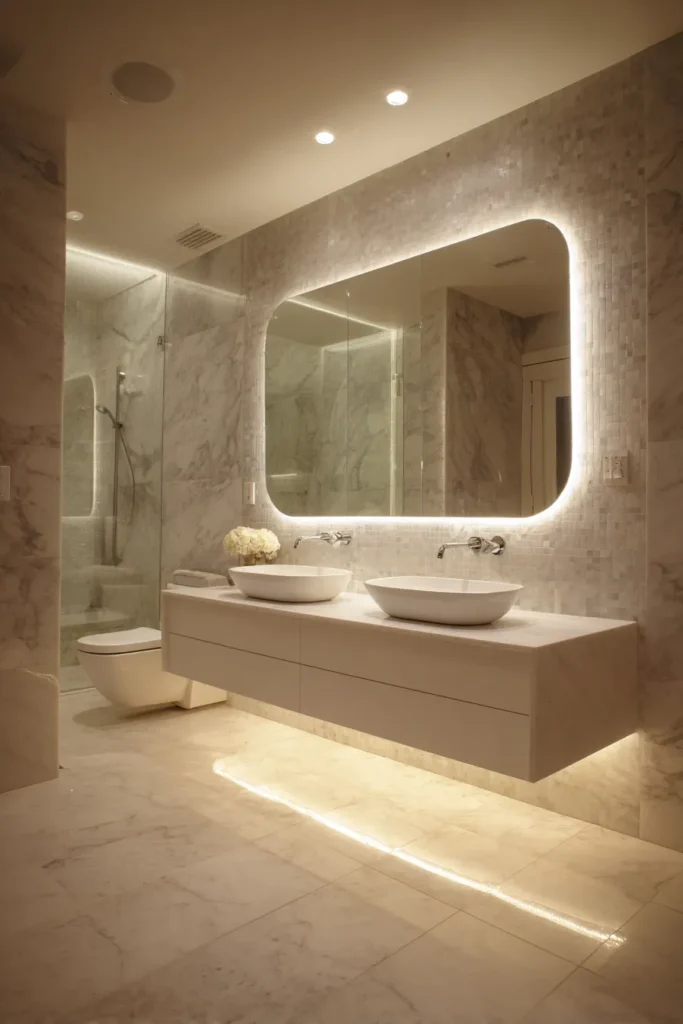
Under floating vanities is transformative. The strip lighting creates a gentle glow that makes the vanity appear to float while providing subtle illumination that’s perfect for nighttime visits. This modern touch elevates even modest bathrooms into sophisticated spaces.
Around bathroom mirrors delivers even, shadow-free lighting that’s ideal for grooming and skincare routines. The effect feels professional and luxurious, turning everyday tasks into moments of self-care.
Consider motion-sensor LED strips for added convenience and safety. Install them along the baseboard or under cabinets so they activate automatically when you enter. No fumbling for switches in the dark, just gentle guidance that feels intuitive and modern.
Stairway Safety Meets Style
Staircases present both design opportunities and practical safety concerns. LED strips address both elegantly.
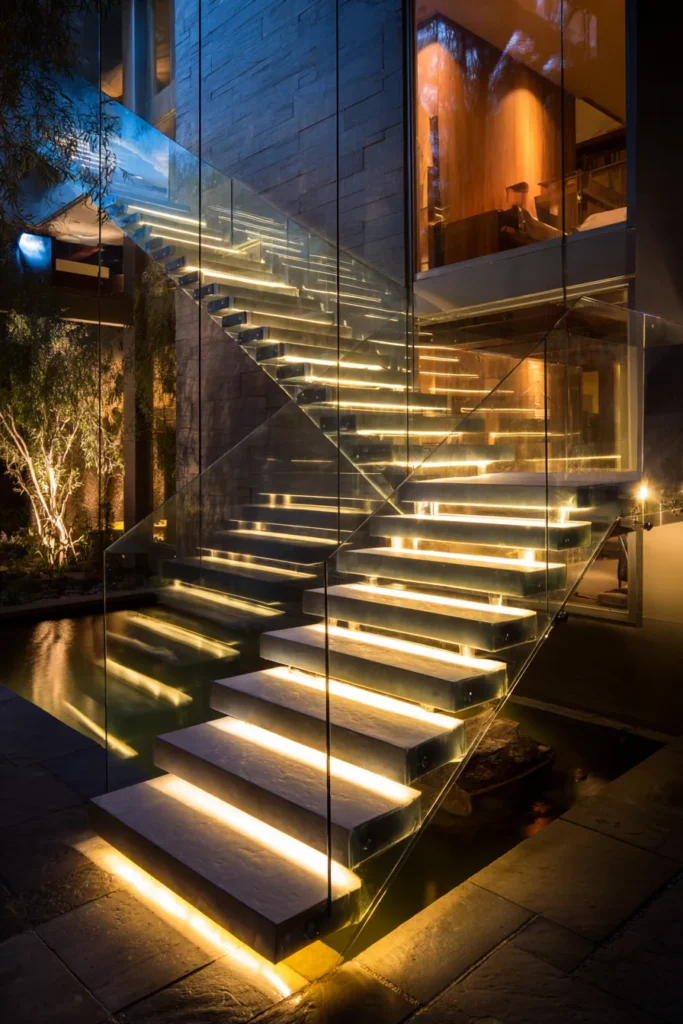
Step lighting installed along the edge or underside of each tread creates a dramatic visual effect while preventing missteps. The gentle illumination guides your path without overwhelming the space. Choose motion-activated strips for hands-free convenience.
Handrail accent lighting offers another sophisticated approach. Running strips along the underside of railings creates a floating effect that’s both beautiful and functional. This works especially well in modern homes with glass or metal railings.
Smart Technology Integration
Modern LED strips have evolved far beyond simple on-off switches. Smart integration transforms how you interact with your lighting.
Voice control through systems like Alexa, Google Home, or Siri means adjusting your lighting feels effortless. “Dim the bedroom lights” or “set the living room to evening mode” becomes part of your natural routine.
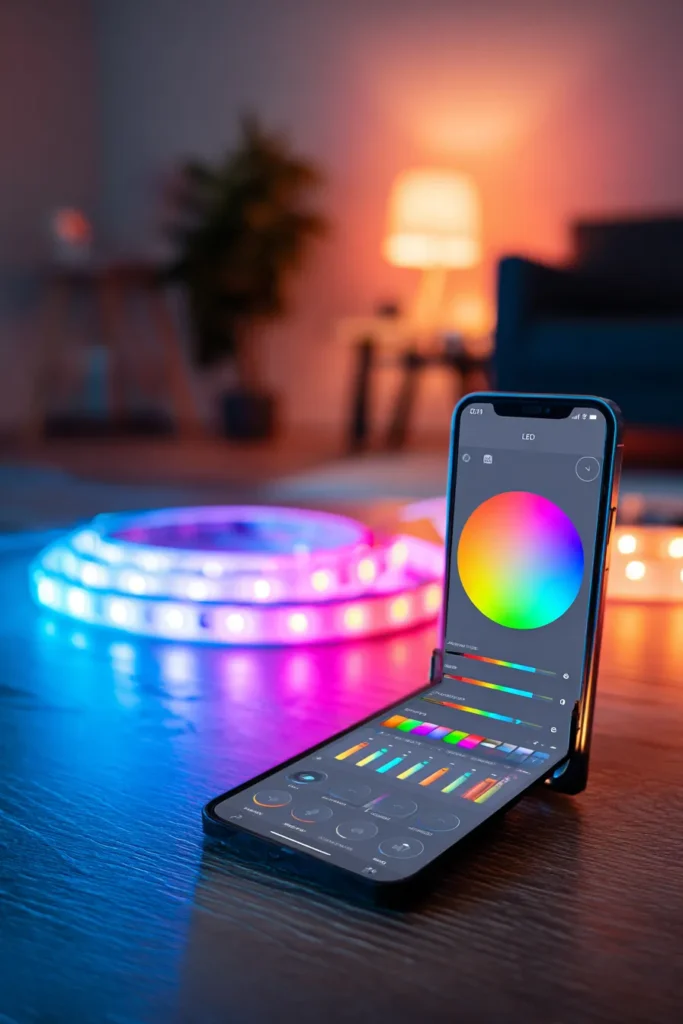
App-based control offers even more customization. Create lighting schedules that align with your daily rhythms — energizing cool whites in the morning, gradually warming as evening approaches. Some systems even sync with sunrise and sunset times, keeping your home in harmony with natural light patterns.
Scene programming lets you save favorite settings. Movie night, dinner party, relaxation mode — each with perfectly calibrated brightness and color. This level of personalization makes your lighting feel truly tailored to your life.
Choosing the Right LED Strip Type
Not all LED strips are created equal. Understanding the options helps you make informed decisions.
Brightness and Color Temperature
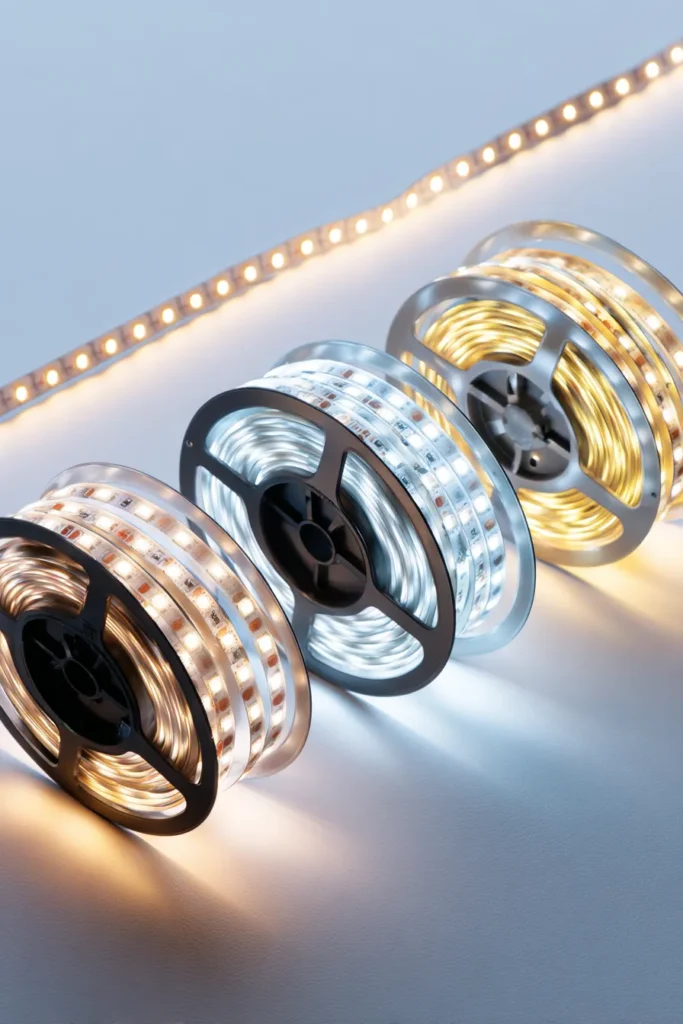
Warm white (2700K-3000K) creates cozy, inviting atmospheres perfect for bedrooms and living spaces. Cool white (5000K-6500K) feels crisp and energizing, ideal for task-oriented areas like kitchens and home offices. RGB and RGBW options offer color-changing capabilities for maximum versatility.
Consider lumens per foot based on your needs. Accent lighting requires less brightness than task lighting. Under-cabinet kitchen strips need more power than decorative bedroom installations.
Waterproof vs. Non-Waterproof
IP65 or IP67 rated strips resist moisture and dust, making them essential for bathrooms, kitchens, or outdoor applications. Non-waterproof strips work perfectly in dry interior locations and typically cost less.
Match the protection level to the environment. Over-specifying wastes money; under-specifying risks premature failure.
Dimmable and Addressable Options
Dimmable strips with compatible controllers let you adjust brightness to match any mood or time of day. This flexibility is worth the modest investment.
Addressable RGB strips allow individual LED control, creating dynamic effects like color waves or chasing patterns. These suit creative installations where you want lighting to become an artistic element.
Installation Tips for a Sleek Modern Look
Proper installation makes the difference between amateur and professional results.
Plan your layout before purchasing materials. Measure carefully and account for corners, power sources, and connection points. Sketch your design to visualize how the light will flow through your space.
Prepare surfaces thoroughly. Clean and dry all mounting areas to ensure adhesive strips bond properly. Dust and grease are your enemies here.
Hide the mechanics. Use aluminum channels or diffusers to conceal LED strips and create smooth, continuous light lines. This prevents the “dotted” look of individual LEDs and produces a polished, professional appearance.
Avoid common mistakes like undersized power supplies, sharp bends that damage circuits, or visible connections. Take time to route wiring through walls or furniture when possible. The goal is seamless integration where only the light is visible, never the technology behind it.
Test before finalizing. Connect everything and verify it works perfectly before making installations permanent. Troubleshooting is much easier before everything is sealed and hidden.
Sustainability and Eco-Conscious Choices
Modern design increasingly means sustainable design. LED strip lighting aligns with this beautifully.
Energy efficiency is LED’s greatest strength. They use up to 80% less electricity than traditional lighting while producing minimal heat. Over a lifetime, this translates to significant energy savings and reduced environmental impact.
Look for eco-friendly materials in both the strips and packaging. Some manufacturers now offer recyclable components and reduced plastic packaging. Supporting these companies encourages the entire industry toward sustainability.
Longevity matters. Quality LED strips last 50,000 hours or more — years of daily use. This durability means less waste and fewer replacements. Calculate the true cost including lifespan rather than just initial price.
Consider smart controls that automatically dim or turn off lights when rooms are unoccupied. This passive energy saving adds up significantly over time without requiring any conscious effort.
Cost-Benefit Analysis
LED strip lighting represents an investment in your home’s atmosphere and value.
Initial costs vary widely. Basic strips start around $15-30 for 16 feet, while premium smart-enabled strips range from $60-150. Installation supplies add another $20-50 depending on complexity.
Long-term savings make the investment worthwhile. Lower energy consumption typically recovers the initial cost within 1-2 years. Extended lifespan means no replacement costs for years.
Property value benefits from well-executed lighting upgrades. Modern LED installations signal updated, energy-efficient design that appeals to contemporary buyers. The enhanced ambiance makes your home more enjoyable while you live there and more attractive when you sell.
Key Takeaways
Before you begin your LED strip lighting project, remember these essential points:
- Plan thoughtfully — measure spaces, consider power sources, and visualize the final effect
- Match brightness and color temperature to each room’s purpose and atmosphere
- Invest in quality strips with appropriate waterproof ratings for each location
- Consider smart integration for maximum flexibility and convenience
- Hide installation elements using channels, diffusers, and careful routing
- Choose warm whites for relaxation spaces, cool whites for task areas
- Add motion sensors for safety and convenience in bathrooms and stairways
- Calculate long-term value including energy savings and extended lifespan
- Prioritize sustainability by selecting efficient, durable options
- Start small if needed — one successful installation builds confidence for larger projects
Creating Your Light-Filled Future
There’s something deeply satisfying about transforming your space with light. Not just making it brighter, but making it better — more comfortable, more beautiful, more you.
LED strip lighting offers this transformation with remarkable gentleness. It doesn’t demand renovation or major investment. Just thoughtful placement and a willingness to see your home differently.
The spaces we inhabit shape how we feel. When we illuminate them with intention, we create environments that support our best selves. Cozy evenings become cozier. Morning routines feel more luxurious. Even simple moments gain a sense of occasion.
Your home deserves lighting that honors how you live. These modern, flexible solutions make that possible in ways that feel both timeless and contemporary. Start with one space that needs a little magic. Let the light guide you from there.
Frequently Asked Questions
What are the most creative ways to use LED strip lighting in a modern home?
Beyond traditional under-cabinet installations, try creating floating furniture effects by placing strips under beds, sofas, or floating vanities. Illuminate architectural features like cove ceilings, behind headboards, or along staircases. Use them inside glass cabinets to showcase collections, or create dramatic backlighting for televisions and mirrors. The key is using light to define space and create ambiance rather than simply increasing brightness.
Are LED strip lights truly energy-efficient and how long do they last?
LED strips use approximately 75-80% less energy than traditional incandescent lighting while producing the same amount of light. Quality LED strips typically last 50,000 hours or more, which translates to about 5-7 years of continuous use or 15-20 years of typical daily use. This exceptional longevity combined with low energy consumption makes them both environmentally sustainable and cost-effective over time.
Can I control LED strip lights with my smartphone or voice assistants?
Modern LED strip systems offer extensive smart home integration. Many connect to Wi-Fi and work with Alexa, Google Assistant, or Siri for voice control. Smartphone apps allow you to adjust brightness, change colors, create schedules, and save custom scenes. Some advanced systems even sync with music or automatically adjust based on time of day. Verify smart compatibility before purchasing if this functionality matters to you.
What mistakes should I avoid when installing LED strip lighting?
Common installation errors include using underpowered supplies, creating sharp bends that damage circuits, failing to properly clean surfaces before adhesion, and leaving visible wiring or connections exposed. Avoid cutting strips in wrong locations (only at designated cut marks), mixing incompatible components, or installing non-waterproof strips in moisture-prone areas. Taking time to plan, measure accurately, and use proper channels or diffusers ensures professional-looking results.
Where should I install LED strips for the best modern aesthetic?
Focus on architectural features rather than random placement. Under-cabinet kitchen lighting, behind televisions, beneath floating furniture, along cove ceilings, and around mirrors create the most impactful modern looks. Stairway lighting adds both safety and drama. The goal is indirect illumination that highlights structure and creates atmosphere rather than direct lighting that simply brightens a space. Think about where light will create depth, definition, and that coveted contemporary glow.