
Table of Contents
There’s a particular kind of magic that happens when you step into a room and everything just feels right. The warmth wraps around you. The shadows fall softly in all the right places. You can’t quite name it, but you know—this is a space that understands comfort.
More often than not, that magic comes down to lighting. Not the fixtures themselves, though those matter. It’s about how light moves through a room, how it touches your favorite chair, how it makes that linen throw look softer at dusk.
Yet lighting is where so many of us stumble. We choose beautiful furniture, thoughtful textiles, the perfect paint color—and then we flip a switch and wonder why it all feels… off. Too bright. Too flat. Too cold.
Let’s walk through the most common lighting mistakes in living rooms, and more importantly, how to avoid them. Because your space deserves to feel as beautiful at night as it does in morning light.
Relying Solely on Overhead Lighting
That single ceiling fixture? It’s doing its best, but it can’t carry your entire living room.
Overhead lighting casts flat, uniform light that erases dimension. It creates harsh shadows under eyes and cheekbones when you’re chatting with friends. It makes your carefully curated space look more like a waiting room than a home.
The solution is layered lighting—a concept borrowed from designers who understand that light should come from multiple sources at different heights. Think of it like this: ambient lighting provides overall illumination, task lighting helps you read or work, and accent lighting highlights your favorite pieces. Together, they create depth, warmth, and flexibility.

How to Layer Light Properly
Start with your ambient layer—this could be recessed lighting, a flush mount fixture, or even wall sconces that bounce light off the ceiling. Keep this layer soft and diffused.
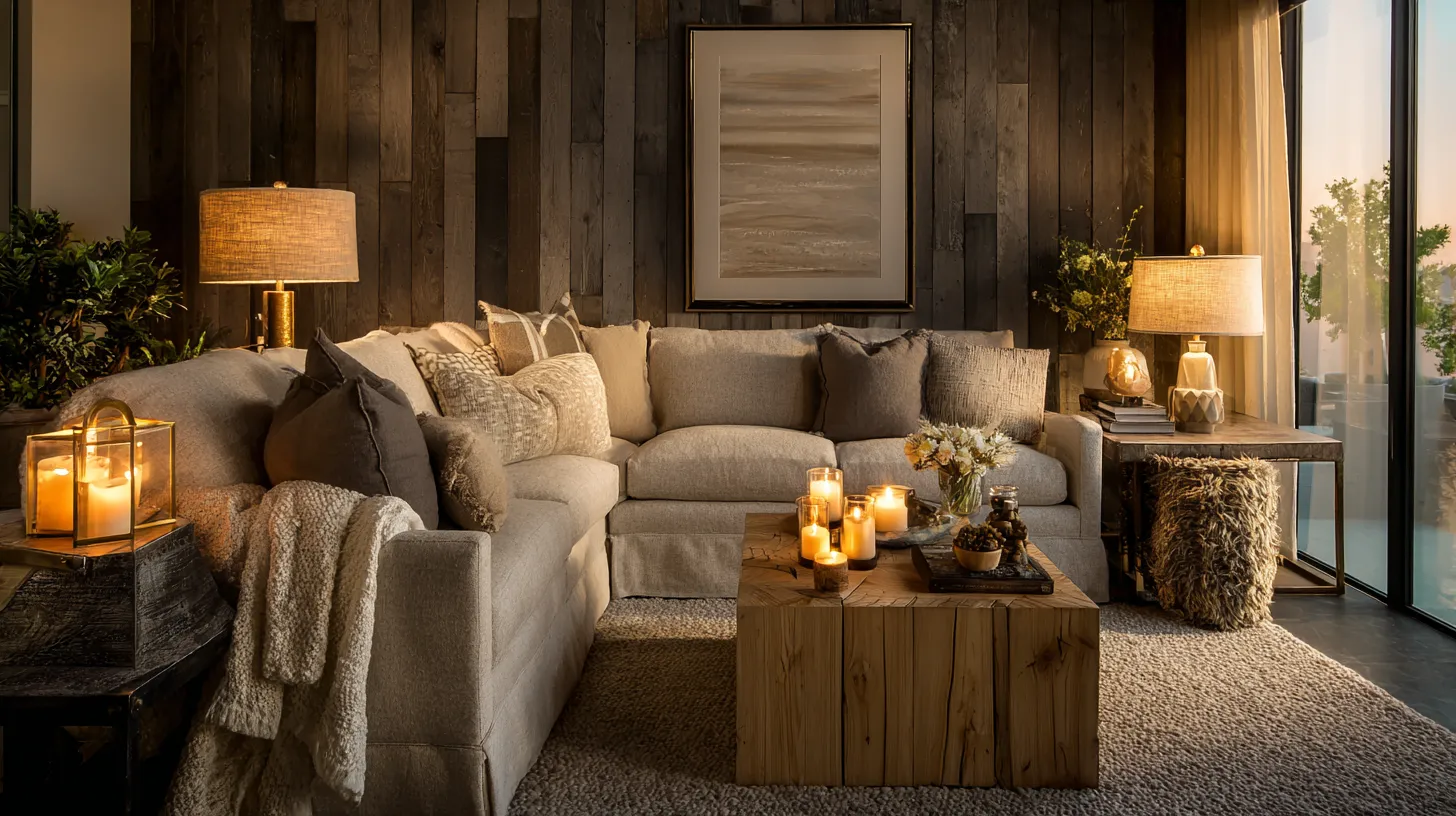
Add table lamps on side tables, a floor lamp beside your reading chair, perhaps a picture light illuminating artwork. These become your task and accent layers, creating pools of warm light at human height.
The goal is to have multiple light sources you can mix and match depending on the time of day and your mood. Morning coffee might need just one lamp. Evening entertaining might call for every source glowing softly together.
Choosing the Wrong Light Temperature
Walk into a living room lit by cool, blue-toned bulbs and you’ll feel it immediately—something clinical, almost institutional. Your body knows this isn’t the light of home.
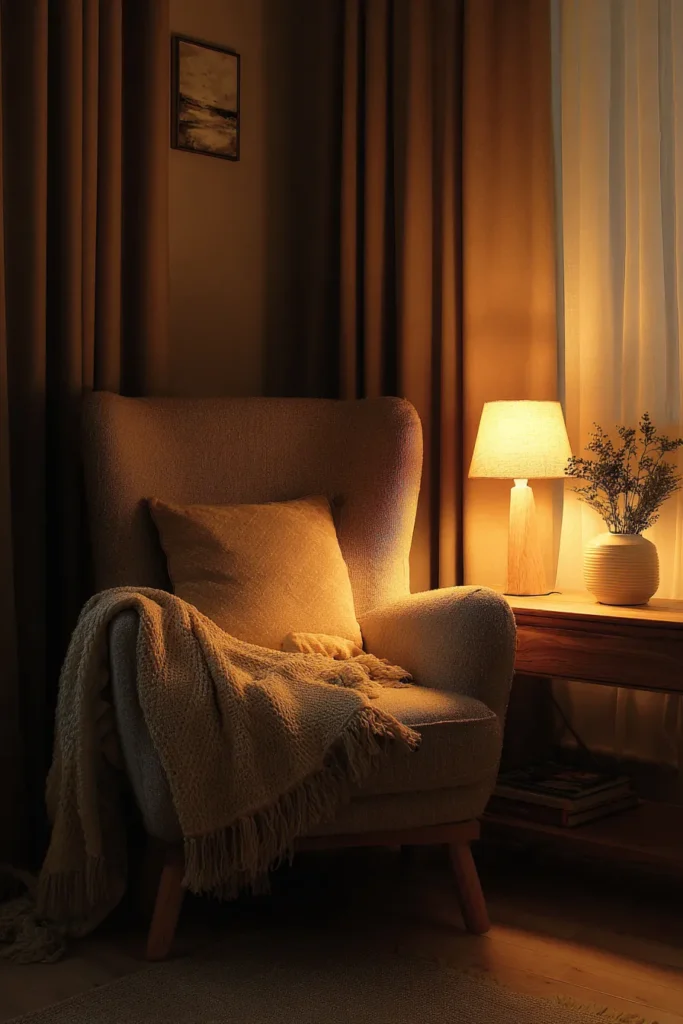
Light temperature is measured in Kelvins, and for living spaces, you want to stay in the warm range: 2700K to 3000K. This mimics the golden quality of sunset, of candlelight, of all the light that makes us feel safe and gathered.
Cool white bulbs (4000K and above) belong in garages and task-focused spaces. They’re excellent for concentration but terrible for relaxation. In a living room, they’ll make skin tones look gray, wood furniture appear washed out, and the entire space feel unwelcoming.
The Psychology of Warm Light
There’s science behind why we prefer warm light in our living spaces. Cooler temperatures signal alertness and daylight, keeping our bodies in “active” mode. Warmer temperatures trigger the relaxation response, telling our nervous systems it’s time to wind down.
Choose bulbs that explicitly state “warm white” or “soft white.” If you’re investing in smart bulbs, opt for those that allow you to adjust color temperature throughout the day—cooler in the morning when you need energy, warmer as evening approaches.
Ignoring the Power of Dimmer Switches
A room that only exists at 100% brightness is a room that can’t adapt. And life in a living room requires adaptation—from bright family game nights to intimate conversations over wine.
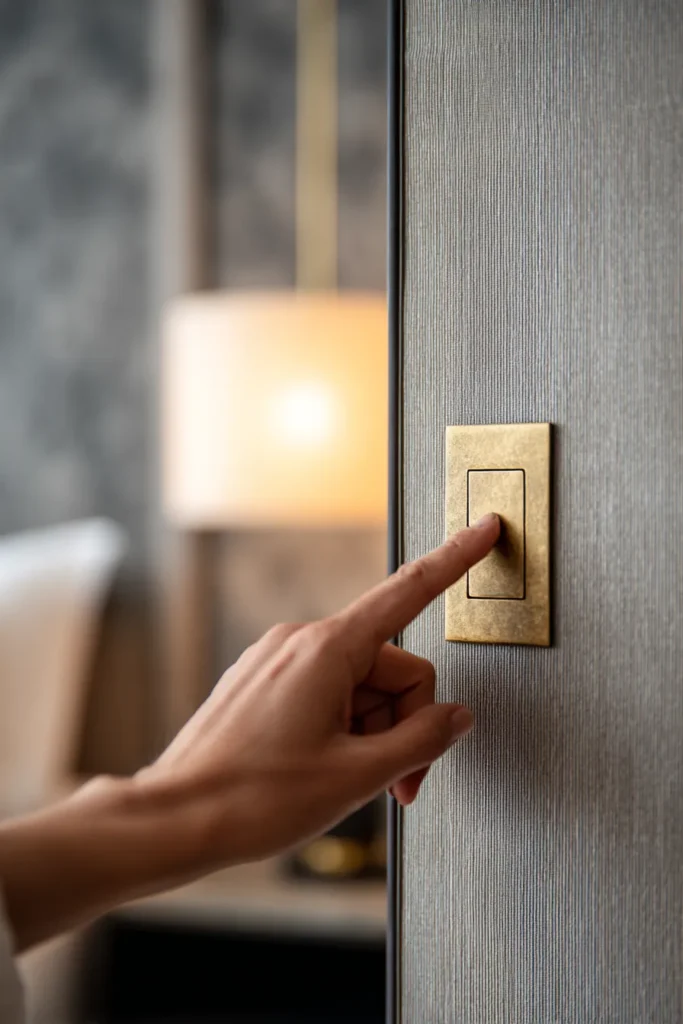
Dimmer switches might be the single most valuable upgrade you can make to your lighting. They cost little to install but transform how your space feels across different moments. Dinner party lighting shouldn’t look like homework lighting.
Dimmers also extend the life of your bulbs and reduce energy consumption. But beyond practicality, they offer something more precious: control over atmosphere. You become the curator of your own environment, adjusting light levels to match your energy, your guests, your needs.
Where to Install Dimmers
Prioritize overhead fixtures first, as these typically produce the most intense light. Then consider dimming table lamps and floor lamps if they’re hardwired.
For plug-in lamps, you can use smart bulbs or inline dimmer switches—small devices that sit between the lamp and outlet. The investment is minimal; the impact is profound.
Leaving Corners Dark and Dead
Every living room has them: those corners that disappear after sunset, creating visual dead zones that make your space feel smaller and less inviting.
Dark corners don’t just waste square footage—they create imbalance. Your eye naturally seeks light, and when light only exists in the center of a room, the edges feel forgotten. The space loses its sense of embrace.
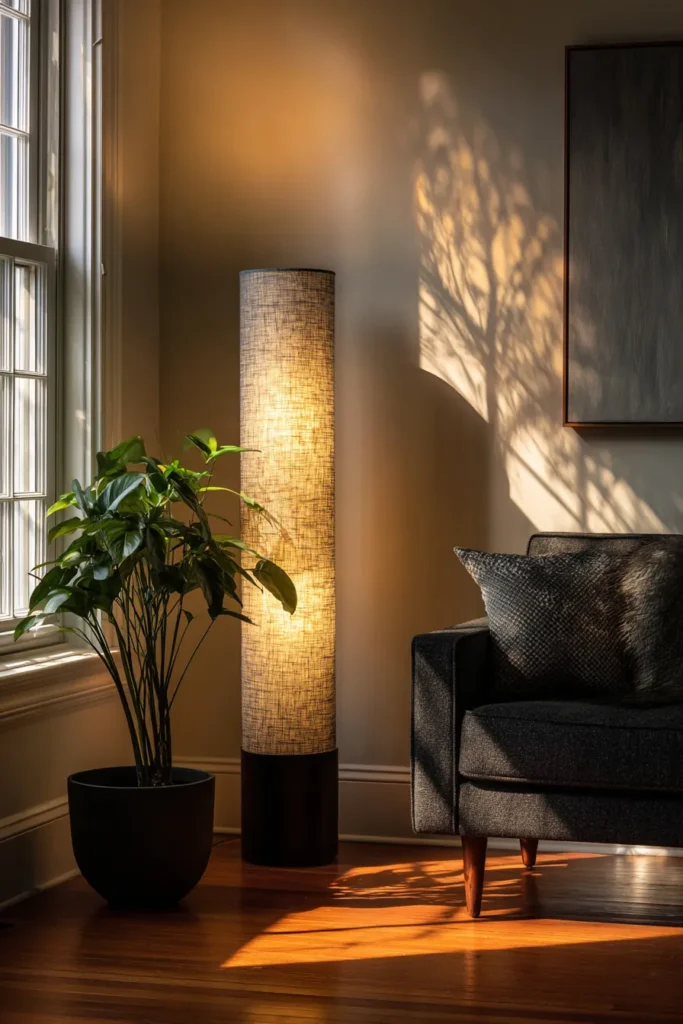
Accent lighting solves this beautifully. A tall floor lamp in a dim corner instantly activates that space. A pair of uplights beside a large plant create drama and dimension. Even a small table lamp on a stack of books can transform a neglected nook into a intentional moment.
Strategic Corner Lighting Solutions
Consider arc floor lamps that can reach into corners without taking up floor space. Wall sconces flanking a window or artwork add light without requiring surface area.
For plant lovers, uplighting transforms greenery into living sculpture at night. The shadows cast on walls and ceilings add organic movement that makes a room feel alive.
The goal isn’t to eliminate all shadows—we need contrast for visual interest. But every zone of your living room should receive some light, creating a sense of completion.
Using Mismatched Fixture Sizes
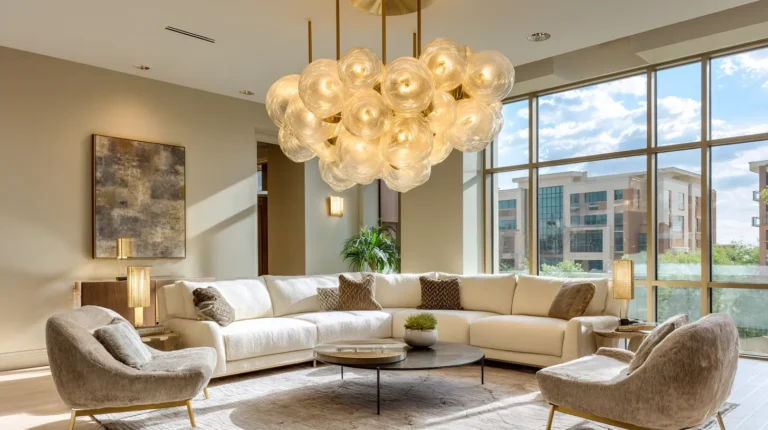
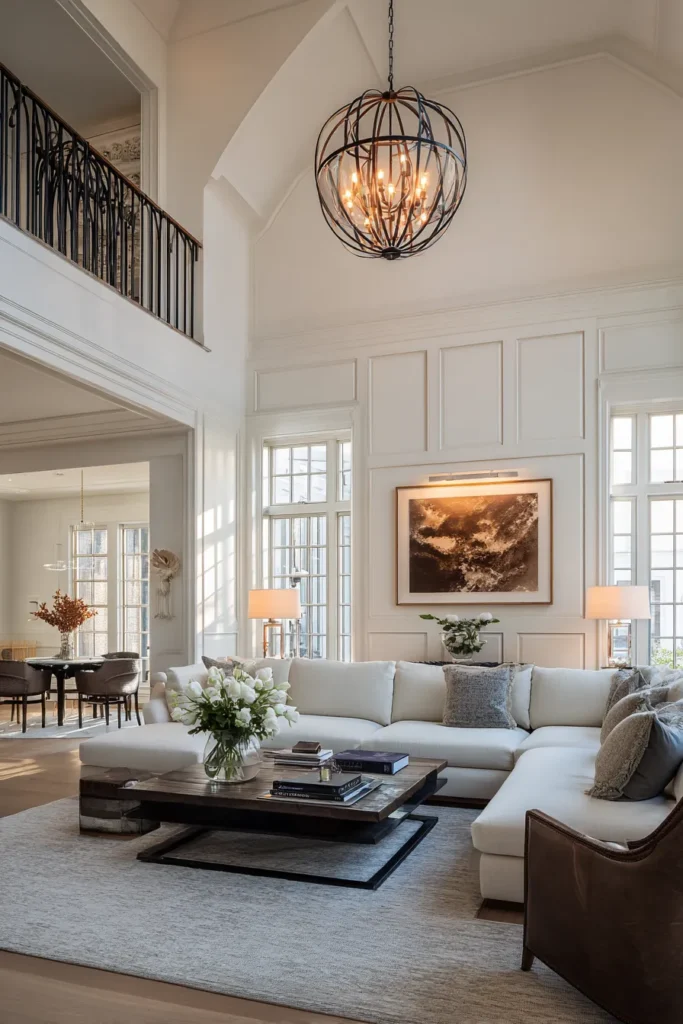
Scale matters more than most of us realize. A tiny pendant light hovering above a large sectional looks apologetic. An oversized chandelier in a modest living room feels oppressive.
Fixture sizing follows simple mathematics, but somehow this gets overlooked. Here’s a foolproof formula: add the length and width of your room in feet, then convert that number to inches—that’s the ideal diameter for a central fixture. A 12′ x 15′ room works best with a fixture approximately 27″ in diameter.
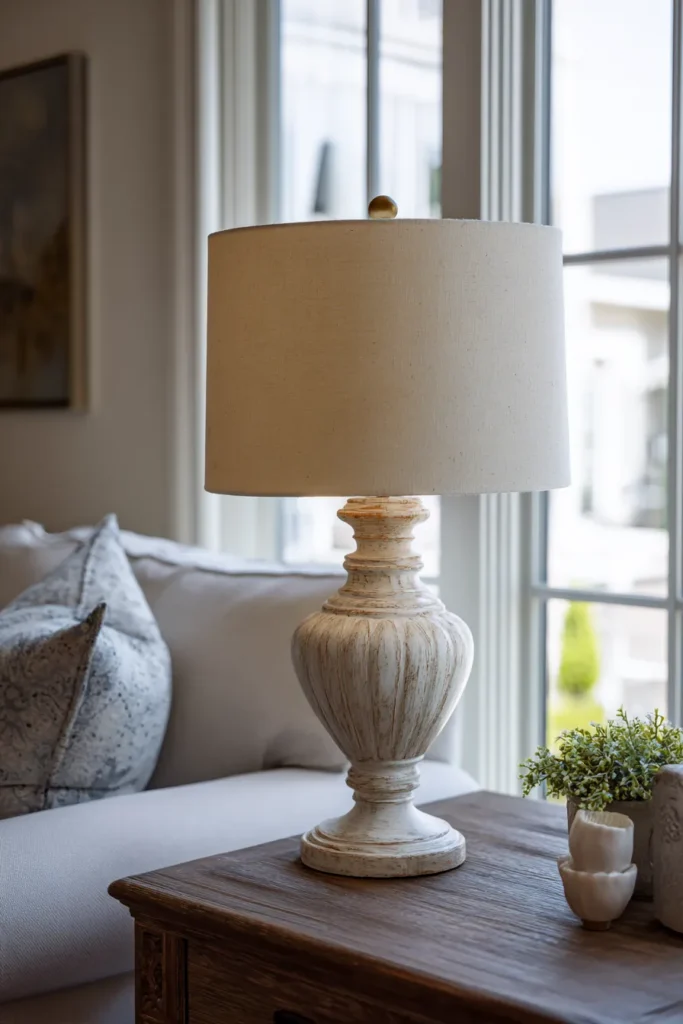
For table lamps, the lampshade should be roughly two-thirds the height of the lamp base. The bottom of the shade should sit at eye level when you’re seated beside it, preventing glare while maximizing light distribution.
Creating Visual Harmony
Think about the visual weight of your lighting fixtures relative to your furniture. A massive sectional needs substantial lighting to balance it—perhaps a pair of chunky table lamps or a dramatic floor lamp.
Delicate midcentury furniture pairs beautifully with slender, sculptural lighting that echoes its refined proportions. Your lighting should feel like it belongs to the same design family as your furniture, not like an afterthought.
Forgetting About Task Lighting
We ask our living rooms to be everything: reading nook, conversation hub, workspace, entertainment center. Yet we often light them for only one function—or for none specifically.
Task lighting addresses the particular activities that happen in different zones. Reading requires focused, shadow-free light that doesn’t strain your eyes. Working on a laptop benefits from adjustable light that reduces screen glare. Even something as simple as knitting or sorting mail deserves its own dedicated light source.
Without task lighting, you end up compensating with overhead brightness—which solves the visibility problem but destroys the atmosphere. Better to have targeted light where you need it, keeping the rest of the room softly glowing.
Positioning Task Lights Correctly
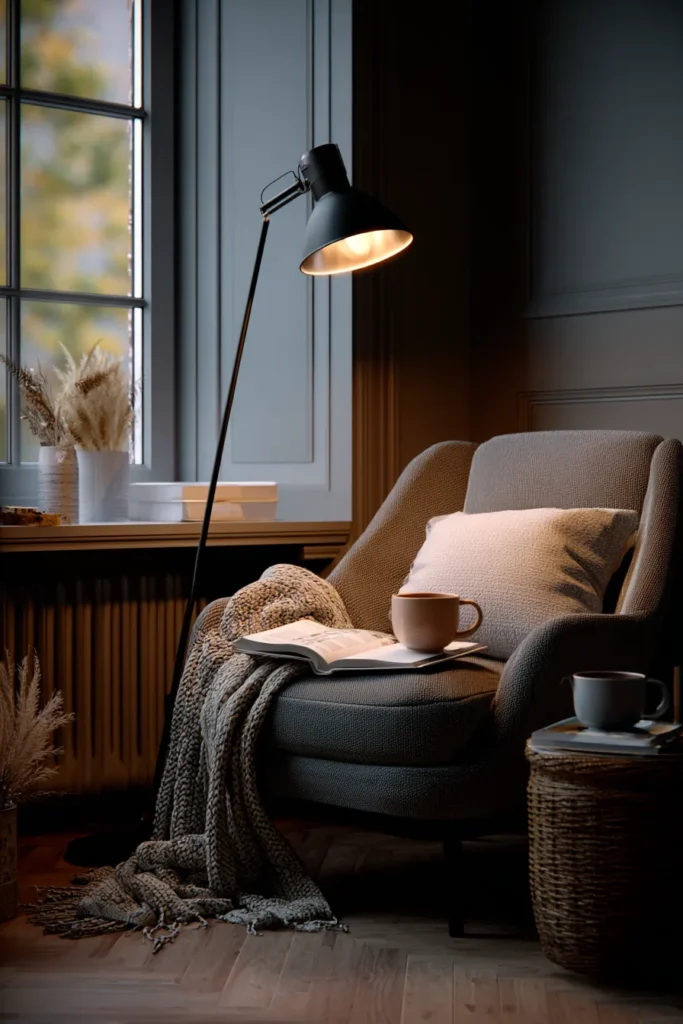
For reading, place lamps slightly behind and to the side of your shoulder at a height where the bulb sits at eye level when you’re seated. This prevents glare while illuminating the page.
Swing-arm wall sconces work beautifully beside reading chairs, saving surface space while providing adjustable, focused light. Floor lamps with adjustable heads offer similar flexibility for various tasks.
Neglecting Natural Light During the Day
Your living room’s relationship with daylight shouldn’t end when you turn on the lamps. How you manage natural light affects both your artificial lighting needs and your overall energy costs.
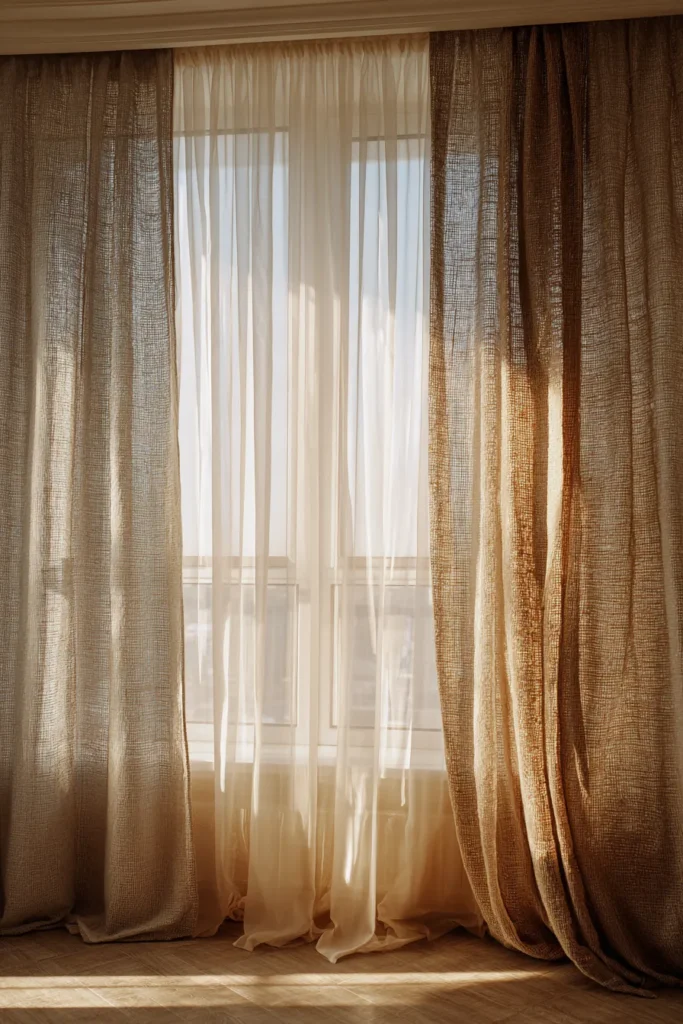
Heavy curtains that block all sunlight force you to use artificial light even during the day. Completely bare windows create glare problems and expose your space to harsh midday sun that fades fabrics and artwork.
The sweet spot is layered window treatments: sheer curtains or solar shades that filter light during the day, paired with heavier curtains or blinds for privacy and light control at night. This gives you flexibility to modulate natural light based on the season and time of day.
Adapting to Seasonal Light Changes
Winter light sits lower on the horizon and penetrates deeper into rooms. Summer sun is higher and more intense. Your lighting strategy should acknowledge these seasonal shifts.
Consider using cooler-toned bulbs in winter when daylight hours are short and you’re relying more on artificial light. In summer, you might dim or eliminate daytime artificial light entirely, reserving it for evening.
Smart lighting systems can automate these transitions, gradually adjusting throughout the day to maintain consistent illumination as natural light changes.
Overlooking Bulb Quality and Type
Not all bulbs are created equal, and the cheapest option often costs more in the long run—in replacement frequency, in energy bills, in quality of light.
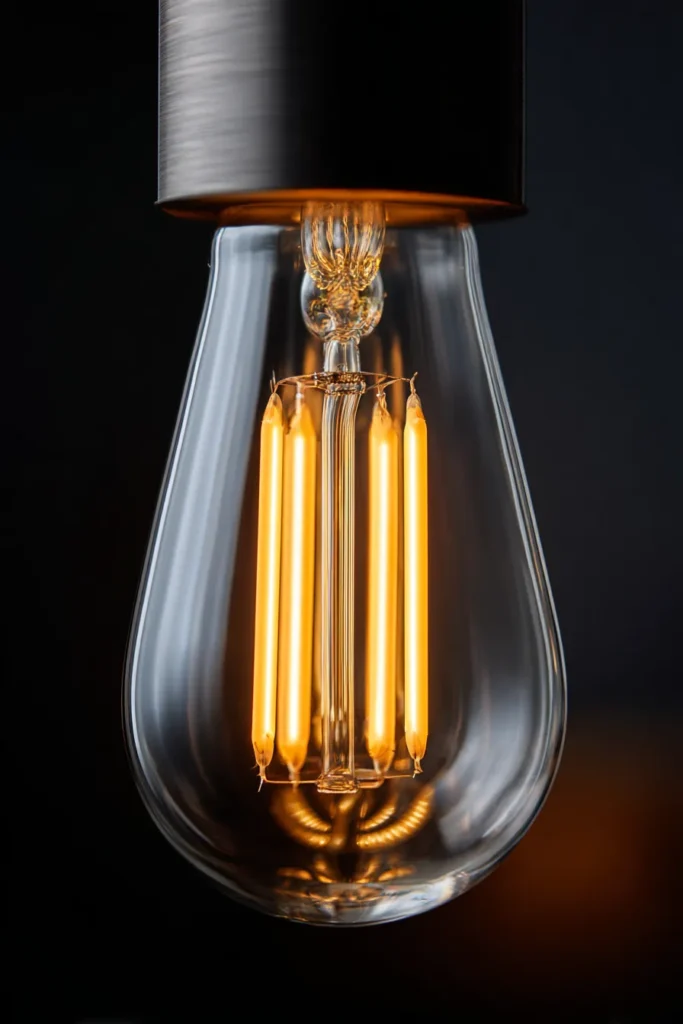
LED bulbs have evolved dramatically. Early versions cast harsh, blue-tinted light that made everyone look slightly ill. Modern LEDs, when chosen carefully, offer warm, natural light that rivals traditional incandescent bulbs while using a fraction of the energy.
Look for bulbs with a high Color Rendering Index (CRI)—ideally 90 or above. This measures how accurately colors appear under that light source. Low-CRI bulbs make reds look muddy, greens look gray, and skin tones look flat. High-CRI bulbs reveal colors as they truly are.
Understanding Bulb Lifespan and Efficiency
Quality LED bulbs last 15,000 to 25,000 hours—roughly 10 to 15 years under normal use. They cost more upfront but eliminate the annoyance and expense of frequent replacement.
Factor in energy savings too. An LED bulb uses about 75% less energy than an incandescent bulb producing the same amount of light. Over its lifetime, each bulb saves you money while reducing your environmental footprint.
Choose bulbs that are labeled as dimmable if you’re using dimmer switches—not all LEDs handle dimming well, and incompatible bulbs may flicker or buzz.
Ignoring the Lamp Height and Placement
A beautifully designed lamp in the wrong spot might as well be invisible. Placement determines whether light enhances or hampers your space.
Table lamps should be positioned so the bottom of the lampshade sits at eye level when you’re seated nearby—typically 38 to 42 inches from the floor. This prevents glare while directing light where you need it.
Floor lamps vary by purpose. Reading floor lamps should position the light source about 15 inches higher than your head when seated. Ambient floor lamps can be taller, washing light up toward the ceiling for soft, reflected illumination.
Avoiding Common Placement Mistakes
Don’t place lamps directly behind seating where they’ll cast your shadow onto whatever you’re trying to see. Position them slightly to the side instead.
Avoid clustering all your light sources in one area—this creates a bright zone surrounded by darkness rather than even distribution. Spread lamps throughout the room to create multiple pools of light that overlap gently.
Leave breathing room between lamps and walls. Light needs space to spread and reflect. A lamp shoved into a tight corner produces cramped, confined light that can’t reach the rest of the room.
Forgetting Safety and Accessibility
Beautiful lighting means nothing if it creates hazards or makes daily life difficult. Safety mistakes often hide in plain sight until someone trips, bumps their head, or strains to see in dim conditions.
Pathway lighting matters more than we realize. That trip from the kitchen to the sofa should be clearly visible, even when main lights are dimmed for movie watching. Consider adding small LED strip lights under baseboards or furniture edges to mark pathways without adding glare.
Low-hanging fixtures in traffic areas pose head-bumping risks. Pendant lights over seating areas should hang high enough that people can walk beneath them comfortably—typically at least 7 feet of clearance.
Emergency and Evening Considerations
Think about navigating your living room in the dark. Do you have to cross furniture to reach a light switch? Consider adding plug-in motion sensor lights or smart lighting that responds to voice commands.
Older eyes need more light to see comfortably. If you’re designing for aging family members, boost overall light levels slightly and eliminate high-contrast zones that can confuse depth perception.
Secure all electrical cords to prevent tripping hazards. Use cord covers where wires cross walkways, and arrange furniture to minimize cord visibility without pinching or stressing the cables.
Missing the Mark on Smart Lighting Integration
Smart lighting has moved beyond gimmick into genuinely useful territory. Yet many people either ignore it entirely or implement it poorly, creating more frustration than function.
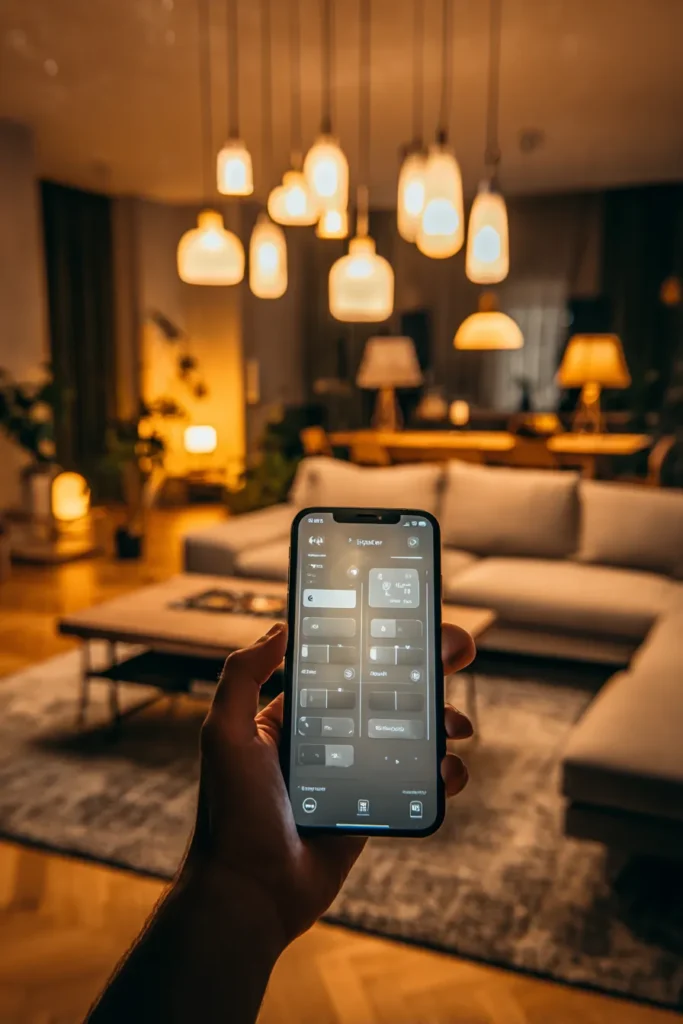
Modern smart lighting systems offer genuine advantages: automated schedules that turn lights on before you arrive home, customizable scenes that adjust multiple lights with one command, gradual wake-up routines that simulate sunrise.
But smart lighting only works if it’s intuitive. Overly complicated systems that require apps and multiple steps to turn on a lamp will be abandoned. Start simple: one smart bulb, one scene, one routine. Build from there.
Practical Smart Lighting Applications
Create a “movie mode” that dims all lights to 20% except for subtle accent lighting behind the TV. An “entertaining” scene might set all lights to 70%, creating bright, welcoming energy.
Use schedules to automatically adjust lighting as evening approaches—lights gradually brightening as natural light fades, maintaining consistent illumination without manual adjustments.
Pair smart bulbs with motion sensors in multi-purpose living rooms that double as play spaces or home offices. Lights can adjust based on activity and time of day, optimizing for focus during work hours and relaxation in the evening.
Quick Checklist: Assessing Your Living Room Lighting
Use this troubleshooting guide to evaluate your current setup:
Light Distribution
- Do you have light sources at multiple heights (ceiling, table height, floor)?
- Can you see into all corners at night, or do some areas disappear?
- Does light reach seating areas without creating harsh shadows?
Control and Flexibility
- Can you adjust light levels with dimmers or multiple switches?
- Do you have enough variety to create different moods and support different activities?
- Is natural light controlled with appropriate window treatments?
Quality and Temperature
- Are all bulbs in the warm white range (2700K-3000K)?
- Do skin tones and colors look natural and appealing?
- Are you using high-CRI bulbs (90+) for accurate color rendering?
Scale and Placement
- Are fixture sizes proportional to room and furniture scale?
- Are lamp heights positioned correctly for their purpose?
- Is there adequate clearance around hanging fixtures?
Functionality and Safety
- Does task lighting support specific activities like reading or working?
- Are pathways clearly lit and free of tripping hazards?
- Can you navigate the room safely with lights dimmed or off?
Energy and Maintenance
- Are you using efficient LED bulbs with long lifespans?
- Do you have control over lighting schedules to reduce waste?
- Are all fixtures easily accessible for bulb changes and cleaning?
Bringing It All Together
Good lighting design isn’t about following rigid rules. It’s about understanding how light shapes experience—how it affects mood, functionality, and the intangible quality we call atmosphere.
Your living room is where life happens. Conversations over coffee. Quiet reading on rainy afternoons. Laughter with friends who’ve stayed too late. The light in this space should honor all those moments, adapting to each one with grace.
Start with what bothers you. The corner that feels dead. The overhead fixture that’s too harsh. The reading chair where you can never quite see well enough. Address one lighting mistake at a time, and watch your space transform.
Because when the lighting is right, everything else falls into place. The room you’ve carefully designed suddenly feels the way it always looked in your imagination—warm, welcoming, unmistakably yours.
Light doesn’t just illuminate. It transforms. It comforts. It makes a house feel like home.

Frequently Asked Questions
What’s the biggest lighting mistake people make in living rooms?
Relying on a single overhead fixture creates flat, uninviting light. Layer ambient, task, and accent lighting from multiple sources at different heights to create warmth and dimension. Add table lamps, floor lamps, and accent lighting to complement overhead fixtures rather than depending on them alone.
How many light sources should a living room have?
Aim for 5-7 light sources in a standard living room, distributed throughout the space. This typically includes overhead lighting, 2-3 table or floor lamps, and 1-2 accent lights. More sources at lower individual intensities create better ambiance than fewer sources at high brightness.
What color temperature is best for living room lighting?
Warm white bulbs in the 2700K-3000K range create the most inviting atmosphere for living spaces. This range mimics the golden quality of natural sunset and candlelight, promoting relaxation. Avoid cool white bulbs (4000K+) which feel clinical and inhibit the calming environment essential to living rooms.
How can I make my living room brighter without harsh lighting?
Add multiple gentle light sources rather than increasing overhead brightness. Use mirrors to reflect existing light, paint walls in lighter colors, and incorporate table and floor lamps with warm-toned bulbs. Layer sheer window treatments that filter rather than block natural light during the day.
Are dimmer switches worth installing in a living room?
Absolutely. Dimmers offer the single most valuable lighting upgrade, allowing you to adjust atmosphere for different activities and times of day. They extend bulb life, reduce energy costs, and provide complete control over ambiance. Install them on overhead fixtures first, then consider adding dimmers to other light sources throughout the room.