
Table of Contents
There’s something about the way light falls through washi paper that changes a room entirely. It doesn’t just illuminate—it breathes. In the quiet marriage of Japanese wabi-sabi and Scandinavian hygge, Japandi floor lamps have become more than functional pieces; they’re gentle companions that soften corners and cradle evening conversations in a diffused glow.
If you’ve been searching for that perfect balance between sleek minimalism and lived-in warmth, you’ve likely encountered the Japandi aesthetic. It’s the design philosophy that says less can feel like more when every piece is intentional, natural, and beautifully restrained.
Floor lamps in this style are particularly special. They stand tall yet unassuming, casting pools of amber light that make small living rooms feel expansive and large spaces feel intimate. Whether you’re curled into a reading nook or hosting friends over matcha lattes, the right Japandi floor lamp transforms ambiance into experience.
Let’s explore how to choose, style, and fall in love with these sculptural light sources that honor both craftsmanship and comfort.
What Is a Japandi Floor Lamp?
At its heart, a Japandi floor lamp embodies two distinct yet harmonious design traditions. Japanese wabi-sabi celebrates imperfection, natural materials, and the beauty of simplicity—think handcrafted bamboo frames,kozo fiber paper shades, and organic lines that mimic nature’s gentle asymmetry.
Scandinavian hygge brings warmth, functionality, and a neutral palette that invites you to linger. It’s the cozy glow of a 2700K warm-toned bulb on a rainy afternoon, the smooth blonde wood base that feels good under your fingertips, the muted beiges and soft grays that never compete for attention.
When these philosophies converge, you get lighting that’s minimal yet soulful, sculptural yet practical. Japandi floor lamps often feature slender silhouettes—no bulky shades or ornate brass—with materials like washi paper from Mino or Gifu, sustainably sourced bamboo, and blackened steel or light oak stands. The diffused light they emit is never harsh; it’s the kind that makes skin tones warm and spaces feel safe.
The Materials That Matter
The magic lies in the textures. Authentic Japandi floor lamps prioritize natural, tactile materials that age gracefully.
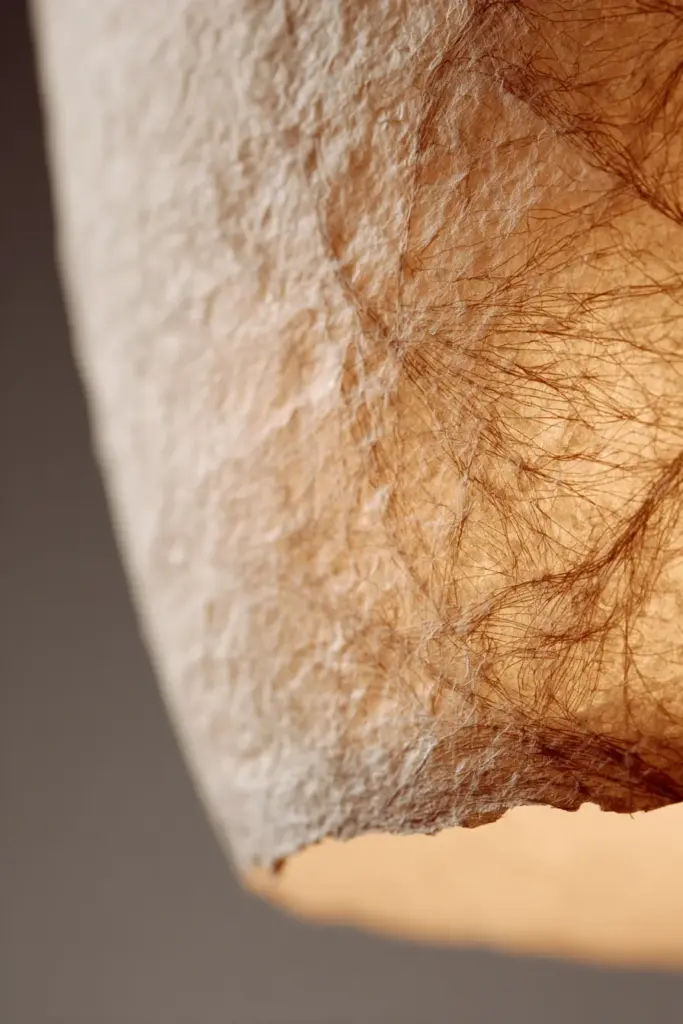
Washi paper made from kozo, mitsumata, or gampi fibers filters light like no synthetic shade can. Each sheet is slightly translucent, revealing the hand of its maker in subtle fiber patterns. When lit, a washi shade glows like a paper lantern at a summer festival—soft, even, meditative.
Bamboo brings strength and sustainability. Whether turned into a tripod base or woven into lattice patterns, bamboo lends an earthy elegance that grounds a room. It’s lightweight yet durable, perfect for renters or those who love to rearrange seasonally.
Wood tones—particularly light oak, ash, or walnut—echo Scandinavian simplicity. A wooden floor lamp feels warm to the touch and pairs beautifully with neutral upholstery, linen throws, and the kind of soft furnishings that invite bare feet and long conversations.
Blackened steel or matte metal accents add just enough contrast without overpowering. Think slender tripod legs, minimalist switches, or subtle rod frames that disappear into the background, letting the light itself take center stage.
How to Style Japandi Floor Lamps in Your Living Room
Placement is poetry in Japandi design. These lamps aren’t merely functional—they’re anchors, mood setters, and silent storytellers.
Corner Placement for Reading Nooks
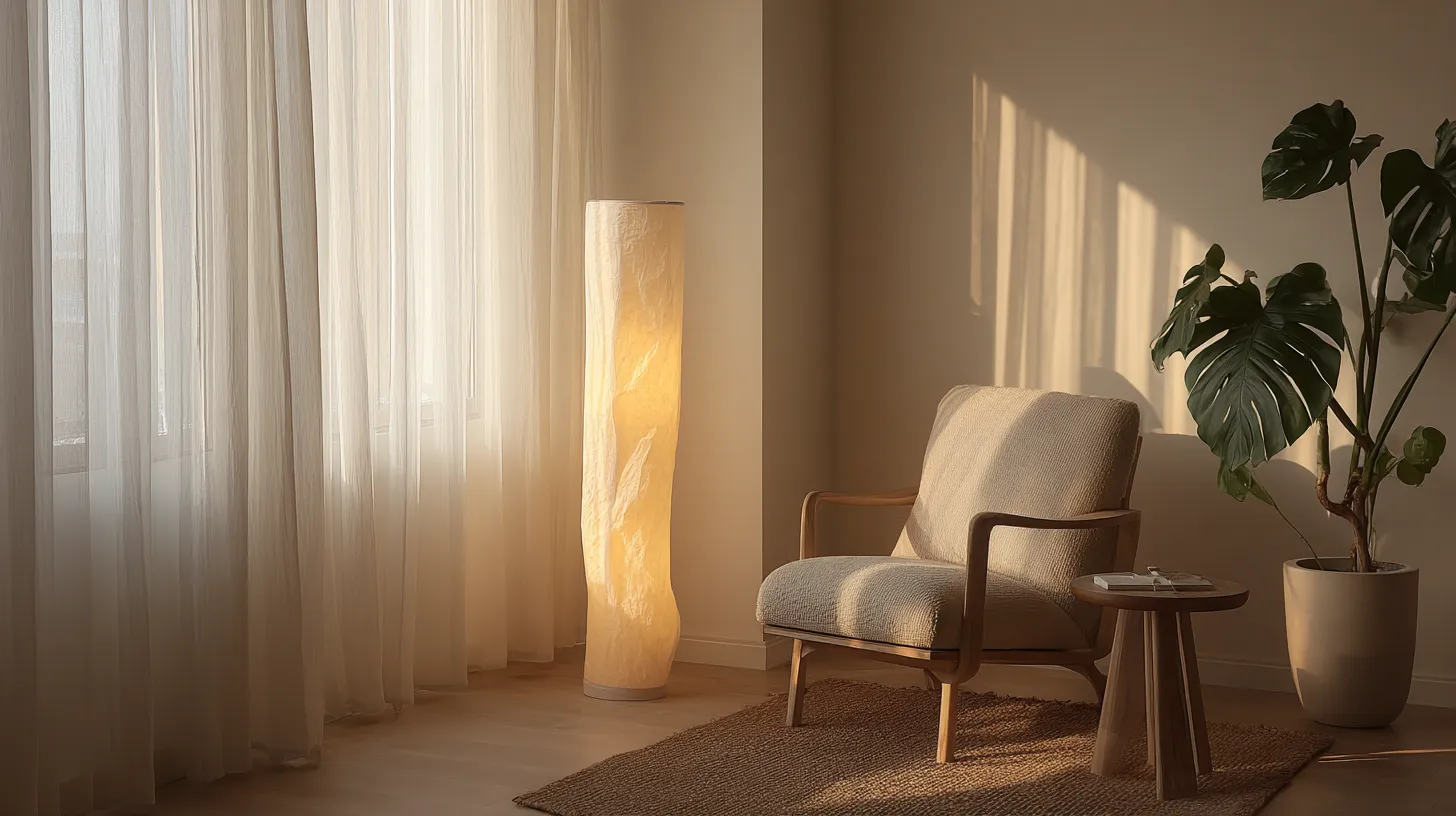
Tuck a slender floor lamp beside your favorite armchair, and suddenly you have a reading nook worth canceling plans for. The lamp’s diffused glow pools just right over your shoulder, eliminating harsh shadows while keeping the rest of the room softly lit.
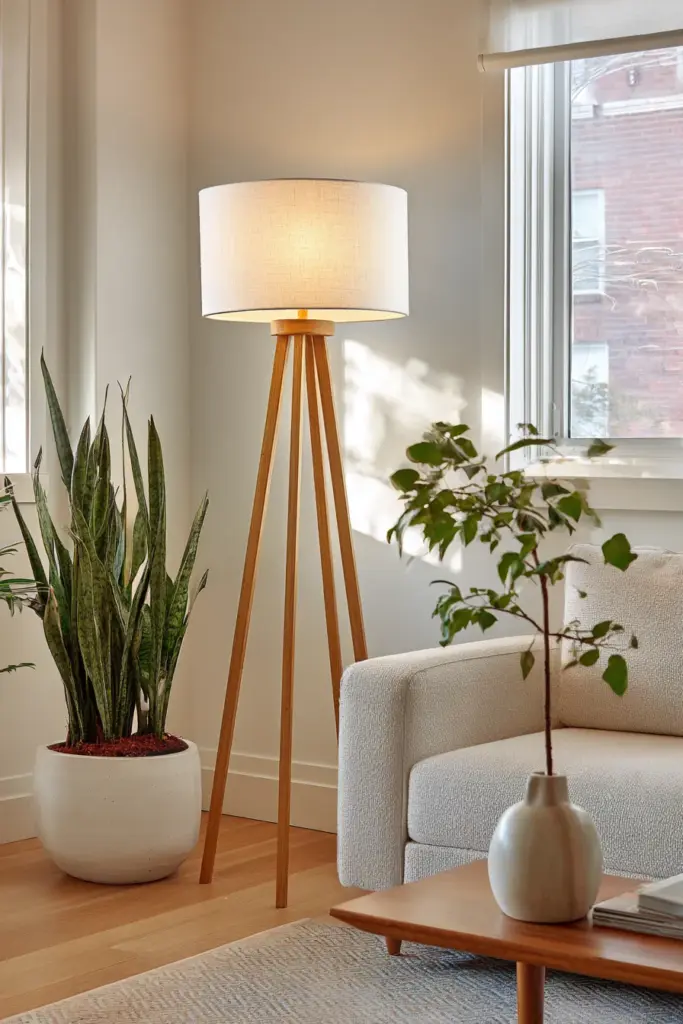
Pair it with a low-slung lounge chair in oatmeal linen, a small side table for your tea, and a handwoven basket holding blankets. The lamp’s organic lines—whether an Akari-inspired orb or a SLENDER paper column—echo the curves of natural forms, creating visual rhythm without clutter.
For small Philippine living rooms where space is precious, corner lamps maximize light without demanding floor real estate. Choose models under 160cm tall to avoid overwhelming tight spaces, and ensure the shade diameter doesn’t exceed 40cm for balanced proportions.
Balancing Light Across Open Layouts
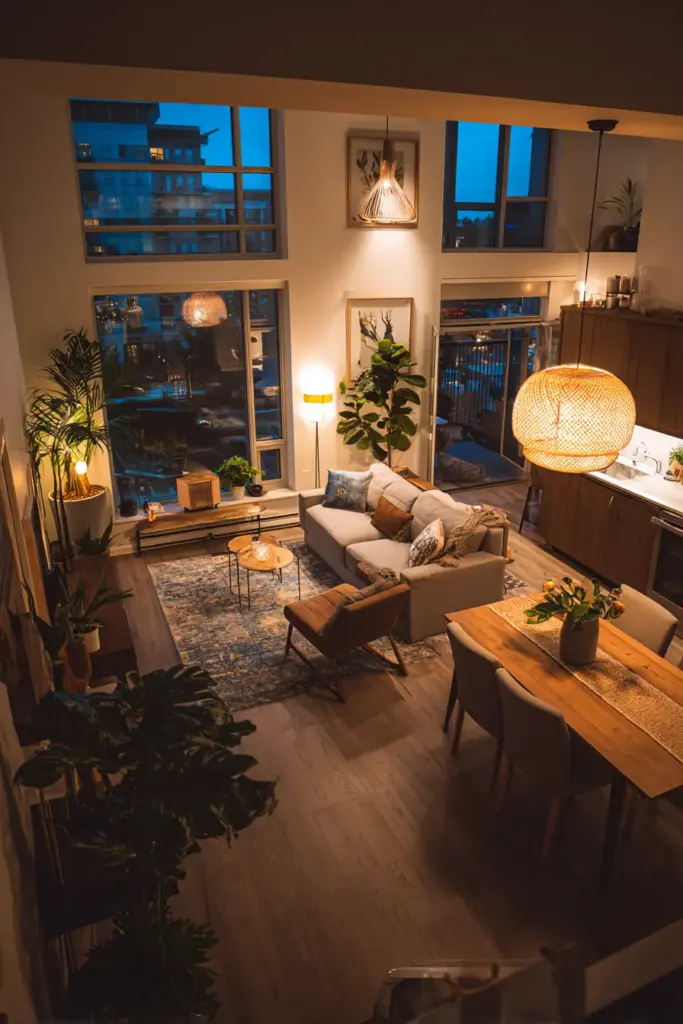
In open-concept spaces common in modern Filipino homes, Japandi floor lamps work as bridges between zones. Position one near your sofa to define the lounging area, then echo its warmth with table lamps or pendant lights in the dining nook.
The key is layering light at different heights. Your floor lamp provides ambient glow from 140–180cm, while lower task lighting handles focused activities. This creates depth and prevents the flatness that single overhead fixtures often bring.
Neutral palettes—think warm whites, soft taupes, and greige tones—let the lamp’s silhouette shine. Against pale walls, a dark bamboo tripod or blackened steel frame becomes sculptural art. Against deeper charcoal accents, a white washi shade floats like a cloud.
Pairing with Furniture and Textures
Japandi thrives on contrast-in-harmony. If your sofa is low and plush in bouclé or linen, let your floor lamp be sleek and vertical—a counterpoint that adds visual interest. If your coffee table is chunky reclaimed wood, balance it with a lamp’s delicate paper shade.
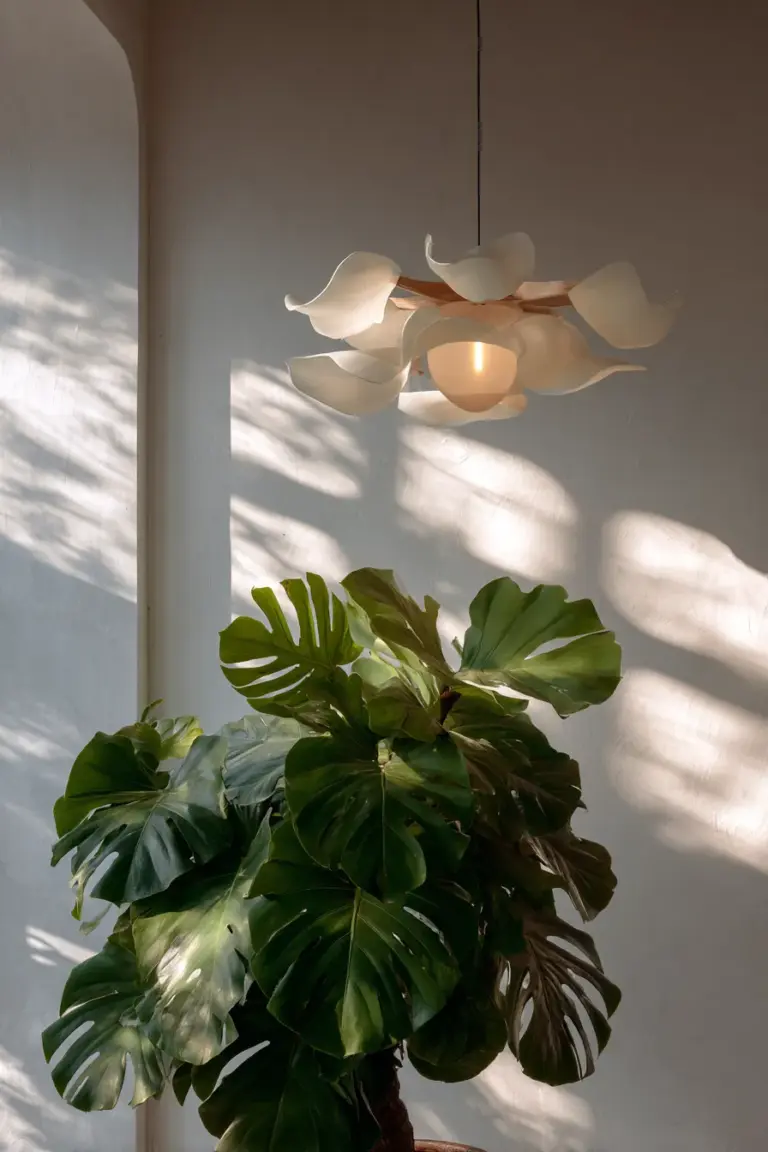
Introduce plants generously. Monstera, snake plants, or fiddle-leaf figs in ceramic pots amplify the biophilic Japandi ethos. Position your lamp so its light grazes the leaves, casting gentle shadows that dance across the wall as evening settles in.
Textures matter deeply here. Combine the lamp’s smooth wood base with chunky knit throws, jute rugs, rattan baskets, and stone accents. Each material tells a tactile story, inviting touch and creating the layered coziness hygge is famous for.
Choosing the Best Japanese Floor Lamps for Japandi Living Rooms
Not all Japandi floor lamps are created equal. Here’s what to look for when selecting one that will age beautifully in your home.
Shoji and Akari-Inspired Designs
Traditional Shoji lamps feature wooden frames with washi paper panels, originally used in Japanese sliding doors. Modern interpretations soften these into floor lamps with geometric grids or cylindrical shades that emit a serene, paper-lantern glow.
Akari lamps, designed by sculptor Isamu Noguchi, are iconic for their sculptural paper forms. While authentic Akari pieces are investment-worthy, many affordable iterations capture their spirit—collapsible paper shades on bamboo legs that feel weightless yet substantial.
Look for designs that honor craftsmanship. Hand-glued washi seams, visible wood grain, and slight variations in paper texture signal quality over mass production.
The Right Bulb Makes All the Difference
Your lamp is only as warm as the bulb you choose. For true Japandi ambiance, prioritize:
- 2700K warm white bulbs that mimic candlelight and make skin tones glow naturally
- E26 standard sockets for easy bulb replacement (common in Philippine hardware stores)
- Dimmable LED options for mood control—bright for morning coffee, soft for midnight journaling
- CRI (Color Rendering Index) above 90 to ensure colors appear true and vibrant under the light
Smart bulbs like Philips Hue offer bonus flexibility. Program your lamp to brighten gradually at dawn or shift warmer at dusk, syncing your lighting with natural rhythms—a subtle nod to Japanese reverence for seasonality.
Size and Proportion Guidelines
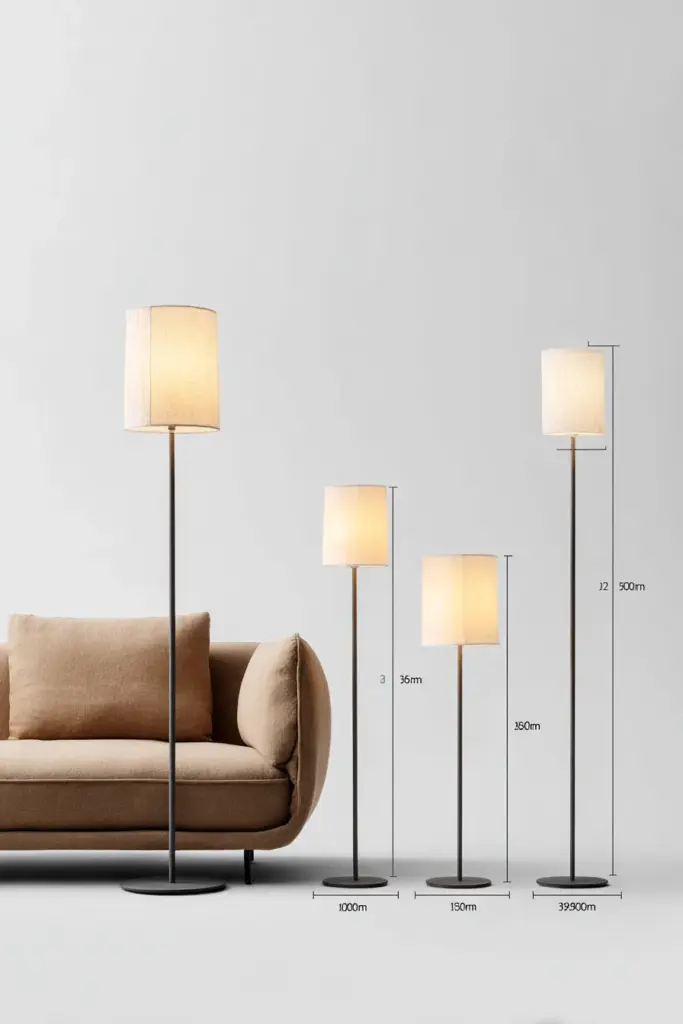
Getting height right prevents awkward visual clashes. Use this quick reference:
| Room Element | Recommended Lamp Height | Shade Diameter |
|---|---|---|
| Low sofa (60–70cm seat) | 140–160cm total | 30–40cm |
| Standard sofa (75–85cm seat) | 150–170cm total | 35–45cm |
| Reading chair beside tall bookshelf | 160–180cm total | 25–35cm (slim profile) |
| Corner accent in small room | 120–145cm total | 20–30cm |
The bottom of the shade should sit roughly at eye level when you’re seated—around 100–120cm from the floor. This prevents glare while ensuring the light spreads evenly across your reading material or conversation circle.
For small living rooms under 20 square meters (common in Silang, Calabarzon condos and apartments), opt for slender tripod bases or single-pole designs. Avoid chunky drum shades or wide-stance legs that eat up valuable walking space.
Multifunctional Options for Modern Living
The 2026 design trend leans toward furniture that earns its keep. Look for Japandi floor lamps with built-in shelves—a small circular ledge at mid-height perfect for your current book, a ceramic mug, or a small succulent.
Some models feature adjustable arms or rotating shades, letting you direct light where it’s needed most. This flexibility is gold for renters who can’t install ceiling fixtures or for rooms that serve multiple purposes throughout the day.
Cord management matters too. Choose lamps with fabric-wrapped cords in neutral tones or models with discreet cord channels that keep cables tidy against the wall. In Philippine homes where visible wires can clash with clean aesthetics, this small detail elevates the entire look.
Budget-Friendly Japandi Floor Lamp Alternatives
You don’t need to splurge on imported pieces to achieve the Japandi look. With creativity and resourcefulness, beautiful lighting is accessible.
IKEA Hacks and DIY Approaches
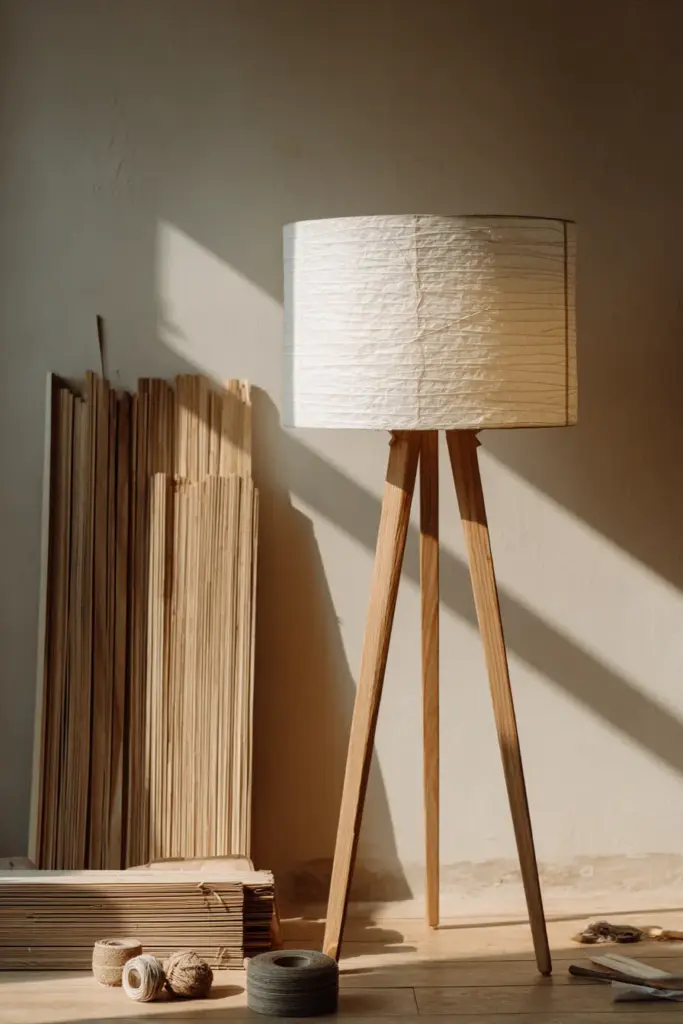
Start with affordable bases like IKEA’s RANARP floor lamp or simple tripod models. Replace the standard shade with rice paper or lokta paper (available in Divisoria or Quiapo craft markets). Secure the paper with non-toxic glue or double-sided tape, creating soft panels that mimic expensive washi designs.
For the adventurous, bamboo poles from local hardware stores can become tripod legs. Sand them smooth, stain with natural teak or leave raw, then attach with simple metal brackets. Add a paper lantern shade from a party supply store—instant Japandi charm at a fraction of boutique prices.
Upcycle old standing lamps by stripping ornate shades and wrapping the frame in natural linen or cotton fabric in cream, oat, or pale gray. The key is simplicity: remove embellishments, embrace clean lines, and let materials speak for themselves.
Affordable Dupes and Local Sourcing
Philippine-based online shops and Shopee sellers often carry Japandi-inspired floor lamps under ₱3,000–₱8,000. Search terms like “minimalist floor lamp,” “bamboo standing lamp,” or “paper shade floor light” yield surprising finds.
Local craftspeople in Pampanga and Laguna create custom bamboo and rattan pieces. Commission a simple tripod base and pair it with a ready-made paper shade—you’ll support artisans while getting a unique piece that fits your exact height and color needs.
For renters hesitant to invest heavily, consider battery-operated LED floor lamps. These portable options require no outlet proximity, making them perfect for corner styling or impromptu room rearrangements.
Maintenance and Care for Tropical Climates
Calabarzon’s humidity and dust pose unique challenges for natural-material lamps. Here’s how to keep yours glowing beautifully.
Cleaning Washi Paper and Bamboo
Dust washi shades weekly with a soft-bristle brush or microfiber cloth. Never use water—it warps the paper and ruins that precious diffused glow. For stubborn dust, a barely-damp cloth dabbed gently will suffice, followed by air-drying away from direct sun.
Bamboo bases benefit from occasional wiping with a cloth lightly dampened with diluted vinegar (1 part vinegar, 3 parts water). This prevents mildew buildup common in humid climates without damaging the wood’s natural finish.
Wooden elements appreciate a light coat of furniture oil or beeswax polish once every few months. This seals the grain against moisture and keeps the wood’s warm tones from fading.
Humidity-Resistant Considerations
If you live in particularly humid areas, choose lamps with treated bamboo or sealed wood bases. Some manufacturers apply water-resistant lacquers that protect without altering appearance.
For paper shades, positioning matters. Keep lamps away from open windows during rainy season and avoid placing them directly under air conditioning vents where condensation might form. A dehumidifier in the room helps paper materials last longer.
Rotate your lamp’s position seasonally to prevent uneven fading from sunlight. Washi paper develops a beautiful aged patina over time, but direct tropical sun can yellow it prematurely.
Child and Pet Safety
Japandi floor lamps, with their slender profiles, can tip if bumped. Secure them with museum putty under the base or position them behind furniture where little hands and curious paws can’t easily reach.
LED bulbs are essential if children or pets might touch the shade—they stay cool even after hours of use, preventing burns. Choose models with weighted bases (at least 2–3kg) for better stability.
If your pet loves to chew cords, invest in cord protectors or tuck cables under rugs with flat channel covers. This small step prevents both electrical hazards and the heartbreak of a ruined lamp.
Trends to Watch in 2026: The Future of Japandi Lighting
Design evolves, and Japandi is no exception. Here’s what’s emerging as we move deeper into this year.
Smart Integration and Energy Savings
Energy-conscious Filipino homeowners are embracing smart LED bulbs that slash electricity bills while offering customizable warmth. Pair a classic washi floor lamp with a smart bulb, and you can control brightness, color temperature, and even scheduling via smartphone.
Motion-sensor bases are appearing in higher-end models—perfect for hallway corners where you want automatic illumination without fumbling for switches. This blends Scandinavian functionality with Japanese subtlety beautifully.
Solar-charged floor lamps are still niche but growing, especially for covered lanais or semi-outdoor living spaces common in Philippine homes. Imagine a bamboo lamp soaking up afternoon sun, then glowing cordlessly through your evening unwinding.
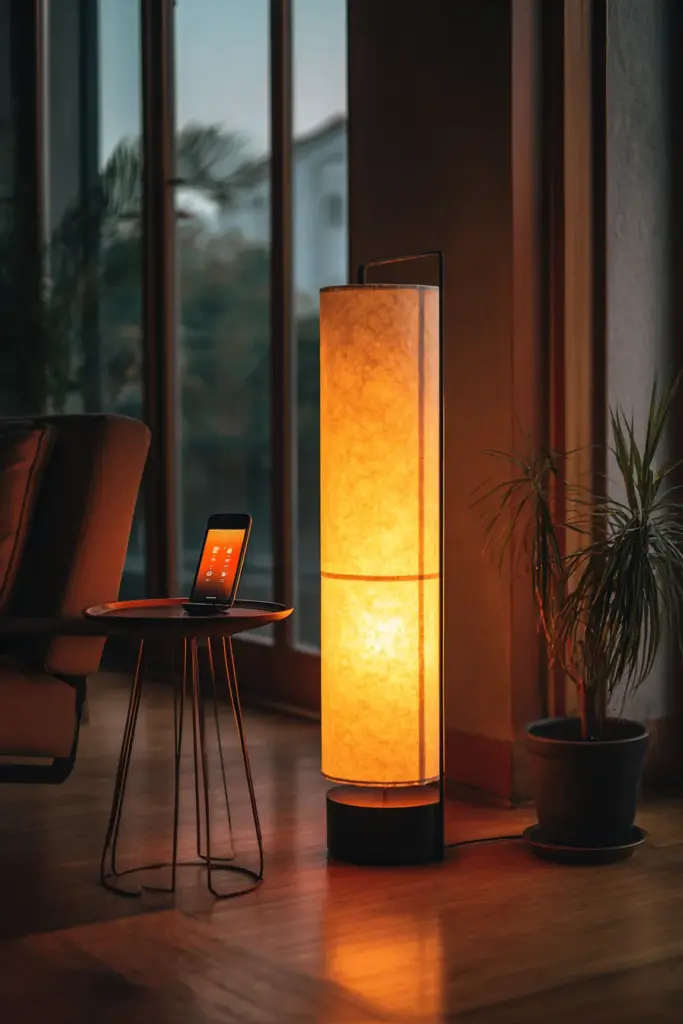
Biophilic and Multifunctional Designs
The line between furniture and lighting is blurring. Expect more floor lamps with integrated planters—a circular wooden base holding both light and a potted fern, uniting illumination with greenery in one sculptural gesture.
Modular designs let you adjust shelf heights or swap shade sizes as your needs change. This adaptability resonates with renters and those who love to refresh their spaces seasonally without buying entirely new pieces.
Color psychology is also influencing bulb choices. Research shows warm light (2700K–3000K) boosts hygge’s cozy factor, reduces stress, and even improves sleep quality when used in evening hours. Expect brands to market “wellness lighting” specifically tuned to circadian rhythms.
Sustainable and Local Materials
As environmental awareness grows, more designers are sourcing lokta bark paper from Nepal, abaca from Bicol, or repurposed driftwood from Philippine coastlines. These materials bring unique textures while supporting sustainable harvesting practices.
Look for lamps with FSC-certified bamboo or wood, and ask brands about their supply chains. True Japandi honors nature—not just aesthetically but ethically.
Quick Checklist: Choosing Your Perfect Japandi Floor Lamp
Before you click “buy” or commission a custom piece, run through these essentials:
- Height: Matches your seating—shade at eye level when seated
- Material: Natural (washi paper, bamboo, light wood) over synthetic
- Bulb: 2700K warm white, dimmable LED, CRI above 90
- Base stability: At least 2kg weight, especially with kids or pets
- Diameter: Proportional to room size (20–30cm for small rooms, 35–45cm for larger spaces)
- Cord length: Reaches outlet without visible extension cords
- Style: Simple, organic lines that won’t date quickly
- Budget: Set realistic expectations (₱2,000 for DIY, ₱5,000–₱15,000 for quality ready-made, ₱20,000+ for designer imports)
- Maintenance: Consider your climate and cleaning commitment
- Multipurpose: Does it offer shelving, dimming, or adjustable height?
The Emotional Heart of Japandi Lighting
Let’s step away from specs and talk about feeling.
A Japandi floor lamp isn’t just about lumens or kelvin ratings. It’s about the way you exhale when you walk into a softly lit room after a long day. It’s the peace that settles when harsh overhead fluorescents are finally switched off and a warm, diffused glow takes over.
These lamps invite rituals. The evening routine of clicking them on as dusk falls. The quiet mornings where their gentle light accompanies your first coffee, still in pajamas, feet tucked under you. They become witnesses to your life—the late-night conversations, the solo dance sessions, the tearful phone calls and joyful celebrations.
In Filipino homes where family and community are central, good lighting shapes how we connect. A Japandi floor lamp in the corner doesn’t just illuminate—it creates a gravitational pull, drawing people to sink into the sofa, to linger a little longer, to feel held by the space.
It’s the hygge warmth that says “stay, you’re safe here” and the wabi-sabi imperfection that whispers “you don’t need to be perfect either.” Together, they make a home that breathes.
Frequently Asked Questions
What is the best floor lamp style for small Japandi living rooms?
Slender tripod or single-pole designs work beautifully in compact spaces. Choose lamps under 160cm tall with narrow shades (20–30cm diameter) to maximize floor space while maintaining that signature Japandi elegance. Corner placement is your friend—it defines zones without crowding walkways.
How do I choose the right bulb for a Japandi floor lamp?
Prioritize 2700K warm white LED bulbs with a CRI above 90 for true color rendering and cozy ambiance. Dimmable options offer flexibility for morning brightness and evening intimacy. Avoid cool white or daylight bulbs—they clash with Japandi’s warm, organic aesthetic and can make natural materials look washed out.
Are washi paper lamps durable in humid climates like the Philippines?
Yes, with proper care. Keep washi lamps away from direct moisture, dust them weekly with a dry cloth, and position them away from open windows during rainy season. Treated bamboo bases and sealed wood components help prevent mildew. Many modern washi blends include synthetic fibers for added durability without sacrificing that signature soft glow.
Can I DIY a Japandi floor lamp on a budget?
Absolutely. Start with an affordable tripod base from IKEA or local hardware stores, then replace the shade with rice paper or lokta paper from Divisoria craft markets. Bamboo poles can be turned into custom bases with simple metal brackets. The key is embracing simplicity—clean lines, natural materials, and no unnecessary embellishments.
How do Japandi floor lamps compare to Scandinavian or minimalist designs?
Japandi blends both philosophies. Pure Scandinavian lamps tend toward sleek functionality with metal or glass, while minimalist designs can feel cold. Japandi adds Japanese warmth through natural materials like washi paper and bamboo, creating lighting that’s minimal yet deeply inviting. It’s minimalism with a soul—less about stark emptiness and more about intentional simplicity that soothes.