
Table of Contents
The flicker of flame against clean lines. The whisper of wood grain beside smooth stone. A small living room doesn’t mean surrendering the soul-warming presence of a fireplace—it means designing with intention, where every element earns its place.
Japandi style has captured hearts precisely because it understands this truth: beauty and function aren’t opposing forces. They’re dance partners. The minimalist clarity of Scandinavian design meets the serene depth of Japanese aesthetics, creating spaces that breathe even when square footage feels tight.
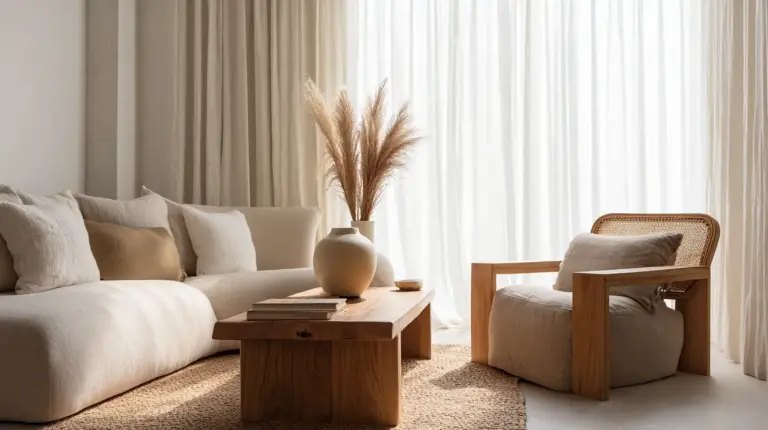
Your small living room deserves that same quiet luxury. A fireplace becomes more than a heat source—it’s the heart around which calm gathers, where wool blankets fold softly over low sofas, where the scent of cedarwood mingles with the soft glow of evening light.
Let’s explore how to bring this warmth into your space, thoughtfully and beautifully.
Understanding Japandi Fireplace Design
What is a Japandi style fireplace? Think of it as the meeting point between hygge coziness and wabi-sabi simplicity. It’s the fireplace that doesn’t shout for attention but quietly anchors your room with natural materials, clean lines, and an almost meditative calm.
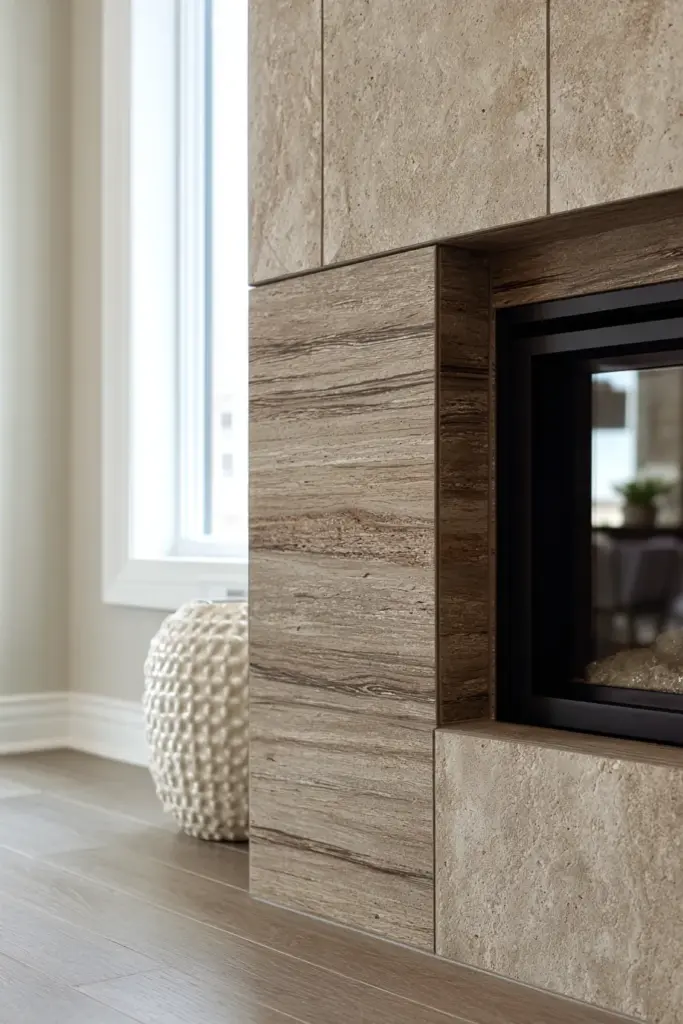
Unlike ornate traditional mantels or industrial-modern statements, Japandi fireplaces embrace negative space. The beauty lives in what you don’t add—no fussy details, no competing textures. Just honest materials: pale wood, matte black steel, smooth concrete, natural stone that looks like it’s been waiting centuries to rest in your living room.
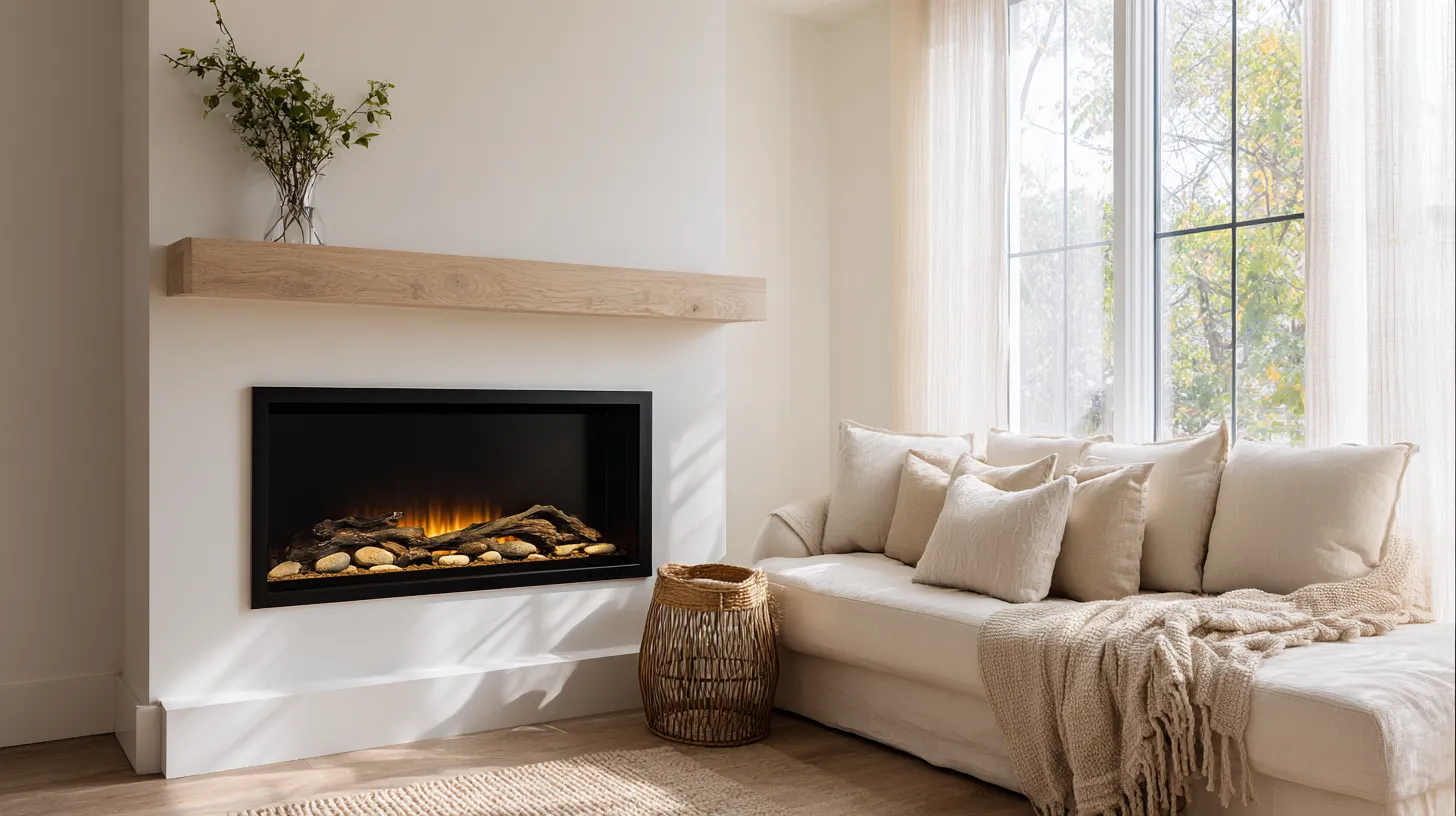
For small spaces, this restraint becomes your greatest ally. A slim electric insert framed in light oak. A corner hearth with river stones arranged just so. The fireplace dissolves into the architecture rather than dominating it, leaving room for life to unfold around its gentle warmth.
Choosing the Right Fireplace for Small Living Rooms
Size and Scale Considerations
In a compact living room, proportion is poetry. Your fireplace should feel like a natural pause in the room’s rhythm, not an obstacle course around furniture.
Look for units under 10cm in depth—modern electric fireplaces have evolved beyond bulky boxes. Wall-mounted designs float at eye level, freeing precious floor space. Alternatively, low-profile hearths that extend horizontally rather than vertically keep sightlines open and make ceilings feel taller.
Measure twice, breathe deeply, then commit. A fireplace that’s 60-80cm wide typically suits rooms under 15 square meters beautifully, creating focal presence without overwhelming intimacy.
Electric vs. Gas: Practical Choices
Are electric fireplaces suitable for Japandi small spaces? Absolutely—and they’re often the wisest choice for apartment dwellers and mindful budgets.
Electric inserts require no venting, no structural modifications, no landlord negotiations. They slip into existing spaces or mount flush to walls with the ease of hanging artwork. The flame effect technology has matured beautifully; soft LED flickers now mimic real firelight without the maintenance dance of ash and soot.
Gas fireplaces offer authentic flame but demand professional installation and permanent commitment. If you own your space and crave that primal connection to real fire, gas suits the Japandi philosophy—natural, elemental, honest. Just ensure adequate ventilation and choose models with clean glass fronts that maintain those crucial clean lines.
| Fireplace Type | Best For | Avg. Cost (PHP) | Installation | Maintenance |
|---|---|---|---|---|
| Electric Insert | Renters, small spaces | ₱8,000-25,000 | DIY-friendly | Minimal |
| Gas (Ventless) | Homeowners, authentic flame | ₱30,000-80,000 | Professional | Annual check |
| Bioethanol | Flexible placement | ₱15,000-40,000 | No installation | Refuel only |
| Electric Wall-Mount | Ultra-small rooms | ₱6,000-18,000 | Simple bracket | Dust cleaning |
Focal Point Placement
How to incorporate a fireplace as focal point in Japandi living room? Position matters as much as the piece itself.
Center the fireplace on the room’s longest wall if possible—this creates natural symmetry that Japandi design adores. Arrange seating in a gentle semicircle that invites conversation without blocking the hearth’s view. Low-profile sofas and floor cushions maintain the horizontal emphasis that makes small rooms feel expansive rather than crowded.
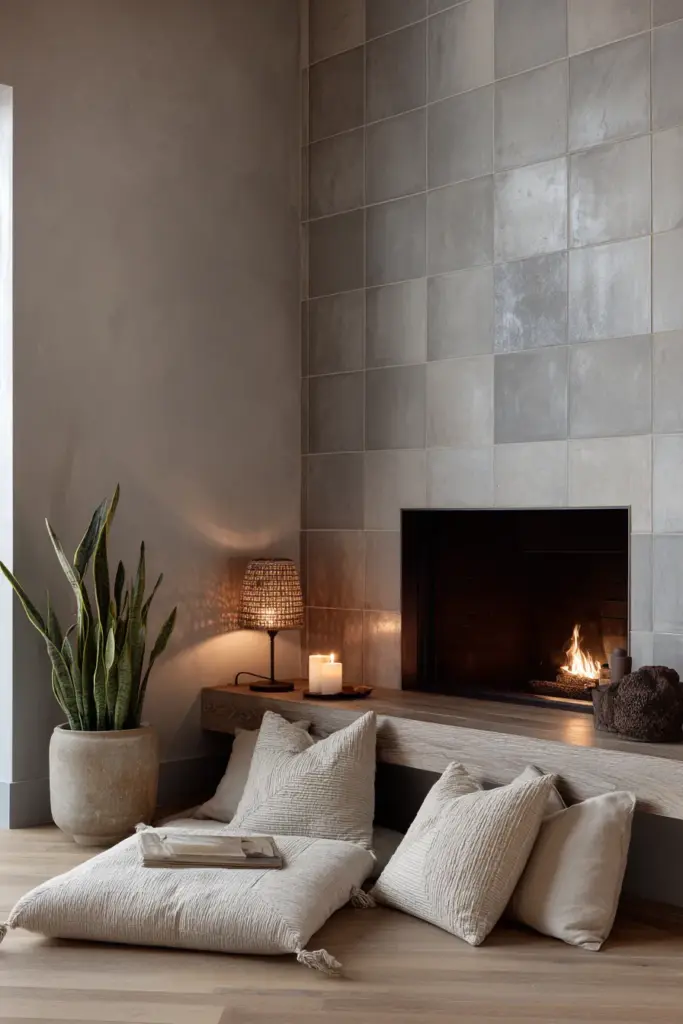
If your layout demands a corner placement, embrace it. A corner fireplace wrapped in natural stone becomes an unexpected sanctuary, softening hard angles while maximizing usable floor space. Add a single floor lamp beside it, and you’ve created a reading nook that feels like a secret.
Materials That Speak Softly
Natural Wood Elements
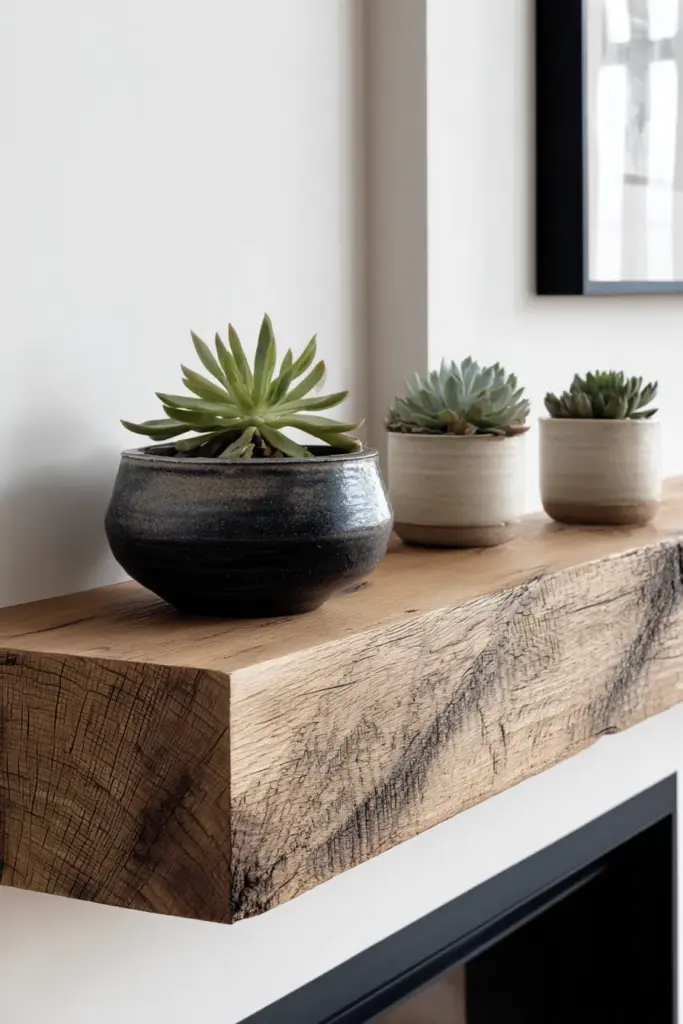
Wood brings warmth without weight. A floating mantel in pale oak or ash—just 10-15cm deep—provides display space for a single ceramic vase or handmade bowl without cluttering visual flow.
Consider reclaimed wood for your mantel if budget allows experimentation. The grain tells stories; imperfections become character. Sand it smooth, treat it with natural oil, and mount it with concealed brackets. The organic texture grounds the fireplace while honoring Japandi’s appreciation for materials that age beautifully.
For DIY enthusiasts, pallet wood offers budget-friendly potential. Three planks stacked and secured create rustic warmth for under ₱2,000 if you source from local construction sites or Divisoria suppliers. Stain in honey tones or leave natural—let the wood’s inherent beauty guide you.
Stone and Concrete
What materials work best for Japandi fireplaces? Natural stone anchors the design with elemental calm.
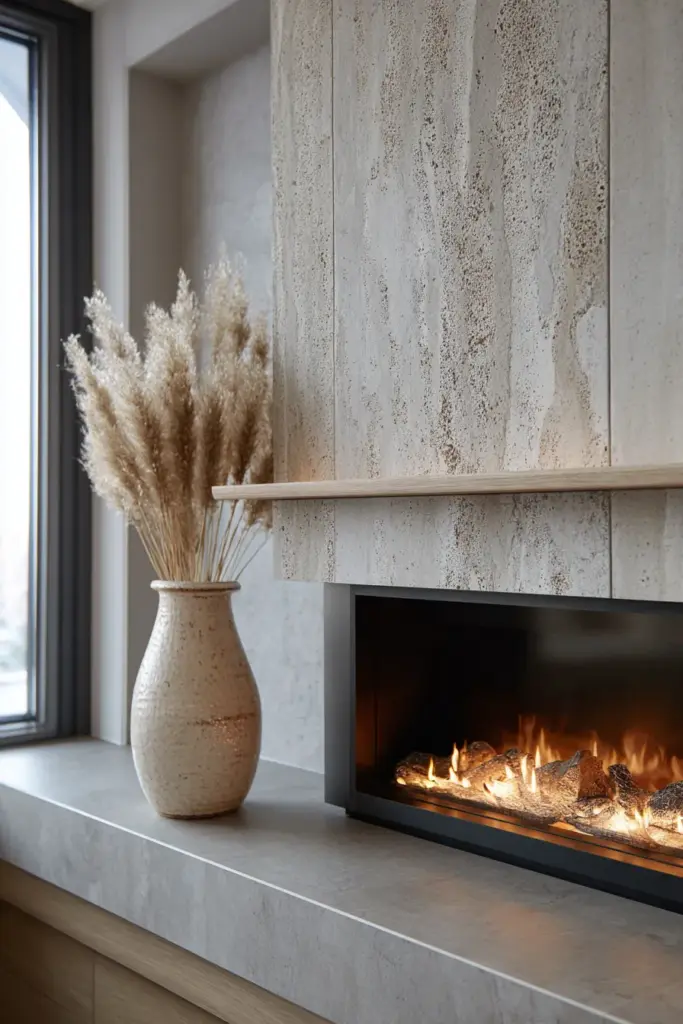
Smooth river stones stacked around an electric insert evoke Japanese garden serenity. Concrete surrounds—poured or faux tiles—offer matte minimalism that pairs beautifully with warm textiles. Look for neutral stones in cream, soft gray, or warm taupe rather than stark white or cold charcoal.
Budget-conscious designers can source faux stone tiles from local markets. Quality veneer panels from ₱5,000-15,000 (depending on coverage area) mimic limestone or sandstone convincingly. Install with peel-and-stick backing for renter-friendly reversibility, or use construction adhesive for permanent elegance.
The key: texture over pattern. Choose stones with subtle variation rather than dramatic veining. Let shadows and light play across the surface naturally rather than relying on bold contrasts.
Matte Black Accents
Black steel brings definition without heaviness when used sparingly. A slim fireplace surround in matte black frames the flames like Japanese shoji screens frame views—cleanly, intentionally, allowing the beauty beyond to shine.
Avoid glossy finishes; they reflect too much, creating visual noise. Matte absorbs light gently, adding depth while maintaining that essential Japandi calm. Pair black frames with pale walls and natural wood mantels for balanced contrast that feels deliberate rather than stark.
Designing Around Your Small Space Fireplace
Furniture Arrangement for Flow
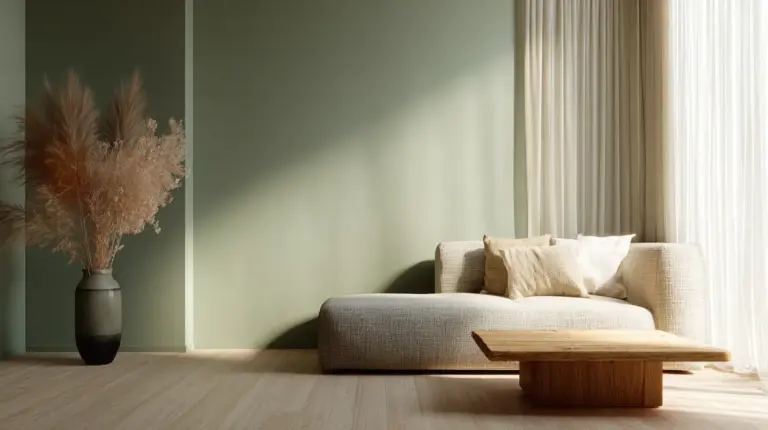
Low sofas are your friends. They honor the horizontal emphasis that makes small rooms breathe, keeping sightlines open from the fireplace to windows and beyond.
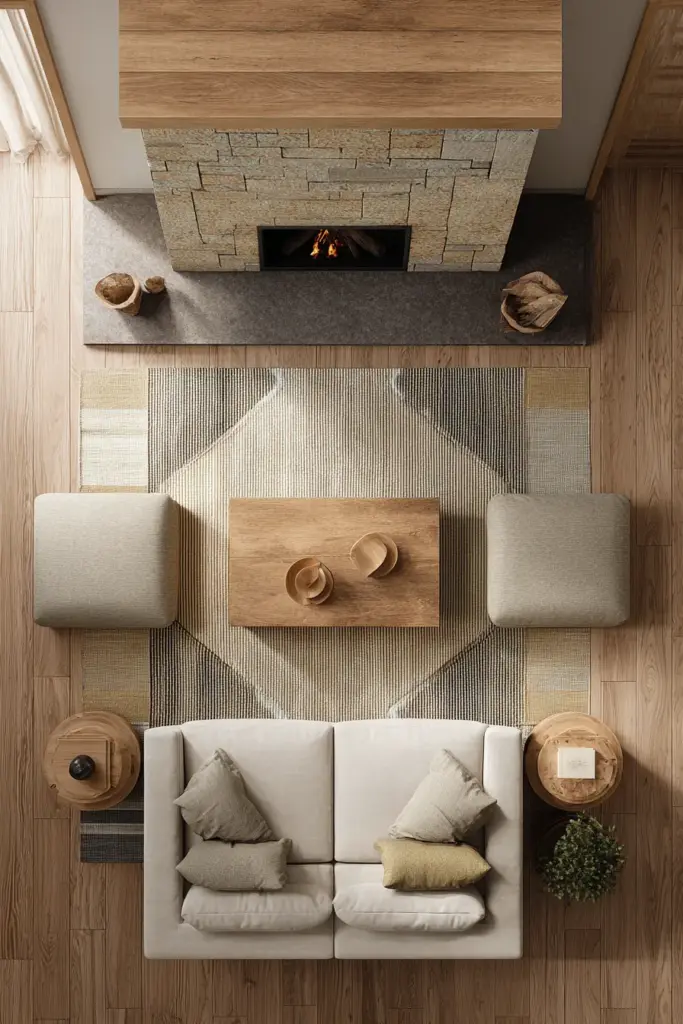
Position seating 1.5-2 meters from the hearth—close enough to feel warmth, far enough to allow graceful movement. A compact two-seater sofa perpendicular to the fireplace with a pair of floor cushions opposite creates intimate conversation flow without crowding the space.
Skip the bulky coffee table. A simple wooden tray on a low stool serves the same purpose while disappearing visually. Or embrace negative space entirely—sometimes the most luxurious thing in a small room is emptiness that lets you breathe.
The TV-Fireplace Balance
Should you mount a TV above your fireplace? In small Japandi living rooms, sometimes practicality and aesthetics must negotiate.
If wall space demands it, mount the TV but add a heat shield between screen and mantel—essential for protecting electronics above gas or electric fireplaces. Keep mounting height low (eye level when seated) to maintain that horizontal calm rather than forcing necks upward.
Alternatively, position the TV on an adjacent wall. This separates entertainment from relaxation zones, letting the fireplace remain a pure sanctuary for quiet moments with tea and thought. Your small room can hold both without competition if you’re intentional about which wall serves which purpose.
Lighting That Enhances Firelight
Layered lighting transforms a fireplace from functional to magical. The flames provide ambient glow, but they need supporting players.
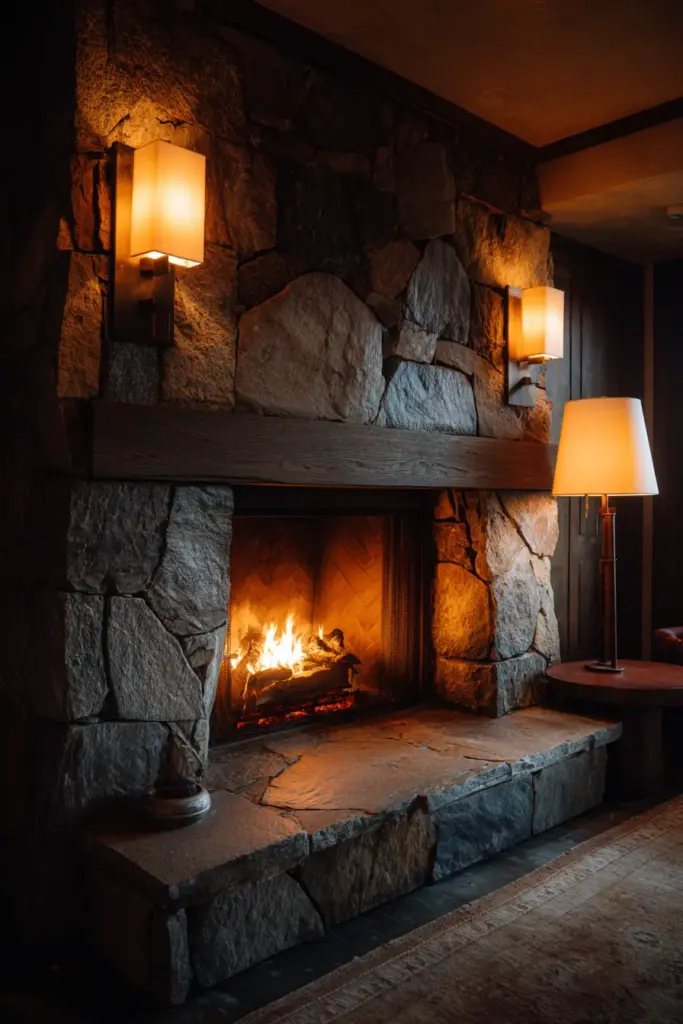
A single floor lamp with linen shade beside the hearth creates reading warmth. Wall sconces flanking the fireplace (if space allows) add gentle uplighting without consuming floor space. Keep bulbs warm-toned—2700K mimics firelight beautifully and enhances the natural wood tones that Japandi design celebrates.
Dimmer switches are non-negotiable. The ability to soften overhead lighting as evening deepens lets your fireplace become the room’s primary light source, creating that soul-nourishing transition from day’s brightness to night’s gentle embrace.
Adding Life: Plants and Natural Elements
Low-Light Plant Companions
Plant integration often gets overlooked in fireplace design, yet greenery amplifies Japandi’s biophilic calm beautifully.
Snake plants thrive in low light and require minimal care—perfect for positions flanking the hearth where direct sunlight rarely reaches. Their upright form echoes the vertical lines of the fireplace surround while purifying air and softening hard edges.
A single trailing pothos on the mantel adds organic movement without clutter. Or cluster three small succulents in handmade ceramic pots—odd numbers feel more natural, more intentional. Keep plantings simple; in Japandi design, one perfect plant beats a jungle of competing varieties.
Seasonal Texture Rotation
Your fireplace surround becomes a stage for seasonal beauty. In cooler months, a chunky wool blanket folded over the mantel’s edge. A single branch of preserved eucalyptus in a ceramic vase. Three cream-colored pillar candles in varying heights (unscented, so they don’t compete with wood smoke or room fragrances).
As warmth returns, swap blankets for linen throws. Replace eucalyptus with a simple vase holding one perfect stem—a single protea, a branch of monstera leaf, whatever speaks to the season. The key is rotation, not accumulation. Let each object have its moment rather than crowding the space with permanent decor.
Budget-Friendly DIY Approaches
Upcycled Mantel Projects
Your creativity becomes currency here. An old wooden shelf from a thrift store transforms into a floating mantel with fresh sanding, natural oil treatment, and proper wall anchoring.
Reclaimed cabinet doors, stripped of hardware and refinished, create stunning fireplace surrounds when mounted as panels. Look for solid wood pieces—particle board won’t age gracefully. A weekend project, some sandpaper, and natural wood stain can yield results that rival expensive installations.
Cost breakdown for DIY mantel:
- Reclaimed wood shelf (Divisoria/thrift): ₱800-2,000
- Sandpaper and finishing supplies: ₱400-800
- Heavy-duty mounting brackets: ₱500-1,200
- Natural wood oil or stain: ₱300-600
- Total: ₱2,000-4,600 vs. ₱15,000+ retail
Faux Stone Surround Installation
Peel-and-stick stone veneer has revolutionized renter-friendly design. These textured panels mimic limestone, river rock, or concrete convincingly and install in hours without professional help.
Measure your fireplace surround area carefully. Order 10% extra material for mistakes and future repairs. Clean the wall surface thoroughly—adhesive needs clean, dry surfaces to bond properly. Apply panels from bottom to top, pressing firmly and using a level to ensure straight lines.
For permanent installations, consider thin-set mortar instead of adhesive for more authentic appearance and durability. Either approach achieves that natural stone serenity for a fraction of traditional masonry costs.
Small Space Japandi Fireplace Checklist
Before you commit to design decisions, review these essentials:
- Scale appropriately: Choose fireplaces under 80cm wide for rooms under 15 square meters
- Prioritize depth: Electric inserts under 10cm deep preserve floor space
- Select neutral materials: Pale wood, natural stone, concrete, matte black steel
- Maintain clean lines: Avoid ornate details or competing textures
- Consider renter-friendliness: Electric and bioethanol options require no permanent installation
- Plan furniture flow: Keep 1.5-2m clearance; use low-profile seating
- Layer lighting: Combine firelight with dimmable ambient sources
- Add strategic greenery: 1-3 low-light plants soften hard edges
- Rotate seasonal decor: Keep mantel displays minimal and changing
- Budget realistically: DIY approaches start around ₱2,000; quality electric units ₱8,000-25,000
Bringing It All Together
The magic of a small Japandi living room fireplace isn’t in its size or cost. It’s in the intention behind each choice—the way you select pale oak over dark walnut because it makes your compact room breathe. The decision to leave the mantel mostly bare except for one perfect object that tells a story.
This is design as meditation. Each element considered, placed with purpose, allowed to simply be rather than shout for attention. The fireplace becomes what all good design should be: not a showpiece, but a sanctuary.
Your small living room doesn’t lack anything. It has exactly what it needs—warmth gathering at its center, clean lines creating calm, natural materials connecting you to something older and wiser than trends. The flames flicker. The wool blanket waits. The space breathes.
And in that breathing room, you find what you’ve been seeking all along: home.
Frequently Asked Questions
What makes a fireplace u0022Japandiu0022 style?
A Japandi fireplace blends Scandinavian minimalism with Japanese serenity through natural materials, clean lines, and functional simplicity. Think matte black steel, pale wood mantels, smooth stone surrounds, and an emphasis on negative space. It prioritizes calm over ornamentation, choosing one perfect element over multiple competing features.
Can I install a fireplace in a small apartment?
Absolutely. Electric fireplaces and bioethanol burners require no venting or structural modifications, making them ideal for renters. Look for wall-mounted units under 10cm deep or slim electric inserts that fit existing spaces. Many models include remote controls and adjustable flame settings, offering full fireplace ambiance without permanent installation.
How much does a small Japandi fireplace cost?
Budget electric inserts start around ₱6,000-8,000, while quality units with realistic flame effects range ₱12,000-25,000. DIY surrounds using faux stone tiles cost ₱5,000-15,000. Reclaimed wood mantels can be created for ₱2,000-4,600. Total project costs typically fall between ₱8,000-40,000 depending on DIY involvement and material choices.
What’s the best fireplace placement in a small living room?
Center the fireplace on the longest wall when possible, creating natural symmetry. If space constraints demand corner placement, embrace it—corner fireplaces soften hard angles while maximizing usable floor area. Position seating 1.5-2 meters away in a gentle semicircle to encourage conversation flow without blocking the hearth view.
Do electric fireplaces provide real heat?
Yes, most electric fireplaces include built-in heaters that effectively warm rooms up to 40 square meters. They’re more energy-efficient than traditional wood or gas options and allow you to use the flame effect without heat during warmer months. Heat output typically ranges from 750-1500 watts, sufficient for supplemental warmth in small to medium living rooms.