
Table of Contents
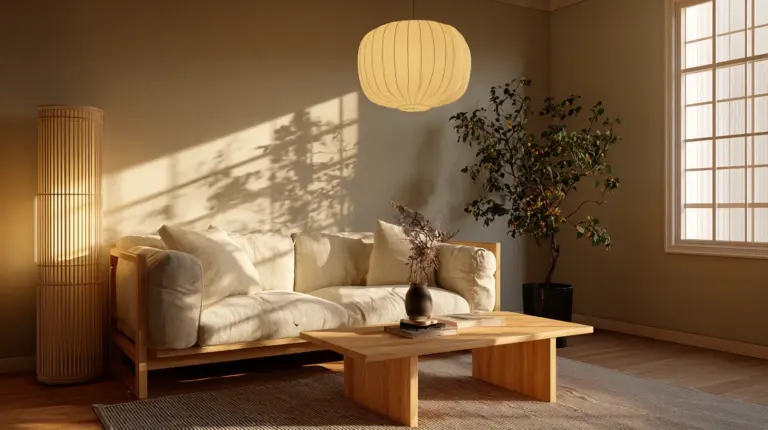
There’s something deeply calming about walking into a room that breathes. A space where every piece of furniture has earned its place — not by shouting for attention, but by offering quiet purpose. In small Japandi living rooms, seating isn’t just functional. It’s an invitation to slow down, to sit closer to the ground, to feel the grain of wood beneath your fingertips.
If you’re working with a compact living room, you know the struggle. Too much furniture, and the room feels cramped. Too little, and it loses warmth. The Japandi approach — a harmonious blend of Japanese minimalism and Scandinavian hygge — offers a third way. It’s about choosing seating that feels both grounding and generous, even when square footage is limited.
This guide will help you discover seating solutions that marry beauty with practicality. We’ll explore low-profile sofas, floor cushions, multifunctional stools, and the subtle art of arranging them to create openness. Whether you’re in a Manila apartment or a cozy rental anywhere, these ideas will help you craft a living room that feels larger, lighter, and unmistakably yours.
Let’s sink into the details — texture by texture, choice by choice.
Understanding Japandi Seating Philosophy
Japandi seating is rooted in two powerful principles: wabi-sabi (the Japanese appreciation for imperfection and simplicity) and hygge (the Scandinavian embrace of coziness). When these meet in a small living room, magic happens. You get furniture that’s minimal without being cold, warm without being cluttered.
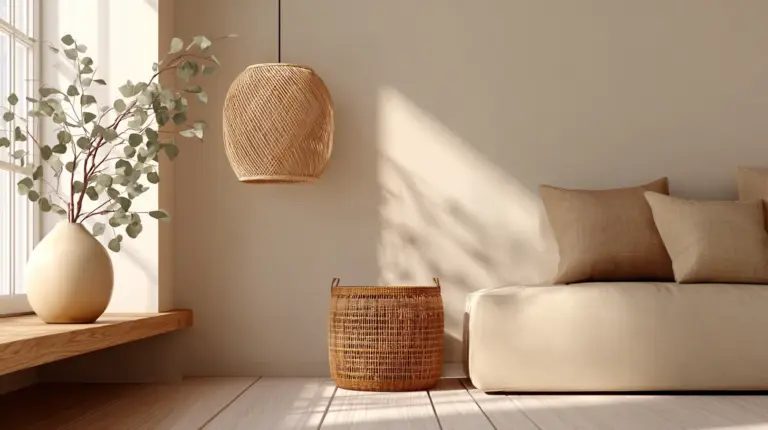
The materials tell the story first. Think natural wood in walnut or oak, rattan weaving that catches afternoon light, linen upholstery in shades of oat and sand. These aren’t just aesthetic choices — they’re tactile experiences. Running your hand along a rattan armrest or sinking into a linen cushion connects you to the natural world, even in an urban setting.
In small spaces, Japandi seating also honors negative space. The Japanese concept of ma — the beauty of emptiness — means your furniture should create breathing room, not fill every corner. This is where low-slung profiles and clean lines become essential.
Best Seating Types for Small Japandi Living Rooms
Low-Profile Sectional Sofas
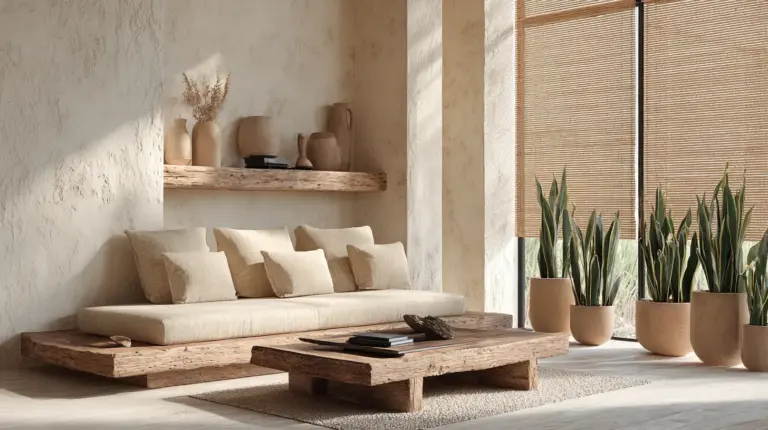
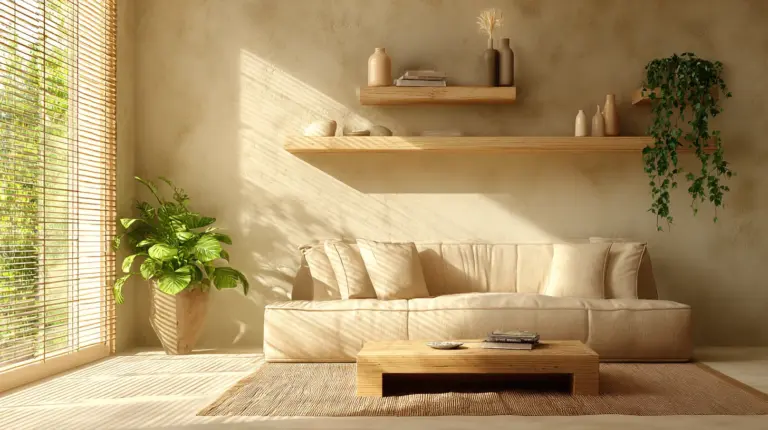
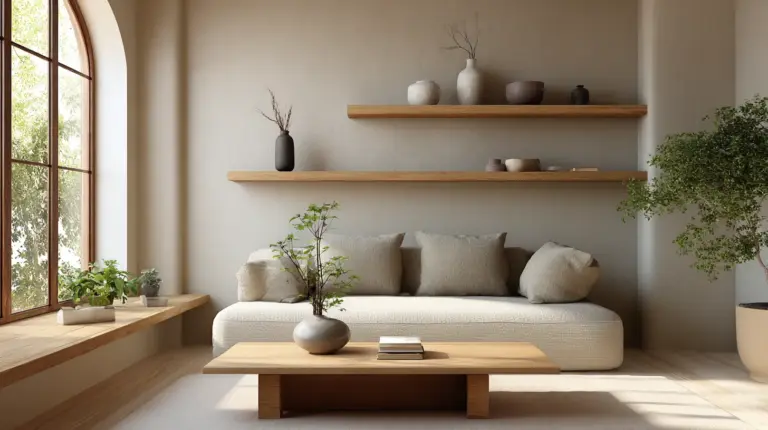
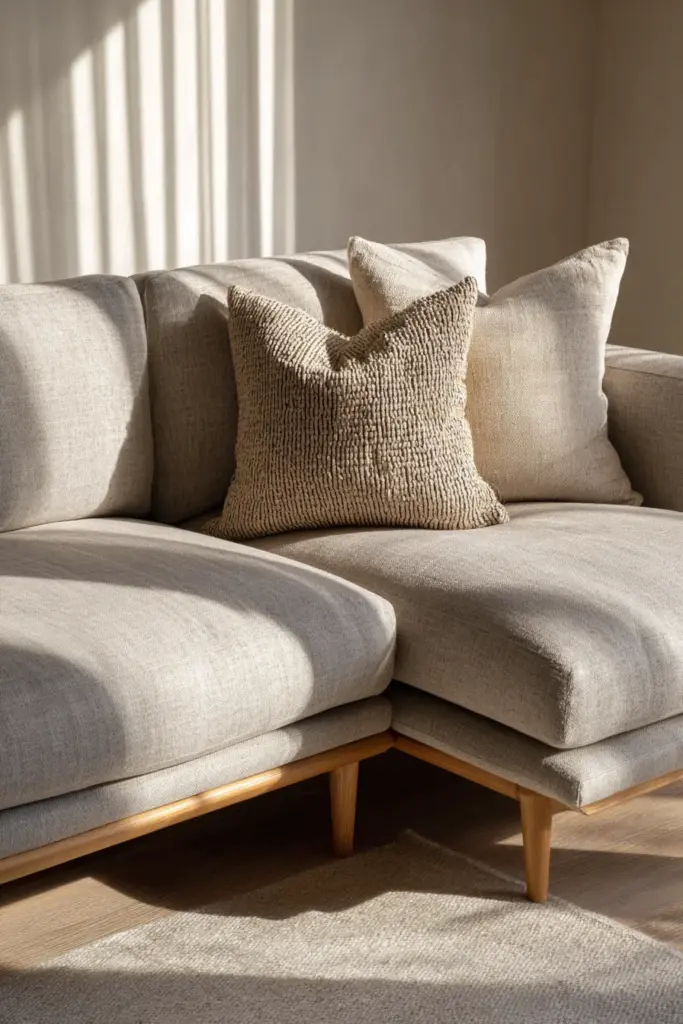
A low-profile sectional is the workhorse of small Japandi living rooms. These sofas sit closer to the ground — often with legs just 4-6 inches high — which visually expands your ceiling height. The horizontal lines create a grounded, spacious feel that’s perfect for compact areas.
Look for neutral-colored upholstery in beige, taupe, or soft gray. Natural linen or cotton blends breathe better in humid climates (hello, Manila summers) and age beautifully with a lived-in patina. Wooden legs in light oak or walnut anchor the piece without heaviness.
An L-shaped sectional can define your seating area while maintaining flow. Position it against two walls to maximize floor space in the center. The key is multifunctionality: choose designs with hidden storage beneath cushions or removable covers that can be washed when life gets messy.
Zaisu Chairs and Floor Seating
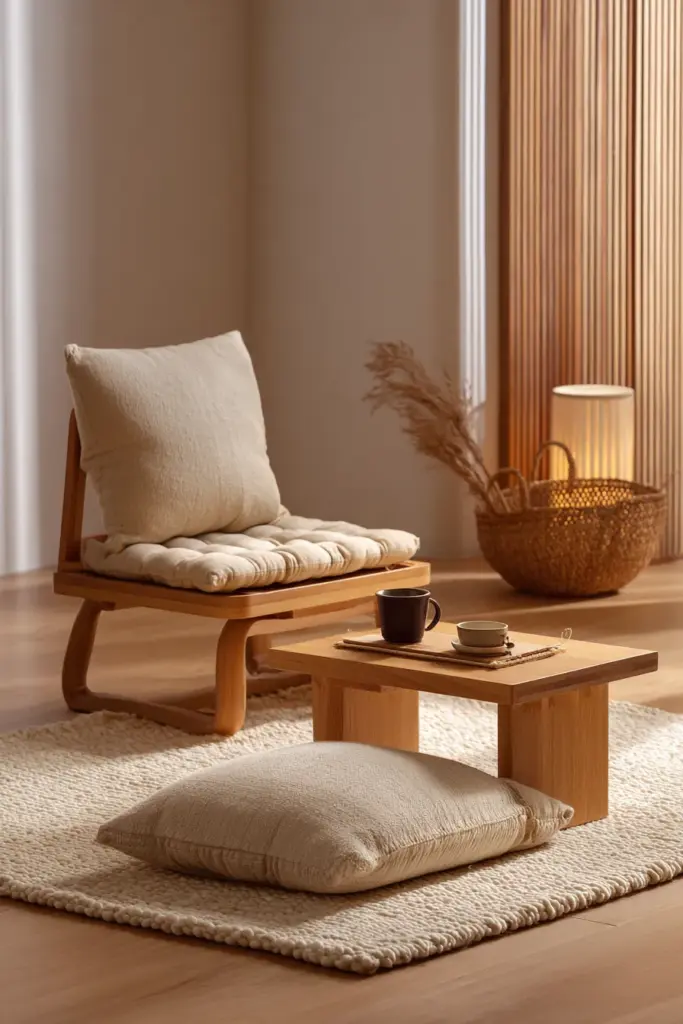
Zaisu chairs — traditional Japanese floor chairs with backs but no legs — are game-changers for small spaces. They offer the support of a chair with the footprint of a cushion. When not in use, they tuck away or lean against walls, freeing up valuable floor space.
Pair zaisu chairs with a low coffee table for tea ceremonies or casual meals. The act of sitting closer to the ground shifts your perspective, making the room feel taller and more open. Add a soft wool rug beneath for warmth and texture underfoot.
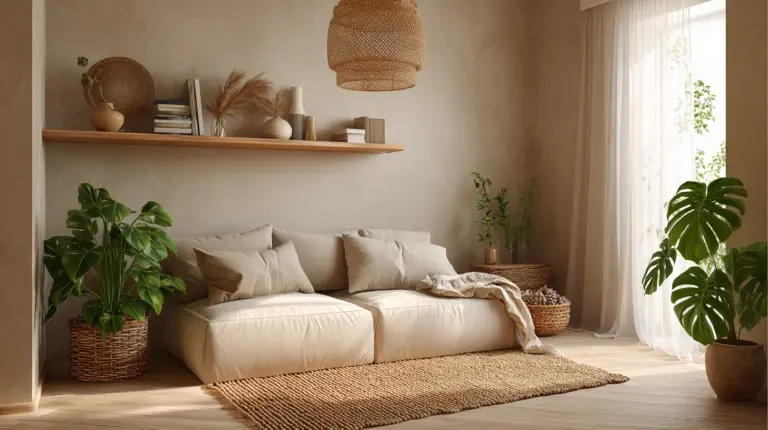
Floor cushions in natural fabrics like cotton or hemp create flexible seating for guests. Stack them in a woven basket when you need to open up the room. In Manila’s climate, choose breathable materials that won’t trap heat or humidity.
Single-Seater Armchairs
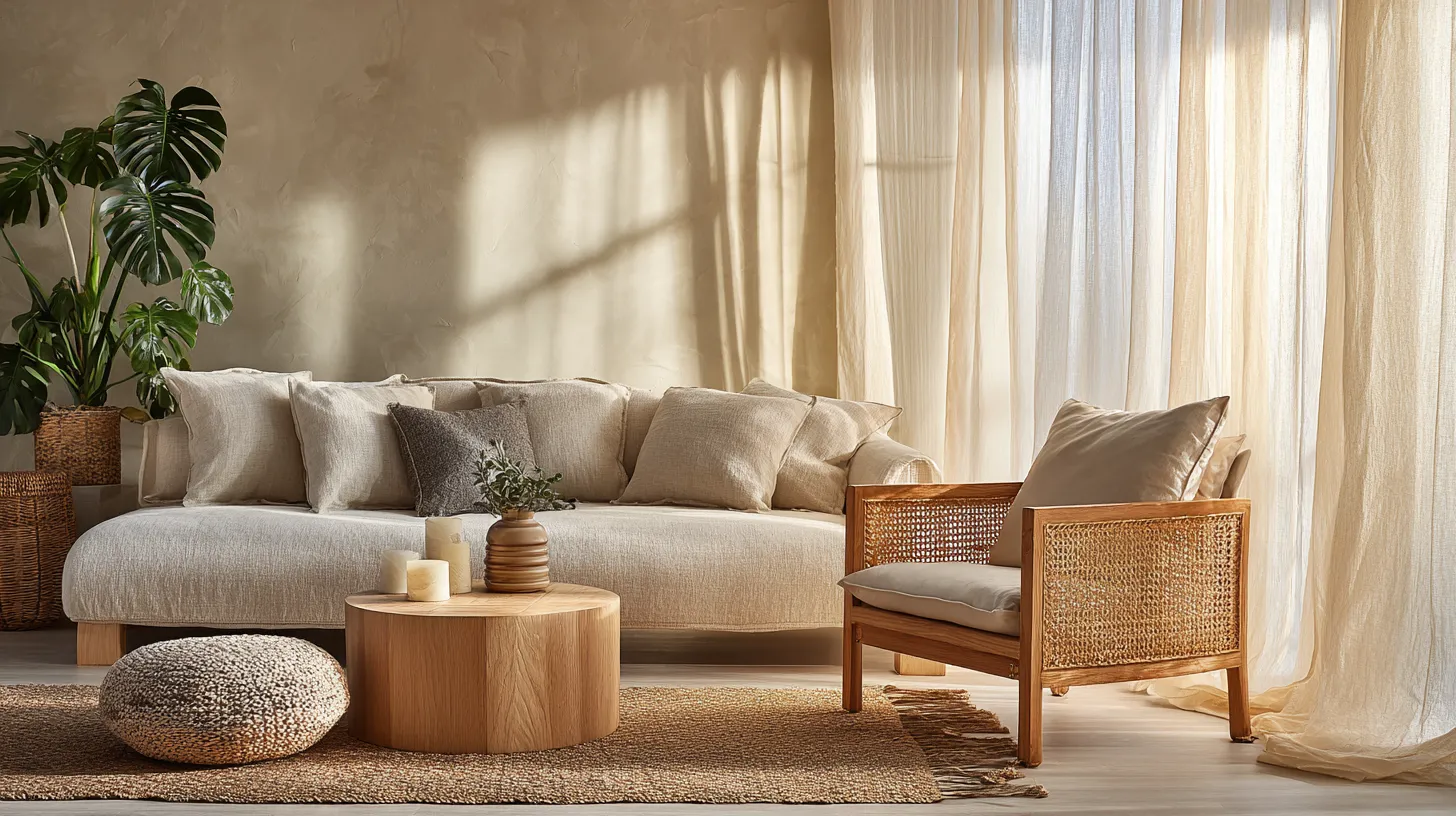
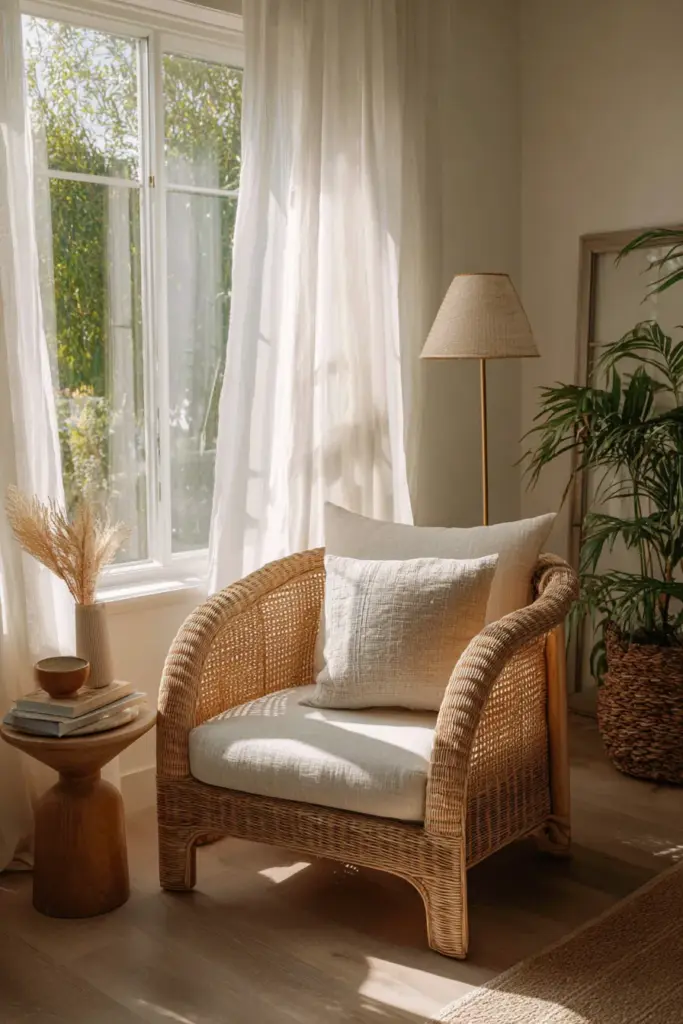
A well-chosen armchair becomes the soul of a Japandi living room. Look for compact single-seaters with wooden frames and streamlined silhouettes. Rattan armchairs with cushioned seats blend Asian craftsmanship with Scandinavian comfort — perfect for a reading nook by the window.
The beauty of single-seaters is their mobility. You can rotate them to face the sofa for conversation, angle them toward natural light for reading, or pull them into the dining area when hosting. Choose neutral upholstery that echoes your sofa’s palette for cohesion.
Consider armchairs with exposed wooden arms and legs in natural finishes. These details add visual interest without pattern or color, maintaining the calm Japandi aesthetic.
Multifunctional Stools and Ottomans
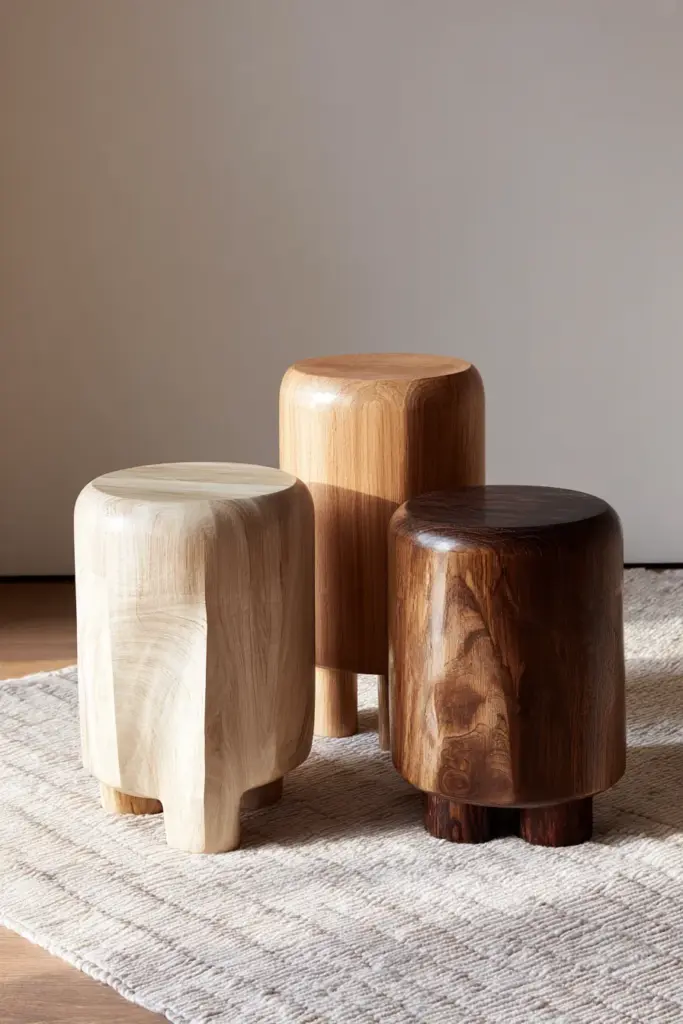
Stools are the unsung heroes of small-space living. A sculptural wooden stool can serve as side table, plant stand, extra seating, or footrest. Look for pieces in solid wood with organic shapes — perhaps a tree stump-style stool or a cylindrical design in light ash.
Upholstered ottomans offer hidden storage for throws, magazines, or remote controls. Choose ones with removable tops and neutral linen or wool covers. In a pinch, they become coffee tables when topped with a wooden tray.
Cluster two or three small stools of varying heights near your main seating. They add sculptural interest while remaining utterly practical. When guests arrive, distribute them around the room for flexible seating arrangements.
Arranging Seating for Maximum Space and Flow
Create Visual Breathing Room
In Japandi design, what you don’t fill matters as much as what you do. Leave at least 18-24 inches of clearance between your sofa and coffee table. This isn’t just for foot traffic — it’s for your eyes to rest.
Float your furniture slightly away from walls when possible. A sofa pulled 6-12 inches forward creates a subtle boundary while making the room feel less boxy. The gap behind can hold a narrow console table with a table lamp, adding depth and functionality.
Embrace asymmetry with intention. Instead of matching armchairs flanking a sofa, try a single statement chair balanced by a floor lamp and plant stand on the opposite side. This creates interest while maintaining the minimalist aesthetic.
Layer Heights for Depth
Japandi seating works best when you play with vertical variation. A low sectional sofa (seat height around 16 inches) paired with slightly higher armchairs (18 inches) creates gentle rhythm. Add floor cushions (6 inches) and the eye travels naturally through different levels.
This layering trick makes small rooms feel larger because it emphasizes horizontal space while creating visual interest. Position your lowest elements — floor cushions, zaisu chairs — where you want the eye to linger and the space to feel most open.
Don’t forget about ceiling height. In rooms with low ceilings, keep all seating low-profile. In spaces with higher ceilings, you have more flexibility to mix heights.
Consider Traffic Patterns and Function
Map out how you actually move through the room. Your primary pathway should be at least 30 inches wide — enough to pass comfortably without turning sideways. Arrange seating to support, not block, these natural flows.
Create conversation areas by positioning seating in a rough U-shape or L-shape, with seats no more than 8 feet apart. This distance feels intimate without requiring raised voices. In very small rooms, a simple two-seater sofa facing two floor cushions across a low table works beautifully.
Think about your daily rituals. Do you watch TV, read, work from home, practice yoga? Your seating arrangement should support your lifestyle, not fight it. A yoga corner needs clear floor space; a TV setup needs proper viewing angles.
Integrating Lighting with Seating Choices
Warm Ambient Layers
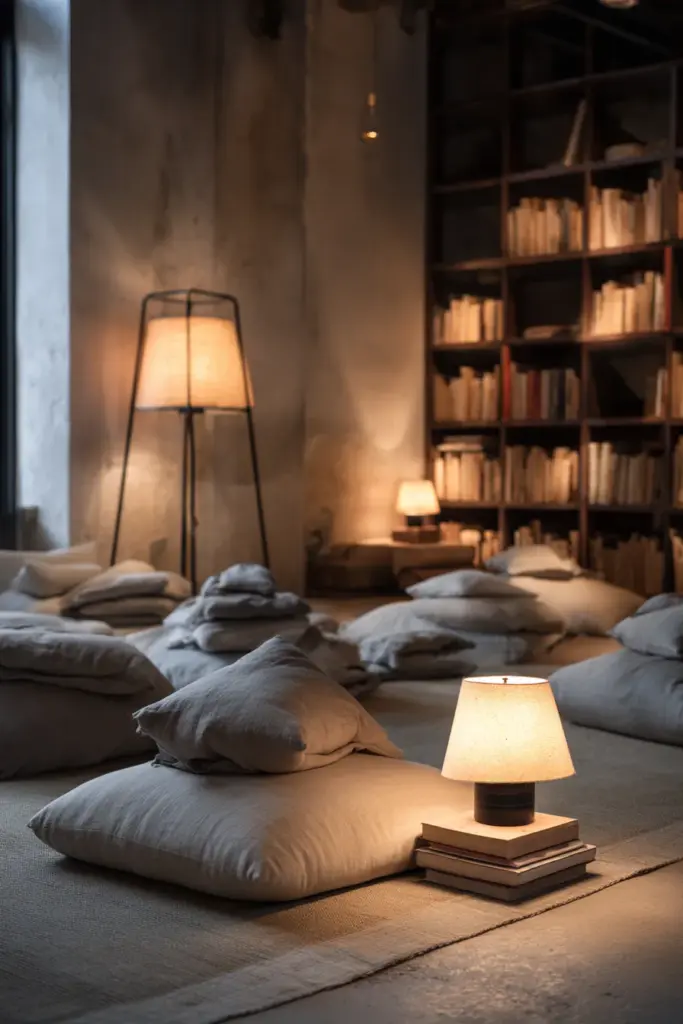
Japandi rooms thrive on layered lighting that mimics natural daylight’s gentle progression. Position a slim floor lamp beside your zaisu chair or armchair for reading. Choose designs in black metal or light wood with linen shades that diffuse warm LED light.
The psychology of warm lighting (2700-3000K) enhances the coziness factor that makes Japandi spaces so inviting. In Manila’s tropical setting, where natural light can be harsh midday, adjustable warm lighting creates sanctuary in the evening.
Avoid overhead-only lighting. Instead, place table lamps on low shelving units or stools to create pools of light at different heights. This emphasizes the horizontal calm of your low-profile seating while adding dimension after dark.
Natural Light Optimization
Arrange seating to maximize your relationship with natural light without creating glare on screens. Position your main sofa perpendicular to windows rather than directly facing them. This allows light to wash over the space while you enjoy side views.
Sheer linen curtains in white or natural tones filter harsh sunlight while maintaining privacy. The filtered light creates soft shadows on textured fabrics and wooden surfaces, bringing your seating area to life throughout the day.
In apartments with limited windows, place a mirror opposite your light source to bounce illumination around the room. This makes seating areas feel airier and more connected to the outdoors.
Material and Color Choices for Small Spaces
Natural Woods and Sustainable Materials
Choose seating with FSC-certified wood frames whenever possible. Light woods like oak, ash, or bamboo reflect light and make rooms feel larger. Darker woods like walnut add warmth but should be used sparingly in very small spaces.
Rattan and cane bring texture and Asian authenticity to Japandi interiors. A rattan armchair or ottoman adds visual interest without pattern, maintaining the calm aesthetic. These materials are also sustainable and breathe well in humid climates.
For budget-conscious Manila dwellers, explore Divisoria or local thrift shops for solid wood pieces that can be refinished. Sand down old varnish, apply a light natural oil finish, and add neutral cushions. You’ve just created bespoke Japandi seating at a fraction of retail cost.
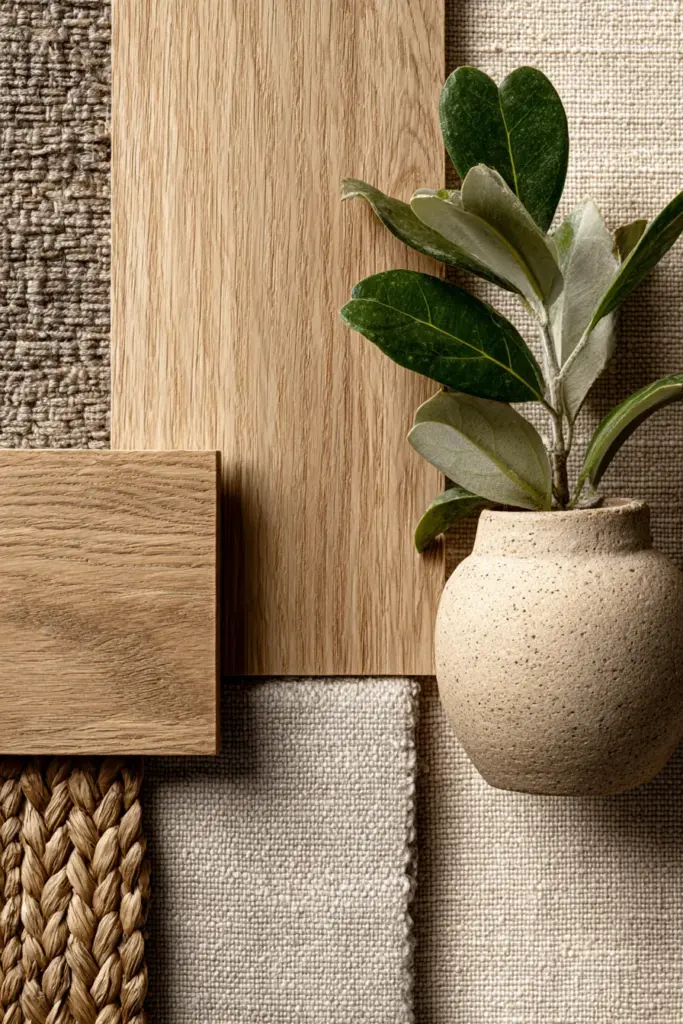
The Neutral Palette with Intention
Japandi living rooms typically embrace an earthy palette: beige, taupe, warm gray, cream, and soft whites. These aren’t boring — they’re grounding. Layer different shades and textures of the same color family for depth without visual noise.
Your sofa might be linen in warm gray, paired with floor cushions in natural cotton, a rattan armchair with beige cushions, and a wooden stool in light oak. The monochromatic approach creates cohesion while the varied materials add richness.
Introduce black sparingly as an accent — perhaps in metal lamp frames or cushion piping. This adds definition without disrupting the serene palette. In small rooms, too much contrast can feel choppy.
Budget-Friendly Japandi Seating Solutions
DIY and Upcycling Opportunities
Transform a thrifted sofa into Japandi-style seating by replacing bulky legs with hairpin legs or tapered wooden ones from hardware stores. Reupholster in neutral linen or use slipcovers in natural fabrics. This DIY approach can cost under ₱10,000 (roughly $200) versus buying new.
Create floor seating with firm cushions covered in canvas dropcloth or linen fabric. Add wooden pallets underneath as low platforms, sanded and oiled. Stack cushions against the wall when not in use, or store them in woven baskets.
Scout local makers in the Philippines who work with sustainable rattan and bamboo. Commissioning custom pieces often costs less than imported furniture and supports local craftsmanship. Plus, you get exactly the dimensions your small space needs.
Under ₱25,000 Complete Seating Setup
Here’s a realistic budget breakdown for small Japandi living room seating:
| Item | Estimated Cost (₱) | Notes |
|---|---|---|
| Low-profile loveseat or compact sofa | 12,000-15,000 | Local furniture shops, natural fabric |
| Rattan armchair or zaisu chair | 3,000-5,000 | Filipino craftspeople, Divisoria finds |
| Set of 3 floor cushions | 2,000-3,000 | DIY with cushion inserts + fabric |
| Wooden stool (multifunctional) | 1,500-2,500 | Solid wood, natural finish |
| Floor lamp with warm LED | 2,000-3,000 | Minimal design, adjustable height |
| Total | 20,500-28,500 | Mix new and upcycled for lower end |
Prioritize what you’ll use most. If you read every evening, invest in a quality armchair and good task lighting. If you host often, spend more on the sofa and supplement with affordable floor cushions.
Plant Pairings and Living Elements
Strategic Greenery with Seating
In Manila’s humid climate, incorporate air-purifying plants that thrive indoors. Position a pothos or snake plant on a wooden stool beside your armchair. The trailing vines add vertical interest while improving air quality in compact spaces.
Low-profile seating pairs beautifully with floor-standing plants in ceramic pots. A fiddle leaf fig or monstera in a neutral pot draws the eye upward, balancing the horizontal emphasis of Japandi furniture. Place plants in corners to soften angles and create flow.
Avoid overcrowding. One or two statement plants, carefully positioned, work better than clusters of small pots. The negative space between seating and greenery is part of the composition.
Organic Scent and Sensory Details
Place a small wooden tray on your coffee table or ottoman with a ceramic diffuser using essential oils like hinoki (Japanese cypress), cedarwood, or yuzu. These natural scents enhance the organic atmosphere without overwhelming small spaces.
Fresh eucalyptus in a simple vase on a side table adds subtle fragrance and visual texture. Choose vessels in matte ceramic or clear glass to maintain the natural aesthetic. The sensory layers — visual, tactile, olfactory — make your seating area a full experience, not just a place to sit.
Accessibility and Inclusive Design
Seating for All Ages and Abilities
Consider modular seating that adapts to different needs. Low sofas can be challenging for elderly family members or those with mobility issues. Balance floor seating with at least one chair at standard height (18-20 inches) with arms for support.
For families with small children, choose stain-resistant natural fabrics or removable, washable covers. Avoid glass coffee tables near low seating where toddlers might tumble. Rounded wooden tables in light finishes are safer and equally beautiful.
Renters should look for furniture with rubber pads on legs to protect floors, or invest in furniture clips that prevent sliding without permanent installation. This flexibility lets you create your Japandi haven without risking your security deposit.
Sustainability and Longevity
Investing in Quality Over Quantity
Japandi philosophy values pieces that age gracefully. A solid wood chair with natural oil finish develops character over years — water rings and small dents become part of its story. This aligns with wabi-sabi principles of finding beauty in imperfection.
Compare lifespans: a ₱15,000 FSC-certified rattan armchair might last 15-20 years with care, while a ₱5,000 pressed-wood alternative might need replacing in 3-5 years. The sustainable choice is also the economical one over time.
Look for eco-labels when shopping: FSC (Forest Stewardship Council) for wood, GOTS (Global Organic Textile Standard) for fabrics, or local certifications for rattan and bamboo. These ensure your seating choices support both your home and the environment.
Care and Maintenance Tips
Natural materials need simple, regular care. Vacuum linen upholstery weekly to prevent dust buildup. Wipe wooden surfaces with a damp cloth and reapply natural oil yearly to maintain the finish. Rattan benefits from occasional misting in dry seasons to prevent cracking.
Rotate cushions monthly to ensure even wear. Fluff down or feather inserts to maintain their shape. These small rituals extend your furniture’s life while creating mindful moments in your daily routine.
Store floor cushions in breathable cotton bags when not in use to protect from dust and humidity. This simple step prevents mildew in tropical climates while keeping your seating fresh.
Key Takeaways: Your Japandi Seating Checklist
- Choose low-profile furniture with seat heights between 16-18 inches to create visual spaciousness
- Embrace multifunctionality through ottomans with storage, stools as tables, and moveable floor cushions
- Layer different seating heights for visual depth — mix sofas, armchairs, zaisu chairs, and floor cushions
- Prioritize natural materials like oak, rattan, linen, and cotton in neutral earth tones
- Create breathing room with intentional negative space and asymmetrical arrangements
- Integrate warm lighting at multiple heights beside seating areas for ambiance and function
- Add sustainable greenery strategically to enhance air quality without cluttering
- Consider accessibility with varied seating heights and renter-friendly, modular pieces
- Invest in quality FSC-certified wood and GOTS fabrics that age beautifully over decades
- Budget creatively through DIY upcycling, local craftspeople, and mixing investment pieces with thrifted finds
Conclusion: Sitting in Stillness
The most beautiful Japandi living rooms aren’t styled — they’re inhabited. They bear the gentle marks of life: a book spine-up on the armrest, a tea cup’s faint ring on the wooden stool, cushions slightly askew from last night’s conversation. This is the space you’re creating. Not a showroom, but a sanctuary.
Your small living room, no matter its dimensions, can hold enormous peace. It begins with seating that invites you to sit lower, breathe deeper, and notice the light changing on linen fabric. It continues with choices that honor both beauty and the earth — sustainable wood, natural fibers, pieces built to last.
As you arrange your space, remember: less is often more, but warmth is everything. Let your seating tell the story of how you want to live — grounded, intentional, surrounded by texture and light.
Welcome home.
Frequently Asked Questions
What is the best seating for a small Japandi living room?
Low-profile sectional sofas with neutral upholstery work best for anchoring small Japandi spaces. Supplement with zaisu chairs or floor cushions for flexible, space-saving options. Choose multifunctional pieces like storage ottomans that serve multiple purposes without cluttering your room.
How do I arrange seating in a small Japandi living room?
Create an L-shaped or U-shaped conversation area with your main sofa, leaving 18-24 inches between furniture pieces for flow. Float furniture slightly away from walls when possible, and layer different seating heights — low sofas, medium armchairs, floor cushions — to add visual depth without consuming space.
What’s the difference between Japandi floor seating and traditional sofas in small rooms?
Floor seating like zaisu chairs and cushions sits closer to the ground, making ceilings appear higher and rooms more spacious. Traditional sofas offer back support and are easier for elderly users or those with mobility challenges. The ideal approach combines both: a low-profile sofa for primary seating with floor cushions for flexibility.
Can I create Japandi seating on a budget in Manila apartments?
Absolutely. Explore Divisoria for solid wood furniture to refinish, commission local rattan craftspeople for custom pieces, or DIY floor cushions with fabric and inserts. A complete seating setup can cost under ₱25,000 by mixing thrifted finds with strategic new purchases and upcycling projects.
How do I maintain natural materials in Japandi seating?
Vacuum linen weekly, wipe wood with damp cloths, and reapply natural oil yearly. Rotate cushions monthly for even wear, and store floor seating in breathable bags to prevent humidity damage. In Manila’s climate, occasional misting helps prevent rattan from drying and cracking. Simple, consistent care extends the life of quality pieces significantly.